
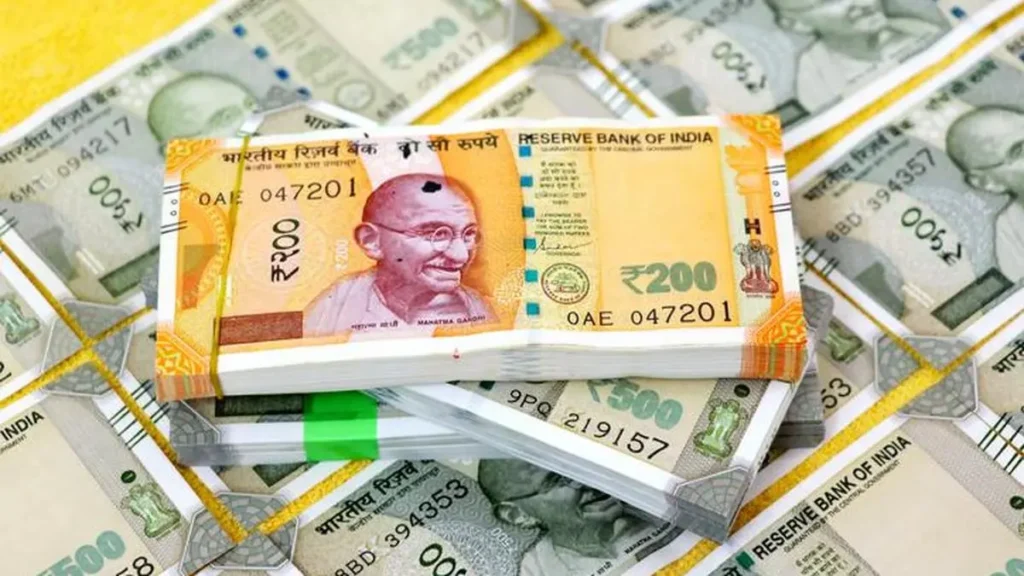
The Indian Rupee at 100 per Dollar is no longer viewed as a distant possibility. Growing geopolitical tensions involving Iran and rising global crude oil prices are putting mounting pressure on India’s currency, according to a report by Bloomberg. Analysts warn that if oil prices remain elevated, the rupee could weaken to the psychologically important 100-per-dollar level in the near future.
Read More: https://theboardroompk.com/mari-energies-spinwam-1-production-begins-boosting-gas-output-in-kp/
India’s heavy reliance on imported energy makes its economy particularly vulnerable to oil shocks. As crude prices climb, macroeconomic risks increase, including a widening current account deficit and higher inflation, both of which typically weigh on the currency.
Oil Prices Driving Indian Rupee at 100 per Dollar Concerns
India is among the world’s largest crude oil importers, meaning higher global prices translate directly into increased import costs. This raises demand for dollars while weakening the local currency. Market participants say currency derivatives are already reflecting expectations that the rupee could test or breach the 100 mark if geopolitical tensions persist.
Experts note that even strong intervention by the Reserve Bank of India may only slow the pace of depreciation rather than reverse it. Central bank actions can stabilize short-term volatility, but broader global economic conditions are likely to dictate the long-term trajectory.
RBI Measures to Stabilize the Currency
To curb volatility, the Reserve Bank of India has tightened controls in the onshore foreign exchange market. Banks’ end-of-day open positions have been capped at $100 million to reduce speculative pressure. The policy aims to discourage aggressive bets against the rupee and restore market confidence.
However, despite these steps, the rupee remains one of Asia’s weakest-performing currencies this year. Persistent capital outflows and deteriorating external balances continue to undermine investor sentiment.
Capital Outflows Add to Indian Rupee at 100 per Dollar Risk
Foreign investors have shown increasing caution toward emerging markets. In March alone, overseas funds withdrew approximately $12 billion from Indian equities, marking the largest monthly outflow on record. Such capital flight increases demand for foreign currency and intensifies depreciation pressure on the rupee.
At the same time, higher oil prices may reduce remittance inflows from Gulf economies if regional growth slows. Since remittances play a crucial role in supporting India’s external account, any decline could further strain currency stability.
Lessons from Past Geopolitical Shocks
Geopolitical crises have historically affected the rupee. During the Russia Ukraine conflict, the currency weakened significantly over six months. Analysts believe the current situation could have an even stronger impact because global oil supply conditions are tighter today.
Even if tensions ease, structural challenges remain. Slower foreign investment inflows, concerns about export performance, and persistent inflationary pressures may continue to weigh on the rupee’s outlook.
What It Means for Pakistan and Regional Markets
For Pakistan and other South Asian economies, a weaker Indian rupee could influence regional trade competitiveness. Currency movements in large neighboring economies often affect export pricing, investment flows, and broader financial sentiment across the region.
If the Indian rupee approaches 100 per dollar, it may trigger adjustments in trade strategies, particularly in sectors where Pakistan competes directly with India in global markets.
Outlook: Is Indian Rupee at 100 per Dollar Inevitable?
Market participants emphasize that reaching the 100-per-dollar level is not guaranteed but increasingly plausible. Sustained oil price rallies, unresolved geopolitical tensions, and ongoing capital outflows could accelerate the move. While policy measures may provide temporary relief, the broader trend depends heavily on global economic conditions.