Uncategorized

Pakistan, Indonesia to Deepen Cooperation in Edible Oil and Palm Oil Sector, Chairman PVMA
Uncategorized

Pakistan, Indonesia to Deepen Cooperation in Edible Oil and Palm Oil Sector, Chairman PVMA

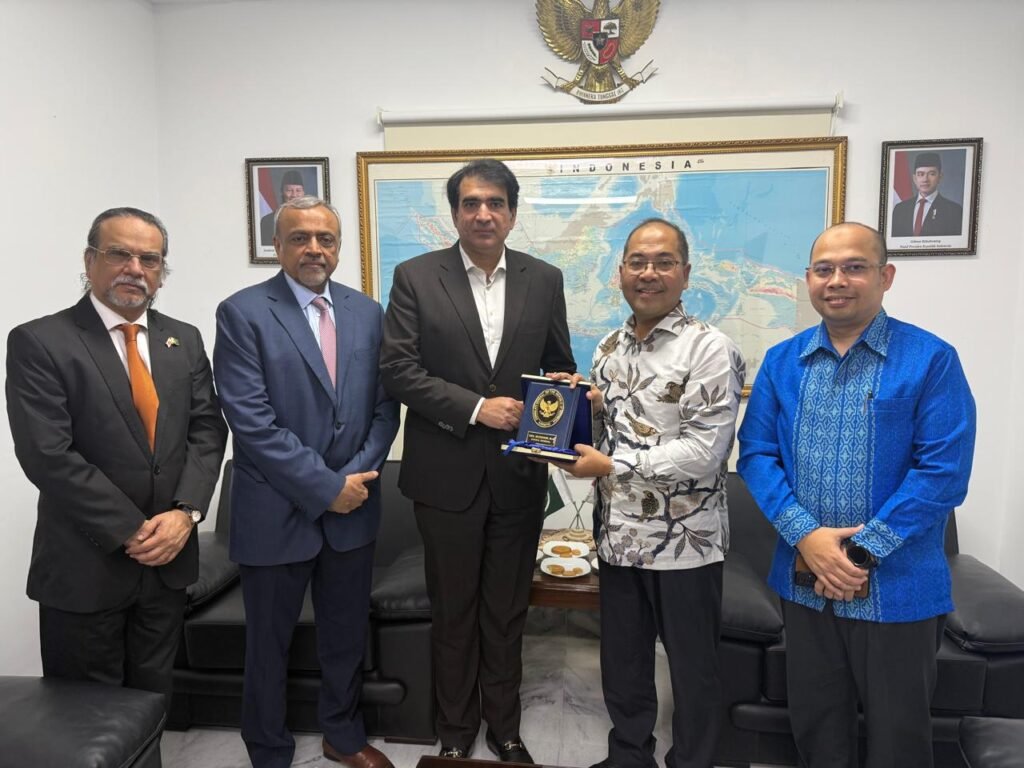
Pakistan and Indonesia need to significantly strengthen bilateral cooperation in the edible oil and palm oil sector to ensure sustainable economic growth, reduce trade bottlenecks, and create new investment opportunities, Indonesian Consul General in Karachi Madzaker M.A. said on Tuesday. The Consul General expressed these views during a meeting with Sheikh Umer Rehan, Chairman of the Pakistan Vanaspati Manufacturers Association (PVMA), held at the Indonesian Consulate in Karachi. The meeting was also attended by Rashid Jan Muhammad and Ahmed Ghulam Hussain, where both sides discussed ways to expand trade ties and remove existing barriers in the edible oil industry. Indonesia Offers Technical Support and Expertise in Palm Oil Highlighting Indonesia’s global leadership in palm oil production, Consul General Madzaker M.A. said Indonesia has extensive experience in palm oil cultivation, processing, and value addition, which Pakistan can benefit from through technology transfer, training programs, and technical cooperation. He noted that enhanced agricultural collaboration and the exchange of expertise would not only strengthen the edible oil supply chain but also deepen overall Pakistan–Indonesia economic relations, contributing to shared prosperity and long-term development. Pakistan Relies Heavily on Indonesian Palm Oil Imports Speaking on the occasion, PVMA Chairman Sheikh Umer Rehan emphasized that Pakistan is one of the largest importers of edible oil from Indonesia, making Indonesia a critical and reliable trading partner. “Nearly 90 percent of palm oil consumed in Pakistan is imported from Indonesia, which underlines the strategic importance of this bilateral relationship,” he said. He explained that Pakistan’s domestic edible oil production falls far short of national demand, making imports essential. As edible oil is a basic daily necessity for Pakistani households, maintaining stable and cost-effective supply lines with Indonesia is of vital economic importance. Trade Barriers Slowing Cooperation While acknowledging the decades-long trade relationship between the two countries, Sheikh Umer Rehan pointed out that tariff and non-tariff barriers, along with administrative and technical challenges, have slowed the pace of cooperation in recent years. He stressed that these issues could be effectively addressed through continuous bilateral dialogue, policy coordination, and private-sector engagement, enabling smoother trade flows and stronger partnerships. Investment Opportunities in Refining and Value Addition The PVMA Chairman further highlighted Pakistan’s potential to collaborate with Indonesia in value-added edible oil products, palm oil refining, and storage infrastructure. He noted that Indonesian investment in palm oil refining and value addition facilities in Pakistan could significantly reduce import costs, generate employment, and strengthen the local edible oil industry. He added that Indonesian palm oil meets international quality standards and is well-suited for Pakistan’s manufacturing sector. Commitment to Long-Term Collaboration Both sides held detailed discussions on mutual trade interests, industry challenges, and future collaboration opportunities, with participants emphasizing the need to broaden cooperation beyond trade into investment and industrial development. Reaffirming their commitment, both Pakistan and Indonesia agreed to maintain close coordination to further strengthen Pakistan’s edible oil sector, enhance food security, and unlock new avenues of economic cooperation in the coming years.

Automobiles Drive Pakistan's Industrial Growth with 65% YoY Surge
Uncategorized

Automobiles Drive Pakistan’s Industrial Growth with 65% YoY Surge

Pakistan’s Large Scale Manufacturing Index (LSMI) recorded robust growth in October 2025, rising 3.8% month-on-month and 8.3% year-on-year, according to data from the Pakistan Bureau of Statistics. For the first four months of FY26 (4MFY26), LSMI expanded by 5.0% YoY, signaling a positive trajectory amid falling inflation and lower interest rates. Read More: https://theboardroompk.com/pakistans-industries-challenge-govt-claims-manufacturing-contracts-amid-shutdowns-50-capacity-operations-and-high-costs/ Key Sector Performers and Decliners The automobile sector led with a 65% YoY increase, driven by stable tariffs, lower interest rates boosting auto finance, and recovering demand. Coke & Petroleum Products surged 49% YoY, while Other Manufacturing (including footballs) rose 36% YoY. Cement production climbed 16% MoM and 13% YoY, reflecting construction incentives. However, Pharmaceuticals fell 12% YoY, Chemicals 9% YoY, and Textiles dipped 3% MoM despite a modest 1% YoY gain. Positive Outlook Amid Challenges Analysts expect LSMI to continue upward, supported by aggregate demand growth, construction boosts from post-flood rehabilitation, mortgage credits, and housing subsidies. However, sluggish broad-based demand due to higher taxation and recent flood damages may temper gains. Sectors like Cement, Steel, and Chemicals are poised to benefit in coming quarters.

BingX Celebrates Reaching 40M Users in 2025 with Beyond the Alpha Campaign
Uncategorized

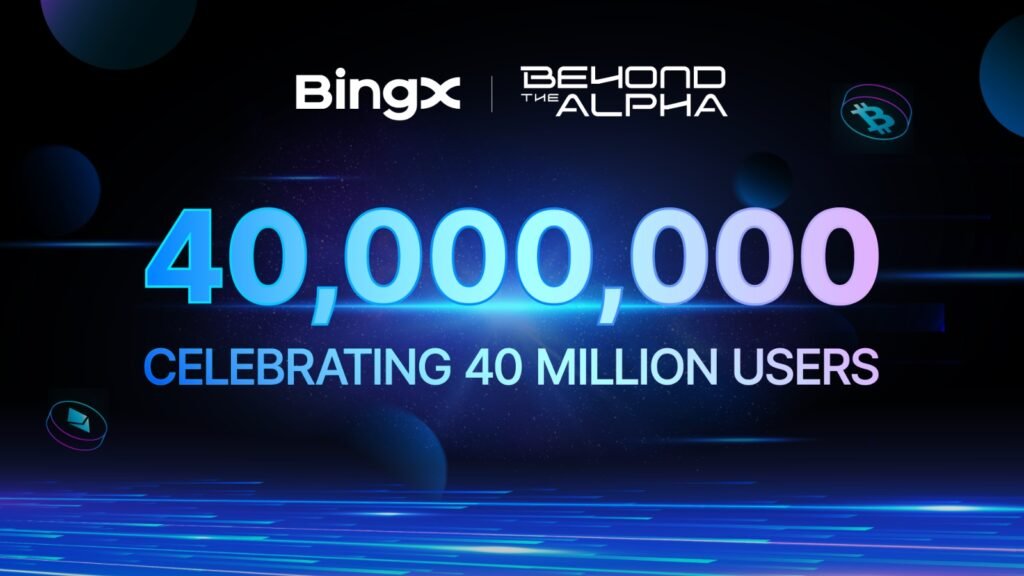
BingX Celebrates Reaching 40M Users in 2025 with Beyond the Alpha Campaign

In 2025, BingX achieved 100% user growth, with a peak 24-hour trading volume surpassing $26 billion, underscoring strong global adoption and momentum. PANAMA CITY, December 15, 2025 – BingX, a leading cryptocurrency exchange and Web3 AI company, has reached a major milestone by surpassing 40 million global users. This achievement marks an extraordinary 100% year-over-year growth, cementing BingX’s position as one of the fastest-growing platforms in the industry. Pioneering Innovation in the Crypto Space BingX is at the forefront of innovation in the crypto space. The exchange launched a groundbreaking $300 million commitment to AI, making a strong push into an AI-native crypto exchange. This bold move has attracted over 3 million early users who are trading with BingX AI Bingo and BingX AI Master, which provide advanced insights and enhance decision-making. In addition, BingX has introduced a CeDeFi approach with the launch of BingX Chainspot, a centralized exchange system with decentralized transparency, marking a first in the industry. This unique hybrid model blends the strengths of centralized exchanges with the security and transparency of decentralized finance (DeFi), offering users enhanced flexibility and trust in their trading environment. Early Access to the Market and Offerings BingX has further enhanced its trading offerings with significant improvements across both spot and futures trading: Uncompromising Commitment to Security BingX has always prioritized user security and transparency. The platform has consistently provided publicly accessible, verifiable 100% Proof of Reserves since 2022, reinforcing its commitment to accountability. To further protect users, BingX launched a $150 million Shield Fund and has achieved ISO 27001 certification, meeting the highest security standards in the industry. In addition, BingX has attained PCI DSS v4.0.1 certification for its fiat business, ensuring robust safeguards for both user data and financial transactions. User-Centric Enhancements for the Community BingX’s dedication to its users is exemplified through a series of new community-driven initiatives designed to enhance the trading experience. Strategic Investments in the Future of Web3 BingX has shown continued dedication to the evolution of the Web3 space, with BingX Labs investing $16 million in promising Web3 projects. This commitment underscores BingX’s role as a driving force in the future of decentralized technologies. Additionally, BingX is nurturing the next generation of crypto leaders through its TalentX program, empowering young talent to explore career opportunities within the digital asset industry. Beyond innovation and trading, BingX has maintained its corporate social responsibility efforts, making impactful donations globally, including a donation of $200,000 USD to the “One Light, Thousands of Hearts” initiative in Vietnam, and a donation of HKD $5 million to the Support Fund for Wang Fuk Court in Tai Po, Hong Kong, following a tragic fire disaster. “Reaching 40 million users is more than just a number,” said Vivien Lin, Chief Product Officer of BingX. “It represents the recognition we have received from our users, partners, and the broader crypto community. Every milestone reflects our unwavering commitment to innovation, security, and putting our users first, and it motivates us to continue doing more for our users. We always take a step further, and that is the spirit we hope to demonstrate in our Beyond the Alpha campaign. “ To celebrate this significant achievement, BingX is launching its “Beyond the Alpha” campaign, a celebration of its commitment to engaging with users in innovative and meaningful ways. Running from December 15 to December 26, 2025, the campaign invites users to participate in a lucky draw for a chance to win guaranteed prizes, including a limited-edition BingX Field Barista Kit, trading vouchers, and more. Users can earn additional entries by completing daily tasks such as trading, depositing, and referring to new users. As part of this vibrant campaign, BingX will also release a first-ever branded music video, showcasing the key achievements and reinforcing its dedication to delivering secure, user-friendly, and responsive products and services.

Google to Shut Down Dark Web Monitoring Tool in Early 2026
Uncategorized

Google to Shut Down Dark Web Monitoring Tool in Early 2026

Google has announced the discontinuation of its Dark Web Report feature, a tool designed to alert users when their personal information appears on the dark web following data breaches. The service, which scanned for details such as email addresses, phone numbers, names, addresses, and even Social Security numbers in illicit databases, will cease operations in phases next year.Scanning for new dark web data will stop on January 15, 2026, with the feature fully shutting down on February 16, 2026. At that point, all associated user data will be permanently deleted from Google’s servers. Users enrolled in the monitoring can manually delete their profiles earlier via account settings by navigating to the Dark Web Report page, editing the monitoring profile, and selecting “Delete monitoring profile.”Launched in March 2023 initially for Google One subscribers and expanded to all Google account holders in July 2024, the tool aimed to help users track their digital footprints amid rising identity theft risks. However, Google cited user feedback indicating that the reports provided general information but “did not provide helpful next steps” for remediation.In a statement, the company explained: “We’re making this change to instead focus on tools that give you more clear, actionable steps to protect your information online. We’ll continue to track and defend you from online threats, including the dark web.”Google is directing users to alternative security features, including Security Checkup, Passkeys, Password Manager, two-step verification, Google Authenticator, and “Results about you” for removing personal info from search results. While the explicit dark web alerts end, Google assures continued behind-the-scenes protection against such threats.The move reflects Google’s ongoing efforts to prioritize practical privacy tools over informational alerts in an era of frequent data leaks.

Pakistan's Central Bank Surprises Markets with 50 bps Rate Cut to 10.5%
Uncategorized

Pakistan’s Central Bank Surprises Markets with 50 bps Rate Cut to 10.5%

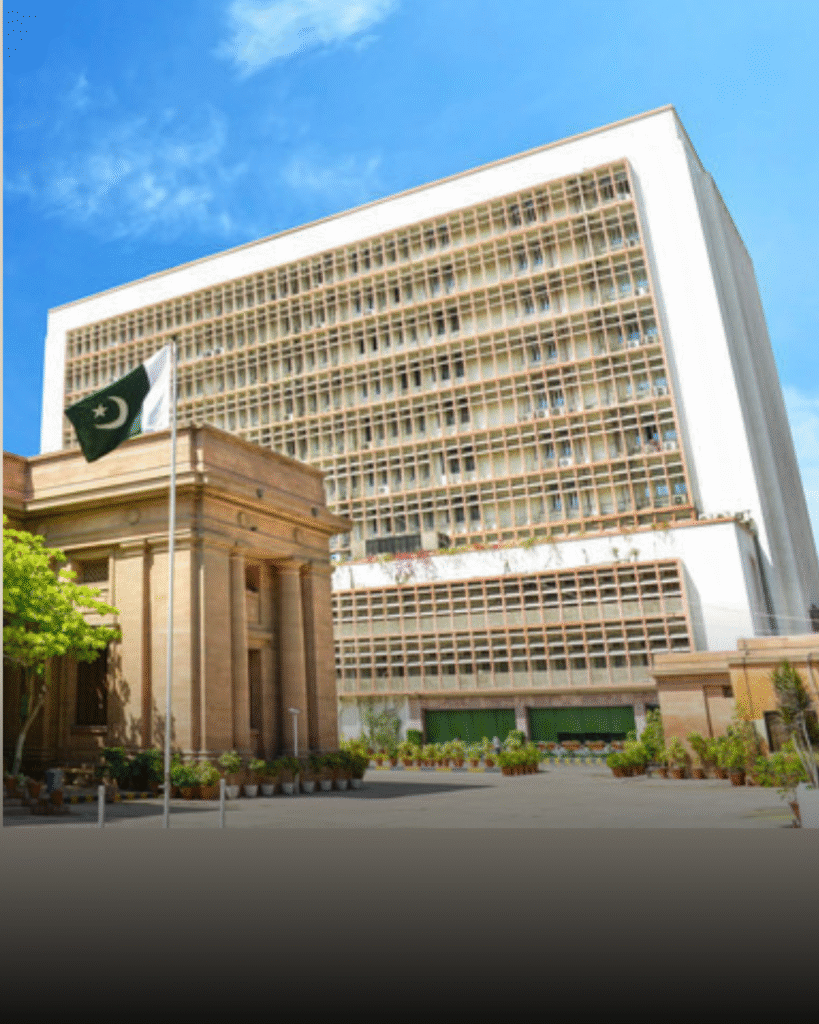
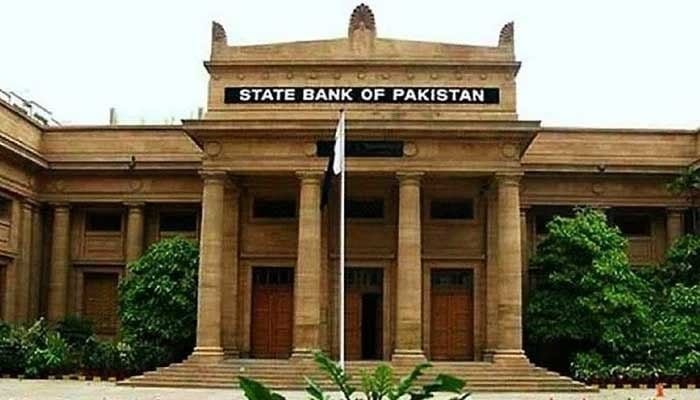
The State Bank of Pakistan (SBP) has announced a 50 basis points (bps) cut in the policy rate, effective December 16, 2025, marking the first change in interest rates after a prolonged pause of seven months. The decision was taken during the Monetary Policy Committee (MPC) meeting held on December 15, 2025, as outlined in the latest Monetary Policy Statement. The policy rate had remained unchanged at 11 percent since May 2025, when the central bank last reduced it from 12 percent to 11 percent. With the latest decision, the SBP aims to strike a balance between maintaining price stability and supporting sustainable economic growth. Read More: https://theboardroompk.com/sbp-expected-to-maintain-11-policy-rate-amid-inflation-caution/ Why the State Bank of Pakistan Cut the Policy Rate According to the MPC, inflation during July–November FY26 averaged within the SBP’s medium-term target range of 5–7 percent, providing room for cautious monetary easing. While core inflation remains relatively sticky, the overall inflation outlook is broadly unchanged due to:• Benign global commodity prices• Anchored inflation expectations• A prudent monetary policy stance The MPC noted that economic activity is gaining traction, supported by strong improvement in high-frequency indicators, including a better-than-expected recovery in large-scale manufacturing (LSM) during the first quarter of FY26. Despite these positive indicators, the Committee highlighted that the global economic environment remains challenging, particularly for exports, which could pose risks to Pakistan’s macroeconomic outlook. Against this backdrop, the MPC concluded that there was sufficient space to modestly reduce the policy rate while safeguarding price stability. Economic Developments Since the Last MPC Meeting The Monetary Policy Committee reviewed several key domestic and external developments that influenced its decision: Labor Market TrendsThe Labor Force Survey 2024–25 indicates an increase in the unemployment rate compared to 2020–21, despite faster employment growth. This reflects structural challenges in the labor market and underscores the need for sustained economic expansion to generate jobs. Foreign Exchange Reserves and IMF SupportDespite ongoing external debt repayments, SBP’s foreign exchange reserves increased to over $15.8 billion, supported by a $1.2 billion inflow from the IMF following the successful completion of EFF and RSF reviews. The reserves level has already surpassed the December 2025 target of $15.5 billion. Business and Consumer ConfidenceLatest SBP-IBA surveys show an improvement in consumer confidence, while business confidence, though still positive, has moderated slightly amid global uncertainties. Fiscal PerformancePakistan recorded overall and primary fiscal surpluses in Q1-FY26, largely due to a sizeable profit transfer from the SBP. However, slower tax collection growth raises concerns about meeting full-year fiscal targets. Real Sector Performance: Industrial and Agricultural Outlook Industrial Growth Gains MomentumThe real sector continues to demonstrate robust momentum. Large-scale manufacturing (LSM) posted 4.1 percent year-on-year growth in Q1-FY26, with most industrial sectors showing increased output. Additional indicators such as:• Automobile sales• Fertilizer and cement demand• Imports of machinery and intermediate goodsall point to a positive outlook for industrial activity. Agriculture Sector OutlookIncoming data on major crops, particularly wheat, suggests favorable production prospects. Improved input conditions and government-backed incentive schemes indicate that wheat output may exceed targets, providing support to food security and rural incomes.Collectively, these developments are expected to support the services sector, with real GDP growth for FY26 projected in the upper half of the 3.25–4.25 percent range. External Sector: Current Account and Trade Challenges The current account deficit stood at $0.7 billion during July–October FY26, aligning with MPC expectations. While imports grew alongside economic recovery and workers’ remittances remained resilient, exports faced pressure due to a sharp decline in food exports, particularly rice. Looking ahead:• Global trade dynamics and tariff-related developments may constrain exports• Lower global oil prices could help contain import growth Overall, the current account deficit is projected to remain within 0–1 percent of GDP in FY26, while SBP’s foreign exchange reserves are expected to rise to $17.8 billion by June 2026, assuming planned inflows materialize. Fiscal Sector: Progress and Structural Challenges Although fiscal balances showed improvement in Q1-FY26, FBR tax collection growth slowed to 10.2 percent year-on-year during July–November FY26, requiring significant acceleration to meet budget targets. Lower-than-budgeted interest payments may help contain the fiscal deficit, but achieving the targeted primary surplus remains challenging. The MPC reiterated the importance of:• Broadening the tax base• Privatizing loss-making state-owned enterprises (SOEs)• Implementing long-overdue structural reforms to strengthen fiscal buffers and create space for public investment. Money, Credit, and Inflation Trends Credit Expansion Broad money (M2) growth accelerated to 14.9 percent by late November, driven largely by increased government borrowing. Private sector credit expanded by Rs187 billion during July–November, with strong demand from textiles, wholesale and retail trade, and chemicals. Consumer financing, particularly auto loans, remained robust due to easing financial conditions and improved sentiment. Inflation Outlook Headline inflation has remained within the target range for three consecutive months, with food, energy, and core inflation converging as expected. However, the MPC cautioned that inflation may temporarily rise above the target toward the end of FY26 due to base effects before stabilizing again in FY27. Key inflation risks include:• Volatile global commodity prices• Energy price adjustments• Fiscal slippages• Uncertainty around wheat and food prices What the Policy Rate Cut Means for Businesses The 50 bps policy rate cut signals a cautiously supportive monetary stance, aimed at encouraging investment and credit expansion while preserving macroeconomic stability. However, many business stakeholders believe that further reductions may be necessary to fully unlock industrial growth, enhance export competitiveness, and support SMEs. With the policy rate having remained unchanged for seven months prior to this move, the decision represents a critical turning point in Pakistan’s monetary policy cycle.

SBP Expected to Maintain 11% Policy Rate Amid Inflation Caution
Uncategorized

SBP Expected to Maintain 11% Policy Rate Amid Inflation Caution

Karachi, December 15, 2025 – The Monetary Policy Committee (MPC) of the State Bank of Pakistan (SBP) convened today for its final meeting of the calendar year, with market experts unanimously anticipating no change in the key policy rate, which has remained steady at 11% since May 2025.Analysts from Arif Habib Limited and a Reuters poll of 12 experts predict the central bank will maintain the status quo, citing fading base effects on inflation, a slight widening of the current account deficit, and the early stages of economic recovery. The International Monetary Fund (IMF) has also cautioned that inflation risks persist, urging policymakers to keep the stance “appropriately tight.” Read More: https://theboardroompk.com/imf-praises-pakistans-monetary-discipline-as-sbp-anchors-inflation-and-strengthens-economic-stability/ Headline inflation rose to 6.1% year-on-year in November from 5.6% in September, while core inflation held at 7.3%. Economic activity shows momentum through robust high-frequency indicators, but uncertainties loom from volatile global commodity prices—oil has dropped over 6% to around $57 per barrel—challenging export prospects, and potential food supply disruptions.Since the October MPC meeting, the Pakistani rupee appreciated marginally by 0.2%, petrol prices stayed stable, and the current account recorded a $112 million deficit in October after prior surpluses. SBP’s foreign exchange reserves climbed to $14.58 billion as of December 5, boosting total liquid reserves to $19.61 billion.Despite calls from industrialists for a rate cut to stimulate growth, forecasts for easing have been deferred to late FY26 (ending June 2026) or even FY27. The decision reflects a cautious approach to anchor inflation toward the 5-7% medium-term target amid recovering growth.

Pakistan Stock Exchange Hits Historic High: KSE-100 Breaks 169,800 Points as Investor Confidence Surges
Uncategorized

Pakistan Stock Exchange Hits Historic High: KSE-100 Breaks 169,800 Points as Investor Confidence Surges

The Pakistan Stock Exchange (PSX) delivered a landmark performance last week, rewriting market history as the KSE-100 Index crossed the 169,800-point level for the first time ever and closed at a record high. The milestone reflects renewed investor confidence driven by improving macroeconomic indicators and positive developments on the IMF front. During the week, the benchmark index gained more than 2,700 points, successfully breaking two major psychological barriers at 168,000 and 169,000 points. This strong rally positioned the PSX among the best-performing regional markets. Market Capitalization Jumps by Rs282 Billion in One Week The bullish momentum translated into a sharp increase in market value. Over the five trading sessions, market capitalization rose by approximately Rs282 billion, while prices of over 50% of listed shares (50.43%) moved higher. According to market analysts, the rally was fueled by multiple confidence-boosting factors, including: • IMF approval of the second review under the Extended Fund Facility (EFF)• Disbursement of a $1.2 billion IMF tranche• A 9% year-on-year increase in workers’ remittances These developments encouraged investors to re-enter fundamentally strong and high-growth sectors, pushing the market to unprecedented levels. Weekly Performance Snapshot of PSX Indices The trading week remained largely positive, with three bullish sessions and two corrective days. • On bullish days, the index gained 3,660 points• On bearish days, it lost 889 points Index-wise Weekly Closing• KSE-100 Index:Rose by 2,779 points, from 167,085 to 169,864 points• KSE-30 Index:Gained 898 points, closing at 51,670 points• KSE All Share Index:Increased by 1,505 points, closing at 102,725 points Trading Activity and Market Breadth During the week, the PSX witnessed strong trading volumes and wide participation:• Highest index level: 170,697 points• Lowest index level: 167,386 points• Maximum weekly turnover:1.28 billion shares worth Rs55 billion• Minimum weekly turnover:873 million shares worth Rs40 billion A total of 2,411 companies were traded during the week:• 1,216 stocks advanced• 1,001 stocks declined• 194 stocks remained unchanged Most Active Stocks of the Week Stocks that dominated trading volumes included: PTCL, Bannu Woollen Mills, K-Electric, Kohinoor Spinning, WorldCall Telecom, First National Equities, Telecard, TPL Properties, The Searle Company, Fauji Fertilizer, PIA Holding Company, Bank of Punjab, Bank Makramah, Beco Steel, HUM Network, Fauji Foods, Packages Power, TPL Corporation, Sui Southern Gas, Pak International Bulk, Pace Pakistan, and Nishat Chunian Power. Outlook: Can the PSX Sustain the Momentum? Market experts believe that continued IMF engagement, stable foreign inflows, and improving external accounts could help sustain the upward trend in the near term. However, they caution that global economic conditions, interest rate expectations, and political stability will remain key variables to watch. For now, the PSX’s historic rally signals a strong comeback in investor sentiment and reinforces the stock market’s role as a barometer of Pakistan’s improving economic outlook.

Bulgaria's Coalition Collapses: Protests Force Resignation Weeks Before Euro Entry By Reuters Staff
Uncategorized

Bulgaria’s Coalition Collapses: Protests Force Resignation Weeks Before Euro Entry By Reuters Staff

SOFIA – In a dramatic blow to Bulgaria’s fragile political landscape, Prime Minister Nikolay Denkov’s 11-month-old coalition government resigned on Thursday amid massive street protests, plunging the European Union and NATO member into fresh uncertainty just three weeks before it adopts the euro currency on January 1, 2026.The resignation caps a turbulent year for the Balkan nation of 6.5 million, where public fury over corruption, soaring inflation, and sluggish judicial reforms boiled over into nationwide demonstrations. Tens of thousands rallied in Sofia and other cities, chanting “No to the mafia state!” and demanding snap elections. Denkov, a technocrat from the pro-EU We Continue the Change (PP) party, cited an inability to pass key anti-graft legislation as the tipping point, announcing the government’s collapse in a televised address. “The people’s voice must be heard,” he said, paving the way for President Rumen Radev to appoint a caretaker administration. For outsiders unfamiliar with Bulgaria’s woes, the crisis stems from a vicious cycle of instability since 2021. Sparked by anti-corruption probes implicating figures from the long-ruling GERB party of ex-premier Boyko Borissov, the country has endured seven parliamentary elections in four years. No single bloc has secured a stable majority in the fragmented 240-seat assembly, leading to short-lived coalitions riddled with infighting. The latest PP-GERB alliance, formed in June 2024, promised EU-aligned reforms to unlock billions in bloc funds but faltered on internal rifts and public distrust—approval ratings plummeted below 20%.The timing is perilous: Bulgaria’s euro accession, delayed since 2020, symbolizes economic integration after decades of post-communist transition. Adopting the single currency could curb inflation (currently 5.2%) and boost trade, but analysts fear instability might derail final preparations, risking investor flight and credit downgrades. Protesters are divided. “This is our chance for real change—a corruption-free Bulgaria in Europe,” said Sofia student activist Maria Ivanova, 22, waving an EU flag. Yet others, like retiree Petar Stoyanov, 68, worry about chaos: “We’ve had enough elections; who will govern while we fight over scraps?” With parliament’s term intact, snap polls could come by March, extending the deadlock.The EU has urged calm, with Brussels monitoring closely to safeguard cohesion funds. As winter bites, Bulgaria teeters between hope and havoc, its euro dreams hanging in the balance.

U.S. Escalates Venezuela Sanctions with Tanker Seizures Amid Renewed Push Against Maduro
Uncategorized

U.S. Escalates Venezuela Sanctions with Tanker Seizures Amid Renewed Push Against Maduro

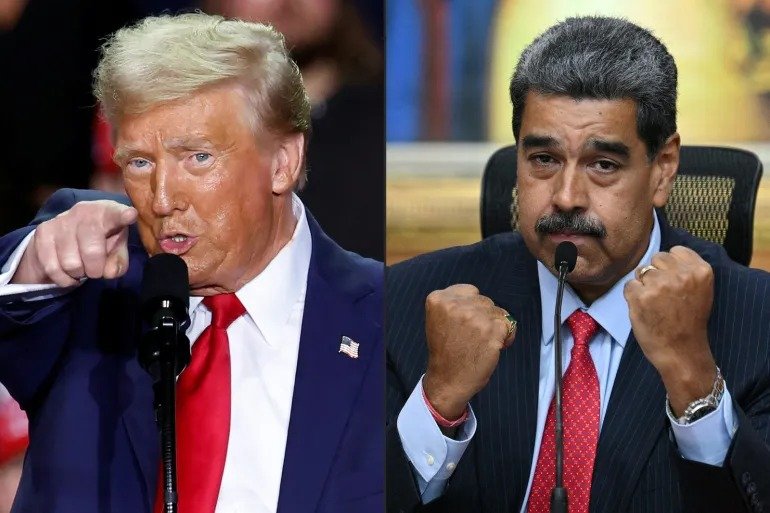
HOUSTON/LONDON/WASHINGTON, Dec 12 (Reuters) – The United States is ramping up its campaign against Venezuelan President Nicolas Maduro by preparing to intercept additional oil tankers, following this week’s seizure of a vessel carrying crude from the oil-rich nation. The move targets a shadowy fleet of ships evading sanctions and funneling oil to buyers like China, sources say, intensifying a long-simmering geopolitical feud. The interdiction marks the first direct U.S. seizure of a Venezuelan oil cargo since sanctions were imposed in 2019, suspending shipments worth nearly 6 million barrels, according to a source close to the matter. Venezuelan officials decried the action as “piracy” on international waters, while legal experts debate its compliance with maritime law, citing precedents under U.S. extraterritorial enforcement. This escalation coincides with a U.S. military buildup in the southern Caribbean, including naval deployments, as President Donald Trump—re-elected in 2024—vows to oust Maduro. Trump has branded the socialist leader a “dictator” and pledged harsher measures to starve his regime of revenue. The U.S.-Venezuela rift traces back to Maduro’s contested 2018 reelection, widely viewed as fraudulent by Western governments. In 2019, amid hyperinflation and humanitarian crisis, the Trump administration slapped crippling sanctions on PDVSA, Venezuela’s state oil company, freezing assets and barring U.S. firms from dealings. Washington recognized opposition figure Juan Guaido as interim president, sparking a global diplomatic standoff. Oil, comprising 95% of Venezuela’s exports, became the sanctions’ linchpin, aiming to defund Maduro’s security forces and force democratic elections. Yet Maduro clung to power, bolstered by allies Russia, Iran, and China, which imported discounted Venezuelan crude via “ghost” tankers—vessels with falsified flags and AIS trackers disabled. By 2023, under Biden, sanctions eased slightly to encourage dialogue, but Trump’s return has reversed course, invoking national security to justify interdictions. Analysts warn of ripple effects: Oil prices could spike if disruptions mount, while China—Venezuela’s top buyer—may retaliate with trade barriers. “This is economic warfare,” said Caracas-based economist Luisa Palacios. “Maduro’s grip weakens, but at what cost to global stability?” As U.S. vessels shadow the fleet, the showdown risks broader conflict, echoing Cold War-era proxy battles in Latin America.

From Sugar Cartels to Power Losses: IMF’s 11 New Conditions Target Elite Capture
Uncategorized

From Sugar Cartels to Power Losses: IMF’s 11 New Conditions Target Elite Capture

SLAMABAD: The International Monetary Fund (IMF) has added 11 stringent new structural benchmarks to Pakistan’s $7 billion Extended Fund Facility (EFF), pushing the total number of conditions to 64 in just 18 months, according to the staff-level report for the second review released on Thursday.The fresh conditions focus heavily on governance failures and elite capture. By December 2026, asset declarations of high-level federal (and later provincial) civil servants will be published online, allowing banks to cross-check income-asset mismatches. An anti-corruption action plan targeting the 10 most vulnerable institutions must be published by October 2025, led by the National Accountability Bureau.In a direct attack on entrenched interests, the IMF has demanded a national sugar market liberalisation policy by June 2025, ending licensing distortions, price controls, zoning restrictions and discretionary import/export permissions long exploited by powerful mill owners.Remittance costs, projected to hit $1.5 billion annually, will undergo a comprehensive review with an action plan due by May 2025. The Federal Board of Revenue (FBR) faces sweeping reform deadlines, including a detailed roadmap by December 2024 and a full medium-term tax strategy by end-2025.Power sector losses prompted demands for private-sector participation in HESCO and SEPCO, alongside public service obligation agreements with seven major entities before the next budget.Alarmingly, the government has already agreed to present a mini-budget by December 2025 if revenue targets are missed, potentially raising federal excise duty on fertilisers and pesticides by 5%, imposing new duties on sugary items and shifting more goods to the standard 18% sales tax rate.Analysts warn the expanded conditionality reflects deepening IMF concerns over governance and reform ownership, with failure risking derailment of the entire programme.

Scroll to Top