Uncategorized

PSX Transitions to the T+1 (Trade+1 Day) Settlement Cycle
Uncategorized

PSX Transitions to the T+1 (Trade+1 Day) Settlement Cycle

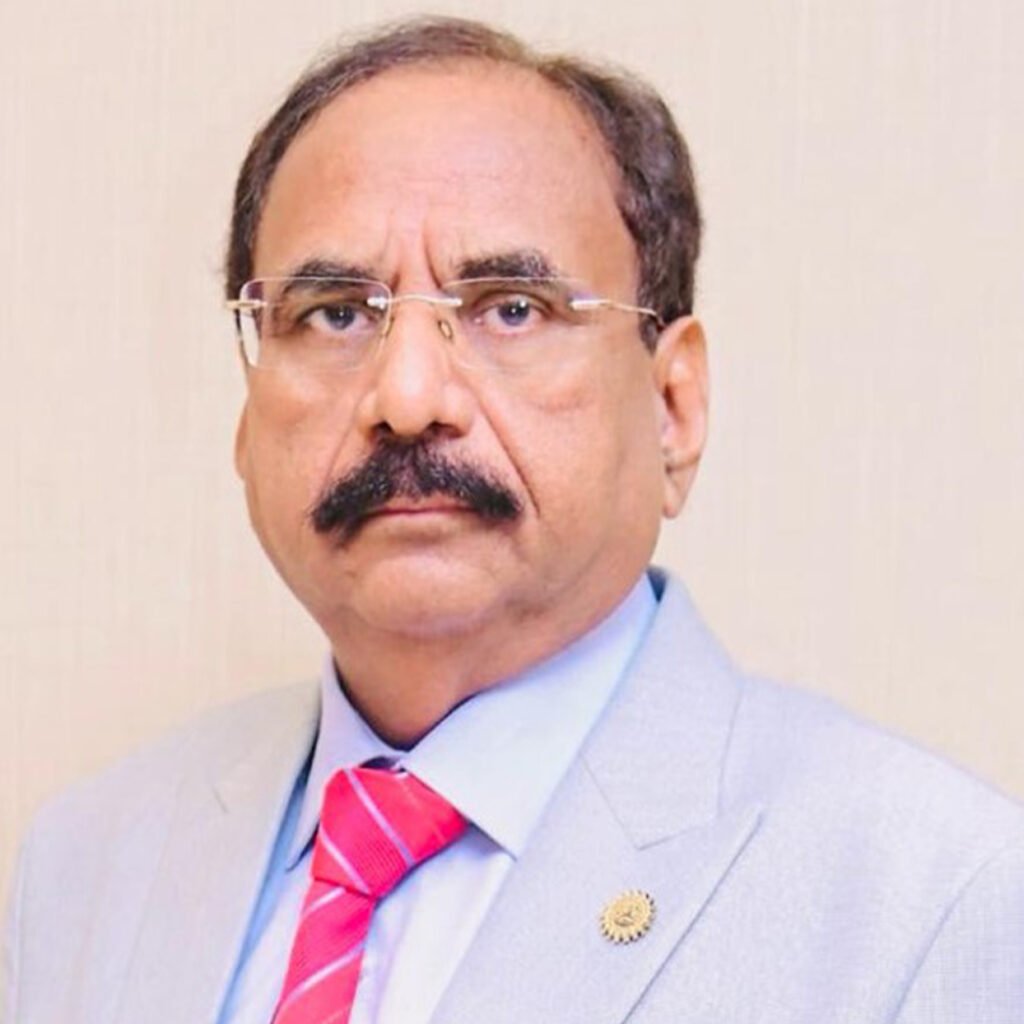
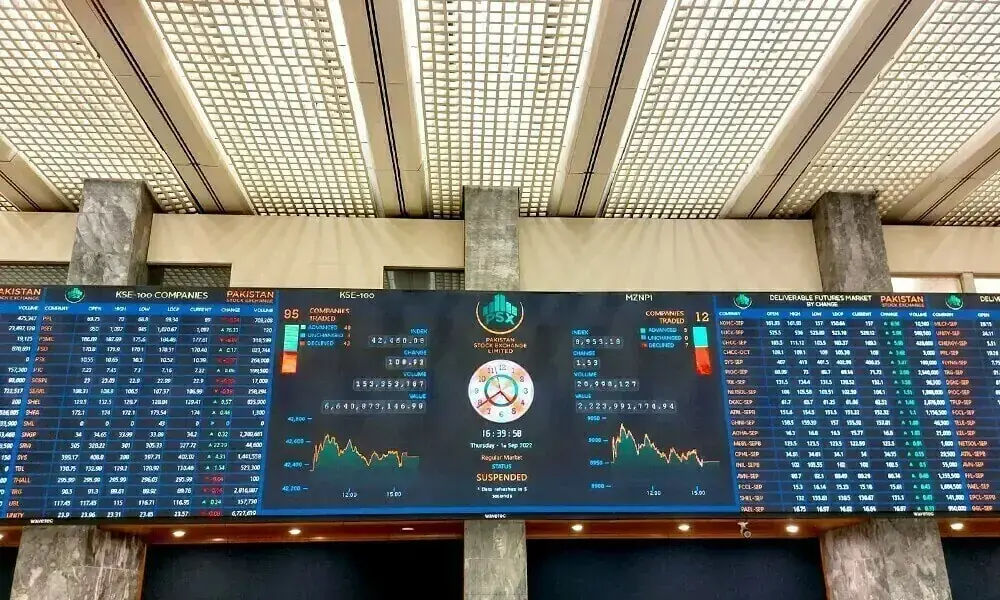
Karachi, February 10, 2026 — Pakistan’s Capital Market has officially transitioned to the T+1 settlement cycle, a landmark reform that strengthens efficiency, reduces risk and aligns the country with international best practices. Read More: https://theboardroompk.com/jazzworld-hires-100-associates-for-ai-data-science-and-fintech-roles-in-pakistan/ Effective from February 9, 2026, all eligible trades at the Pakistan Stock Exchange (PSX) are now settled on a Trade plus one (T+1) basis, replacing the previous T+2 cycle. The transition has been implemented under the guidance of the Securities and Exchange Commission of Pakistan (SECP), through close collaboration among Pakistan Stock Exchange (PSX), National Clearing Company of Pakistan Limited (NCCPL), Central Depository Company (CDC), Pakistan Stock Brokers Association (PSBA), State Bank of Pakistan (SBP), Pakistan Banks Association (PBA), Mutual Fund Association of Pakistan (MUFAP), securities brokers, custodian clearing members, asset management companies, settling banks, E-Clear and other non-broker clearing members. The transition aligns Pakistan’s Capital Market with leading markets such as the United States, Canada, Mexico, Argentina, Jamaica, and China, which have already adopted shorter settlement cycles. Europe, the UK and Switzerland are set to follow by 2027. By moving early, Pakistan positions itself ahead of several advanced markets and demonstrates its commitment to modernization and investor protection. The transition to the T+1 settlement cycle brings important advantages for Pakistan’s capital market. It enables faster access to funds and securities, improving liquidity, while reducing settlement and counterparty risk through shorter exposure periods. Quicker trade finalization enhances efficiency and the reform strengthens investor confidence, particularly among institutional and foreign investors. Together, these benefits support a stronger and more resilient market aligned with global best practices. Dr. Kabir Ahmed Sidhu, Chairman SECP, commended the Pakistan Stock Exchange, the Central Depository Company, and the National Clearing Company of Pakistan for the successful implementation of the T+1 settlement system. He stated that the reform brings Pakistan’s capital market at par with modern jurisdictions by accelerating trade settlement, reducing counterparty and market risks, and enhancing liquidity. He added that the adoption of T+1 will strengthen investor confidence and align Pakistan’s capital market with evolving international standards and global best practices. As a broader policy initiative, this milestone reflects SECP’s commitment to modernizing capital markets, reducing systemic risk, and strengthening investor protection. PSX, NCCPL, and CDC reiterate their congratulations to all stakeholders for their collective efforts in making this transition a success.

PTA Declares Toll-Free (0800) Calls Free for All Mobile Users
Uncategorized

PTA Declares Toll-Free (0800) Calls Free for All Mobile Users

Islamabad – February 10, 2026: The Pakistan Telecommunication Authority (PTA) has announced a major consumer-friendly reform: calls to toll-free numbers (0800-XXXXX) are now completely free for all mobile subscribers nationwide. Read More: https://theboardroompk.com/pakistani-rupee-exchange-rate-sends-mixed-signals-whats-really-happening/ This decision aligns mobile users with fixed-line subscribers, who already enjoyed free access to these numbers. End of Charges for Mobile Callers Previously, mobile users faced standard call charges when dialing toll-free numbers like customer helplines, complaint centers, or government services. These charges often discouraged people from seeking assistance, especially in low-income households reliant on mobiles. The PTA recognized this disparity as a barrier to equitable access and consumer welfare. Stakeholder Consensus and Implementation To address the issue, the PTA initiated consultations with key stakeholders, including PTCL, NTC, local loop operators, and major cellular mobile operators (CMOs) such as Jazz, Zong, Telenor, and Ufone. After detailed deliberations and constructive discussions, all parties reached a consensus to eliminate these charges entirely. The move ensures uniform treatment across networks and promotes easier access to essential services like banking support, utility complaints, and emergency helplines. Broader Commitment to Consumer Protection The PTA emphasized its ongoing dedication to equitable telecom access, consumer-centric policies, and a responsive regulatory environment in Pakistan. This step is expected to benefit millions of mobile users who form the bulk of the country’s telecom subscribers. Public reaction on social media has been mixed, with some welcoming the relief while others called for broader reforms like reduced taxes on mobiles or action on other issues. Overall, the change marks a positive stride toward making essential telecom services more inclusive.

Wafi Energy Pakistan DMCC Subsidiary: A Strategic Leap into the Middle East Market
Uncategorized

Wafi Energy Pakistan DMCC Subsidiary: A Strategic Leap into the Middle East Market

Wafi Energy Pakistan DMCC subsidiary is more than just a corporate expansion it signals a calculated move into the heart of global trade at a time when Pakistani companies are increasingly looking beyond borders for growth, resilience, and diversification. In a key development disclosed to the Pakistan Stock Exchange (PSX), Wafi Energy Pakistan Limited (PSX: WAFI) has announced that its Board of Directors has approved the establishment of a wholly owned subsidiary in Dubai’s prestigious Dubai Multi Commodities Centre (DMCC) Free Zone, subject to regulatory approvals from the State Bank of Pakistan (SBP). This move places Wafi Energy among a growing list of Pakistani corporates leveraging Dubai as a launchpad for regional and international business expansion. Why the Wafi Energy Pakistan DMCC Subsidiary Matters Dubai’s DMCC Free Zone is globally recognized as one of the world’s leading business districts, hosting over 24,000 companies across energy, commodities, logistics, and finance. For Wafi Energy Pakistan, setting up a DMCC subsidiary offers immediate strategic advantages. Through the Wafi Energy Pakistan DMCC subsidiary, the company aims to strengthen its regional footprint, explore new commercial opportunities, and build direct access to Middle Eastern, African, and European markets regions that are central to global energy trade flows. Strategic Investment Behind the Expansion As part of the approved plan, the Board has authorized an investment of up to USD 500,000 into the Dubai-based subsidiary. This capital injection, pending SBP approval and statutory compliance, is intended to support initial setup, operational capacity, and business development initiatives in the region. Rather than merely establishing a representative office, Wafi Energy is opting for a wholly owned structure, giving it full control over strategy, governance, and long-term growth planning. How the Wafi Energy Pakistan DMCC Subsidiary Fits into the Bigger Picture This expansion reflects a broader shift among Pakistani energy and industrial companies toward geographic diversification. With domestic market pressures, currency volatility, and evolving energy dynamics, companies are increasingly hedging risk by entering stable, business-friendly jurisdictions like Dubai. The Wafi Energy Pakistan DMCC subsidiary allows the company to: • Operate in a globally connected financial ecosystem• Access international clients and suppliers• Benefit from DMCC’s investor-friendly regulations• Enhance foreign currency revenue streams• Strengthen brand credibility at a global level Instead of relying solely on Pakistan-based operations, Wafi Energy is positioning itself as a regional energy player. Dubai DMCC: A Natural Choice for Energy Companies Dubai’s DMCC Free Zone is not just another offshore destination—it is a purpose-built global commodities and energy hub. From regulatory efficiency to world-class infrastructure, DMCC offers an environment where energy companies can scale faster and operate smarter. For Wafi Energy Pakistan, the DMCC platform opens doors to partnerships, trading opportunities, and cross-border ventures that would be difficult to pursue solely from Pakistan. What This Means for Investors and the Market From an investor perspective, the Wafi Energy Pakistan DMCC subsidiary is a forward-looking signal. It reflects management’s confidence in the company’s balance sheet, its appetite for international growth, and its willingness to adapt to global market realities. While regulatory approvals remain a key milestone, the announcement itself has positioned Wafi Energy as a company thinking beyond borders an attribute increasingly valued by long-term investors. Looking Ahead As approvals from the State Bank of Pakistan are awaited, market watchers will be closely tracking how quickly the Dubai subsidiary becomes operational and what kind of business activities it undertakes. One thing is clear: the Wafi Energy Pakistan DMCC subsidiary is not just an expansion it is a strategic pivot toward global relevance in the evolving energy landscape.

Pakistan vs India T20 World Cup Match: A High-Stakes Decision That Goes Beyond Cricket
Uncategorized

Pakistan vs India T20 World Cup Match: A High-Stakes Decision That Goes Beyond Cricket

The Pakistan vs India T20 World Cup match is no longer just a fixture on a tournament schedule it has become a powerful symbol of regional diplomacy, economic interests, and the future of global cricket. After weeks of uncertainty, Pakistan has reportedly agreed to play its highly anticipated T20 World Cup clash against India on February 15, following coordinated appeals from Sri Lanka and Bangladesh and the acceptance of Pakistan’s stated preconditions by India. The announcement, confirmed by state-run Pakistan Television, has ignited intense debate across South Asia, drawing attention not only from cricket fans but also policymakers, broadcasters, and international sports stakeholders. Why the Pakistan vs India T20 World Cup Match Matters to the Global Cricket Economy The Pakistan vs India T20 World Cup match is widely regarded as the most commercially valuable contest in world cricket. Broadcasters, advertisers, host nations, and the International Cricket Council (ICC) all have major financial stakes tied to this single encounter. Historically, whenever Pakistan and India face off in ICC tournaments, global viewership surges into the hundreds of millions. Advertising slots command premium rates, sponsorship values spike, and host countries experience a noticeable boost in tourism and hospitality revenues. In simple terms, this match alone can generate more economic impact than several tournament fixtures combined. Diplomatic Push Behind the Pakistan vs India T20 World Cup Match Sri Lanka’s Strategic Appeal Sri Lankan President Anura Kumara Dissanayake personally urged Pakistan to reconsider its earlier stance during a phone call with Prime Minister Shehbaz Sharif. He highlighted Pakistan’s unwavering support for Sri Lankan cricket during years of internal security challenges, emphasizing that cricketing solidarity should transcend political turbulence. Prime Minister Shehbaz Sharif acknowledged Sri Lanka’s consistent support, particularly Colombo’s decision not to cancel recent tours to Pakistan a move widely praised by cricket fans and analysts alike. Bangladesh’s Brotherhood Message The Bangladesh Cricket Board (BCB) also played a pivotal role. BCB President Aminul Islam, following a brief visit to Pakistan, publicly appealed for Pakistan’s participation in the February 15 fixture, citing the broader “cricket ecosystem.” Bangladesh formally thanked the Pakistan Cricket Board (PCB), Chairman Mohsin Naqvi, and Pakistani fans for their solidarity, describing Pakistan’s stance as an example of “exemplary sportsmanship.” ICC Involvement and High-Level Consultations Adding further weight to the situation, a delegation from the International Cricket Council (ICC) arrived in Pakistan and held direct meetings with PCB Chairman Mohsin Naqvi. These discussions focused on logistical, security, and commercial implications of Pakistan’s participation in the Pakistan vs India T20 World Cup match. According to insiders, the ICC made it clear that a boycott could disrupt tournament planning, revenue projections, and long-term scheduling confidence among host nations. What Changed Pakistan’s Position? Earlier, Pakistan had made it clear that while it would participate in the T20 World Cup 2026, it would not play India in Colombo. This position emerged amid broader geopolitical tensions and following Bangladesh’s refusal to tour India due to security concerns a decision that reshaped tournament groupings and heightened sensitivities. However, Sri Lanka Cricket warned that a Pakistan boycott could lead to substantial financial losses and negatively impact Sri Lanka’s tourism sector, which is still recovering from the 2022 economic crisis. These economic realities, combined with diplomatic outreach, appear to have influenced Pakistan’s reconsideration. Pakistan vs India T20 World Cup Match: A Rare Rivalry Pakistan and India have not played bilateral cricket for over a decade, meeting only during ICC and regional tournaments. This scarcity has only intensified the rivalry, transforming each encounter into a global spectacle loaded with emotion, history, and geopolitical subtext. For fans, February 15 now represents more than just another T20 match it is a moment where sport briefly bridges political divides. What February 15 Could Mean for the Future If played, the Pakistan vs India T20 World Cup match could set a precedent for future cooperation within international cricket. While bilateral series may still remain distant, this decision reinforces the idea that global tournaments can serve as neutral platforms for engagement. For the ICC, it strengthens the case for cricket as a unifying force. For host nations, it safeguards economic stability. And for fans, it restores a rivalry that defines modern cricket.

ABHI Microfinance Bank, 1LINK to launch 1GO Raast Person-to-Merchant (P2M) Services for Merchants
Uncategorized

ABHI Microfinance Bank, 1LINK to launch 1GO Raast Person-to-Merchant (P2M) Services for Merchants

KARACHI: ABHI Microfinance Bank Ltd. (Abhi MFB) has entered into a strategic partnership with 1LINK to roll out 1GO Raast Person-to-Merchant (P2M) services, enabling merchants nationwide to accept instant digital payments through Raast using QR technology. Read More: https://theboardroompk.com/water-supply-suspension-halts-industrial-production-in-karachi/ The agreement was formalized at a signing ceremony where Mariam Pervaiz, Chief Commercial Officer – Abhi Microfinance Bank, and Najeeb Agrawalla, Chief Executive Officer – 1LINK, signed on behalf of their respective organizations. The ceremony was also attended by Kabeer Naqvi, Entrepreneur in Residence – Abhi Fintech, along with senior representatives from both institutions. Under this collaboration, Abhi MFB will integrate 1LINK’s 1GO Raast P2M static QR solution into its merchant ecosystem. This will allow shopkeepers, small businesses, and service providers to accept digital payments directly into their bank accounts without the need for expensive hardware or complex setup. Customers will be able to make payments instantly using Raast-supported mobile banking apps and wallets, creating a simple and interoperable payment experience. The initiative is designed to address one of the key challenges for small merchants, access to easy, low-cost digital payment acceptance. By enabling QR-based payments, Abhi MFB aims to help merchants reduce cash handling, maintain better transaction records, and improve cash flow visibility. Faster settlement of funds and transparent transaction trails are also expected to support merchants in building stronger financial profiles over time. For the broader financial ecosystem, the partnership contributes to the expansion of Raast-based merchant payments and supports Pakistan’s ongoing shift toward digital transactions. The collaboration combines Abhi MFB’s focus on merchant enablement and financial inclusion with 1LINK’s national payment infrastructure, creating a practical pathway for everyday businesses to participate in the digital economy. Representatives from both organizations shared that enabling accessible digital payment tools for merchants is an important step toward improving efficiency in commerce and strengthening trust in formal financial systems. By simplifying payment acceptance and ensuring interoperability, the partnership is expected to encourage wider adoption of digital payments in both urban and semi-urban markets. With this rollout, Abhi MFB continues to expand its merchant-focused digital services, while 1LINK further extends the reach of Raast-powered solutions within Pakistan’s payments landscape.

Pakistan loses nearly 1pc of GDP annually to climate impacts, reveals OICCI’s 4th Pakistan Climate Conference
Uncategorized

Pakistan loses nearly 1pc of GDP annually to climate impacts, reveals OICCI’s 4th Pakistan Climate Conference

KARACHI, FEB 9: Pakistan is losing close to one per cent of its GDP each year to climate-related damages, speakers revealed on Monday at the 4th Pakistan Climate Conference, as government leaders, development partners and business executives urged an accelerated shift from policy frameworks to bankable climate action. Organised by the Overseas Investors Chamber of Commerce & Industry (OICCI), the Conference brought together federal and provincial policymakers, international institutions, climate experts, journalists, and corporate leaders to address Pakistan’s mounting exposure to floods, heatwaves and economic disruption despite contributing less than one per cent to global emissions. Federal Minister for Climate Change and Environmental Coordination Dr Musadik Masood Malik said Pakistan was on the frontline of a rapidly intensifying crisis. “I commend OICCI for creating a platform where climate resilience is treated not as CSR, but as an economic imperative. From record 53°C heatwaves to floods that displaced four million people last year, with over 13,000 glaciers melting and climate losses costing nearly one per cent of GDP annually, this is an existential challenge,” he said. Referring to Pakistan’s updated climate commitments, Dr Malik said the country’s NDC 3.0 targets a 50pc emissions reduction by 2035, but achieving a just transition would require $565.7 billion in investment, calling for climate finance that is sustainable, grant-based and rooted in climate justice. Addressing the participants, Federal Minister for Finance and Revenue Senator Muhammad Aurangzeb described climate change as an existential threat, stressing that while key frameworks including the National Adaptation Plan, Climate Prosperity Plan and Green Taxonomy were in place, the focus must now shift to mobilising available financing and developing investable projects. He highlighted the private sector’s role in providing not just capital, but innovation and technical expertise. Speaking at the Conference, Regional Lead, Sustainable Finance, Asia and Pacific at United Nations Development Programme (UNDP), Chongguang Yu (Charles) said the core challenge was no longer capital availability but fragmented systems, advocating blended finance, risk-sharing mechanisms and programmatic investment pipelines to unlock scalable private-sector participation. President OICCI Yousaf Hussain said the Government of Pakistan was making tangible progress on its climate agenda. He noted that from emphasising adaptation finance through public–private partnerships at the World Economic Forum in Davos to finalising the $20 billion, 10-year Country Partnership Framework with the World Bank, and preparing for the launch of Pakistan’s first Green Panda Bond, the steps reflected growing momentum on sustainable finance. “Together, these steps signal a clear and credible national commitment to climate resilience.” Meanwhile, Senior Vice President OICCI Jason Avanceña said the Conference was designed to move beyond rhetoric towards practical economic outcomes. “Building on the momentum from COP30, our discussions focused on translating climate commitments into economic outcomes, from modernising Pakistan’s strained power grid and accelerating renewable energy to unlocking Blue Economy opportunities through coastal resilience and marine sustainability, while leveraging artificial intelligence to improve climate forecasting, reduce disaster losses, and strengthen investment planning,” said Jason. The event was attended by local and international speakers from UNDP, Asia Development Bank, International Finance Corporation, World Wildlife Fund Pakistan, State Bank of Pakistan, Securities Exchange Commission of Pakistan, Pakistan Stock Exchange, Environmental Protection Agency Punjab, Sindh Solid Waste Management Board, Sindh Environmental Protection Agency, Sustainable Development Policy Institute, and leading corporates including Unilever, Nestlé, Standard Chartered Bank and Beko Global. The Conference concluded with the 2nd OICCI Climate Excellence Awards, recognising organisations advancing renewable energy, circularity, water stewardship and inclusive climate action. • Climate Excellence (Main Award): Nestlé Pakistan• Climate Action: Award: Dawlance; Runner-Up: Unilever; Small Companies: Loreal Pakistan• Water Stewardship: Award: Pakistan Tobacco Company; Runner-Up: Reckitt; Small Companies: Lotte Chemicals• Renewable Energy & Conservation: Award: Atlas Honda Ltd. and Martin Dow Group; Runner-Up: Metro; Small Companies: KSB Pumps• Circular Economy: Award: PepsiCo Pakistan; Runner-Up: TetraPak; Small Companies: Engro Powergen Thar• Supporting Biodiversity: Award: Attock Refinery Ltd.; Runner-Up: Engro Polymer; Small Companies: Engro Vopak• Sustainable Finance: Award: Mobilink Microfinance Bank; Runner-Up: Bank Alfalah; Small Companies: (None) As climate risks escalate, speakers agreed that climate policy can no longer sit at the margins, it must now drive Pakistan’s economic planning, investment strategy and national development agenda.

Congress Says US-India Trade Deal is Similar to 2025 India-Pakistan Ceasefire Brokered by Trump
Uncategorized

Congress Says US-India Trade Deal is Similar to 2025 India-Pakistan Ceasefire Brokered by Trump

The Indian National Congress sharply criticized the newly announced US-India trade deal on February 3, 2026, likening it to a “surrender” similar to the 2025 India-Pakistan ceasefire brokered by US President Donald Trump. The opposition party accused Prime Minister Narendra Modi of capitulating to US pressure, potentially harming Indian farmers, industry, and sovereignty. Read More: https://theboardroompk.com/safety-isnt-a-burden-its-survival-why-gul-plaza-baldia-remind-us-of-the-real-cost-of-cutting-corners/ Congress Slams Deal as “Complete Surrender” Congress leaders, including General Secretary Jairam Ramesh, highlighted that Trump announced the trade deal late on February 2, 2026 (Indian time), claiming it was “on Modi’s request.” They drew parallels to Trump’s May 10, 2025, announcement of a ceasefire in the India-Pakistan conflict (following Operation Sindoor strikes), after which relations reportedly soured for India. The party questioned the terms: India reducing tariff and non-tariff barriers to zero for US goods, opening the agriculture sector, halting Russian oil purchases in favor of US (and possibly Venezuelan) supplies, and increasing buys of American products. Congress warned this could devastate domestic industries, traders, and farmers, contradicting “Make in India” goals. Kerala’s Congress unit tweeted harshly: “Simply put, we will be an American Colony. US will have tariff of 18% on our goods and we will charge 0% for their goods. Resign and get lost Modi.” Ramesh added: “Modi has completely surrendered… India stands diminished.” They demanded full details be shared with Parliament and the public, including debates on the US and EU trade pacts. Government Defends Deal, Highlights Benefits The Modi government welcomed the agreement, with PM Modi praising Trump’s leadership for global peace and prosperity. External Affairs Minister S Jaishankar called it a boost for jobs, growth, innovation, and trusted technology ties. The deal cuts US tariffs on Indian exports from 50% (imposed after August 2025 negotiations collapsed over Russian oil) to 18%. It follows Trump’s re-election and Modi’s earlier White House visit. Congress framed the deal as another instance of appeasement, echoing post-ceasefire dynamics where Trump engaged Pakistan closely. Broader concerns include sovereignty loss and economic vulnerability in a tense geopolitical landscape.

French Police Raid X Offices in Paris, Summon Elon Musk Over Cybercrime Probe
Uncategorized

French Police Raid X Offices in Paris, Summon Elon Musk Over Cybercrime Probe

French authorities raided the Paris offices of X, the social media platform owned by Elon Musk, on Tuesday, February 3, 2026. The action was carried out by the Paris prosecutor’s cybercrime unit, in collaboration with French police and Europol. Prosecutors have also summoned Musk for questioning in April as part of a widening investigation into the platform. Read More: https://theboardroompk.com/gold-price-forecast-2026-why-jpmorgan-is-betting-big-on-golds-next-historic-rally/ Raid and Summons Escalate Long-Running Probe The search stems from a year-long investigation launched in January 2025, initially triggered by complaints from a French lawmaker about alleged biased algorithms on X. These were claimed to distort automated data processing systems and involve fraudulent data extraction by the company or its executives. The probe has since expanded significantly. It now includes suspicions of complicity in serious offenses, such as the detention and diffusion of child-pornographic images, the creation and spread of sexually explicit deepfakes violating image rights, denial of crimes against humanity (including Holocaust denial), and other related cybercrimes. Additional complaints focused on X’s AI chatbot Grok, accused of generating inappropriate or illegal content, further broadened the scope. Implications for X and Trans-Atlantic Tensions Prosecutors described the approach as “constructive,” aiming to ensure X complies with French laws while operating in the country. The Paris prosecutor’s office announced it would stop posting on X and shift communications to LinkedIn and Instagram. Musk and former X CEO Linda Yaccarino have been summoned for voluntary interviews on April 20, with other staff called as witnesses. Musk previously dismissed related accusations as politically motivated. This development highlights growing European scrutiny of U.S.-based tech platforms over content moderation, algorithms, and free speech issues, potentially straining relations further.

Pakistan Govt Plans to Sell Remaining 25% PIA Stake Worth Rs45bn
Uncategorized

Pakistan Govt Plans to Sell Remaining 25% PIA Stake Worth Rs45bn

Pakistan’s government is considering divesting its remaining 25% stake in Pakistan International Airlines (PIA), valued at approximately Rs45 billion, within three months after handing over management control to a private consortium led by the Arif Habib Group. Read more: https://theboardroompk.com/mashreq-bank-pakistan-credit-rating-signals-a-new-era-for-digital-banking/ This move follows the successful transfer of 75% operational authority, marking a significant step in the airline’s privatization. Operational Restructuring and Fleet Status PIA now operates with a fleet of 18 aircraft, including 12 leased and 6 owned ones under maintenance. Officials highlight that this size is inadequate for expansion, urging the acquisition of more planes to enhance services. Legacy assets and liabilities have been shifted to the PIA Holding Company, leaving the airline with clean, commercially focused books. This restructuring has boosted profitability, with PIA reporting Rs26 billion in profits for 2024 and Rs6.8 billion in the first half of 2025. Service Restoration and Future Prospects Flights to London are set to resume on March 29, with Paris services twice weekly and Manchester at three flights per week. Operations to Malaysia continue, while Saudi Arabia routes focus on Hajj and Umrah traffic. The Roosevelt Hotel in New York and Scribe Hotel in Paris were excluded from the deal, remaining under government control for separate commercial strategies. Officials emphasize that privatization signals confidence to global investors, positioning PIA for competitive growth. A minimum fleet of 25-30 aircraft is needed for sustainability, depending on the new owners’ plans. This divestment option aims to fully privatize PIA, fostering efficiency and market expansion.

Uncategorized

Daraz Pakistan Brings the Spirit of Ramadan to Life with Grand Ramadan Bazaar

As families across Pakistan begin preparing for Ramadan, a month rooted in reflection, generosity, and togetherness, Daraz Pakistan has announced the launch of its Grand Ramadan Bazaar, a nationwide shopping campaign designed to help customers get ready for the month with greater convenience and affordability. Running from 1 February (8:00 PM onwards) to 2 March, the campaign brings together significant savings across everyday essentials and household needs so customers can spend less time worrying about errands and more time focusing on what Ramadan truly represents. Through the Grand Ramadan Bazaar, customers will be able to access vouchers up to PKR 12,000 off, Free Delivery, and Flash Sale up to 80% off, along with a wide selection of Ramadan-relevant products across groceries and pantry staples, kitchen and home appliances, personal care, home and living, and other daily essentials. The campaign will feature offers across a strong lineup of participating brands, including Nestle, Olper’s, Reckitt, Haier, Abbott, Samsung, Zero Healthcare, Jenpharm, J., Meclay, Lipton, Levi’s, Ezviz Pakistan, Scents N Stories, and TCL, helping customers find trusted products for Suhoor, Iftar, Eid preparation, and the month’s day-to-day needs. There will also be dedicated brand days for Pakistanis to buy their favourite products at special discounts. “Ramadan is a deeply personal time for families across Pakistan. It is a month where small routines become more meaningful, where we gather more often around the table, and where giving takes on a special significance,” stated a Daraz Pakistan spokesperson “With the Grand Ramadan Bazaar, our aim is to make preparation easier and more affordable by bringing genuine savings on essentials, while ensuring a reliable shopping experience that customers can count on throughout the month. Just as importantly, Ramadan is a vital season for many of our local sellers and small businesses, and we want to help them benefit from the increased demand by connecting them with customers across the country. This year, we are also placing special emphasis on our refreshed Daraz Choice channel as the Everyday Low Price offering, because customers should not have to wait for a campaign day to access reliable value on the items they buy most often.” Daraz Pakistan noted that the campaign also shines a spotlight on the Daraz Choice channel, now refreshed with Everyday Low Price, ensuring that daily essentials remain consistently affordable all year round. Designed for frequently purchased items across categories such as Health & Beauty and Groceries, EDLP removes the need to wait for major sales by offering reliable value alongside fast 1 to 3 days delivery. Customers can also enjoy Buy 3 for Free Shipping offers and receive free gifts on purchases of four or more items, making it easier to stock up on essentials with added value. To make the shopping experience more engaging throughout the month, Daraz Pakistan said customers will also be able to access a mix of interactive and time-specific campaign mechanics, including Brand Rush Hour, Shop & Win, Coins Treasure Chest, Bachat Bazaar, Mega Deals, alongside Hot Deals, Flash Sale offers, and a range of vouchers, giving customers multiple ways to maximise savings based on their needs and shopping habits. Customers will be able to shop through the Daraz app and at www.daraz.pk, with campaign highlights and flash sales updated regularly during the campaign period. Daraz Pakistan will also work closely with its payment ecosystem to enable smoother checkouts and value-added payment offers with banking partners, including Al Baraka, Allied Bank, HBL, Soneri Bank, and MCB, with partner offers providing savings of up to 40% off*.

Scroll to Top