Uncategorized

PTCL refutes news of potential change in the investment position of e& in Pakistan
Uncategorized

PTCL refutes news of potential change in the investment position of e& in Pakistan

Karachi, 30 April 2026: Pakistan Telecommunication Company Limited (PTCL) notes recent media reports regarding a potential change in the investment position of e& (formerly Etisalat) in Pakistan. The company would like to reject the baseless and speculative reports and is not aware of the sources referenced in these reports. As a publicly listed entity, PTCL emphasizes the importance of accurate and responsible reporting, as unverified information may lead to unnecessary market speculation. PTCL’s shareholders remain fully committed to the company’s long-term strategy and growth trajectory. This is reflected in key strategic initiatives, including the acquisition of Telenor Pakistan and Orion Towers, Ufone’s 5G spectrum acquisition, and the continued expansion of the company’s fiber network across the country.

Karachi businessmen delegation departs for Bangladesh, Sri Lanka to enhance bilateral trade relations
Uncategorized

Karachi businessmen delegation departs for Bangladesh, Sri Lanka to enhance bilateral trade relations

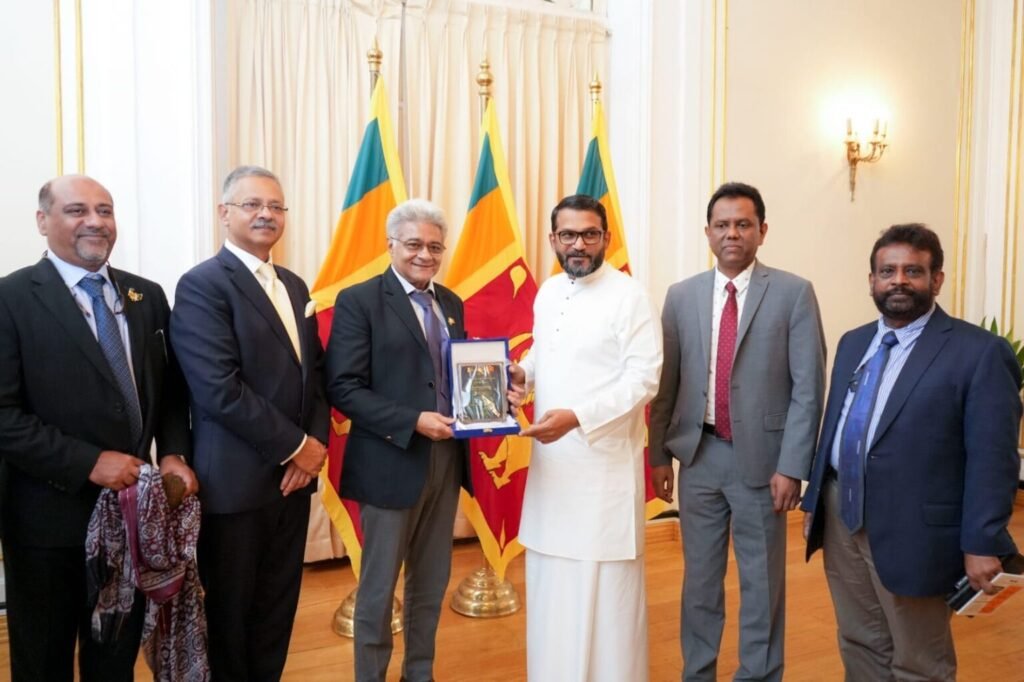
KARACHI: A high-level trade delegation of the Karachi Chamber of Commerce & Industry (KCCI), led by Senior Vice President KCCI, Muhammad Raza, departed on Thursday for a week-long official visit to Bangladesh and Sri Lanka, aimed at strengthening bilateral trade ties and exploring new avenues of economic cooperation. Read More: https://theboardroompk.com/dubai-islamic-bank-pakistan-limited-dibpl-closes-usd-financing-for-acquisition-of-attock-cement-pakistan-limited/ The delegation comprises a diverse group of prominent exporters, manufacturers, traders, and entrepreneurs representing key sectors including textiles, agro-commodities, food products, building materials, industrial supplies, and value-added goods. During the visit, the KCCI delegation will hold a series of Business-to-Business (B2B) meetings with leading chambers of commerce, trade bodies, and business communities in Bangladesh and Sri Lanka. Meetings with government authorities, policymakers, and relevant stakeholders are also scheduled to discuss trade facilitation, market access, and opportunities for joint ventures and investment. Speaking prior to departure, Senior Vice President KCCI, Muhammad Raza, stated that the visit reflects KCCI’s continued efforts to promote Pakistan’s exports and strengthen economic linkages with regional economies. He emphasized that both Bangladesh and Sri Lanka offer significant potential for expanding trade, particularly in sectors such as textiles, agriculture, food processing, construction materials, and industrial inputs. He further noted that the delegation will actively engage with counterparts to explore mutually beneficial collaborations, identify new markets for Pakistani products, and address issues hindering trade growth.The visit also aims to enhance institutional cooperation between KCCI and counterpart organizations, paving the way for sustained business-to-business engagement and long-term economic partnerships.KCCI remains committed to facilitating the business community by providing international exposure, promoting trade diplomacy, and creating meaningful opportunities for growth in global markets.

Wafi Energy Reports 148% Surge in Profit After Tax to PKR 2.16 Billion in Q1 2026
Uncategorized

Wafi Energy Reports 148% Surge in Profit After Tax to PKR 2.16 Billion in Q1 2026

Karachi: The Board of Directors of Wafi Energy Pakistan Limited (WEPL) today announced the company’s financial results for the quarter ended March 31, 2026. The company reported a profit after tax of PKR 2,164 million, compared with PKR 873 million in the same period last year, a growth of 148%. The performance reflects steady operations and continued investment through a period of considerable global energy market volatility. The quarter also brought external recognition across two distinct areas of the company’s work. Wafi Energy won the Circular Economy Award at the 15th International CSR Awards for its eco-friendly Shell fuel station in Rawalpindi, which is constructed using recycled plastic. The company received an HR Metrics DEI Survey 2026 award to recognize leading representation of women at the managerial level. Wafi Energy continued to expand its retail footprint, adding 18 new Shell retail sites, 6 new Shell Select convenience stores and upgrading 6 Shell stations. During the quarter, growth in the Lubricants business was broad-based, with expansion in the OEM and mining segment, growth in process oils and continued strength in fleet channels. The company signed a partnership with Indus Motor Company (IMC), marking entry into the Toyota aftermarket lubricants segment in Pakistan. These developments reflect Wafi Energy’s ongoing commitment to strengthening its footprint and delivering improved consumer experience. Commenting on the performance, Zubair Shaikh, Chief Executive Officer, said “This has been a quarter shaped by external volatility and geopolitical challenges. Our focus has been to preserve energy security, keep supply steady, expand the network, and continue investing in areas that matter for Pakistan’s needs. The result this quarter reflects our approach, and we intend to operate with the same discipline – supplying the country reliably, strengthening the business, and delivering long-term value for our shareholders.” Looking ahead, Wafi Energy Pakistan Limited remains focused on operational excellence, strategic growth, and generating shareholder value.

Attack on Trump: Evacuated After Shotgun Attack at White House Correspondents’ Dinner
Uncategorized

Attack on Trump: Evacuated After Shotgun Attack at White House Correspondents’ Dinner

Security forces were thrown into high alert on Saturday night when a gunman opened fire at the Washington Hilton during the White House Correspondents’ Dinner, forcing the emergency evacuation of President Donald Trump and First Lady Melania Trump. The suspect, armed with a shotgun and multiple other weapons, reportedly charged a security checkpoint located about 50 yards from the main ballroom. During the altercation, the gunman fired at a Secret Service agent, who was fortunately saved by his bulletproof vest. Inside the basement ballroom, the atmosphere shifted from celebration to chaos as the sound of gunfire prompted 2,600 attendees—including high-ranking cabinet members like Secretary of State Marco Rubio and Robert F. Kennedy Jr.—to dive for cover. Secret Service agents in combat fatigues swarmed the stage, shielding the President and First Lady before hustling them to safety. President Trump later addressed the nation from the White House, describing the attacker as an “evil” and “sick person” who was neutralized by the “brave members of the Secret Service.” While the suspect is in custody and federal agents have begun raiding his residence in California, officials currently believe he acted as a “lone wolf.” Despite the gravity of the breach, the President expressed his desire to reschedule the gala within the next 30 days.

Circular Debt Settlement Pakistan: OGDC Receives Rs7.7 Billion in Fresh Payment Boost
Uncategorized

Circular Debt Settlement Pakistan: OGDC Receives Rs7.7 Billion in Fresh Payment Boost

Circular Debt Settlement Pakistan is back in the spotlight as Oil and Gas Development Company Limited (PSX: OGDC) unlocks another massive cash inflow, reinforcing investor confidence and signaling progress in Pakistan’s long-standing energy sector crisis. In its latest filing to the Pakistan Stock Exchange, OGDC confirmed it has received Rs7.725 billion as the tenth interest installment from Power Holding Private Limited. This payment is part of a structured government-backed plan aimed at eliminating circular debt once and for all. Circular Debt Settlement Pakistan: What’s Driving the Payments? At the heart of the Circular Debt Settlement Pakistan strategy lies a Rs92 billion interest repayment plan. The government has mandated twelve equal monthly installments, ensuring a steady flow of funds into energy companies struggling with liquidity shortages. Payments began in July 2025, and with ten installments already delivered, the mechanism appears firmly on track. Instead of listing numbers in isolation, consider this: the government is effectively injecting billions every month into the energy chain. This consistent inflow allows companies like OGDC to maintain operations, invest in exploration, and reduce financial stress that has long plagued the sector. Why OGDC’s Payment Matters for Pakistan’s Energy Sector The latest payment is more than just another transaction. It reflects discipline in execution, something often questioned in large-scale government financial programs. For OGDC, Pakistan’s largest exploration and production company, this means: • Improved cash flow stability• Greater capacity for upstream investments• Reduced reliance on short-term borrowing For the broader economy, the implications are even bigger. Circular debt has historically disrupted fuel supply chains, delayed payments, and weakened investor trust. Timely repayments signal that Pakistan may finally be turning a corner. Circular Debt Settlement Pakistan: Breaking the Cycle To understand the significance, it’s important to grasp the circular debt problem itself. In simple terms, circular debt occurs when power producers, fuel suppliers, and distributors fail to pay each other on time, creating a chain reaction of unpaid bills. Over time, this builds into billions of rupees in outstanding liabilities. The Circular Debt Settlement Pakistan initiative is designed to break this cycle by: • Ensuring guaranteed monthly payments• Settling accumulated interest obligations• Restoring liquidity across the energy supply chain This structured approach is already showing results, with consistent disbursements and improved financial predictability. A Strategic Move by the Government of Pakistan The role of the Government of Pakistan has been central to this initiative. By backing the repayment mechanism, the government is not only addressing past liabilities but also attempting to prevent future accumulation of debt. This strategy aligns with broader economic reforms aimed at stabilizing Pakistan’s financial system, attracting foreign investment, and ensuring energy security. What Comes Next? With only two installments remaining, all eyes are now on whether the government can maintain this momentum through to completion. If successful, the Circular Debt Settlement Pakistan plan could: • Strengthen investor confidence in energy stocks• Improve credit profiles of state-linked companies• Set a precedent for future financial restructuring programs However, the real test will lie beyond repayments. Sustainable reform in pricing, governance, and efficiency will be critical to ensure the circular debt problem does not resurface. The latest Rs7.7 billion payment to OGDC is not just routine bookkeeping. It is a clear signal of financial discipline, policy continuity, and economic intent. As the Circular Debt Settlement Pakistan initiative nears completion, it offers a rare glimpse of progress in a sector long burdened by inefficiencies. Whether this momentum translates into lasting reform remains the key question for investors, policymakers, and the public alike.

Karachi Businessmen Urges Govt to Tackle Rising Extortion, Robberies
Uncategorized

Karachi Businessmen Urges Govt to Tackle Rising Extortion, Robberies

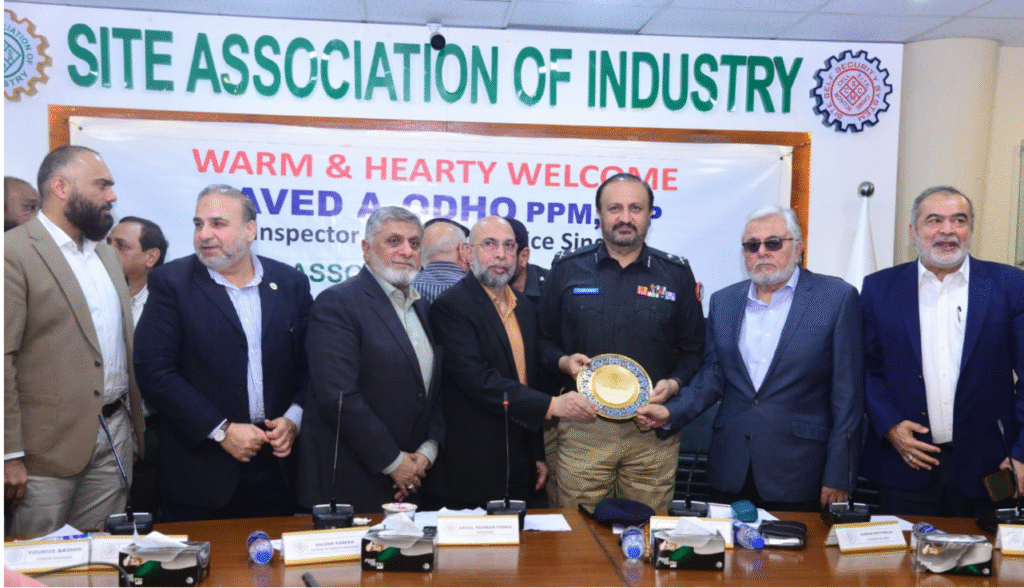
KARACHI: Industrialists of the SITE Association of Industry have voiced grave concern over rising incidents of extortion, factory robberies, and the absence of a conducive business environment, urging the government to ensure protection and stability for economic activity. Read More: https://theboardroompk.com/strong-banking-industry-link-pakistan-bankislami-pushes-for-sme-financing-boom/ At a meeting held at the SITE Association, members apprised Inspector General of Police Sindh Javed Alam Odho of the deteriorating law and order situation and requested immediate measures to safeguard industries and provide a peaceful environment for uninterrupted operations. Senior police officials, SITE office-bearers, and a large number of members attended the session. SAI President Abdul Rehman Fudda strongly condemned the recent firing incident on an industrialist in North Karachi linked to extortion demands. He stressed that the safety of the business community must be guaranteed and pointed out rampant encroachments in SITE area, which the IG assured would be removed permanently. Mr. Odho also pledged strict action against extortionists and those attempting to harm industrialists. Patron-in-Chief Zubair Motiwala said the prevailing atmosphere in police stations discourages citizens from lodging FIRs, adding that crime incidents should be recorded without requiring names. He highlighted traffic congestion from Siraj Kassam Teli flyover to Nazimabad underpass, costing commuters at least 20 minutes daily. He also drew attention to aerial firing at weddings damaging solar panels, to which the IG assured stern action. Patron Saleem Parekh raised concerns over unannounced raids by SSGC Police, Railways Police, and KWSC Police, urging streamlining of their operations. He suggested donating a drone camera to the Association to strengthen its Crime Monitoring Cell. Former President Jawed Bilwani called for permanent removal of encroachments, restriction of heavy traffic during evening rush hours, and dedicated truck parking to ease congestion. He proposed that the first phase of the Safe City Project begin at entry and exit points of SITE area, with industries directed to install quality CCTV cameras and spotlights. Law & Order Committee Chairman Abdul Hadi revealed a shortage of 113 police personnel across SITE PS-A, PS-B, and the Crime Monitoring Cell, with only one of three police mobiles available for patrolling. He demanded at least 8–10 mobiles to ensure timely response. He added that factory robberies have resurfaced in the past five months, while broken-down vehicles on flyovers continue to disrupt traffic. DIG Traffic Pir Muhammad Shah informed participants that all Station Officers have been provided tablets for reporting violations. He said commuters are being given one month to adopt lane discipline, after which challans will be imposed, starting from Shahrah-e-Faisal. Steps are also being taken to improve traffic flow on Mauripur Road.

Attack on NRL Darigwan site repelled, area secured by security forces
Uncategorized

Attack on NRL Darigwan site repelled, area secured by security forces

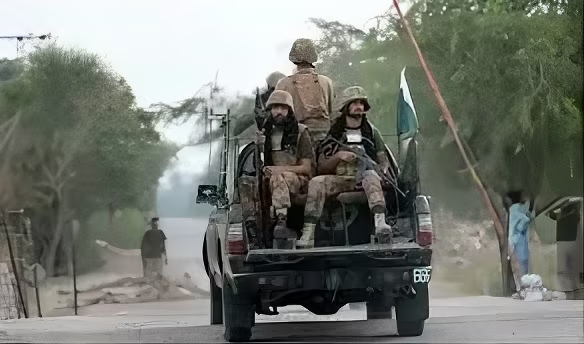
At approximately 17:45 hours on 22 April 2026, the National Resources Limited Darigwan Area site was attacked by unidentified miscreants. Security forces, including the Frontier Corps, responded promptly and have secured the area. A clearance and sweep operation is currently underway to ensure the safety of personnel and assets. National Resources Limited remains committed to the development and empowerment of local communities in Balochistan. The company firmly believes in contributing towards improving livelihoods and supporting economic upliftment in the region. Currently, over 90% of the workforce at the Darigwan site comprises individuals from Balochistan. NRL is closely coordinating with law enforcement authorities and will provide further updates as more information becomes available. The safety and security of our employees and operations remain our highest priority.

Global Fuel Crisis Hits Pacific Nations as Costs Surge and Supplies Shrink
Uncategorized

Global Fuel Crisis Hits Pacific Nations as Costs Surge and Supplies Shrink

A deepening global fuel crisis is pushing Pacific island nations into economic distress, as soaring fuel prices and shrinking supplies disrupt daily life and strain already fragile economies. Authorities across the region are scrambling to manage energy shortages, while ordinary families face rising food costs and reduced access to healthcare. The crisis has intensified following tensions in the Middle East, particularly the conflict involving the United States, Israel, and Iran. Disruptions in the Strait of Hormuz, a critical global energy route, have significantly reduced oil and gas flows. The strait typically carries around 20 percent of the world’s oil and liquefied natural gas shipments. Fuel Prices Surge Across Pacific Islands The impact of the global fuel crisis has been severe in countries like Papua New Guinea, where fuel prices have surged dramatically. Aid organizations report that diesel, petrol, and kerosene costs have increased by up to 70 percent since the escalation of the Iran conflict. Godfrey Bongomin, a senior official at World Vision, highlighted the growing challenges faced by communities. He explained that many people rely on boats for transportation, making them highly vulnerable to rising fuel costs. As a result, food supplies struggle to reach remote areas. This has created shortages and increased prices, further deepening the hardship for families already living on limited incomes. Healthcare Access Severely Affected The global fuel crisis is not only affecting food supply chains but also disrupting access to essential healthcare. Rising transportation costs have made it difficult for many people to travel to clinics. According to aid workers, some patients are now skipping medical appointments because they cannot afford transport. This has serious consequences, especially for those requiring regular treatment for diseases like HIV and tuberculosis. Bongomin warned that missed treatments could lead to worsening health conditions and long-term public health risks. He stressed that the crisis is directly affecting livelihoods and survival. Heavy Dependence on Imported Fuel Pacific island nations are among the most fuel-dependent regions in the world. According to the International Finance Corporation, these countries rely heavily on diesel for electricity generation. Data from Zero Carbon Analytics shows that diesel accounted for more than half of electricity production in most Pacific nations in 2022, with the exception of Fiji. This dependence makes the region highly vulnerable to external shocks like the current global fuel crisis. Most countries import fuel from suppliers such as Singapore and South Korea, leaving them exposed to global supply disruptions. Recent shipping data indicates a sharp decline in fuel imports. Deliveries in early April dropped to just a quarter of March levels, raising fears of prolonged shortages. Economic Pressure and Rising Poverty Risks The global fuel crisis is placing enormous pressure on Pacific economies. In Papua New Guinea alone, nearly 40 percent of the population lives below the poverty line. Rising fuel costs are pushing more families toward financial hardship. Experts warn that the crisis could slow economic growth across the region. Abdul Abiad from the Asian Development Bank stated that even if the conflict eases, recovery will take time. He projected that regional growth could drop to around 3.4 percent in 2026. If the conflict continues, the economic slowdown could worsen further. Fuel imports already account for a significant portion of national economies. In some countries, such as Tuvalu, fuel imports represent up to 27 percent of GDP. This makes the impact of the global fuel crisis particularly severe. Governments Take Emergency Measures Governments across the Pacific are introducing emergency measures to manage the crisis. The Pacific Islands Forum has activated its emergency response mechanism for the first time since the Covid-19 pandemic. Several countries have declared states of emergency, including Kiribati, Tuvalu, and the Marshall Islands. These steps reflect the seriousness of the situation and the urgent need for coordinated action. Some governments have introduced fuel subsidies or price caps to ease the burden on citizens. Countries like the Cook Islands, Nauru, and Papua New Guinea are attempting to stabilize prices and prevent panic. In Fiji, ministers have even agreed to a 20 percent pay cut to help fund relief measures. However, the decision still requires parliamentary approval. International Response and Growing Concerns The global fuel crisis has also drawn international attention. Diplomatic efforts are underway to address supply shortages and support affected nations. Winston Peters recently raised the issue with US officials, urging them to consider fuel support for Pacific countries. Meanwhile, Australia has acknowledged the crisis but emphasized that it must prioritize its domestic energy needs. China has also expressed willingness to cooperate with global partners to ensure energy security. This highlights the geopolitical significance of the crisis and its broader implications. Households Face Daily Struggles At the ground level, the global fuel crisis is hitting ordinary families the hardest. Rising transport fares and food prices are squeezing household budgets. Aid groups such as Caritas Internationalis and Save the Children report that low-income families are forced to make difficult choices. Many are cutting back on essential expenses, including healthcare and education, just to afford basic food supplies. This trend raises serious concerns about long-term social and economic stability. A Worsening Crisis Ahead Experts warn that the situation could deteriorate further if global tensions continue. Even if conditions improve, recovery will likely be slow due to the structural vulnerabilities of Pacific economies. The global fuel crisis has exposed the risks of heavy reliance on imported energy and limited infrastructure. Without sustainable solutions, these nations may continue to face recurring shocks. For now, governments, aid agencies, and international partners are working to manage the immediate crisis. However, the road ahead remains uncertain for millions of people across the Pacific.

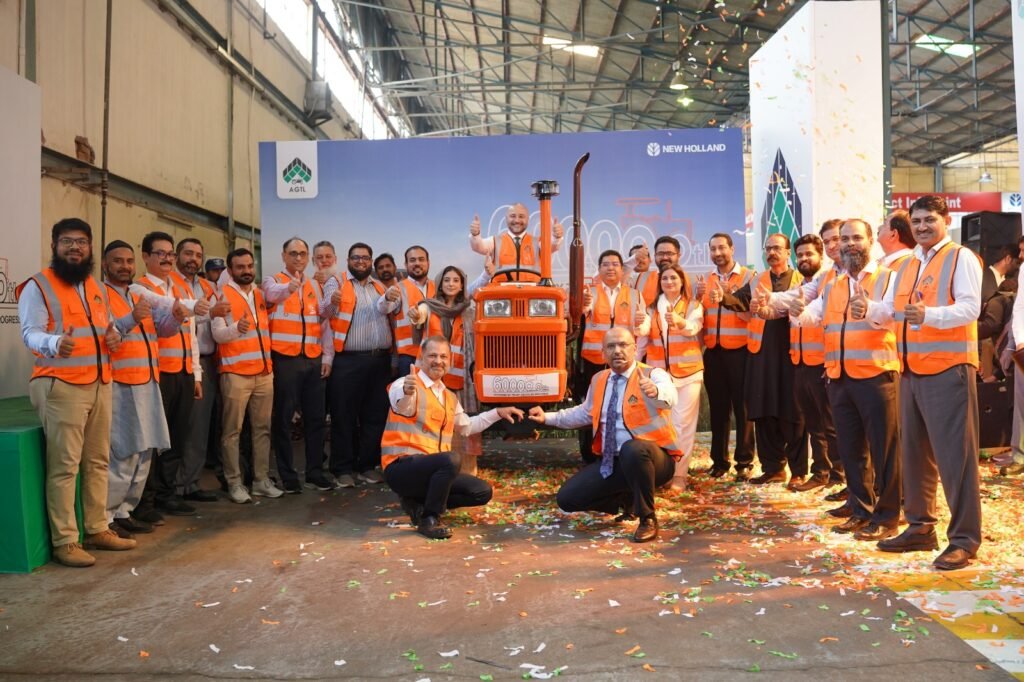
Al-Ghazi Tractors Produces 600,000th Unit at Dera Ghazi Khan Plant, Marking 40-Year Milestone in Pakistan This image has an empty alt attribute; its file name is WhatsApp-Image-2026-04-16-at-6.23.35-PM-818x1024.jpeg Four Decades of Manufacturing for Pakistan's Farmers Lahore, 16 Apr, 2026 — Al-Ghazi Tractors marked a defining milestone in Pakistan's industrial history, celebrating the production of its 600,000th tractor at a ceremony held at its manufacturing facility in Dera Ghazi Khan, the same plant where the company first began production over four decades ago. Read More: The milestone tractor produced during the ceremony was a Ghazi 640, Al-Ghazi Tractors' most celebrated model and a name synonymous with reliability among Pakistani farmers for generations. Spanning over 3.9 million square feet, the Dera Ghazi Khan facility has been the backbone of Al-Ghazi Tractors' operations since 1983. The ceremony brought together company leadership to mark what stands as one of the most significant production achievements in Pakistan's agricultural machinery sector. Al-Ghazi Tractors manufactures more than 92% of its tractor components locally, a figure that reflects both the depth of its manufacturing infrastructure and its contribution to Pakistan's industrial base. Established as a subsidiary of the Al-Futtaim Group, with Case New Holland as both a strategic shareholder and technical collaborator, the company has spent 42 years building tractors engineered specifically for Pakistan's agricultural conditions. "Reaching 600,000 tractors is not just a production number, it is a reflection of the trust millions of Pakistani farmers have placed in us over the decades," said Yasin Seker, Chief Executive Officer of Al-Ghazi Tractors. "Every tractor that has left our plant represents a commitment to quality, a livelihood supported, and a step forward for Pakistan's agricultural economy." Pakistan's agricultural sector employs nearly 40% of the national workforce and contributes approximately 24% of GDP. Al-Ghazi Tractors' nationwide distribution network ensures that farmers in even the most remote districts have access to both the machinery and the after-sales support they need. "Our vision is to make Al-Ghazi Tractors a symbol of success, not only for our company and shareholders, but for every farmer we serve and every community we touch," Mr. Seker added. About Al-Ghazi Tractors Limited: Al-Ghazi Tractors Limited (AGTL) is Pakistan's leading agricultural tractor manufacturer, a subsidiary of the Al-Futtaim Group, and operates in technical collaboration with Case New Holland. Listed on the Pakistan Stock Exchange, AGTL has manufactured tractors at its Dera Ghazi Khan facility since 1983.
Uncategorized

Al-Ghazi Tractors Produces 600,000th Unit at Dera Ghazi Khan Plant, Marking 40-Year Milestone in Pakistan

Four Decades of Manufacturing for Pakistan’s Farmers Lahore, 16 Apr, 2026 — Al-Ghazi Tractors marked a defining milestone in Pakistan’s industrial history, celebrating the production of its 600,000th tractor at a ceremony held at its manufacturing facility in Dera Ghazi Khan, the same plant where the company first began production over four decades ago. The milestone tractor produced during the ceremony was a Ghazi 640, Al-Ghazi Tractors’ most celebrated model and a name synonymous with reliability among Pakistani farmers for generations. Spanning over 3.9 million square feet, the Dera Ghazi Khan facility has been the backbone of Al-Ghazi Tractors’ operations since 1983. The ceremony brought together company leadership to mark what stands as one of the most significant production achievements in Pakistan’s agricultural machinery sector. Al-Ghazi Tractors manufactures more than 92% of its tractor components locally, a figure that reflects both the depth of its manufacturing infrastructure and its contribution to Pakistan’s industrial base. Established as a subsidiary of the Al-Futtaim Group, with Case New Holland as both a strategic shareholder and technical collaborator, the company has spent 42 years building tractors engineered specifically for Pakistan’s agricultural conditions. “Reaching 600,000 tractors is not just a production number, it is a reflection of the trust millions of Pakistani farmers have placed in us over the decades,” said Yasin Seker, Chief Executive Officer of Al-Ghazi Tractors. “Every tractor that has left our plant represents a commitment to quality, a livelihood supported, and a step forward for Pakistan’s agricultural economy.” Pakistan’s agricultural sector employs nearly 40% of the national workforce and contributes approximately 24% of GDP. Al-Ghazi Tractors’ nationwide distribution network ensures that farmers in even the most remote districts have access to both the machinery and the after-sales support they need. “Our vision is to make Al-Ghazi Tractors a symbol of success, not only for our company and shareholders, but for every farmer we serve and every community we touch,” Mr. Seker added. About Al-Ghazi Tractors Limited: Al-Ghazi Tractors Limited (AGTL) is Pakistan’s leading agricultural tractor manufacturer, a subsidiary of the Al-Futtaim Group, and operates in technical collaboration with Case New Holland. Listed on the Pakistan Stock Exchange, AGTL has manufactured tractors at its Dera Ghazi Khan facility since 1983.

PSCTF delegation visit North Karachi Association of Trade and Industry
Uncategorized

PSCTF delegation visit North Karachi Association of Trade and Industry

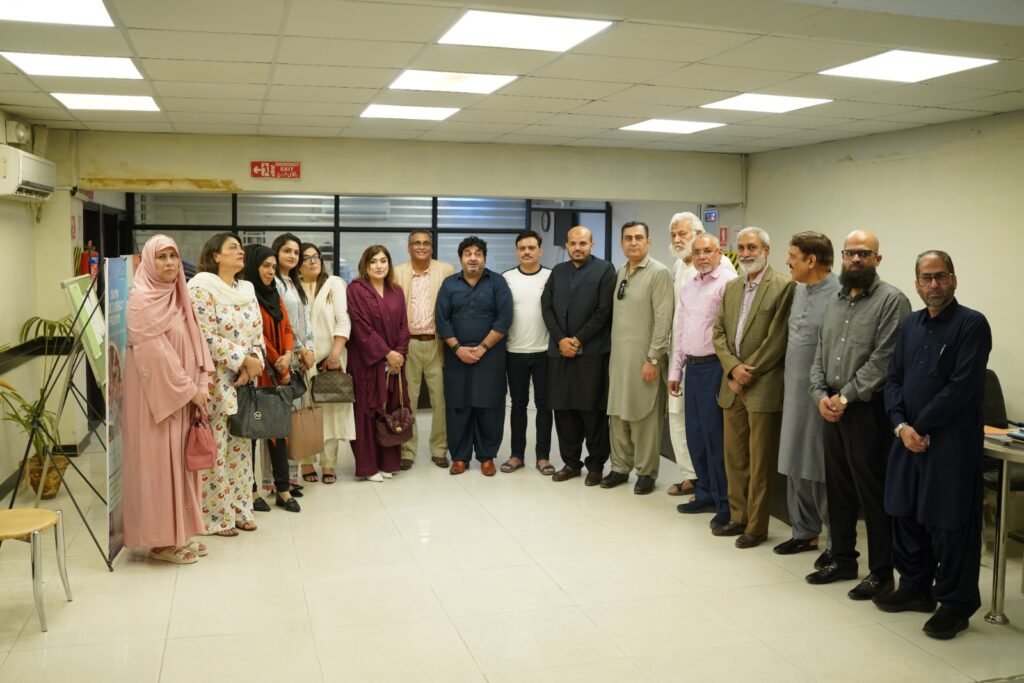
A delegation from the Pakistan SADC Chamber Trade Federation (PSCTF), led by President Sindh Chapter Mr. Muhammad Shoaib Qadri, visited the North Karachi Association of Trade and Industry (NKATI) on Friday, 10 April 2026. The delegation, including senior vice president Pakistan Chapter Syed Moizuddin and president Balochistan Chapter & Women Wing Ms. Noor Afshan Baloch, held a productive meeting with NKATI President Mr. Faisal Moiz and his team. PSCTF extended an invitation to NKATI and its members to attend the Pak-Africa Trade and Investment Conference, scheduled for 13 May 2026 in Karachi. Both sides also discussed signing an MoU to strengthen trade and investment cooperation between Pakistan and Africa. It was agreed that NKATI’s Africa-focused subcommittee will collaborate closely with PSCTF. NKATI also invited PSCTF to participate in an upcoming seminar, where PSCTF will present its vision, achievements, and future plans, and further engage members for the conference. A draft MoU was shared and will be finalized soon. Mr. Haroon Sikandar has been nominated as NKATI’s focal person, while Ms. Noor Afshan Baloch will represent PSCTF.

Scroll to Top