Pakistan

KCCI Budget Proposals Focus on Tax Reforms and Industrial Relief
Pakistan

KCCI Budget Proposals Focus on Tax Reforms and Industrial Relief

The Karachi Chamber of Commerce and Industry (KCCI) has urged the government to expand the tax net instead of imposing additional burdens on existing taxpayers, saying industries, traders, and exporters are facing growing economic challenges. KCCI President Rehan Hanif outlined several recommendations aimed at improving the business environment and supporting industrial growth ahead of the federal budget. Chamber Calls for Broader Tax Base The chamber stressed that sectors already paying taxes should not face additional levies. Instead, it recommended bringing under-taxed sectors into the documented economy. According to KCCI, sectors such as retail, wholesale, agriculture, and real estate contribute less in taxes compared to the scale of their economic activities. The chamber urged the government to take effective measures to increase documentation and broaden the tax base. Opposition to Higher Energy Prices KCCI opposed any increase in gas and electricity tariffs. The chamber warned that rising energy costs are undermining the competitiveness of local industries. It said manufacturers are already struggling with increasing production expenses and higher utility bills. According to the chamber, further increases would make it difficult for businesses to compete in international markets. High Interest Rates Hurting Industry The chamber also criticized the State Bank’s interest rate policy. KCCI said expensive financing and elevated energy costs have placed severe pressure on the productive sector. Business leaders argued that high borrowing costs discourage investment and limit industrial expansion. They called for policies that would support economic activity and reduce the cost of doing business. Relief Sought on Super Tax Payments KCCI highlighted the liquidity problems faced by industries and sought relief regarding outstanding super tax liabilities. The chamber proposed allowing installment payments or adjusting dues against pending refunds. According to KCCI, these measures would help financially stressed industrial units and prevent factory closures. Business leaders said such support is necessary to maintain production and protect jobs. Port Delays Creating Trade Problems The chamber identified delays in cargo clearance and the growing backlog of containers at Karachi’s ports as major concerns for traders and manufacturers. It said these delays are disrupting supply chains and increasing business costs. KCCI proposed relief in port charges and demurrage fees to facilitate the timely movement of raw materials and imported goods. The chamber stressed that reducing logistical bottlenecks would improve trade efficiency and support industrial activity. Support for Digital Reforms KCCI also endorsed the “One City, One Chamber” policy. In addition, it called for the complete digitalization of trade marks, intellectual property rights, and customs procedures. According to the chamber, digital reforms would reduce compliance costs and simplify regulatory requirements, particularly for small and medium-sized enterprises. Business leaders said modernizing these systems would improve ease of doing business and increase efficiency. Industry Seeks Supportive Policies The chamber emphasized that Pakistan’s industrial and commercial sectors require supportive policies to remain competitive. It urged the government to focus on expanding the tax base, lowering business costs, and improving trade infrastructure. KCCI said such measures would encourage investment, strengthen exports, and contribute to sustainable economic growth.
SMEDA Calls for Incentives and Regulatory Relief for SMEs
Pakistan

SMEDA Calls for Incentives and Regulatory Relief for SMEs

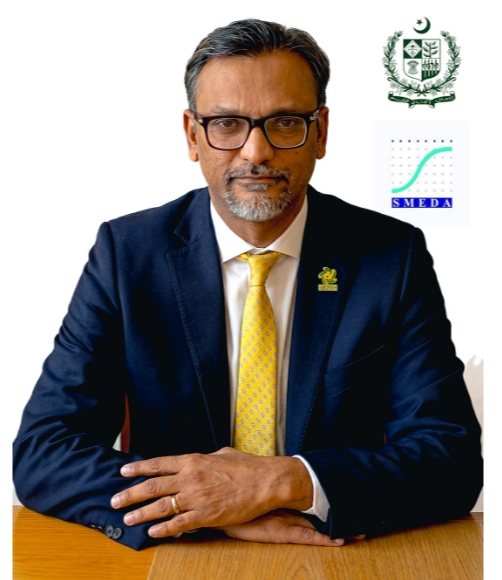
The Small and Medium Enterprise Development Authority (SMEDA) has called for special incentives and regulatory reforms for small and medium enterprises (SMEs), saying the sector holds the key to Pakistan’s economic growth, exports, and job creation. SMEDA Director Mashhood Ali Khan said SMEs are unable to realize their full potential because of frequent audits, complex regulations, and high production costs. SMEs Face Regulatory Challenges According to Mashhood Ali Khan, businesses with annual turnover of up to Rs500 million already pay income tax and sales tax. He said such enterprises should be exempt from repeated audits conducted by different government departments. He noted that small businesses operate with limited staff. Owners often have to manage production, procurement, sales, and administration simultaneously. Frequent audits divert their attention from expanding their businesses. He urged the government to create a trust-based environment and provide incentives to registered businesses. According to him, these measures would encourage undocumented enterprises to become part of the formal economy. Focus Should Be on Untaxed Sectors Mashhood Ali Khan stressed that the government should broaden the tax base instead of increasing the burden on existing taxpayers. He said several sectors are still not contributing effectively to tax revenues. Bringing such sectors into the tax net would generate additional resources without discouraging compliant businesses. Lower Electricity Tariffs Essential The SMEDA director described lower electricity prices as essential for industrial growth. He said high energy costs are making it difficult for Pakistani industries to remain competitive in international markets. According to him, the government must review electricity tariffs if it wants to promote exports and industrial development. He added that affordable energy would help businesses reduce production costs and improve competitiveness. Proposal for Collateral-Free Loans Mashhood Ali Khan also proposed introducing collateral-free financing schemes for SMEs. He said businesses that have consistently paid taxes over several years should receive easy loans based on their tax records. Such financing, he said, would allow companies to increase production capacity and expand operations. He added that business growth would ultimately lead to higher government revenues. Long-Term Financing Needed The SMEDA official emphasized the need to restore long-term financing facilities at single-digit interest rates. He said industries require financing for at least 10 years to invest in modern machinery, technology, and production capacity. According to him, loans with two- or three-year tenures do not support sustainable industrial growth. He said access to affordable and long-term financing is crucial for strengthening Pakistan’s manufacturing sector. SMEs Generate Jobs and Exports Mashhood Ali Khan highlighted the importance of the SME sector in the national economy. He said SMEs currently contribute around $2.8 billion in exports. He added that nearly 80 percent of employment opportunities in Pakistan are linked to the sector. According to him, SMEs have the potential to play a major role in economic recovery and sustainable growth. Sector Can Drive Economic Revival The SMEDA director said the government should provide regulatory ease, affordable energy, and better financial facilities to unlock the sector’s potential. He said supportive policies would help small and medium enterprises expand, increase exports, and create more jobs. According to him, a stronger SME sector could become one of the main drivers of Pakistan’s long-term economic development.

OICCI Proposes Corporate Tax Cuts and GST Reduction in Budget 2026-27
Pakistan

OICCI Proposes Corporate Tax Cuts and GST Reduction in Budget 2026-27

The Overseas Investors Chamber of Commerce and Industry (OICCI), which represents international investor companies operating in Pakistan, has proposed a series of reforms for the federal budget 2026-27 aimed at attracting foreign investment and improving the business environment. The chamber also called for measures to address challenges faced by local industries and the commercial sector. OICCI Seeks Lower Corporate Taxes In its budget recommendations, OICCI placed corporate tax reforms at the center of its proposals. The chamber urged the government to reduce the corporate tax rate to 28 percent in the fiscal year 2026-27. It also recommended a gradual reduction to 25 percent over the next three years to make Pakistan more competitive for foreign investors. According to OICCI, lower tax rates would encourage investment and support economic growth. Chamber Calls for Gradual End to Super Tax OICCI also advocated the phased abolition of the super tax. The chamber noted that when corporate tax, super tax, Workers Welfare Fund (WWF), and Workers Profit Participation Fund (WPPF) are combined, the effective tax burden on large companies reaches nearly 46 percent. It argued that this level is significantly higher than those prevailing in many countries in the region and undermines competitiveness. High Taxes on Banks Raising Cost of Capital The chamber expressed concerns over the heavy taxation imposed on banks. According to OICCI, higher taxes increase the cost of capital and affect the entire business and industrial sector. It said the existing taxation system limits banks’ ability to provide financing, making working capital more expensive for businesses and reducing economic activity. Reforms Proposed for Salaried Individuals OICCI also recommended changes to personal income taxes to address the growing trend of highly skilled professionals leaving the country. The chamber proposed abolishing the 10 percent surcharge and super tax imposed on high-income salaried individuals. It further recommended setting the maximum income tax rate at 25 percent. The chamber believes such measures would help retain qualified professionals and strengthen Pakistan’s human capital. GST Reduction Recommended On indirect taxes, OICCI suggested simplifying withholding taxes and reducing the General Sales Tax (GST) on goods. The chamber proposed lowering the GST rate from 18 percent to 17 percent initially and eventually bringing it down to 15 percent. According to OICCI, these measures would ease the tax burden on businesses and consumers and improve economic competitiveness. Delayed Refunds and Tax Notices Remain Major Concerns The chamber highlighted several issues that continue to hamper business activity. It pointed to delays in tax refunds, unnecessary notices issued to large taxpayers, and weak coordination between federal and provincial revenue authorities. OICCI said these challenges create uncertainty for investors and hinder ease of doing business in the country. Focus on Investment and Business Growth The recommendations form part of OICCI’s broader efforts to promote foreign direct investment and create a more business-friendly environment. The chamber emphasized that reforms in taxation and regulatory processes are essential for increasing investment, supporting industries, and enhancing Pakistan’s economic competitiveness ahead of the upcoming fiscal year.

ABAD Urges Tax Reforms in Budget 2026-27 to Revive Real Estate Investment
Pakistan

Govt Moves Ahead With Rightsizing and Privatization of Key Public Entities

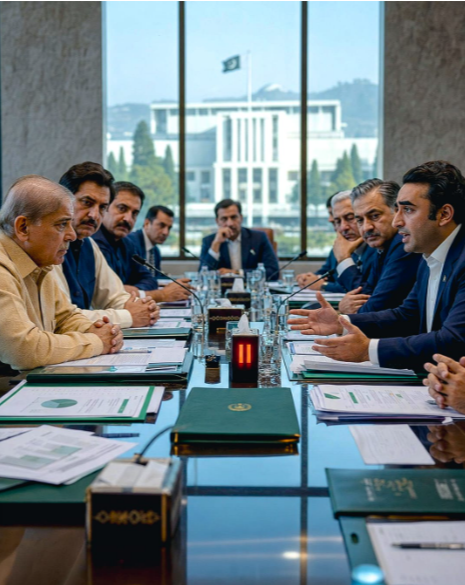
The federal government has approved a major rightsizing and privatization plan aimed at restructuring state-owned entities through a comprehensive reform programme to be implemented within the next 90 days. The decision forms part of a broader strategy to improve efficiency, reduce costs, and redefine the role of public sector organizations under a unified framework. PMDC Included in First Phase of Privatization A significant aspect of the reform package is the inclusion of the Pakistan Mineral Development Corporation (PMDC) in the first phase of privatization. The government has also placed Saindak Metals Company and ENAR Petrotech Services on the initial list for divestment. Authorities have directed the Petroleum Division to consult with the Privatization Commission and prepare a detailed divestment plan within 90 days. The move marks an important development because PMDC remains one of the country’s profitable state-owned enterprises and is the only federal mining corporation operating in Pakistan. PMDC Owns Major Mining Assets PMDC manages several important mineral projects across the country. Its operations cover coal, salt, and metal exploration activities in different provinces. The corporation also owns strategic assets, including the Khewra Salt Mines and the Duddar Lead-Zinc Project. Despite being commercially successful, PMDC has now become part of the government’s wider privatization strategy. Profits Continued to Grow Financially, PMDC has maintained steady growth in recent years. The corporation recorded revenue of Rs5.27 billion during the fiscal year 2024-25. Its profit after tax has exceeded Rs2.35 billion in recent years. Apart from generating profits, PMDC contributes taxes and dividends to the national exchequer. The company also continues to expand its mineral exploration activities through several ongoing projects. Geological Survey of Pakistan to Become Commercial Entity The reform package also includes changes to the Geological Survey of Pakistan (GSP). Under the proposal, the organization will transform into a modern and technology-driven institution with a commercial outlook. The government plans to appoint an independent adviser to develop a sustainable business model for GSP over the next two to three years. Officials hope the move will help the organization generate revenue and improve operational efficiency. Downsizing Measures Also Approved The rightsizing plan proposes major reductions in staffing and administrative expenditures. Authorities intend to cut the overall workforce and reduce budget allocations to improve efficiency and lower operational costs. The restructuring aims to make public institutions leaner and financially sustainable. Central Inspectorate of Mines to Be Abolished As part of the reforms, the government has decided to abolish the Central Inspectorate of Mines completely. Meanwhile, the Department of Explosives will continue functioning under a cost-recovery model. Under this arrangement, the department may charge provincial governments for the services it provides. The move seeks to reduce the financial burden on the federal government while maintaining regulatory oversight. Broader Reform Strategy The latest decisions form part of the government’s wider effort to restructure both loss-making and commercially viable public sector entities. Officials believe the rightsizing and privatization framework will improve governance, attract investment, and enhance the efficiency of state-owned enterprises. With a 90-day implementation period now in place, key ministries and institutions are expected to begin executing the approved reforms in the coming weeks.

Pakistan UK Green Compact: £35 Million Climate Partnership Set to Reshape Sustainable Future
Pakistan

Pakistan UK Green Compact: £35 Million Climate Partnership Set to Reshape Sustainable Future

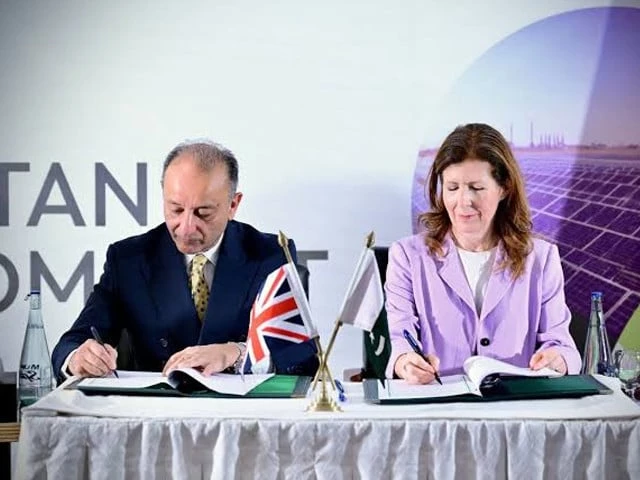
The Pakistan UK Green Compact has emerged as a major focal point in Pakistan’s climate and economic development agenda, with both countries intensifying efforts to turn environmental cooperation into practical opportunities for growth, innovation, and resilience. The initiative came under renewed spotlight during a high-level meeting in Islamabad between Federal Minister for Climate Change and Environmental Coordination Dr. Musadik Malik and British High Commissioner Jane Marriott. At the center of discussions was the implementation of the £35 million bilateral climate cooperation framework and the future roadmap of the Green Compact. The meeting signals growing momentum behind Pakistan’s efforts to attract international partnerships aimed at tackling climate challenges while creating new opportunities for businesses, entrepreneurs, and young innovators. Pakistan UK Green Compact Focuses on Real Results While climate agreements often remain confined to policy discussions, Dr. Musadik Malik emphasized that the Pakistan UK Green Compact must deliver measurable benefits for ordinary citizens. According to officials, discussions focused on translating climate commitments into projects that can strengthen environmental protection, create jobs, improve resilience against disasters, and support sustainable economic growth. The British High Commissioner presented the Green Compact Action Plan and highlighted priority areas where both countries can deepen collaboration in the coming years. The emphasis on actionable outcomes reflects increasing pressure on governments worldwide to demonstrate that climate financing can generate tangible economic and social returns rather than simply producing policy declarations. Green University Islamabad Could Become a Regional Knowledge Hub One of the most significant developments discussed during the meeting was progress toward establishing a Green University in Islamabad. Dr. Malik informed the British delegation that consultations are underway with international partners, including stakeholders from Italy and organizations connected to Arctic Circle initiatives. The proposed university is expected to become a specialized center for climate research, environmental sciences, sustainability studies, and green innovation. If successfully established, the institution could position Pakistan as a regional destination for climate-related education and research while producing the skilled workforce required for the country’s green transition. Green Tech Hub at NUST Opens New Opportunities for Young Entrepreneurs Another major area of discussion was the Green Tech Hub established at the National University of Sciences and Technology (NUST) in collaboration with the Ministry of Climate Change and Environmental Coordination. The initiative aims to support young innovators developing environmentally friendly technologies and sustainable business solutions. Rather than functioning solely as a research center, the hub is designed to connect innovation with commercialization, allowing entrepreneurs to transform ideas into market-ready products and services. Government officials believe such initiatives could help create a new generation of green startups focused on renewable energy, sustainable agriculture, waste management, water conservation, and climate-smart technologies. Dr. Malik stressed that empowering youth through entrepreneurship, research, and innovation remains essential for achieving long-term environmental and economic goals. UK Expands Support for Climate and Youth Programmes in Pakistan During the meeting, Jane Marriott outlined several United Kingdom-backed programmes currently operating in Pakistan. These initiatives focus on youth entrepreneurship, climate resilience, sustainable development, and environmental innovation. The UK’s continued support reflects growing international recognition of Pakistan’s vulnerability to climate-related disasters and the urgent need to strengthen adaptation measures. Experts note that investments in green entrepreneurship can create a dual benefit by generating employment opportunities while simultaneously addressing environmental challenges. Climate Disasters Push Early Warning Systems Higher on the Agenda The discussion also highlighted one of Pakistan’s most pressing challenges: preparedness for climate-related disasters. Both sides reviewed measures to strengthen early warning systems and improve national readiness for extreme weather events. Pakistan remains among the countries most exposed to climate risks despite contributing only a small share of global greenhouse gas emissions. Floods, heatwaves, droughts, and other climate shocks continue to place significant pressure on communities and the economy. Improving forecasting capabilities and disaster preparedness mechanisms is increasingly viewed as a critical investment rather than a policy option. Why the Pakistan UK Green Compact Matters The growing collaboration between Pakistan and the United Kingdom extends beyond environmental protection. The Pakistan UK Green Compact is rapidly evolving into a broader framework that links climate action with economic development, education, innovation, and entrepreneurship. With £35 million allocated under the cooperation framework, the partnership has the potential to accelerate green investment, support emerging technologies, strengthen climate resilience, and create new opportunities for Pakistan’s youth. As climate risks continue to intensify globally, the success of the Pakistan UK Green Compact may ultimately be measured not by policy announcements but by its ability to deliver real-world solutions that improve lives, protect communities, and drive sustainable economic growth.

Pakistan Extends Austerity Measures and Revises Business Timings Until June 30
Pakistan

Pakistan Extends Austerity Measures and Revises Business Timings Until June 30

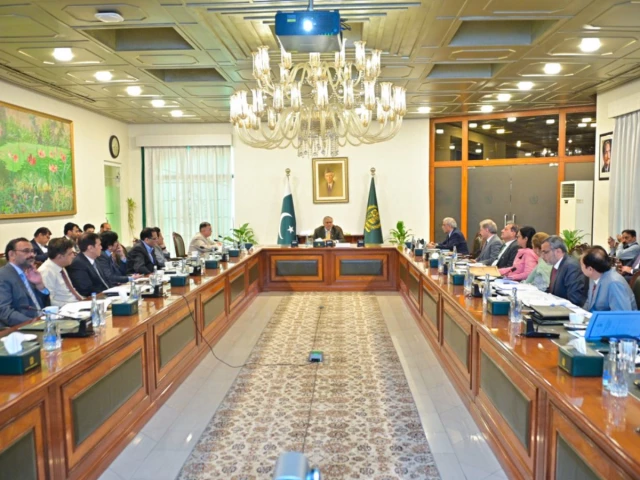
ISLAMABAD: The federal government on Wednesday extended its austerity and fuel conservation measures until June 30, 2026, while introducing revised operating hours for businesses across the country as part of efforts to reduce energy consumption and manage the impact of higher fuel costs. According to an official statement, Deputy Prime Minister and Foreign Minister Ishaq Dar chaired a meeting of the Committee for Monitoring and Implementation of Fuel Conservation and Additional Austerity Measures. The committee reviewed exemption requests submitted by various ministries and divisions and finalized recommendations regarding the continuation of the policy. Austerity Measures Extended The committee recommended extending the validity of the austerity measures, which were initially due to expire on June 13, 2026, until June 30, 2026. The measures were first introduced in April under a broader energy conservation strategy aimed at addressing the impact of rising fuel prices linked to tensions in the Middle East. Authorities had temporarily relaxed several restrictions during May and ahead of Eid ul Adha. Grocery Stores Allowed to Operate Until 10pm During the meeting, the committee approved extending the closing time for standalone grocery and kiryana stores to 10pm throughout the week, including weekends. The decision provides additional operating hours for small retailers while maintaining the government’s overall fuel-saving strategy. Revised Timings for Markets and Restaurants Under the revised schedule already notified by the federal government, shops, markets, shopping malls, and general retail outlets will close at 9pm. Restaurants, cafes, and eateries will be permitted to remain open until 11pm. However, takeaway and delivery services will continue without any restrictions and have been exempted from the revised timings. Meanwhile, marriage halls and event venues will maintain their existing closing time of 10pm, with no changes announced. Essential Services Exempted The updated restrictions will not apply to essential services. Pharmacies, hospitals, petrol pumps, and IT and telecommunications services will remain exempt from the regulations to ensure uninterrupted public services. The committee also directed provincial governments to coordinate with federal authorities and ensure effective implementation of the revised guidelines. Consular Services to Remain Open on Fridays In a move aimed at facilitating citizens, the committee decided that consular attestation services at the Ministry of Foreign Affairs and its liaison offices in Quetta, Karachi, Peshawar, Gujrat, and Lahore will continue operating on Fridays. The decision is intended to ensure uninterrupted public access to attestation services despite the ongoing austerity measures. Energy Conservation Drive Continues The extension reflects the government’s continued focus on energy conservation amid elevated fuel prices and regional instability. Officials have said the measures form part of broader efforts to reduce energy consumption and ease pressure on the economy.

SBP Islamic Banking Windows Policy Sparks Major Shift in Pakistan’s Banking Industry
Pakistan

SBP Islamic Banking Windows Policy Sparks Major Shift in Pakistan’s Banking Industry

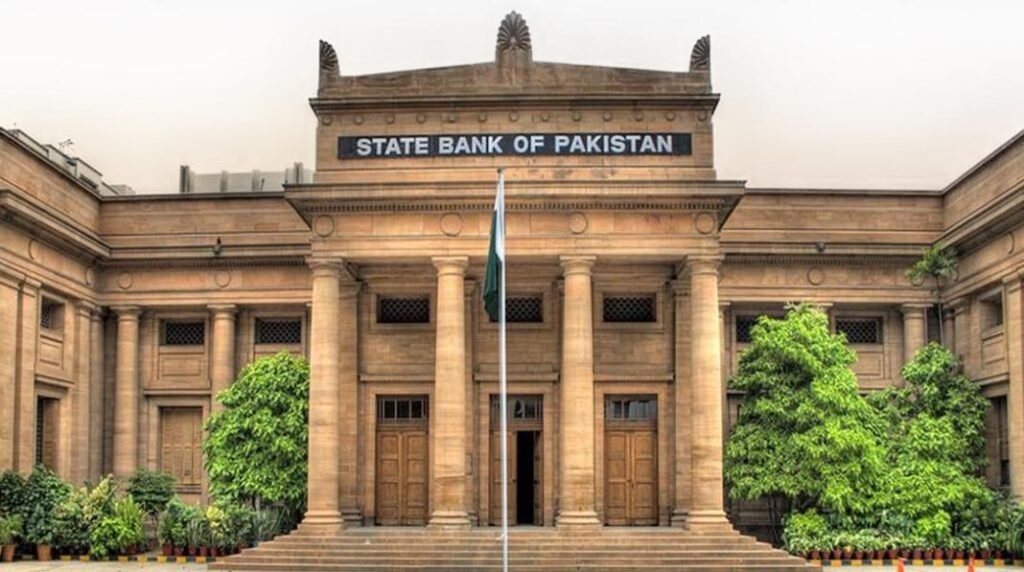
The SBP Islamic Banking Windows policy is set to reshape Pakistan’s financial landscape as the State Bank of Pakistan introduces sweeping changes designed to accelerate the country’s transition toward Islamic banking. In a move that could significantly boost access to Shariah-compliant financial services, the central bank has relaxed several regulatory requirements and provided greater operational flexibility to banks and microfinance institutions. The revised framework comes into effect immediately and is being viewed as another strategic step toward expanding Islamic finance across Pakistan. SBP Islamic Banking Windows Get Faster Approval Route One of the most significant changes under the revised framework is the removal of the requirement for prior State Bank approval before establishing Islamic Banking Windows (IBWs) within conventional branches that are already approved for conversion. Banks and Microfinance Banks (MFBs) can now set up Islamic Banking Windows either as part of their annual branch conversion plans or through separate requests. This streamlined process is expected to reduce administrative delays and encourage more institutions to begin offering Islamic banking services. For the banking sector, this means faster market entry for Islamic products and a more efficient pathway toward full branch conversion. Islamic Banking Services Allowed During Conversion Period Previously, customers often had to wait until a branch was fully converted before accessing Islamic banking products. Under the new policy, banks can now offer a complete range of Shariah-compliant services during the interim conversion phase. These services include Islamic deposit products as well as funded and non-funded financing facilities. This means customers can immediately begin using Islamic banking solutions while the conversion process remains underway. The decision could help banks capture growing demand for Islamic financial products while reducing the transition gap that previously existed during branch conversions. Major Cost Relief for Banks and Microfinance Institutions Another notable feature of the revised SBP Islamic Banking Windows framework is the elimination of processing and annual fees for IBWs established during the temporary conversion period. This financial relief is expected to encourage greater participation from both commercial banks and microfinance institutions. Smaller institutions, in particular, may find it easier to expand their Islamic banking footprint without facing additional regulatory costs. Industry observers believe this incentive could accelerate the pace of branch conversions nationwide. New Branding Rules Make Expansion Easier The State Bank has also relaxed signage requirements for Islamic Banking Windows.Previously, banks were required to display the IBW name on one-fourth of the conventional branch signboard. Under the revised guidelines, this requirement has been removed. Instead, banks must provide alternative arrangements at branch entrances and ensure prominent internal displays informing customers about the availability of Islamic banking products and services. The change offers institutions greater flexibility in branch branding while maintaining customer awareness and transparency. Technology Upgrade Gives Banks Greater Operational Freedom The revised SBP Islamic Banking Windows framework also addresses a major operational challenge faced by banks. Islamic Banking Windows can now be connected to a controlling branch, central hub, or centralized data center rather than being linked exclusively to the nearest Islamic banking branch or hub. This enhancement is expected to improve technology integration, strengthen operational efficiency, and ensure better segregation of Islamic funds. It also allows banks to utilize centralized digital infrastructure while maintaining Shariah compliance standards. Microfinance Banks Receive a Major Opportunity A key highlight of the revised policy is the expanded applicability to Microfinance Banks. MFBs are now formally included in the framework and can offer Islamic banking products through Islamic Banking Windows. This development could open new opportunities for financial inclusion, particularly in underserved communities where demand for Shariah-compliant financial services continues to grow. By enabling microfinance institutions to participate more actively in Islamic banking, the State Bank is widening access to ethical and faith-based financial solutions. Why the SBP Islamic Banking Windows Policy Matters Pakistan’s Islamic banking sector has witnessed consistent growth over the past decade, with rising customer demand and increasing government support for Shariah-compliant finance. The latest reforms signal the State Bank’s intention to remove regulatory bottlenecks and encourage faster expansion of Islamic banking services across the country. For banks, the framework reduces costs, simplifies procedures, and enhances operational flexibility. For customers, it means quicker access to Islamic financial products without waiting for complete branch conversions. As Pakistan moves closer to its long-term Islamic finance objectives, the revised SBP Islamic Banking Windows policy could become a key catalyst for the next phase of growth in the country’s banking sector.

PPL advances AI capabilities in upstream oil and gas operations, signs MoU with US- headquartered AI technology company Folio3
Pakistan

PPL advances AI capabilities in upstream oil and gas operations, signs MoU with US- headquartered AI technology company Folio3

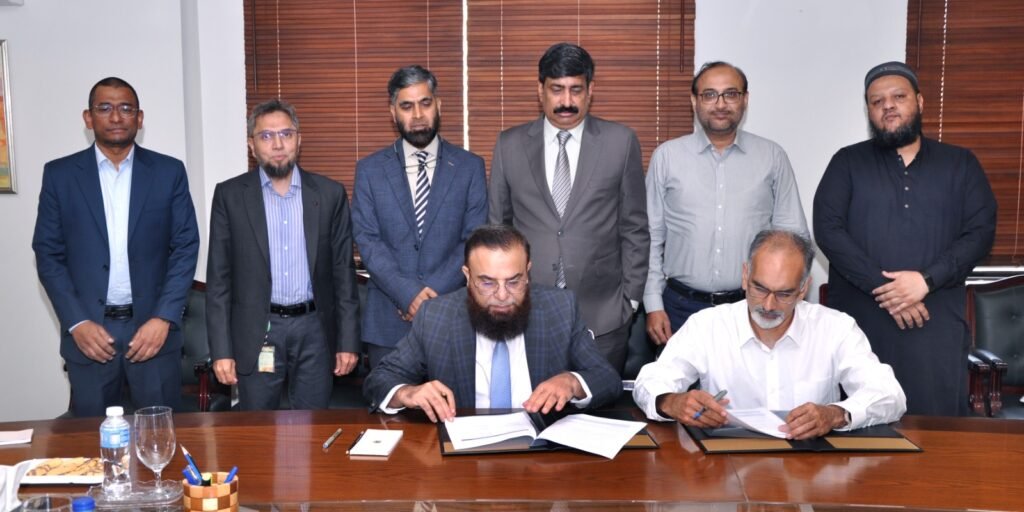
KARACHI, June 9, 2026: Pakistan Petroleum Limited (PPL) proudly announces signing of Memorandum of Understanding (MoU) with Folio3, a US- headquartered AI technology company with a global delivery footprint, to leverage AI for smarter and more efficient upstream oil and gas operations. Read More: https://theboardroompk.com/budget-fy2027-fiscal-consolidation-rules-risk-triggering-massive-energy-price-hike/ MD & CEO PPL, Mohammad Khalid Rehman, signed the MoU with Adnan Lawai, CEO Folio3, in the presence of Brig. Ajaz Ahmad Khan HI(M),Retd, General Manager Shared Services PPL, and other officials from both companies on June 9 at PPL head office Advancing the use of AI, this collaboration will explore opportunities across key operational and business functions, including drilling optimization, exploration, predictive maintenance and enterprise functions. Harnessing Folio3’s AI capabilities, the partnership seeks to accelerate the practical adoption of AI and drive innovation across operations. This initiative aligns with PPL’s commitment to contribute towards a smarter, more sustainable energy future for the nation.

Budget FY2027: Fiscal Consolidation Rules Risk Triggering Massive Energy Price Hike
Pakistan

Budget FY2027: Fiscal Consolidation Rules Risk Triggering Massive Energy Price Hike

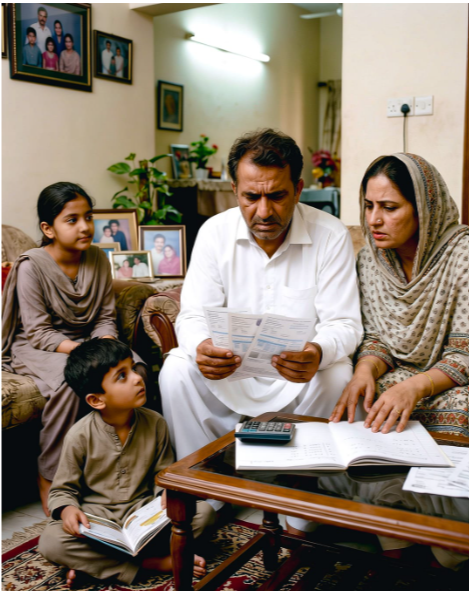
As the government prepares to unveil the FY2027 budget, economists are sounding the alarm over potential new financial burdens on the public. Experts warn that the upcoming fiscal consolidation strategy relies heavily on increasing indirect taxes and slashing vital subsidies. Skyrocketing Power Tariffs A Heavy Blow to Citizens This specific policy direction is highly likely to trigger massive increases in energy prices across the country. Consequently, everyday households and the fragile middle class will face severe, renewed inflationary pressures. Economists argue that the government is reverting to short-term, aggressive measures simply to bridge its persistent fiscal deficit. This approach heavily utilizes regressive indirect taxes and arbitrary non-tax revenues to generate fast state liquidity. A prime example is the Petroleum Development Levy (PDL), which has transformed into a pure revenue-generation tool. The state targets an astronomical collection of around Rs1.7 trillion through this levy alone in the upcoming cycle. Currently, standard consumers already pay well above the average electricity tariff of Rs33.4 per unit after added taxes. Alarmingly, built-in capacity payments to power producers account for more than Rs17 per unit of that total cost. System inefficiencies, massive transmission losses, and debt burdens continue to artificially inflate what citizens pay. Experts stress that the true affordability threshold for middle-class households sits much lower, around Rs25 to Rs30 per unit. Additionally, standard subsidy reforms may leave gaping holes in social safety nets for vulnerable populations. The Benazir Income Support Programme (BISP) might not fully cover all groups sliding into deep poverty.As a direct result, rising costs risk deepening energy poverty and could unfortunately encourage power theft in urban areas. True and sustainable fiscal consolidation must focus on broadening the tax base rather than punishing already compliant taxpayers.

Scroll to Top