
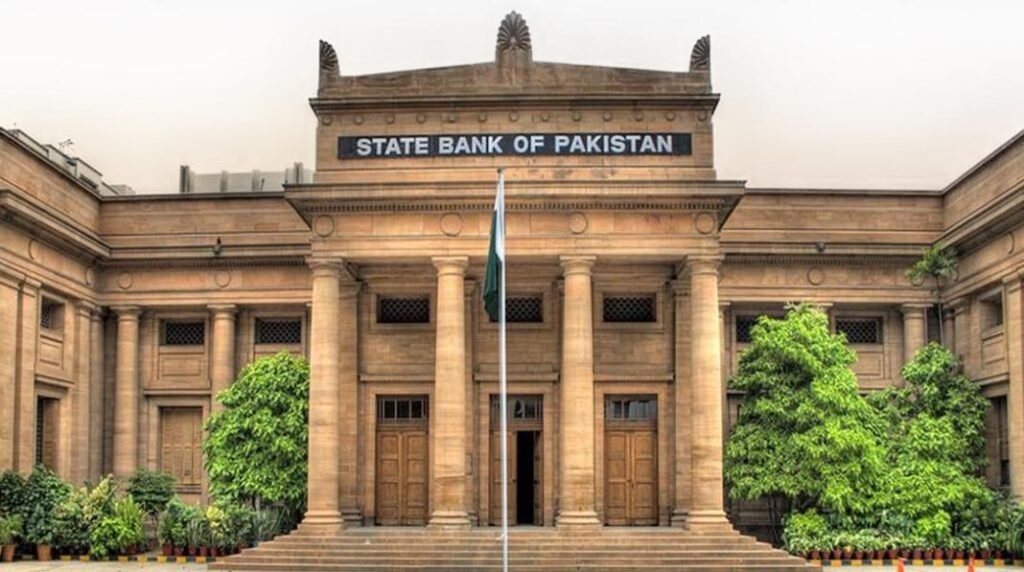
The SBP Islamic Banking Windows policy is set to reshape Pakistan’s financial landscape as the State Bank of Pakistan introduces sweeping changes designed to accelerate the country’s transition toward Islamic banking.
In a move that could significantly boost access to Shariah-compliant financial services, the central bank has relaxed several regulatory requirements and provided greater operational flexibility to banks and microfinance institutions. The revised framework comes into effect immediately and is being viewed as another strategic step toward expanding Islamic finance across Pakistan.
SBP Islamic Banking Windows Get Faster Approval Route
One of the most significant changes under the revised framework is the removal of the requirement for prior State Bank approval before establishing Islamic Banking Windows (IBWs) within conventional branches that are already approved for conversion.
Banks and Microfinance Banks (MFBs) can now set up Islamic Banking Windows either as part of their annual branch conversion plans or through separate requests. This streamlined process is expected to reduce administrative delays and encourage more institutions to begin offering Islamic banking services.
For the banking sector, this means faster market entry for Islamic products and a more efficient pathway toward full branch conversion.
Islamic Banking Services Allowed During Conversion Period
Previously, customers often had to wait until a branch was fully converted before accessing Islamic banking products. Under the new policy, banks can now offer a complete range of Shariah-compliant services during the interim conversion phase.
These services include Islamic deposit products as well as funded and non-funded financing facilities. This means customers can immediately begin using Islamic banking solutions while the conversion process remains underway.
The decision could help banks capture growing demand for Islamic financial products while reducing the transition gap that previously existed during branch conversions.
Major Cost Relief for Banks and Microfinance Institutions
Another notable feature of the revised SBP Islamic Banking Windows framework is the elimination of processing and annual fees for IBWs established during the temporary conversion period.
This financial relief is expected to encourage greater participation from both commercial banks and microfinance institutions. Smaller institutions, in particular, may find it easier to expand their Islamic banking footprint without facing additional regulatory costs.
Industry observers believe this incentive could accelerate the pace of branch conversions nationwide.
New Branding Rules Make Expansion Easier
The State Bank has also relaxed signage requirements for Islamic Banking Windows.
Previously, banks were required to display the IBW name on one-fourth of the conventional branch signboard. Under the revised guidelines, this requirement has been removed.
Instead, banks must provide alternative arrangements at branch entrances and ensure prominent internal displays informing customers about the availability of Islamic banking products and services.
The change offers institutions greater flexibility in branch branding while maintaining customer awareness and transparency.
Technology Upgrade Gives Banks Greater Operational Freedom
The revised SBP Islamic Banking Windows framework also addresses a major operational challenge faced by banks.
Islamic Banking Windows can now be connected to a controlling branch, central hub, or centralized data center rather than being linked exclusively to the nearest Islamic banking branch or hub.
This enhancement is expected to improve technology integration, strengthen operational efficiency, and ensure better segregation of Islamic funds. It also allows banks to utilize centralized digital infrastructure while maintaining Shariah compliance standards.
Microfinance Banks Receive a Major Opportunity
A key highlight of the revised policy is the expanded applicability to Microfinance Banks.
MFBs are now formally included in the framework and can offer Islamic banking products through Islamic Banking Windows. This development could open new opportunities for financial inclusion, particularly in underserved communities where demand for Shariah-compliant financial services continues to grow.
By enabling microfinance institutions to participate more actively in Islamic banking, the State Bank is widening access to ethical and faith-based financial solutions.
Why the SBP Islamic Banking Windows Policy Matters
Pakistan’s Islamic banking sector has witnessed consistent growth over the past decade, with rising customer demand and increasing government support for Shariah-compliant finance.
The latest reforms signal the State Bank’s intention to remove regulatory bottlenecks and encourage faster expansion of Islamic banking services across the country.
For banks, the framework reduces costs, simplifies procedures, and enhances operational flexibility. For customers, it means quicker access to Islamic financial products without waiting for complete branch conversions.
As Pakistan moves closer to its long-term Islamic finance objectives, the revised SBP Islamic Banking Windows policy could become a key catalyst for the next phase of growth in the country’s banking sector.