Pakistan

Al-Ghazi Tractors Limited Joins the Pakistan Agricultural Coalition to Strengthen Support for the Country’s Agriculture Sector
Pakistan

Al-Ghazi Tractors Limited Joins the Pakistan Agricultural Coalition to Strengthen Support for the Country’s Agriculture Sector

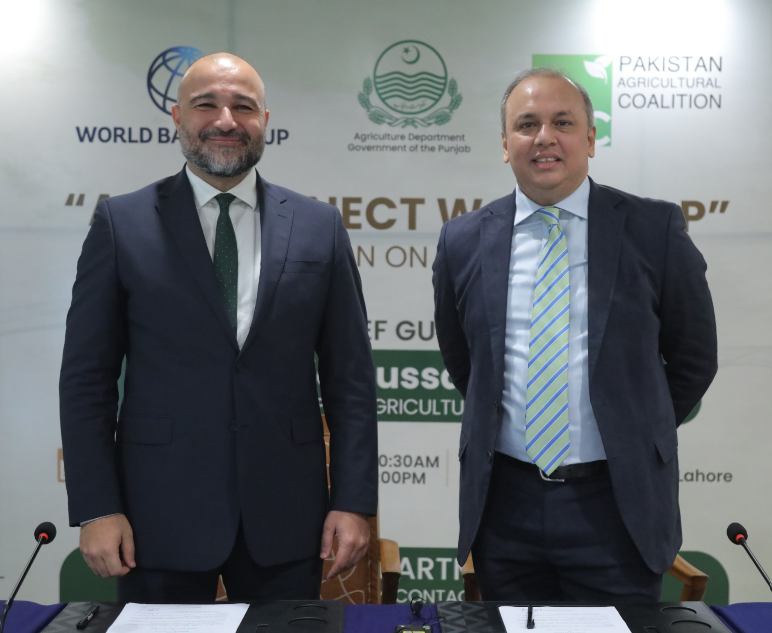
One of Pakistan’s leading tractor manufacturers comes on board as a patron of PAC, reinforcing its commitment to a modern, productive and globally competitive farm economy. Lahore, 18 June 2026 — Al-Ghazi Tractors Limited (AGTL), one of Pakistan’s leading manufacturers of agricultural machinery, has joined the Pakistan Agricultural Coalition (PAC) as a patron. The partnership was formalized through a Memorandum of Understanding, bringing Al-Ghazi into a coalition of the country’s foremost business and financial groups that is working to make Pakistan’s agriculture sector private sector-led, technology-driven, entrepreneurial and globally competitive. The partnership reflects Al-Ghazi’s intent to play an active part in the national agenda for agricultural growth, working alongside government, industry and the wider development community. By joining hands with PAC, Al-Ghazi lends its decades of on-ground experience and its standing within the farming community to a shared effort to build a stronger, more competitive and self-reliant agriculture sector for Pakistan. Agriculture remains the backbone of Pakistan’s economy and a primary source of livelihood for millions across the country. Through associations such as this, Al-Ghazi seeks to support efforts that improve productivity, advance mechanization and enhance the prosperity of Pakistan’s farmers, in line with the country’s broader goals for food security and rural development. “For more than four decades, Al-Ghazi Tractors has stood alongside Pakistan’s farmers. Joining the Pakistan Agricultural Coalition allows us to bring that experience to a wider national effort. We believe the future of our agriculture lies in modernization, technology and stronger collaboration between the private sector and government, and we are proud to support an institution working toward exactly that,” said Mr. Yasin Seker, Chief Executive Officer, Al-Ghazi Tractors Limited. “We are pleased to welcome Al-Ghazi Tractors to the coalition. The presence of a leading manufacturer with deep roots in the farming community strengthens our collective ability to design and scale commercially viable solutions for the sector. This is the kind of private-sector commitment that drives lasting change in Pakistan’s agriculture,” said Mr. Kazim Saeed, Chief Executive Officer, Pakistan Agricultural Coalition.
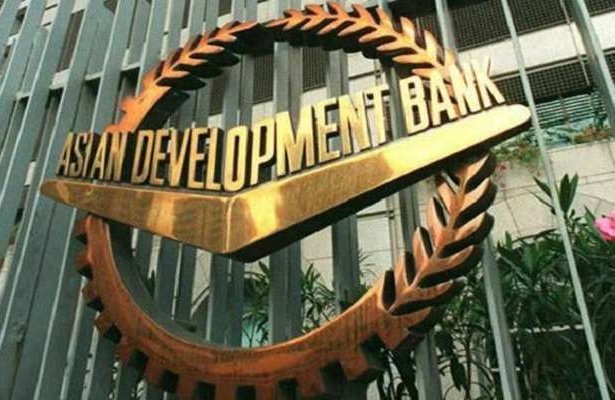

ADB Approves $700 Million Loan for Pakistan to Reform Insurance Sector
Pakistan

ADB Approves $700 Million Loan for Pakistan to Reform Insurance Sector

The Asian Development Bank (ADB) has approved a $700 million policy-based loan for Pakistan under its Insurance Transformation Program, aimed at modernising the country’s insurance industry and expanding financial protection for households, businesses and farmers. The initiative seeks to address Pakistan’s low insurance penetration and strengthen economic resilience by introducing a more market-oriented and risk-based regulatory framework. Insurance Sector Set for Major Reforms According to the ADB, the program will help transform Pakistan’s insurance sector from a traditional rules-based system into a modern framework that promotes competition and encourages private sector participation. ADB Country Director for Pakistan Emma Fan said the reforms would help mobilise long-term capital, expand financial protection and create a more inclusive and resilient insurance market. “The program supports the transformation of Pakistan’s insurance sector from a legacy, rules-based framework to a modern, risk-based, and market-oriented system,” she said. Insurance Penetration Remains Low Pakistan’s financial sector is largely dominated by banks, while insurance penetration stands at only 0.7 percent of gross domestic product (GDP). The low level of insurance coverage leaves millions of households, businesses and farmers vulnerable to environmental, health and economic shocks. The new program aims to bridge these protection gaps and provide broader access to insurance products across the country. Focus on Farmers, Women and Vulnerable Communities Under the Insurance Transformation Program, the ADB will support the development of inclusive and shock-responsive insurance products, especially for farmers, women and vulnerable households. The initiative also seeks to improve access for women and girls by promoting insurance products specifically designed to meet their needs. Targeted product development, digital distribution channels and the use of sex-disaggregated data are expected to strengthen financial inclusion. Digital Technologies to Expand Coverage The reforms will utilise modern technologies, including satellite-based risk assessment, digital platforms and parametric insurance solutions. Risk-pooling mechanisms and improvements in claims settlement procedures are also expected to make insurance products more accessible and efficient. These measures aim to increase public confidence in the insurance sector and broaden coverage across underserved segments of society. Support for Capital Markets and Pension Products Apart from insurance reforms, the $700 million loan will support the development of Pakistan’s capital markets and private pension products. The program seeks to mobilise long-term savings for infrastructure projects, strengthen the bond market and promote annuity-based pension systems. Officials believe these measures will help attract investment and provide additional sources of financing for economic development. Faster Recovery From Economic Shocks According to the ADB, the reforms are expected to reduce financial vulnerabilities faced by households and government institutions. They are also intended to support faster recovery following natural disasters and economic crises while easing pressure on public finances. By expanding insurance coverage and promoting long-term savings, the program aims to strengthen Pakistan’s overall economic resilience and create a more sustainable financial system.

Gold Price in Pakistan Falls by Rs2,300 Per Tola
Pakistan

Gold Price in Pakistan Falls by Rs2,300 Per Tola

Gold prices in Pakistan declined on Thursday, with the price of 24-karat gold falling by Rs2,300 per tola to Rs452,936, according to the latest rates issued by the All-Pakistan Gems and Jewellers Sarafa Association (APGJSA). The decrease comes amid a slight decline in international gold prices as easing crude oil prices improved inflation expectations in global markets. 24-Karat Gold Price Drops The price of 24-karat gold per 10 grams also recorded a decline of Rs2,069 and was quoted at Rs387,615. Meanwhile, the price of 22-karat gold stood at Rs355,515 per 10 grams, reflecting the overall downward trend in the domestic bullion market. Latest Gold Prices in Pakistan Category June 18, 2026 June 17, 2026 Change24K Gold (per tola) Rs452,936 Rs455,236 -Rs2,30024K Gold (10 grams) Rs387,615 Rs389,684 -Rs2,06922K Gold (10 grams) Rs355,515 Rs357,412 LowerSilver Prices Also Decline Silver prices also moved lower in the domestic market. The price of 24-karat silver dropped by Rs138 to Rs7,359 per tola, while silver per 10 grams declined by Rs117 to Rs6,268. Latest Silver Prices Category June 18, 2026 June 17, 2026 Change24K Silver (per tola) Rs7,359 Rs7,497 -Rs13824K Silver (10 grams) Rs6,268 Rs6,385 -Rs117Gold Remains Higher Compared to Last Year Despite the daily decline, gold prices remain significantly higher compared to the start of the fiscal year. According to market data, gold prices have risen by Rs102,736 per tola since the beginning of the current fiscal year. However, they are down by Rs4,026 per tola on a calendar-year basis and have decreased by Rs24,226 over the past month. International Gold Prices Edge Lower In the international market, spot gold traded near $4,265 per ounce, down $12.7 or 0.30 percent from the previous session. Market analysts attributed the decline to easing crude oil prices, which helped reduce inflation concerns and affected demand for the precious metal. Gold is traditionally considered a safe-haven asset during periods of economic uncertainty. However, changing expectations regarding inflation and global energy prices continue to influence investor sentiment and bullion prices worldwide.

APAG Submits IPO Documents to SECP and PSX for Listing Approval
Pakistan

APAG Submits IPO Documents to SECP and PSX for Listing Approval

Agro Processor Atmospheric Gases (APAG) Limited has submitted its complete initial public offering (IPO) documents, including the Draft Prospectus, to the Securities and Exchange Commission of Pakistan (SECP) and the Pakistan Stock Exchange (PSX), marking a key step towards its proposed stock market listing. The company announced that the submission has been made for regulatory approval, bringing it closer to becoming a publicly listed entity. CEO Calls Filing a Major Milestone Ahmad Ghulamhussain, Chief Executive Officer of APAG, described the filing as a significant milestone for the company. He credited the achievement to the efforts and dedication of the company’s team. He also said that the APAG family was expanding as consumers gradually transitioned into stakeholders through the planned public offering. According to the company, the move reflects its commitment to long-term growth, strong corporate governance, and the creation of sustainable value for shareholders. Company Has More Than Four Decades of Experience Established in 1981, APAG is a manufacturer of edible oil, banaspati and margarine products. The company holds ISO 9001, ISO 14001 and ISO 22000 certifications and has more than four decades of industry experience. Its management team brings over 50 years of expertise in the edible oil sector, which has helped the company establish a strong position in the market. Popular Consumer Brands Under APAG APAG markets several well-known consumer brands in Pakistan. These include: Soya Supreme Cooking Oil and BanaspatiSmart Canola Cooking OilMalta The company serves households across the country and has built its business around products aimed at meeting consumers’ daily cooking needs. Advanced Processing Technology APAG said it operates one of the few edible oil processing units in South Asia that uses Ultra High Temperature (UHT) heating technology and continuous deodorization. The facility processes cooking oil at temperatures reaching 255 degrees Celsius, a method designed to improve product quality and efficiency. Expansion Beyond Pakistan The company stated that its long-term strategy focuses on health and convenience for consumers. It also aims to expand beyond Pakistan and eventually grow into a multinational enterprise. The IPO process represents an important stage in that strategy, as access to capital markets could support future expansion plans and strengthen the company’s presence in the food processing industry.

Petroleum Prices in Pakistan May See Relief as Minister Signals Good News
Pakistan

Petroleum Prices in Pakistan May See Relief as Minister Signals Good News

Federal Minister for Petroleum Ali Pervaiz Malik has hinted at a possible reduction in petroleum prices, saying that the public will soon receive “good news” regarding fuel prices. Speaking to Geo News, the minister acknowledged that Pakistanis had faced significant difficulties due to the recent Iran-US conflict, which pushed up international oil prices and led to higher petroleum prices domestically. Minister Says Public Faced Pressure from Fuel Price Hike Ali Pervaiz Malik said the increase in petroleum prices had affected household budgets and placed an additional financial burden on consumers. He noted that the impact of tensions between the United States and Iran had been felt across global energy markets, resulting in higher costs for oil-importing countries, including Pakistan. “The public suffered greatly because of the Iran-US war, and the rise in petroleum prices affected people’s budgets,” the minister said. Government Committed to Providing Relief The petroleum minister said the government remained committed to providing maximum relief to consumers. He added that Prime Minister Shehbaz Sharif had directed the authorities to reduce petroleum prices to the greatest extent possible whenever international market conditions allowed. “We have made a commitment, and the prime minister has also instructed that prices should be reduced as much as possible,” Ali Pervaiz Malik said. Expectations Grow Ahead of Next Price Review The minister’s remarks have raised expectations of a reduction in fuel prices in the upcoming fortnightly review. Petroleum prices in Pakistan are revised every two weeks, taking into account changes in international crude oil prices and exchange rate movements. A decline in global oil prices in recent days has increased hopes that consumers may receive relief after recent increases.

Pakistan Exports May 2026: US Remains Largest Market Despite Declining Shipments
Pakistan

Pakistan Exports May 2026: US Remains Largest Market Despite Declining Shipments

Pakistan’s export sector is showing mixed signals as fresh data from the State Bank of Pakistan reveals that the country’s biggest overseas markets are undergoing major shifts. While the United States retained its position as Pakistan’s top export destination in May 2026, declining shipments to several key markets are raising questions about the sustainability of export growth. At the same time, China emerged as a bright spot, providing much-needed support amid weakening demand from Europe and the Middle East. Pakistan Exports May 2026 Show US Still Dominates The United States remained Pakistan’s largest export destination during May 2026, with exports amounting to $461.25 million. However, the figure represented a 10.6 percent decline compared with exports worth $516.16 million recorded in May last year. Even on a month-on-month basis, shipments to the US fell by 5.8 percent, indicating that Pakistan’s most important export market is beginning to experience softer demand. Despite the decline, no other country came close to matching America’s contribution to Pakistan’s export earnings, underlining the strategic importance of the US market for the country’s exporters. China Emerges as a Rare Growth Story Among Pakistan’s major trading partners, China was one of the few markets that delivered positive annual growth. Exports to China reached $216.25 million in May 2026, compared with $199.53 million a year earlier, reflecting an 8.4 percent increase. Nevertheless, exports to China declined by 21.6 percent compared with the previous month, highlighting volatility in bilateral trade. The numbers suggest that while China is becoming an increasingly important market for Pakistani products, sustaining consistent growth remains a challenge. UK, UAE and Europe Witness Sharp Slowdown Pakistan’s exports to the United Kingdom generated revenues of $157.81 million, marking an 8.3 percent annual decline. Monthly exports to the UK also dropped by 12.2 percent. The UAE, particularly Dubai, experienced one of the steepest declines among major destinations. Exports fell 28 percent year-on-year to $127.62 million, indicating weakening demand from the Gulf market. European markets also showed signs of slowing. Exports to Germany stood at $106.5 million, down 19.5 percent from last year. Shipments to Spain declined 13.7 percent to $105.68 million, while exports to the Netherlands dropped 8.5 percent to $103.47 million. These figures indicate that Pakistan’s traditional markets in Europe are facing headwinds, adding pressure on exporters already dealing with rising production costs and global economic uncertainty. Pakistan Exports May 2026 Highlight Dependence on a Few Markets The latest figures expose Pakistan’s heavy reliance on a limited number of destinations. The United States, China and the United Kingdom continue to account for a significant share of export earnings, making the economy vulnerable to fluctuations in demand from these markets. Instead of simply looking at numbers, the broader picture reveals a need for greater diversification. Falling exports to Europe and the Gulf underline the urgency of expanding access to new markets and promoting value-added products. Eleven-Month Figures Paint a More Stable Picture Despite the monthly weakness, cumulative figures for the first eleven months of FY26 offer some reassurance. The United States remained Pakistan’s largest source of export earnings, contributing $5.59 billion during 11MFY26. China ranked second with exports totaling $2.44 billion, recording a healthy growth of 7.3 percent. Meanwhile, the United Kingdom retained third place, generating export revenues of $1.96 billion, slightly below the $1.99 billion recorded during the same period last year. Warning Signs for Pakistan’s Export Sector Although Pakistan’s export earnings have remained relatively resilient, the latest numbers reveal worrying trends. Declining shipments to the US, Europe and the UAE indicate that external demand is weakening. Unless exporters diversify markets and improve competitiveness, the country could face increasing challenges in maintaining export momentum in the coming months. With global trade conditions becoming more uncertain, Pakistan’s export sector may soon find itself at a critical crossroads where innovation and market expansion become essential rather than optional.

BYD Pakistan EV Investment Gains Speed as Chinese Giant Eyes Regional Manufacturing Hub
Pakistan

BYD Pakistan EV Investment Gains Speed as Chinese Giant Eyes Regional Manufacturing Hub

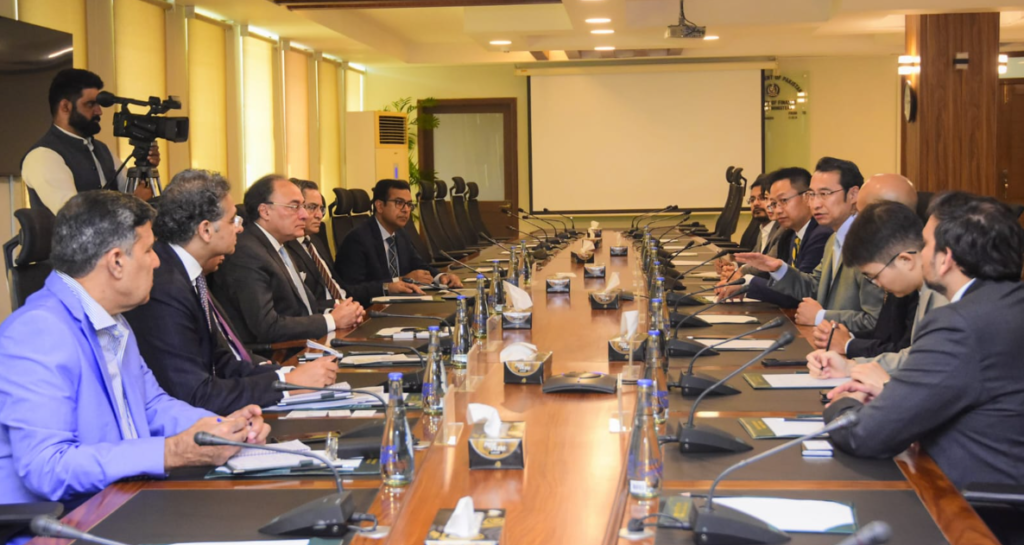
Pakistan’s ambitions to become a major player in the electric vehicle industry are receiving a significant boost as Chinese automotive giant BYD and Mega Motor Company intensify their expansion plans. The latest meeting between Federal Minister for Finance and Revenue Senator Muhammad Aurangzeb and senior executives from BYD Group and Mega Motor Company signals growing confidence in Pakistan’s potential to emerge as a regional center for electric vehicle manufacturing and exports. The discussions highlighted a broader vision that goes beyond vehicle sales and aims to establish a complete ecosystem for electric mobility in the country. BYD Pakistan EV Investment Moves Beyond Vehicle Imports The delegation, led by BYD Group Vice President Liu Xueliang and Mega Motor Company CEO Aly Khan, briefed the government on the progress of BYD’s manufacturing facility in Pakistan. According to the company, development of the plant is proceeding according to schedule, marking an important milestone for the country’s automotive sector. BYD also unveiled plans to accelerate localization efforts, expand its vehicle lineup and introduce advanced charging solutions. The company aims to create an ecosystem capable of supporting long-term growth rather than relying solely on imported vehicles. Finance Minister Muhammad Aurangzeb welcomed the initiative, emphasizing that technology-driven investments are becoming increasingly important for Pakistan’s economic transformation. Pakistan Emerges as a Strategic Market for BYD Mega Motor Company CEO Aly Khan informed the meeting that Pakistan occupies a strategic position in BYD’s global expansion strategy. The company is pursuing a phased localization plan designed to increase domestic sourcing and strengthen partnerships with local vendors. This approach could create new opportunities for Pakistani manufacturers and suppliers while reducing dependence on imports. It also has the potential to strengthen the country’s automotive supply chain and generate employment opportunities for engineers, technicians and skilled workers. BYD Pakistan EV Investment Includes Charging Infrastructure Expansion One of the biggest hurdles to electric vehicle adoption remains the availability of charging stations. Recognizing this challenge, BYD and Mega Motor Company are working with local partners to develop a nationwide charging network. Executives also shared plans to launch training programs for engineers and technical staff to support the growing EV industry. Government officials stressed that without adequate charging infrastructure, large-scale electric vehicle adoption would remain difficult. They encouraged the companies to speed up investment in local assembly and charging facilities. Plug-In Hybrid Vehicles Could Become Pakistan’s Transition Technology The two sides also discussed the future role of plug-in hybrid electric vehicles. Drawing on international experience, BYD executives explained that plug-in hybrids could serve as a bridge technology in countries where charging infrastructure is still evolving. Pakistan’s rapidly expanding solar energy sector could further support electric mobility. Experts believe the combination of renewable energy and electric vehicles could significantly reduce fuel import dependence and promote sustainable transportation. China-Pakistan Cooperation Could Reshape the Auto Industry As global demand shifts toward cleaner mobility, Pakistan appears determined not to be left behind. Improved macroeconomic conditions and greater emphasis on sustainable industrialization have created a more favorable environment for foreign investment. The BYD Pakistan EV Investment initiative represents more than just another automotive project. It reflects a larger effort to position Pakistan as a regional hub for new energy vehicles, advanced manufacturing and technological innovation. If executed successfully, the partnership between BYD and Mega Motor Company could redefine Pakistan’s automotive landscape, create thousands of jobs, encourage technology transfer and place the country firmly on the map of the global electric mobility revolution.

FBI Foils Alleged Plot to Attack White House UFC Event Attended by Trump
Pakistan

FBI Foils Alleged Plot to Attack White House UFC Event Attended by Trump

Five Arrested Over Alleged Plan to Target White House UFC Event The FBI said it had foiled an alleged plot to attack a mixed martial arts event held on the White House lawn over the weekend, leading to the arrest of five people. According to court documents, the suspects planned to use explosive-laden drones to strike the north side of the White House during the Ultimate Fighting Championship (UFC) event. Investigators alleged that the attack aimed to create panic and force attendees toward an exit where snipers would then open fire on fleeing politicians and guests. Authorities said the event proceeded without incident. Trump Attended Event Marking America’s 250th Anniversary US President Donald Trump attended the UFC America 250 event, which was held to commemorate the 250th anniversary of US independence. The event also coincided with Trump’s 80th birthday. Several senior Republican lawmakers, donors, and administration officials were present at the gathering. Trump, who was attending the Group of Seven summit in Evian, France, later told reporters that he had not been informed about the alleged plot. FBI Says Suspects Were Motivated by Anti-Government Beliefs According to court filings, the five suspects subscribed to anti-government conspiracy theories. Investigators said their anger over the handling of files related to convicted sex offender Jeffrey Epstein partly motivated the alleged plan. Court documents also revealed that one suspect had expressed interest in targeting lawmakers who had received campaign contributions from pro-Israel groups. FBI Director Kash Patel said authorities became aware of the threat on June 10. “FBI and our law enforcement partners became aware of a potential threat to the UFC America 250 event in Washington, D.C., involving individuals outside of the National Capital Region,” Patel said in a statement posted on X. Multiple Charges Filed Against Suspects Federal prosecutors have charged at least three of the five suspects with conspiracy to commit murder. Other charges include conspiracy to commit an offense against the United States and weapons-related violations. The accused have not yet entered pleas in court. Authorities have not immediately released information regarding legal representation for the suspects. Group May Have Included More Than 20 People According to a report by Fox News Digital, the network behind the alleged plot may have involved as many as 23 individuals. Vice President JD Vance said investigators were examining the networks and sources of support behind the suspected operation. “Twenty-three people do not get to the point where they’re going to commit a mass terror incident in Washington, D.C., without some serious funding and coordination,” Vance said in an interview with Fox News. “That’s not a few guys doing crazy stuff. That is a coordinated planned terrorist plot,” he added. Mother’s Call Helped Investigators Uncover Alleged Plot Authorities said the investigation began after the mother of 19-year-old Tycen Proper contacted police in Ohio. She reportedly alerted authorities after noticing that her son had purchased weapons and was communicating with suspicious individuals online. According to an FBI affidavit, Proper later admitted to agents that he knew about plans for a coordinated attack on the White House UFC event. Investigators used the information to identify and arrest the suspects before the alleged attack could be carried out. Authorities Continue Investigation Federal agencies are continuing to investigate the case to determine whether additional individuals were involved. Officials have not disclosed further details regarding the identities of the remaining suspects or whether more arrests are expected. The FBI and other law enforcement agencies are now focusing on uncovering the alleged support networks and financial resources that may have aided the planned attack.

IMF Yet to Approve Pakistan’s Proposed Tax Relief for Real Estate Sector
Pakistan

IMF Yet to Approve Pakistan’s Proposed Tax Relief for Real Estate Sector

The International Monetary Fund (IMF) has so far not agreed to Pakistan’s proposal to provide tax relief to the real estate sector, as virtual discussions between the two sides continue. According to sources, Pakistan’s economic team is currently engaged in online negotiations with IMF officials regarding measures announced in the federal budget aimed at supporting the property market. Despite the government’s efforts, the global lender has yet to endorse the proposed relief package. Government Announces Rs115 Billion Relief Package In the federal budget, the government unveiled relief measures worth Rs115 billion for the real estate sector in a bid to stimulate investment and revive economic activity. The package included reductions in withholding tax rates under Sections 236C and 236K of the Income Tax Ordinance. According to sources, the tax rate for property sellers under Section 236C has been capped at 2.75 percent. Meanwhile, the rate applicable to buyers under Section 236K has been reduced to 1.25 percent. Officials believe the measures could help boost transactions and encourage greater participation in the property market. Virtual Talks Between Pakistan and IMF Continue Sources said negotiations between Islamabad and the IMF are still underway through virtual meetings. The discussions focus on the scope of relief that can be extended to the property sector without undermining the government’s fiscal targets and reform commitments. Officials indicated that additional high-level meetings with the IMF delegation are expected in the next phase of talks. The outcome of these discussions is likely to determine whether the proposed concessions become part of the final tax framework for the upcoming fiscal year. Property Sector Seen as Key Economic Driver The real estate industry remains one of Pakistan’s major economic sectors and has strong links with construction, cement, steel, and several allied industries. The government hopes that lower taxes will encourage investment and help revive economic activity. However, the IMF has consistently emphasized broadening the tax base and improving transparency rather than relying on tax incentives. IMF Previously Raised Concerns Over Real Estate Transactions Last month, the IMF urged Pakistan to tighten monitoring of suspicious financial activities in the real estate sector. According to sources, the international lender expressed concern over the low number of suspicious transaction reports originating from the property market and other designated non-financial businesses and professions. The IMF believes stronger oversight is necessary to prevent money laundering and improve regulatory compliance. Concerns Over Money Laundering and Weak Oversight Sources said the IMF highlighted weaknesses in Pakistan’s mechanisms for detecting suspicious transactions and identifying beneficial ownership. The lender also called for urgent measures to tackle trade-based money laundering and close regulatory loopholes. Officials said improving transparency in the property market remains one of the IMF’s key priorities under ongoing reform efforts. The concerns come as Pakistan seeks to strengthen its financial system and maintain compliance with international anti-money laundering standards. Final Decision May Shape Future Tax Policy The ongoing talks are expected to play a crucial role in determining the future direction of tax policy for the real estate sector. If the IMF ultimately approves the government’s proposals, investors and developers could benefit from lower transaction costs. However, if the lender maintains its reservations, Islamabad may have to reconsider or modify some of the announced measures. Economic experts say the final decision could have significant implications for the country’s property market and overall investment climate. More Discussions Expected Government officials remain hopeful that further negotiations with the IMF will lead to a mutually acceptable solution. For now, the relief package announced in the budget remains subject to the outcome of ongoing discussions with the global lender. As Pakistan works to balance economic growth with fiscal discipline, the future of tax concessions for the real estate sector will largely depend on the IMF’s approval.

Karachi Bus Strike: Transporters Announce Indefinite Shutdown Against Heavy Traffic Fines
Pakistan

Karachi Bus Strike: Transporters Announce Indefinite Shutdown Against Heavy Traffic Fines

Public transport services in Karachi are likely to face major disruptions after the Karachi Bus Owners Association announced an indefinite strike from June 18. The association said the protest aims to oppose what it described as excessive traffic challans and heavy fines imposed on public transport vehicles. The decision could affect thousands of commuters who depend on buses for their daily travel across the city. Transporters Protest Traffic Enforcement Measures The Karachi Bus Owners Association said transport operators have become increasingly concerned over strict traffic enforcement and rising financial penalties. According to the association, repeated fines and challans have increased the burden on transporters. Bus owners believe the measures are making it difficult for them to continue operating their vehicles. They argued that authorities should review the current system and address the concerns of the transport sector. Bus Owners Asked to Keep Vehicles Off Roads Farooq Ahmed, President of the Karachi Bus Owners Association, urged all transporters to participate in the protest and keep their buses off the roads from June 18. He said the strike would continue until the authorities accepted the association’s demands and provided relief regarding traffic penalties. “The protest will continue until our concerns are addressed,” he said while announcing the decision. The transport body believes the current system has created unnecessary financial pressure on bus operators. Thousands of Commuters May Face Difficulties The planned suspension of bus services is expected to affect thousands of people who rely on public transport for work, education, and other daily activities. Karachi, Pakistan’s largest city, depends heavily on buses and minibuses to transport millions of passengers every day. Any prolonged disruption in services could create significant inconvenience for commuters. People may have to rely on ride-hailing services, rickshaws, or private transport, which could increase travel costs. Traffic Police Tightened Enforcement Measures The announcement comes weeks after Karachi traffic police introduced new measures aimed at improving traffic discipline. In May, traffic authorities intensified action against motorists driving on the wrong side of the road. Officials described the growing trend of wrong-way driving as a serious threat to public safety. DIG Traffic Pir Muhammad Shah said traffic police officers had been equipped with modern devices to issue challans more effectively across the city. According to him, the new technology would help authorities enforce traffic laws and reduce violations. Special Traffic Flow Unit to Be Deployed Traffic authorities have also announced plans to establish a Special Traffic Flow Unit to improve discipline on major roads. Officials said the unit would focus on key areas where traffic violations frequently occur. According to the traffic police, around 36 locations across Karachi have been identified as hotspots for wrong-way driving. Authorities believe stricter enforcement and improved monitoring will help reduce accidents and improve the flow of traffic. Growing Tension Between Transporters and Authorities The latest strike announcement highlights the growing differences between transport operators and traffic authorities. While transporters argue that heavy fines are hurting their businesses, officials insist that strict enforcement is necessary to ensure road safety and better traffic management. Public transport operators have repeatedly raised concerns over increasing operational costs, including fuel prices, maintenance expenses, and penalties. Meanwhile, authorities maintain that traffic rules must be enforced to protect commuters and reduce dangerous driving practices. Government Yet to Respond No official response from the Sindh government or traffic police had emerged immediately following the strike announcement. However, with the protest scheduled to begin on June 18, authorities may face pressure to hold talks with transport representatives to prevent a prolonged disruption in bus services. Any successful negotiations could help avoid inconvenience for thousands of Karachi residents who depend on public transportation every day. Commuters Brace for Disruptions As the deadline approaches, commuters are preparing for possible transport shortages and longer travel times. If the strike continues for an extended period, it could affect office workers, students, and businesses across the city. The coming days will determine whether discussions between transporters and authorities can resolve the dispute and restore normal bus operations.

Scroll to Top