Pakistan

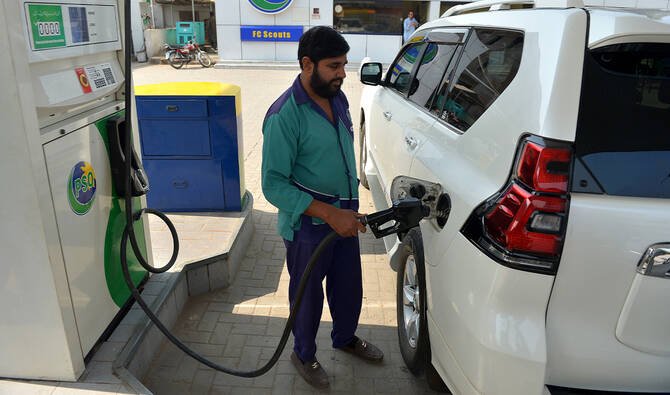
The State Bank of Pakistan (SBP) extends crude oil import permission on Cost Insurance and Freight basis until July 10 2026. The central bank issued a circular to authorized dealers confirming the two-month extension. The move aims to ensure uninterrupted fuel supplies across the country amid continued volatility in global energy markets. Background of the Decision The SBP had first granted this relaxation on March 11 2026. It issued that initial permission through EPD Circular Letter No. 04. The original window covered 60 days. Sharp fluctuations in global oil prices triggered the decision. Geopolitical tensions and supply concerns in international markets drove those price swings. The central bank acted quickly to protect Pakistan's energy supply chain. What the Extension Means The SBP extends crude oil import permission to give oil marketing companies and refineries more room to operate. Industry sources say the move supports efficient supply chain management. Global energy markets remain uncertain. Pakistan needs a stable import framework to counter those risks. The CIF mechanism places the burden of cost insurance and freight on the seller. That arrangement benefits Pakistani importers directly. It reduces their operational complexity. It also helps ensure timely delivery of petroleum products at destination ports. SBP Directive to Authorized Dealers The State Bank directed all authorized dealers to act on the revised instructions immediately. Dealers must inform their concerned clients and ensure strict compliance. The circular stated clearly that the relaxation validity now runs until July 10 2026. No ambiguity remains about the new deadline. Banks and financial institutions handling import transactions must align their processes accordingly. Why This Matters for Pakistan Pakistan depends heavily on imported petroleum products. The country uses crude oil and refined fuels to power industry transport and households. Any disruption in import arrangements creates ripple effects across the economy. Fuel shortages push up prices. They slow down industrial output. They create pressure on foreign exchange reserves as emergency procurement becomes costlier. The SBP extends crude oil import permission precisely to avoid these outcomes. A predictable and flexible import policy gives refineries time to plan purchases. It allows oil marketing companies to negotiate better supply contracts. It reduces the risk of sudden fuel shortfalls in domestic markets. Global Context International oil markets have remained turbulent throughout early 2026. Geopolitical tensions continue to affect supply routes and pricing. Several major oil-producing regions face uncertainty. Prices have moved sharply in both directions. Pakistan is not isolated from these pressures. The country spends billions of dollars annually on petroleum imports. A stable import mechanism directly supports the broader balance of payments. The central bank recognized this reality in March. It acted again now by extending the relief period. Policymakers are clearly watching global developments closely. Further extensions remain possible if market conditions do not stabilize before July. Industry Response Oil marketing companies welcomed the extension. Refineries can now plan their import schedules with greater confidence. Supply chain managers say the CIF arrangement reduces friction in procurement. Sellers handle logistics and insurance on their end. That saves time and administrative effort for Pakistani buyers. The energy sector views the SBP decision as a practical and timely measure. It reflects an understanding of how import-dependent industries operate under stress. Pakistan's fuel supply chain requires consistent policy support. The State Bank has provided that support through this extension.
Pakistan

SBP Extends Crude Oil Import Permission Until July 2026

The State Bank of Pakistan (SBP) extends crude oil import permission on Cost Insurance and Freight basis until July 10 2026. The central bank issued a circular to authorized dealers confirming the two-month extension. The move aims to ensure uninterrupted fuel supplies across the country amid continued volatility in global energy markets. Background of the Decision The SBP had first granted this relaxation on March 11 2026. It issued that initial permission through EPD Circular Letter No. 04. The original window covered 60 days. Sharp fluctuations in global oil prices triggered the decision. Geopolitical tensions and supply concerns in international markets drove those price swings. The central bank acted quickly to protect Pakistan’s energy supply chain. What the Extension Means The SBP extends crude oil import permission to give oil marketing companies and refineries more room to operate. Industry sources say the move supports efficient supply chain management. Global energy markets remain uncertain. Pakistan needs a stable import framework to counter those risks. The CIF mechanism places the burden of cost insurance and freight on the seller. That arrangement benefits Pakistani importers directly. It reduces their operational complexity. It also helps ensure timely delivery of petroleum products at destination ports. SBP Directive to Authorized Dealers The State Bank directed all authorized dealers to act on the revised instructions immediately. Dealers must inform their concerned clients and ensure strict compliance. The circular stated clearly that the relaxation validity now runs until July 10 2026. No ambiguity remains about the new deadline. Banks and financial institutions handling import transactions must align their processes accordingly. Why This Matters for Pakistan Pakistan depends heavily on imported petroleum products. The country uses crude oil and refined fuels to power industry transport and households. Any disruption in import arrangements creates ripple effects across the economy. Fuel shortages push up prices. They slow down industrial output. They create pressure on foreign exchange reserves as emergency procurement becomes costlier. The SBP extends crude oil import permission precisely to avoid these outcomes. A predictable and flexible import policy gives refineries time to plan purchases. It allows oil marketing companies to negotiate better supply contracts. It reduces the risk of sudden fuel shortfalls in domestic markets. Global Context International oil markets have remained turbulent throughout early 2026. Geopolitical tensions continue to affect supply routes and pricing. Several major oil-producing regions face uncertainty. Prices have moved sharply in both directions. Pakistan is not isolated from these pressures. The country spends billions of dollars annually on petroleum imports. A stable import mechanism directly supports the broader balance of payments. The central bank recognized this reality in March. It acted again now by extending the relief period. Policymakers are clearly watching global developments closely. Further extensions remain possible if market conditions do not stabilize before July. Industry Response Oil marketing companies welcomed the extension. Refineries can now plan their import schedules with greater confidence. Supply chain managers say the CIF arrangement reduces friction in procurement. Sellers handle logistics and insurance on their end. That saves time and administrative effort for Pakistani buyers. The energy sector views the SBP decision as a practical and timely measure. It reflects an understanding of how import-dependent industries operate under stress. Pakistan’s fuel supply chain requires consistent policy support. The State Bank has provided that support through this extension.

Punjab Government Introduces 0.90% Infrastructure Cess on Imports and Exports
Pakistan

Punjab Government Introduces 0.90% Infrastructure Cess on Imports and Exports

The Punjab government has approved amendments to impose a 0.90 percent cess on imports and exports. This move aims to boost infrastructure development revenue across the province. Broader Scope of the New Levy The amended Punjab Infrastructure Development Cess Act 2026 now covers goods produced, manufactured, consumed, imported, or exported through Punjab. It also applies to imported goods merely passing through the province’s territory. Enforcement Mechanisms Strengthened Authorities will appoint cess officers with powers to monitor, inspect, and verify goods. Checkpoints can be established at key entry and exit points, and officers may seek help from Customs and law enforcement agencies. The Punjab Assembly passed the bill through a majority vote. It awaits final approval from the Governor to become law. Punjab Parliamentary Affairs Minister Mujtaba Shuja ur Rehman clarified that this is not a new tax. The cess has existed for years, and the government is only restructuring the system for better collection. He highlighted the revenue gap with Sindh province. Sindh collects around Rs. 170 billion annually from similar charges, while Punjab currently gathers only Rs. 9-10 billion. Business Community Reactions Importers and exporters have expressed concerns over increased costs. Many fear the new cess will raise operational expenses and affect competitiveness in regional trade. The government maintains the funds will support infrastructure projects. Better roads, logistics hubs, and facilities could eventually benefit the same traders paying the cess. Analysts suggest the expanded scope, including transit goods, could significantly increase Punjab’s revenue. However, implementation challenges at checkpoints may cause delays for legitimate trade. This development comes amid ongoing economic pressures in Pakistan. Provinces are exploring new ways to generate funds without heavily relying on federal transfers. The cess will primarily apply to goods moving through formal customs channels. Small-scale or informal traders might see minimal immediate impact.

Pakistan Gets First Dedicated Regional Airline as SouthAir Prepares for Launch
Pakistan

Pakistan Gets First Dedicated Regional Airline as SouthAir Prepares for Launch

In the midst of an increasingly tense regional and global environment, Pakistan’s aviation sector has received a major boost with the arrival of the ferry flights of two aircraft for the newly launched SouthAir — the country’s first dedicated regional airline aimed at connecting underserved cities and towns of Balochistan, Southern Punjab, and Upper Sindh with the rest of Pakistan. At a time when international and Middle Eastern air corridors have faced serious disruptions due to the ongoing US–Israel–Iran conflict, SouthAir’s launch had temporarily slowed. However, the arrival of its much-awaited aircraft now signals a renewed momentum, with the airline expected to move rapidly towards the commencement of commercial operations. A spokesman for SouthAir stated that all key preparatory arrangements are progressing swiftly, including maintenance facilities, flight scheduling, operational readiness, and the rostering of cockpit and cabin crew. He added that a formal announcement regarding the launch of operations will soon be made in coordination with the Pakistan Civil Aviation Authority (CAA) and Pakistan Airports Authority (PAA).

Pakistan Petroleum Limited Restarts Development of Faiz X-1 Deep Well
Pakistan

Pakistan Petroleum Limited Restarts Development of Faiz X-1 Deep Well

Pakistan Petroleum Limited (PPL) has successfully commissioned the Faiz X-1 Deep (Basal Sand) well in Sindh’s Sanghar district after the project remained undeveloped for more than a decade due to infrastructure constraints. In a notice submitted to the Pakistan Stock Exchange (PSX) on Friday, Pakistan Petroleum Limited (PPL)announced that the well has now entered production following the completion of technical and operational upgrades. The company stated that it is the operator of the Gambat South Block and confirmed the successful commissioning of the Faiz X-1 Deep well, marking a significant development for Pakistan’s oil and gas sector at a time when the country continues to face energy challenges. Well Remained Inactive Since 2014 According to PPL, the well was originally drilled in 2014. However, the absence of nearby pipeline infrastructure prevented commercial development of the discovery for years. The company explained that the project was initially considered uneconomical because there was no connectivity available for transporting gas from the well to processing facilities. PPL later carried out a comprehensive technical and economic re-evaluation after pipeline connectivity with nearby wells became possible. Following the reassessment, the company concluded that the Basal Sand interval could now be developed commercially. As a result, the exploration and production company initiated well intervention operations and surface facility work to bring the long-delayed discovery into production. Pipeline Connectivity Enabled Commercial Production PPL stated that several key activities were completed before commissioning the well. These included isolation of deeper intervals, well intervention jobs, installation of surface facilities, and the construction of nearly 4.5 kilometres of feeder pipeline. The feeder line connected the Faiz X-1 Deep well to the existing gas gathering network for onward supply to the Gambat South Gas Processing Facilities. The company confirmed that the well officially entered production on February 25, 2026. Production levels were gradually increased in phases to optimise operational performance. According to the notice, the well is currently producing around 3.6 million standard cubic feet per day (MMscfd) of gas along with approximately 750 barrels per day (bpd) of condensate. Energy Sector Receives Boost The successful commissioning of the well is expected to support Pakistan’s domestic energy production at a time when the country remains heavily dependent on imported fuel and liquefied natural gas (LNG). Industry experts believe that increasing indigenous gas production can help reduce pressure on foreign exchange reserves and lower energy import costs in the long term. Pakistan has been struggling with declining natural gas reserves and rising demand from industrial, commercial, and domestic consumers. Several exploration and production companies have recently accelerated efforts to revive dormant discoveries and expand existing infrastructure. The development of the Faiz X-1 Deep well reflects a broader trend in the sector where companies are revisiting older discoveries using improved economic models and upgraded infrastructure. PPL’s Role in Pakistan’s Energy Sector PPL remains one of Pakistan’s largest exploration and production companies and plays a major role in the country’s hydrocarbon sector. The company is involved in exploring, developing, and producing oil and natural gas resources across multiple regions of Pakistan. It operates several key fields and contributes significantly to the national gas supply network. Over the years, PPL has focused on expanding domestic energy production through exploration activities, infrastructure development, and partnerships in strategic energy projects. The commissioning of the Faiz X-1 Deep well adds another producing asset to the company’s portfolio and highlights the importance of infrastructure connectivity in unlocking stranded energy resources.

Bank Alfalah and Aga Khan Foundation Launch Rs. 66 Million Rehabilitation Project for Flood-Affected Areas in Gilgit-Baltistan
Pakistan

Bank Alfalah and Aga Khan Foundation Launch Rs. 66 Million Rehabilitation Project for Flood-Affected Areas in Gilgit-Baltistan

Karachi (Staff Reporter):The Aga Khan Foundation Pakistan, in collaboration with Bank Alfalah, has launched a rehabilitation program worth Rs. 66 million aimed at improving critical infrastructure and strengthening communities in flood-affected areas of Gilgit-Baltistan. The program was initiated following the devastation caused by the monsoon floods in August 2025, which triggered flash floods, landslides, cloudbursts, and glacial lake outburst floods across the region. Under the project, multiple initiatives will be undertaken, including the restoration of clean drinking water supply systems for thousands of households, reconstruction of irrigation networks, revival of agricultural activities, and construction of flood protection infrastructure to reduce the risks of future natural disasters. In addition, disaster preparedness will be enhanced through the provision of winterized emergency tents. Bank Alfalah is contributing Rs. 50 million to the initiative, while the Aga Khan Foundation is contributing Rs. 7.05 million. The project will focus on improving access to clean water, restoring irrigation systems, implementing flood protection measures, and strengthening emergency shelter reserves. The initiative will directly benefit more than 10,600 people in the districts of Gilgit, Ghizer, and Hunza, while approximately 13,000 additional people are expected to benefit indirectly. The project also includes a contribution of Rs. 9.3 million for the installation of a 25-kilowatt solar power system at a school in Chitral, benefiting both students and teachers.President and Chief Executive Officer of Bank Alfalah Limited, Atif Bajwa, emphasized the bank’s commitment to community development in Pakistan, stating: “We are proud to launch this important rehabilitation initiative with the Aga Khan Foundation Pakistan, which reflects our commitment to responsible banking and meaningful investment in communities.”

Pakistan Telecom Sector Demands Lower Import Duties on 5G Equipment
Pakistan

Pakistan Telecom Sector Demands Lower Import Duties on 5G Equipment

Pakistan’s telecom industry has submitted a wide range of fiscal and policy recommendations for the Federal Budget FY2026 27 to improve sector sustainability, expand digital connectivity, and support the country’s broader digital transformation goals. The proposals were submitted through the Telecom Operators’ Association to the Ministry of Information Technology and Telecommunication. The industry urged the government to reduce taxes, rationalise import duties, and create a more investment friendly environment for telecom infrastructure and next generation technologies. The telecom sector stated that it continues to face serious financial pressure despite playing a central role in Pakistan’s digital economy. Operators pointed to rising operational expenses, currency depreciation, high taxation, and increasing infrastructure investment needs as major challenges affecting long term growth. Telecom Operators Seek Reduction in Withholding Tax One of the key recommendations focuses on reducing withholding tax under Section 153 of the Income Tax Ordinance 2001 from 6 percent to 4 percent. The industry also proposed making the withholding tax adjustable instead of treating it as a minimum tax. Telecom operators argued that the current taxation structure creates severe cash flow constraints and raises the cost of capital for companies operating in the sector. According to the proposal, these financial pressures limit the ability of telecom companies to invest in network expansion, infrastructure upgrades, and digital services. The industry maintained that easing the tax burden would improve liquidity and encourage operators to increase investment in underserved areas. Proposal to Cut Advance Income Tax on Mobile Services The telecom sector also requested a reduction in advance income tax on telecom services under Section 236 from 15 percent to 8 percent. Industry representatives argued that high taxes on mobile usage disproportionately affect low income and prepaid consumers across Pakistan. They said the heavy upfront taxation discourages digital adoption and limits access to essential online services. Telecom operators believe lower taxes would help increase mobile internet usage, improve digital inclusion, and support the government’s efforts to promote financial digitization and e governance initiatives. Pakistan currently has one of the highest telecom taxation rates in the region. According to the industry proposal, total consumer taxation on telecom services stands at approximately 34.5 percent. Industry Calls for 5G Equipment Duty Exemptions The telecom industry further proposed abolishing customs duties on the import of 5G and fixed line telecom equipment. The recommendation covers a wide range of products, including network infrastructure equipment, smartphones, servers, batteries, SIM cards, and other telecom related components. Operators stated that high import duties significantly increase deployment costs and slow the rollout of advanced connectivity technologies across the country. The industry particularly highlighted the challenges faced in expanding services to rural and underserved areas where infrastructure investment already remains expensive. According to telecom operators, rationalising duties could unlock nearly Rs12 billion in additional capital deployment for network expansion and digital infrastructure development. The sector believes that easing import restrictions would accelerate Pakistan’s transition toward next generation technologies and improve the country’s digital competitiveness. Fiber Broadband Expansion Faces Challenges Another major recommendation focuses on reducing overall duties and taxes on optic fiber cable imports from nearly 67 percent to 5 percent. The telecom industry argued that expensive fiber deployment has become a major bottleneck for broadband expansion in Pakistan. Fixed broadband penetration in the country remains below 2 percent, highlighting the urgent need for investment in high speed internet infrastructure. Industry officials stated that affordable fiber deployment would improve internet quality, support growing data consumption, and strengthen Pakistan’s digital economy. Telecom operators also stressed that better broadband infrastructure is essential for the development of sectors such as education, health care, ecommerce, and digital banking. Concerns Over Tax Disputes and Compliance Costs The telecom sector additionally recommended withdrawing the Commissioner’s authority under Section 147(6B) of the Income Tax Ordinance 2001 to reject taxpayers’ advance tax estimates. According to the proposal, the current mechanism increases disputes, litigation, compliance costs, and uncertainty for businesses operating in Pakistan. The industry maintained that simplifying the taxation process would improve ease of doing business and reduce unnecessary administrative burdens on companies. Telecom operators said a stable and predictable regulatory framework remains essential for attracting long term investment into the sector. Pakistan Still Faces Connectivity Challenges The recommendations come at a time when Pakistan continues to face major connectivity gaps despite rapid growth in digital services worldwide. According to the telecom industry, more than 30 percent of Pakistan’s population still lacks access to 4G services, while nearly 12 percent remains without basic mobile coverage. Industry officials stated that sustainable policies and investment friendly reforms are necessary to bridge the digital divide and improve nationwide connectivity. The telecom sector maintained that supporting operators through tax reforms and infrastructure incentives would help accelerate broadband expansion, improve digital inclusion, and contribute to overall economic growth. Experts believe that stronger telecom infrastructure will also play a critical role in supporting Pakistan’s future digital economy ambitions, including ecommerce, fintech, online education, and smart governance initiatives.

Petrol Prices in Pakistan Expected to Decline Amid Global Oil Market Shift
Pakistan

Petrol Prices in Pakistan Expected to Decline Amid Global Oil Market Shift

Petrol prices in Pakistan are expected to decrease in the upcoming fortnightly review following a decline in international oil prices linked to growing expectations of a possible peace agreement between the United States and Iran. Sources said preliminary calculations for the revision in petroleum prices have already been completed, while the Oil and Gas Regulatory Authority is finalising its recommendations for the government. According to official sources, the Oil and Gas Regulatory Authority will forward its pricing summary to the Petroleum Division after completing the initial working process. However, the final decision regarding revised petrol and diesel prices will only be announced after approval from Prime Minister Shehbaz Sharif. Petrol and Diesel Prices May Fall Sources stated that if the current calculations are approved, petrol prices may decrease by Re1 per litre, while diesel prices are likely to fall by Rs2 per litre. The expected reduction comes after fluctuations in global crude oil prices during recent weeks. International oil markets have remained sensitive to geopolitical developments, particularly tensions involving the United States and Iran. Officials said lower global oil prices created room for a possible reduction in domestic fuel prices. However, they also warned that the final outcome depends on government decisions regarding taxes and petroleum levies. Petroleum Levy Could Change Final Prices Sources added that fuel prices could instead increase if the government decides to revise the petroleum levy upward. According to officials familiar with the matter, an increase in the levy could push petrol prices higher by up to Rs15 per litre, while diesel prices may rise by as much as Rs16 per litre. Currently, the government charges a petroleum levy of Rs103.50 per litre on petrol and Rs28.69 per litre on diesel. Economic experts believe that any major increase in the levy could offset the benefit of lower international oil prices for consumers. The government has frequently used petroleum levies as a tool to support revenue collection targets amid ongoing fiscal challenges and commitments linked to economic reforms. Finance Minister Comments on Fuel Price Review Federal Finance Minister Muhammad Aurangzeb said that the Ministry of Petroleum holds the final authority for announcing changes in petroleum product prices. He stated that the government is reviewing various measures aimed at providing relief to the public while also managing economic stability. Aurangzeb said officials are closely assessing the impact of global oil price movements on Pakistan’s domestic market. He added that the government continues efforts to improve the country’s economic situation and maintain financial discipline. The finance minister’s remarks came as consumers across Pakistan closely monitor fuel prices due to their direct impact on transportation costs, inflation, and household expenses. International Oil Prices Remain Volatile In the international market, oil prices moved higher on Friday after renewed tensions emerged between the United States and Iran. Reports indicated that the fragile ceasefire situation between the two countries faced fresh uncertainty, reducing hopes for immediate progress toward reopening the Strait of Hormuz. The Strait of Hormuz remains one of the world’s most critical energy routes, handling a large share of global oil and liquefied natural gas shipments. Analysts warned that any disruption in the region could trigger fresh volatility in global energy markets and directly influence fuel prices in importing countries like Pakistan. Despite the recent increase in oil prices, market observers said broader expectations of diplomatic engagement between Washington and Tehran had earlier contributed to a downward trend in crude prices. Public Awaits Official Announcement Consumers and businesses across Pakistan are now waiting for the government’s official announcement regarding revised fuel prices. Any reduction in petrol and diesel prices is expected to provide limited relief to transporters, industries, and households already dealing with inflationary pressures. Petrol prices play a major role in determining transportation fares and the cost of essential goods across the country. The government usually revises petroleum product prices twice every month based on changes in international oil markets, exchange rates, and tax adjustments. Officials said the final pricing decision will become clear once the prime minister reviews OGRA’s recommendations and approves the summary sent by the Petroleum Division.

NAB Uncovers Massive Islamabad Housing Scam Involving 36,000 Illegal Plot Files
Pakistan

NAB Uncovers Massive Islamabad Housing Scam Involving 36,000 Illegal Plot Files

Investigators probing the Islamabad Cooperative Housing Society (ICHS) scandal have uncovered what officials describe as one of the biggest housing frauds in Pakistan’s history after discovering that nearly 36,000 plot files were allegedly issued illegally despite the society lacking enough land to support them. Sources familiar with the investigation being conducted by the National Accountability Bureau Rawalpindi Islamabad told local media that the housing society’s approved Layout Plan and available land bank only allowed for around 6,000 plot files. However, investigators alleged that former office bearers and facilitators issued nearly 42,000 files, creating a massive difference between the available land and promised allotments. Thousands of Plot Files Found Illegal According to officials involved in the inquiry, around 36,000 plot files issued by the Islamabad Cooperative Housing Society have so far been identified as illegal, unsupported, or excessive. Investigators said the findings raised serious concerns about alleged fraud, abuse of authority, and mismanagement spanning several years. Officials revealed that payment records and allotment documentation for thousands of files are either incomplete or entirely missing. They added that many citizens were allegedly sold plot files against land that either did not exist, lacked legal approval, or was never properly documented within the society’s official records. Sources stated that the huge discrepancy between the society’s land bank and the number of issued files suggests that fake, duplicate, and excessive files may have been systematically used to collect billions of rupees from the public. Financial Irregularities Exceed Rs16 Billion Investigators have so far detected financial irregularities exceeding Rs16 billion in the case. However, officials warned that the amount could rise significantly as scrutiny of financial transactions and property records continues. Sources said different investigation teams are currently examining separate aspects of the alleged fraud, including land transfers, file issuance, bank transactions, and the role of facilitators linked to the scheme. The inquiry is also focusing on tracing financial trails connected to the sale of illegal plot files and identifying additional beneficiaries of the alleged scam. Officials believe the case may expand further as more evidence emerges during the ongoing investigation. NAB Arrests Seven Suspects The National Accountability Bureau confirmed that seven suspects connected to the former management committee and a land dealing company have been arrested in connection with the Islamabad housing scam. Those taken into custody include former Secretary General Mehdi Khan Shakir, former Treasurer Malik Muhammad Nawaz, and former Executive Member Muhammad Arshad. Authorities also arrested four individuals associated with Land Stock Dealing Point Company, including Munir Akhtar, Ali Mahmood, Yameen Malik, and Ghulam Jillani. Officials said the arrests were made after investigators gathered preliminary evidence linking the suspects to alleged irregularities in plot file issuance and land dealings. Accountability Court Grants Physical Remand Meanwhile, the Accountability Court Islamabad granted the National Accountability Bureau a seven day physical remand of the accused. The remand will allow investigators to continue questioning the suspects, recover documentary evidence, trace financial transactions, and identify additional individuals allegedly involved in the fraud. Officials said the investigation teams are examining the role of people linked to the society’s administration, financial operations, and land management systems. Sources added that more arrests are expected as the inquiry progresses and additional evidence surfaces. Public Concerns Grow Over Housing Scams The latest revelations have intensified concerns regarding oversight and regulation within Pakistan’s housing sector, where thousands of citizens invest their savings in residential schemes. Legal experts say the case highlights the need for stricter monitoring of cooperative housing societies and stronger protections for buyers against fraudulent practices. Housing scams involving fake plot files and unapproved land have repeatedly surfaced in different cities across Pakistan, causing significant financial losses to the public. Officials involved in the investigation said efforts are underway to complete the probe quickly while ensuring accountability for those allegedly responsible for the scam.

Maryam Nawaz Asked to Save Multan Cotton Research Land from Gymkhana Club Project
Pakistan

Maryam Nawaz Asked to Save Multan Cotton Research Land from Gymkhana Club Project

Pakistan Business Forum has strongly opposed the proposal to establish a Gymkhana Club on nearly 15 acres of valuable research land at the Central Cotton Research Institute in Multan. Read More: https://theboardroompk.com/nbp-launches-smartpay-to-streamline-digital-cash-management-for-businesses/ The business body immediately sent a formal letter to Punjab Chief Minister Maryam Nawaz Sharif. They demanded swift rejection of the district administration’s summary on land transfer. PBF Highlights Long-Term Agricultural Risks Research Land Faces Serious Threat PBF President Khawaja Mahboob-ur-Rehman warned that handing over this land for recreational purposes would damage Pakistan’s agricultural economy. Officials allocated the 115-acre plot in 1970 specifically for cotton research. Today only 100 acres remain. Developers already used 15 acres for projects of MEPCO, WAPDA, NHA, and WASA in the past. Currently 20 acres hold institute infrastructure while scientists conduct active cotton trials on the remaining 80 acres. The institute continues vital work despite financial challenges. Scientists developed superior cotton varieties including Cyto-547 and CRIS-682. Farmers now grow Cyto-547 across lakhs of acres in Punjab. One variety covers nearly 40 percent of cotton area in Sindh. Call for Immediate Government Action PBF insists the Chief Minister must cancel the summary sent by Multan district administration. This step will safeguard cotton research, agricultural innovation, and national food security interests.CCRI Multan Spokesman Sajid Mahmood fully supported PBF’s position. He stressed that the land represents decades of scientific effort and field experiments. Protecting it remains essential for cotton farmers and the national economy. The business forum copied the letter to the Secretary of National Food Security and Research. This ensures federal awareness about the potential loss of strategic research assets. Experts believe such moves could discourage future agricultural investments. Pakistan already faces multiple challenges in boosting crop productivity. Losing prime research land would send a wrong signal to scientists and farmers alike. PBF called upon all stakeholders to prioritize national agricultural needs over short-term recreational projects. The forum continues to monitor the situation closely and vows to raise the issue at higher forums if necessary.

Scroll to Top