
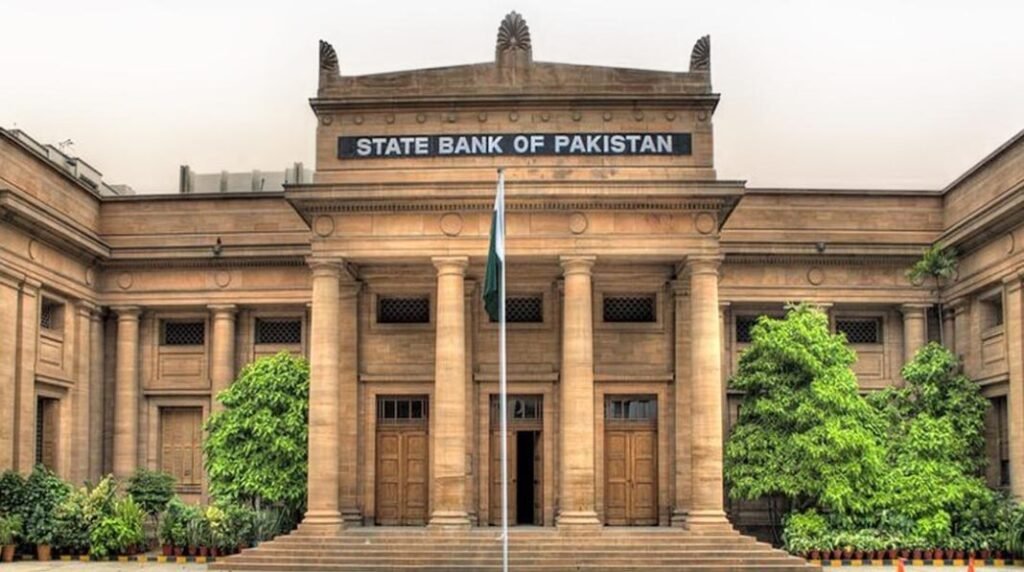
The State Bank of Pakistan (SBP) extends crude oil import permission on Cost Insurance and Freight basis until July 10 2026. The central bank issued a circular to authorized dealers confirming the two-month extension. The move aims to ensure uninterrupted fuel supplies across the country amid continued volatility in global energy markets.
Background of the Decision
The SBP had first granted this relaxation on March 11 2026. It issued that initial permission through EPD Circular Letter No. 04. The original window covered 60 days. Sharp fluctuations in global oil prices triggered the decision. Geopolitical tensions and supply concerns in international markets drove those price swings. The central bank acted quickly to protect Pakistan’s energy supply chain.
What the Extension Means
The SBP extends crude oil import permission to give oil marketing companies and refineries more room to operate. Industry sources say the move supports efficient supply chain management. Global energy markets remain uncertain. Pakistan needs a stable import framework to counter those risks. The CIF mechanism places the burden of cost insurance and freight on the seller. That arrangement benefits Pakistani importers directly. It reduces their operational complexity. It also helps ensure timely delivery of petroleum products at destination ports.
SBP Directive to Authorized Dealers
The State Bank directed all authorized dealers to act on the revised instructions immediately. Dealers must inform their concerned clients and ensure strict compliance. The circular stated clearly that the relaxation validity now runs until July 10 2026. No ambiguity remains about the new deadline. Banks and financial institutions handling import transactions must align their processes accordingly.
Why This Matters for Pakistan
Pakistan depends heavily on imported petroleum products. The country uses crude oil and refined fuels to power industry transport and households. Any disruption in import arrangements creates ripple effects across the economy. Fuel shortages push up prices. They slow down industrial output. They create pressure on foreign exchange reserves as emergency procurement becomes costlier.
The SBP extends crude oil import permission precisely to avoid these outcomes. A predictable and flexible import policy gives refineries time to plan purchases. It allows oil marketing companies to negotiate better supply contracts. It reduces the risk of sudden fuel shortfalls in domestic markets.
Global Context
International oil markets have remained turbulent throughout early 2026. Geopolitical tensions continue to affect supply routes and pricing. Several major oil-producing regions face uncertainty. Prices have moved sharply in both directions. Pakistan is not isolated from these pressures. The country spends billions of dollars annually on petroleum imports. A stable import mechanism directly supports the broader balance of payments.
The central bank recognized this reality in March. It acted again now by extending the relief period. Policymakers are clearly watching global developments closely. Further extensions remain possible if market conditions do not stabilize before July.
Industry Response
Oil marketing companies welcomed the extension. Refineries can now plan their import schedules with greater confidence. Supply chain managers say the CIF arrangement reduces friction in procurement. Sellers handle logistics and insurance on their end. That saves time and administrative effort for Pakistani buyers.
The energy sector views the SBP decision as a practical and timely measure. It reflects an understanding of how import-dependent industries operate under stress. Pakistan’s fuel supply chain requires consistent policy support. The State Bank has provided that support through this extension.