Editor pick

Noor Mohammad Balouch Pumping Station Restored After 35 Years in Karachi
Editor pick

Noor Mohammad Balouch Pumping Station Restored After 35 Years in Karachi

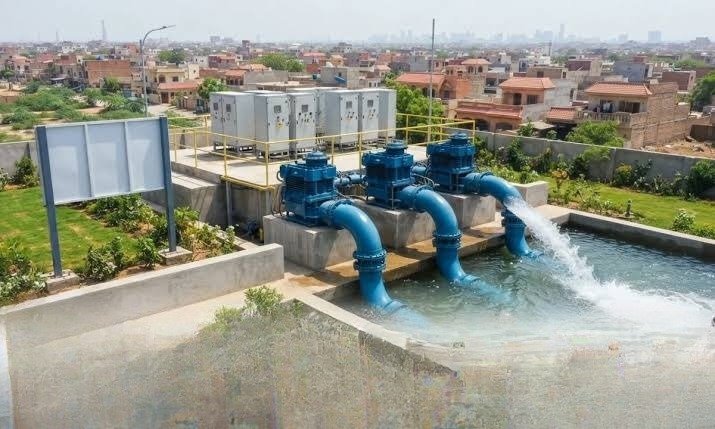
Long-Abandoned Pumping Station Resumes Operations KARACHI: The revival of the Noor Mohammad Balouch Pumping Station after remaining inactive for more than three decades has emerged as one of Karachi’s most significant public infrastructure developments in recent years. The reopening of the long-abandoned facility is expected to strengthen water distribution across some of the city’s oldest and most densely populated neighborhoods, offering relief to more than 300,000 residents who have struggled with unreliable water supplies for decades. Mayor Karachi and Chairman of the Karachi Water and Sewerage Corporation (KWSC), Barrister Murtaza Wahab, formally inaugurated the pumping station on Sunday, describing the project as a major achievement in restoring essential public services and addressing one of the city’s most persistent civic challenges. Noor Mohammad Balouch Pumping Station Finally Becomes Operational The Noor Mohammad Balouch Pumping Station was originally constructed in 1991 during the tenure of former Karachi Mayor Dr. Farooq Sattar. Despite the investment made at the time, the facility never became fully operational because it lacked a permanent electricity connection. As a result, the station remained idle for approximately 35 years, leaving thousands of residents without the improved water infrastructure they had been promised. According to Mayor Wahab, the revival became possible after local representatives and community leaders invited him to inspect the neglected facility. Following his visit, immediate directives were issued to complete the remaining work and restore operations. The successful completion of the project also highlights the importance of maintaining public infrastructure rather than allowing completed projects to remain unused due to administrative shortcomings. Karachi Water Supply to Improve for More Than 300,000 Residents The restored Noor Mohammad Balouch Pumping Station is expected to significantly improve Karachi water supply across Saddar Town, Lyari Town and several surrounding areas of the old city. Communities expected to benefit include Ranchore Line, Kharadar, Mithadar, Jodia Bazaar, Bombay Bazaar, Bhimpura, SIUT, Civil Hospital, Union Councils 1, 5, 6 and 7 of Saddar Town, along with several adjoining neighborhoods. For many residents, inconsistent water availability has been a daily challenge affecting households, healthcare facilities, businesses and commercial markets. The operational pumping station is expected to improve supply reliability and reduce long-standing distribution issues. Infrastructure Projects Require Timely Completion The reopening of the Noor Mohammad Balouch Pumping Station also raises broader questions about infrastructure management in Karachi. Projects delayed for decades often increase maintenance costs while denying citizens the benefits of public investment. Mayor Wahab noted that previous administrations had repeatedly promised to activate the facility, yet the project remained incomplete despite several political transitions. He argued that local governments must prioritize practical service delivery over political commitments that fail to produce measurable outcomes. The mayor also stressed that providing safe drinking water remains among the primary responsibilities of local government institutions. He said the Karachi Water and Sewerage Corporation continues to rehabilitate aging infrastructure while working on sustainable improvements to the city’s water distribution network. Political Debate Overshadows Public Services During the inauguration ceremony, Barrister Wahab criticized political opponents for claiming credit for Karachi’s development while, according to him, failing to resolve fundamental civic issues over many years. He urged all institutions involved in infrastructure development to improve coordination, particularly regarding road excavation and restoration works, warning that political disputes should never interfere with essential public utilities such as water supply. The mayor also stated that Pakistan Peoples Party Chairman Bilawal Bhutto-Zardari has consistently instructed elected representatives to remain focused on solving public problems and improving municipal services instead of engaging in political confrontation. Why the Noor Mohammad Balouch Pumping Station Project Matters The restoration of the Noor Mohammad Balouch Pumping Station represents more than the reopening of an old facility. It demonstrates how completing long-delayed infrastructure projects can immediately improve the quality of life for hundreds of thousands of citizens while strengthening confidence in public service delivery. If the upgraded water distribution system performs as expected, the project could become a model for reviving other dormant civic infrastructure across Karachi, where aging facilities continue to limit the city’s ability to meet the needs of its rapidly growing population.

Oil Prices Surge Nearly 3% as US-Iran Escalation Sparks Strait of Hormuz Supply Fears
Editor pick

Oil Prices Surge Nearly 3% as US-Iran Escalation Sparks Strait of Hormuz Supply Fears

Oil Prices Climb to Four-Week High as Middle East Tensions Intensify Oil prices surged nearly 3% on Tuesday, climbing to their highest level in four weeks as renewed military tensions between the United States and Iran intensified concerns over global energy supplies and the security of shipping through the Strait of Hormuz. The rally came after the United States reinstated a naval blockade targeting Iranian shipping while military exchanges between Washington and Tehran continued for a third consecutive day, raising fears that one of the world’s most critical oil transit routes could face further disruption. International benchmark Brent crude rose $1.90, or 2.3%, to $85.20 per barrel by 0630 GMT, while US West Texas Intermediate (WTI) crude gained $1.91, or 2.4%, to $80.05 per barrel. Earlier in the session, both contracts had climbed by more than $2 a barrel before trimming some gains. The latest advance followed a sharp rally in the previous trading session, when Brent crude jumped 9.6%, marking its largest single-day percentage increase since May 2020. US-Iran Conflict Revives Supply Concerns The oil prices surge has pushed crude to its highest level since the United States and Iran signed a memorandum of understanding on June 17 aimed at ending hostilities. However, renewed military action has revived fears that the fragile agreement may no longer prevent broader regional instability. According to reports, the US military carried out a third consecutive night of strikes against Iranian targets on Monday. US President Donald Trump also reinstated a blockade of Iranian shipping and proposed imposing a 20% fee for vessels requiring protection while passing through the Strait of Hormuz, a strategic waterway through which roughly one-fifth of the world’s seaborne oil passes. The latest developments have significantly increased uncertainty in the global oil market. Tim Waterer, Chief Market Analyst at KCM Trade, said investors are once again pricing in a higher geopolitical risk premium. “The latest escalation, including the US reinstatement of the blockade and Iranian responses, has clearly injected fresh risk into the market,” he said. He noted that while the Strait of Hormuz has not been completely closed, the actions taken by both countries have made the outlook for global oil supplies increasingly uncertain. “The competing objectives of both sides have made the supply picture highly uncertain,” Waterer added. Strait of Hormuz Security Risks Deepen Market concerns intensified further after the United Arab Emirates Ministry of Defence confirmed that two UAE oil tankers were struck by two Iranian cruise missiles while sailing through the southern lane of the Strait of Hormuz in Omani territorial waters. The attack killed one Indian crew member and injured eight others, highlighting the growing risks facing commercial shipping in the region. Shipping data released on Monday also showed that tanker traffic through the Strait of Hormuz had declined to its lowest level in two months, adding to concerns that energy exports from the Gulf could face additional disruptions if military tensions continue. Analysts believe the movement of crude oil through the Strait will remain the most important factor influencing market direction in the coming days. Priyanka Sachdeva, an analyst at Phillip Nova, said traders are closely monitoring physical oil flows rather than political statements alone. She said any meaningful interruption in tanker movements, prolonged decline in vessel traffic or disruption to export volumes would likely trigger another sharp increase in oil prices. However, she noted that if oil exports continue despite the military escalation, some of the geopolitical premium currently built into crude prices could gradually ease. Houthi Attacks Add Fresh Pressure on Energy Markets The conflict also expanded beyond the Gulf, adding fresh uncertainty to regional energy markets. Yemen’s Houthi movement launched missile attacks toward Saudi Arabia after accusing the kingdom of carrying out airstrikes on an airport under Houthi control. The attacks have raised concerns that shipping routes in the Red Sea could also face greater security threats. Simon Wong, a portfolio manager at Gabelli Funds, said any expansion of Houthi attacks targeting Saudi oil facilities or petroleum shipments would create additional risks for global crude supplies. He noted that disruptions affecting Saudi energy exports through the Red Sea could place even greater pressure on international oil markets already dealing with uncertainty surrounding the Strait of Hormuz. US Inventory Data in Focus Apart from geopolitical developments, traders are also awaiting fresh supply data from the United States. A preliminary Reuters survey released on Monday indicated that US crude oil inventories are expected to have declined last week, reflecting healthy demand or lower production. At the same time, analysts expect gasoline and distillate fuel stocks to have increased, suggesting mixed conditions in the world’s largest oil-consuming nation. Official inventory figures due later this week are expected to provide additional direction for oil markets alongside ongoing geopolitical developments. Outlook: Oil Markets Remain Driven by Geopolitical Risks The latest oil prices surge underscores how quickly geopolitical events can reshape global energy markets. With military tensions escalating, tanker traffic slowing and uncertainty surrounding one of the world’s most important oil shipping routes, traders remain focused on the possibility of further supply disruptions.

Pakistan Car Sales FY26 Jump 39.4% as Auto Industry Regains Momentum
Editor pick

Pakistan Car Sales FY26 Jump 39.4% as Auto Industry Regains Momentum

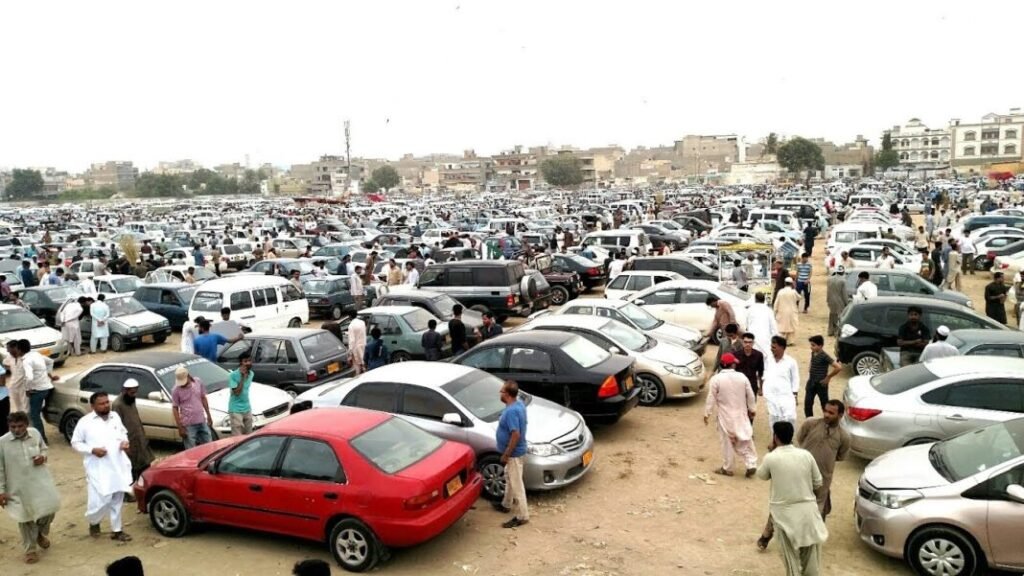
Pakistan Car Sales FY26 recorded an impressive recovery, signaling renewed confidence in the country’s automotive sector after a challenging period marked by supply chain disruptions, import restrictions, and weak consumer demand. Fresh data released by the Pakistan Automotive Manufacturers Association (PAMA) shows that vehicle sales and production both registered strong double-digit growth during the fiscal year, highlighting improving market conditions and rising consumer interest. The latest figures indicate that cumulative sales of cars, light commercial vehicles (LCVs), vans, and jeeps reached 206,436 units during FY26, compared with 148,042 units in FY25. This represents a remarkable 39.4% increase, making FY26 one of the strongest recovery years for Pakistan’s automobile industry in recent times. Pakistan Car Sales FY26 Reflect Strong Consumer Demand The latest performance suggests that Pakistan’s automotive sector is gradually moving beyond the slowdown that affected manufacturers over the past few years. Improved vehicle availability, easing production constraints, and relatively stable economic conditions have encouraged consumers to return to the market. In June 2026 alone, total vehicle sales climbed to 22,741 units, representing a 4.4% increase compared to the same month last year. Even more notable was the monthly momentum, with sales rising 28.8% from 17,660 units sold in May 2026. This sharp month-on-month growth indicates that demand remained resilient despite ongoing concerns over financing costs and household purchasing power. Small Cars Continue to Dominate Pakistan’s Market Affordable vehicles remained the backbone of Pakistan’s automobile industry during June. The Below 1000cc category emerged as the highest-selling passenger car segment with 7,719 units sold. Suzuki Alto once again dominated the market with 7,239 units, while Suzuki Every contributed 480 units. Suzuki Bolan, which has been discontinued, recorded no sales during the month. The continued popularity of compact vehicles reflects consumer preference for fuel-efficient and budget-friendly transportation as fuel prices and living costs continue to influence purchasing decisions. Premium Vehicle Segment Maintains Healthy Sales The 1300cc and Above category followed closely with 7,200 units sold during June. Toyota maintained its leadership in this segment through Corolla, Yaris, and Corolla Cross, collectively selling 2,650 units. Honda’s Civic and City remained close competitors with 2,594 units sold. Suzuki Swift also posted a strong performance with 1,668 units, while Hyundai’s Elantra and Sonata contributed 237 and 51 units, respectively. The data suggests that demand is gradually strengthening across both entry-level and premium vehicle categories, indicating broader market recovery rather than growth concentrated in a single segment. Production Growth Signals Greater Industry Confidence Vehicle production expanded alongside rising demand, strengthening confidence across Pakistan’s automotive manufacturing sector. Total vehicle production increased 27.7% year-on-year during June to 20,896 units, while cumulative production for FY26 reached 206,184 units, representing an annual increase of 39.1%. Passenger car production climbed 42% during the fiscal year to 158,194 units, while production of LCVs, vans, and jeeps increased 30.2% to 47,990 units. The simultaneous rise in production and sales indicates that manufacturers are successfully responding to improving market demand while rebuilding inventories after previous supply constraints. Commercial Vehicles Lead the Fastest Growth One of the most striking developments during FY26 was the exceptional growth in the LCV, van, and jeep segment. Sales in this category surged 79% year-on-year during June, reaching 7,363 units, while cumulative annual sales increased 41.7% to 50,805 units. The robust performance may reflect growing business activity, commercial fleet expansion, and increasing demand from logistics, construction, and small business operators. What Pakistan Car Sales FY26 Mean for the Economy The strong performance of Pakistan Car Sales FY26 sends an encouraging signal for the broader economy. The automobile industry has extensive connections with steel, engineering, plastics, electronics, banking, and auto parts manufacturing. Rising vehicle sales typically stimulate activity across these industries while supporting employment and investment. However, sustaining this momentum will depend on stable economic policies, affordable auto financing, predictable exchange rates, and continued improvements in consumer purchasing power. Any significant rise in financing costs or currency volatility could slow the pace of recovery in the coming months. If current trends continue, Pakistan’s automotive sector appears well positioned to build on FY26’s strong performance and strengthen its contribution to industrial growth.

Coca-Cola Foundation’s $500K Boosts Circular Plastic Economy Partnership in Pakistan
Editor pick

Coca-Cola Foundation’s $500K Boosts Circular Plastic Economy Partnership in Pakistan

The Coca-Cola Foundation has committed USD 500,000 to a pilot project led by the United Nations Office for Project Services (UNOPS) and the International Labour Organization (ILO) to strengthen Pakistan’s circular plastic economy and improve conditions for informal waste workers. Titled “Promoting Sustainability & Decent Work in the PET Recycling Value Chain,” the initiative aims to enhance recycling systems, promote sustainable plastic waste management, and support workers operating in the informal recycling sector. A recent multi-stakeholder workshop in Islamabad highlighted how collaboration between the public and private sectors can deliver both environmental and social benefits. Partnership Aims to Strengthen Plastic Recycling Policies The project focuses on advancing Extended Producer Responsibility (EPR) policies to improve plastic waste management across Pakistan. Representatives from the Ministry of Climate Change, Pakistan Environmental Protection Agency (Pak-EPA), Capital Development Authority (CDA), development partners, and workers’ representatives participated in the workshop to discuss policy priorities and implementation strategies. The collaborative approach is intended to address key regulatory gaps while promoting a more sustainable and accountable recycling ecosystem. Diagnostic Study Identifies Key Challenges Participants reviewed preliminary findings from a diagnostic study examining Pakistan’s PET recycling value chain. The study identified several challenges, including policy and governance gaps, operational inefficiencies, limited market integration, resource constraints, and weaknesses in material recovery systems. Stakeholders shared recommendations to support evidence-based interventions aimed at improving the efficiency and sustainability of plastic recycling. Focus on Informal Waste Workers Improving the livelihoods, occupational safety, and working conditions of informal waste workers is a central objective of the project. Minister of State Dr. Shezra Mansab highlighted the important contribution of informal waste workers to Pakistan’s transition toward a circular economy and emphasized the need to create safer and more inclusive employment opportunities within the recycling sector. The initiative seeks to strengthen income opportunities while enhancing health and safety standards for workers engaged in waste collection and recycling. Model for a Scalable Circular Economy Pakistan generates nearly two million tonnes of plastic waste annually, underscoring the need for more effective recycling systems and stronger policy coordination. By combining corporate funding from the Coca-Cola Foundation with technical expertise from UNOPS and the ILO, alongside government participation, the project offers a collaborative model that could be replicated across other sectors and provinces. Advancing Sustainable Waste Management in Pakistan The Coca-Cola Foundation’s USD 500,000 investment represents an important step toward strengthening Pakistan’s circular plastic economy. Through improved policy frameworks, better recycling systems, and enhanced support for informal waste workers, the initiative aims to promote environmental sustainability while creating more inclusive and decent employment opportunities.

Tarbela-5 Cost Soars 285% as Cofferdam Collapse Delays Project by Two Years
Editor pick

Tarbela-5 Cost Soars 285% as Cofferdam Collapse Delays Project by Two Years

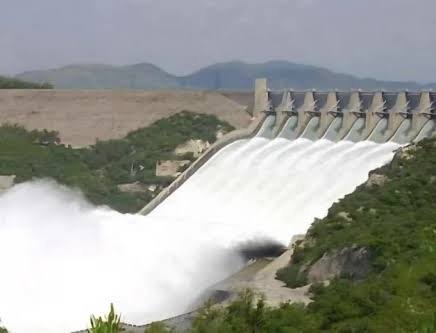
A government-appointed inquiry committee has held all three principal stakeholders—the Water and Power Development Authority (Wapda), the contractor, and the project consultant—responsible for the Tarbela-5 cofferdam collapse, concluding that unauthorized post-contract design changes and multiple contractual violations led to the failure. The inquiry found that the collapse of the cofferdam at the 1,530-megawatt Tarbela-5 Extension Hydropower Project in August 2025 has delayed the project by at least two years and caused its estimated cost to surge by more than 285%. Originally approved at Rs82.36 billion in 2017, the project’s revised cost has now climbed to Rs317 billion, with further increases still possible. Inquiry Blames Contractor, Consultant and Wapda According to the findings of the three-member independent inquiry committee, responsibility for the incident rests with all parties involved in the project. The report stated that the contractor proposed changes to the original cofferdam design despite contractual provisions prohibiting such modifications. The consultant accepted the revised design without ensuring that it fully complied with technical and contractual requirements, while Wapda approved the changes shortly before construction was completed without questioning either their contractual validity or engineering implications. The committee concluded that these combined failures resulted in the construction of a vulnerable cofferdam that ultimately collapsed. Unauthorized Design Changes Identified The inquiry revealed that the original cofferdam design was altered following a proposal by the contractor, Power Construction Corporation of China Ltd (PCCCL). Instead of the originally approved design, the cofferdam was converted into a rock-filled structure across the entire project area, including the diversion channel. According to the committee, this alternative design provided weaker structural protection and significantly increased the risk of failure. The report noted that Wapda approved the revised design without conducting adequate scrutiny or questioning whether such changes were permissible under the contract. Flooding Not the Main Cause Following the collapse, Wapda attributed the incident to unusually high flood flows. However, the inquiry rejected that explanation. The committee found that water flows during the incident remained within Tarbela Dam’s historical annual range and were considerably lower than the cofferdam’s original design capacity. Instead, investigators concluded that inadequate protection layers and insufficient filter arrangements contributed to the structural failure. The report stated that the collapse could have been avoided had the original engineering specifications been maintained. Consultant Failed to Conduct Independent Review The inquiry also criticized the performance of the project’s consultant. According to the report, Wapda requested a performance review of the cofferdam in July 2023. Rather than carrying out an independent technical assessment, the consultant forwarded Wapda’s request to the contractor. The contractor submitted its monitoring report more than a year later, in October 2024. The inquiry concluded that the consultant failed to exercise proper engineering oversight throughout the project. The consultant for the project was a joint venture comprising MM Pakistan and BIDR China, while MML-UK was later removed from the project. Massive Financial Impact The inquiry highlighted the severe financial consequences of the Tarbela-5 cofferdam collapse. The project, financed partly through approximately $700 million in loans from the World Bank and the Asian Infrastructure Investment Bank (AIIB), has experienced significant cost overruns and schedule delays. Initially targeted for completion in 2026, the hydropower project is now expected to be completed by June 2028. According to the Planning Commission, the delays and rising costs could increase the project’s levelised electricity generation cost over a 30-year period to around Rs27–28 per unit. If realised, this would make Tarbela-5 the most expensive renewable energy project in Pakistan in terms of generation cost, raising concerns about its long-term economic viability. Irregular Payments Also Identified The inquiry committee further reported irregularities in project payments. According to the findings, payments intended for permanent construction works were instead made for temporary structures. The report warned that these financial decisions could weaken the government’s legal position when seeking compensation from the contractor for losses resulting from the cofferdam collapse. Investigators concluded that the collapse not only halted construction but also created cascading contractual, financial, and operational liabilities that continue to affect the project. Consultancy Contract Terminated Separately, Wapda terminated the consultancy agreement with MML-UK, citing persistent staffing deficiencies. According to the report, the consultancy firm failed to provide an appropriately qualified project manager throughout its engagement. The inquiry also noted that MML issued a termination notice in May 2025 and withdrew its personnel from the project site without observing the contractually required 30-day notice period. Lessons for Future Infrastructure Projects The inquiry described the incident as an example of serious weaknesses in the planning, execution, monitoring, and governance of major infrastructure projects financed through foreign loans. The committee stressed that contractual obligations, engineering standards, and independent technical oversight must be strictly enforced to avoid similar failures in future public-sector projects. With construction now expected to continue until mid-2028 and project costs continuing to rise, the Tarbela-5 cofferdam collapse has become one of Pakistan’s most expensive infrastructure setbacks, raising fresh questions about project management, accountability, and the protection of public funds.

EBM and NOWPDP Launch Neuro-Inclusive Discovery Room for Children with Developmental Disabilities
Editor pick

EBM and NOWPDP Launch Neuro-Inclusive Discovery Room for Children with Developmental Disabilities

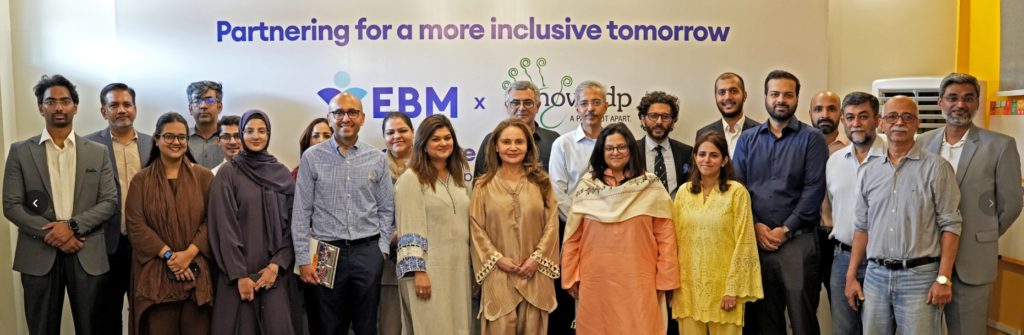
English Biscuit Manufacturers (EBM), in partnership with NOWPDP, has inaugurated Pakistan’s first Neuro-Inclusive Discovery Room at the Center of Excellence for Disability Inclusion (CEDI) in Korangi, Karachi. Developed with the experiential learning expertise of The Dawood Foundation’s (TDF) MagnifiScience Centre, the facility is designed to support children with autism, ADHD, and other developmental conditions through interactive, play-based learning. Pakistan’s First Neuro-Inclusive Discovery Room Opens in Karachi The Neuro-Inclusive Discovery Room has been established at NOWPDP’s Center of Excellence for Disability Inclusion (CEDI) in Korangi, Karachi. The initiative aims to provide children with developmental disabilities an engaging environment where interactive learning supports cognitive, sensory, motor, and social development. According to Pakistan’s 2023 Population Census, approximately 3.1% of the country’s population lives with a disability. The new facility seeks to address the limited availability of neuro-inclusive learning spaces by offering accessible educational and developmental opportunities. EBM Reaffirms Commitment to Inclusive Learning Dr. Zeelaf Munir, Managing Director and CEO of EBM, said the company has remained committed to creating opportunities for every child to learn, grow, and realise their potential. She noted that the Discovery Room combines science, play, and therapeutic learning to create an environment built around the strengths of neurodiverse children, reflecting EBM’s commitment to inclusion through collaboration with NOWPDP and The Dawood Foundation. Interactive Learning Designed for Development Inspired by experiential learning, the Discovery Room transforms interactive science exhibits into therapeutic learning experiences. The space has been designed through a neuro-inclusive approach to support sensory integration, executive functioning, motor development, and social interaction. It also aims to help children achieve developmental milestones while building confidence, independence, and a lifelong interest in learning. Partnership Promotes Accessible Education Omair Ahmed, Chief Executive Officer of NOWPDP, said sustainable infrastructure is essential for meaningful inclusion. He described the Discovery Room as an example of how corporate partnerships can create equitable learning environments, adding that EBM’s support has helped build a space where children of all abilities can learn, participate, and thrive with dignity. Advancing Inclusive Education in Pakistan The initiative reflects the shared commitment of EBM and NOWPDP to promoting inclusive education and expanding access to quality learning opportunities for children with developmental disabilities. By combining innovation, accessibility, and collaborative partnerships, the Discovery Room marks an important step towards building a more inclusive educational ecosystem in Pakistan.

Standard Chartered Pakistan has announced the appointment of Adil Salahuddin as its new Chief Executive Officer
Editor pick

Standard Chartered Pakistan Has Announced The Appointment Of Adil Salahuddin As Its New Chief Executive Officer

Standard Chartered Pakistan has announced the appointment of Adil Salahuddin as its new Chief Executive Officer & Head of Coverage, subject to regulatory and statutory approvals. The appointment reinforces the bank’s long-term commitment to Pakistan, one of its oldest and most established international markets. Adil Salahuddin Named CEO of Standard Chartered Pakistan Standard Chartered Pakistan confirmed the appointment of Adil Salahuddin as Chief Executive Officer & Head of Coverage on July 13, 2026. His appointment remains subject to the required regulatory and statutory approvals. The bank said the leadership change reflects its continued confidence in Pakistan’s long-term economic potential and its commitment to strengthening relationships with clients across the country. Standard Chartered Reaffirms Commitment to Pakistan Commenting on the appointment, Rola Abu Manneh, Chief Executive Officer, UAE, Middle East and Pakistan, Standard Chartered, said Pakistan remains an important market for the bank and one of its longest-established franchises. She highlighted the bank’s deep client relationships, strong local presence, and extensive international network, adding that Adil Salahuddin’s appointment reflects Standard Chartered’s confidence in the country’s long-term growth prospects. According to her, the bank’s global network continues to provide clients with access to international trade, investment, and capital flow opportunities while supporting Pakistan’s economic development. Veteran Banker Brings Three Decades of Experience Adil Salahuddin brings more than 30 years of banking experience, including 25 years with Standard Chartered. He has held several senior leadership positions across Markets and Coverage in Pakistan, the United Arab Emirates, and Saudi Arabia. Before relocating to Dubai in April 2021, he served as Head of Markets in Pakistan for five years. In Dubai, he led the Corporate Sales business across the Middle East, Pakistan, and Africa. Over the past four months, he has served as Head of Coverage in Pakistan before being selected for the CEO role. Standard Chartered Strengthens Leadership for Future Growth The bank expects Adil Salahuddin’s extensive regional experience, client knowledge, and leadership expertise to further strengthen its franchise in Pakistan. Standard Chartered aims to continue supporting clients as they navigate changing global trade, investment, and capital flows while expanding opportunities through its international network. Standard Chartered Continues 163-Year Legacy in Pakistan Standard Chartered has been operating in Pakistan since 1863 and remains the country’s oldest and largest international bank. The bank serves Corporate & Institutional Banking as well as Wealth and Retail Banking customers through a wide range of financial products and services, including Islamic banking solutions under the Standard Chartered Saadiq brand.

JF-17 Success Highlights Pakistan’s Aerospace is Better Than its Auto Sector
Editor pick

JF-17 Success Highlights Pakistan’s Aerospace is Better Than its Auto Sector

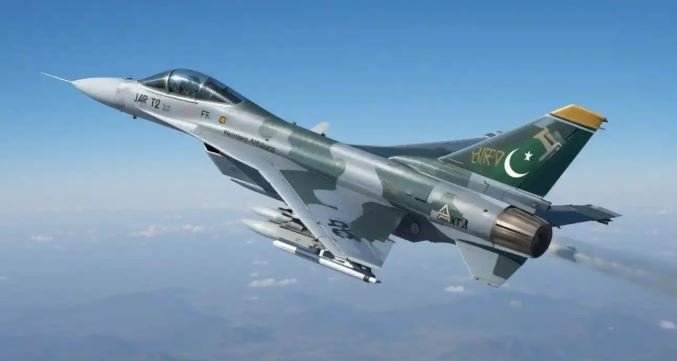
Pakistan’s automobile industry has struggled to achieve meaningful exports despite decades of protection and substantial subsidies, while the aerospace sector has emerged as a success story with the JF-17 Thunder fighter jet gaining international recognition. Policy Failures in Auto Industry The auto sector has long operated as a protected domestic market. Foreign assemblers benefited from limited competition and generous policies without facing strong export obligations or global quality pressures. Government policies emphasised narrow localisation targets. Agencies micromanaged imports, locking the industry into outdated technologies amid rapid global advancements in electronics and manufacturing. Contrast with Aerospace Success In contrast, Pakistan developed the JF-17 Thunder in collaboration with China. Around 60% of components are produced locally, enabling control over production, maintenance, and upgrades. The JF-17 is priced between $25-40 million, roughly one-third the cost of competitors like the Eurofighter or Rafale. It has earned praise at international airshows, including Dubai, and secured export interest. Pakistan’s auto exports remain negligible. Passenger vehicle exports are zero, while auto parts exports (excluding tyres) stand at just over $20 million — far below peers like Indonesia, India, and Vietnam. Auto Industry Struggles Despite Government Support The government provided over Rs250 billion in subsidies under older SROs, yet assemblers resisted export targets in the 2021-26 Auto Policy through court stays. Countries like Turkiye, Thailand, and Mexico export over $10 billion annually in vehicles and parts. Need for Export-Led Growth and Innovation Experts urge a shift towards export-led growth and integration into global value chains. Success stories like the Long Tyre collaboration and entrepreneur Shahid Khan’s bumper manufacturing highlight potential in auto parts. The National Tariff Policy 2025-30 offers a chance to move from import substitution to competitiveness. The auto sector must embrace electric vehicles and new technologies, mirroring aerospace achievements through innovation and global integration. A Roadmap for Pakistan’s Manufacturing Future The contrasting performance of Pakistan’s aerospace and automobile industries highlights the importance of innovation, technology adoption, and export-oriented policies. Industry experts believe sustained competitiveness, stronger integration into global supply chains, and a focus on advanced manufacturing will be essential for transforming the country’s auto sector into a major export contributor.

Trump Warns Iran of ‘Complete Decimation’ Over Assassination Threats
Editor pick

Trump Warns Iran of ‘Complete Decimation’ Over Assassination Threats

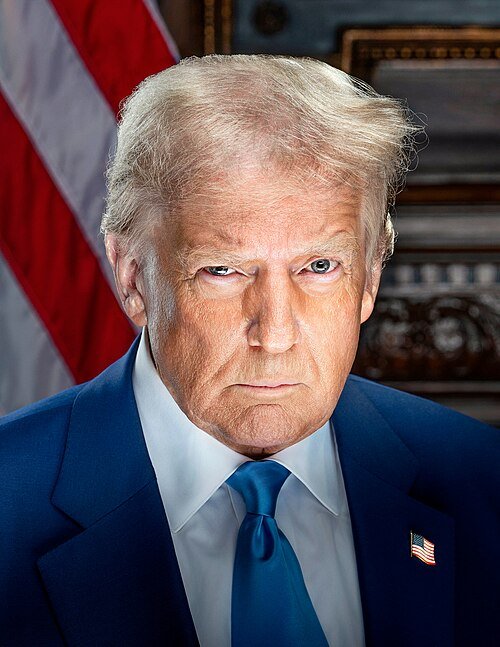
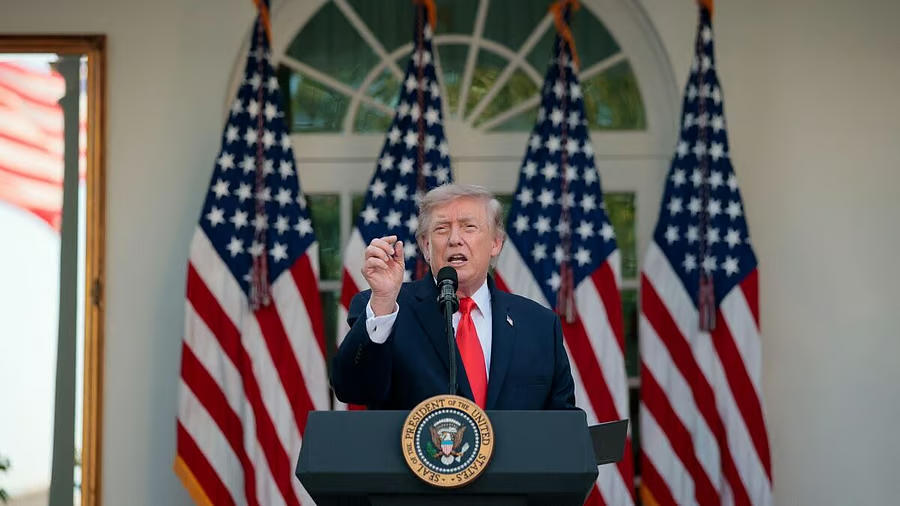
US President Donald Trump on Friday warned that the United States would “completely decimate” Iran if it attempted or carried out an assassination against the sitting US president. The remarks, made on his social media platform Truth Social, come amid ongoing tensions between Washington and Tehran and follow recent reports of alleged threats against Trump. Trump Issues Strong Warning to Iran In a post on Truth Social, Trump said Iran would face devastating military consequences if it acted on what he described as assassination threats directed at the US president. He claimed that “1,000 missiles are locked and loaded” and aimed at Iran, adding that thousands more would immediately follow if any assassination attempt were carried out. Trump also stated that military orders had already been issued and that US forces would remain prepared to respond for up to one year, with the option of extending that timeframe if necessary. Trump Threatens Overwhelming Military Response According to Trump, the United States military stands “ready, willing, and able” to launch a large-scale response if Iran were to target the US president. He warned that any assassination attempt would trigger an immediate military retaliation and said the United States would “completely decimate and destroy all areas of Iran.” However, Trump did not provide evidence to support his claim that Iran was actively planning an assassination attempt. US-Iran Tensions Remain High Relations between the United States and Iran have remained strained for years over issues including regional security, economic sanctions, Iran’s nuclear program, and military confrontations across the Middle East. Trump’s latest statement adds to the escalating rhetoric between the two countries and is expected to draw international attention as governments continue monitoring developments affecting regional stability. No Immediate Response from Iran At the time of publication, neither the Iranian government nor US national security officials had issued an immediate public response to Trump’s latest remarks. The statement comes as geopolitical tensions in the Middle East remain elevated, with policymakers and global markets closely watching developments between Washington and Tehran.

Israel Shares Intelligence with US on Alleged Iranian Plot to Kill Trump
Editor pick

Israel Shares Intelligence with US on Alleged Iranian Plot to Kill Trump

Israel has shared new intelligence with the United States pointing to an alleged Iranian plot to kill President Donald Trump. The Wall Street Journal reported the development on Thursday, citing people familiar with the matter. The disclosure comes at a time of heightened military tensions between Washington and Tehran. Alleged Plot and Its Background The intelligence reportedly revives long-standing Iranian threats against Trump. These threats are linked to the January 2020 US drone strike that killed Iranian General Qassem Soleimani. Iran had repeatedly vowed retaliation for that operation carried out during Trump’s first term. The new information could further escalate the already fragile situation in the region. The Wall Street Journal report did not provide specific details about the timing or nature of the alleged plot. Israeli Embassy officials in Washington declined to comment on the matter. Iran’s Mission to the United Nations did not immediately respond to requests for comment. US-Israel Coordination Amid Recent Escalation The report emerges against the backdrop of direct military exchanges between the two countries in recent days. Iran launched strikes on US military infrastructure in Bahrain, Kuwait, Qatar and Jordan. These actions were described as retaliation for earlier US strikes on Iranian targets. President Trump addressed the threats while speaking at the NATO Summit in Ankara. “They want to take out the US leader—me,” he said. “I’m on every list. I saw this morning, I’m on every single one of their lists. And so far, I guess I’ve been a little bit lucky, but that maybe doesn’t last very long.” Trump and Israeli Prime Minister Benjamin Netanyahu spoke by phone on Thursday. Both sides agreed to continue close coordination on security matters. The White House referred questions about the intelligence to the President’s earlier public remarks. Ongoing Situation Further developments are expected as Washington and Tehran remain locked in heightened tensions, with international observers closely monitoring the evolving security situation and any official confirmation regarding the reported intelligence.

Scroll to Top