Editor pick

Is Karachi Becoming a Nocturnal City? Why Thousands Sleep at Dawn and Start Their Day at Noon
Editor pick

Is Karachi Becoming a Nocturnal City? Why Thousands Sleep at Dawn and Start Their Day at Noon

Karachi is often described as Pakistan’s economic engine, a city that never stops moving. While discussions about Karachi usually focus on traffic congestion, water shortages, crime, pollution, and infrastructure challenges, another transformation is quietly taking place. Increasingly, thousands of Karachi residents are sleeping at dawn and waking up around noon. From freelancers serving international clients to university students studying late into the night, a growing segment of the city’s population now operates on a schedule that differs dramatically from traditional working hours. The shift raises an important question: Is Karachi gradually becoming a nocturnal city? The Rise of the Night Shift Economy For many Karachiites, nighttime is no longer a period of rest. Instead, it has become the most productive part of the day. The growth of remote work and freelancing has connected Karachi’s workforce to clients across the United States, Europe, Canada, and Australia. Since these markets operate in different time zones, many professionals adjust their schedules accordingly. A freelance graphic designer based in Gulshan-e-Iqbal may begin work at 8 p.m. and continue until 4 a.m. to attend meetings with clients in New York or London. Software developers, digital marketers, virtual assistants, and content creators often follow similar routines. The expanding digital economy has effectively created a workforce that earns during Pakistan’s nighttime hours. Call Centers Keep Thousands Awake Another major factor behind Karachi’s changing sleep patterns is the call center industry. Many customer support companies operate throughout the night to serve overseas customers. Employees frequently begin shifts after sunset and return home when most people are preparing for work. For these workers, sleeping after sunrise is not a lifestyle choice but a professional necessity. As the outsourcing industry continues to expand, more young professionals are entering occupations that require them to remain awake during conventional sleeping hours. Students Turn Night Into Study Time University students are also contributing to the city’s changing routine. Academic pressure, examinations, assignments, and online learning resources have encouraged many students to study late into the night. Some believe they can concentrate better when traffic noise decreases and family activities slow down. Many students report sleeping between 3 a.m. and 6 a.m., especially during examination periods. The widespread availability of high-speed internet has further enabled overnight study sessions, allowing students to access lectures, research materials, and educational content at any hour. Content Creators and Gamers Embrace Nightlife The creator economy has also played a role in reshaping daily schedules. YouTubers, streamers, podcasters, video editors, and social media influencers often spend late-night hours creating and uploading content. Some schedule livestreams to reach international audiences, while others edit videos during quieter hours when interruptions are minimal. Similarly, online gaming communities remain active well into the early morning. Multiplayer gaming sessions frequently continue until sunrise, particularly among younger users. The combination of entertainment, social interaction, and digital competition has contributed to delayed sleeping habits among many urban residents. Karachi’s Late-Night Markets The city’s commercial culture further supports nocturnal lifestyles. In many parts of Karachi, business activity continues long after midnight. Areas such as Burns Road, Boat Basin, Bahadurabad, and several commercial districts remain crowded until the early hours of the morning. Restaurants, tea cafés, roadside eateries, and food stalls attract customers throughout the night. For delivery riders, restaurant workers, and transportation providers, these late-night businesses create employment opportunities that extend far beyond traditional working hours. As a result, entire segments of the urban workforce remain active while much of the country sleeps. Heat and Electricity Challenges Influence Sleep Climate conditions may also be affecting sleeping patterns. Karachi’s summers have become increasingly intense. During periods of extreme heat, many residents find it difficult to sleep comfortably before midnight. Some individuals prefer staying awake during the hottest hours and sleeping later in the morning when temperatures are relatively manageable. Electricity disruptions and inconsistent power supply in certain neighborhoods can further disrupt normal sleep cycles. When residents experience uncomfortable indoor conditions during the night, they often delay sleep until cooler hours. The Health Cost of a Nocturnal Lifestyle While nighttime productivity offers economic advantages, health experts warn that irregular sleep schedules can carry risks. Research around the world has linked chronic sleep disruption to fatigue, reduced concentration, stress, anxiety, obesity, and cardiovascular problems. Individuals who routinely sleep during daylight hours may also face difficulties maintaining family relationships and social connections because their schedules differ from those of relatives and friends. Many workers report feeling disconnected from daytime activities, public services, and family gatherings. The phenomenon remains largely undocumented in Pakistan. A New Urban Reality Karachi has always adapted to economic and social change. Today, globalization, digital employment, climate pressures, and evolving lifestyles appear to be reshaping something far more personal: the city’s biological clock. While millions still follow traditional schedules, a growing number of residents now begin their most productive hours after sunset and end their day at sunrise. The question is no longer whether some Karachiites are living this way. The real question is how many. As remote work expands, digital industries grow, and the city’s nighttime economy continues to flourish, Karachi may be moving toward a future where dawn signals bedtime for thousands and noon marks the start of their day. Such a transformation could make Karachi one of South Asia’s most active nocturnal urban centers, redefining what it means to live and work in Pakistan’s largest city.

Pakistan's Pine Nut (Chilgoza) Exports to China Nearly Double in Two Years
Editor pick

Pakistan’s Pine Nut (Chilgoza) Exports to China Nearly Double in Two Years

BEIJING: Pakistan’s pine nut exports to China nearly doubled between 2023 and 2025, reflecting growing Chinese demand for premium food products and opening new opportunities for value-added agricultural trade between the two countries. Read More: https://theboardroompk.com/gwadar-port-utilization-hits-30-as-israel-us-war-on-iran-reshapes-trade-routes/ According to data from China’s General Administration of Customs (GACC), exports of Pakistani pine nuts to China increased from 579.8 tonnes in 2023 to 1,147 tonnes in 2025. Export earnings climbed from $8.2 million in 2023 to $18.8 million in 2024 before easing slightly to $17.9 million in 2025. China Emerges as Dominant Market Industry estimates suggest that China now absorbs around 80-90% of Pakistan’s pine nut exports, making it the country’s most important overseas market for chilgoza. Chinese consumers prefer Pakistani pine nuts because of their thin shell, distinctive flavour and crisp texture, according to exporters engaged in the trade. Abdul Mateen, CEO of AM Enterprises, told China Economic Net (CEN) that his company has been exporting pine nuts to China for the past 12 years and has witnessed a steady increase in demand from Chinese buyers. Pakistan’s chilgoza forests are mainly located in North and South Waziristan, along with parts of Balochistan, Khyber Pakhtunkhwa and Gilgit-Baltistan. According to Amjad Zarin, Associate Professor at Jilin International Studies University, North and South Waziristan account for around 80-85% of Pakistan’s total pine nut production. North Waziristan produces an estimated 1,700-2,000 metric tonnes annually, while South Waziristan contributes another 800-900 metric tonnes. Pakistan’s overall production ranges between 2,100 and 2,900 metric tonnes annually, depending on weather conditions and harvest quality. Scope for Value-Added Exports Despite rising exports, experts believe Pakistan has yet to fully tap the potential of China’s vast premium nut market. Mateen said there is considerable room for cooperation between Chinese and Pakistani firms in agricultural processing and value addition. Areas identified for collaboration include modern cleaning and sorting facilities, dehydration technology, roasting plants, advanced packaging and cold-chain logistics. Such investments could help reduce post-harvest losses, improve product quality and extend shelf life, enabling exporters to access higher-value retail segments. Experts also highlighted the importance of certification, branding and quality standardisation to strengthen Pakistan’s position in China’s competitive food market. The growing popularity of e-commerce platforms in China presents another avenue for Pakistani exporters seeking direct access to consumers. Industry observers believe that improved processing and stronger supply chains could significantly increase export earnings and help Pakistan secure a larger share of China’s expanding premium food sector.

Mondelez Pakistan and NOWPDP Partner to Empower Persons with Disabilities Through Skills Training Program
Editor pick

Mondelez Pakistan and NOWPDP Partner to Empower Persons with Disabilities Through Skills Training Program

Karachi, 2nd Jun 2026: Reinforcing its commitment to inclusion, empowerment and sustainable livelihoods, Mondelez Pakistan has partnered with the Network of Organizations Working with Persons with Disabilities (NOWPDP) to launch a specialized culinary skills training program for persons with disabilities at NOWPDP’s Center of Excellence for Disability Inclusion in Karachi. In the first phase, the initiative aims to empower 20 persons with practical skills in cooking, baking and professional chef skills, enabling employment in cafés and restaurants or the creation of independent food ventures. The training is inclusive of design, catering to individuals with physical, hearing, speech and visual disabilities. The curriculum will also focus on food safety, confidence building, teamwork and professional kitchen practices to ensure holistic development and long-term employability. Speaking about the partnership, Usama Majeed – Head of Corporate & Government Affairs from Mondelez Pakistan said, “At Mondelez, we believe meaningful inclusion begins with creating equitable opportunities. Through this partnership with NOWPDP, we aim to empower persons from underrepresented communities with practical skills that can lead to sustainable careers and a greater participation in the economy.” Maaz Tanveer – GM Development from NOWPDP added, “This collaboration reflects our shared vision of building an inclusive Pakistan where persons with disabilities have access to dignified livelihood opportunities. Culinary arts offer immense potential for creativity, entrepreneurship and employment, and we are proud to partner with Mondelez Pakistan in enabling this journey for our trainees.” The initiative represents another step toward fostering inclusive workforce development in Pakistan while strengthening pathways for economic empowerment and self-reliance among persons with disabilities.

Toyota, NED University and Sindh Traffic Police Join Forces to Advance Road Safety and Urban Mobility in Karachi
Editor pick, Pakistan

Toyota, NED University and Sindh Traffic Police Join Forces to Advance Road Safety and Urban Mobility in Karachi

Karachi, June 2, 2026: Indus Motor Company and NED University have signed an agreement to establish an Urban Mobility Implementation Unit (UMIU) at the university with a focus on identifying and treating high-risk accident locations, improving traffic flow and corridor performance, enhancing safety for vulnerable road users, strengthening stakeholder coordination, and developing an Artificial Intelligence-based Accident & Incident Management System (AIMS). The project is supported by Toyota’s flagship road safety initiative (TRIP) and the unit is to be established as a dedicated platform to translate research into practical, city-wide solutions through the university’s Centre of Environment and Social Sustainability (CESS) and Department of Urban and Infrastructure Engineering. As part of the agreement, IMC will provide funding of 20.7 million rupees to NEDUET over three years to support implementation activities, technical studies, stakeholder engagement, and capacity-building programs. Speaking at the signing ceremony, Ali Asghar Jamali, Chief Executive Officer, IMC, said: ” Road safety remains one of Karachi’s most pressing urban challenges and requires collective action from all stakeholders. Through the Toyota Road Improvement Program, we have worked alongside academia and law enforcement agencies for over a decade to promote safer roads and responsible road-user behavior. “This collaboration with NED University represents the next phase of that journey, enabling us to move beyond research and accelerate the implementation of data-driven solutions that can make a meaningful difference in the lives of Karachiites.” Syed Pir Muhammad Shah, DIG Traffic, Sindh Police, welcomed the initiative and emphasized the importance of collaboration in addressing road safety challenges. He said “Effective road safety management requires evidence-based interventions and strong partnerships among enforcement agencies, academia, and the private sector. This initiative will help strengthen efforts to improve traffic management, enhance road-user safety, and reduce traffic-related injuries across Karachi.” Representing NED University, Prof. Dr. Noman Ahmed, Pro. Vice Chancellor NEDUET, said: “This partnership reflects NED University’s commitment to applying innovation and engineering excellence to improve public safety and support sustainable urban development.” Representing Motorways Police, Javed Akbar Riaz, DIG Zonal Commander NHMP (South), said that “The National Highways & Motorway Police remains committed to supporting efforts that enhance road-user awareness, strengthen safety practices, and contribute to reducing traffic accidents through innovation, research, and effective coordination.”

Govt Sets Reduced 4% Growth Target Amid Structural Weaknesses
Editor pick

Govt Sets Reduced 4% Growth Target Amid Structural Weaknesses

Low Growth Ambition Signals Challenges Heavy Reliance on Imports and Debt The federal government has set a modest 4% economic growth target for fiscal year 2026-27, acknowledging limited progress in fixing structural issues. The Annual Plan Coordination Committee (APCC), chaired by Planning Minister Ahsan Iqbal, approved the macroeconomic framework for the next fiscal year. This 4% target is even lower than the previous year’s 4.2% goal, which the government failed to achieve. Ahsan Iqbal admitted higher growth is possible but warned against relying on increased imports and consumption. He highlighted the government’s inability over four years to boost investment, savings, and exports meaningfully. Prime Minister Shehbaz Sharif has led since April 2022, presenting four budgets with limited structural reforms. The Planning Minister criticised the celebration of private debt through Eurobonds and Panda Bonds. “Borrowing loans by issuing bonds and then celebrating it is shameful,” Iqbal stated during the APCC meeting. He stressed that seeking debt rollovers from friendly countries is not an honourable way to run the economy. Pakistan continues to seek over $12 billion in annual rollovers from Gulf nations and China. Sectoral Targets and Job Creation External Sector Under Pressure The APCC set agriculture growth at 3.8%, large-scale manufacturing at 4.5%, and overall industrial growth at 4%. Services sector is targeted to grow by 4.2%, driven by trade, transport, and financial services. National savings target is fixed at 14.3% of GDP while investment goal stands at 15% of GDP.The government projects creation of two million new jobs, with services adding 1.1 million. Inflation target has been set at 8.2%, higher than this year’s estimated 7.1%. Imports are projected to surge past $70 billion, up 5.6% from the current year.Exports target is a modest $32.8 billion, only 8.4% higher than this year’s estimate. Remittances are expected to reach $42.3 billion, growing just 2.7% amid Middle East tensions. The current account deficit is targeted at $3.6 billion or 0.7% of GDP. Ahsan Iqbal noted that Pakistan cannot escape the IMF without reducing dependence on foreign rollovers.

Mobile Tax Trap: 37% Levies Stifling Pakistan’s Digital Growth
Editor pick, Tech

Mobile Tax Trap: 37% Levies Stifling Pakistan’s Digital Growth

High Taxes Suppress Mobile Adoption Pakistan Lags Regional Peers A new report commissioned by telecom group VEON and prepared by Frontier Economics has highlighted how excessive taxes are raising costs and slowing down the country’s digital transformation. The study reveals that mobile services in Pakistan face a combined sales and turnover tax burden of 37%.This includes 19.5% sales tax, 15% advance income tax, and 2.5% regulatory duty. On top of this, operators pay 29% corporate income tax and 10% super tax on profits. These levies ultimately result in higher prices for consumers, discouraging smartphone ownership and data usage. Currently, 68% of individuals aged 15 and above do not own a smartphone. Pakistan ranks 101st out of 105 countries in average internet speeds, with average revenue per user (ARPU) at just $1 per month. The report notes that Pakistan has one of the highest combined sales tax rates on mobile internet in the region at 35%, second only to Bangladesh at 39%. Economic Impact and Long-term Risks Call for Tax Reforms High taxes reduce mobile penetration and usage, which in turn slows digitalisation and keeps the tax base narrow, creating a self-reinforcing trap. The study estimates that a 1% increase in mobile penetration could boost GDP per capita growth by 0.115 percentage points. Mobile connectivity brings positive spillovers across education, healthcare, financial services, and e-commerce. Pakistan is already lagging behind in 5G readiness and has nearly one-third of its population outside 4G coverage. Fixed broadband penetration remains among the lowest in the region. The report suggests reducing the combined tax burden from 37% to 17% through cuts in customer taxes and regulatory charges. Such reforms may initially reduce direct revenue but could become revenue-positive by 2031 through expanded economic activity and a broader tax base. Telecom operators are urging the government to reduce the 15% advance income tax, abolish duties on equipment, and rationalise sector-specific levies ahead of the federal budget. Lower taxes would improve affordability and accelerate broadband expansion in underserved areas.

Government of Sindh and Karachi Metropolitan Corporation, and The Citizens Archive of Pakistan Host Groundbreaking Ceremony of Karachi Museum of History
Editor pick, Pakistan

Government of Sindh and Karachi Metropolitan Corporation,  and The Citizens Archive of Pakistan Host Groundbreaking Ceremony of Karachi Museum of History

New digitally interactive museum to preserve and celebrate the history and heritage of Sindh and the Pakistan independence movement [Karachi, 23rd May 2026] The Government of Sindh’s Culture through its Tourism, Antiquities & Archives Department and the Karachi Metropolitan Corporation (KMC), in collaboration with The Citizens Archive of Pakistan (CAP), marked the groundbreaking of the Karachi Museum of History on May 23, 2026, at Beach view Park, Karachi, formally initiating the development of a major new public cultural institution for the city. Planned as a landmark cultural and educational space, the Karachi Museum of History will be a digitally interactive museum dedicated to preserving, documenting, and celebrating the history and heritage of Sindh and the Pakistan movement. The initiative builds on CAP’s longstanding commitment to public history and cultural preservation, following the launch of the National History Museum in Lahore in partnership with the Government of Punjab in 2017. The groundbreaking ceremony was attended by key government officials and civil society members, including the Honourable Chief Minister of Sindh, Syed Murad Ali Shah; Chief Secretary Sindh, Syed Asif Hyder Shah; Honourable Provincial Minister for Culture, Tourism, Antiquities & Archives, Government of Sindh, Syed Zulfiqar Ali Shah; Mayor Karachi, Barrister Murtaza Wahab Siddiqui; representatives of the Karachi Metropolitan Corporation; and members of The Citizens Archive of Pakistan, including Sharmeen Obaid-Chinoy, Patron-in-Chief, CAP, and members from the business community. The ceremony featured remarks by the Chief Minister of Sindh, the Provincial Minister for Culture, Tourism, Antiquities & Archives, the Mayor of Karachi, and Sharmeen Obaid-Chinoy, followed by a ceremonial groundbreaking and the unveiling of a plaque to mark the formal commencement of the project. The Karachi Museum of History will build on globally recognized museum practices to create an immersive cultural institution that brings Pakistan’s independence and Sindh’s 5,000-year history to life through storytelling, technology, archival material, and interactive experiences. Conceived as a dynamic civic space, the museum will document Karachi’s layered histories and foreground the voices, memories, and communities that shaped the city. At a time of rapid urban transformation, the project responds to the need for public institutions in Pakistan that preserve cultural memory while remaining accessible, contemporary, and community-driven. Through innovative exhibition design, oral history, research, and public engagement, the museum aims to become a landmark destination for culture, education, and tourism in Karachi. Honourable Syed Murad Ali Shah, Chief Minister of Sindh, said, “Karachi is not only a city of commerce and opportunity; it is a living archive of our collective memory, resilience, and cultural diversity. The Karachi Museum of History will preserve that legacy for generations to come.” Syed Zulfiqar Ali Shah, Honourable Provincial Minister for Culture, Tourism, Antiquities, Archives Department, Government of Sindh, said, “The Karachi Museum of History reflects this department’s commitment to ensuring that Sindh’s extraordinary heritage is preserved, celebrated, and made accessible to all citizens. Through our partnership with the Karachi Metropolitan Corporation and the Citizens Archive of Pakistan, we are creating an institution that will anchor Karachi’s cultural landscape for decades to come”. “Karachi is one of the great cities of the world – a city built by migration, resilience, and an extraordinary diversity of people and cultures. For too long, it has lacked a civic institution that reflects that richness. The Karachi Museum of History will change that. The Karachi Metropolitan Corporation is proud to play its part in delivering a landmark that belongs to every resident of this city”, added Mayor Murtaza Wahab Siddiqui. Sharmeen Obaid-Chinoy, Patron-in-Chief, The Citizens Archive of Pakistan, said,“As Pakistan approaches the 80th anniversary of its independence, this partnership with the Government of Sindh and the Karachi Metropolitan Corporation is an opportunity to create a lasting home for the stories that shaped our nation. The museum will honor the people who fought for Pakistan’s independence, celebrate the rich history and culture of Sindh, and reflect the resilience, hope, and extraordinary spirit of Karachi, a city that has carried the dreams of generations from across the country. We hope it becomes a place where people can see themselves, their histories, and their shared future reflected back to them”. Ahsan Najmi, President, The Citizens Archive of Pakistan, added, “This groundbreaking represents years of work and a shared conviction that Karachi’s communities deserve to see their histories honoured in a permanent, public space. The museum will be research-driven and community-centred, built to display the past and spark dialogue about who we are and where we come from. We could not have reached this milestone without the commitment of the Government of Sindh, its Culture, Tourism, Antiquities, and Archives Department, and the Karachi Metropolitan Corporation. We are eternally grateful for their partnership”. The ceremony reflects a shared commitment between the Government of Sindh, Karachi Metropolitan Corporation and The Citizens Archive of Pakistan to strengthen heritage and cultural preservation through the development of Karachi Museum of History, as an inclusive, research-driven, and public-centered institution – one that preserves the past while engaging new generations in meaningful dialogue about Pakistan’s cultural identity. For more information, visit: https://www.instagram.com/citizensarchive/ About The Citizens Archive of Pakistan: The Citizens Archive of Pakistan (CAP) is a not-for-profit organisation founded in 2007, dedicated to cultural and historical preservation. CAP’s Board of Directors includes: Sharmeen Obaid-Chinoy, Ahsan Najmi, Jahanzeb Awan, Ziad Bashir, Sara Taher Khan, Salim Karim, Rishm Najm, Reema Gani, Jalal Salahuddin, Sabeen Jatoi and Sumaira Khan.

Govt Increases LNG Prices by Up to 28 Percent for May
Editor pick

Govt Increases LNG Prices by Up to 28 Percent for May

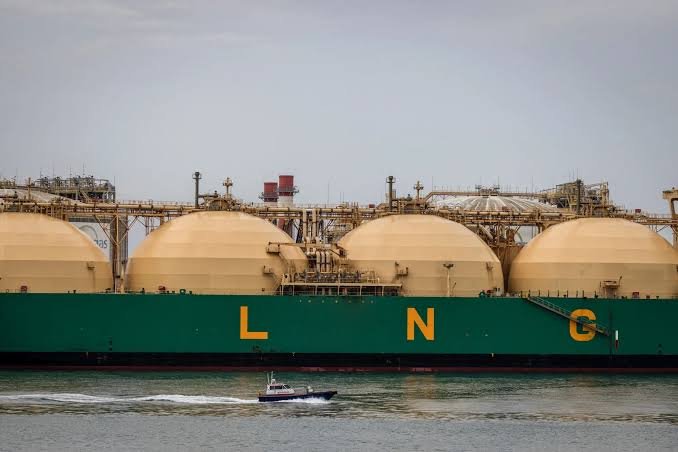
The government of Pakistan has increased Pakistan LNG prices by up to 28 percent for the month of May, according to an official notification issued on Thursday. The revised rates will apply to consumers connected to both the Sui Northern and Sui Southern gas distribution systems during the current billing cycle. Officials said the increase reflects changes in international energy markets and higher supply costs associated with imported liquefied natural gas. LNG Prices Revised for Sui Northern and Sui Southern Under the latest revision, LNG prices for the Sui Northern Gas Pipelines Limited system have increased by $3.43 per million British thermal units (MMBtu). The new rate for Sui Northern consumers has been fixed at $16.98 per MMBtu. Meanwhile, consumers connected to the Sui Southern Gas Company network will face an increase of $3.51 per MMBtu. The revised LNG rate for Sui Southern has been set at $16.04 per MMBtu. The notification confirmed that the updated rates would remain effective throughout the current billing period. International Market Trends Behind Increase Officials stated that the rise in Pakistan LNG prices is linked to fluctuations in international energy markets and variations in supply costs for imported LNG. Pakistan heavily relies on imported LNG to meet domestic gas demand, especially during periods of high industrial and household consumption. Global fuel prices and shipping costs continue to impact local energy tariffs. Energy analysts say higher LNG import costs could increase pressure on industries and commercial consumers already dealing with rising utility expenses. Pakistan Receives Two LNG Cargoes from Qatar Earlier this month, Pakistan received two LNG cargoes from Qatar within a single week as part of ongoing energy cooperation between the two countries. According to reports, LNG carrier MV Al Kharaitiyat arrived at Port Qasim carrying more than 95,000 tons of Qatari liquefied natural gas. Another LNG tanker, Mihzem, also anchored at Port Qasim with 56,573 metric tons of LNG cargo from Qatar. Sources familiar with the matter said the shipments are part of a government to government agreement under which Qatar supplies LNG to Pakistan. Officials added that two additional LNG tankers carrying Qatari gas are expected to arrive in Pakistan in the coming days. Pakistan Discusses LNG Transit Route with Iran Pakistan has also been holding discussions with Iran regarding safe passage for LNG tankers through the Strait of Hormuz amid regional tensions and supply concerns. According to sources quoted in international reports, Islamabad requested Tehran’s assistance to facilitate the movement of LNG vessels because of Pakistan’s urgent gas requirements. Sources said Iran agreed to cooperate and both countries are coordinating safe transit arrangements for LNG shipments linked to Pakistan’s agreement with Qatar. Qatar Remains Key LNG Supplier Qatar remains Pakistan’s primary LNG supplier and is also one of the world’s largest exporters of liquefied natural gas. Most Qatari LNG exports are shipped to Asian markets, including Pakistan, China, Japan, and South Korea. Pakistan’s long term LNG agreements with Qatar continue to play a critical role in maintaining energy supplies for domestic consumers and industries.

Gold Prices in Pakistan Rise by Rs5000 Per Tola
Editor pick

Gold Prices in Pakistan Rise by Rs5000 Per Tola

Gold prices in Pakistan recorded a sharp increase on Thursday following gains in the international bullion market. The rise came a day after local gold prices witnessed a major decline across the country. According to rates released by the All Pakistan Gems and Jewellers Sarafa Association, gold prices in Pakistan increased by Rs5,000 per tola during the trading session. After the latest increase, the price of one tola of gold reached Rs475,362 in the local market. Similarly, the price of 10 gram gold climbed by Rs4,287 and was sold at Rs407,546. The increase followed a strong upward trend in the international gold market where prices surged significantly due to renewed investor interest in safe haven assets. International Gold Market Moves Higher In the global bullion market, gold prices increased by 50 dollars per ounce. The international rate reached 4,530 dollars per ounce, including a premium of 20 dollars. Market analysts said international gold prices continued to rise amid economic uncertainty, fluctuations in the US dollar, and investor concerns over global financial conditions. The rise in global rates directly impacted local bullion prices in Pakistan because domestic gold prices are linked to trends in international markets and currency exchange rates. Previous Session Saw Sharp Decline The latest increase came after a major drop in gold prices on Wednesday. During the previous trading session, gold prices in Pakistan declined by Rs6,800 per tola and settled at Rs470,362. Traders said the local market remained volatile due to rapid changes in international gold prices and investor sentiment. Jewellers noted that fluctuations in the global market continue to influence buying patterns in Pakistan, especially ahead of wedding seasons and investment activity. Silver Prices Also Increase Alongside gold, silver prices also moved higher in the domestic market on Thursday. According to market rates, silver prices increased by Rs60 per tola and reached Rs8,034. Bullion traders expect precious metal prices to remain sensitive to global economic developments, central bank policies, and geopolitical tensions in the coming weeks.

PTCL & Ufone achieve PCI DSS v4.0.1 certification, strengthening secure payment card data handling
Editor pick

PTCL & Ufone achieve PCI DSS v4.0.1 certification, strengthening secure payment card data handling

Islamabad – May 20, 2026: Pakistan’s leading telecom and digital services providers, PTCL & Ufone, have successfully achieved PCI DSS v4.0.1 certification for 2026, strengthening their secure payment card data handling capabilities and alignment with international cybersecurity standards. The certification was awarded by Risk Associates, a globally recognized PCI Qualified Security Assessor (QSA), following an independent assessment of PTCL & Ufone’s cloud infrastructure and cardholder data environment. The certification validates the implementation of robust security controls designed to reduce risks related to data breaches, fraud, and unauthorized access, while strengthening customer confidence in secure digital transactions. Commenting on the achievement, Chief Technology and Information Officer, PTCL & Ufone, Jafar Khalid said: “Achieving PCI DSS v4.0.1 certification reflects our continued focus on aligning with global security standards and protecting sensitive customer information.” Kashif Hassan, Managing Director of Risk Associates, added: “PTCL & Ufone demonstrates strong alignment with PCI DSS v4.0.1 requirements through mature cloud infrastructure and secure data handling practices.” This achievement further strengthens PTCL & Ufone’s commitment to deliver secure, compliant, and resilient digital services across Pakistan.

Scroll to Top