Business

Elon Musk’s SpaceX Files Confidentially for Blockbuster IPO Valued at Over $1.75 Trillion
Business

Elon Musk’s SpaceX Files Confidentially for Blockbuster IPO Valued at Over $1.75 Trillion

Elon Musk’s SpaceX has confidentially filed for an initial public offering with U.S. regulators, setting the stage for what could become the largest stock market listing in history. Bloomberg News first reported the move, which was confirmed by sources to Reuters on April 1, 2026. Read More: https://theboardroompk.com/pakistanis-favourite-tea-producer-kenya-loses-8-million-weekly-in-tea-trade-due-to-middle-east-shipping-crisis/ Merger with xAI Boosts Valuation The filing follows SpaceX’s recent merger with Musk’s artificial intelligence startup xAI. The deal valued SpaceX at $1 trillion and xAI at $250 billion, creating a combined entity with ambitions that stretch from rocket launches to orbital AI data centers. SpaceX was previously valued at about $800 billion in a secondary share sale. Starlink, the company’s satellite internet service with around 9 million subscribers, forms the core of the high valuation. It generates recurring revenue through consumer broadband, defense contracts, and global connectivity, including support in conflict zones. Record-Breaking Fundraising Plans SpaceX aims to raise more than $50 billion through the IPO, potentially eclipsing Saudi Aramco’s 2019 record. The company, headquartered in Starbase, Texas, reported approximately $15-16 billion in revenue and $8 billion in profit last year. It launches more rockets than any other entity and is developing Starship for deep-space missions. The IPO would offer public investors exposure to Musk’s integrated vision of space, satellites, and AI. SpaceX plans analyst briefings starting April 21, including a visit to xAI’s data center in Memphis. Investor Excitement and Challenges Analysts note strong demand for SpaceX shares, though valuation could fluctuate based on belief in Musk’s long-term goals, such as colonizing Mars and placing AI infrastructure in orbit. A dual-class share structure is expected to allow Musk to retain control. The listing comes amid growing interest in space and AI stocks. SpaceX did not comment on the reports. If successful, the June-targeted debut could revitalize the IPO market and precede potential listings from AI firms like OpenAI.

Pakistan Trade Deficit March 2026 Narrows as Imports Fall Faster Than Exports
Business

Pakistan Trade Deficit March 2026 Narrows as Imports Fall Faster Than Exports

Pakistan Trade Deficit March 2026 narrowed on a month-on-month basis, offering temporary relief to the country’s external account. However, the broader trend still reflects structural challenges, with exports declining and cumulative deficits widening during the current fiscal year. Read More: https://theboardroompk.com/attock-cement-acquisition-moves-forward-as-fauji-cement-and-kapco-launch-public-offer/ According to provisional data released by the Pakistan Bureau of Statistics, the country’s trade gap contracted in March 2026 mainly due to a sharper drop in imports compared to exports. While the monthly improvement is encouraging, year-on-year figures show continued pressure on the balance of payments. Pakistan Trade Deficit March 2026 Shows Monthly Improvement The Pakistan Trade Deficit March 2026 stood at $2.73 billion, reflecting a 9.36 percent decline compared to $3.01 billion recorded in February 2026. The narrowing occurred because imports fell significantly, while exports declined only marginally. Exports slipped slightly to $2.26 billion in March, compared to $2.28 billion in February. This small decrease suggests relative stability after the steep drop witnessed in previous months. Imports, on the other hand, fell more sharply to $4.995 billion, down from $5.29 billion in February. This stronger contraction in imports helped reduce the overall trade gap for the month. The monthly performance indicates that import compression continues to play a major role in controlling the trade deficit. However, economists often view such reductions cautiously, as they may also reflect slower industrial activity and reduced domestic demand. Year-on-Year Comparison Highlights Ongoing Pressure Despite the monthly improvement, the Pakistan Trade Deficit March 2026 widened on a year-on-year basis. The deficit increased by 3.71 percent compared to $2.63 billion recorded in March 2025. Exports fell significantly by 14.40 percent compared to $2.645 billion in March last year. Imports also declined by 5.37 percent from $5.278 billion, but the sharper fall in exports compared to imports resulted in an expanded trade gap. This divergence suggests that Pakistan’s export sector continues to face challenges such as weak global demand, competitiveness issues, and rising production costs. Meanwhile, imports remain relatively resilient, particularly for essential goods and industrial inputs. Cumulative Trade Deficit Widening in FY26 The Pakistan Trade Deficit March 2026 data also reflects a concerning cumulative trend for the fiscal year. During July to March FY26, total exports stood at $22.73 billion, showing an 8.04 percent decline compared to $24.72 billion in the same period of FY25. Imports during the same nine-month period increased to $50.54 billion, registering a 6.64 percent rise from $47.39 billion last year. As a result, the cumulative trade deficit widened significantly to $27.81 billion. This marks a sharp 22.65 percent increase compared to $22.67 billion recorded in the corresponding period of the previous fiscal year. The widening gap highlights persistent imbalances between Pakistan’s export earnings and import payments. These imbalances continue to exert pressure on foreign exchange reserves and the overall balance of payments. What Pakistan Trade Deficit March 2026 Means for the Economy The Pakistan Trade Deficit March 2026 offers mixed signals for policymakers. The monthly narrowing provides short-term relief, but declining exports and rising cumulative deficits indicate deeper structural issues. Sustained improvements will require strengthening export competitiveness, diversifying markets, and reducing reliance on non-essential imports. Economic analysts emphasize that long-term stability depends on boosting industrial productivity, supporting export-oriented sectors, and encouraging value-added manufacturing. Without these measures, periodic import compression alone may not deliver sustainable improvements. Outlook for the Coming Months Going forward, the trajectory of the Pakistan Trade Deficit March 2026 suggests that external sector pressures are likely to remain. Any recovery in exports, particularly in textiles, agriculture, and IT services, could help narrow the gap. However, rising global commodity prices and domestic demand recovery may increase imports again. Overall, while March brought a modest improvement, Pakistan’s external sector continues to face structural challenges. Policymakers will need consistent reforms and export-led growth strategies to achieve sustainable balance in trade accounts.

PSX Rally Lifts Pakistan Stock Exchange as KSE-100 Surges Over 4 Percent
Business

PSX Rally Lifts Pakistan Stock Exchange as KSE-100 Surges Over 4 Percent

The PSX Rally dominated market headlines as the Pakistan Stock Exchange surged sharply on Wednesday, driven by aggressive buying across major sectors and improving global sentiment. The benchmark KSE-100 Index closed at 155,511.56, recording a strong gain of 6,768.25 points, reflecting renewed investor confidence in Pakistan’s equity market. Read More: https://theboardroompk.com/standard-chartered-foundation-announces-eighth-cohort-of-women-in-tech-accelerator-with-village-capital/ The trading session remained positive throughout the day, with the index touching an intraday high of 157,347.17 and a low of 151,262.76. Total traded volume reached 420.21 million shares, signaling heightened investor participation and strong market momentum. PSX Rally Triggers Rare Trading Halt A rare development during the session further highlighted the strength of the PSX Rally. Trading at the Pakistan Stock Exchange was halted for nearly an hour after both the KSE-100 and KSE-30 Index rose more than five percent, triggering an automatic market halt under PSX regulations. Such halts occur only during extreme volatility and emphasize the intensity of the bullish momentum. Market breadth remained overwhelmingly positive. A total of 92 companies closed higher, while only seven declined and one remained unchanged, reflecting broad-based buying interest. Top Performing Stocks During the PSX Rally Several blue-chip companies led the gains during the session. Notable performers included Nishat Mills Limited, Adamjee Insurance Company Limited, Fauji Cement Company Limited, Interloop Limited, and Lucky Cement Limited. These stocks posted strong gains and contributed significantly to overall market performance. On the other hand, a few stocks showed minor declines, including Fauji Hamdard Limited, Pak Gulf Leasing Company Limited, Unilever Pakistan Foods Limited, Attock Petroleum Limited, and Nestle Pakistan Limited. Banking Sector Leads the PSX Rally The PSX Rally was largely driven by heavyweight banking stocks. Major contributors included United Bank Limited, Habib Bank Limited, and Meezan Bank Limited. Gains in these stocks added significant points to the benchmark index. Sector-wise performance showed strong gains across commercial banks, cement, fertilizer, oil and gas exploration, and technology sectors. This broad-based participation indicated that the rally was not limited to a few stocks but reflected overall market strength. Broader Market Activity Strengthens The broader market also followed the bullish trend. The All-Share Index closed at 92,721.58, up by 3,646.62 points. Total market volume surged to 670.87 million shares compared to the previous session’s 434.96 million shares. Traded value jumped to Rs43.98 billion, showing a substantial increase in liquidity and investor engagement. A total of 485 companies participated in trading, out of which 365 closed higher, 67 declined, and 53 remained unchanged. This strong participation further confirmed positive sentiment among investors. Global Factors Behind the PSX Rally The strong PSX Rally was largely supported by improving global sentiment and easing geopolitical concerns. Investor confidence improved following statements by Donald Trump regarding a potential withdrawal of US forces from Iran, which raised hopes of de-escalation in Middle East tensions. Additionally, declining global oil prices helped reduce concerns about inflation and Pakistan’s external account pressures. Lower oil prices are generally positive for Pakistan’s economy, encouraging investors to increase exposure to equities. Most Active Stocks by Volume Heavy trading activity was observed in several stocks. The most actively traded shares included K-Electric, Bank of Punjab, Cnergyico, Hascol Petroleum, WorldCall Telecom, Maple Leaf Cement, Fauji Cement, Pakistan International Bulk Terminal, Trust Securities, and Nishat Chunian Power. These stocks attracted strong investor interest and contributed significantly to total market volume. Fiscal Year and Calendar Year Performance Despite recent volatility, the benchmark index has gained 29,884 points or 23.79 percent during the fiscal year. However, on a calendar-year basis, the index remains down by 18,543 points or 10.65 percent, highlighting earlier market corrections and recent recovery momentum. Outlook After the PSX Rally The latest PSX Rally reflects a sharp turnaround in market sentiment. Improved global cues, easing geopolitical risks, and value buying in key sectors have revived investor confidence. If macroeconomic indicators remain stable and foreign sentiment continues to improve, analysts expect sustained momentum in Pakistan’s equity market.

Gold Price in Pakistan Surges to Rs494,062 Per Tola Amid Global Uncertainty
Business

Gold Price in Pakistan Surges to Rs494,062 Per Tola Amid Global Uncertainty

The Gold Price in Pakistan witnessed a significant increase on Wednesday, reflecting strong momentum in both domestic and international bullion markets. According to data released by the All-Pakistan Gems and Jewelers Sarafa Association, 24-karat gold was sold at Rs494,062 per tola after gaining Rs15,300 in a single day. Read More: https://theboardroompk.com/indian-rupee-at-100-per-dollar-risk-grows-as-oil-prices-surge-amid-iran-conflict/ This notable jump has attracted attention from investors, traders, and consumers alike, especially at a time when economic uncertainty continues to shape financial decisions across Pakistan. Similarly, the price of 24-karat gold per 10 grams increased by Rs13,117 to settle at Rs423,578. Meanwhile, 22-karat gold also recorded an upward trend, reaching Rs388,293 per 10 grams. Silver Prices Follow the Upward Trend Alongside gold, silver prices also moved higher in the domestic market. The increase in silver indicates broader strength in precious metals demand. The latest market movement shows: • 24-karat silver price reached Rs7,984 per tola after a rise of Rs200• Silver per 10 grams climbed to Rs6,844 with an increase of Rs171 This synchronized movement between gold and silver suggests growing investor interest in safe-haven assets. Gold Price in Pakistan: Daily and Longer-Term Movement A closer look at recent market performance shows that the Gold Price in Pakistan has experienced notable volatility. On April 1, 2026, gold climbed to Rs494,062 per tola compared to Rs478,762 on March 31, reflecting a strong day-on-day increase of Rs15,300. Despite the sharp daily rise, monthly performance indicates a decline of Rs69,800, showing that the market has been fluctuating significantly. However, from a broader perspective, gold has gained Rs143,862 during the fiscal year-to-date, highlighting its strength as a long-term investment option. Calendar year-to-date growth also remained positive at Rs37,100. Silver followed a similar pattern, recording modest daily gains but still reflecting mixed trends over longer periods. The metal gained Rs200 on the day, though it remained down Rs2,066 on a monthly basis, while fiscal year gains stood at Rs4,202. Global Gold Market Influencing Gold Price in Pakistan International market developments played a major role in pushing the Gold Price in Pakistan upward. Globally, spot gold traded near $4,729 per ounce, increasing by $34 or 0.72 percent. Market analysts attribute this rise to geopolitical uncertainty after remarks by Donald Trump regarding a potential military exit from Iran within two to three weeks. Such developments typically increase demand for safe-haven assets like gold, driving prices higher worldwide. Since Pakistan’s local gold rates are closely tied to international bullion prices and currency movements, any global fluctuation directly impacts domestic markets. Why Gold Price in Pakistan Matters for Investors The Gold Price in Pakistan is closely watched by investors, jewelers, and households. Many Pakistanis consider gold a reliable hedge against inflation and currency depreciation. When economic uncertainty increases, demand for gold tends to rise. The latest increase suggests: • Investors are shifting towards safe assets• Global geopolitical tensions are affecting markets• Domestic buyers may delay purchases due to high prices• Jewelers could face slower retail demand Market Outlook for Gold Price in Pakistan Analysts believe the Gold Price in Pakistan may remain volatile in the coming days. If international gold continues to climb, local rates could test new highs. However, currency stability and global developments will remain key factors. Short-term fluctuations are expected, but long-term sentiment remains bullish as investors continue to seek protection from economic uncertainty.

Mari Energies Spinwam-1 Production Begins, Boosting Gas Output in KP
Business

Mari Energies Spinwam-1 Production Begins, Boosting Gas Output in KP

Mari Energies Spinwam-1 production has officially commenced, marking a significant step toward strengthening Pakistan’s domestic energy supply. Mari Energies Limited has started gas and condensate output from its Spinwam-1 discovery located in the Waziristan Block of Khyber Pakhtunkhwa under the Extended Well Testing phase. The development is being seen as a positive signal for the country’s exploration sector and a potential contributor to easing energy shortages. Read More: https://theboardroompk.com/lucky-motor-gac-partnership-expands-pakistan-auto-market-with-new-global-vehicles/ Mari Energies Spinwam-1 Production Adds New Gas Volumes The Spinwam-1 well has been completed in the Lockhart reservoir and is currently producing approximately 40 million standard cubic feet per day of gas along with around 200 barrels per day of condensate. These early production figures reflect the well’s commercial potential and confirm the success of exploration efforts in the region. This output is particularly important at a time when Pakistan continues to rely heavily on imported fuels. Increased domestic production not only reduces import dependence but also supports industrial activity and power generation. Shewa Facilities Reach Full Capacity After Spinwam-1 With Mari Energies Spinwam-1 production now online, the early production facilities at Shewa have reached full operational capacity. Combined output from the Shewa and Spinwam wells is now approximately 100 million standard cubic feet per day of gas and around 800 barrels per day of condensate. This means that the addition of Spinwam-1 has significantly strengthened the overall production profile of the Waziristan Block. The increased flow is expected to contribute to pipeline supply and provide relief to sectors facing gas shortages, especially during peak demand seasons. Strategic Importance for Pakistan’s Energy Sector Mari Energies Spinwam-1 production comes at a time when Pakistan is actively encouraging local exploration and production. New discoveries and early-phase production help bridge the gap between demand and supply. The Waziristan Block has been gaining attention for its hydrocarbon potential, and this development reinforces confidence in further exploration activities. The Extended Well Testing phase allows operators to assess reservoir performance while simultaneously contributing to commercial supply. Successful testing often leads to long-term development plans and infrastructure expansion in the region. Joint Venture Structure Behind the Project Mari Energies operates the Waziristan Block with a 55 percent working interest, making it the lead operator of the project. The company is partnered with Oil and Gas Development Company Limited, which holds a 35 percent working interest, while Orient Petroleum Inc. owns the remaining 10 percent stake. This collaborative structure brings together technical expertise, financial resources, and operational capabilities. Such joint ventures are common in Pakistan’s upstream sector, allowing companies to share exploration risks while maximizing development opportunities. Economic and Industrial Impact Mari Energies Spinwam-1 production is expected to support multiple economic sectors. Increased gas availability can benefit fertilizer plants, power producers, and industrial units that rely on consistent fuel supply. Additionally, condensate output contributes to refining operations, offering further value addition. The project also signals continued investment in upstream energy activities, which can generate employment opportunities, improve infrastructure, and stimulate economic development in surrounding areas. Outlook for Future Exploration The success of Mari Energies Spinwam-1 production may encourage further drilling campaigns within the Waziristan Block and nearby areas. Positive results often lead to accelerated development planning and additional wells to optimize reservoir output. As Pakistan continues to prioritize domestic energy security, developments like Spinwam-1 highlight the importance of exploration-led growth. Increased production from local resources remains a key strategy for reducing the country’s energy import bill and ensuring long-term sustainability.

State Bank of Pakistan Purchases $12.4 Billion to Strengthen Forex Reserves
Business

State Bank of Pakistan Purchases $12.4 Billion to Strengthen Forex Reserves

The State Bank of Pakistan (SBP) has actively purchased dollars to strengthen the country’s foreign exchange buffers. Read More: https://theboardroompk.com/pakistan-government-considers-rs31-billion-for-wheat-strategic-reserves/ This strategy helps avoid excessive rupee appreciation while rebuilding external reserves amid improving economic conditions. Massive Net Purchases Recorded From June 2024 to December 2025, the SBP carried out net foreign exchange interventions totaling $12.4 billion.In December 2025 alone, it bought a net $1.024 billion from the inter-bank market. Data from Arif Habib Limited and Taurus Securities confirm the central bank’s consistent presence as a buyer. First Half of FY26 Shows Strong Activity During the first half of fiscal year 2026, SBP purchases reached $4.15 billion.These moves reflect stronger remittance inflows, relatively controlled imports, and support from the IMF programme. The central bank is absorbing dollar liquidity to smooth exchange rate volatility.Rupee Remains Stable The Pakistani rupee posted a marginal gain, closing at 279.15 against the US dollar on Tuesday. It rose by Rs0.01 from the previous day’s close of 279.16.SBP Governor has repeatedly stated that these purchases align with the objective of rebuilding reserves without triggering sharp fluctuations in the currency. Cautious Outlook Amid Global Risks Economists note that continued reserve buildup depends on sustained external inflows and disciplined macroeconomic policies. Global risks, including oil price volatility and geopolitical tensions such as the Israel-US conflict with Iran, could pose challenges ahead. The US dollar index recently hit highs due to safe-haven demand.Pakistan’s approach demonstrates a shift from earlier periods of selling pressure to proactive reserve management. This intervention policy supports overall economic stability and enhances the country’s ability to handle external shocks.

Pakistan Government Considers Rs31 Billion for Wheat Strategic Reserves
Business

Pakistan Government Considers Rs31 Billion for Wheat Strategic Reserves

Pakistan’s economic managers are planning a significant investment to secure the nation’s food supply amid global uncertainties. Read More: https://theboardroompk.com/rs265m-fine-imposed-ccp-penalizes-newage-gm-cables-for-banning-dealer-discounts/ The government is mulling an expenditure of Rs31 billion to maintain strategic wheat stocks. This move aims to protect food security against potential disruptions from the Middle East conflict. Strategic Procurement Plan The Ministry of National Food Security and Research presented the current wheat stock positions across provinces and at the federal level during a recent Economic Coordination Committee (ECC) meeting. Officials called for procuring additional wheat to build buffer stocks in line with the National Wheat Policy. The plan emphasizes using existing stocks from PASSCO and commercial reserves first before any imports. Private Sector Role and Incentives The ECC approved procuring one million metric tons for federal strategic reserves, including needs for Azad Jammu & Kashmir and Gilgit-Baltistan. This will happen through transparent competitive bidding involving private sector stakeholders. Federal government targets 1.5 million tons overall, while provinces will handle 4.75 million tons — Punjab 2.5 million, Sindh 1 million, Khyber-Pakhtunkhwa 0.75 million, and Balochistan 0.5 million. Total mandated procurement stands at 6.5 million tons. The bidding process divides 1.5 million tons into 150 lots of 10,000 metric tons each. Qualified bidders need a minimum annual turnover of Rs1 billion and can bid for up to 25 lots. Incentives for farmers are also proposed to boost local cultivation and reduce future import dependence. Wheat, a staple for millions, supports rural livelihoods and economic stability. Pakistan cultivates it on about 22 million acres with annual production of 28-30 million metric tons. The Rs31 billion funding proposal requires further consultations between the food ministry and Finance Division. It will be refined with input from the PM’s coordinator on food security and resubmitted to the ECC by mid-May. This initiative highlights the critical balance between fiscal prudence and ensuring uninterrupted food availability for the population.

Mashreq Global Network Pakistan Launches New Offshore Centers in Karachi and Lahore to Expand Digital Operations and Workforce Capacity
Business

Mashreq Global Network Pakistan Launches New Offshore Centers in Karachi and Lahore to Expand Digital Operations and Workforce Capacity

Karachi, Tuesday, 31 March 2026 — Mashreq, a leading international financial institution with a strong regional presence and a growing footprint in Pakistan, has inaugurated new Mashreq Global Network (MGN) Pakistan Offshore Centres in Karachi and Lahore. The expansion builds on Mashreq’s continued investment in Pakistan’s talent, technology and digital banking infrastructure. More than USD 40 million has been deployed to date to support MGN Pakistan’s growth and capability development. The new centres are designed to widen access to opportunity for skilled professionals and strengthen the Group’s distributed workforce model. MGN Pakistan now draws talent from more than 30 cities across the country and operates on a merit-based hiring framework that creates pathways for professionals regardless of location or background. This approach has enabled MGN Pakistan to more than double its workforce over the past three years to over 520 employees, with further expansion planned as part of Mashreq’s broader global operating strategy. Speaking at the launch, Mark Edwards, Group Head of Operations, Mashreq Group, said “The Offshore Centres in Karachi and Lahore are an important part of Mashreq’s distributed operating model. They allow us to tap into Pakistan’s expanding digital and financial talent pool, while reinforcing our commitment to operational excellence and innovation across the Group.” MGN Pakistan has also introduced structured programs to support upskilling, career mobility and gender inclusion. Women currently represent 35% of the workforce, one of the highest participation ratios in Pakistan’s financial sector. The framework is designed to enable young professionals to build technical and operational careers within a global financial institution without relocating abroad. “Mashreq’s investment in Pakistan is shaped by a long-term view of the country’s talent and digital potential,” said Muhammad Hamayun Sajjad, CEO, Mashreq Pakistan. “The Offshore Centres are not only expanding our presence in Pakistan, they are opening new channels for Pakistani professionals to contribute to global financial services.” Pakistan has experienced growing demand for digital financial services over the past two years, supported by rising smartphone penetration, stronger digital payments infrastructure and increased specialization in financial technology roles. MGN Pakistan plays an important role in supporting this momentum by creating employment pathways, accelerating capability development and enhancing Mashreq’s operational resilience. Commenting on the development, Faisal Muqeet, Head of Mashreq Global Network Pakistan, said “We aim to strengthen MGN Pakistan as an Offshore Centre built on merit, diversity and performance. We want to create an environment where talent from across Pakistan can excel and play a meaningful role in Mashreq’s global operations.” The workplace has earned external recognition for culture and gender inclusion, supported by assessments such as Great Place to Work and Best Organization for Women. The expansion builds on Mashreq’s broader activities in Pakistan following the launch of its full-service digital retail bank in September 2025 and a series of partnerships aimed at financial inclusion, SME support and digital adoption.

Bilal bin Saqib is Playing Key Role in Pakistan’s Crypto Connection to Trump World
Business

Bilal bin Saqib is Playing Key Role in Pakistan’s Crypto Connection to Trump World

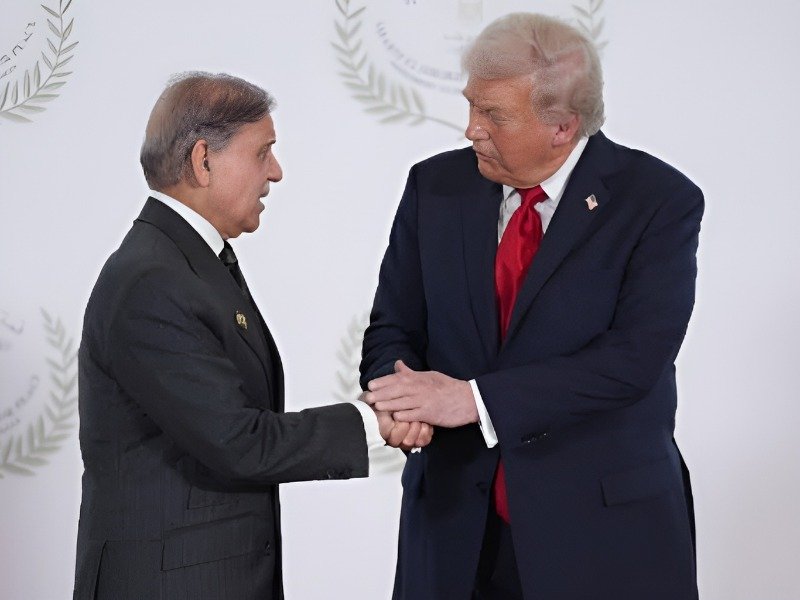
Bilal bin Saqib, a 35-year-old Lahore-born tech entrepreneur, has quickly become a central figure in Pakistan’s unconventional outreach to the Trump administration through cryptocurrency channels. Read More: https://theboardroompk.com/oil-swings-sharply-as-iran-de-escalation-hopes-clash-with-hormuz-closure-fears/ From PM Aide to Crypto Bridge Saqib previously served as the Prime Minister’s aide on blockchain and crypto.He now heads the Pakistan Crypto Council after stepping down from the official role. The self-described “crypto bro” and “builder” entered the space through hands-on experience. He once said failure is the best teacher in crypto, with no formal school available.‘Biplomacy’ Strategy Takes Shape Pakistan had little interest in crypto just two years ago.The military establishment later saw it as a valuable bargaining chip in global diplomacy. Saqib coined the term “biplomacy” – a play on Bitcoin – to describe Pakistan’s crypto-driven diplomatic push. This approach has opened new doors and helped rebrand the country on the world stage. Key Link to Trump World Saqib facilitated high-level engagements with World Liberty Financial, a decentralized finance project linked to Donald Trump’s family and associates. Pakistan rolled out the red carpet in Islamabad for executives including Zachary Witkoff earlier this year. The visit strengthened personal ties between US President Trump and Pakistan Army Chief General Asim Munir, says the report. Saqib also helped draft elements of a Pakistan-US trade framework that delivered concessions and expanded talks on energy, minerals, and technology. Deeper Ties and Opportunities An affiliate of World Liberty Financial signed a deal with Pakistan for digital payments and cross-border innovations. Saqib has connected Pakistani officials with global crypto players like Binance founder Changpeng Zhao. Analysts note that personal connections matter greatly in the current US administration. Crypto has given Pakistan a seat at the table and positioned it as a potential mediator between the US and Iran. Challenges and Optimism Pakistan still faces pressure from the IMF, which remains cautious about sovereign crypto experiments. Despite this, Saqib remains hopeful, citing serendipity and perfect timing. He believes crypto has built trust and created fresh conversations. For a nation seeking global investor interest, aligning with Washington’s crypto pivot signals relevance in a changing world order.

Pakistan Government Borrowing FY2026 Surges as Weekly Debt Increases by Rs339 Billion
Business

Pakistan Government Borrowing FY2026 Surges as Weekly Debt Increases by Rs339 Billion

Pakistan Government Borrowing FY2026 has climbed significantly after the federal government added Rs339.39 billion in fresh debt during the week ended March 20, 2026. According to the central bank’s weekly estimates, this borrowing has pushed the cumulative net borrowing for the ongoing fiscal year to approximately Rs1.23 trillion, highlighting mounting fiscal pressures and the government’s reliance on domestic financing sources. The latest data shows that borrowing activity remains largely driven by budgetary requirements, while repayments were recorded in commodity operations and other categories. Pakistan Government Borrowing FY2026: Weekly Breakdown Government borrowing is divided into three categories based on purpose: budgetary support, commodity operations, and others. During the reported week, the largest share of borrowing was directed toward budgetary support. For budgetary support, the government borrowed Rs344.03 billion. At the same time, Rs3.97 billion was retired under commodity operations, while Rs662 million was repaid under the category classified as others. These repayments slightly offset the overall increase but were not enough to counter the heavy borrowing for fiscal expenditures. This weekly activity pushed cumulative borrowing figures for FY2026 to Rs1.27 trillion for budgetary support. Meanwhile, repayments for commodity operations reached Rs42.73 billion, and Rs1.24 billion was retired under the others category. Heavy Dependence on Banks for Budgetary Financing Pakistan Government Borrowing FY2026 continues to rely heavily on two major domestic sources: the State Bank of Pakistan and scheduled commercial banks. These institutions remain the backbone of government financing, particularly for managing fiscal deficits. Interestingly, the government has repaid a substantial net amount of Rs1.36 trillion to the State Bank of Pakistan during the current fiscal year. This includes repayments of Rs1.77 trillion by the federal government. However, this reduction was partially offset by provincial borrowing of Rs464.1 billion. Additionally, the governments of Azad Jammu and Kashmir and Gilgit-Baltistan also contributed to net repayments, retiring Rs22.81 billion and Rs28.3 billion respectively. This suggests an effort to reduce direct central bank exposure, in line with broader monetary discipline objectives. Scheduled Banks Continue to Fund Fiscal Gap While repayments to the central bank increased, the government significantly expanded borrowing from scheduled banks. Overall, the government borrowed a net total of Rs2.63 trillion from commercial banks during Pakistan Government Borrowing FY2026. Out of this amount, the federal government accounted for Rs2.87 trillion in borrowing. In contrast, provincial governments collectively retired Rs240.25 billion, partially balancing the overall figure. This shift indicates a deliberate strategy to move financing from the central bank to market-based sources. What Pakistan Government Borrowing FY2026 Means for the Economy The sharp rise in Pakistan Government Borrowing FY2026 reflects continued fiscal pressure amid growing expenditure needs. Increased borrowing for budgetary support signals that revenue generation remains insufficient to meet spending commitments. Heavy reliance on scheduled banks may also impact private sector credit availability. When banks allocate significant funds to government securities, lending to businesses may slow down, potentially affecting economic growth and investment activity. At the same time, repayments to the State Bank of Pakistan indicate adherence to commitments aimed at reducing inflationary financing. This shift toward commercial bank borrowing is generally considered more disciplined but may still increase domestic debt servicing costs. Outlook for Pakistan Government Borrowing FY2026 With cumulative borrowing already crossing Rs1.23 trillion, Pakistan Government Borrowing FY2026 is expected to remain elevated in the coming months. Fiscal consolidation efforts, revenue enhancement measures, and expenditure management will play crucial roles in determining whether borrowing levels stabilize. Economic observers will closely monitor upcoming weekly data to assess whether borrowing continues at the current pace or slows down. Sustained high borrowing could influence interest rates, inflation expectations, and overall macroeconomic stability.

Scroll to Top