Chery Master Pakistan Launches Pakistan’s First Auto Boutique Studio
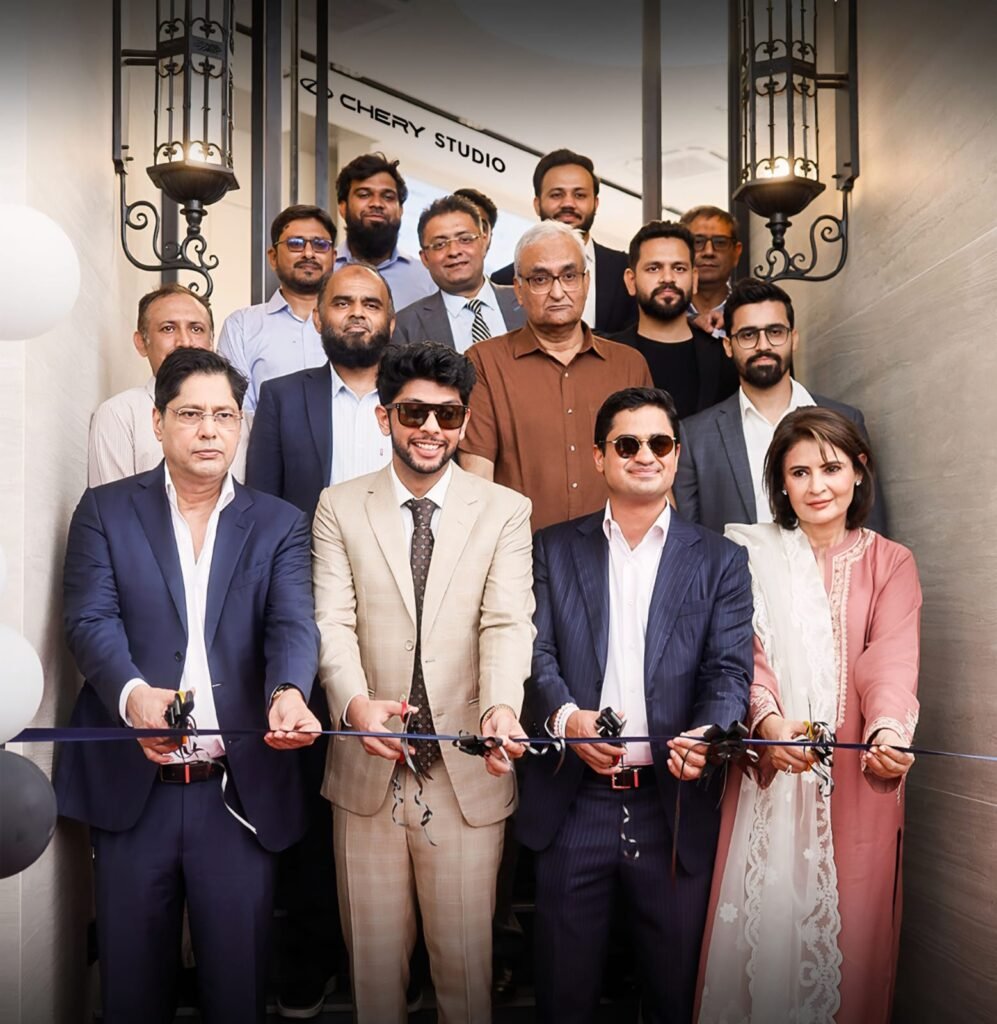
Karachi, 21 July 2026 Chery Master Pakistan, introduced by Master Auto Engineering Private Limited, a company of Master Group of Industries, has set a new benchmark for premium automotive experiences with the launch of Chery Studio, Pakistan’s first premium boutique automotive studio.Located at 37C Khayaban-e-Ittehad Road, DHA Phase 6, Karachi, Chery Studio has been designed to offer customers a more refined and immersive environment to discover, test drive and own a Chery vehicle. Chery Master Pakistan today offers Pakistan’s largest and best-selling Plug-in Hybrid (PHEV) lineup, spanning the locally assembled Tiggo 7 PHEV, Tiggo 8 PHEV and Tiggo 9 PHEV. Chery Studio brings this proposition to life, providing customers with a premium destination to explore the brand’s expanding family of intelligent new energy vehicles. Powered by Chery Super Hybrid (CSH), recognised as the world’s best plug-in hybrid technology, Chery’s locally assembled PHEV lineup delivers Pakistan’s longest-range Plug-in Hybrid experience. The lineup offers up to 170 km of pure electric driving range and up to 1,400 km of combined driving range, setting a new benchmark for range, efficiency and everyday mobility. It also delivers massive power with impressive horsepower, torque and strong 0-100 km/h acceleration, making it the best of both worlds by combining electric efficiency with high-performance driving. Visitors to Chery Studio can explore Chery’s latest generation of intelligent mobility across its Plug-in Hybrid lineup. The experience reflects the brand’s commitment to innovation, 5-star safety, unmatched comfort and everyday convenience. Globally, Chery is trusted by more than 19 million users across 130+ countries and regions. In Pakistan, the brand is backed by Master Group’s more than 60 years of industrial manufacturing excellence and automotive expertise, bringing internationally recognised engineering, innovation and quality to the local market. Speaking on the occasion, Director Chery Master Pakistan, Syed Asif Ahmed, said: “Chery Studio represents an important milestone in our journey to redefine automotive retail in Pakistan. It reflects our commitment to extending Chery’s global standards into every stage of the customer journey, creating a premium ownership experience that reflects the quality, innovation and trust our brand stands for. As we continue expanding our footprint, we remain focused on bringing intelligent mobility and long-term customer value closer to Pakistani families.” The launch of Chery Studio marks another significant milestone in Chery Master Pakistan’s long-term growth strategy. It reinforces the brand’s commitment to redefining automotive retail while strengthening its position as Pakistan’s leading Plug-in Hybrid SUV brand. With the opening of Chery Studio, Chery Master Pakistan now operates a network of 10 dealerships nationwide. The company plans to expand this footprint to 20 dealerships within the next six months, further strengthening its nationwide presence and bringing its products and services closer to customers across Pakistan.