Business

PTCL & Ufone crowned ‘Effective Marketer of the Year’ in addition to 8 honors at Effie Awards 2026
Business

PTCL & Ufone crowned ‘Effective Marketer of the Year’ in addition to 8 honors at Effie Awards 2026

Islamabad – April 27, 2026: Pakistan’s leading telecommunication and digital services providers, PTCL & Ufone, emerged as the biggest winners at the prestigious Effie Awards Pakistan 2026, securing eight awards, including three Gold, two Silver, and three Bronze accolades. PTCL & Ufone also received the coveted ‘Effective Marketer of the Year 2025–26’ title, awarded to the top-performing marketing organization across industries. Recognized globally as one of the most credible benchmarks of marketing effectiveness, the Effie Awards celebrate ideas that deliver measurable business results and are rigorously judged on strategy, execution, and impact. This recognition reinforces PTCL & Ufone’s leadership in creating campaigns that drive results while building strong connections with audiences nationwide. A key highlight this year came in the Internet & Telecom category, where PTCL & Ufone secured both Gold and Silver awards. Ufone’s flagship “Data Bohhaaat Hai” campaign won Gold, while its “Babar’s Phone Lost” execution also earned Gold in Social Media (Services), along with Silver for its “Sohni Mahiwal” campaign. Additional honors included Gold in Passion for Pakistan for “Hockey Hai Pakistan Ki Shaan,” Silver in Positive Change – Social Good (Brands) for “Dil Se Ba-Ikhtiar,” Bronze in Seasonal Marketing for UPaisa, Bronze in Brand Integration & Entertainment Partnership for Peshawar Zalmi x Ufone, and Bronze in Corporate Reputation for “Dil Se”- PTCL & Ufone Social Impact platform. These achievements reflect PTCL & Ufone’s ability to combine creativity, cultural relevance, and purposeful storytelling to deliver meaningful outcomes. From humor-led digital engagement and modern storytelling to celebrating national pride, empowering women entrepreneurs, strengthening strategic partnerships, and advancing social inclusion, each campaign showcased the commitment by PTCL & Ufone in building a brand that create lasting value for customers and communities alike. Spanning telecom services, digital platforms, sports, culture, and purpose-led initiatives, the wins demonstrate PTCL & Ufone’s holistic approach to marketing where commercial success and societal impact go hand in hand. Ends

Indus Motors Localization Investment Surges to Rs5.1 Billion Boosting Pakistan Auto Industry
Business

Indus Motors Localization Investment Surges to Rs5.1 Billion Boosting Pakistan Auto Industry

The Indus Motor Company Localization Investment has taken a significant leap, as Indus Motor Company Limited raises its total commitment to Rs5.1 billion. The move, which includes an additional Rs1 billion on top of the previously approved Rs4.1 billion, signals a strong push toward strengthening Pakistan’s domestic auto manufacturing ecosystem. This development is not just a routine capital increase. It represents a strategic shift aimed at reducing reliance on imports while positioning Pakistan as a more self-sufficient automotive production hub. Why Indus Motor Company Localization Investment Matters The expansion of the Indus Motor Company Localization Investment carries far-reaching implications for the national economy. By focusing on local production of vehicle parts and components, the company is addressing one of Pakistan’s most persistent economic challenges: dependence on imported goods. In simple terms, this investment means more car parts will now be manufactured within the country rather than sourced from abroad. This directly reduces pressure on foreign exchange reserves, a critical concern for policymakers and industry stakeholders alike. Moreover, localization strengthens supply chains, making the industry more resilient against global disruptions and currency volatility. Boost for Pakistan’s Auto Industry and Local Vendors One of the most immediate benefits of the Indus Motor Company Localization Investment is the boost it provides to local vendors and small-scale manufacturers. As more components are produced domestically, local suppliers gain new business opportunities and long-term contracts. Instead of relying on imported parts, the company will increasingly partner with local manufacturers, encouraging technology transfer, skill development, and industrial growth. This ripple effect could transform Pakistan’s auto parts ecosystem into a more competitive and innovative sector. Job Creation and Economic Impact The expansion in localization is expected to generate employment opportunities across multiple levels. From factory workers to engineers and supply chain specialists, the Indus Motor Company Localization Investment is likely to create both direct and indirect jobs. This comes at a time when employment generation is a key priority for Pakistan’s economic stability. Increased industrial activity typically leads to higher income levels, improved livelihoods, and stronger consumer spending power. Reducing Import Dependency and Saving Foreign Exchange Pakistan’s auto industry has long relied on imported components, which contributes to significant foreign exchange outflows. The Indus Motor Company Localization Investment directly addresses this issue by increasing the share of locally produced parts. To put it simply in explanatory terms, every locally manufactured component replaces an imported one. This helps conserve valuable foreign reserves, stabilizes the currency, and supports the country’s broader macroeconomic goals. Strategic Vision Behind the Investment The decision by Indus Motor Company Limited reflects a broader industry trend toward localization and self-reliance. With global supply chains becoming increasingly uncertain, companies are prioritizing domestic production capabilities. This investment also aligns with government policies aimed at promoting local industry, encouraging import substitution, and enhancing export potential in the long run. What Lies Ahead for Pakistan’s Automotive Sector The Indus Motor Company Localization Investment could serve as a catalyst for other automakers to follow suit. If more companies adopt similar strategies, Pakistan’s auto sector could witness a structural transformation. In the coming years, increased localization may lead to lower production costs, improved affordability of vehicles, and even potential export opportunities for locally manufactured components. The Indus Motor Company Localization Investment is more than just a financial commitment. It is a decisive step toward economic resilience, industrial growth, and job creation in Pakistan. By investing Rs5.1 billion into local manufacturing, Indus Motor Company Limited is not only strengthening its own operations but also contributing to the long-term sustainability of the country’s automotive industry.

Fauji Cement Acquisition of Attock Cement Shakes Pakistan’s Cement Industry
Business

Fauji Cement Acquisition of Attock Cement Shakes Pakistan’s Cement Industry

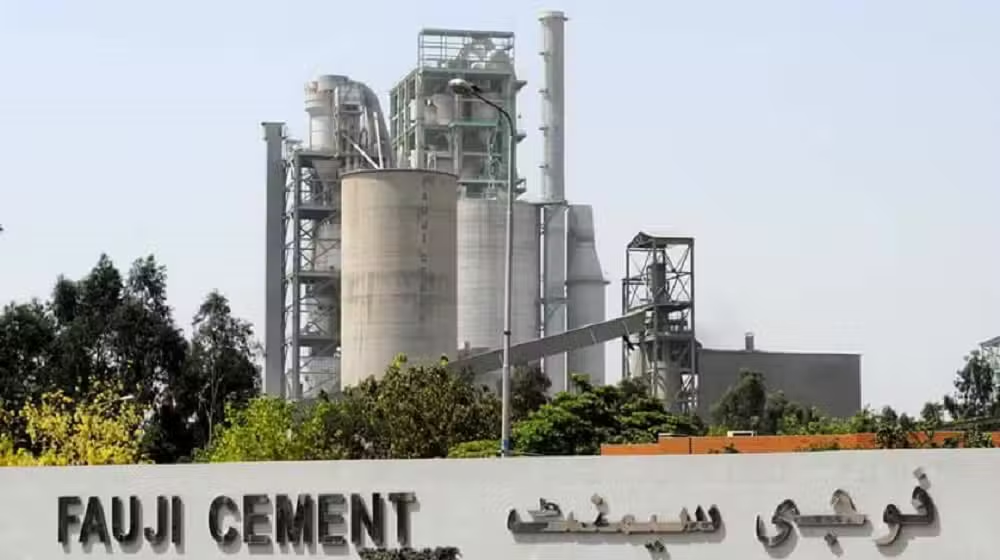
The Fauji Cement Acquisition of Attock Cement has emerged as one of the most dramatic corporate developments in Pakistan’s industrial landscape, signaling a powerful wave of consolidation in the cement sector. In a deal that has captured investor attention across the Pakistan Stock Exchange, Fauji Cement Company Limited has successfully acquired a controlling stake in Attock Cement Pakistan Limited, reshaping the competitive dynamics of the industry. Fauji Cement Acquisition of Attock Cement: Deal Breakdown The transaction was finalized on 24 April 2026, following a Sale and Purchase Agreement signed on 30 January 2026. The buyers included Fauji Cement and Kot Addu Power Company Limited, while the seller was Pharaon Investment Group Limited Holding S.A.L.. Here is what unfolded in simple terms: • Fauji Cement and its partner acquired 84.06% shares through the main agreement• An additional 7.97% stake was secured via a mandatory public offer• Total combined ownership now stands at approximately 92.03% This effectively gives the buyers overwhelming control of Attock Cement, making it a near fully-owned subsidiary. What Makes This Fauji Cement Acquisition of Attock Cement So Significant This is not just another corporate acquisition. It is a strategic power move. Pakistan’s cement sector has long been fragmented, with multiple mid-sized players competing across regions. With this acquisition, Fauji Cement is positioning itself among the country’s most dominant producers. The deal also reflects compliance with regulatory frameworks, including requirements under the Securities and Exchange Commission of Pakistan and the Securities Act, 2015. A mandatory tender offer ensured minority shareholders were given a fair exit opportunity. Fauji Cement Acquisition of Attock Cement: How the Tender Offer Worked The mandatory tender offer, completed on 16 April 2026, played a crucial role in boosting ownership beyond the initial acquisition. Managed by Integrated Equities Limited, the offer allowed public shareholders to sell their stakes under regulated conditions. In essence, this means: • Investors were given a formal opportunity to exit• The process ensured transparency and legal compliance• Fauji Cement strengthened its grip on Attock Cement Why Investors Are Watching This Deal Closely The Fauji Cement Acquisition of Attock Cement is being closely monitored by analysts and investors for several reasons: Market Consolidation The deal signals a shift toward fewer, stronger players dominating Pakistan’s cement industry. Economies of Scale With expanded production capacity, Fauji Cement can potentially reduce costs and improve margins. Strategic Expansion Attock Cement’s existing infrastructure and market reach offer immediate growth opportunities. Stock Market Impact The announcement has stirred activity on the Pakistan Stock Exchange, with investors reassessing valuations across the cement sector. What This Means for Pakistan’s Cement Industry The acquisition could trigger a chain reaction. Other companies may now consider mergers or acquisitions to stay competitive. Attock Cement, known for its manufacturing and sale of cement products, now operates under the strategic direction of Fauji Cement. This alignment could lead to: • Improved operational efficiency• Expansion into new markets• Stronger pricing power In practical terms, Pakistan’s cement landscape may soon look very different, with fewer but far more powerful players. Final Thoughts on Fauji Cement Acquisition of Attock Cement The Fauji Cement Acquisition of Attock Cement is more than just a financial transaction. It is a defining moment for Pakistan’s industrial future. With over 92% ownership secured, Fauji Cement has effectively taken command of Attock Cement, setting the stage for aggressive growth and industry leadership. As regulatory bodies, investors, and competitors react, one thing is clear: this deal has redrawn the map of Pakistan’s cement sector.

Bata Pakistan Financial Crisis 2025: From Profit to Rs2.39bn Loss Shocks Investors
Business, Editor pick

Bata Pakistan Financial Crisis 2025: From Profit to Rs2.39bn Loss Shocks Investors

The Bata Pakistan Financial Crisis 2025 has stunned investors and market watchers alike, as Bata Pakistan Limited (PSX: BATA) plunged from a healthy profit position into a staggering loss within just one year. What seemed like a stable retail giant has now become a case study in how quickly financial pressure can spiral out of control. Read More: https://theboardroompk.com/pll-receives-four-lng-bids-amid-power-demand-surge/ Bata Pakistan Financial Crisis 2025: What Triggered the Collapse? At the heart of the Bata Pakistan Financial Crisis 2025 lies a dangerous combination of declining revenues and sharply rising costs. The company’s revenue slipped modestly by 3 percent, falling to Rs17.78 billion. On its own, this decline may not have been alarming. However, the real damage came from a dramatic 15 percent surge in the cost of sales, which climbed to Rs10.76 billion. This imbalance crushed profit margins. Gross profit dropped by a steep 22 percent, falling from Rs9.01 billion to Rs7.02 billion. In simple terms, Bata was earning significantly less on every product it sold. Rising Costs Deepen the Bata Pakistan Financial Crisis 2025 Beyond production costs, operational expenses surged aggressively, further worsening the situation. Administrative expenses jumped by 29 percent, indicating internal cost pressures and possible inefficiencies. Distribution costs also rose by 6 percent, reflecting higher logistics and retail network expenses. But the most shocking blow came from impairment losses. These losses skyrocketed to Rs651.81 million, compared to just Rs35.01 million a year earlier. This massive increase signals deeper financial stress, possibly linked to unpaid receivables or declining asset values. At the same time, other expenses rose by 64 percent, while other income collapsed by 71 percent. This meant the company lost a key financial cushion that had previously helped offset operational pressures. Bata Pakistan Financial Crisis 2025: Finance Costs and Tax Burden Add Fuel As if operational challenges were not enough, finance costs increased by 15 percent to Rs773.31 million, reflecting higher borrowing costs in a tough economic environment. The company then faced an additional setback with the introduction of a minimum tax levy of Rs246.07 million, further deepening losses. Even though Bata received a tax credit of Rs368.69 million, it was insufficient to counterbalance the massive financial damage already done. From Profit to Loss: A Complete Financial Reversal The scale of the downturn in the Bata Pakistan Financial Crisis 2025 becomes clearer when comparing year-on-year performance. In 2024, Bata posted a solid profit of Rs850.73 million. Fast forward to 2025, and the company reported a net loss of Rs2.39 billion. This represents a complete reversal of fortunes, wiping out profitability and raising serious concerns about future stability. Earnings per share also collapsed dramatically, falling from Rs112.53 to a negative Rs315.48, signaling a sharp decline in shareholder value. Key Financial Highlights Explained Simply Bata’s financial statement tells a clear story: • Revenue declined slightly, showing weakening consumer demand or pricing pressure• Cost of sales surged, squeezing margins significantly• Gross profit fell sharply, reflecting reduced profitability per product• Operating expenses rose across the board, adding pressure• Impairment losses exploded, indicating deeper financial risks• Other income dropped drastically, removing financial support• Finance costs increased, reflecting a tougher borrowing environment All these factors combined to create a perfect financial storm. What Lies Ahead After Bata Pakistan Financial Crisis 2025? The Bata Pakistan Financial Crisis 2025 raises critical questions about the company’s future direction. Will Bata restructure its operations, cut costs, or rethink its pricing strategy? For investors, the situation is a warning sign. For competitors, it is an opportunity. And for the broader retail sector in Pakistan, it highlights the growing pressure of inflation, rising costs, and shifting consumer behavior. Final Thoughts on Bata Pakistan Financial Crisis 2025 The Bata Pakistan Financial Crisis 2025 is more than just a bad year it is a turning point. The company now faces a crucial test: adapt quickly or risk prolonged financial distress. Whether this is a temporary setback or the beginning of a deeper decline will depend on how effectively Bata responds in the coming months.

AlphaX Launches 24/7 TradFi Futures Trading, Empowering Users with Zero-Fee Access to Global Traditional Markets
Business

PTCL Group back into profits with Rs. 3.1 billion bottom-line in Q1 2026

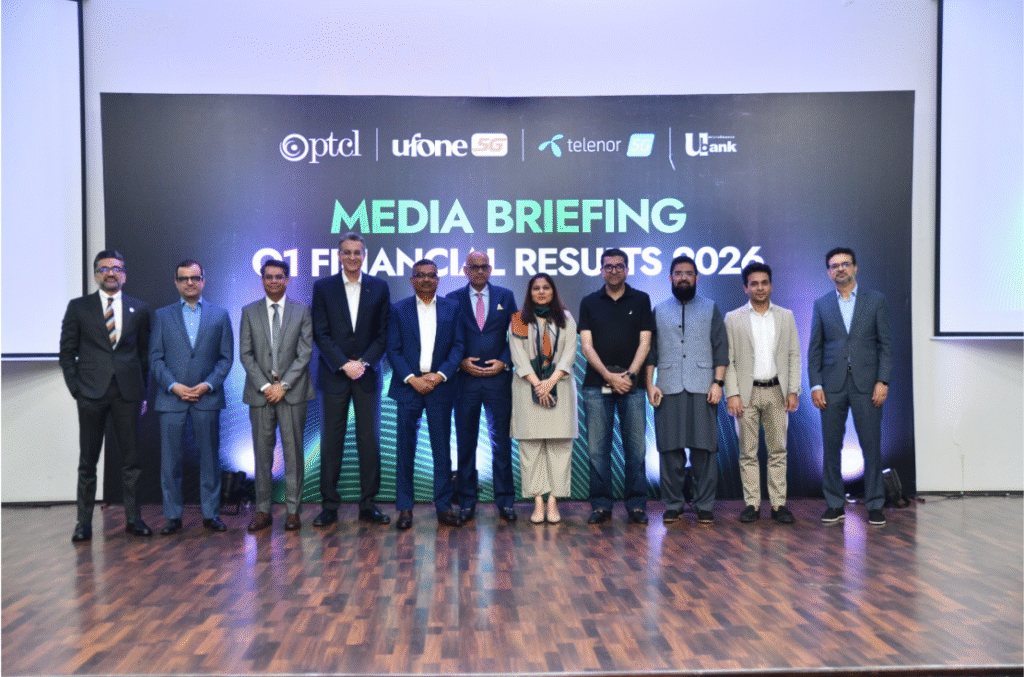
Islamabad – April 21, 2026: Pakistan Telecommunication Company Limited (PTCL), the country’s leading telecom and ICT services provider, has announced its consolidated financial results for the quarter ended March 31, 2026. PTCL Group sustained strong growth momentum, further strengthening its position as Pakistan’s leading integrated telecom and ICT services provider. During the period, Pakistan Telecommunication Authority (PTA) has formally approved the proposed amalgamation of Pak Telecom Mobile Limited and Telenor Pakistan (Private) Limited. The proposed amalgamation shall be implemented through a scheme of arrangement in accordance with applicable laws. The change of control of Telenor Pakistan was formally completed on December 31, 2025, bringing Telenor Pakistan and its infrastructure under PTCL’s full ownership. Building on this, PTCL progressed integration planning during Q1 2026. This consolidation is set to create a stronger, more efficient telecom platform with enhanced nationwide coverage, improved service quality, and a significantly expanded customer base, positioning PTCL as one of the leading players in Pakistan’s evolving digital and connectivity landscape. Effective 1st January 2026, financial results of Telenor Pakistan have been consolidated in PTCL Group. Financial Highlights PTCL Group Consolidated revenue increased by 58% year-on-year, with the inclusion of Telenor Pakistan results into the PTCL Group and aided by sustained growth in fixed broadband, enterprise, wholesale, and mobile services.Consolidated operating profit surged by 564% with the inclusion of Telenor Pakistan, strong recovery of Ubank, sustained improvement of Ufone financial performance and continuation of PTCL’s strong operating results. The Group achieved a net profit of Rs. 3.1 billion, marking a turnaround from the net loss of Rs. 4 billion reported in the comparative period primarily as a result of strong operating profit. Wireline segment PTCL revenue grew by 6.5% YoY, led by 27% growth in Flash Fiber and 11% growth in Business Solutions. Carrier and Wholesale business sustained growth momentum with 14% increase YOY.PTCL reported an operating profit of Rs. 4.6 billion, representing 11% growth, while net profit stood at Rs. 0.9 billion for the quarter. Wireless segment Revenue increased by 131% year-on-year, by the inclusion of Telenor Pakistan results and growth in both retail and corporate segments. Operating profit of Rs. 14.1 billion, reflects an increase of 190% year-on-year with the inclusion of Telenor Pakistan and sustained improvement of Ufone financial performance.Net profit of Rs. 2.7 billion against a net loss of Rs. 1.3 billion in a comparable period is due to strong operating results and consolidation of Telenor Pakistan. Banking segment Ubank posted revenue of Rs. 5.8 billion, while its bottom line improved significantly compared to the prior period marking a strong recovery in banking operations. Operational Highlights As part of its transformation journey, PTCL Group achieved a major milestone in Q1 2026 by securing a significant share of spectrum in Pakistan’s landmark 5G auction, positioning it at the forefront of next-generation connectivity. The acquisition of high-capacity spectrum in globally recognized 3.5 GHz and 2.6 GHz bands enables PTCL Group to deliver ultra-fast speeds, low latency, and advanced digital services across consumer and enterprise segments. Importantly, this spectrum will be leveraged across the combined Ufone and Telenor Pakistan footprint following their ongoing integration, creating the largest spectrum portfolio in the country serving more than 72 Million customers. This positions PTCL Group to accelerate nationwide 5G rollout, enhance network efficiency, and unlock new digital use cases across industries, reinforcing its leadership in enabling Pakistan’s digital future. PTCL introduced an enhanced Flash Fiber portfolio in Q1, with entry-level speeds starting from 30 Mbps. This move underscores a strategic focus on elevating baseline broadband experience standards, aligning customer offerings with evolving digital consumption needs. PTCL Group maintained a strong performance in Q1 2026 as it continued to strengthen brand visibility and audience engagement through strategic campaigns aligned with culture, community, and consumer relevance. On World Education Day, PTCL launched a purpose-led campaign with Shehzad Roy to highlight the pressure often placed on children in the name of academic success, encouraging a more balanced and empathetic approach to learning through a national pledge initiative. The Business Solutions segment sustained strong performance, with continued demand for ICT services, including cloud, data centers, managed services, and cybersecurity solutions. PTCL further strengthened its position as a trusted partner for government and enterprise customers. Ufone also rolled out the Super 5 campaign, featuring Babar Azam, to reinforce its “Data Bohhaaat Hai” positioning through a shared connectivity proposition designed for up to five users. The campaign delivered strong traction, generating more than 91 million impressions, 15 million reach, and 10 million views. Ufone further strengthened its brand presence during the Pakistan Super League through its Peshawar Zalmi campaign, using anthem-led content, branded integrations, and fan engagement experiences to deepen cultural relevance and consumer affinity. In Q1, 2026, Ufone continued its positive trajectory as market leader in digital recharge penetration with growth of 11% YoY in the digitally topped up value. Digital sim sales also registered a significant growth of 21% YoY. Both of these achievements were supported by company owned digital channels ‘selfcare app’, ‘website’ & ‘bot’ as well as with the collaboration of Ufone’s wide digital partner network.Upaisa’s posted a solid 42% year-on-year growth, driven by effective customer acquisition and deeper wallet penetration. Telenor Pakistan’s Retail revenue grew on the back of ARPU growth and increased customer engagement on larger data bundles with higher validity. During Q1, the Subscriber base grew by 1.7% with a high emphasis on good quality, data active customers. Focus on new customer segment through Gaming SIM, helped increase and retain high value customers. Digitization remained a key focus area, with My Telenor App penetration continuing to rise steadily. A major redesign of the app user interface was delivered for improved customer experience, contributing to an 18% YoY increase in app user base. In parallel, multiple initiatives on digital distribution continued resulting in 34% YoY increase in digital recharge. Expansion of digitalization on Customer Care was supported with launch of the Whatsapp Chat Channel which helped improve digital customer experience and complaint resolution. Telenor Pakistan successfully executed world’s largest


Iranian Currency Sees Unusual Surge Against Rupee in Pakistan Informal Markets
Business

Iranian Currency Sees Unusual Surge Against Rupee in Pakistan Informal Markets

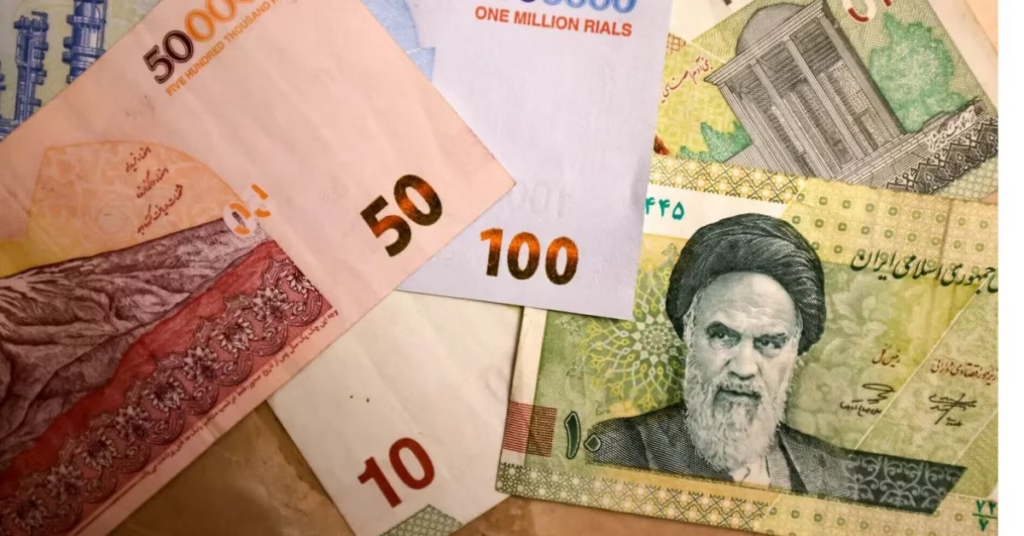
The Iranian rial to Pakistani rupee rate has shown unusual movement in Pakistan’s informal currency markets, with dealers reporting significantly higher exchange values in major cities including Karachi, Quetta, and Lahore. Market data suggests strong demand linked to cross border trade and speculative activity. According to verified open market quotations, one crore Iranian rials, equal to 10,000,000 IRR, is being traded between 8,000 PKR and 10,000 PKR in licensed dealer networks. This reflects a notable premium compared to global reference rates. Informal Market Shows Strong Demand Currency dealers say the Iranian rial to Pakistani rupee rate is being driven by consistent demand in border regions. Traders involved in cross border settlements along the Balochistan and Iran corridor are actively participating in these transactions. The informal market is also seeing participation from retail speculators. This combination of trade needs and short term positioning has created strong upward pressure on rial prices in Pakistan’s informal channels. Gap Between Local and Global Rates Widens Market analysis shows a significant gap between informal and international rates. In Pakistan’s open market, the estimated exchange value stands at around 1 PKR equals 1,000 IRR. However, the international mid market benchmark places the rate at approximately 1 PKR equals 4,738 IRR. This means the informal Pakistani market is trading at nearly 4.7 times higher than global reference levels. Experts say this divergence highlights the impact of local demand conditions and restricted financial channels between the two countries. Cross Border Trade Drives Currency Movement A key factor behind the rising Iranian rial to Pakistani rupee rate is informal trade activity. The Balochistan Iran border region plays a central role in goods exchange, where formal banking channels are limited. Because of these restrictions, traders often rely on cash based or informal settlement systems. This increases demand for physical currency and pushes local exchange rates away from global benchmarks. Dealers also point to liquidity shortages and uneven supply of foreign currency as contributing factors. Weekly Increase Shows Strong Momentum Market data indicates that the value of one crore Iranian rials has increased sharply over the past week. Earlier, the range was between 6,500 PKR and 8,500 PKR. It has now moved to 8,000 PKR to 10,000 PKR. This represents a weekly rise of around 15 percent to 25 percent in informal trading circles. Such movement is considered significant for currency markets operating outside formal banking systems. Traders say the rapid change reflects shifting demand patterns and short term speculation. Daily Activity Estimated in Millions Currency experts estimate that daily transactions involving the Iranian rial to Pakistani rupee rate are worth around 4 to 6 million dollars equivalent. Most of this activity is driven by border trade facilitation, small scale remittance flows, and speculative buying. Retail participants also contribute to short term volatility in pricing. However, analysts caution that informal market data can fluctuate rapidly throughout the day, making real time verification essential before any transaction. Role of Currency Systems in Iran and Pakistan The Iranian rial, issued by the Central Bank of Iran, has faced long term pressure due to inflation, sanctions, and geopolitical tensions. These factors have contributed to its reduced international value over time. On the other hand, the Pakistani rupee is issued by the State Bank of Pakistan. Its performance depends on inflation, trade balance, remittance inflows, and broader economic conditions. Both currencies operate under different economic pressures, which often influence their exchange behavior in informal markets. Advisory for Market Participants Dealers recommend that individuals verify live exchange rates before engaging in any currency transactions. Official exchange companies and ECAP member dealers provide more regulated pricing compared to informal channels. Experts warn that informal markets carry additional risks due to lack of oversight and sudden price fluctuations. Structural Market Reality The current Iranian rial to Pakistani rupee rate highlights how informal financial systems operate alongside formal markets. Trade needs, liquidity gaps, and regional demand continue to shape currency behavior outside official frameworks. As cross border economic activity continues, such divergences may persist unless formal banking channels expand between neighboring countries.

Faysal Bank Hits PKR 10.8 Billion PBT in Q1 2026; Announces PKR 1.5 Dividend
Business

Faysal Bank Hits PKR 10.8 Billion PBT in Q1 2026; Announces PKR 1.5 Dividend

Faysal Bank Limited (FBL) delivered a sound and resilient financial performance in the first quarter of 2026, reporting Profit Before Tax (PBT) of PKR 10.8 billion and net profit of PKR 5.2 billion, translating into Earnings Per Share (EPS) of PKR 3.40. The Bank also declared an interim cash dividend of PKR 1.5 per share (15%), reflecting confidence in its performance and outlook. FBL maintained a strong balance sheet footing, with total assets reaching PKR 1.7 trillion. The Bank remained focused on optimizing its deposit mix, with a strategic emphasis on core current accounts, driven by trade and transactional flows across its expanding customer base, leveraging its wide and growing branch network. The upward trajectory in Current Account (CA) continued, reaching PKR 614 billion, reflecting a 15% growth since December 2025. This led to a significant improvement in the CA mix to 46.2% (December 2025: 37.5%) and the CASA ratio to 85.5% (December 2025: 81.9%). The ADR moderated to 58.4% as at March 2026 (December 2025: 61.1%), while asset quality remained strong, with the infection ratio at 2.4%.Overall, the Bank’s performance underscores its strong business fundamentals, prudent risk management, and focused growth strategy, with increasing emphasis on digital and technology-led, customer-centric solutions. Mr. Mian Muhammad Younis, Chairman, Faysal Bank, reflecting on the Bank’s performance, said, “Alhamdulillah, the quarter ended March 2026 reflects the growing maturity and depth of Faysal Bank’s Islamic banking, network-led growth journey. The outcomes achieved are a direct result of the Board’s long-term strategic direction – focused on rapidly expanding the Bank’s network and steadily growing its low-cost core deposit base over the short and medium term. I would like to express my sincere gratitude to our customers, whose enduring trust and confidence remain central to our continued progress as a leading Shariah-compliance banking institution.” Mr. Yousaf Hussain, President & CEO, Faysal Bank, added, “Looking ahead, Insha’Allah, the Bank is well positioned to further build upon its strong product and expanded network foundations, supported through regional operational hubs and trade, driven by strong Islamic values, disciplined execution, and a continued focus on delivering value to all stakeholders.”

NBP Partners with Sheikh Zayed Hospital for Cashless QR Payments
Business

NBP Partners with Sheikh Zayed Hospital for Cashless QR Payments

Karachi 24th April 2026: NBP has successfully onboarded Sheikh Zayed Hospital, Lahore for dynamic QR-based patient bill collections, marking another strong step in our ongoing digital payments drive. The arrangement was spearheaded by Mr. Farhan Durrani SVP/ Digital Banking Group, signed by Mr. Ali Sahibzada BM/ Sheikh Zayed Branch with the broader team joining from Lahore East Region; Mr. Farooq Chaudhary EVP/RE Liabilities – Lahore East and Mr. Haider Masood OGI/Coordinator Sh. Zayed Branch – NBP, for the formal agreement signing ceremony while Dr. Mona Aziz Gillani Executive Director was the signee from Sh. Zayed Hospital along with her support team. Through this deployment, patients will now be able to make instant, cashless payments via QR POS, significantly improving convenience while enabling the hospital to benefit from structured collections, reduced cash handling and better reconciliation. This milestone reflects the continued efforts of our teams and branch network in driving QR adoption across key institutions.

Market Expects Intrest Rate Stability: Rate Hike Would be Overcorrection, AHL
Business

Market Expects Intrest Rate Stability: Rate Hike Would be Overcorrection, AHL

Arif Habib Limited has advised the State Bank of Pakistan to keep the policy rate unchanged at 10.5% in the upcoming April 2026 Monetary Policy Statement. The brokerage argues that recent inflation spikes are supply-driven and temporary, not signs of demand overheating. Read More: https://theboardroompk.com/kenya-rice-export-meeting-reap-members-discuss-export-hurdles-and-ways-to-enhance-trade/ Global oil volatility has been the main culprit. Arab Light surged to ~USD 135/bbl, then fell to ~USD 102/bbl, and briefly touched ~USD 77/bbl. This uncertainty has filtered into domestic transport inflation, which jumped 12% MoM in March and is expected to rise ~15% in April. Patience over impulse Yet broader inflation remains anchored. March CPI edged up to 7.3% YoY, keeping the FY26 average at a comfortable 5.67%. Core inflation is contained at 8%. Any move toward double digits in 4QFY26 is largely a base-effect story, not demand-led pressure. “Responding to such temporary pressures with policy tightening risks overcorrection,” the note warns. With GDP growing at 3.89% in 2QFY26 and 3Q expected to be weaker due to conflict spillovers, a rate hike could harm the fragile recovery. External buffers remain strong Pakistan posted a USD 1.07bn current account surplus in March 2026, the highest in a year. Remittances are robust, and the trade deficit has narrowed. Even with oil near USD 100/bbl, the FY26 current account deficit is projected at just ~USD 1.6bn. FX reserves stand at USD 15.1bn, excluding a fresh USD 1bn Saudi inflow. Saudi Arabia also provided USD 3bn in new deposits and extended a USD 5bn facility. A USD 1.2bn IMF tranche is pending, while Pakistan recently raised USD 750mn via a Eurobond. Market expects no change An AHL survey shows 61% expect no rate change, while 19% anticipate a 50bps hike. The firm concludes that patience is prudent, with the June policy alongside the federal budget offering a clearer recalibration window.

Businesses that ignore sustainability aren't just falling behind; they're taking on risk they haven't priced in, ACCA
Business

Businesses that ignore sustainability aren’t just falling behind; they’re taking on risk they haven’t priced in, ACCA

Karachi: In a world of trade tariffs, geopolitical tension and shifting regulation, some businesses have quietly stepped back from their sustainability commitments by deprioritising net zero targets, scaling back ESG programmes, and waiting for things to change. It may be the most expensive mistake they make. That was the central message from ACCA’s annual Sustainability Conference, held on Earth Day, a virtual event attended by finance professionals from over 100 countries. The argument put forward was not a moral one. It was a financial one: organisations that fail to embed sustainability into their core strategy are accumulating risk, and in many cases, that risk is already materialising. ‘Your sustainability strategy is not something that sits on the side,’ said Sharon Machado, Head of Sustainable Business at ACCA, who chaired the opening session. ‘It’s integrated within the business. It’s about risk management.’ ‘When businesses think about geopolitical disruption, supply chain fragility, commodity availability or the impact of extreme weather on operations, they are, whether they recognise it or not, thinking about sustainability. The language of risk management and the language of sustainable business describe the same terrain’, she said. Risk, finance and sustainability leader, Andrea Amaize, who joined Machado for the session, put it directly: ‘Though the business case for sustainability remains strong today, organisations that have toned down or deprioritised their sustainability commitments are trying to balance long-term sustainability objectives against pressures for near-term results. However, immediate impacts of sustainability are being felt. Climate change is already affecting the availability and cost of insurance, purchasing decisions increasingly include questions about decarbonisation strategies, access to lower cost capital is becoming tied to sustainability performance and talent follows purpose. A core argument of the session was that sustainability, properly understood, is not only a cost driver but also a profitability generator — unlocking new revenue streams, reducing operating costs, improving resilience, strengthening brand value and creating competitive advantage. Amaize noted that, in today’s environment, it is important for organisations to clearly demonstrate how sustainability drives measurable financial outcomes, an area where finance professionals can play a pivotal role in evidencing this link.

Scroll to Top