Business

Business sentiment turns negative as energy shocks, regional tensions weigh on firms: Gallup Survey
Business

Business Sentiment Turns Negative As Energy Shocks, Regional Tensions Weigh On Firms: Gallup Survey

KARACHI, April 23: Pakistan’s private sector confidence has deteriorated sharply in the first quarter of 2026, with a majority of businesses reporting worsening conditions amid rising energy costs and spillover effects from regional geopolitical tensions, according to a survey released by Gallup Pakistan. Read More: https://theboardroompk.com/karachi-businessmen-urges-govt-to-tackle-rising-extortion-robberies/ The 17th quarterly Gallup Business Confidence Survey, conducted in April 2026 based on responses from 510 businesses across the country, shows a broad-based decline across all key indicators — current performance, future expectations and perception of national direction. Only 41% of businesses described their current operations as “good” or “very good,” reflecting a 13 percentage point drop from the previous quarter. The net proportion of firms reporting positive conditions has fallen by 27%, indicating a clear shift toward pessimism after earlier gains. The outlook for the coming months appears even weaker. While 44% of respondents expressed optimism about future performance, a larger 57% expect conditions to worsen. The net future confidence score has declined by 25% compared to Q4 2025, pointing to growing uncertainty and weakening business momentum. Perceptions regarding the country’s overall direction also deteriorated significantly, with the score dropping to -32% from -8% in the previous quarter. The Gallup survey report notes that sentiment has firmly entered negative territory, reflecting heightened concern among businesses about the broader economic trajectory. Structural challenges continue to weigh heavily on the private sector. Inflation remains the top concern, cited by 37% of businesses, while concerns over fuel and petrol prices surged to 25%, highlighting intensifying cost pressures. Energy reliability remains another major issue, with 57% of firms reporting load-shedding on the day of the survey, a 15 percentage point increase from the previous quarter. Rising costs have emerged as the dominant operational risk, with 62% of businesses identifying inflation and input costs as their biggest challenge. The Gallup survey also shows declining confidence in economic management, as 46% of respondents believe governance has worsened, compared to 33% who see improvement. A key feature of the latest Gallup survey is the strong impact of regional developments, particularly tensions in the Middle East. Around 81% of businesses reported negative effects linked to these developments, primarily through rising fuel and energy costs. Nearly 58% of firms said their energy expenses had increased, while 73% reported overall cost escalation compared to the previous quarter. Looking ahead, 76% of businesses expect conditions to deteriorate further if regional instability persists over the next three months. The report concludes that Pakistan’s business environment is facing a period of heightened uncertainty, driven by a combination of domestic economic pressures and external shocks. While some sectors continue to show resilience, the overall trajectory suggests stagnation risks in the near term. Commenting on the findings, Bilal I. Gilani, Executive Director at Gallup Pakistan, said the simultaneous decline across all major indicators signals a clear shift toward pessimism within the business community, with external cost pressures playing a central role in shaping sentiment.
OGDCL Successfully Restores Gas Output in Attock Field
Business

OGDCL Successfully Restores Gas Output in Attock Field

Pakistan’s energy sector has received a significant uplift as Oil and Gas Development Company Limited announced the revival of gas production from the Jand-1 well in Attock District, Punjab. The company shared the development in an official notice submitted to the Pakistan Stock Exchange on Thursday. Gas production jumps sharply after revival OGDCL confirmed that the Jand-1 well now produces over 21 million standard cubic feet per day. This marks a sharp rise from its earlier output of around 7 MMSCFD. The increase highlights a major recovery in gas production at the site. Engineers achieved this output through a 32 by 64 choke at a wellhead flowing pressure of 3,585 psi. Officials described the improvement as a strong step toward strengthening domestic gas supply. Well faced shutdown due to technical challenges The company initially brought the Jand-1 well into production in 2019. It connected the well to the Dakhni Gas Processing Plant for supply operations. However, the well produced gas with high hydrogen sulfide content, which created technical risks. OGDCL later halted operations due to mechanical failure. The sour gas environment created difficult downhole conditions. These factors forced the company to suspend gas production from the well. Technical team executes complex revival plan OGDCL relied on its in-house technical experts to restore operations. The team conducted detailed assessments and risk analysis before launching the revival plan. Engineers retrieved damaged downhole materials and restored the well’s integrity. Officials said the operation required precision and careful planning. The team handled complex conditions while maintaining strict safety standards. This effort allowed the company to successfully resume gas production. New equipment ensures safer operations The company installed corrosion-resistant tubing to handle the sour gas environment. This upgrade will help ensure long-term safety and stable gas production. Engineers selected materials designed specifically for high hydrogen sulfide conditions. OGDCL confirmed that all operations followed strict health, safety, and environmental guidelines. The company aims to maintain consistent output while minimizing operational risks. OGDCL stands as Pakistan’s largest exploration and production company. It manages extensive operations that include exploration, drilling, and reservoir management. The company also provides engineering and technical support across projects. The firm controls more than 40 percent of Pakistan’s total awarded exploration acreage. This wide coverage gives it a leading role in developing the country’s hydrocarbon resources. The Government of Pakistan holds over 67 percent shares in the company. Other stakeholders include the OGDC Employee Empowerment Trust and the Privatisation Commission. Revival supports domestic energy supply The increase in gas production from Jand-1 can help ease pressure on the country’s energy system. Pakistan continues to face challenges due to declining natural gas reserves and rising demand. Experts believe that boosting domestic gas production can reduce reliance on costly imports. Local output remains a key factor in ensuring energy stability. The revival also reflects the importance of technical expertise in overcoming operational challenges. Successful recovery of such wells can unlock additional resources across the country. Energy sector watches next steps Industry observers will closely monitor how long the well sustains its current output. Continued stability can support long-term energy planning. OGDCL may also apply similar strategies to revive other underperforming wells. This approach could further strengthen national gas production capacity. The successful restart of Jand-1 signals progress for Pakistan’s energy sector. It highlights the potential of local resources when backed by technical capability and strategic planning.

Meezan Bank Monthly Card Spend Crosses Rs45bn as Digital Payments Gain Momentum
Business

Meezan Bank Monthly Card Spend Crosses Rs45bn as Digital Payments Gain Momentum

Karachi, April 23 : Meezan Bank has reported that its monthly card spend has exceeded Rs45 billion, signalling a significant shift in consumer payment behaviour and reinforcing the rapid growth of Pakistan’s digital payments ecosystem. Read More: https://theboardroompk.com/strong-banking-industry-link-pakistan-bankislami-pushes-for-sme-financing-boom/ The milestone comes amid a broader transition toward cashless transactions, with increasing adoption of cards, mobile applications and QR-based payments across the country. Banking industry data suggests that consumers are steadily moving away from cash, driven by convenience, security and expanding acceptance of digital payment channels. According to the State Bank of Pakistan, digital retail transactions in the country have reached 3.1 billion in a single quarter, with a cumulative value of Rs64 trillion. The central bank’s instant payment system, Raast, recorded 645.7 million transactions amounting to Rs18.5 trillion, while the total number of payment cards in circulation has risen to 66.7 million. Within this expanding landscape, Meezan Bank’s latest figures highlight the growing role of Islamic banking institutions in advancing digital financial services. Industry observers note that Shariah-compliant banks are increasingly investing in technology-driven solutions, positioning themselves competitively alongside conventional banking channels. The rise in card usage reflects evolving spending patterns, with consumers using cards for retail purchases, dining, travel, e-commerce and day-to-day transactions. Meezan Bank official said that this behavioural shift is being supported by improved payment infrastructure, wider merchant acceptance and enhanced security features. Meezan Bank attributed its growth to continued investment in secure payment systems and customer experience. These include advanced fraud monitoring, stronger authentication protocols and tokenised payment solutions, aimed at ensuring safer transactions across both local and international platforms. Meezan Bank official said that sustained growth in digital payments can deliver broader economic benefits, including improved documentation of financial activity, reduced reliance on cash handling and greater formalisation of the retail economy. It may also support financial inclusion by enabling easier access to banking services for previously underserved segments. With regulatory backing and ongoing initiatives such as Raast and merchant digitisation, Pakistan’s shift toward a cashless economy appears to be gaining pace. Meezan Bank’s Rs45 billion monthly card spend milestone is being seen as a reflection of this transition, underlining the increasing trust of consumers in digital financial services and the sector’s role in shaping a more connected and transparent economy.

Strong Banking Industry Link Pakistan: BankIslami Pushes for SME Financing Boom
Business

Strong Banking Industry Link Pakistan: BankIslami Pushes for SME Financing Boom

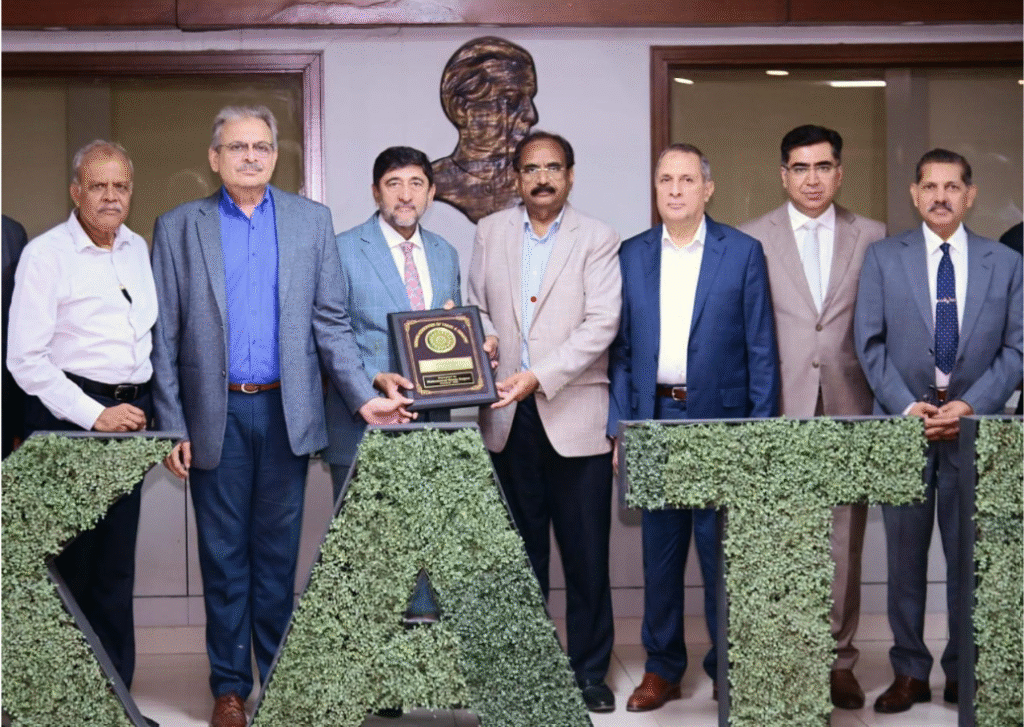
The concept of a Strong Banking Industry Link Pakistan is rapidly gaining momentum as industry leaders and financial experts unite to reshape the country’s economic future. During a high-profile engagement between BankIslami and Korangi Association of Trade and Industry (KATI), key stakeholders highlighted how closer collaboration could unlock industrial growth, boost exports, and energize small and medium enterprises. Read More: https://theboardroompk.com/attack-on-nrl-darigwan-site-repelled-area-secured-by-security-forces/ Strong Banking Industry Link Pakistan Key to Economic Stability Speaking at the event, Rizwan Ata emphasized that Pakistan’s long-term economic success hinges on a solid partnership between banks and industries. He stressed that without accessible and efficient financial systems, industrial expansion remains constrained. According to Ata, Islamic banking plays a crucial role by offering transparent and Shariah-compliant financing solutions. These mechanisms not only avoid interest-based systems but also promote real economic activity, encouraging sustainable business growth. He highlighted that Pakistan is currently witnessing improved global investor sentiment, presenting a rare opportunity for businesses to scale operations and attract foreign investment. SME Financing: The Missing Link in Industrial Expansion KATI President Muhammad Ikram Rajput drew attention to one of the most pressing challenges facing the industrial sector: limited access to affordable financing. He explained that industries, especially SMEs, struggle due to high borrowing costs and complex financing procedures. Easier and low-cost credit, he argued, could dramatically increase production levels and export capacity. Instead of presenting data in tables, Rajput’s insights paint a clear picture: • When financing is affordable, industries invest more in production• Increased production leads to higher exports• Higher exports strengthen Pakistan’s trade balance This cycle, if supported properly, could significantly accelerate economic growth. Strong Banking Industry Link Pakistan Needs Targeted Industrial Schemes Industry leaders called for more than just general support. Zubair Chhaya urged banks to introduce dedicated financial schemes specifically for industrial zones like Korangi. These proposed measures include: • Concessional financing for manufacturers• Export-focused financial products• Flexible working capital solutions Such targeted initiatives could help businesses scale operations efficiently while reducing financial pressure. Digital Banking and Policy Flexibility Take Center Stage Another major theme of the discussion was the need for modernization in banking services. Rashid Siddiqui emphasized that rigid banking policies often hinder industrial progress. Industrialists at the session proposed practical improvements, including: • Simplified loan approval processes• Competitive profit rates• Enhanced digital banking platforms• Specialized export financing packages These changes could bridge the gap between financial institutions and industrial needs, making banking more responsive and business-friendly. Islamic Banking: A Catalyst for Confidence and Growth A strong takeaway from the discussion was the growing importance of Islamic banking in Pakistan’s economic landscape. By aligning financial practices with ethical and transparent principles, Islamic banks like BankIslami are helping build trust among business communities. This trust translates into increased borrowing confidence, higher investments, and ultimately, a stronger industrial base. The Road Ahead: Collaboration is the Game Changer The event concluded with a unified message: Pakistan’s economic future depends on a robust and collaborative relationship between banks and industries. Both BankIslami and KATI reaffirmed their commitment to strengthening this partnership. With improved financing access, targeted policies, and digital innovation, the vision of a Strong Banking Industry Link Pakistan could soon become a reality fueling sustainable growth, boosting exports, and transforming the country’s economic trajectory.

Big Change Coming to Imports in Pakistan
Business

Big Change Coming to Imports in Pakistan

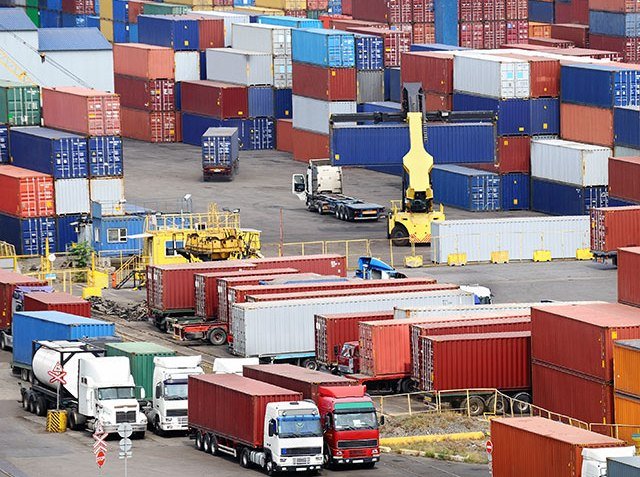
Pakistan is preparing a major shift in its trade policy. The federal government is moving toward reducing import duties and removing thousands of non-tariff barriers. Officials say this step aims to improve market access and support economic activity. Government plans to remove thousands of barriers Sources revealed that authorities plan to eliminate more than 2,660 non-tariff barriers. These restrictions currently slow down imports across multiple sectors. The affected industries include mobile phones, cars, dairy products, textiles, steel bars, and medicines. Officials believe these barriers increase costs and delay supply chains. As a result, businesses struggle to access essential raw materials. The government now wants to create a more open and competitive market environment. Authorities confirmed that the removal process will begin in June 2026. The plan will roll out in phases. The government aims to complete the full process by November 2026. IMF pushes for trade reforms Pakistan has assured the International Monetary Fund that it will implement these reforms. The IMF has consistently urged Pakistan to ease import restrictions. It believes that removing barriers will help stabilize the economy. Officials say the reforms will allow industries to import raw materials more easily. This step will support production and exports. It will also reduce pressure on local supply chains. The IMF views these changes as necessary for long-term economic stability. Pakistan’s commitment signals progress in ongoing economic negotiations. Budget to introduce key duty reductions The upcoming federal budget will play a crucial role in this transition. Officials plan to introduce changes in 76 Harmonized System codes. These codes define categories of imported goods. Authorities will likely present duty reductions through the Finance Bill. The goal is to lower import costs and encourage trade activity. Experts believe that reduced duties will benefit both businesses and consumers. Lower import costs can lead to more competitive prices in local markets. Phased strategy for smooth transition The government has designed a phased strategy to avoid sudden disruptions. Officials will gradually eliminate or simplify all identified barriers. The reforms fall under the Export Policy Order and Import Policy Order. Authorities have set a target to remove 2,662 barriers by June 2026. They plan to complete the remaining adjustments by November 2026. This phased approach will give industries time to adapt. It will also allow regulators to monitor the impact of changes. Auto sector set for major overhaul At the same time, the government is reviewing a new auto policy. This policy could bring significant changes to car imports. Officials are considering a gradual reduction in duties on used car imports. The new policy is expected to take effect from July 1, 2026. Sources said the draft policy includes a phased reduction in additional customs duties and regulatory duties. The plan spans four to five years. By 2030, authorities expect major cuts in customs duty rates. Older vehicles may enter the market The proposed policy could allow the import of vehicles older than five years. However, authorities will enforce strict safety and environmental standards. Officials will require proper certification before approving such imports. This condition aims to ensure road safety and environmental protection. Experts believe this move could increase competition in the local auto market. It may also provide consumers with more affordable vehicle options. Consultations with IMF continue Authorities are currently preparing the draft auto policy. They have started initial consultations with the IMF. Officials plan to finalize the draft within the current month. After that, the government will hold further discussions with the IMF. Once completed, authorities will present the policy to the federal cabinet for approval. This process highlights the government’s effort to align economic reforms with international expectations. Businesses expect mixed impact Industry experts predict mixed reactions from businesses. Importers and manufacturers may welcome easier access to raw materials. However, some local producers may face increased competition. Economists believe the reforms could boost efficiency in the long run. They argue that open markets encourage innovation and productivity. At the same time, policymakers will need to support local industries during the transition. Balanced implementation will remain key to success. Reform signals shift in economic strategy These planned changes reflect a broader shift in Pakistan’s economic strategy. The government aims to move toward a more open and competitive trade system. Officials believe that reducing barriers will strengthen economic resilience. It will also improve Pakistan’s position in global markets. As the reform process begins, businesses and consumers will closely watch its impact. The coming months will determine how effectively these policies reshape the country’s trade landscape.

CCP Allows Acquisition of Ranipur Sugar Mills by Saakh Pharma, United Ethanol
Business, Editor pick

CCP Allows Acquisition of Ranipur Sugar Mills by Saakh Pharma, United Ethanol

ISLAMABAD, APRIL 22, 2026: The Competition Commission of Pakistan (CCP) has authorized the acquisition of majority shareholding in M/s. Ranipur Sugar Mills (Private) Limited by M/s. Saakh Pharma Limited and M/s. United Ethanol Industries Limited under Phase-I review. Read More: https://theboardroompk.com/attock-refinery-shutdown-disrupts-fuel-supply-as-tanker-movement-halted-in-pakistan/ The target company, M/s. Ranipur Sugar Mills (Private) Limited, is engaged in the manufacturing and sale of sugar along with related by-products and power generation through an in-house facility. The acquirers M/s. Saakh Pharma Limited is a public listed company engaged in the manufacturing and sale of pharmaceutical and biological products, while M/s. United Ethanol Industries Limited operates in the ethanol and industrial products segment within the broader agribusiness sector. During the proceedings, it was noted that the transaction had been consummated prior to obtaining the Commission’s approval. The Commission emphasized that pre-merger approval is a mandatory statutory requirement for notifiable transactions and must be obtained before their execution. The applicants have submitted an undertaking to ensure strict compliance with the law in future. From a competition perspective, the Commission determined that the transaction constitutes a conglomerate merger, with no significant horizontal overlap between the business activities of the parties and only limited vertical interaction. The Commission observed that the target’s market presence remains limited and that there is no evidence of any significant supply dependency or competitive concern arising from the transaction. Based on its assessment, the Commission concluded that the transaction is unlikely to result in the creation or strengthening of a dominant position or to substantially lessen competition in the relevant markets. Accordingly, the CCP has authorized the transaction under the law. The merger reflects ongoing consolidation and diversification trends within Pakistan’s sugar and allied industries, particularly in value-added segments such as ethanol and bio-based products. Such integrations can enhance operational efficiencies, promote resource optimization, and support the development of downstream industries, provided they remain within the framework of competition law. The Commission remains committed to facilitating investment and business growth while ensuring that market structures remain competitive and do not harm consumer welfare.

SECP Approves IPOs of Sitara Petroleum and LSE SPAC-I, PSX Listings Expand
Business

SECP Approves IPOs of Sitara Petroleum and LSE SPAC-I, PSX Listings Expand

Pakistan’s capital market witnessed fresh momentum as the Securities and Exchange Commission of Pakistan (SECP) approves initial public offerings (IPOs) of two new companies, signaling growing investor confidence and increased corporate participation. The Securities and Exchange Commission of Pakistan on Wednesday granted approval for the IPOs of Sitara Petroleum Service Limited and LSE SPAC-I. Both companies will list their shares on the Pakistan Stock Exchange, according to an official press release. With these approvals, the total number of IPOs in the fiscal year 2025–26 has now reached 11, reflecting renewed activity in Pakistan’s equity market. Growing Trend of Capital Market Funding The latest development highlights a rising trend where companies prefer the stock market to raise capital for expansion and growth. The SECP approves IPOs at a time when businesses are actively seeking alternative financing channels beyond traditional banking systems. Officials noted that this trend is opening new investment avenues for individuals and institutions. It also indicates improving confidence in regulatory frameworks and market transparency. The SECP has allowed both companies to issue and publish their prospectuses. This step clears the way for their public offerings and formal entry into the market. SECP Urges Investor Caution While approving the IPOs, the SECP advised investors to carefully review the prospectuses before making investment decisions. The regulator emphasized the importance of informed investing in a dynamic market environment. Authorities reiterated their commitment to maintaining a transparent and investor-friendly system. The SECP approves IPOs under strict regulatory oversight to ensure fairness and accountability in the process. Sitara Petroleum IPO Details Sitara Petroleum Service Limited operates in Pakistan’s energy sector. The company is involved in fuel trading, retail operations, and transportation services. It functions as a dealer of gas and oil across various regions. As part of the SECP approves IPOs initiative, Sitara Petroleum will offer 168 million ordinary shares. The company will use the book-building method for price discovery and allocation. The offering represents 16.66 percent of its post-IPO paid-up capital. Of the total shares, 75 percent will go to institutional investors and high-net-worth individuals. The remaining 25 percent will be available for retail investors. This structure aims to balance participation between large investors and the general public. LSE SPAC-I The second company approved under the SECP approves IPOs framework is LSE SPAC-I. It marks a significant milestone as Pakistan’s first Special Purpose Acquisition Company (SPAC) under the public offering regime. SPACs are investment vehicles that raise funds through IPOs to acquire or merge with other companies. LSE SPAC-I plans to use its proceeds for strategic acquisitions within a three-year period. The company intends to acquire a 19.04 percent stake in Ningbo Green Light Energy Limited. This move indicates a cross-border investment strategy aimed at expanding into the energy sector. IPO Structure of LSE SPAC-I LSE SPAC-I will offer 5 million shares to the public. Unlike Sitara Petroleum, it will adopt a fixed price method for its IPO. This simpler pricing mechanism allows investors to subscribe at a predetermined price. It also reflects the unique nature of SPAC structures, which differ from traditional operating companies. The SECP approves IPOs of such innovative financial vehicles to diversify the investment landscape and attract new types of investors. Boost for Pakistan’s Equity Market Market analysts view the latest approvals as a positive signal for Pakistan’s financial ecosystem. The increasing number of IPOs indicates a shift toward capital market-based financing. The SECP approves IPOs at a time when the government is encouraging private sector growth and investment. More listings on the stock exchange can improve liquidity, transparency, and corporate governance. Investors also benefit from a wider range of opportunities, enabling them to diversify their portfolios. Strengthening Investor Confidence The steady flow of IPOs reflects strengthening investor confidence in Pakistan’s regulatory and financial systems. The SECP’s proactive approach plays a key role in building trust among stakeholders. By ensuring compliance and transparency, the regulator aims to protect investor interests while promoting market development. The SECP approves IPOs process also supports economic growth by channeling funds into productive sectors. IPO Activity Set to Accelerate Experts expect more companies to enter the market in the coming months. The success of recent IPOs may encourage other firms to consider public listings. With improved regulations and investor awareness, Pakistan’s stock market could witness sustained growth in the IPO segment. The approval of Sitara Petroleum and LSE SPAC-I represents another step toward a more vibrant and inclusive financial market.

HUBCO Profit Declines Despite Strong Operations Amid Rising Taxes
Business, Editor pick

HUBCO Profit Declines Despite Strong Operations Amid Rising Taxes

Pakistan’s largest Independent Power Producer, Hub Power Company Limited, reported a slight HUBCO profit decline in the third quarter of fiscal year 2025–26, as higher taxation and reduced revenues offset gains from operations and other income. According to a notice submitted to the Pakistan Stock Exchange on Wednesday, the company posted a consolidated profit of Rs12.13 billion for the quarter ending March 31, 2026. This reflects a nearly 3 percent drop compared to Rs12.48 billion recorded in the same period last year. Earnings and Dividend Announcement The HUBCO profit decline also impacted earnings per share (EPS), which fell to Rs8.33 from Rs8.51 in the corresponding period of the previous year. Despite the dip in profit, the company announced a strong interim dividend. HUBCO declared a cash dividend of Rs5 per share (50 percent) for the third quarter. This comes in addition to the earlier interim dividend of Rs10 per share (100 percent), signaling continued returns for shareholders. Revenue and Profit Margins Under Pressure The HUBCO profit decline comes amid a reduction in revenue from contracts with customers. The company’s consolidated revenue dropped nearly 4 percent to Rs16.5 billion in 3QFY26, compared to Rs17.1 billion in the same period last year. Meanwhile, the cost of revenue saw a modest decline of 2 percent, reaching Rs9.86 billion. However, the decrease in costs was not enough to offset the drop in revenue. As a result, HUBCO’s gross profit fell by 5 percent to Rs6.6 billion. The profit margin also slightly narrowed to 40.1 percent, compared to 40.9 percent in the previous year. Strong Growth in Other Income Despite the HUBCO profit decline, the company recorded a significant increase in other income. This segment surged by nearly 146 percent, reaching Rs3.96 billion compared to Rs1.61 billion last year. This sharp rise provided a cushion against declining revenues and highlights the company’s diversified income streams. Operational Performance Improves HUBCO’s core operations showed resilience during the quarter. Profit from operations increased by 18 percent to Rs9.85 billion, reflecting improved efficiency and cost management. The company also benefited from a reduction in financial expenses. Its cost of finance dropped by over 28 percent to Rs2.1 billion, easing pressure on overall profitability. Additionally, the company earned Rs11 billion from its share of profits in associates and joint ventures, marking an 8 percent increase. These gains contributed positively despite the overall HUBCO profit decline. Pre-Tax Profit Rises Sharply Interestingly, HUBCO’s profit before taxation increased by 20 percent to Rs18.8 billion. This indicates strong underlying performance before the impact of taxation. However, the significant rise in taxes reversed much of this gain, leading to the final HUBCO profit decline for the quarter. Tax Burden Weighs on Bottom Line One of the key reasons behind the HUBCO profit decline was a sharp increase in tax expenses. The company paid Rs6.7 billion in taxes during the quarter, representing a massive 127 percent rise compared to the previous year. This surge in taxation significantly impacted net profitability and offset improvements in operational and financial performance. Analysts note that rising tax burdens remain a major concern for companies operating in Pakistan’s energy sector. The latest financial results present a mixed picture for investors. While the HUBCO profit decline may raise concerns, strong operational growth, higher other income, and reduced finance costs indicate underlying stability. The continued dividend payouts also suggest confidence from management in the company’s financial health. However, the rising tax burden and declining revenues could pose challenges in the coming quarters if not addressed. Energy Sector Challenges Continue The performance of HUBCO reflects broader challenges faced by Pakistan’s power sector. Issues such as regulatory pressures, fluctuating demand, and financial constraints continue to affect profitability. Despite these challenges, HUBCO remains a key player in the country’s energy landscape. Its diversified operations and strategic investments provide some resilience against sector-wide difficulties.

Pakistan Stock Exchange Rally Gains Momentum as Investors Turn Bullish
Business

Pakistan Stock Exchange Rally Gains Momentum as Investors Turn Bullish

The Pakistan Stock Exchange Rally extended on Tuesday as stocks closed higher, driven by improved external inflows and easing global oil prices. The benchmark index at the Pakistan Stock Exchange reflected strong investor sentiment, with buying interest dominating the session. The KSE-100 Index settled at 173,155.79 points, climbing 959.09 points or 0.56 percent. The market remained upbeat throughout the day, reaching an intraday high of 175,298.11 points and a low of 172,837.79 points, indicating sustained accumulation across major sectors. Trading volumes remained robust at over 524 million shares in the benchmark index. Market breadth also stayed positive, as advancing stocks significantly outnumbered decliners, reflecting a broad-based rally across the bourse. Banking Stocks Lead Pakistan Stock Exchange Rally Commercial banks played a decisive role in driving the Pakistan Stock Exchange Rally. The banking sector contributed the majority of index points, supported by strong buying in major financial institutions. United Bank Limited emerged as the top contributor, followed by Bank Al Habib, Pakistan State Oil, Meezan Bank and Attock Refinery. These heavyweights collectively pushed the index higher, offsetting declines in select energy and cement stocks. Sector-wise performance showed that commercial banks added over 844 points to the index. Oil and gas marketing companies, refineries, pharmaceuticals and textile composites also supported the upward momentum. However, exploration companies and cement stocks limited further gains. Top Gainers and Decliners in Today’s Session Among individual stocks, YOUW led the gainers with a sharp increase of over 21 percent. Other notable performers included GADT, CNERGY, NPL and UBL, all posting solid gains. On the downside, CHCC, KTML, LOTCHEM, PABC and NBP ended the session lower, reflecting selective profit-taking by investors. Despite these declines, the broader trend remained positive. The most actively traded shares included CNERGY, BOP, PRL, WTL, KEL, KOSM, UNITY, NCPL, CSIL and PIBTL. These stocks dominated volumes, highlighting strong retail participation in the market. Saudi Deposit Boosts Confidence in Pakistan Stock Exchange Rally Investor sentiment strengthened after the State Bank of Pakistan confirmed receiving one billion dollars from the Ministry of Finance of Saudi Arabia. This amount represents the second tranche of a three billion dollar deposit facility. The inflow provided crucial support to Pakistan’s foreign exchange reserves and reinforced confidence in macroeconomic stability. Analysts believe such inflows reduce external financing risks and encourage institutional investors to increase exposure to equities. Global Oil Prices Add Support to Market International developments also supported the Pakistan Stock Exchange Rally. Oil prices declined amid expectations of renewed diplomatic engagement between the United States and Iran. Lower oil prices are generally favorable for Pakistan, which relies heavily on energy imports. Market participants remain optimistic that potential diplomatic progress could ease supply constraints and stabilize energy costs. This outlook improved sentiment in oil marketing and refinery sectors, contributing to overall gains. Broader Market Performance Remains Positive The All-Share Index also closed higher at 103,349.02 points, gaining 560.51 points. Total market volume crossed 1.16 billion shares, while traded value reached Rs54.94 billion, indicating strong liquidity. Out of 489 companies traded, 279 advanced, 165 declined and 45 remained unchanged. This performance signals a healthy and broad-based market rally. Fiscal Year Performance of KSE-100 The benchmark index has gained 47,528 points during the current fiscal year, reflecting a rise of nearly 38 percent. However, on a calendar year basis, the index remains slightly down by 899 points, indicating recent volatility despite strong fiscal-year performance. Outlook: Can Pakistan Stock Exchange Rally Continue Analysts believe the Pakistan Stock Exchange Rally may continue if foreign inflows remain stable and global oil prices stay subdued. Banking sector strength, improved reserves and geopolitical easing are key factors supporting the bullish outlook. However, investors remain cautious about inflation trends, monetary policy direction and political developments. Any negative surprise could trigger profit-taking in the near term. Overall, the market tone remains optimistic, with strong participation and improving macroeconomic indicators supporting further upside potential in the Pakistan Stock Exchange.

Matco Foods Restructuring Signals Strategic Shift in Pakistan’s Food Industry
Business

Matco Foods Restructuring Signals Strategic Shift in Pakistan’s Food Industry

Matco Foods restructuring has captured attention across Pakistan’s business community after the listed rice exporter announced a significant internal consolidation move. The company has approved the transfer of key operational assets in Gujranwala to its wholly owned subsidiary, Falak Foods Ltd., signaling a broader effort to streamline operations and strengthen its corporate structure. The decision, disclosed in a regulatory filing to the Pakistan Stock Exchange, reflects a strategic attempt to optimize production control while maintaining ownership within the group. Market analysts view the move as part of a growing trend among Pakistani agribusiness firms seeking operational efficiency through subsidiary based structuring. Matco Foods Restructuring: What the Board Approved The Matco Foods restructuring plan was approved by the company’s board through circulation on April 20, 2026. The decision authorizes two major steps. First, Matco Foods will participate in a rights issue of Falak Foods. Second, the company will transfer a 3.47 acre industrial property along with plant, machinery, and equipment to the subsidiary. This transfer will be executed against cash consideration. Falak Foods will fund the transaction through its upcoming rights issue, allowing capital to remain within the group. Importantly, Matco Foods confirmed it will continue to hold full ownership of Falak Foods even after the restructuring. The restructuring effectively shifts operational control of the Gujranwala unit to the subsidiary while keeping strategic oversight centralized at the parent level. Gujranwala Facility at the Center of the Restructuring The Matco Foods restructuring involves land and an operational business unit located in Tehsil Kamoki, District Gujranwala. This facility plays a key role in production and operational activities within the group’s rice processing network. By transferring the asset, the company appears to be consolidating production under Falak Foods, which may enhance operational efficiency and improve management focus. Such restructuring allows companies to separate operational execution from strategic oversight, a model increasingly used in Pakistan’s food sector. Although the company did not disclose the financial value of the transaction, analysts believe the move is primarily structural rather than driven by immediate capital gains. The absence of a timeline for completion suggests that the process may be executed in phases. Why Matco Foods Restructuring Matters The Matco Foods restructuring highlights a broader shift in corporate strategy among listed food companies. Instead of expanding through new acquisitions, firms are optimizing internal assets and reallocating capital to subsidiaries. This approach can deliver multiple benefits. It simplifies operational management by grouping production activities. It enhances financial transparency by separating business units. It also improves access to funding, as subsidiaries can raise capital independently through rights issues. In the case of Matco Foods, the restructuring also builds on earlier disclosures made in January 2026, indicating a phased and carefully planned consolidation strategy. Growing Trend in Pakistan’s Agribusiness Sector The Matco Foods restructuring reflects a growing trend among Pakistan’s agribusiness companies to streamline operations. Firms are increasingly adopting subsidiary based structures to manage risks, improve efficiency, and allocate capital more effectively. This shift is particularly relevant in a competitive export environment where margins are under pressure. By consolidating production under focused entities, companies can reduce administrative overheads and strengthen operational control. Investors often view such restructuring positively when it signals improved governance and clearer operational focus. However, the absence of financial details in this case may leave some stakeholders waiting for further disclosures. Outlook After the Restructuring The Matco Foods restructuring is expected to strengthen internal coordination while maintaining group ownership. If executed effectively, the move could enhance operational efficiency and position the company for future growth. While the market awaits details on valuation and timeline, the development underscores how Pakistani food exporters are adapting their corporate structures to remain competitive. The restructuring may also encourage other listed agribusiness firms to adopt similar strategies.

Scroll to Top