Business

PSO announced net profit of PKR 38.1 billion in 9MFY26
Business, Editor pick

PSO announced net profit of PKR 38.1 billion in 9MFY26

Karachi –Pakistan State Oil (PSO) has announced its financial results for the nine months of Financial Year 26 ended March 31, 2026 (9MFY26), showcasing an extraordinary period of resilience and growth. Despite facing one of the most volatile operating environments in recent history, the company achieved a significant surge in profitability. Read More: https://theboardroompk.com/oil-prices-surge-above-110-amid-strait-of-hormuz-tensions/ On a standalone basis, PSO recorded a robust net profit of PKR 38.1 billion, representing a substantial increase over the PKR 15.3 billion reported during the same period last year. This momentum translated into a significant rise in earnings per share to PKR 81.19, while gross sales for the period stands at PKR 2.4 trillion. The Group’s consolidated performance mirrored this success, with PSO’s share climbing to PKR 39.4 billion and consolidated earnings per share rising to PKR 83.93, highlighting a period of exceptional profitability in PRL. The third quarter of FY26 was characterized by extreme global economic stress as military escalations in the Middle East led to the effective closure of the Strait of Hormuz. This crisis triggered the largest inflation-adjusted crude oil price spike since 1988, with Brent crude skyrocketing from $69 to $103 per barrel in a single month. The market was further strained by Force Majeure declarations from G-to-G Suppliers; QatarEnergy and Kuwait Petroleum Corporation, which disrupted the delivery of critical LNG and High-Speed Diesel cargoes. In response to these unprecedented challenges, PSO acted with strategic foresight and agility to safeguard Pakistan’s energy security. By securing alternate international sources and increasing reliance on domestic refineries, the company successfully mitigated supply disruptions that impacted other market participants. PSO, maintaining its leadership in the white oil segment with a 42.6% market share with total sales of 5,163 KMT. This dominance was supported by a 42.4% share in Diesel and a 37.8% share in MoGas. In the Aviation segment, the company held an unrivalled 99.2% market share, while the Lubricants business achieved a 16% volumetric growth. The LPG segment set a new benchmark, achieving record cumulative sales of 46,895 MT, reflecting a 10% year-on-year
GLAXO Posts 23% Profit Surge in Q1 2026 on Strong Margins and Lower Finance Costs
Business

GLAXO Posts 23% Profit Surge in Q1 2026 on Strong Margins and Lower Finance Costs

Pakistan-based pharmaceutical giant GlaxoSmithKline Pakistan Limited reported an impressive 23% year-on-year increase in net profit for the first quarter ending March 2026, highlighting robust operational performance and improved cost efficiency. Read More: https://theboardroompk.com/govt-allocates-rs4-4-billion-to-clear-pia-retirees-dues-amid-ongoing-restructuring/ The company’s net earnings rose to Rs2.61 billion, up from Rs2.13 billion in the same period last year, while earnings per share climbed to Rs8.20 from Rs6.68. This growth was largely driven by stronger revenues and controlled production costs. Net sales increased by 9% to Rs17.03 billion, whereas the cost of sales grew at a slower pace of 4%, allowing gross profit to jump 20% to Rs6.38 billion. Despite a rise in operating expenses—including higher spending on marketing, distribution, and administration—the company maintained solid profitability. Operating profit expanded by 19% to Rs4.31 billion, supported by improved margins. A major boost came from a sharp decline in financial charges, which dropped by around 80% to just Rs23 million. This reduction significantly strengthened profit before tax, which increased by over 20% to Rs4.29 billion. Even after a higher tax burden of Rs1.68 billion, the company successfully delivered strong bottom-line growth, underscoring its resilience and operational discipline in a challenging economic environment. Overall, the results reflect a combination of steady revenue expansion, effective cost management, and reduced debt-related expenses—positioning GLAXO as a strong performer in Pakistan’s pharmaceutical sector.

Karachi Chamber hails Maritime Minister, KPT leadership for timely intervention
Business

Karachi Chamber hails Maritime Minister, KPT leadership for timely intervention

KARACHI: Chairman Businessmen Group Zubair Motiwala and President Karachi Chamber of Commerce & Industry (KCCI), Muhammad Rehan Hanif have highly appreciated Federal Minister for Maritime Affairs Junaid Anwar Chaudhry, Chairman Karachi Port Trust (KPT) Rear Admiral (Retd.) Shahid Ahmed and KPT Trustee Abdullah Zaki for facilitating the country’s export sector through substantial relief in storage and demurrage charges at Karachi Port. Read More: https://theboardroompk.com/mondelez-dominates-effie-awards-2026-with-6-awards-accolades/ In a joint statement issued here, Zubair Motiwala and Rehan Hanif paid glowing tribute to Maritime Affairs Junaid Anwar Chaudhry for spearheading a series of decisive and timely measures aimed at safeguarding exporters’ interests during a period of heightened global shipping disruptions, particularly affecting Gulf-bound consignments. They also commended Chairman KPT Shahid Ahmed and KPT Trustee Abdullah Zaki for their proactive role in engaging terminal operators and ensuring swift implementation of relief measures for the business community. They noted that following effective coordination by the Ministry of Maritime Affairs and KPT, leading terminal operators including Karachi Gateway Terminal Limited (KGTL), Karachi International Container Terminal (KICT), and South Asia Pakistan Terminals (SAPTL) agreed to provide significant concessions in storage and demurrage charges for export containers, particularly those destined for Gulf countries that had been held up due to extraordinary circumstances. This pro-business step would surely provide much-needed financial breathing space to exporters struggling with rising logistics costs, they added. Zubair Motiwala and Rehan Hanif emphasized that this landmark initiative reflects the government’s strong commitment to protecting Pakistan’s export competitiveness at a time when global maritime trade has been facing unprecedented challenges, including regional tensions and supply chain disruptions.They were of the view that these measures are part of a broader reform agenda under Minister Junaid Anwar Chaudhry, who has been actively pursuing policies to transform Karachi Port into a regional transshipment hub, including incentives in port dues, berthing, and storage to boost trade activity and attract international shipping lines. The timely reduction in storage and demurrage charges has come as a major relief for exporters, particularly those dealing with Gulf markets, who were facing severe financial stress due to unexpected delays. This intervention has not only reduced cost pressures but has also restored confidence within the business community, they stated. Chairman BMG and President KCCI further remarked that such business-friendly policies are essential for enhancing Pakistan’s export performance, improving port efficiency, and strengthening the country’s position in regional and global trade corridors. They expressed hope that the Ministry of Maritime Affairs and KPT would continue to engage with stakeholders and introduce further facilitative measures to streamline port operations, reduce the cost of doing business, and fully realize the potential of Pakistan’s blue economy. While reaffirming KCCI’s full support to the government’s reform initiatives, Zubair Motiwala and Rehan Hanif reiterated the Chamber’s commitment to working closely with all relevant authorities to promote sustainable economic growth and export-led development.

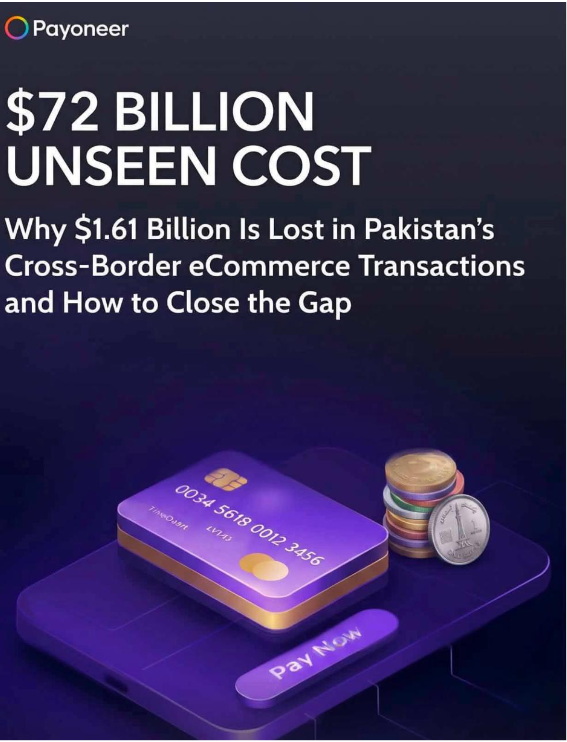
Pakistan’s e-commerce loses $1.61b annually due to checkout inefficiencies, driven by cart abandonment, payment settlement delays
Business

Pakistan’s e-commerce loses $1.61b annually due to checkout inefficiencies, driven by cart abandonment, payment settlement delays

Pakistan’s rapidly expanding e-commerce sector is facing a growing source of value leakage, with billions lost at the checkout stage despite strong consumer demand. Read More: https://theboardroompk.com/pakistan-power-sector-overhaul-nepra-concurrence-regulations-2026-reshape-energy-investment/ Across Asia, merchants are losing an estimated $72 billion annually to checkout inefficiencies, according to a new Payoneer white paper. Within this broader regional challenge, Pakistan alone accounts for a substantial $1.61 billion in annual revenue loss at checkout, underscoring a significant gap in the country’s digital trade ecosystem. This value gap is led by $0.97 billion lost to cart abandonment, followed by $0.46 billion in settlement delays and $0.18 billion in FX and payment-related leakage. Despite strong buyer intent, many transactions fail to convert at checkout due to payment declines, unclear costs, and delayed settlement, limiting the revenue businesses ultimately capture. Cart abandonment remains the largest contributor, accounting for over 60% of the total loss, primarily driven by friction at checkout, such as unexpected fees and payment-related drop-offs. For cross-border sellers, this challenge becomes more pronounced as global buyers increasingly expect localized payment methods and transparent pricing in their own currency. At the same time, layered payment systems and foreign exchange costs continue to erode merchant margins. As transactions move across multiple intermediaries, businesses lose a portion of their revenue at each step, reducing overall profitability. Settlement delays further compound the issue by locking up funds in transit, restricting cash flow at a time when businesses need liquidity to fulfil orders and scale operations. The findings highlight a structural gap in Pakistan’s e-commerce ecosystem. While businesses are increasingly tapping into global markets, the financial systems supporting cross-border transactions have yet to fully catch up. Industry insights suggest that addressing these inefficiencies requires a more structured approach to payments and settlement. This starts with identifying where transactions fail and where value is lost across the payment lifecycle, followed by reducing fragmentation by streamlining payment and banking relationships. Strengthening checkout through localized payment methods and clear, local-currency pricing can help improve conversion, while faster and more predictable settlement cycles are critical to unlocking liquidity and improving cash flow. As Pakistan positions itself within Asia’s fast-growing digital economy, improving checkout conversion, payment flows, and settlement efficiency could unlock significant value, turning lost revenue into realized growth for exporters and online sellers alike.

Bank of Punjab Profit Surge 2026: Earnings Skyrocket 2.6x in Q1
Business

Bank of Punjab Profit Surge 2026: Earnings Skyrocket 2.6x in Q1

The Bank of Punjab Profit Surge 2026 has taken the financial market by surprise, as Bank of Punjab (PSX: BOP) delivered an extraordinary performance in the first quarter ending March 31, 2026. The bank posted a massive 2.6x increase in net profit, reaching Rs4.69 billion compared to Rs1.79 billion in the same period last year. Read More: https://theboardroompk.com/lucky-core-industries-profit-decline-2026-shocks-investors-as-earnings-drop-27/ This remarkable growth signals a powerful turnaround story for BOP, positioning it as one of the standout performers in Pakistan’s banking sector. BOP Earnings Explosion: What Drove the Bank of Punjab Profit Surge 2026 At the heart of the Bank of Punjab Profit Surge 2026 lies a dramatic reduction in the bank’s cost of funds. While total mark-up earned slightly dipped by 3 percent to Rs66.93 billion, the real game-changer was a sharp 17 percent reduction in mark-up expenses. In simple terms, the bank paid significantly less to generate its income, which boosted profitability. This shift expanded net interest income by an impressive 47 percent, climbing to Rs22.11 billion. This margin expansion is not just a number. It reflects smarter financial management, improved deposit mix, and better pricing strategies. Non-Funded Income Strengthens the Bank of Punjab Profit Surge 2026 Another major pillar supporting the Bank of Punjab Profit Surge 2026 was the strong performance of non-funded income streams. Fee and commission income surged by 55 percent, reaching Rs5.06 billion, showing increased customer activity and service penetration. Foreign exchange income also grew by 28 percent, contributing Rs741 million. Even though the bank faced a net loss on securities of Rs105 million compared to a gain last year, the strong fee-based income more than compensated for it. Overall, non-mark-up income increased by 27 percent to Rs5.74 billion. Total Income Growth Outpaces Rising Costs The Bank of Punjab Profit Surge 2026 was not without cost pressures. Operating expenses rose by 22 percent to Rs17.65 billion, largely due to inflation and expansion-related costs. However, revenue growth far outpaced these increases. Total income jumped 42 percent to Rs27.85 billion, allowing the bank to absorb higher expenses comfortably. As a result, profit before credit loss allowance nearly doubled, rising 99 percent to Rs9.98 billion. This highlights the bank’s operational strength and ability to scale profitably. Asset Quality Turns the Tide in Bank of Punjab Profit Surge 2026 A defining factor in the Bank of Punjab Profit Surge 2026 was a sharp improvement in asset quality. The bank recorded a net reversal of credit loss provisions amounting to Rs179 million. This is a major turnaround from last year’s provision charge of nearly Rs998 million. It indicates better loan recovery, improved risk management, and a healthier loan portfolio. Consequently, profit before taxation surged 152 percent to Rs10.16 billion. Tax Impact and Final Profit Outcome Despite a heavy tax burden, which rose 145 percent to Rs5.47 billion, the bank maintained strong bottom-line growth. The Bank of Punjab Profit Surge 2026 ultimately resulted in a net profit of Rs4.69 billion, with earnings per share jumping to Rs1.43 from Rs0.53 last year. This reflects a 170 percent increase in shareholder returns. Key Financial Highlights Explained Instead of complex tables, here is a simplified breakdown of what changed: • Net interest income rose sharply due to lower funding costs• Fee and commission income surged, showing stronger business activity• Foreign exchange income added additional gains• Operating costs increased but were outweighed by revenue growth• Provision reversal significantly boosted profitability• Tax expenses increased but did not derail overall profit growth What the Bank of Punjab Profit Surge 2026 Means for Investors The Bank of Punjab Profit Surge 2026 signals a strong recovery phase and improved financial discipline. With better margins, diversified income streams, and improved asset quality, BOP is positioning itself for sustained growth. If these trends continue, the bank could strengthen its standing among Pakistan’s leading financial institutions and attract greater investor confidence. A Breakout Quarter for BOP The Bank of Punjab Profit Surge 2026 is more than just a strong quarterly result. It represents a strategic shift toward efficiency, resilience, and profitability. With rising earnings, improving asset quality, and strong operational momentum, BOP has set a high benchmark for the rest of the year.

Lucky Core Industries Profit Decline 2026: Shocks Investors as Earnings Drop 27%
Business

Lucky Core Industries Profit Decline 2026: Shocks Investors as Earnings Drop 27%

The Lucky Core Industries profit decline 2026 has sent ripples across Pakistan’s corporate landscape, as Lucky Core Industries Limited reported a steep 27.58% drop in net profit for the nine months ended March 31, 2026. Read More: https://theboardroompk.com/strait-of-hormuz-crisis-pakistan-warns-of-global-economic-shockwaves/ Profit after tax fell to Rs6.50 billion, compared to Rs8.98 billion in the same period last year, signaling a challenging phase for one of Pakistan’s most diversified industrial players. Earnings per share mirrored this decline, sliding to Rs14.08 from Rs19.45 a clear indication of shrinking shareholder returns and mounting operational pressures. Revenue Weakness Drives Lucky Core Industries Profit Decline 2026 At the heart of the Lucky Core Industries profit decline 2026 lies a weakening top line. Net turnover dropped 7.24% year-on-year to Rs85.39 billion, down from Rs92.05 billion. While revenues fell, costs did not adjust proportionately. Cost of sales declined only 5.78%, creating a mismatch that squeezed margins. This imbalance resulted in gross profit shrinking by 12.18% to Rs18.42 billion. In simple terms, the company earned less but continued to spend at nearly the same pace a combination that inevitably eroded profitability. Cost Pressures and Administrative Expansion Hurt Margins Even as selling and distribution expenses saw a modest decline of 6.08%, administrative and general expenses surged sharply by 15.83% to Rs2.05 billion. This rise in overheads added further strain, dragging operating profit down by 18.24% to Rs11.20 billion. The takeaway is clear: while some cost controls were attempted, rising administrative expenses offset those gains and deepened the earnings slump. Other Income Collapse Amplifies Earnings Pressure A major contributor to the Lucky Core Industries profit decline 2026 was the sharp drop in other income, which fell by 41.91% to Rs1.64 billion. In the previous year, additional income streams provided a cushion to overall profitability. This year, that cushion largely disappeared. Adding to the pressure, a one-off gain of Rs292.56 million recorded last year was absent, creating a strong negative base effect. Rising Charges and Exchange Losses Add to the Burden The company also faced increasing non-operational pressures: • Exchange losses surged by over 40%, reflecting currency volatility• Other charges nearly doubled, rising 90.59%• Finance costs remained largely unchanged, offering minimal relief Although worker-related funds declined due to lower profitability, the overall cost environment remained unfavorable. A Rare Bright Spot in an Otherwise Weak Performance Amid the downturn, one positive surprise emerged. The share of profit from associates surged by over 500%, reaching Rs175 million. However, this gain was too small to offset the broader decline across core business segments. Profit Before Tax and Final Earnings Snapshot Breaking down the numbers into plain terms: • Profit before tax dropped by 26% to Rs10.58 billion• Final taxes increased significantly, adding further pressure• Income tax declined due to lower earnings, offering partial relief Ultimately, net profit settled at Rs6.50 billion, marking a 27.58% contraction, the defining figure of the Lucky Core Industries profit decline 2026. What This Means for Investors and Market Outlook The latest results raise critical concerns for investors: • Sustained revenue decline signals weakening demand or competitive pressure• Rising administrative costs hint at inefficiencies• Reduced other income exposes reliance on non-core earnings While the company still maintains profitability, the sharp decline suggests a transition phase that could impact investor confidence in the near term. A Turning Point for Lucky Core Industries The Lucky Core Industries profit decline 2026 is more than just a temporary dip it reflects deeper structural challenges in revenue growth, cost management, and income diversification. For stakeholders, the key question now is whether the company can stabilize margins and revive growth momentum in the coming quarters. The next financial results will be critical in determining whether this downturn is a short-term setback or the beginning of a longer corrective cycle.

Nishat Group and iCAUR Sign Strategic Partnership to Expand Pakistan’s New Energy Market
Business

Nishat Group and iCAUR Sign Strategic Partnership to Expand Pakistan’s New Energy Market

On April 24th, NextGen Auto Pvt. Ltd under the Nishat Group from Pakistan and premium new energy mobility brand iCAUR International officially signed a strategic cooperation agreement in Beijing. Both sides will combine their strengths to expand iCAURs presence in Pakistan, promoting the growth of the country’s new energy mobility ecosystem through technology integration and localized collaboration. Company representatives, industry experts, and media gathered to witness this milestone partnership. As one of Pakistan’s leading business groups, Nishat Group operates across key sectors including textiles, cement, banking, insurance, power, and agriculture. With solid industry experience and refined operations, it plays an important role in driving the country’s economic growth. The group covers a full industrial chain spanning manufacturing, finance, and energy, with strong capabilities in resource integration and market expansion. This partnership with iCAUR International marks a key step in Nishat Group’s expansion into the new energy sector. It brings in advanced technologies to support a more sustainable transformation of Pakistan’s automotive industry and strengthen its competitiveness in the local market. iCAUR focuses on creating new energy vehicles that combine classic design, smart technology, and sustainability. Built on its strengths in electrification and intelligent systems, iCAUR features industry-leading i-AWD (intelligent All-Wheel Drive) system and the Golden REEV (Range-Extended Electric Vehicle), along with global quality standards. It delivers a smooth experience for daily commuting, worry-free long-distance travel, and confident off-road performance. The brand is designed for those with a sense of style and a spirit of exploration, from urban explorers to outdoor adventurers. Together with its users, iCAUR aims to create a lifestyle that blends classic design, user-oriented technology, and shared sustainability. This strategic partnership marks the beginning of cooperation between Nishat Group and iCAUR International in Pakistan’s new energy market. Driven by innovation and focused on user needs, both sides will work together to build a complete system covering products, services, and the broader ecosystem. It aims to bring smarter and more sustainable mobility to consumers in Pakistan, while contributing new momentum to the country’s economic and environmental development. At the same time, iCAUR’s modified models and the AiMOGA robots at the Beijing Auto Show were well received.

DIB Pakistan & Pocket Joined Hands to Unlock Seamless USD Inflows For Home Remittances and Freelancers Nationwide
Business

DIB Pakistan & Pocket Joined Hands to Unlock Seamless USD Inflows For Home Remittances and Freelancers Nationwide

Karachi: DIB Pakistan and Pocket Money have entered a strategic partnership to enable seamless US Dollar-to-Rupee cashouts across Pakistan, bringing a new level of speed, compliance, and convenience to both cross-border home remittances, and international transactions for freelancers. Read More: https://theboardroompk.com/fbr-suspends-valuation-hike-for-used-mobile-phones-after-sindh-high-court-intervention/ This partnership marks a significant milestone in Pakistan’s digital financial landscape, by combining DIB Pakistan’s growing presence and ethical finance with Pocket Money’s user-focused platform. The two companies aim to set a new standard for compliant, accessible cross-border payments. This initiative will bring more of Pakistan’s growing freelance and remote workforce into the formal economy. Muhammad Ali Gulfaraz, CEO, DIB Pakistan, stated “DIB is committed to enabling innovative, secure, and ethical financial solutions that meet the evolving needs of our customers. Our partnership with Pocket Money represents a meaningful step forward for Pakistan’s digital payments ecosystem, providing a seamless, regulated pathway for US Dollar inflows to reach individuals in Rupees. We believe this will empower freelancers, remote workers, and families across the country with faster, more reliable access to their earnings, while strengthening the formal economy.” Moe Jangda, CEO, Pocket Money commenting on the occasion, stated, “With DIB Pakistan’s regulated infrastructure, Pocket Money users can now process their US Dollar earnings on a secure and trusted platform. This partnership delivers a defining capability for our users, backed by a name they already know and trust.” The collaboration is underpinned by formal regulatory approval: following DIB’s application to the State Bank of Pakistan, the specific use case was sanctioned, establishing a fully compliant and regulated framework for the service. About DIB Pakistan DIB Pakistan Ltd is a regulated financial institution offering a range of banking and payment solutions in Pakistan, with a focus on innovation, compliance, and customer-centric service. About Pocket Money Pocket Money is a digital financial platform offering US Dollar Accounts and cross-border payment solutions to users in Pakistan, enabling seamless receipt and conversion of international funds.

SBP Raises Policy Rate by 100bps to 11.50% Amid Business Concerns
Business

SBP Raises Policy Rate by 100bps to 11.50% Amid Business Concerns

The State Bank of Pakistan (SBP) has increased the policy rate by 100 basis points to 11.50 percent. This decision takes effect from April 28, 2026, following the Monetary Policy Committee meeting on April 27. Read More: https://theboardroompk.com/ke-ventures-appoints-adeeb-ahmad-as-ceo/ Business Community Reacts Strongly Pakistan Business Forum (PBF) expressed surprise over the rate hike. They questioned why the government continues to overlook the ease of doing business. The increase in interest rates will create further difficulties for the private sector in accessing loans. This was stated by PBF President Khawaja Mahboob-ur-Rehman. Current business costs in Pakistan are already 34 percent higher than in the region. The forum highlighted this gap as a major challenge for competitiveness. Impact on Investment and Growth Business leaders expected a single-digit interest rate to encourage both local and foreign investors. The hike has dashed those hopes. PBF urged the government to seize the opportunity to bring back Pakistani investments from Dubai. They said serious policy measures are needed for this. Just three days ago, the government raised petroleum levy by Rs27. Now this rate increase adds more pressure on businesses. Calls for Rupee Stability PBF believes the upcoming budget will focus heavily on new taxes. They see the monetary policy as a clear signal in this direction. If the IMF is effectively running the economy, the business community should be informed clearly. The forum demanded transparency. Considering current foreign exchange reserves, the rupee should be around 240 against the US dollar, according to PBF. Rapid depreciation of the rupee was a key reason for economic distortions. Strengthening the currency could resolve half the problems. Way Forward The economy now needs to shift towards growth. Bold decisions are inevitable for sustainable recovery.The government must create a business-friendly environment. In return, the business community is ready to provide full economic support. PBF also noted that while UAE investments were returned, Pakistani taxpayers continue to pay $207 million in annual interest on related debts. Keywords: SBP Policy Rate, Pakistan Business Forum, Interest Rate HikeMeta Description: SBP raises policy rate by 100bps to 11.50%. Pakistan Business Forum criticizes the move, warning of higher borrowing costs and challenges for private sector growth and investment.

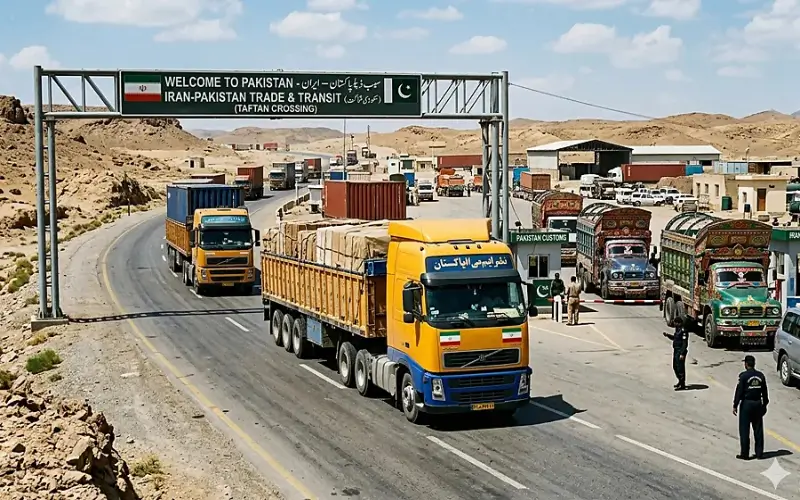
Pakistan-Iran Transit Trade Order 2026 Issued to Boost Regional Connectivity
Business

Pakistan-Iran Transit Trade Order 2026 Issued to Boost Regional Connectivity

The federal government has issued a major policy order to streamline Pakistan-Iran transit trade and improve cross-border connectivity. The move aims to facilitate smoother movement of goods through Pakistan into Iran. Officials say the decision will reduce delays and strengthen bilateral trade ties. According to SRO 691(I)/2026, issued on April 25, 2026, the government introduced the “Transit of Goods through Territory of Pakistan Order 2026.” Authorities framed this order under the bilateral agreement on international road transport signed between Pakistan and Iran in 2008. New Order to Simplify Trade Routes The new policy sets clear rules for transporting goods across Pakistan’s territory. It focuses on reducing bureaucratic hurdles. It also ensures better coordination between customs, border authorities, and transport operators. Officials confirmed that the order will allow foreign cargo destined for Iran to pass through Pakistan under defined procedures. This step will improve efficiency at border crossings. It will also reduce waiting times for transport vehicles. Moreover, authorities expect the new framework to attract more regional trade traffic. By simplifying processes, Pakistan aims to position itself as a key transit hub connecting South Asia, Central Asia, and the Middle East. Strengthening Pakistan-Iran Economic Relations The development signals a renewed push to strengthen economic ties between Pakistan and Iran. Both countries have long shared trade and energy interests. However, logistical and regulatory challenges often slowed progress. Now, with the implementation of the 2026 transit order, both sides aim to unlock new trade potential. Officials believe improved transit systems will encourage exporters and importers to use land routes more frequently. In addition, the policy aligns with broader regional connectivity goals. It complements Pakistan’s efforts to enhance trade corridors and expand its role in regional supply chains. Key Features of the Transit Order The “Transit of Goods through Territory of Pakistan Order 2026” introduces several important measures. First, it defines the legal framework for goods passing through Pakistan without entering the domestic market. Second, it outlines documentation requirements for transport operators. This ensures transparency and reduces the risk of misuse. Authorities will monitor shipments through digital tracking systems to enhance security. Third, the order specifies designated routes for transit traffic. This will help manage logistics efficiently. It will also minimize congestion at key entry and exit points. Furthermore, customs officials will supervise all transit consignments. They will ensure compliance with national laws and international agreements. Focus on Border Efficiency and Security The government has emphasized both efficiency and security in the new policy. While it aims to speed up trade, it also introduces strict monitoring mechanisms. Authorities will use modern tracking systems to follow cargo movement. This step will prevent illegal trade activities. It will also build confidence among international partners. At the same time, border infrastructure will receive attention. Improved facilities will help handle increased trade volumes. Officials expect smoother operations at major crossings connecting Pakistan and Iran. Economic Impact and Trade Opportunities Experts believe the new transit policy could generate significant economic benefits. Increased trade traffic will boost revenue through transit fees and services. It will also create opportunities for the logistics and transport sectors. Additionally, local businesses may benefit from improved connectivity. Warehousing, freight services, and border markets could see increased activity. The move may also strengthen Pakistan’s position in regional trade networks. By offering efficient transit routes, the country can attract cargo flows from neighboring regions. Alignment with Regional Connectivity Vision The transit order reflects Pakistan’s broader strategy to enhance regional integration. The government has been focusing on improving road networks and trade corridors in recent years. This initiative supports that vision. It connects Pakistan more effectively with Iran and beyond. It also complements other regional projects aimed at boosting trade flows. Officials say the policy will help build long-term economic partnerships. It will also promote stability through increased economic cooperation. Implementation and Future Outlook Authorities have begun implementing the new transit framework immediately after its issuance. Relevant departments are coordinating to ensure smooth execution. Transport operators and traders have welcomed the move. They expect reduced costs and faster delivery times. However, they also stress the need for consistent enforcement and infrastructure upgrades.

Scroll to Top