Business

Saquib Fayyaz Magoon of BMPP Calls for Industry- and Export-Friendly Budget
Business

Saquib Fayyaz Magoon of BMPP Calls for Industry- and Export-Friendly Budget

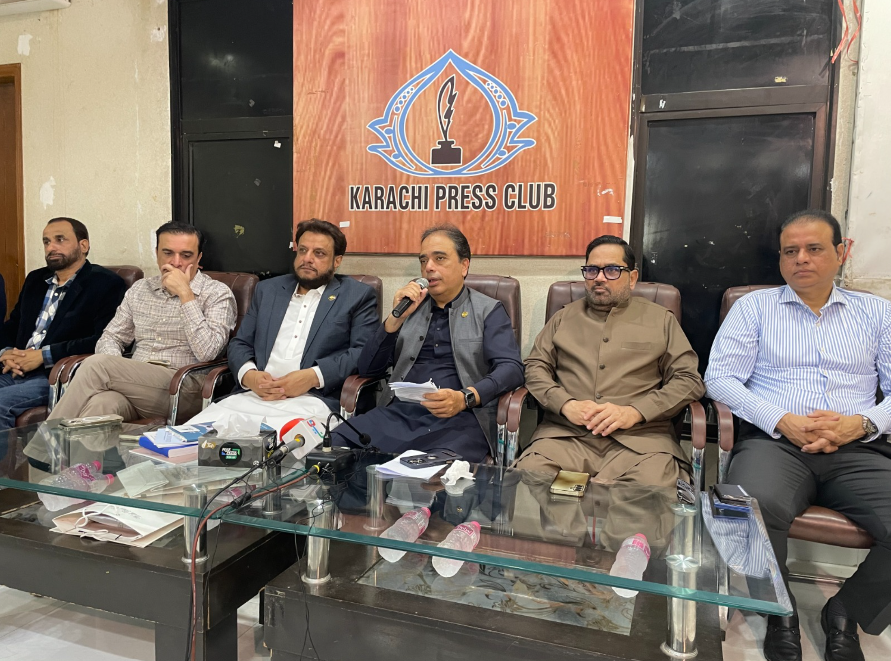
KARACHI: The Businessmen Panel Progressive (BMPP) has urged the government to prioritize export growth, industrial development, and expansion of the tax base in the upcoming federal budget, while reducing the cost of doing business by lowering the General Sales Tax (GST) to 15 percent and abolishing the Super Tax. Addressing a press conference at the Karachi Press Club, BMPP Chairman and Senior Vice President of Federation of Pakistan Chambers of Commerce and Industry, Saquib Fayyaz Magoon, said the forthcoming budget should focus on export-led growth, tax reforms, and relief for the manufacturing sector. He stressed that reducing the cost of doing business and broadening the tax net were essential, while imposing additional taxes on already compliant sectors was counterproductive. FPCCI Vice Presidents Amanullah Paracha and Asif Sakhi, former Vice President Shabbir Mansha Churra, and other business leaders were also present. Magoon said that if the government could not completely abolish the Super Tax, it should at least exempt the manufacturing sector to encourage investment and provide relief to industries. He maintained that burdening any single sector with additional taxes was not a sound policy and that all sectors should be treated equally. He called for the restoration of the Fixed Tax Regime and measures to facilitate the inclusion of new taxpayers into the tax net. To simplify compliance, he proposed the introduction of a single-page tax return form that would be easier for businesses and small traders to understand and file. Highlighting challenges facing the agricultural sector, Magoon demanded the withdrawal of taxes on cottonseed and special relief measures for the oilcake and cottonseed sectors. He also called for significant reductions in taxes on industrial raw materials to lower production costs and improve the competitiveness of Pakistani products in international markets, ultimately boosting exports. He said FPCCI’s budget proposals place exports at the center of economic policy, arguing that increasing exports is essential for addressing Pakistan’s economic challenges. He urged the government to consult exporters and the business community on export-related policies and matters concerning the Final Tax Regime. Expressing concerns over the proposed tax collection target of Rs15.2 trillion for the next fiscal year, Magoon described it as unrealistic and disconnected from economic realities. He noted that revenue targets had also been set unrealistically high in the previous fiscal year and were subsequently revised downward. “Merely setting ambitious tax targets serves little purpose,” he said, adding that revenue goals should be based on the actual capacity of the economy and prevailing business activity. He stressed that tax collection targets should be determined in consultation with exporters and relevant stakeholders. Magoon further stated that growth targets for different sectors should also be set through consultations with industry representatives and stakeholders. According to him, unilateral policymaking is ineffective and creates uncertainty within the business community. Calling for extensive tax relief for the chemical industry, he said the sector has significant potential to contribute to industrial growth and exports. He also urged the government to review tax incentives available in the former FATA and PATA regions, ensuring that such concessions are aligned with local demand-and-supply conditions and economic realities to prevent misuse and maintain fair market competition. Reiterating his concerns over the proposed Rs15.2 trillion tax target, Magoon said such goals do not reflect ground realities and have historically required downward revisions. He also called for tax and growth targets to be formulated through stakeholder consultations rather than unilateral decisions. Among other proposals, he recommended exempting individuals earning up to Rs100,000 per month from income tax and increasing the minimum wage by 15 percent in view of rising inflation. He also advocated special tax incentives for the chemical industry and a comprehensive review of tax concessions granted to FATA and PATA. Speaking on the occasion, Shabbir Mansha Churra said the federal budget should focus on economic growth rather than revenue targets alone. Asif Sakhi emphasized the need to make trade bodies partners in policy implementation, while Amanullah Paracha stressed that economic growth would remain elusive without broadening the tax base and simplifying the tax system to make it more business-friendly and less intimidating.
First Coal-Based Fertilizer Plant Under CPEC to Catalyze Agricultural Transformation in Pakistan: PCJCCI
Business, Editor pick

First Coal-Based Fertilizer Plant Under CPEC to Catalyze Agricultural Transformation in Pakistan: PCJCCI

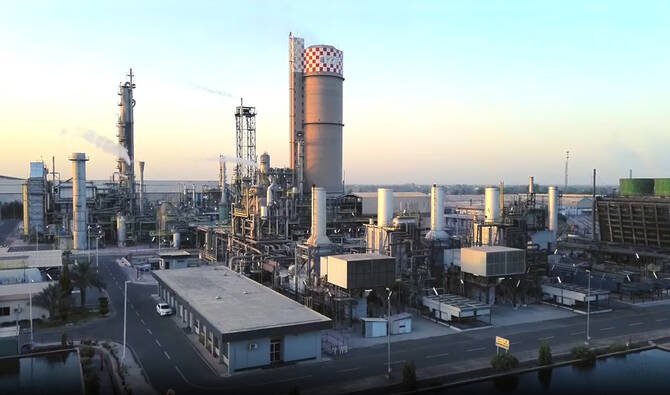
Lahore: Pakistan China Joint Chamber of Commerce and Industry (PCJCCI) has welcomed the establishment of Pakistan’s first coal-based fertilizer plant under the China-Pakistan Economic Corridor (CPEC), describing the $1.12 billion investment as a game-changing initiative that will strengthen agricultural productivity, enhance food security, create employment opportunities, and accelerate industrial development across the country. Nazir Hussain, President PCJCCI emphasized that the utilization of indigenous coal resources for fertilizer production will reduce Pakistan’s dependence on imported fertilizer inputs, ensure a more stable supply for farmers, and contribute to lower production costs in the agricultural sector. “The first coal-based fertilizer plant under CPEC is not merely an industrial project; it is a strategic investment in Pakistan’s agricultural future. Affordable and consistent fertilizer availability will directly support higher crop yields, strengthen food security, and improve the competitiveness of Pakistan’s agricultural exports,” he remarked. Brig, Mansoor Saeed Sheikh, Senior Vice President PCJCCI said that China’s remarkable success in agricultural modernization offers valuable lessons for Pakistan. He explained that Pakistan possesses immense untapped potential across diverse agro-climatic zones. Dryland farming can be expanded in Zones III-A and III-B through advanced irrigation technologies and modern cultivation practices. Similarly, the Indus Delta region can be transformed through integrated rice and fish cultivation models inspired by successful Chinese experiences. He further suggested adopting innovative Chinese techniques such as raised-bed-over-water cultivation systems in the coastal areas and small islands of Sindh. These climate-resilient farming methods can increase agricultural productivity while addressing environmental and water-related challenges. Amir Ali Vice President PCJCCI noted that the fertilizer plant will serve as a catalyst for broader agricultural reforms and modernization. He highlighted that China’s expertise in agricultural mechanization, smart farming, aquaculture, and agro-industrial development can help Pakistan unlock the full potential of its agriculture and blue economy sectors. The coal-based fertilizer project demonstrates how Chinese investment can support Pakistan’s long-term development goals. Salahuddin Hanif, Secretary General PCJCCI said that expansion of bilateral cooperation through the establishment of China-Pakistan Agricultural Innovation Centers, demonstration farms, fisheries research facilities, and agro-processing zones to facilitate knowledge transfer and capacity building. PCJCCI reaffirmed its commitment to promoting industrial and agricultural cooperation between Pakistan and China and expressed confidence that the first coal-based fertilizer plant under CPEC will serve as a foundation for broader agricultural reforms, increased food security, enhanced exports, and sustainable economic growth in Pakistan.

Govt to Build 500-Acre Karachi Industrial Park Under Uraan Pakistan Initiative
Business

Govt to Build 500-Acre Karachi Industrial Park Under Uraan Pakistan Initiative

The federal government has decided to establish the Karachi Industrial Park within a Special Economic Zone under its flagship Uraan Pakistan initiative. The project aims to directly connect Karachi with major international trade hubs. Authorities see the development as a key step toward accelerating Pakistan’s economic growth. Rs7.4 Billion Project to Span 500 Acres The government will invest Rs7.4 billion in the construction of the Karachi Industrial Park. The park will cover a total area of 500 acres. Officials approved the project in February 2025 and work is now moving forward under the Uraan Pakistan framework. SEZ to Drive Industrial Growth and Investment The Special Economic Zone will play a central role in boosting economic activity across the country. It will attract local and foreign investment into Pakistan’s industrial sector. The zone will also speed up industrial growth and open new avenues for business expansion. Thousands of Jobs to Be Created The Karachi Industrial Park will generate thousands of new employment opportunities for Pakistani workers. The project will provide direct and indirect jobs across multiple industries. Authorities expect the development to ease unemployment pressure in Karachi and surrounding areas.

IMF-Backed Policy Targets Low Grid Industry Users with Higher Fixed Charges
Business

IMF-Backed Policy Targets Low Grid Industry Users with Higher Fixed Charges

Islamabad: The government has shared a new plan with the IMF to raise fixed charges on electricity bills. This punishes industrial users shifting to solar power and under-utilising their sanctioned loads. The two-part industrial tariff policy aims to recover costs from idle capacity payments caused by declining grid demand. Higher grid consumption will lower unit costs, while low usage attracts heavier fixed charges. Power Minister Sardar Awais Laghari recently presented this policy to the IMF. Officials hope it will encourage industries to stay on the national grid longer by making off-grid options less attractive financially. The policy will initially apply to industrial connections before expanding to commercial and residential users. It addresses the rapid migration from the expensive national grid due to high tariffs. Fixed costs currently dominate electricity bills. The new structure spreads these costs over higher sales volumes, potentially reducing per-unit prices and boosting demand by around 1,000 MW in six to 12 months. Examples show extreme cases, like a Karachi industry paying over Rs2,000 per unit due to high fixed charges on minimal consumption. Such bills are expected to rise further under the new rules. The IMF has raised concerns over falling industrial electricity demand. Many industries have adopted solar panels and gas-based generation to cut costs, threatening the financial stability of power distribution companies. Power Division officials confirmed the policy remains optional. Industries using over 50% of their sanctioned load could see tariffs drop to 7-8 US cents per kWh, with further reductions possible at higher utilisation levels. This initiative aims to align tariffs with actual cost structures, benefiting both the government and compliant industries. Final approval and implementation are expected within two months.

Pakistan Maritime Investment Opportunities Attract Major Saudi Interest in Ports and Logistics Sector
Business

Pakistan Maritime Investment Opportunities Attract Major Saudi Interest in Ports and Logistics Sector

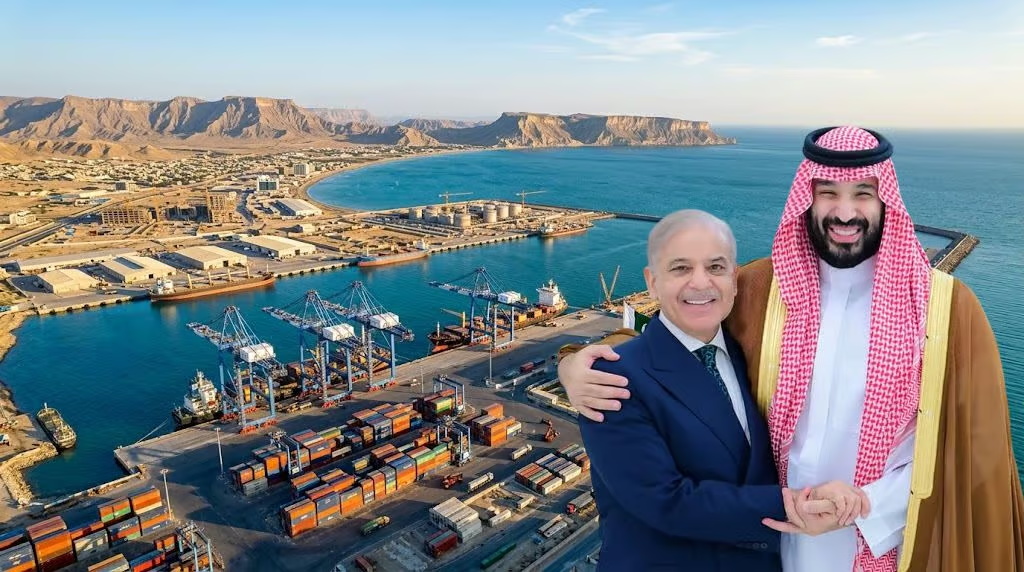
Pakistan Maritime Investment Opportunities have emerged as a major focus of economic diplomacy as the government unveiled a series of ambitious projects to Saudi investors. The move signals a fresh push to transform Pakistan’s ports, shipping industry, logistics network, and blue economy into key drivers of growth while attracting foreign capital. The proposals were presented by Federal Minister for Maritime Affairs Muhammad Junaid Anwar Chaudhry during a high-level virtual meeting with Mansour Bin Mohammed Al Saud, Chairman of the Pakistan-Saudi Arabia Joint Business Council. The discussions highlighted Pakistan’s determination to position itself as a strategic maritime hub connecting South Asia, the Middle East, and Central Asia. Pakistan Maritime Investment Opportunities Gain Momentum The meeting brought together key stakeholders from Pakistan’s maritime sector, including chairmen of major ports, senior officials from the Pakistan National Shipping Corporation (PNSC), representatives of the Special Investment Facilitation Council (SIFC), and Pakistan’s ambassador to Saudi Arabia. Officials presented a comprehensive portfolio of projects designed to attract international investors seeking long-term opportunities in infrastructure, logistics, shipping, and coastal development. The minister emphasized that the proposed projects align closely with Saudi Arabia’s Vision 2030 while supporting Pakistan’s economic modernization agenda. He noted that the longstanding relationship between the two countries is evolving into a broader strategic partnership driven by investment and economic cooperation. Karachi Port Emerges as a Major Investment Destination One of the most eye-catching proposals was the development of a Maritime Business District at Karachi Port. According to officials, the project covers approximately 140 acres of prime coastal urban land and has the potential to become a landmark commercial and maritime center. The initiative is expected to attract businesses involved in shipping, logistics, trade facilitation, and maritime services. Saudi investors were also invited to explore opportunities in a marine workshop project and the development of drydock and floating dock facilities at Manora. These projects could significantly enhance Pakistan’s ship repair and maintenance capabilities while creating new revenue streams for the maritime sector. Port Qasim Projects Offer Strategic Growth Potential Port Qasim was presented as another major investment destination with several large-scale infrastructure projects on offer. Authorities highlighted plans for a multipurpose cargo terminal that would improve cargo handling efficiency and support growing trade volumes. Investors were also briefed on an integrated second oil terminal and storage farm project. Port Qasim Authority Chairman Rear Admiral (Retd) Syed Moazzam Ilyas explained that the oil terminal and storage facility would be developed under a Build-Operate-Transfer model, allowing private investors to participate directly in the project’s construction and operation. Another major proposal discussed was the Energy City project, which aims to strengthen Pakistan’s energy logistics and industrial capabilities. Gwadar and Blue Economy Projects Capture Attention Gwadar Port remains central to Pakistan’s long-term maritime ambitions. Officials outlined investment opportunities linked to the port’s expansion and its role as a future regional trade gateway. At the same time, the government promoted opportunities within Pakistan’s growing blue economy sector. These initiatives are designed to unlock economic value from marine resources while encouraging sustainable coastal development. PNSC Expansion and Aqua Research Park Open New Doors The government also invited Saudi investors to participate in the expansion of the Pakistan National Shipping Corporation fleet. Expanding the national carrier could reduce reliance on foreign shipping services and strengthen Pakistan’s maritime trade capacity. Another noteworthy proposal was the establishment of an approximately 100-acre Aqua Research and Technology Park at the Korangi Fish Harbour Authority. The project aims to modernize fisheries, support marine research, encourage technological innovation, and create opportunities for exports and value-added seafood products. A New Chapter in Pakistan-Saudi Economic Cooperation The presentation of these Pakistan Maritime Investment Opportunities reflects a broader effort to attract strategic foreign investment into critical sectors of the economy. From Karachi Port and Port Qasim to Gwadar and the blue economy, Pakistan is positioning its maritime sector as a gateway to regional trade and industrial growth. If Saudi investors move forward with these proposals, the resulting partnerships could reshape Pakistan’s maritime landscape, strengthen bilateral economic ties, and accelerate the country’s journey toward becoming a leading regional logistics and shipping hub.

DIB Pakistan and Pocket Money Partner to Provide Banking for Pakistan’s Freelancers
Business

DIB Pakistan and Pocket Money Partner to Provide Banking for Pakistan’s Freelancers

Karachi, 3rd Jun 2026: In a landmark move for Pakistan’s digital finance landscape, DIB Pakistan and Pocket Money have formalized a strategic partnership aimed at transforming financial access for the country’s booming creator economy. The signing ceremony, held at DIB Head Office, Karachi, marks a significant step towards building a robust, ethical digital banking ecosystem tailored for Pakistan’s borderless talent. With over 2.37 million registered freelancers, generating an estimated USD 3 billion in annual export revenues, Pakistan ranks among the world’s fastest-growing freelance markets. Yet access to seamless cross-border payments, digital wallets, and formal banking has remained a persistent challenge. This partnership directly addresses that gap by combining DIB Pakistan’s globally trusted banking platform with Pocket Money’s cutting-edge fintech infrastructure to deliver an end-to-end financial solution built for the gig economy. Muhammad Ali Gulfraz, CEO of DIB Pakistan, emphasized the strategic vision: “Pakistan’s freelancers represent an exciting opportunity for export of services. They are part of a rapidly evolving global economy, and they need a banking service that works at the same speed. This partnership ensures smooth, swift and seamless flow of hard-earned funds into the accounts of our freelancers so they can focus on maximising their productivity rather than chasing their payments.” Moe Jangda, Founder & CEO, Pocket Money, added: “Together with DIB Pakistan, we’ve opened up payment channels that were previously fraught with hurdles or outright inaccessible. We’re incredibly excited about what this unlocks for Pakistan’s ambitious talent. Best of all, we’re just getting started.” The partnership will deliver a powerful suite of freelancer-first financial products, including faster inward remittances and payment solutions for users earning through global platforms and digital marketplaces such as Upwork, Fiverr, Toptal, Amazon, eBay, Shopify, Stripe, PayPal, and other international commerce and freelance ecosystems. The offering will also include multi-currency digital wallets for seamless cross-border transactions, as well as financial literacy programs designed to empower Pakistan’s growing digital workforce. Together, DIB Pakistan and Pocket Money are set to redefine digital financial inclusion for Pakistan’s next generation of digital trailblazers, making ethical, borderless banking not just accessible, but the new standard for the global gig economy.

Pakistan Mango Exports Hit by Middle East Crisis as Target Slashed by 30 Percent
Business

Pakistan Mango Exports Hit by Middle East Crisis as Target Slashed by 30 Percent

Pakistan Mango Exports are entering one of the most challenging seasons in recent years as geopolitical tensions in the Middle East, record-high freight charges, climate-related disruptions, and falling fruit production combine to threaten one of the country’s most valuable agricultural exports. The export season officially begins on June 1, but industry leaders are already warning that the sector could suffer substantial losses. Exporters have revised their export target downward by nearly 30 percent, reflecting growing concerns over market access, transportation costs, and declining crop yields. Pakistan Mango Exports Target Cut Amid Mounting Pressures The Pakistan Fruit and Vegetable Exporters, Importers and Merchants Association (PFVA) has reduced its export target from 110,000 tons last year to just 80,000 tons this season. According to PFVA Patron-in-Chief Waheed Ahmed, exporters are facing an unprecedented combination of challenges that threaten the industry’s profitability and international competitiveness. The reduction is expected to have a direct impact on foreign exchange earnings. Pakistan earned approximately $110 million from mango exports last season. This year, export revenues are expected to fall sharply to between $75 million and $80 million. For an industry that plays a critical role in Pakistan’s agricultural exports, the decline raises serious concerns about future growth prospects. Middle East Crisis Sends Freight Costs Soaring The escalating crisis in the Middle East has emerged as the biggest threat to Pakistan Mango Exports this year. The Gulf region accounts for nearly 35 percent of Pakistan’s mango exports, making it the country’s largest overseas market. However, growing regional instability has severely disrupted shipping routes and increased transportation expenses. Sea freight rates have surged dramatically. Exporters who paid between $1,200 and $1,400 per container last season are now facing charges as high as $6,000 to $7,000 per container. Air freight costs have also skyrocketed. Shipping mangoes by air previously cost between 70 and 90 cents per kilogram. Those rates have now climbed to almost $2 per kilogram, making exports significantly less profitable. These rising logistics costs are placing enormous pressure on exporters already struggling with higher production and operational expenses. Strong Rupee and Rising Fuel Costs Create Double Burden The challenges facing Pakistan Mango Exports extend beyond international shipping disruptions. Rising domestic fuel prices have increased transportation costs from orchards to packing houses and ports. At the same time, a relatively stronger Pakistani rupee has reduced export returns when converted into local currency. This combination has squeezed profit margins and left exporters with fewer options to absorb growing costs. Industry experts warn that without government intervention, many exporters could struggle to remain competitive in international markets. Climate Change Shrinks Mango Production While trade disruptions dominate headlines, deeper structural problems continue to threaten the future of Pakistan’s mango industry. Climate change, unpredictable weather patterns, and increasing vulnerability to diseases have steadily reduced mango production over the past several years. Industry estimates suggest that this year’s mango crop could be around 20 percent below Pakistan’s average annual production of 1.9 million tons. Lower yields not only affect export volumes but also raise concerns about the long-term sustainability of mango farming across major producing regions. Can Pakistan Mango Exports Recover? Despite the difficult outlook, exporters remain determined to protect Pakistan’s position in global markets. Industry leaders believe the country still possesses significant untapped export potential if quality standards improve and growers receive better technical support. PFVA has called on the government to increase investment in agricultural research, modern orchard management, disease control programs, and export facilitation measures. Officials have also been urged to address shipping delays, improve port operations, and strengthen diplomatic engagement with Gulf buyers to minimize disruptions caused by the regional crisis. Without immediate action, industry stakeholders warn that even the revised export target of 80,000 tons may prove difficult to achieve. A Defining Season for Pakistan’s Mango Industry This year’s export season could become a defining moment for Pakistan Mango Exports. The industry is facing a perfect storm of geopolitical uncertainty, soaring logistics costs, climate-related production losses, and shrinking profit margins. How policymakers, exporters, and growers respond in the coming months may determine whether Pakistan can protect its global market share or risk losing ground to competing mango-producing countries in an increasingly competitive international marketplace.

Tribunal Upholds CCP Order of 30M Fine Against Reckitt Benckiser Over Strepsils Deceptive Marketing
Business

Tribunal Upholds CCP Order of 30M Fine Against Reckitt Benckiser Over Strepsils Deceptive Marketing

ISLAMABAD: The Competition Appellate Tribunal (CAT) has decided an appeal filed by Reckitt Benckiser Pakistan Limited against an order of the Competition Commission of Pakistan (CCP) dated February 9, 2021, concerning the deceptive marketing of its product, Strepsils. The Tribunal upheld the Commission’s finding that Reckitt Benckiser had violated Section 10(2)(b) of the Competition Act, 2010 by disseminating misleading information to consumers regarding the nature and character of the product. The Tribunal directed the company to pay a penalty of Rs. 30 million and to strictly comply with the corrective measures prescribed by the Commission. The Tribunal further directed that compliance with the Commission’s instructions be ensured within the stipulated period. The case arose from a complaint filed by M/s Square Distribution & Marketing System (Pvt.) Limited, alleging that Reckitt Benckiser had been creating the impression through its marketing and advertising that Strepsils was a medicinal product for sore throat relief, despite its deregistration as a drug and subsequent marketing as a non-medicated product. At present, the product is registered as a food item. In its judgment, the Tribunal noted that the company had substantially altered its product packaging and disclosures following the Commission’s proceedings. The Tribunal observed that Strepsils packaging had undergone material changes, including the prominent display of the words “Non-Medicated” in both English and Urdu on the front of the packaging and blister packs, whereas previously such disclosure was less conspicuous. The Tribunal observed that these modifications reflected acceptance of the need for corrective measures and acknowledged that the company had made significant changes to its packaging and marketing practices following the Commission’s intervention. As part of the Commission’s directions, Reckitt Benckiser has also been required to prominently publicize the change in the status of the product from a medicated/drug category to a food category through advertisements in at least three widely circulated English and Urdu newspapers across Pakistan. Such notices are required to be published on a weekly basis until full compliance is achieved. The CCP remains committed to protecting consumers from deceptive marketing practices and ensuring that businesses provide accurate, clear, and truthful information regarding their products and services. The decision reinforces the importance of transparency in advertising and affirms consumers’ right to make informed purchasing decisions based on correct information.

Islamic Money Market Turnover Hits Rs142.6 Billion
Business

Islamic Money Market Turnover Hits Rs142.6 Billion

KARACHI: The Islamic money market in Pakistan recorded a significant turnover of Rs142.6 billion on May 25, 2026. This reflects robust activity in Shariah-compliant instruments amid the expanding Islamic banking sector. Market Breakdown and Key Transactions Interbank and non-bank segments led the activity with Rs72.4 billion in Mudaraba and Musharaka deals. These spanned one-week to one-month tenors at weighted average returns of 11.25% to 11.30%.Islamic banking channels showed strong internal liquidity flows. Transactions between Islamic banks and Islamic branches of conventional banks reached Rs38.4 billion, mostly through one-week Musharaka at 11.50%. Expert Insights and Future Outlook Experts view this as a positive sign for the evolving Islamic interbank market. It reduces reliance on conventional tools while preparing for the 2027 interest-free transition deadline.Musharaka contracts dominated at 11.5%, highlighting banks’ preference for profit-sharing models in short-term liquidity management. The data underscores growing institutional participation from mutual funds, insurance companies, and development finance institutions. This broad base strengthens the market’s depth and resilience.No transactions occurred between Islamic entities and purely conventional banks during the period. This shows a clear shift toward dedicated Shariah-compliant channels. Industry projections remain optimistic. Islamic banking assets are expected to reach Rs18-19 trillion by December 2026, up from Rs14.47 trillion. Deposits could hit Rs13.5-14.5 trillion while financing portfolio expands to Rs7-7.8 trillion. This momentum positions Islamic banking to capture 25-27% of total banking assets by year-end. The branch network is also set to grow significantly. Such activity plays a vital role in liquidity management without interest-based instruments. It supports the sector’s sustainable growth trajectory in Pakistan’s financial landscape.

Scroll to Top