Business

SECP Targets 2.5 Million Investors Through Capital Market Reforms
Business

SECP Targets 2.5 Million Investors Through Capital Market Reforms

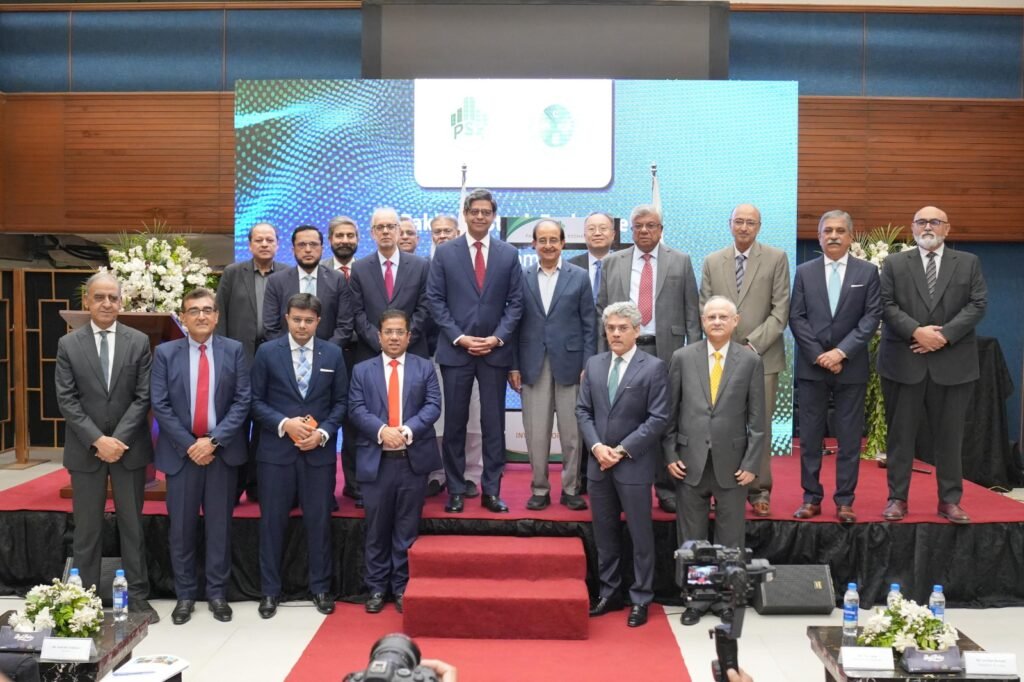
Securities and Exchange Commission of Pakistan (SECP) Chairman Dr. Kabir Ahmed Sidhu has said expanding the country’s investor base to 2.5 million remains one of the regulator’s top priorities as it pursues reforms aimed at modernizing Pakistan’s capital markets. Dr. Sidhu made the remarks during a bell-ringing ceremony held in his honor at the Pakistan Stock Exchange (PSX), where he marked the commencement of trading and outlined the SECP’s vision for creating a more transparent, digital and investor-friendly financial ecosystem. Capital Markets Key to Economic Growth Addressing participants at the ceremony, Dr. Sidhu said strong corporations and vibrant capital markets are essential for Pakistan’s economic development. He said companies create opportunities for investment, employment and prosperity, making a robust capital market critical for sustainable growth. The SECP chairman emphasized that reforms are focused on people, technology and systems to support the country’s evolving financial landscape. Digital Investment Opportunities for Young Investors Dr. Sidhu said the regulator is introducing easy and digital investment channels to attract young investors and broaden public participation in the stock market. He announced that short online courses would be launched to improve financial literacy and help citizens understand investment and trading mechanisms. According to him, awareness campaigns related to investing and stock trading will also be conducted across the country to encourage more people to participate in capital markets. IFMP Being Modernized The SECP chairman said the Institute of Financial Markets of Pakistan (IFMP) is being restructured on modern lines to strengthen professional training in the financial sector. He said the revamped institution would play a key role in developing skilled investors and enhancing the capabilities of financial market professionals. The move forms part of broader efforts to improve financial education and promote informed investment decisions. Investment Process to Become Simpler Dr. Sidhu said the investor onboarding and account opening process is being simplified to improve accessibility. He noted that the Central Depository Company (CDC) mobile application would further facilitate investments by making account management easier for users. The SECP has also simplified Know Your Customer (KYC) requirements for Sahulat accounts to encourage greater participation from retail investors. In addition, a broker referral program is expected to increase public involvement in the stock market. Investor Education Fund to Support Market Development The SECP chairman said the Capital Market Development Fund would be used to strengthen investor education and support market development initiatives. He pointed to the success of recent initial public offerings (IPOs) as evidence of rising investor confidence in Pakistan’s capital markets. According to Dr. Sidhu, the regulator is actively encouraging more companies to enter the market while improving access for small and medium-sized enterprises (SMEs) and emerging businesses. Fintech and Digital Finance Remain Key Priorities Dr. Sidhu described fintech and digital finance as important pillars of Pakistan’s financial future. He said technological innovation would continue to drive reforms across the financial sector. The SECP is also introducing comprehensive reforms in the insurance industry. He said new insurance legislation is expected to bring significant changes to the sector. Motor insurance data integration, he added, will enhance transparency and strengthen consumer protection. Market Infrastructure Institutions to Be Strengthened The SECP chairman said institutions including the Central Depository Company (CDC) and National Clearing Company of Pakistan Limited (NCCPL) are being further strengthened. He added that the regulatory framework is being aligned with modern international standards to improve efficiency and boost investor confidence. The reforms, he said, are aimed at transforming Pakistan’s capital markets into a modern and inclusive ecosystem capable of supporting long-term economic growth.
Karandaaz Pakistan Launches Studies on E-Invoicing and Digital Agri Trading
Business

Karandaaz Pakistan Launches Studies on E-Invoicing and Digital Agri Trading

Karandaaz Pakistan has launched two new research studies aimed at strengthening the country’s digital economy and improving market infrastructure. The studies focus on electronic invoicing and agricultural spot trading, two areas considered vital for enhancing transparency, access to finance and economic formalization. The organization unveiled the reports during a stakeholder dialogue titled “Digitalizing Transactions: Insights on E-Invoicing and Agri Spot Trading in Pakistan.” The event brought together policymakers, regulators, financial institutions, private sector representatives and development partners to discuss the future of digital transaction systems in the country. Research Focuses on Digital Infrastructure The event marked the release of two studies titled E-Invoicing in Pakistan and Feasibility Study for Agri Spot Trading in Punjab, Pakistan. According to Karandaaz Pakistan, both studies examined how digital transaction infrastructure can improve market efficiency, strengthen access to finance and promote transparency in economic activity. The research on e-invoicing explored how digital invoicing systems could increase transaction visibility, improve tax compliance and support financing for small and medium-sized enterprises (SMEs). Meanwhile, the study on agricultural spot trading assessed the feasibility of introducing a structured trading mechanism for agricultural commodities in Punjab. It highlighted the potential role of electronic warehouse receipt systems in improving price discovery, market transparency and financing opportunities for farmers. Karandaaz Reaffirms Commitment to Digital Transformation Speaking at the event, Karandaaz Pakistan Chief Executive Officer Waqas ul Hasan said the studies would help create awareness and support the development of institutional frameworks needed for Pakistan’s digital transformation. He noted that Karandaaz has spent the past decade working with public and private sector institutions to strengthen Pakistan’s digital financial ecosystem. He said the organization played a role in conceptualizing Raast and supporting wider digitalization efforts across the country. Waqas ul Hasan said the latest research reflects Karandaaz’s commitment to promoting innovation and encouraging policy dialogue that supports economic growth. SECP Highlights Importance of Modern Market Systems Delivering the keynote address, Securities and Exchange Commission of Pakistan (SECP) Commissioner for Securities Markets Division Ali Farid Khwaja emphasized the need for modern and reliable market infrastructure. He said e-invoicing and electronic warehouse receipts could help Pakistan shift from fragmented transactions to trusted digital systems. According to him, verified digital records can enhance transparency, reduce risks and expand access to finance. He added that the SECP remains committed to supporting responsible innovation and strengthening confidence in financial markets. Experts Discuss SME Finance and Agricultural Markets The event featured two panel discussions focusing on the practical implications of digital transaction systems. The first panel examined whether e-invoicing could serve as a foundation for economic formalization and SME financing. Participants included representatives from the Federal Board of Revenue, Haball, Dynamic Resources Limited and Bank Alfalah. The second discussion focused on agricultural markets and explored whether agri spot trading could improve price discovery and market access. Representatives from Pakistan Mercantile Exchange (PMEX), the Prime Minister’s Office, National Credit Guarantee Company Limited (NCGCL) and Kissan Gudam participated in the session. Digital Infrastructure Seen as Key to Economic Growth Participants stressed that modern transaction infrastructure has become essential for supporting Pakistan’s economic development. The discussions highlighted the importance of collaboration among regulators, financial institutions and private sector stakeholders to create efficient and transparent digital ecosystems. Karandaaz Pakistan said it will continue supporting research, stakeholder engagement and ecosystem development initiatives aimed at strengthening Pakistan’s digital economy and promoting inclusive and sustainable growth. Experts believe innovations such as e-invoicing and digital agricultural trading systems could play an important role in improving financial inclusion, increasing transparency and fostering long-term economic development.

Service Long March Tyres Makes History with Pakistan’s Largest-Ever IPO
Business, Editor pick

Service Long March Tyres Makes History with Pakistan’s Largest-Ever IPO

Karachi, June 15, 2026: In a historic achievement for Pakistan’s Industrial and Manufacturing sector, Service Long March Tyres Limited (“SLM”) has successfully completed its Initial Public Offering (“IPO”), receiving an overwhelming response from investors during both the Book Building and General Public subscription phases. SLM, Pakistan’s largest Truck and Bus Radial (“TBR”) tyre manufacturer listed on the Pakistan Stock Exchange (“PSX”), has established new benchmarks in the country’s capital markets, reflecting exceptional investor confidence and unprecedented participation. The IPO attracted approximately 35,565 applications across the Book Building and Retail segments, marking the highest investor participation in the history of Pakistan’s IPO market. The transaction raised PKR 7.78 billion, making it the largest IPO ever undertaken in Pakistan. The Book Building portion, initially comprising 292,303,528 ordinary shares, was fully subscribed within just five seconds and was oversubscribed by 16.7 times. The Retail portion, comprising 97,434,510 ordinary shares, was oversubscribed by 7.6 times and attracted approximately 33,190 applications from investors nationwide. Owing to the strong demand from retail investors, a 5% reallocation of shares was made from the Book Building portion to the Retail portion in accordance with the applicable regulations. The overwhelming response underscores the increasing depth, maturity, and growing participation of investors in Pakistan’s equity capital markets. The offering comprised a total of 389,738,038 ordinary shares, representing 5% of SLM’s post-IPO paid-up capital. The IPO floor price was set at PKR 14.25 per share. Following robust demand during the Book Building process, the strike price was successfully discovered at PKR 19.95 per share. Consequently, the transaction size increased to PKR 7.78 billion from PKR 5.55 billion at the floor price. The SLM IPO witnessed participation from a diverse range of institutional and individual investors, including commercial banks, mutual funds, development finance institutions, insurance companies, investment banks, pension and employees’ funds, brokerage houses, high-net-worth individuals, foreign investors, and retail investors, highlighting broad-based confidence in SLM’s business fundamentals, growth prospects, and the future of Pakistan’s manufacturing sector. An important highlight of the occasion was the participation of Senator Muhammad Aurangzeb, Federal Minister for Finance and Revenue, Government of Pakistan, who attended the Gong Ceremony held to commemorate the successful listing of Service Long March Tyres Limited on the Pakistan Stock Exchange. Addressing the ceremony, the Finance Minister acknowledged the significance of the transaction for Pakistan’s capital markets and manufacturing sector, and emphasized the importance of encouraging greater private sector participation in the capital market to support economic growth, industrial development, and investment mobilization in the country. Arif Habib Limited acted as the Lead Manager and Book Runner to the Issue and played a pivotal role in the successful execution of the transaction. Mr. Muhammad Aurangzeb, Honorable Federal Minister for Finance & Revenue, remarked: “The budget presented last week sets a clear direction towards sustainable, export-led growth. The listing of SLM is a proud milestone, built during the peak of COVID with Chinese expertise and investment, and now on track to achieve USD 100 million in exports next year. With 11 IPOs this fiscal year, investor confidence is ringing loudly from PSX. Service Long March is already among the most profitable tyre companies globally, proving that Pakistan can deliver industrial growth with an export-led model. I have personally followed this project since its inception, and I am proud to see it reach this stage. This IPO is a strong vote of confidence in Pakistan’s economy and its future trajectory, and I encourage the leadership of Long March to bring more ventures from Liaoning and Chaoyang to Pakistan, where the Government stands ready to support and facilitate further investment.” At the listing ceremony, Mr. Farrukh H. Sabzwari, Managing Director & CEO of PSX stated: “Today’s Gong Ceremony is a landmark occasion for Pakistan’s capital market. This listing comes at a time when Pakistan has just presented a positive federal budget, offering relief to the salaried class, reducing super-taxes, and introducing incentives for housing and business. These measures, alongside today’s IPO, will boost investor sentiment and strengthen the market outlook. Despite global challenges, our markets remain resilient, with PSX touching PKR 21 trillion market capitalization, average daily trading value PKR 57 million and the third highest number of IPOs in 25 years — with double-digit listings last seen in FY05, FY06 & FY07. This fiscal year alone, we have recorded more than 563,000 unique investor numbers (UINs), with Millennials and Gen Z driving participation through investor awareness sessions and education initiatives. The IPO of SLM is record-breaking, raising billions and attracting both institutional and retail investors. The Book Building tranche was oversubscribed multiple times, while retail participation was overwhelming, with 33,190 applications received nationwide. This demonstrates not only investor confidence in SLM’s fundamentals but also the resilience of Pakistan’s equity markets. Transparency, timely disclosures, and strong governance will ensure continued investor trust and sustained performance. We are proud that Pakistan’s capital markets remain among the best-performing frontier markets globally, with returns of 8.13% in USD terms since inception, and ranking among the top markets over the past one, three and five years. Our fundamentals remain strong, and our focus is clear: expanding the investor base and encouraging more listings through platforms such as IPO roundtables and other awareness initiatives.” Mr. Ali Farid Khwaja, SECP Commissioner added: “This is a special day for Pakistan as we celebrate both the success of CPEC and the listing of SLM. The IPO set records in demand and subscription, reflecting strong investor confidence. SECP is committed to enabling more companies to list and supporting PSX’s ambitious target of expanding the investor base fivefold to 2.5 million investors in the coming years. We congratulate SLM and its Chinese partners on this achievement, and assure our continued support for Pakistan’s capital market growth. The collaboration between regulators, PSX, and market participants is what makes such milestones possible, and we look forward to more listings that strengthen our financial ecosystem. Today’s ceremony is a reminder of how Pakistan’s capital markets can serve as a bridge for industrial growth and international cooperation.” Mr.

Pakistan Remittances Hit All-Time High of $4.3bn in May 2026
Business

Pakistan Remittances Hit All-Time High of $4.3bn in May 2026

Pakistan’s workers’ remittances hit an all-time monthly high in May 2026, reflecting strong diaspora confidence and seasonal factors. This surge provides vital foreign exchange support amid ongoing economic challenges. Strong Monthly and Yearly Growth Remittances jumped 15% year-on-year and 20% month-on-month to reach approximately US$4.3 billion. The increase was driven by Eid-related inflows from overseas Pakistanis.Key source countries showed robust contributions. Saudi Arabia posted 12% YoY growth, while the UAE surged 33% YoY. The UK and US also recorded solid gains of around 10-11% YoY. Currency Stability and Cumulative PerformanceThe Pakistani rupee appreciated slightly by 0.1% month-on-month to PKR 278.4 per US dollar. Stronger inflows combined with administrative measures helped narrow the gap between open market and interbank rates. For the first 11 months of FY26 (11MFY26), cumulative remittances rose 9.23% YoY to US$38.1 billion. This steady upward trend underscores remittances’ critical role in Pakistan’s external sector stability. Economic Implications Remittances remain a lifeline for millions of Pakistani households. They support consumption, reduce poverty, and bolster foreign exchange reserves, which have recently hovered above $22 billion. Analysts view this performance as a positive signal for the current account balance. Higher inflows help offset trade deficits and reduce reliance on external borrowing. The growth also highlights improving formal channel usage. Government incentives and digital transfer platforms likely contributed to channeling more funds through official banking routes. Experts suggest continued policy focus on diaspora engagement could sustain this momentum. Initiatives like Roshan Digital Accounts and improved banking services have already shown positive results in past years. Outlook for FY26 With several months left in the fiscal year, full-year remittances may comfortably exceed previous records. Projections point toward crossing the $41 billion mark if current trends hold.Challenges persist, including global economic uncertainties and oil price fluctuations affecting Gulf employment. However, the May figures demonstrate resilience in remittance flows. This record inflow is expected to support rupee stability and provide breathing room for monetary policy decisions. It also eases pressure on the State Bank of Pakistan to manage reserves aggressively. Pakistan’s economy continues to benefit from its overseas workforce. Sustaining double-digit growth in remittances could play a pivotal role in achieving broader macroeconomic stability.

Relief Rally Pushes Pakistan Stocks' KSE-100 Back Above 170,000
Business

Relief Rally Pushes Pakistan Stocks’ KSE-100 Back Above 170,000

PSX staged a strong recovery today, with the KSE-100 Index closing at 170,331, up 1,377 points (+0.81% DoD), reclaiming the key 170,000 level on a closing basis. Investor sentiment improved amid easing geopolitical concerns, prompting broad-based buying from the opening bell and pushing the benchmark index sharply higher, said 𝐀𝐥𝐢 𝐍𝐚𝐣𝐢𝐛, Deputy Head of Trading of Arif Habib Ltd. While some gains were trimmed later in the session, sustained buying interest kept the market firmly in positive territory for most of the day. On the macro front, media reports suggest that the Federal Government is likely to present the FY27 Budget on June 12 instead of the previously scheduled June 10, with a final decision expected within the next couple of days. UBL, HUBC, HBL, LUCK, and MEBL emerged as the top contributors, collectively adding 526 points to the index. On the flip side, PSEL, MCB, THALL, PSX, and JDWS weighed on performance, jointly eroding 60 points. Market activity remained robust, with traded volume rising to 765mn shares and turnover reaching PKR 27.1bn. TPLP led the volume chart with 56.5mn shares traded. 𝐎𝐮𝐭𝐥𝐨𝐨𝐤: Going forward, improving geopolitical sentiment has provided near-term relief to the market. However, investors are likely to remain focused on regional developments and upcoming budget announcements, which may continue to influence market direction in the coming sessions.

Ignite and Mobilink Bank Partner to Establish National Incubation Center Sialkot
Business

Ignite and Mobilink Bank Partner to Establish National Incubation Center Sialkot

Karachi, June 9, 2026: Ignite, operating under the Ministry of IT and Telecom (MoITT), has signed an agreement with the Mobilink Bank led consortium which includes CyberVision International, to establish and operate the National Incubation Center (NIC) Sialkot, further strengthening Pakistan’s innovation and entrepreneurship ecosystem. The partnership aims to create a dedicated platform for technology driven startups and innovative ventures in Sialkot, one of Pakistan’s leading industrial and export hubs. The signing ceremony took place at the Ministry of IT and Telecommunication offices in Islamabad and was attended by senior Ministry officials, Ignite and Mobilink Bank representatives. Speaking on the occasion, Federal Minister for Information Technology and Telecommunication, Ms. Shaza Fatima Khawaja, said:“The establishment of NIC Sialkot reflects the Prime Minister, Shehbaz Sharif’s Digital National Pakistan vision. The government is fully commitment to nurturing innovation and digital entrepreneurship across Pakistan by equipping young entrepreneurs with the right resources and opportunities.” Renowned globally for its sports goods, surgical instruments, leather products, and musical instruments industries, Sialkot has emerged as a growing center for e-commerce and digital exports. NIC Sialkot will strengthen this entrepreneurial strength by supporting up to 25 startups annually through mentorship, business development services, investor linkages, market access opportunities, and networking support. The establishment of NIC Sialkot aligns with the government’s vision of expanding innovation infrastructure beyond major metropolitan centers, creating new opportunities for entrepreneurship, technology adoption, employment generation, and export growth across Pakistan. CEO Ignite Mr. Muhammad Bilal Abbasi stated:“NIC Sialkot is another important milestone in Ignite’s mission to strengthen Pakistan’s startup ecosystem. The centre will help entrepreneurs transform innovative ideas into scalable businesses while promoting technology adoption, industrial productivity and export competitiveness.” The National Incubation Centre (NIC) Sialkot, is aimed at empowering local entrepreneurs to build globally competitive companies. Applications for the inaugural Cohort 1 incubation programme are also officially open. To apply visit the website of NIC Sialkot. https://www.nicsialkot.com President and CEO Mobilink Bank, Mr. Haaris Mahmood Chaudhary said:Pakistan’s economic resilience demands broad-based participation — not growth concentrated in a few cities, but opportunity extended to small enterprises across the country. At Mobilink Bank, we believe innovation must be accessible, inclusive, and rooted in local business realities. Through NIC Sialkot, we are equipping entrepreneurs with mentorship, digital tools, financial solutions, and market access to scale with confidence.” While open to startups from all sectors, NIC Sialkot will particularly support ventures aligned with the city’s industrial strengths, including sports technologies, healthcare and surgical technologies, manufacturing innovation, e commerce, export enabling solutions, and emerging digital industries. The center will also encourage innovation in high growth areas such as Artificial Intelligence, Industry 4.0, advanced manufacturing, smart supply chains, health technologies, and digital commerce. The National Incubation Center (NIC) is Pakistan’s premier technology incubation and acceleration initiative and is funded by the Ministry of IT and Telecommunication and Ignite National Technology Fund. NICs operate a nationwide network with seven distinct regional centers across major cities, each partnering with top-tier private industry leaders, academia, and global accelerators.

Pakistan Attracts Global Investors as Safest Nuclear Power, Says AKD
Business

Pakistan Attracts Global Investors as Safest Nuclear Power, Says AKD

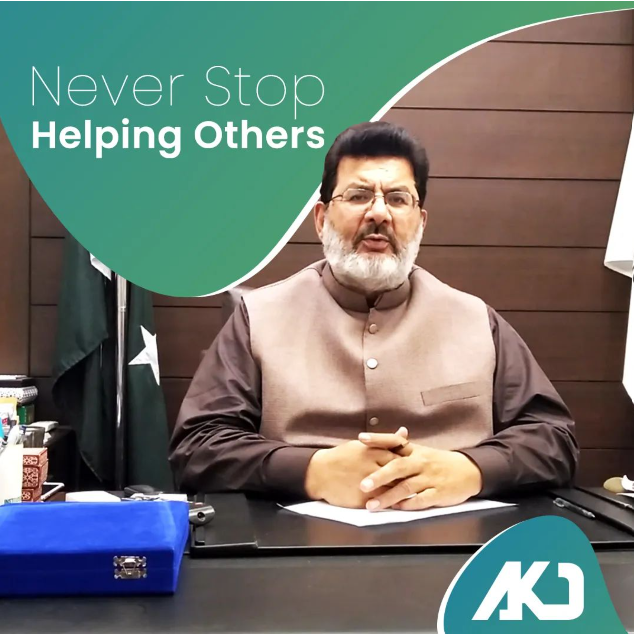
Renowned economist and Chairman of AKD Group Aqeel Karim Dhedhi has stated that recent geopolitical developments, particularly the Iran-Israel conflict, have contributed to a significant shift in global perception, with the international community increasingly recognizing Pakistan as the safest nuclear power in the world. Speaking during an informal interaction ahead of the unveiling of the new residential development The Arcadians in Defence Phase VIII, he said that the evolving situation in the Middle East and other Muslim countries has highlighted the importance of investing in stable nuclear states, adding that Pakistan is now being viewed as a secure and attractive destination for long-term global investment. Dhedhi further noted that Pakistan’s international standing has improved considerably over recent months, asserting that regional economic progress remains closely linked to improved diplomatic relations, including between Pakistan and India, which he believes are essential for sustainable regional development. Rising Foreign Investment Interest in Karachi and Gwadar He revealed that substantial investment inflows are expected in Karachi and Gwadar in the near future, as capital that previously moved out of Pakistan is gradually returning to the country. According to him, investors from the Middle East and Gulf region are increasingly showing strong interest in Pakistan’s economic opportunities, particularly in infrastructure, real estate, and port-related development. He emphasized that Pakistan’s port cities remain central to its economic future and stressed that industrialization in these regions is a critical factor for unlocking long-term growth. He also referred to insights from Chinese experts who believe that the lack of industrial development in port cities continues to remain one of the major structural barriers to Pakistan’s economic expansion. Concerns Over Structural Economic Challenges Discussing broader economic issues, Dhedhi stated that Pakistan’s economy is currently going through a critical phase and requires policy consistency driven by national interest. He identified currency devaluation, the widening trade deficit, and long-term power purchase agreements with Independent Power Producers (IPPs) as key structural challenges that continue to impact economic stability. He further pointed out that capacity charge payments remain a major burden on the economy and questioned the efficiency of the power sector by highlighting the paradox of persistent load shedding despite surplus electricity generation capacity. Explaining the situation, he said that Pakistan has an installed electricity generation capacity of around 50,000 megawatts, while peak summer demand reaches approximately 25,000 megawatts, leaving a substantial surplus. However, he noted that reliance on imported oil and coal for power generation increases production costs, resulting in higher tariffs and inefficiencies in distribution. He expressed confidence that if electricity demand increases to between 35,000 and 40,000 megawatts, tariff pressures could ease significantly, leading to a more balanced and efficient energy market. Outlook on Exports, SMEs, and Fiscal Reform Dhedhi expressed optimism about Pakistan’s economic trajectory, stating that exports are expected to grow rapidly in the coming years. He emphasized the importance of expanding venture capital funding and improving access to financing for small and medium-sized enterprises (SMEs), which he described as essential for job creation and broader economic activity. He also advocated for reducing the administrative powers of the Federal Board of Revenue (FBR), arguing that a more streamlined structure could enhance tax compliance and reduce corruption. Referring to past fiscal performance, he stated that during 2007 and 2008, revenue targets were successfully achieved when the FBR operated with comparatively fewer powers, and suggested that a similar approach could be tested to improve outcomes. The Arcadians Project to Redefine Luxury Living in Karachi Speaking about the real estate sector, Dhedhi announced that The Arcadians is a 43-acre master-planned residential development that aims to introduce a modern integrated lifestyle concept in Karachi. He described the project as a “Defence within Defence,” combining residential, commercial, and business facilities within a single community framework. He explained that the development will ultimately consist of 33 towers featuring apartments, offices, and commercial spaces, while the initial launch phase will include three blocks. He added that the project has already received strong market interest, particularly from overseas Pakistanis, even before its official launch. Dhedhi further revealed that international roadshows are planned during Rabi-ul-Awwal to promote the project globally, with additional phases expected to be completed in the coming stages of development. He concluded that The Arcadians represents one of the largest and most significant real estate developments currently underway in Pakistan, reflecting growing investor confidence in the country’s property sector.

DIB Pakistan’s New Brand Identity, Signals the Next Phase of Purpose-Driven Growth
Breaking News, Business

DIB Pakistan’s New Brand Identity, Signals the Next Phase of Purpose-Driven Growth

Karachi, June 8, 2026: DIB Pakistan unveiled its new global brand identity across many branch locations nationwide, marking two decades of service in Pakistan, embracing a bold, purpose-driven new chapter. The transformation reflects the Bank’s commitment to carrying forward the legacy of DIB (UAE), which has pioneered Islamic banking for over 50 years, while reinforcing its vision for the future as the most progressive Islamic financial institution in the world. The new logo combines a distinctive DIB wordmark with the “Globus” symbol, bringing to life a modern vision of global Islamic banking. At its heart is a vibrant three-dimensional globe encircled by a radiant Islamic arabesque pattern, symbolizing the Bank’s rich Islamic heritage and global outlook. The green and gold elements reflect enduring values and tradition, while the bold burgundy core represents DIB’s passion for delivering innovative products and solutions that create lasting value for its customers. Muhammad Ali Gulfaraz, Chief Executive Officer, DIB Pakistan, expressed his enthusiasm for the rebranding, stating, “The rebranding is anchored in our belief that Progress Never Stops. It is a purposeful expression of growth, resilience, and forward momentum, reflecting the broader significance of DIB Pakistan’s renewed strategic direction. This transformation reinforces our commitment to strengthening and expanding our presence across the country. Through continued investment in technology and innovation, we aim to advance financial inclusion and contribute to the prosperity of the communities we serve.” Complementing the new branding, now visible at Jinnah International Airport, and many branch locations nationwide, the Bank has also redesigned the mobile banking app and has gone live delivering seamless digital experiences at customers’ fingertips. Guided by its enduring commitment to ethical banking, customer-centricity, and sustainable progress, DIB, as a leading bank from UAE, steps into its next chapter as an ethical, trust-led, digitally empowered institution, with conviction that it will always aim to provide innovative banking solutions for its valuable customers.

Dollar Surges to Two-Month High on Strong US Jobs Data
Business

Dollar Surges to Two-Month High on Strong US Jobs Data

The US dollar climbed to a two-month peak after robust American employment figures strengthened expectations of Federal Reserve interest rate hikes later this year. This surge is pressuring global currencies amid ongoing geopolitical tensions. Fed Rate Hike Bets Intensify Stronger-than-expected US nonfarm payrolls data showed 172,000 new jobs added last month. This has raised the probability of at least two 25-basis-point rate hikes by the Fed in 2026. Global Currency Pressures The euro dropped to a two-month low against the dollar, while the British pound also weakened. Commodity currencies like the Australian and New Zealand dollars hit fresh lows. Traders now see over 70% chance of a December Fed rate increase, up sharply from recent weeks. Persistent energy price shocks linked to Middle East conflicts are fueling inflation concerns.c8525bThe yen traded near 160.34 per dollar, hovering close to intervention territory. Japan’s recent currency support efforts have been largely erased by renewed dollar strength. Analysts note the resilient US labor market despite energy challenges. This combination makes monetary tightening more likely according to economists at Capital Economics. Bank of Japan officials are expected to consider rate hikes this month. However, escalation in regional conflicts could alter their plans. Cryptocurrency markets showed mixed reactions with Bitcoin rebounding modestly. Ether posted stronger gains amid broader market volatility. For emerging markets including Pakistan, a stronger dollar could increase import costs and pressure local currencies further. It may also complicate external debt servicing. Investors remain cautious as technology stocks faced selling pressure across Asia. Broader risk sentiment stayed subdued despite some crypto recovery.

Gold Prices Fall Over Rs3,000 Per Tola in Pakistan Amid Global Market Decline
Business

Gold Prices Fall Over Rs3,000 Per Tola in Pakistan Amid Global Market Decline

Gold prices recorded a sharp decline in Pakistan on Monday, June 8, 2026, following a downturn in international bullion markets despite continued geopolitical tensions in the Middle East. According to rates issued by the All Pakistan Sarafa Gems and Jewellers Association (APSGJA), the price of 24-karat gold per tola dropped by Rs3,094. The new price stood at Rs452,233 per tola, compared to Rs455,327 in the previous trading session. Gold Rates Decline Across All Major Categories The price of 10 grams of 24-karat gold also registered a significant decrease. It fell by Rs2,785 to Rs386,987, down from Rs389,772 a day earlier. The decline reflects the broader trend seen in international precious metal markets, where investors adjusted positions amid changing market conditions. International Gold Market Sees Losses In the global market, gold prices dropped by $30 per ounce. The international rate declined to $4,297 per ounce from $4,328.92 recorded during the previous session. Market observers said the decline came despite growing uncertainty in the Middle East and rising oil prices linked to renewed tensions between Iran and Israel. Silver Prices Also Move Lower Silver prices followed gold’s downward trend in the local market. The price of silver per tola fell by Rs94 to Rs7,173. During the previous trading session, silver was selling at Rs7,267 per tola. The decline reflects broader weakness across precious metals as investors reassessed market risks and opportunities. Middle East Tensions Remain in Focus Meanwhile, reports of explosions in Tehran, Tabriz, and Isfahan early Monday renewed concerns about stability in the region. The developments reduced hopes for a quick easing of tensions and raised fresh questions about energy supplies moving through the Strait of Hormuz. Oil markets remained sensitive to the situation, with traders closely monitoring developments between Iran and Israel. Analysts Cite Changing Investor Sentiment Market analysts attributed the decline in gold prices to shifting investor sentiment and fluctuating demand for safe-haven assets. They said traders continue to balance geopolitical risks against expectations surrounding global economic conditions and financial markets. Investors are also closely watching diplomatic efforts involving the United States and Iran, along with broader developments across the Middle East. Long-Term Outlook Remains Positive Despite recent volatility, analysts remain optimistic about gold’s long-term prospects. They believe the precious metal will continue to attract investors seeking protection against inflation, currency depreciation, and geopolitical uncertainty. While short-term price movements may remain unpredictable, gold continues to be viewed as one of the world’s most reliable safe-haven assets during periods of economic and political instability.

Scroll to Top