Breaking News

Pakistan Faces Highest Fuel Burden in South Asia Despite Similar Fuel Prices
Breaking News, Pakistan

Pakistan Faces Highest Fuel Burden in South Asia Despite Similar Fuel Prices

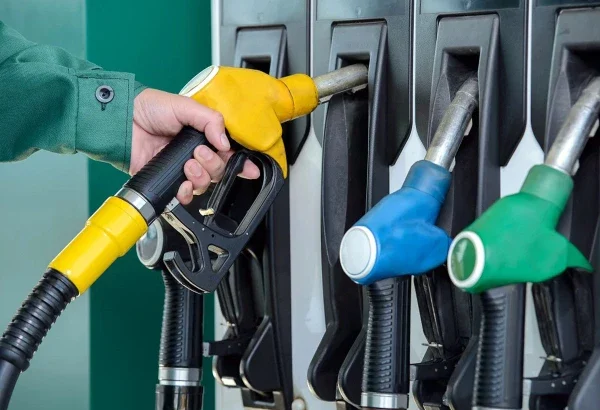
Pakistan is facing the highest fuel affordability burden in South Asia, even though petrol prices remain broadly similar across the region in US dollar terms. New comparative data based on World Bank indicators highlights a growing income gap that places Pakistan at a disadvantage compared to neighboring economies. Read More: https://theboardroompk.com/heatwave-warning-issued-as-climate-conditions-turn-hotter-than-normal/ Fuel affordability Pakistan South Asia comparison shows that petrol prices in Pakistan, India, Bangladesh, and Sri Lanka often move within a close range depending on global oil trends, taxation policies, and exchange rate movements. However, the real pressure emerges when these prices are measured against income levels. Petrol Prices Remain Close Across Region Recent data shows that petrol prices in the region remain relatively aligned in international dollar terms. Pakistan records petrol prices at around $1.41 per litre. India follows at $1.10 per litre, while Bangladesh stands at $1.05 per litre. Sri Lanka reports approximately $1.40 per litre. Despite minor differences, the overall pricing trend reflects global oil market movements and domestic tax structures. Currency depreciation and subsidy adjustments also influence final retail rates in each country. In local currency terms, Pakistan’s petrol price stands at around Rs. 393 per litre. India records Rs. 310 to Rs. 315 per litre. Bangladesh shows Rs. 325 to Rs. 335 per litre. Sri Lanka reports Rs. 355 to Rs. 365 per litre. Income Gap Creates Major Affordability Crisis The real disparity appears when comparing fuel prices with per capita income across South Asia. According to World Bank-based estimates, Pakistan’s per capita income ranges between $1,400 and $1,600. India reports a higher per capita income of around $2,600 to $2,700. Bangladesh stands close behind at $2,500 to $2,600. Sri Lanka leads the region with more than $4,500 per capita income. This gap places Pakistan at the bottom of South Asia in terms of purchasing power. As a result, fuel costs take a much larger share of household income in Pakistan compared to its regional counterparts. Pakistan Faces Highest Fuel Pressure in Region The data clearly indicates that Pakistan remains the most financially strained country in South Asia when it comes to fuel affordability. Even small increases in petrol prices place a heavier burden on households due to lower income levels. Economists say this imbalance makes Pakistan more vulnerable to global oil price fluctuations. It also increases pressure on transport costs, food supply chains, and inflation rates. In contrast, countries like India and Bangladesh maintain relatively stronger income levels, which help absorb fuel price shocks more effectively. Sri Lanka, despite its recent economic crisis and sovereign default in 2022, now shows stronger per capita income recovery compared to Pakistan. Sri Lanka Shows Recovery Despite Past Economic Crisis Sri Lanka, which defaulted on its sovereign debt in April 2022, now reports the highest per capita income among the four South Asian countries in this comparison. The recovery reflects structural reforms and stabilization efforts in recent years. While fuel prices in Sri Lanka remain close to regional averages, higher income levels provide better affordability capacity for consumers. Pakistan Remains Exposed to Global Oil Shocks Experts note that Pakistan’s lower income base makes it highly sensitive to global oil price changes. Any increase in international crude prices quickly translates into higher domestic fuel costs. This creates ripple effects across the economy, including rising transportation costs, higher food prices, and increased production expenses. Analysts suggest that without significant income growth and structural economic reforms, Pakistan will continue to face the highest fuel affordability pressure in South Asia.

Islamabad Peace Summit: US Envoys Arrive as Iran Rejects Direct Dialogue
Breaking News, Pakistan

Islamabad Peace Summit: US Envoys Arrive as Iran Rejects Direct Dialogue

ISLAMABAD – A high-level delegation of U.S. negotiators is scheduled to arrive in the Pakistani capital this Saturday to revive stalled peace talks, even as Tehran maintains a firm stance against direct engagement. The mission, led by Special Envoy Steve Witkoff and Jared Kushner, aims to resolve a nine-week conflict that has disrupted global energy supplies and claimed thousands of lives. Mediation Through Interlocutors Despite the White House’s optimism that the “Iranians want to talk in person,” Iranian Foreign Ministry spokesperson Esmaeil Baqaei clarified on social media that no direct meeting is on the agenda. Instead, Tehran intends to use Pakistani officials as intermediaries to convey their concerns. Foreign Minister Abbas Araqchi, who arrived in Islamabad on Friday, has been coordinating with Pakistani leadership, emphasizing that “neighbors are our priority” while dismissing direct contact with the American team. Economic Stakes and the Nuclear Demand The backdrop of these talks is a crippling economic impasse. Iran has largely closed the Strait of Hormuz, a vital artery for 20% of global oil, in response to a U.S. blockade on its exports. U.S. Defense Secretary Pete Hegseth recently stated that Iran still has an “open window” to secure a deal, provided they abandon their nuclear ambitions in a verifiable manner. With Brent crude prices soaring by 16% this week, the international community is watching Islamabad closely for any sign of a breakthrough that could stabilize the market.

Petroleum Price Hike Devastating for Industry and Employment, Businessmen
Breaking News, Pakistan

Petroleum Price Hike Devastating for Industry and Employment, Businessmen

Karachi: President of the Korangi Association of Trade and Industry (KATI), Muhammad Ikram Rajput, has expressed serious concern over the government’s recent increase in petroleum prices, warning that the move will have damaging consequences for industry, employment, and the broader economy. Read More: https://theboardroompk.com/why-phevs-not-evs-are-winning-the-first-round-of-electrification-in-emerging-markets/ Reacting to the latest notification, he said the price of petrol has been raised by Rs26.77 per litre to Rs393.35, while high-speed diesel has increased to Rs380.19 per litre. He termed the sharp hike in energy costs “highly detrimental” to industrial and commercial activity. Rajput noted that higher fuel prices would significantly raise production costs, leading to an increase in the prices of essential goods and undermining export competitiveness. “Expensive fuel translates directly into expensive production,” he said, adding that the burden would ultimately be passed on to consumers. He urged the government to immediately reduce levies and other charges on petroleum products to bring prices within reach of the common man. “Fuel prices are rapidly moving beyond the affordability of ordinary citizens,” he said, warning that the rising cost of energy is making it increasingly difficult for industries to sustain operations. President KATI pointed out that the business community is already grappling with high electricity tariffs, elevated interest rates, and other financial constraints. “At such a time, an increase in petroleum prices will only compound the challenges faced by industrialists,” he added. Rajput called on the government to review its decision and introduce immediate relief measures for the industrial and trade sectors. He cautioned that if production costs continue to rise at the current pace, industrial activity could slow down, adversely affecting both economic growth and employment.

Pakistan Turns to Global Market for LNG
Breaking News, Pakistan

Pakistan Turns to Global Market for LNG

Pakistan has stepped up efforts to secure liquefied natural gas as energy pressures continue to mount. Pakistan LNG Limited has issued a fresh tender to purchase liquefied natural gas (LNG) cargoes from the international market. Read More: https://theboardroompk.com/kenya-rice-export-meeting-reap-members-discuss-export-hurdles-and-ways-to-enhance-trade/ PLL seeks three LNG cargoes According to an official advertisement, the company has invited bids from global suppliers for three LNG cargoes. Each cargo will carry around 140,000 cubic metres of gas. Authorities want delivery on a delivered-ex-ship basis at Port Qasim. PLL has specified clear delivery windows. The first shipment should arrive between April 27 and 30. The second cargo should reach between May 1 and 7. The third delivery is expected from May 8 to 14. The tender will close on April 24, leaving a short timeframe for bids. Energy shortage drives urgent move Officials say the tender reflects growing urgency in Pakistan’s energy sector. The country continues to face a gap between demand and supply. LNG imports play a crucial role in filling this gap. Pakistan depends heavily on gas to generate electricity and run industries. However, domestic gas production continues to decline. This trend has increased reliance on imported LNG. Authorities aim to secure spot cargoes quickly to stabilize supply. Without immediate imports, the risk of prolonged power outages remains high. Government entity leads procurement PLL operates as a public sector company under the Ministry of Energy. It functions as a subsidiary of Government Holdings Private Limited. The company manages the entire LNG supply chain from procurement to delivery. Officials say PLL handles importing, storing, transporting, and distributing LNG across Pakistan. It also ensures supply to end users, including power plants and industries. This centralized role makes PLL a key player in maintaining energy stability. Any disruption in its procurement process can impact the entire system. Azerbaijan offers LNG support In a positive development, SOCAR has expressed readiness to supply LNG to Pakistan. Company officials said they can provide cargoes as soon as Islamabad places a request. SOCAR highlighted a framework agreement signed in 2025. This agreement allows Pakistan to purchase LNG cargoes under a faster process. Officials believe this arrangement can help reduce delays in procurement. Pakistan may consider this option to secure immediate supplies. Quick deals could help bridge the current shortfall. Global factors add pressure Pakistan’s LNG challenges also link to global market conditions. The country faces price volatility due to international supply disruptions. The ongoing impact of the Ukraine war continues to influence LNG availability and costs. Fluctuating prices make it difficult for Pakistan to secure affordable cargoes. At the same time, competition from other buyers adds further pressure. These factors have forced authorities to explore multiple supply options. The current tender reflects this broader strategy. Load shedding continues amid shortages Energy shortages have already started affecting consumers. Sardar Awais Ahmad Khan Leghari recently confirmed that load shedding will continue during peak hours. He said LNG supply remains disrupted due to a force majeure declared by Qatar. This situation has reduced available gas for power generation. The country currently faces a shortfall of around 3,400 megawatts. Lower hydropower generation has worsened the crisis. Reduced rainfall and irrigation demand have limited water releases from reservoirs. Government explores alternative measures Authorities have started using furnace oil to manage electricity demand. They have also delayed maintenance of nuclear plants to keep power generation stable. Officials say these measures offer temporary relief. However, long-term stability depends on consistent LNG supply. The government continues to work on multiple fronts to address the crisis. Securing LNG cargoes remains a top priority. Critical weeks ahead for energy sector The coming weeks will prove crucial for Pakistan’s energy outlook. Successful bids in the current tender can ease immediate pressure. Delays or high prices could deepen the crisis. Authorities remain under pressure to act quickly. Consumers and industries continue to face uncertainty as demand rises.

Pakistan Pays Record Premium on Fuel Imports as Global Supply Disruptions Intensify
Breaking News, Pakistan

Pakistan Pays Record Premium on Fuel Imports as Global Supply Disruptions Intensify

Pakistan is currently facing an unprecedented surge in fuel import costs, as the country is now paying record-high premiums on petroleum products amid ongoing global supply disruptions. The sharp increase is largely linked to geopolitical tensions in the Middle East, which have significantly impacted oil supply routes and pricing dynamics. Read More: https://theboardroompk.com/ccp-allows-acquisition-of-ranipur-sugar-mills-by-saakh-pharma-united-ethanol/ Recent data shows that the premium on imported fuel has climbed to around $34 per barrel, a dramatic jump compared to earlier levels of roughly $12 per barrel. This steep rise reflects tightening global supply conditions and increased competition for available cargoes. One of the key factors behind this spike is the disruption in the Strait of Hormuz—a critical global oil transit route—forcing countries like Pakistan to secure fuel at higher costs due to limited availability and increased freight risks. As a heavily import-dependent energy market, Pakistan is particularly vulnerable to such external shocks. The country relies on imports for a large portion of its fuel needs, making it highly exposed to fluctuations in global oil prices and supply chain disruptions. The financial impact is significant. Rising premiums are expected to push up the overall import bill, weaken the currency, and add further pressure on inflation. Historically, even moderate increases in oil prices have had a direct effect on Pakistan’s fiscal stability and current account balance. This situation is already translating into higher domestic fuel prices, placing an additional burden on consumers and businesses alike. With inflationary pressures mounting, the government faces difficult decisions regarding subsidies, pricing adjustments, and energy policy going forward. Looking ahead, uncertainty remains high. If global tensions persist and supply routes remain unstable, Pakistan could continue to face elevated fuel costs, further straining its economy and complicating recovery efforts.

Karachi Red Line BRT Faces Setback as Lot 2 Contract Terminated Over Delays
Breaking News, Pakistan

Karachi Red Line BRT Faces Setback as Lot 2 Contract Terminated Over Delays

Ongoing performance issues and missed deadlines force authorities to take decisive action on a key segment of the city’s transit project Karachi’s ambitious Red Line Bus Rapid Transit (BRT) project has suffered a major setback after authorities decided to terminate the Lot 2 contract, citing persistent delays and underperformance by the contractor. The move comes after concerns raised by the Asian Development Bank, which highlighted slow progress, quality shortcomings, and failure to meet environmental and safety standards during a recent review. Read More: https://theboardroompk.com/kcci-raises-alarm-over-targeted-attack-on-industrialist-warns-of-resurgent-extortion-mafia-collapsing-law-order/ The affected stretch—from Mosamiyat to Numaish—has faced repeated disruptions, including financial disagreements and halted construction work. Initially launched in 2022 with a target completion timeline of 30 months, the project has already missed its expected 2024 deadline, with uncertainty now surrounding its revised completion schedule. Officials have begun formal proceedings to end the contract, signaling a critical turning point for one of Karachi’s most important urban transport initiatives. The prolonged delays have not only stalled infrastructure development but also worsened traffic congestion, adding to the daily challenges faced by commuters across the city. As authorities move forward, the focus will shift to reassigning the contract and accelerating progress to ensure the project can eventually deliver on its promise of a modern, efficient public transport system for Karachi.

US-Iran Talks in Doubt Amid Mixed Signals Ahead of Islamabad Meeting
Breaking News, Politics

US-Iran Talks in Doubt Amid Mixed Signals Ahead of Islamabad Meeting

Uncertainty deepened on Monday as mixed signals from Tehran cast doubt over whether the United States and Iran would proceed with a second round of direct negotiations. Despite preparations underway in Islamabad, officials on both sides continued to issue conflicting statements. These contradictions raised concerns about the future of diplomacy at a time of rising regional tension. Read More: https://theboardroompk.com/indrive-joins-world-economic-forums-unicorn-community/ Iran Sends Mixed Signals on Negotiations Iran’s foreign ministry spokesperson Esmaeil Baqaei confirmed that Tehran has not yet decided whether it will attend the next round of talks with the US. He made it clear that no final decision exists at this stage. His statement reflected the broader mixed signals emerging from Iran’s leadership. Baqaei addressed reporters in Tehran and said the government had no immediate plans for negotiations. He stressed that Iran remains cautious. He also accused Washington of failing to demonstrate genuine commitment to diplomacy. According to him, recent US actions contradict its stated willingness to engage in dialogue. At the same time, Iran’s parliament speaker Mohammad Bagher Ghalibaf offered a slightly different tone. He said Tehran continues negotiations with Washington. However, he warned that Iran stands ready to take necessary measures if tensions escalate. His remarks added to the growing sense of mixed signals surrounding Iran’s position. US Position Adds to Uncertainty On the American side, statements from Donald Trump further complicated the situation. Trump announced that a US delegation would travel to Islamabad for talks. However, he did not confirm whether negotiations would actually take place. This announcement followed reports that the US Navy targeted an Iranian vessel attempting to bypass a blockade in the Strait of Hormuz. Both Washington and Tehran presented conflicting accounts of the incident. This development intensified tensions and reinforced the prevailing mixed signals. The situation worsened after Iran closed the Strait of Hormuz again on Saturday. Tehran declared it would not reopen the vital trade route until the US lifted its blockade on Iranian ports. This move raised global concerns about oil supply disruptions and regional stability. Tehran Accuses US of Ceasefire Violations Baqaei strongly criticized US actions during his briefing. He argued that Washington’s behavior undermines any claim of pursuing diplomacy. He pointed to several incidents as evidence. These included the alleged attack on an Iranian cargo ship, the ongoing naval blockade, and delays in implementing a ceasefire in Lebanon. According to Iran, these actions violate a recently agreed two-week ceasefire. Baqaei said such measures show a lack of seriousness from the US. Iran’s leadership also expressed deep mistrust toward Washington. Ghalibaf reiterated that Iran does not trust its adversary. He warned that the US could escalate the conflict at any moment. He also referenced past experiences, including the brief but intense 12-day war in June 2025. He said Iran has learned from that conflict and remains prepared for future confrontations. Islamabad on High Alert for Possible Talks Meanwhile, Islamabad continued preparations for the expected negotiations. Authorities implemented extraordinary security measures across the capital and nearby Rawalpindi. Officials deployed more than 10,000 security personnel. These included commandos and snipers stationed at key locations. Authorities also sealed the high-security Red Zone and blocked major routes. Public transport services were suspended in several areas to ensure security. At Islamabad International Airport, special arrangements were put in place to handle the expected arrival of foreign delegations. Reports confirmed that advance US security teams had already reached the city to coordinate logistics. Authorities also vacated two luxury hotels to accommodate visiting officials. These measures highlighted Islamabad’s readiness to host high-stakes diplomatic engagement despite ongoing uncertainty. Confusion Over US Delegation Leadership Another layer of uncertainty emerged regarding the US delegation. During the first round of talks, JD Vance led the American team. However, officials have not confirmed whether he will attend the upcoming meeting. Trump initially suggested that Vance would not lead the delegation due to security concerns. He later praised his vice president but avoided giving a clear answer. The White House also issued conflicting statements, adding to the confusion. This lack of clarity contributed to the broader atmosphere of mixed signals. It raised questions about the seriousness and structure of the US approach to the negotiations. Strait of Hormuz Tensions Escalate Tensions in the Strait of Hormuz remained a critical issue. Iran’s First Vice President Mohammad Reza Aref issued a strong warning regarding the situation. He stated that the security of the vital shipping route cannot be guaranteed if Iran’s oil exports remain restricted. He emphasized that no country should expect free security while limiting Iran’s economic activity. Aref said the global community faces a clear choice. It must either allow a free oil market or accept significant economic consequences. He warned that continued pressure on Iran could destabilize global energy markets. His remarks underscored the high stakes involved. The Strait of Hormuz remains one of the world’s most important oil transit routes. Any disruption could have far-reaching economic impacts. Diplomatic Path Remains Uncertain The combination of military tension, political mistrust, and conflicting statements has created a fragile environment. Both sides appear open to dialogue, yet their actions suggest otherwise. These mixed signals continue to cloud the future of US-Iran relations. While Islamabad stands ready to host the talks, the absence of clear commitments from either side raises doubts. The coming days will prove critical. They will determine whether diplomacy can move forward or whether tensions will escalate further.

Strait of Hormuz Reopens Amid Uncertainty in US-Iran Peace Talks
Breaking News

Strait of Hormuz Reopens Amid Uncertainty in US-Iran Peace Talks

WASHINGTON — Seven weeks of conflict with Iran have exposed a key vulnerability for President Donald Trump: the US economy. Despite military pressure on Tehran, the war has driven up global energy prices, strained domestic consumers, and forced a rush toward diplomacy. Read More: https://theboardroompk.com/pakistan-new-company-registrations-surge-as-foreign-investors-boost-corporate-growth-in-q1-2026/ Economic Pressure Mounts on Trump Iran’s temporary reopening of the Strait of Hormuz has allowed some tankers to move, easing immediate fears over oil supplies. Yet analysts say the conflict has revealed limits to Trump’s tolerance for economic pain at home. US gasoline prices have surged, inflation is rising, and Trump’s approval ratings have dipped. The International Monetary Fund has warned of global recession risks. Trump, who campaigned on promises of cheap gas and low inflation, now faces growing pressure from Republican lawmakers ahead of midterm elections. Higher fuel costs have hit American drivers, farmers, and airlines. Disrupted fertilizer shipments have affected key Trump-supporting agricultural regions. Financial markets reacted positively to news of the strait’s reopening, with oil prices falling sharply and stocks climbing. White House officials insist the administration is balancing military goals with its economic agenda. However, critics argue the war has become an “Achilles heel” for Trump, prompting an abrupt shift from airstrikes to negotiations. Uncertain Path to Lasting Peace Trump described “some pretty good news” on Iran but offered no details. He indicated a two-week ceasefire might not be extended beyond Wednesday unless a broader deal is reached. Talks mediated by Pakistan remain unclear, with no visible preparations in Islamabad for high-level meetings this weekend. Core disputes persist over Iran’s nuclear program. Trump insists any agreement must prevent Tehran from developing a nuclear weapon and involves removing stockpiles of enriched uranium. Iranian officials have rejected transferring the material outside their territory. Iran’s armed forces have signaled they could reimpose strict military control over the strait, citing alleged US “piracy” and blockade actions. A senior Iranian negotiator warned the waterway “will not remain open” if pressure continues. Allies and rivals alike are watching closely. European nations and Asian partners worry about Trump’s unpredictability and its impact on global energy security. Russia and China may see opportunities to exploit perceived US economic sensitivities in future confrontations. Experts caution that even if fighting ends soon, repairing economic damage could take months or years. Gulf Arab states seek security guarantees, while Trump’s call for regime change in Iran has gone unanswered. The conflict, which began on February 28 with US-Israeli strikes, has killed thousands and disrupted one-fifth of global oil trade. A lasting deal remains elusive, with gaps on nuclear issues and enforcement mechanisms.

PIA Pre Hajj Operation to commence from 19 April
Breaking News, Pakistan

PIA Pre Hajj Operation to commence from 19 April

Karachi: PIA Pre Hajj Operation of transporting intending pilgrims to Saudi Arabia will commence from 19 April, 2026. PIA on the first day of Pre Hajj Operation will transport more than 540 intending pilgrims to Al-Madinah Al-Munawwarah, Saudi Arabia . Read More: https://theboardroompk.com/india-sixth-largest-economy-dropped-from-4th-position-imf-report-exposes-growth-claims/ PIA’s first Pre-Hajj flight from Sialkot PK 747 and Faisalabad PK 4003 will depart on 19 April for Madinah, Saudi Arabia. The first flight from Multan, PK 715, will depart on 20 April. On 21 April, the first Pre-Hajj flights from Quetta and Islamabad will depart for Madinah respectively. The first Pre-Hajj flight from Karachi, PK 743, will depart on 23 April. The airlines first Pre-Hajj flight PK 747 will depart from Lahore for Madinah on 24 April. PIA will operate more than 191 flights to Jeddah and Madinah to transport more than 55,000 intending pilgrims. PIA will operate flights from cities such as Islamabad, Karachi, Lahore, Multan, Sialkot, Faisalabad and Quetta to Madinah and Jeddah, Saudi Arabia. PIA will transport more more than 15,400 intending pilgrims from Islamabad to Saudi Arabia through 46 Pre- Hajj flights, more than 15,000 from Karachi through 55 flights, more than 12,300 from Lahore through 34 flights, 3,680 from Faisalabad through 23 flights, 5,383 from Multan through 13 flights, 2075 from Sialkot through 5 flights and more than 4,487 intending pilgrims through 15 Pre Hajj flights from Quetta to Saudi Arabia. This year also, PIA aims to provide best services to the Intending Pilgrims, meeting the reliability targets set for itself. During Hajj Operations 2025, PIA exceeded the reliability of 90% and got commendations from the local authorities. CEO PIA , AVM Amir Hayat, who would be personally supervising the operation, has instructed the airline’s Hajj Team to provide the best services to intending pilgrims and make their travel Comfortable and Convenient. The Pre-Hajj Operation will conclude on 21 May 2026.

BingX Renews Chelsea FC Partnership Bolstering Leadership in Global Sports Strategy
Breaking News, Tech

BingX Renews Chelsea FC Partnership Bolstering Leadership in Global Sports Strategy

Pakistan, April 16, 2026 – BingX, a leading cryptocurrency exchange and Web3-AI company, today announced it will renew its partnership with Chelsea FC, reinforcing its long-term position as a global leader in sports partnerships. The partnership with Chelsea FC has paved the way for BingX’s immersion into sports, evidenced by the recently announced partnership with Scuderia Ferrari HP.  The extension with Chelsea demonstrates BingX’s strategy of aligning with world-class institutions, expanding its international presence, and connecting the rigorous discipline of elite teams with the performance of next-gen crypto trading. Read More:https://theboardroompk.com/sm-tanveer-urges-unity-investment-repatriation-to-boost-pakistans-economy-at-karachi-business-gathering/ Since the inception of the partnership, BingX and Chelsea FC have united under a shared philosophy symbolized by ‘Trained on Greatness’: discipline, precision, and continuous improvement. This period was marked by Chelsea FC becoming World Champions, with their historic victory in 2025, alongside high-impact activations such as the “Trained on Greatness” campaign and John Terry’s appearance with BingX at TOKEN2049 Singapore, reinforcing both performance and global engagement. The extended partnership follows successful 2.5 years of collaboration, which saw BingX evolve from its entry as Official Sleeve Partner to the deep integration of an Official Training Wear Partner. “By renewing our partnership with Chelsea FC, we are doubling down on our commitment to world-class sports partnerships,” said Pablo Monti, Spokesperson of BingX. “At the heart of this collaboration is a shared belief in the values that drive elite performance: discipline, preparation, and continuous improvement, aligning elite athletic performance and AI-powered crypto trading precision. Together with Chelsea FC, we are proud to join the club from daily preparation to brand storytelling, connecting our brands through visibility across training sessions, behind-the-scenes content, and global digital channels.” John Rogers, Chelsea FC’s Head of Partnerships, said: “We are proud to extend our partnership with BingX, and continue the strong work delivered with our Principal Partner and training kit partner already. From day one, they have shared our vision of embracing innovation while putting fans and their community at the heart of everything we do together. This extension reflects the strength of our relationship and our belief in the potential of the digital world to enhance the experiences of our global fanbase.” As the 2026/27 season unfolds, this partnership will remain grounded in a common mindset that values consistency, innovation, and long-term growth, with both BingX and Chelsea FC united in their ambition to uphold the highest standards both on the training ground and in the crypto trading space.

Scroll to Top