Breaking News

Flawed 2023 Policy Blocks Foreign Oil Storage Investments in Pakistan
Breaking News

Flawed 2023 Policy Blocks Foreign Oil Storage Investments in Pakistan

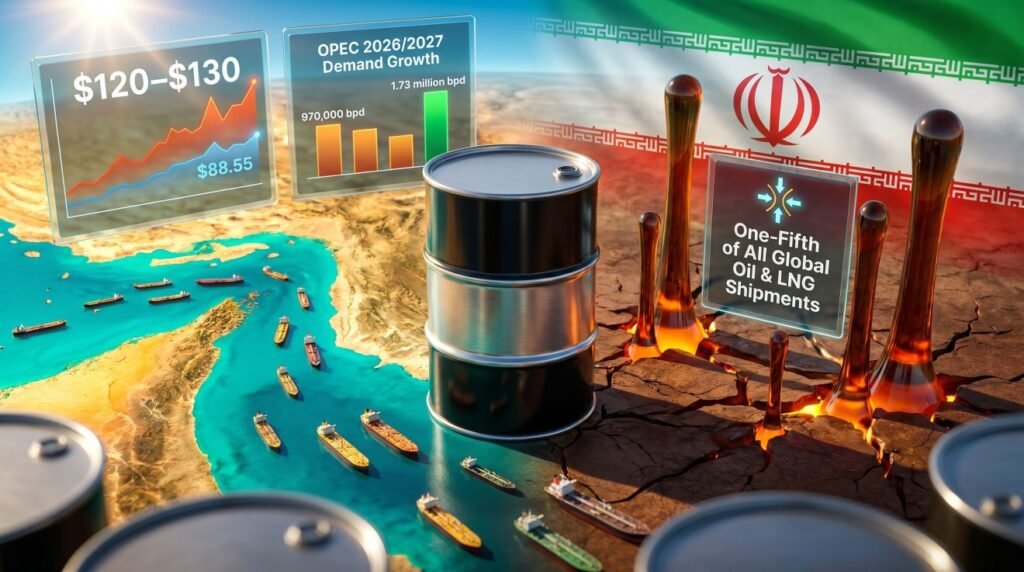
Pakistan has failed to attract any foreign oil supplier to establish bonded storage facilities under the 2023 policy. The government is now amending the framework to create a more favourable environment for international investors after recent supply shocks. Read More: https://theboardroompk.com/oil-companies-oppose-fuel-price-cuts-warn-government-of-financial-crisis/ Crisis Exposes Critical Gaps in Reserves The Iran-US conflict and closure of the Strait of Hormuz exposed serious weaknesses in Pakistan’s energy supply chain. All oil imports transit through this narrow waterway, leaving the country highly exposed to disruptions. Pakistan remains the only nation in the region without strategic petroleum reserves. India, in contrast, has developed reserves with support from the UAE to protect against similar risks. Gas supplies from Qatar were also interrupted, worsening shortages during the crisis period. The absence of reserves means any prolonged supply interruption could quickly trigger widespread fuel scarcity across the country. This would disrupt transport, industry and daily economic activity for citizens. Committee Pushes for Policy Overhaul Petroleum Minister Ali Pervaiz Malik has directly engaged key oil-producing countries to invite them to set up storage projects in Pakistan. Kuwait has already expressed initial interest in the proposal. Land earlier allocated to the UAE for the Khalifa refinery and storages was never developed. A dedicated committee was constituted on May 7, 2026 to review the existing bonded storage policy and recommend changes. The panel held multiple meetings with major petroleum traders to gather practical feedback before preparing a draft. The amended policy draft has now been circulated to relevant ministries for their comments. Under the proposed rules, the government would retain first right of access to oil held in these foreign-managed reserves. Suppliers would still be allowed to export oil from the storages when required. The petroleum division had briefed the ECC on the need for strategic storages as a core pillar of energy security. No foreign supplier has established any bonded storage facility under the original 2023 policy. These reforms form part of broader efforts to strengthen energy security through strategic reserves and greater indigenisation. Plans to develop gas storages in depleted fields have similarly seen little progress so far. Success with partners like Kuwait could open doors for similar collaborations with Saudi Arabia and Qatar on both oil and gas storage. By offering clearer terms and balanced incentives, officials aim to position Pakistan as an attractive destination for long-term regional energy investments.

Oil Returns to Pre-War Levels as Hormuz Traffic Rebounds
Breaking News

Oil Returns to Pre-War Levels as Hormuz Traffic Rebounds

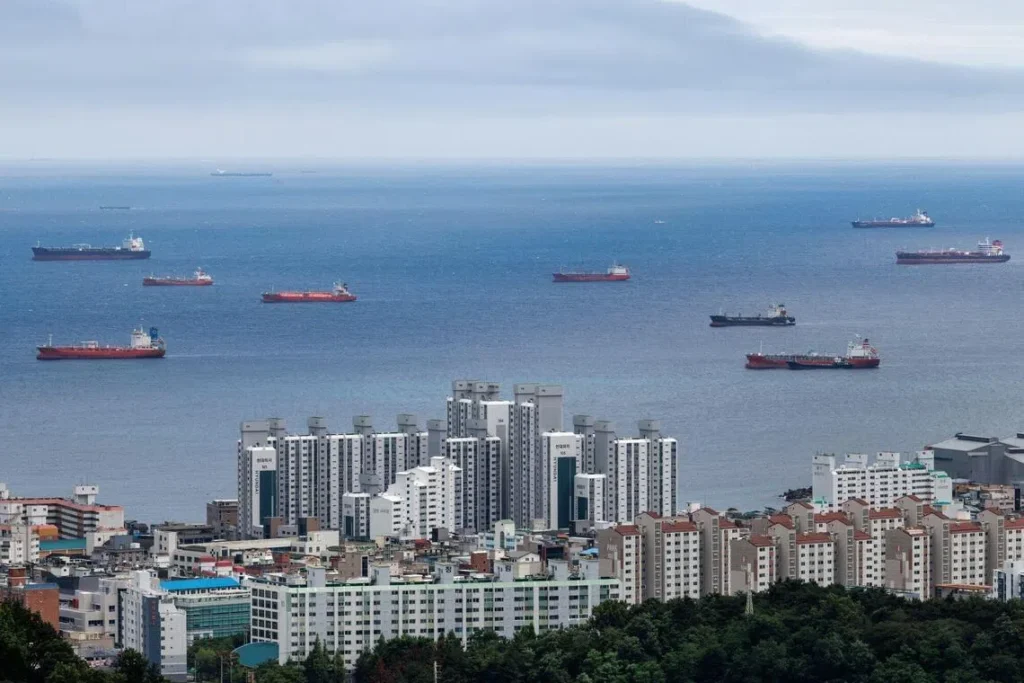
Global oil markets stabilised as traffic through the Strait of Hormuz returned toward pre-war levels. This followed disruptions caused by the recent Iran conflict. Read More: https://theboardroompk.com/oil-companies-oppose-fuel-price-cuts-warn-government-of-financial-crisis/ Shipping Recovery Details U.S. officials reported shipments approaching normal volumes, with significant daily exits recorded. The recovery eases immediate concerns over energy supply chains critical to the global economy. Iran continued to assert influence, warning against uncoordinated shipping routes. Meanwhile, temporary lanes were announced in coordination with Oman and the UN. Diplomatic Reassurance and Domestic Tensions Secretary of State Marco Rubio toured the Gulf to build support for the preliminary accord with Tehran. He assured allies that the U.S. would not accept Iranian tolls on the strait. The effort addresses regional scepticism over the deal’s terms, including financial incentives for Iran. Gulf states worry about potential military rebuilding and unaddressed missile capabilities. In Washington, Trump faced internal Republican pushback over the war and deal framework. Despite this, Senate leaders backed measures maintaining administration flexibility. Broader talks are expected in the coming 60 days. Parallel developments include discussions on Israel-Lebanon issues linked to the wider regional settlement.

NCCIA Opens Inquiry Into Social Media Content Targeting Easypaisa Bank Regarding Its Financial Stability And Operational Continuity
Breaking News

NCCIA Opens Inquiry Into Social Media Content Targeting Easypaisa Bank Regarding Its Financial Stability And Operational Continuity

Islamanad, 25th June 2026: The National Cyber Crime Investigation Agency (NCCIA) has initiated an inquiry into the alleged spread of false and misleading information targeting easypaisa bank limited across social media and digital platforms over the past two weeks. Read More: https://theboardroompk.com/ogdc-poised-for-strong-recovery-with-baragzai-boost-and-sector-reforms/ The complaint was filed by Mr Naresh Kumar Aruwani, Head of Country Litigation at easypaisa bank limited, seeking legal action against individuals accused of creating and amplifying content aimed at undermining public confidence in the bank. Commenting on the matter, Mr Naresh Kumar Aruwani stated that the deliberate spread of false information against a regulated financial institution not only harms the institution but also risks undermining confidence in Pakistan’s broader banking ecosystem. He added that easypaisa remains financially strong and fully operational and expressed confidence that authorities would take appropriate legal action. According to sources, the inquiry has been assigned to a Senior Officer at NCCIA, who has initiated proceedings under the Prevention of Electronic Crimes Act, 2016 (PECA) to identify and proceed against all persons involved in the creation and dissemination of the impugned content. The complaint alleges that certain influencers and digital content creators circulated exaggerated and misleading claims regarding the bank’s financial stability and operational continuity, encouraging customers to withdraw funds and creating unnecessary panic. easypaisa bank limited has strongly denied the allegations, calling the claims false, baseless, and fake news. The bank reaffirmed that its services remain fully operational and customer funds are secure. As Pakistan’s first mobile wallet launched in 2008 and now the country’s leading digital bank regulated by the State Bank of Pakistan, easypaisa serves over 60 million registered users nationwide and remains committed to financial inclusion, customer protection, and operational resilience. The bank clarified that while some digital services experienced temporary technical disruptions during the relevant period, the issue was operational in nature, promptly resolved, and did not affect customer deposits or the bank’s financial stability. easypaisa has urged customers to rely only on official communications and verified regulatory announcements while reiterating its commitment to protecting customer interests and pursuing legal remedies against misinformation.

Oil Prices Extend Losses as Strait of Hormuz Traffic Resumes
Breaking News

Oil Prices Extend Losses as Strait of Hormuz Traffic Resumes

Global oil prices fell by more than 1% on Wednesday, extending losses recorded earlier this week as signs emerged that oil shipments through the Strait of Hormuz are gradually recovering. The decline pushed both major crude benchmarks close to their lowest levels in four months. Brent and WTI Crude Continue to Decline Brent crude futures dropped 78 cents, or 1%, to $76.30 per barrel by 0350 GMT. Meanwhile, US West Texas Intermediate (WTI) crude fell 78 cents, or 1.1%, to $72.43 per barrel. Both benchmarks had already settled around 1% lower on Tuesday and touched their lowest levels since early March. The latest decline reflects growing confidence among traders that oil supplies from the Middle East will continue to flow despite recent regional tensions. Increased Strait of Hormuz Traffic Boosts Market Confidence Market analysts pointed to improving shipping activity in the Strait of Hormuz as a major factor behind the fall in prices. Commodity strategists at ING noted that positive developments in the Persian Gulf have increased optimism about oil transportation through the strategic waterway. According to analysts, vessel crossings have risen in recent days, although traffic remains below levels seen before the recent conflict. The Strait of Hormuz is one of the world’s most important energy corridors, carrying a significant portion of global oil exports. Any disruption to shipping in the area often leads to sharp increases in energy prices. US-Iran Diplomatic Progress Weighs on Crude Markets Oil prices also came under pressure after Washington granted Tehran a 60-day sanctions waiver following initial peace talks. The waiver allows Iran to continue selling oil while negotiations continue. Analysts believe the development has eased concerns about potential supply disruptions and could increase crude availability in international markets. Tomomichi Akuta, Senior Economist at Mitsubishi UFJ Research and Consulting, said hopes for easing tensions between the United States and Iran, along with the recovery of oil shipments through the Strait of Hormuz, have weighed heavily on crude prices. He added that further progress in nuclear negotiations could push oil prices back to levels seen before the recent regional conflict. Oman and Iran Continue Navigation Talks Diplomatic discussions regarding the future administration of navigation in the Strait of Hormuz also continued this week. According to reports, Oman and Iran agreed to continue consultations on managing navigation through the strategic waterway. At the same time, US Secretary of State Marco Rubio stated that any Iranian attempt to impose transit fees on ships passing through the strait would violate international law. Despite these developments, uncertainty remains over the long-term stability of the agreement and the future of regional security arrangements. Conflicting Statements on Nuclear Inspections Questions also remain regarding the progress of nuclear negotiations between Washington and Tehran. US President Donald Trump said on Tuesday that Iran had agreed to nuclear inspections “into infinity.” However, Iranian officials denied making such a commitment during ongoing talks. The conflicting statements have created uncertainty among investors, who continue to monitor diplomatic developments closely. Stranded Tankers Begin Moving Through Strait Shipping activity showed further signs of improvement as several vessels successfully passed through the Strait of Hormuz. An Iranian military source told local media that a limited number of ships are being allowed to transit the waterway each day under coordination with Iran’s Revolutionary Guards Navy. Ship-tracking data indicated that three stranded supertankers successfully crossed the strait on Tuesday. Meanwhile, the United Nations shipping agency confirmed that an evacuation plan is underway to help hundreds of vessels and approximately 11,000 seafarers stranded in the Gulf resume their journeys following the US-Iran ceasefire agreement. The gradual restoration of maritime traffic has eased fears of a prolonged disruption to global energy supplies. Investors Watch Supply Recovery Market participants are now focused on how quickly Middle Eastern oil producers can restore exports to normal levels and whether more vessels will return to the region. A faster recovery in shipments could increase global supply and place additional downward pressure on crude prices in the coming weeks. US Crude Inventories Show Modest Decline Meanwhile, inventory data offered mixed signals for the oil market. According to market sources citing figures from the American Petroleum Institute (API), US crude oil inventories fell by 765,000 barrels during the week ending June 19. The decline was smaller than expected. Analysts surveyed by Reuters had forecast an average drawdown of approximately 4.5 million barrels. The lower-than-expected inventory reduction suggests that supply conditions remain relatively comfortable despite recent geopolitical disruptions. Outlook for Oil Markets Oil markets remain highly sensitive to developments in the Middle East. While improving shipping conditions and diplomatic progress have eased immediate concerns, traders continue to monitor the durability of the US-Iran ceasefire and ongoing nuclear negotiations. For now, increased vessel movement through the Strait of Hormuz and expectations of higher oil supplies are keeping downward pressure on prices. However, any setback in negotiations or disruption to shipping routes could quickly reverse the trend and reignite volatility in global energy markets.

Select Technologies Limited’s IPO oversubscribed by 3.2 times, subscribed at Rs34 per share
Breaking News

Select Technologies Limited’s IPO oversubscribed by 3.2 times, subscribed at Rs34 per share

Karachi, June 23: Select Technologies Limited’s Initial Public Offering book-building process was fully subscribed at Rs34 per share, above the floor price of PKR 28 per share. The Company offered 66.67 million ordinary shares, and the offering was oversubscribed by 3.2 times. This strong demand reflects investor confidence in both Pakistan’s expanding smart devices and consumer electronics manufacturing sector and the Company’s growth potential. Read More: https://theboardroompk.com/ogdc-poised-for-strong-recovery-with-baragzai-boost-and-sector-reforms/ Select Technologies Limited, a wholly owned subsidiary of Air Link Communication Limited, manufactures and assembles smartphones, smart TVs, air conditioners, and other consumer appliances in Pakistan. The Company plans to expand into higher-margin consumer technology and home appliance segments. Muzzaffar Hayat Piracha, Group CEO of Air Link Communication Limited, stated that the investor response demonstrates confidence in the Group’s long-term vision. “Select Technologies represents our commitment to building a stronger local manufacturing platform for smartphones, smart devices, and consumer electronics in Pakistan. The successful subscription of the book-building process is a vote of confidence in our strategy and our partnerships,” he said. Shahid Ali Habib, CEO of Arif Habib Limited, noted that the successful book-building indicates strong investor interest in fundamentally sound companies within high-growth sectors. “The strong response to Select Technologies’ IPO highlights investors’ confidence in Pakistan’s capital market and in companies that are contributing to import substitution, industrial growth, and local value addition. We are pleased to be associated with this transaction,” he said. The IPO proceeds will support the Company’s expansion plans and reinforce its position in Pakistan’s evolving consumer technology sector.

US Temporarily Lifts Sanctions on Iranian Oil Amid Final Peace Deal Negotiations
Breaking News

US Temporarily Lifts Sanctions on Iranian Oil Amid Final Peace Deal Negotiations

The United States has authorised the production, delivery and sale of Iranian oil, marking a significant easing of long-standing sanctions. Read More: https://theboardroompk.com/another-indian-becomes-head-of-us-tech-giant-kunal-shah-to-lead-whatsapp/ This temporary measure comes as both sides continue high-level talks aimed at sealing a comprehensive peace deal. Diplomatic Framework Takes Shape The Treasury Department issued a general license valid through August 21. It covers crude oil, petrochemicals and petroleum products of Iranian origin. Treasury Secretary Scott Bessent highlighted Iran’s commitments to free and open transit in the Strait of Hormuz and allowing International Atomic Energy Agency (IAEA) inspectors access. The move fulfills a promise under last week’s memorandum of understanding between Washington and Tehran. Market and Energy Implications Transactions now include importation of Iranian-origin products into the United States when needed to complete sales or deliveries. The license explicitly excludes dealings involving North Korea or Cuba. For global oil markets, the development could add supply and exert downward pressure on prices. Brent crude recently hovered around $75 per barrel. Pakistan, a major importer of energy, may benefit from potentially softer international oil prices in coming weeks. Lower costs could ease pressure on the country’s import bill and help contain inflation. Analysts note that stable Strait of Hormuz transit remains critical for Pakistan’s energy security, given the chokepoint’s role in global crude flows. Broader Regional Context The authorisation follows recent US-Iran engagements in Switzerland. Vice President JD Vance described the talks as laying a strong foundation for a successful final deal. Iranian President Masoud Pezeshkian is scheduled to visit Pakistan shortly, opening avenues for bilateral discussions on energy cooperation and trade. The 60-day window provides breathing space for technical teams to hammer out details of a permanent agreement. Experts suggest successful implementation could unlock frozen assets and facilitate reconstruction efforts in the region. For Pakistani businesses, particularly in transport, power and manufacturing sectors, any sustained decline in fuel prices would translate into lower operational costs. The development also carries potential for renewed regional trade dynamics. Improved US-Iran relations may influence broader Middle East stability, affecting Pakistan’s strategic interests. Observers caution that the license is temporary and progress on the final deal will determine longer-term outcomes. Continued monitoring of oil market reactions and diplomatic updates remains essential for policymakers in Islamabad.

PIA Handover to New Owners Targeted for End of June as Formalities Complete
Breaking News

PIA Handover to New Owners Targeted for End of June as Formalities Complete

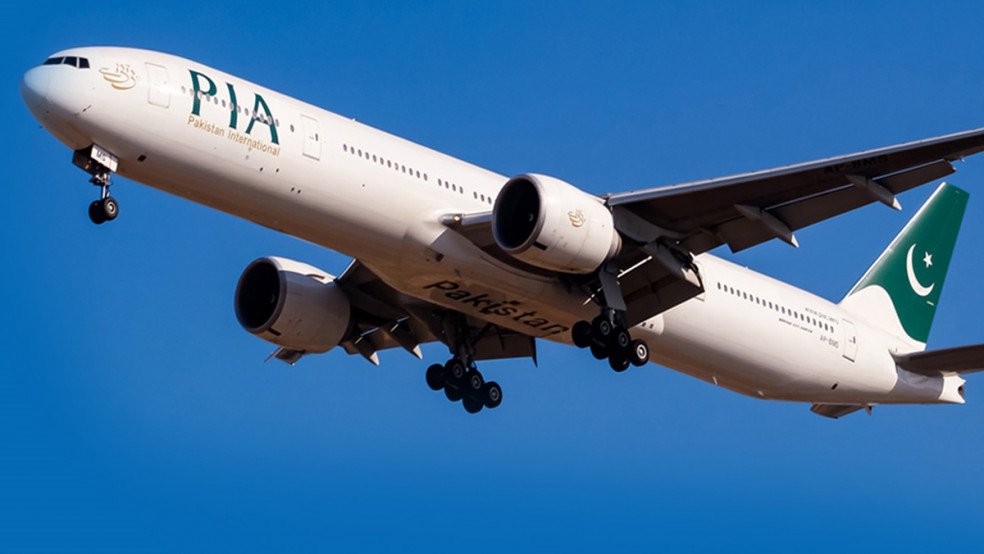
ISLAMABAD: The government is set to hand over PIA to its new owners by the end of the current month as all remaining codal formalities and documentation have been completed. Formalities Completed Ahead of Handover Prime Minister’s Adviser on Privatisation Muhammad Ali made the disclosure in an interview. He stated there is no hurdle left in the process. Certain issues between bidding and closing stages were resolved. These included NOCs for global contracts, aircraft loans and lease agreements. Permissions from lenders were necessary to transfer agreements to the new entity. Resolution of FBR-related issues also took considerable time and effort. Liabilities, Legal Framework and Tax Relief Addressed A number of liabilities are being transferred to the PIA Holding Company. This involved substantial effort from the concerned teams. The PIA Act of 1956 has been repealed except for the name retention clause. The law was approved by Parliament after initial introduction through an ordinance. During the transition period, PIA management consults with the bidders on decisions. The consortium led by Arif Habib Corporation holds 75 per cent stake. It acquired the stake for Rs135 billion in December 2025. Fauji Fertiliser Company joined the group subsequently. The deal structure has Rs10 billion as government equity component. Rs125 billion is committed for debt reduction and fleet modernisation. GST exemption on aircraft and spare parts has IMF approval. This ensures operations remain viable and competitive in the market. The Privatisation Commission backs extending similar concessions to other airlines. Such extension would need separate IMF clearance going forward. The adviser confirmed the target remains firm for month-end completion.

Pakistan Auto Financing Hits Fresh Record High of Rs 369 Billion in May 2026
Breaking News, Pakistan

Pakistan Auto Financing Hits Fresh Record High of Rs 369 Billion in May 2026

Pakistan’s auto financing has reached a new all-time high. Outstanding auto loans stood at Rs 369 billion in May 2026. This figure edges past the previous peak of Rs 368 billion recorded in June 2022. It also marks a solid 36 percent year-on-year increase. A 3 percent month-on-month rise adds to the positive momentum. Topline Securities compiled the latest data based on State Bank of Pakistan figures. Key Drivers of the Auto Financing Boom Lower interest rates have made vehicle loans much more attractive. Borrowing costs have dropped, easing the monthly payment burden for buyers. Improved affordability has encouraged more families to consider financing. Many households now feel confident about taking on auto loans. Vehicle availability has also risen in the local market. Manufacturers have stepped up production to match growing demand. Expected Impact on Vehicle Sales The record financing level is expected to lift passenger car sales. Financed purchases are likely to see the biggest gains. Higher-priced vehicle segments should benefit strongly from this trend. Buyers are showing renewed interest in upgraded models. Sustained growth in auto financing will support the entire auto industry. Assemblers, dealers, and banks stand to gain from higher volumes. Consumer confidence appears to be returning after tough years. This development signals improving economic sentiment across the country. Banks are extending more credit as repayment capacity strengthens. The sector is now positioned for steady expansion in the months ahead. Overall, the latest numbers reflect a clear turnaround in consumer demand. They point to better days for Pakistan’s auto market.

Sindh Unveils Rs3.56 Trillion Budget for FY2026-27 with No New Taxes and 7% Salary Increase
Breaking News

Sindh Unveils Rs3.56 Trillion Budget for FY2026-27 with No New Taxes and 7% Salary Increase

Sindh Chief Minister Syed Murad Ali Shah on Wednesday presented a Rs3.562 trillion budget for the fiscal year 2026-27 in the Sindh Assembly, announcing no new taxes and unveiling a series of relief measures aimed at supporting citizens, businesses, farmers and investors. The chief minister said the budget was based on four principles: constitutional rights, fiscal sustainability, national stability and public welfare. He added that the government was moving from welfare to prosperity and from prosperity towards economic leadership. Government Employees to Receive 7% Salary and Pension Increase Murad Ali Shah announced a seven percent increase in salaries and pensions for government employees. He also announced the merger of the ad hoc relief allowances of 2022 and 2025 into the basic pay scales. The provincial government raised the minimum monthly wage from Rs40,000 to Rs43,000 to provide additional support to workers. No New Taxes Introduced The chief minister said the government had not imposed any new taxes in the budget and reiterated its commitment to providing relief to the public and the business community. He said the move reflected the government’s efforts to maintain economic stability while encouraging investment and growth. Sindh International Financial Center to Be Established in Karachi Murad Ali Shah announced the establishment of the Sindh International Financial Center (SIFC) in Karachi to position the city as a regional hub for finance, investment and fintech. The proposed center will serve as a platform for infrastructure finance, Islamic finance and climate finance. The government has identified three potential locations for the project. He also announced the launch of the Sindh Green Data Infrastructure Initiative to attract investment in world-class data centers and artificial intelligence infrastructure. Keti Bandar to Become New Maritime and Economic Hub The chief minister announced plans to transform Keti Bandar into a global maritime, logistics, industrial and energy center. He said the project would become the next major milestone in Sindh’s economic development after Port Qasim and would connect Pakistan more effectively with international trade routes. According to Murad Ali Shah, the project will also be linked with Dhabeji Special Economic Zone and Thar coal resources. Pakistan’s Largest Solar Program Announced The Sindh government announced what it described as the largest solar initiative in Pakistan’s history. Under the Rs18 billion program, 275,000 free solar home systems will be distributed to households. The government also plans to introduce a subsidized solar financing scheme for middle-income families. Murad Ali Shah said Sindh would become a center for renewable energy under the vision of PPP Chairman Bilawal Bhutto Zardari. Relief Measures for Farmers The chief minister announced special legislation to support small farmers through agricultural collectives. Under the initiative, farmers will gain access to machinery, financing, insurance and modern technology. The government also increased the exemption threshold for agricultural super tax from Rs150 million to Rs500 million and reduced the tax rate from 10 percent to eight percent. Education, Health and Social Protection Murad Ali Shah announced special relief packages for education, agriculture, insurance and employment. The government reduced sales tax on educational support services to five percent. A total of Rs13.2 billion has been allocated for social protection programs, including kitchen gardens, the Benazir Hari Card and the Benazir Women Agriculture Workers Program. Assistance schemes for widows and orphans will also continue. The chief minister announced further expansion of major healthcare institutions, including NICVD, SIUT, SICVD and JPMC, while strengthening the 1122 ambulance network and the 1123 telemedicine service. He said more than 1,300 school buildings had been constructed and new teachers had been recruited. Annual Development Program Set at Rs400 Billion The Sindh government allocated Rs400 billion for the Annual Development Program (ADP) for FY2026-27. The largest share, Rs121.6 billion, was allocated for local government and municipal infrastructure projects. Public Health Engineering received Rs40.9 billion, while transport and communications projects were allocated Rs39.5 billion. The government earmarked Rs25.9 billion for education, Rs17.4 billion for health and Rs6.3 billion for agriculture and livestock development. Mega Projects for Karachi Murad Ali Shah said work was continuing on several major projects in Karachi. More than Rs32 billion is being spent on the Greater Karachi Sewerage Plan (S-III), while Rs5 billion has been allocated for the Lyari Transformation Package. The government allocated Rs4.17 billion for the Karachi Traffic Corridor Improvement Program and Rs5.53 billion for the rehabilitation of internal roads. Another Rs7.69 billion has been earmarked for upgrading KMC Fire Brigade Services. Expansion of Public Transport The Sindh government approved the purchase of 50 double-decker buses at a cost of Rs4.8 billion. Twenty-five buses are expected to start operations within the next three months. The buses will serve between 30,000 and 35,000 passengers daily. The government also announced plans to add 100 more electric buses and expand the Pink Bus Service for women. Automated fare collection systems have already been introduced on Green Line, Orange Line and Peoples Bus Service routes. Smart Surveillance Reduces Crime Murad Ali Shah said 1,325 smart cameras had been installed under the Sindh Safe Cities Program in Karachi. He claimed that vehicle theft and snatching incidents had declined by 67 percent, while street crime had fallen by 54 percent. According to the chief minister, the crime detection rate has reached 81 percent due to the use of facial recognition and number plate identification technology.

Ghee, Cooking Oil Prices Set to Jump Rs10–15/kg After Budget Tax Move: PVMA
Breaking News

Ghee, Cooking Oil Prices Set to Jump Rs10–15/kg After Budget Tax Move: PVMA

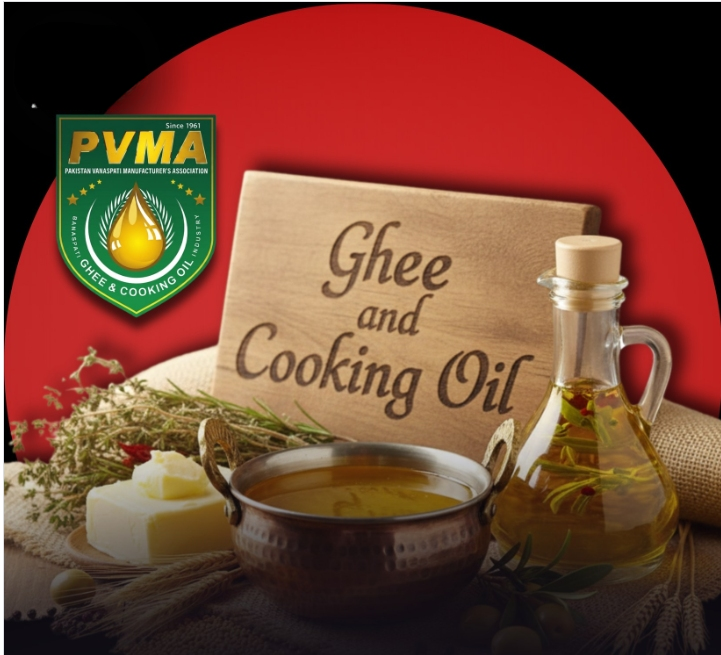
Karachi: Chairman of the Pakistan Vanaspati Manufacturers Association (PVMA), Sheikh Umer Rehan, has expressed serious concerns over the new sales tax mechanism introduced in the federal budget for ghee and cooking oil, warning that prices could rise by up to Rs10–15 per kilogram. He stated that the ghee and cooking oil industry is already operating under a heavy tax burden, but instead of providing relief, the government has further increased financial pressure on the sector through additional taxation measures. According to him, the budget has expanded the scope of the Third Schedule by shifting sales tax collection on ghee and cooking oil to a mechanism based on the Maximum Retail Price (MRP). He said this change will significantly increase the tax burden on the industry. Sheikh Umer Rehan warned that as a result, the prices of ghee and cooking oil are likely to increase by Rs10 to Rs15 per kilogram, which would directly impact consumers across the country. He added that PVMA had already urged the government prior to the budget to reduce taxes on the edible oil and ghee sector in order to provide relief to the public. However, instead of easing the burden, the new fiscal measures have further increased taxation on the industry. He cautioned that higher taxes will raise production costs, making it increasingly difficult to maintain price stability in the market. The PVMA chairman urged the government to review the proposed sales tax collection system and withdraw the changes related to the Third Schedule to protect both the industry and consumers from additional financial strain. He emphasized that ghee and cooking oil are essential daily-use commodities, and any additional taxation on them will contribute to inflation and further increase the financial difficulties of the common man.

Scroll to Top