Auto

China and India Dominate Billion-Dollar Car Exports to Middle East Amid Iran War Disruptions
Auto

China and India Dominate Billion-Dollar Car Exports to Middle East Amid Iran War Disruptions

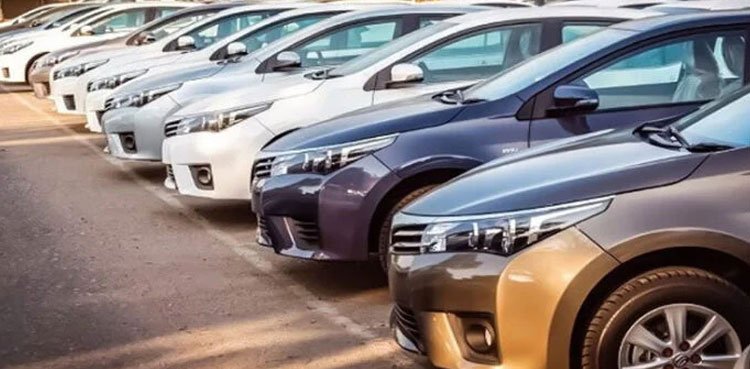
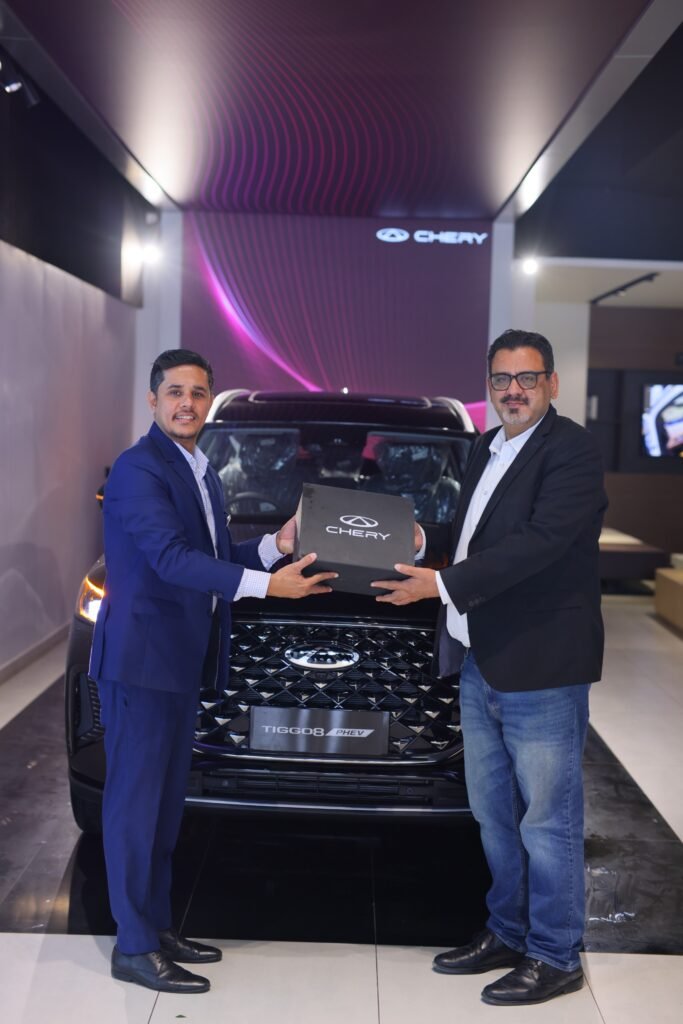
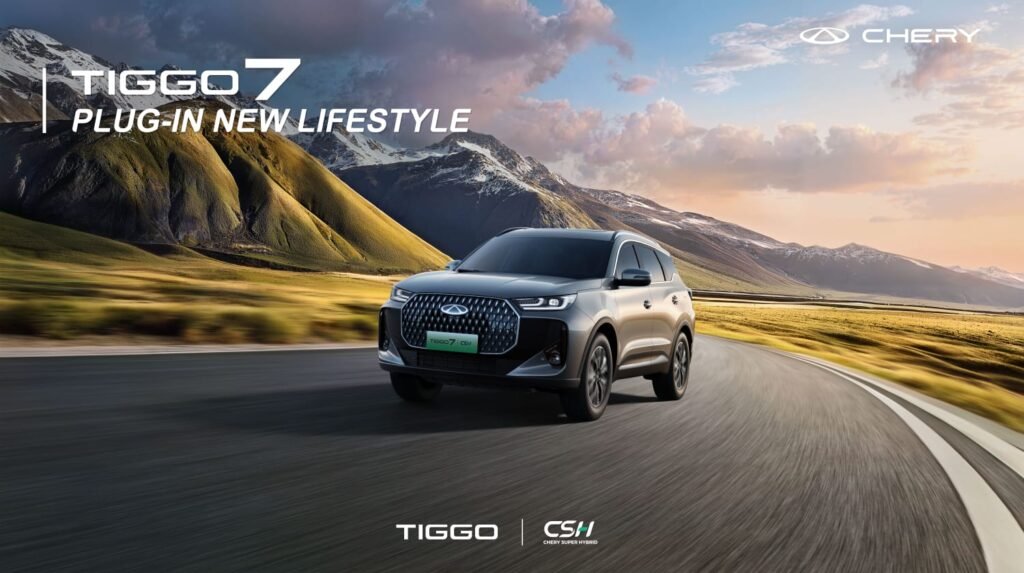
Chinese and Indian automakers lead vehicle shipments worth billions to the Middle East, a vital market now threatened by the U.S.-Israel war against Iran entering its seventh day. Shipping through the Strait of Hormuz has nearly halted due to fears of Iranian attacks, snarling routes for Asian exporters reliant on the Gulf for growth. Read More: https://theboardroompk.com/china-unveils-massive-10-passenger-electric-aircraft-matrix-in-flight-demo/ Key Export Figures and Players In 2025, China exported 8.32 million vehicles globally, with 1.39 million (about one-sixth) heading to Gulf nations like Saudi Arabia and the UAE. Major players include Chery, BYD, SAIC Motor, Changan, and Geely, plus joint ventures from Kia, Hyundai, and Toyota. India shipped $8.8 billion in cars last year, with 25% ($2.2 billion) to the Middle East, mainly Saudi Arabia. Hyundai’s India operations sent half its $1.8 billion global exports to the Gulf, while Toyota routed over $300 million (two-thirds of its India exports) there. Conflict’s Immediate Toll The Strait closure risks billions in trade as vessels idle or reroute. Toyota plans to cut production by nearly 40,000 vehicles for Middle East markets due to logistics issues. South Korea exported $5.3 billion to the region (from $72 billion total), and Japan’s Toyota sent over 320,000 units (15%+ of its exports). The Middle East offsets weak domestic demand in China and provides high-margin opportunities. Disruptions could force delays, higher costs, and lost sales, pressuring automakers already facing global slowdowns in 2026 projections.

China Unveils Massive 10-Passenger Electric Aircraft 'Matrix' in Flight Demo
Auto

China Unveils Massive 10-Passenger Electric Aircraft ‘Matrix’ in Flight Demo

A Chinese aviation startup has demonstrated what could be the future of larger-scale flying taxis with the Matrix, a 5-ton electric vertical takeoff and landing (eVTOL) vehicle. Read More: https://theboardroompk.com/pakistans-first-polio-case-of-2026-confirmed-in-sindh/ AutoFlight, founded in 2017 and based near Shanghai, showcased the aircraft in a public test at its Kunshan facility, marking it as China’s largest electric aircraft to date and a step toward redefining urban air mobility. Impressive Scale and Specs The Matrix boasts a 20-meter wingspan, measures 17.1 meters long and 3.3 meters tall (about 56 feet by 11 feet), and can carry up to 10 passengers. It features VTOL capabilities for vertical lift and landing, powered entirely by electricity. During the chilly afternoon demo observed by reporters, the remotely piloted craft rose from a helipad, completed two smooth laps in roughly 10 minutes, and landed without issues—noisier than expected but quieter than a traditional helicopter. Path to Flying Taxis and Beyond AutoFlight envisions the Matrix as a potential flying taxi or regional transport option, with a one-hour flight endurance without recharging. The company offers passenger and heavy-duty logistics variants, aiming to challenge smaller eVTOLs (typically 4-6 seats) from global competitors. While experts note the industry is years from widespread commercial flying taxis due to certification, infrastructure, and regulatory hurdles, this demo highlights China’s push in the low-altitude economy. Backed by battery giant CATL, AutoFlight positions the aircraft to disrupt short-haul aviation with lower operating costs, especially for cargo missions claimed to be one-tenth those of helicopters.

Govt May Rationalize Car Sales Tax from 25% to 18% in New Auto Policy, to Boost Sector Affordability
Auto

Govt May Rationalize Car Sales Tax from 25% to 18% in New Auto Policy, to Boost Sector Affordability

Karachi – Indus Motor Company Limited (INDU), Pakistan’s leading Toyota assembler, expressed optimism during its recent 1HFY26 analyst briefing that the government will rationalize the sales tax structure in the forthcoming Auto Industry Policy 2026-31, effective post-June 2026. Read More: https://theboardroompk.com/lucky-investments-am2-rating-upgrade-signals-strong-growth-in-pakistans-asset-management-industry/ Management specifically anticipates that the current 25% sales tax slab applicable to certain vehicle categories will be lowered to around 18%, aiming to neutralize tax disparities across the sector, enhance consumer affordability, and support sustainable growth amid IMF-aligned reforms. This expectation comes against the backdrop of INDU’s robust half-year results, with revenue up 40% YoY to PKR 119.2 billion, driven by a 63% surge in sales volumes to 20,754 units. Gross margins improved to 15.2% from 13.8% YoY, benefiting from stable exchange rates and higher throughput. The company reiterated calls for a market-driven policy, including relaxation of auto financing restrictions (up to PKR 3 million), duty relief on exports, and controlled used-car imports to ensure fair competition. Management also flagged potential supply disruptions from Middle East tensions and sought clarity on the 25% electric/hybrid vehicle sales mandate. Analysts view this tax rationalization as a positive catalyst for the auto sector, potentially offsetting pressures from policy normalization and supporting volume recovery. INDU remains a favored pick, with brokerage houses highlighting its strong fundamentals and market leadership.

Prolonged Protections Fail to Deliver: CCP Warns of Low Competitiveness, High Prices, and Export Shortfalls in Auto Industry
Auto

Prolonged Protections Fail to Deliver: CCP Warns of Low Competitiveness, High Prices, and Export Shortfalls in Auto Industry

ISLAMABAD: The Competition Commission of Pakistan (CCP) has released a comprehensive report, “The Road to Fair Competition – A Study of Pakistan’s Automobile Industry,” highlighting structural and regulatory challenges in the sector and recommending wide-ranging reforms, including a long-term policy roadmap, improved vehicle financing, and removal of regulatory distortions to foster competition and efficiency. Read More: https://theboardroompk.com/multiple-us-fighter-jets-crash-in-kuwait-amid-iran-strikes/ The automobile industry remains a cornerstone of Pakistan’s economy, contributing around 2.8 percent to GDP and employing more than 215,000 people directly. As a key segment of Large-Scale Manufacturing, it plays an important role in industrial growth, technology transfer, and domestic value addition, particularly in the passenger car segment, including emerging electric vehicles. The CCP study finds that despite successive policy interventions, the passenger car market remains concentrated in several engine categories due to high entry barriers, capital-intensive requirements, and regulatory complexities. While past protectionist policies helped establish domestic manufacturing, prolonged tariff protections and localization measures have not consistently translated into competitive outcomes or export-led growth. The report also highlights fragmentation in the regulatory framework, with overlapping institutional mandates and policy inconsistencies affecting investment and industry development. Although previous auto policies aimed to increase localization, attract new entrants, and promote exports; structural rigidities, policy reversals, and weak implementation limited their effectiveness. To address affordability constraints and stimulate demand, the CCP has recommended expanding access to auto financing by reviewing restrictive financing limits and introducing targeted, subsidized schemes for first-time buyers in coordination with financial regulators. The study emphasizes the need for a predictable and coordinated transition toward electric vehicles, noting that inadequate charging infrastructure, limited domestic production capacity, and reliance on fossil fuel-based electricity remain key barriers. It stresses that sustained policy consistency and infrastructure investment will be critical to attract long-term private investment in the EV ecosystem. The report observes the absence of a comprehensive vehicle scrappage and phase-out policy and recommends the introduction of a structured disposal scheme to address environmental concerns, improve road safety, and stimulate demand through the gradual removal of obsolete and high-emission vehicles. The CCP has also called for strengthening domestic vendor development through transparent and non-discriminatory localization policies to enhance industrial linkages and integrate Pakistan’s auto sector into global supply chains. To create a level playing field, the Commission recommends gradual rationalization of distortive protections, removal of regulatory asymmetries, and adoption of stable, pro-competition policies to encourage investment, innovation, and efficiency. The CCP noted that a competitive automobile industry can deliver significant benefits to consumers and the economy, including lower prices, improved quality, greater choice, and enhanced export potential. The Commission expressed hope that the study will inform policymakers, regulators, and industry stakeholders and support the development of a modern, competitive, and globally integrated automobile sector in Pakistan. The Study has been uploaded on the CCP’s website for public comments and suggestions.

Kia Recalls 85,448 U.S. Vehicles Over Seat Back Frame Defect Risking Crash Injuries
Auto

Kia Recalls 85,448 U.S. Vehicles Over Seat Back Frame Defect Risking Crash Injuries

Kia America has announced a recall of approximately 85,448 vehicles in the United States due to a potential defect in the seat back frame. Read More: https://theboardroompk.com/pakistan-senate-resolution-on-afghanistan-tensions-a-defining-moment/ The U.S. National Highway Traffic Safety Administration (NHTSA) reported the issue on February 27, 2026, highlighting that the seat back frame may fail to adequately restrain occupants during a crash, increasing the risk of injury. Defect and Safety Concerns The core problem lies with the seat back frame, which could compromise passenger protection in the event of a collision. This structural weakness might prevent the seat from properly supporting and restraining individuals, potentially leading to heightened injury risks under impact forces. While specific models and production years were not detailed in initial reports, the recall targets vehicles where this component issue has been identified. No widespread reports of crashes or injuries directly linked to this defect have been mentioned yet, but the proactive measure aims to prevent any future incidents. Recall Actions and Next Steps Kia America is initiating the recall in coordination with NHTSA to inspect and repair the affected seat back frames at no cost to owners. Dealers will notify registered owners, and free remedies—likely involving reinforcement, replacement, or adjustment of the frame—will be provided. Owners are advised to contact their local Kia dealer or check the official Kia recall portal using their vehicle identification number (VIN) for confirmation and scheduling. This recall underscores ongoing efforts by automakers and regulators to maintain vehicle safety standards amid rising scrutiny of seating components. The announcement comes amid other recent automotive safety actions, reinforcing the importance of timely repairs for crash-related protections.

Range-Extended Electric Vehicles Classification Sparks Industry Debate
Auto

Range-Extended Electric Vehicles Classification Sparks Industry Debate

Range-Extended Electric Vehicles classification has become the center of a growing controversy in Pakistan’s auto sector, raising serious questions about taxation, policy alignment, and market fairness. A recent decision by the Customs Classification Committee to categorize range-extended electric vehicles (REEVs) as battery electric vehicles (BEVs) has triggered alarm bells across the industry. While the ruling may appear technical on the surface, its implications could reshape Pakistan’s evolving electric vehicle (EV) landscape. What Is Behind the Range-Extended Electric Vehicles Classification? At the core of the issue is how REEVs are defined. These vehicles operate primarily using an electric motor but include a small internal combustion engine (ICE) that acts as a generator rather than directly powering the wheels. Based on this logic, the committee classified REEVs under HS Code 8703.8090 the same category used for fully electric vehicles arguing that propulsion is purely electric. However, the Pakistan Automotive Manufacturers Association (PAMA) strongly disagrees. According to the association, the presence of an ICE even as a generator means these vehicles cannot be treated as zero-emission BEVs. Range-Extended Electric Vehicles Classification and Tax Implications The classification is not just semantic it directly affects import duties and fiscal incentives. Here’s where the controversy intensifies: • Vehicles classified under BEVs attract 25% customs duty• Hybrid vehicles fall under a different code with up to 50% duty PAMA highlighted a discrepancy: the importer declared the vehicle as a BEV (lower duty), while the exporter in China classified it as a hybrid (higher duty). This, the association argues, could constitute misdeclaration under the Customs Act, 1969. The issue has been formally raised with the Federal Board of Revenue (FBR), seeking a review of the classification. Why Range-Extended Electric Vehicles Classification Matters for Policy Pakistan’s EV incentives are designed to promote zero-emission vehicles those operating entirely on battery power without any combustion engine. According to PAMA, extending these incentives to REEVs contradicts the spirit of the National Electric Vehicle Policy. The presence of an ICE, even as a generator, means these vehicles still rely on fossil fuels and produce emissions under certain conditions. Industry experts argue that classification should reflect not just propulsion mechanics but overall vehicle architecture and environmental impact. Industry Concerns: Market Distortion and Investment Risks Automakers warn that the current Range-Extended Electric Vehicles classification could create significant imbalances in the market. REEVs often come equipped with features such as: • A fuel tank (around 45 litres)• Emission levels comparable to hybrid vehicles• Performance dependent on both electricity and fuel when not externally charged Because of lower duties, REEV imports could surge, making them cheaper than locally assembled vehicles across multiple categories ICE, hybrid, plug-in hybrid, and even fully electric. This raises a critical concern: local manufacturing viability. Pakistan has invested heavily in Completely Knocked Down (CKD) assembly operations, supported by favorable tax regimes. If imported REEVs benefit from BEV-level concessions, local assemblers could face declining competitiveness and reduced investment incentives. Global Perspective and Future Outlook Globally, REEVs are typically classified as hybrids under international frameworks, including UNECE standards. Even the World Customs Organization is expected to introduce a separate HS code for REEVs by 2028 highlighting that current classifications remain a grey area. Meanwhile, Pakistan stands at a crucial policy crossroads. The upcoming Auto Policy 2026–31 will determine future tariff structures, tax treatments, and incentives for various vehicle categories, including BEVs, hybrids, and REEVs. Key institutions like the Engineering Development Board and the Ministry of Industries and Production are expected to play a decisive role in shaping the outcome. The Bigger Picture The Range-Extended Electric Vehicles classification debate is more than a regulatory dispute it reflects the growing pains of a transitioning auto industry. As Pakistan accelerates toward electrification, policymakers face a delicate balancing act: • Encouraging innovation• Ensuring fair competition• Protecting local industry• Staying aligned with global standards For now, all eyes are on whether the government will revisit the classification or allow a decision that could redefine the trajectory of Pakistan’s EV market.

Toyota Advances Governance Reform with Planned $19 Billion Share Sale
Auto

Toyota Advances Governance Reform with Planned $19 Billion Share Sale

Toyota Motor is set to orchestrate a substantial sale of its shares currently held by major Japanese financial institutions, valued at roughly $19 billion (3 trillion yen), according to sources cited in a Reuters exclusive on February 26, 2026. This initiative marks a potential landmark in unwinding longstanding cross-shareholdings. Read More:https://theboardroompk.com/karachis-circular-railway-set-for-comeback-with-adb-loan-technical-support/ Key Details on the Transaction Banks like Sumitomo Mitsui Financial Group and Mitsubishi UFJ Financial Group, along with insurers such as MS&AD Insurance Group, would sell portions of their Toyota stakes. Toyota intends to repurchase the shares via buybacks to enhance capital efficiency, while a secondary placement remains an option. The final amount could grow larger if more shareholders opt in. Driving Factors Behind the Move The plan aligns with Japan’s push to eliminate cross-shareholdings, a practice criticized for limiting shareholder influence and efficient capital use. Toyota has already been reducing these ties and faces calls from investors for stronger governance. The effort underscores the company’s response to regulatory encouragement from bodies like the Tokyo Stock Exchange. Potential Timeline and Impact Execution could begin this year (2026), subject to adjustments or cancellation. The announcement boosted Toyota’s stock performance modestly in early sessions. This development signals broader momentum in Japanese corporate reforms, potentially influencing other conglomerates.

British International Investment Backs Mega Motor for Pakistan’s First EV Plant
Auto

British International Investment Backs Mega Motor for Pakistan’s First EV Plant

Karachi: Mega Motor Company (Private) Limited (MMC), official partner of BYD in Pakistan, has signed a financing agreement with British International Investment (BII), the UK’s development finance institution and impact investor, to support the establishment of Pakistan’s first purpose-built large-scale NEV manufacturing plant. Read More: https://theboardroompk.com/india-pm-modi-in-israel-focus-on-defence-tech-and-fta-progress/ Under the agreement, BII will provide long-term foreign currency financing, accounting for 25 percent of the total project cost, to be invested in MMC’s state-of-the-art, purpose-built NEV manufacturing facility. Scheduled to go live in H2 2026, the plant will deploy cutting-edge automation and world-class manufacturing systems, benchmarked against leading global automotive standards. The agreement is among the earliest green energy–linked funding arrangements for Pakistan’s automotive manufacturing sector and is expected to play a pivotal role in expanding access to affordable clean transport. Pakistan has the third worst air quality globally, and the transport sector alone contributes over 43 percent of our GHG emissions, according to Pakistan Institute of Development Economics. Research shows even a 30 percent shift to NEVs could cut total emissions by nearly 20 percent. Clean mobility is one of the fastest and most practical routes to cut carbon emissions, reduce oil imports and boost local green industry. The project is expected to create over 1,100 jobs, advance sustainable industrialisation, and deliver significant climate benefits, including avoiding an estimated 165,000 tonnes of CO₂ emissions by 2034. Aly Khan, CEO of Mega Motor Company (MMC), said, “Pakistan stands at a critical inflection point, where clean mobility is integral to achieving the country’s long-term economic and energy objectives. Through this collaboration, MMC is leading that transition laying the foundations of a globally competitive NEV ecosystem for the country. This greenfield investment will not only accelerate NEV adoption, but also help shape Pakistan’s automotive future by building a resilient value chain that creates jobs, enables knowledge and technology transfer, and strengthens long-term industrial capability.” Stephen Priestley, Managing Director and Head of Financial Services Group, and Industries, Technology and Services, at British International Investment said, “This investment aligns with our priority on supporting sustainable industrial transformation and climate action. It also accelerates Pakistan’s energy transition by enabling job creation in a growing green sector and strengthening its emerging clean transport ecosystem.” In parallel, MMC, with support from British International Investment, is implementing robust environmental, social, and governance (ESG) practices, including strengthened labour standards, occupational health and safety management, stakeholder engagement, and responsible supply-chain systems.

Hyundai Palisade Launch in Pakistan: A New Premium Benchmark
Auto

Hyundai Palisade Launch in Pakistan: A New Premium Benchmark

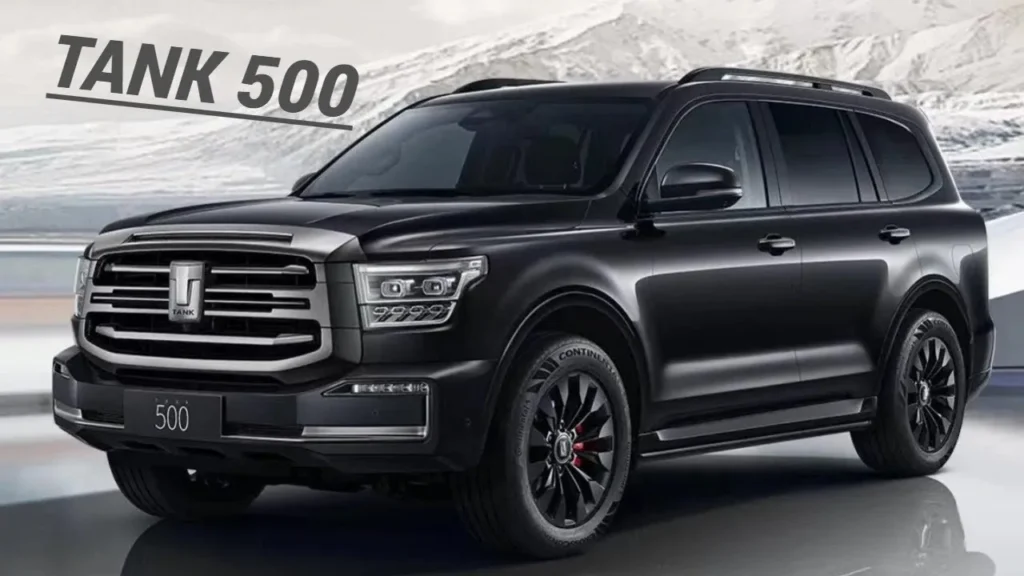
The Hyundai Palisade Launch in Pakistan marks a significant moment for the country’s automotive market. With its bold design, hybrid performance, and premium positioning, Hyundai has introduced its flagship SUV as a serious contender in the high-end segment. This launch isn’t just about a new vehicle it reflects a broader shift toward localization, innovation, and luxury in Pakistan’s evolving car market. Pricing, Variants & Booking Details of Hyundai Palisade Launch in Pakistan The Hyundai Palisade Launch in Pakistan introduces two locally assembled variants tailored for different customer preferences. The Palisade Smart variant offers an 8-seater configuration with an ex-factory price of Rs. 20,999,000, requiring a booking amount of Rs. 3,000,000. On the other hand, the Palisade Calligraphy, the top-tier variant, comes as a 7-seater priced at Rs. 22,999,000, with a booking amount of Rs. 3,300,000. These prices exclude additional charges such as Capital Value Tax (CVT), NEV Levy, and Advance Tax. Bookings are now officially open, with deliveries expected to begin in August. Positioned strategically, the Palisade competes directly with premium SUVs like the GWM Tank 500 HEV and Toyota Fortuner, making the segment more competitive than ever. Local Assembly Advantage in Hyundai Palisade Launch in Pakistan One of the most compelling aspects of the Hyundai Palisade Launch in Pakistan is its local assembly. Pakistan has become the first country outside South Korea to assemble this flagship SUV. This move not only reduces costs but also signals Hyundai’s long-term commitment to the Pakistani market. Unlike other regions where the Palisade is imported, local production allows for better pricing and accessibility an advantage that could reshape the premium SUV segment. Hyundai Palisade Launch in Pakistan: Engine & Performance Under the hood, the Palisade features a powerful 2.5-liter turbocharged hybrid engine producing 329 horsepower and 460 Nm of torque. This places it firmly among high-performance SUVs designed for both urban comfort and long-distance cruising. The hybrid setup ensures a balance between performance and efficiency, aligning with global automotive trends shifting toward electrification. Luxury Features in Hyundai Palisade Launch in Pakistan The Hyundai Palisade Launch in Pakistan lives up to its flagship status with a suite of premium features designed for comfort, technology, and convenience. Passengers can expect Nappa leather upholstery, a 14-speaker Bose sound system, and power-adjustable seating across all three rows. The SUV also includes tri-zone climate control, soundproof glass for a quieter cabin, and a dual panoramic sunroof extending across multiple rows. Additionally, the inclusion of 21-inch alloy wheels and self-damping suspension highlights Hyundai’s focus on both aesthetics and ride quality. Hyundai Palisade Launch in Pakistan vs Competitors In terms of size and road presence, the Palisade stands out. It features a longer wheelbase than both the Toyota Fortuner GR-S and the GWM Tank 500 HEV, making it one of the largest SUVs assembled locally. Inside, the SUV offers flexible seating configurations. The 7-seater variant provides captain seats in the second row for enhanced comfort, while the 8-seater variant uses a bench layout. Importantly, the third row is spacious enough for adults an area where many SUVs fall short. Why Hyundai Palisade Launch in Pakistan Matters The Hyundai Palisade Launch in Pakistan signals a shift toward premiumization in the local automotive industry. With local assembly, hybrid technology, and competitive pricing, it challenges established players and raises expectations for what a flagship SUV should offer. For buyers seeking a combination of luxury, performance, and practicality, the Palisade emerges as a compelling option that could redefine the segment.

Ghandhara Automobiles Profit Surge 2025: A Record-Breaking Half-Year Performance
Auto

Ghandhara Automobiles Profit Surge 2025: A Record-Breaking Half-Year Performance

The Ghandhara Automobiles Profit Surge 2025 has sent a powerful signal across Pakistan’s automotive and capital markets. Ghandhara Automobiles Limited (PSX: GAL) reported an extraordinary 173% jump in net profit for the half-year ended December 31, 2025 a performance that not only exceeded expectations but redefined the company’s financial trajectory. With net profit soaring to Rs2.92 billion, compared to Rs1.07 billion in the same period last year, GAL has positioned itself as one of the standout performers on the Pakistan Stock Exchange in FY2025. Ghandhara Automobiles Profit Surge 2025 Driven by Explosive Revenue Growth The most striking element behind the Ghandhara Automobiles Profit Surge 2025 is its phenomenal top-line expansion. Revenue climbed from Rs7.69 billion to an impressive Rs21.19 billion, marking a 175.6% year-on-year increase. This dramatic rise signals: • Aggressive expansion in vehicle sales volumes• Strong consumer demand recovery• Improved pricing power• Better production efficiency Even though the cost of sales rose sharply in line with higher volumes, gross profit surged by 203%, reaching Rs4.26 billion. This indicates that GAL didn’t just sell more vehicles it sold them more efficiently and profitably. Operational Excellence Strengthens Bottom Line Beyond revenue growth, GAL demonstrated disciplined cost management. While distribution costs increased as operations scaled up, administrative expenses grew at a much slower pace compared to revenue. Operational profit more than tripled, rising 207% to Rs3.97 billion, showing that the company is leveraging economies of scale effectively. Other income also contributed positively, adding over Rs311 million a healthy boost to operating strength. Finance Cost Collapse: A Strategic Masterstroke One of the most powerful contributors to the Ghandhara Automobiles Profit Surge 2025 was the dramatic reduction in finance costs. Finance expenses plunged 81.3%, dropping from Rs143.5 million to just Rs26.8 million. This sharp decline reflects: • Aggressive deleveraging• Reduced reliance on short-term borrowing• Increased shift toward cash-based vehicle sales•In a high-interest-rate environment, this move significantly protected profit margins and strengthened financial stability. Associate Profit Contribution Amplifies Earnings GAL’s 17.91% stake in Ghandhara Industries Limited (GHNI) proved to be a major earnings catalyst. The share of profit from its associate surged 181%, contributing Rs578 million to pre-tax profit. This strategic investment enhanced overall profitability and diversified income streams a key factor behind the record-breaking performance. Tax Impact and Final Profit Picture With profitability expanding sharply, taxation expenses naturally increased to Rs1.53 billion. Despite this, the company still delivered a net profit of Rs2.92 billion up nearly 173% year-on-year. Earnings Per Share (EPS) climbed to Rs51.25, compared to Rs18.77 in the same period last year a dramatic 173% increase that investors are closely watching. What the Numbers Really Mean In simple terms: • Revenue nearly tripled.• Gross profit more than tripled.• Finance costs collapsed.• Associate earnings almost tripled.• EPS surged to historic levels. This is not just growth it is strategic transformation. Why the Ghandhara Automobiles Profit Surge 2025 Matters The Ghandhara Automobiles Profit Surge 2025 highlights three major trends: If this trajectory continues, GAL could further solidify its position as a leading automotive growth story on the PSX. Investors, analysts, and industry observers will now be watching closely: Is this a one-off spike or the beginning of a sustained high-growth phase? One thing is certain GAL has shifted gears.

Scroll to Top