Author name: Web Desk

Pakistan's Fruit Nation Juices Make Landmark Entry into Japan, Debut at Tokyo's National Azabu
World

Pakistan’s Fruit Nation Juices Make Landmark Entry into Japan, Debut at Tokyo’s National Azabu

Tokyo, Japan — Pakistan’s rapidly emerging fruit juice brand Fruit Nation, produced by Iftekhar Ahmed & Company (IAC), has achieved a significant milestone by officially entering the Japanese market. The company has begun exporting its fruit juice products to Japan after successfully meeting the country’s stringent quality and safety standards. Read More: https://theboardroompk.com/pakistan-business-council-unveils-startup-pitch-competition-at-harvard-to-drive-innovation-and-jobs/ The products are now available at National Azabu, one of Tokyo’s most renowned international supermarkets known for offering premium imported goods. A launch ceremony introducing Fruit Nation to Japanese consumers was held at National Azabu in Tokyo. The event was attended by Pakistan’s Ambassador to Japan Abdul Hameed, Trade and Investment Counsellor Madiha Ali, Director Sales and Marketing of Iftekhar Ahmed & Company Waheed Ahmed, Managing Director of Washin Trading Mian Ramzan Siddiq, Director of National Azabu Kunio Fukumura, along with prominent Japanese business leaders. Speaking at the event, Waheed Ahmed highlighted that IAC is the only juice company in Pakistan with a fully integrated value chain that meets international standards — from orchards and fruit sourcing to processing, packaging, and cold-chain storage. “Our juice brands have reached 16 international markets within just 26 months of their launch. Introducing Pakistani juices to the Japanese market is a matter of great pride and demonstrates that Pakistan’s industry is capable of competing with leading global brands in high-standard markets,” he said. Pakistan’s Ambassador to Japan Abdul Hameed described the development as an important milestone for Pakistan’s food and beverage sector. “This achievement reflects the growing capability of Pakistan’s manufacturing industry to meet international quality benchmarks and will encourage other Pakistani products to establish their presence in high-standard global markets,” he said. Kunio Fukumura, Director of National Azabu, noted that the variety, quality, and innovative packaging of Fruit Nation juices are highly appealing to Japanese consumers. “The Japanese market places strong emphasis on quality, and these brands from IAC have the potential to meet the expectations of our customers,” he said. IAC’s juice products are currently exported to 16 international markets, including the United States, United Kingdom, Australia, New Zealand, Malaysia, China, Bahrain, Maldives, Iran, South Africa, Trinidad & Tobago, St Lucia, Dominica, Barbados, and Timor-Leste, in addition to Japan. The company also offers select juice varieties with no added sugar. All Fruit Nation juices and nectars are produced without preservatives, using natural fruit pulp and advanced processing standards to ensure premium quality for international consumers. The launch in Japan marks another step forward in expanding Pakistan’s presence in the global food and beverage industry while strengthening trade ties between Pakistan and Japan.

Pakistan Business Council Unveils Startup Pitch Competition at Harvard to Drive Innovation and Jobs
Pakistan

Pakistan Business Council Unveils Startup Pitch Competition at Harvard to Drive Innovation and Jobs

Pakistan: The Pakistan Business Council (PBC) and the Pakistan Initiative (TPI) have announced their first Startup Pitch Competition to spotlight high-potential Pakistani and Pakistan- focused ventures at one of the most prominent Pakistan convenings in North America. Read More: https://theboardroompk.com/pakistan-iran-trade-flows-smoothly-amid-middle-east-turmoil-envoy/ This platform aims to provide high visibility to surface investable ideas and to bridge the gap between the next growth champions and potential investors, senior business leaders and stakeholders. Directly sitting under the Conference’s theme “From Potential to Performance”, this will focus on how talent and ideas are converted into measurable outcomes within the Pakistani economy. The Startup Pitch Competition will follow a rigorous selection process, where only shortlisted cohort of founders will pitch live at the Conference. These pitches will be assessed by a jury including business leaders, venture capital representatives and investors. The organizers aim to focus on the ambitions, and the practical outcome of the ideas, thereby giving preferences to ventures that demonstrate a clear problem, a practical solution to it and their pathways to scale.Why it matters now? Pakistan is a young nation with about 67 percent of its population being less than 30 years old and recent estimates reveal that to absorb the growing workforce into the market and to be less susceptible to economic shocks, Pakistan needs to have 25-30 million jobs by 2030. Against this backdrop, the PBC-TPI Startup Pitch Prize is structured as a practical intervention which brings together founders and scale-ups with viable Pakistan-centered models. This prize is a signal that the Pakistani private sector is ready to support commercially plausible and nationally pertinent innovation. “At a time when competitiveness and productivity matter more than ever, Pakistan’s next phase of growth will depend on how effectively we convert ideas into scalable, competitive enterprises. At PBC, we strongly believe in business as a driver of growth, job creation and long-term economic resilience. This partnership reflects a clear intent from the private sector to back innovation that is commercially viable and globally relevant. Platforms such as the Pakistan Conference at Harvard provide an important bridge, connecting Pakistani talent and enterprise with international capital, networks and credibility. It is through such interventions that we can begin to shift the narrative from potential to performance,” said Dr Zeelaf Munir, Chairperson, Pakistan Business Council. Commenting on the PBC-TPI Startup Pitch Prize, Ziad Bashir, Vice Chairman, Pakistan Business Council, said, “The PBC-TPI partnership reflects the willingness of Pakistani enterprises in backing startups that can scale responsibly and competitively. Pakistan needs such startups for growth and to raise productivity and this platform brings them into one of the world’s most influential academic ecosystems.” Sannan Pervaiz and Muhammad Hadi, Co-Founders of the Pakistan Initiative, said the Pitch Competition is a way to convert ambitions into implementations. “The first-ever innovation forum and the Startup Pitch Prize, in collaboration with PBC, brings a new dimension to the agenda: it bridges the scale gap and promotes productivity and investment in the Pakistani ecosystem,” they said. Hashaam Javed, MBA student at the Harvard Business School and the Chair Lead for the Pakistan Conference at Harvard 2026 reflected on the Startup Pitch Competition as a direct extension of creating tangible impact beyond conversations, commenting on the importance of enabling “a credible platform for Pakistani-origin founders to showcase what they are building on a global stage.”, and emphasizing the objective to “highlight performance, not just potential, and to demonstrate that globally competitive companies are being built by Pakistani founders across the world.” “This initiative reflects our belief in business as a catalyst for innovation, investment and job creation. The Startup Pitch Competition is designed as a practical platform to connect founders with investors, business leaders and global networks. By focusing on ventures that demonstrate both ambition and execution, we aim to support ideas that can scale, create jobs and contribute meaningfully to Pakistan’s productivity and competitiveness,” noted Javed Kureishi, CEO, Pakistan Business Council. Moreover, this partnership is embedded in the broader national agenda of human capital development and is a way to push for shifting Pakistan’s global narrative from crisis framing to capability. This will showcase solutions, enterprise and execution at a prominent international convening coming from Pakistani youth. The Pakistan Conference at Harvard 2026 The Pakistan Conference at Harvard 2026, to be held on 12th April, is expected to be one of the largest Pakistan-focused convenings in North America. This conference will feature participation from across government, business, academia, media and the Pakistani diaspora. Building on last year’s inaugural conference, the 2026 conference is being centered around core national questions including Pakistan’s global narrative, governance, institutional trust, productivity and investment and innovation. PBC-TPI collaboration at the conference will point to a broader move to position Pakistan’s innovation economy on a credible, and investible global platform. The organizers said that the Pitch Competition is intended as a foundation for future collaborations which are aligned with Pakistan’s competitiveness agenda.

Yango becomes first ride-hailing service to secure Transport Network Company operating license in Punjab
Auto

Yango becomes first ride-hailing service to secure Transport Network Company operating license in Punjab

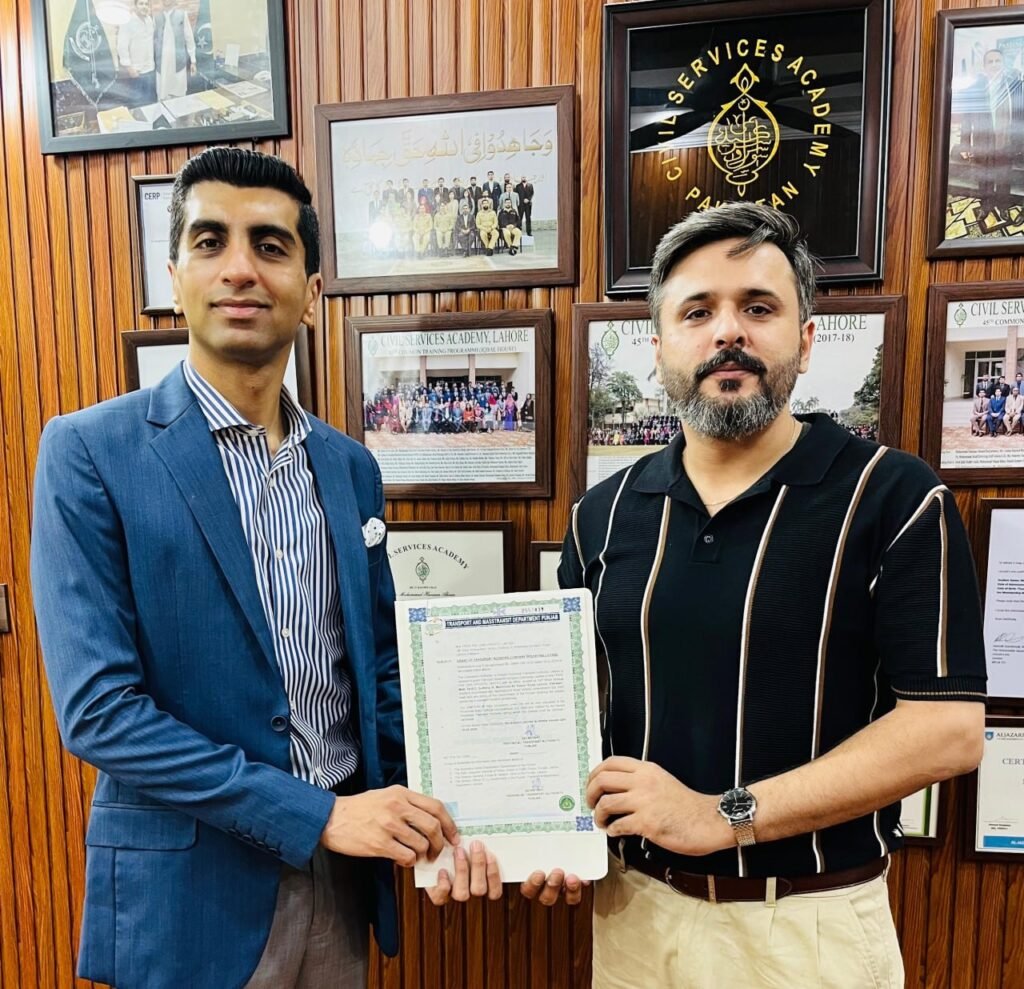
LAHORE – 17 March 2026: Yango Ride, part of global technology company Yango Group, has become the first ride-hailing platform in Pakistan to receive an official Transport Network Company (TNC) operating license from the Punjab Provincial Transport Authority, marking a significant milestone for the country’s rapidly evolving mobility sector. Read More: https://theboardroompk.com/pakistan-iran-trade-flows-smoothly-amid-middle-east-turmoil-envoy/ The license authorizes Yango Ride to operate under the Provincial Motor Vehicle (Amendment) Act, 2025 which regulates ride-hailing services in Punjab. The approval follows several months of effective engagement between Yango Ride and the Punjab Transport Ministry, along with other government stakeholders, during the process of implementing the new licensing framework for digital mobility platforms across the province. The new licensing framework is designed to strengthen oversight, while introducing enhanced safety, verification, and compliance standards intended to protect both partner drivers and passengers. “We are grateful to the Punjab Transport Authority for granting us the license and appreciate the professionalism demonstrated throughout the process,” said Miral Sharif, Country Manager for Yango Pakistan. “This milestone reflects our commitment to working closely with regulators to support the development of a safer, affordable, and reliable ride-hailing ecosystem in Pakistan. Receiving the license also reaffirms our long-term presence in the market and our dedication to meeting the high regulatory and safety standards for both our partner drivers and passengers.” As ride-hailing services continue to expand across Pakistan, the license marks an important step toward greater transparency and consistency in the sector. Operating within a government-recognized framework also provides greater operational certainty while reducing the risk of regulatory disruptions. The development also comes as a positive signal for Pakistan’s broader technology and mobility sectors. As cities grow and demand for flexible urban transport rises, well-defined regulatory frameworks will be critical to supporting innovation while safeguarding public interests. By obtaining the TNC operating license, Yango Ride reinforces its long-term commitment to Pakistan’s growing digital economy and its readiness to continue working alongside policymakers and industry stakeholders to support a safer and sustainable mobility ecosystem for millions of users and partner drivers across Pakistan. In addition to this, Yango Ride is also actively working with the Government of Punjab and its authorities including Punjab Safe City Authority (PSCA) to integrate emergency 15 services in the app, making ride hailing more inclusive and safer for all.

Pakistan-Iran Trade Flows Smoothly Amid Middle East Turmoil: Envoy
Business

Pakistan-Iran Trade Flows Smoothly Amid Middle East Turmoil: Envoy

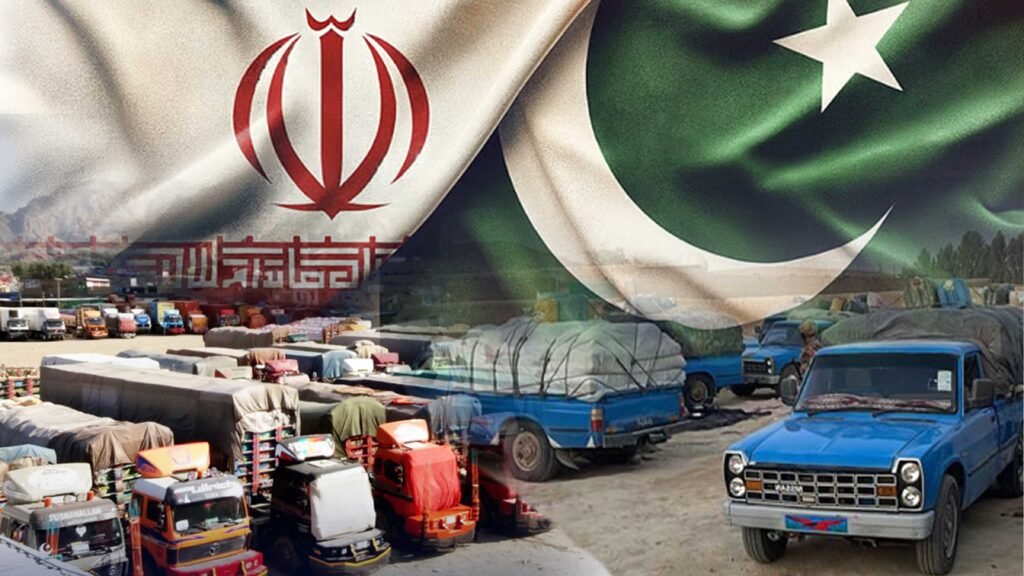
Pakistan and Iran continue to maintain robust trade relations even as regional tensions escalate in the Middle East. According to Pakistan’s Ambassador to Iran, Muhammad Mudassir Tipu, bilateral trade and transit activities remain fully operational. Read More: https://theboardroompk.com/israel-claims-killing-irans-security-chief-ali-larijani/ The ambassador expressed deep appreciation for the Government of Iran’s support in facilitating Pakistan’s trade during these difficult times. Envoy Highlights Border Efficiency Tipu noted that land borders between the two countries are functioning optimally. Green channels have been established at multiple crossing points to enable swift movement of goods. This setup helps reduce delays and ensures essential commodities flow without major hindrances. The embassy remains in constant contact with stakeholders on both sides. Mutual Efforts to Tackle Challenges Pakistan is also providing maximum cooperation to Iran to keep trade unaffected. Issues like congestion at borders are being resolved through collaborative measures. The ambassador emphasized ongoing engagement between officials and private sector players. This proactive approach safeguards economic ties amid external pressures. The statement comes against the backdrop of wider regional developments. Conflicts have affected maritime routes, including the Strait of Hormuz, a critical passage for global energy supplies. A Pakistan-bound oil tanker successfully transited the strait recently, underscoring negotiated arrangements for safe passage. Pakistan relies heavily on Gulf imports via this route, balancing diplomatic relations carefully. Despite these complexities, land-based trade with Iran shows stability. Border markets and transit routes continue to support local economies in both nations. Analysts view this resilience as a positive sign for bilateral relations. Religious, cultural, and historical bonds further strengthen economic cooperation. The ambassador’s remarks reaffirm commitment to uninterrupted commerce. Both countries appear focused on minimizing disruptions from external conflicts. This development highlights the importance of diplomacy in maintaining trade flows. As regional situations evolve, sustained coordination will be key. Overall, Pakistan-Iran trade stands as an example of pragmatic partnership. It benefits border communities and contributes to regional stability.

LNG Crunch Hits Asia: Pakistan Turns to Homegrown Solar, Wind, Nuclear, Coal, Hydropower
Pakistan

LNG Crunch Hits Asia: Pakistan Turns to Homegrown Solar, Wind, Nuclear, Coal, Hydropower

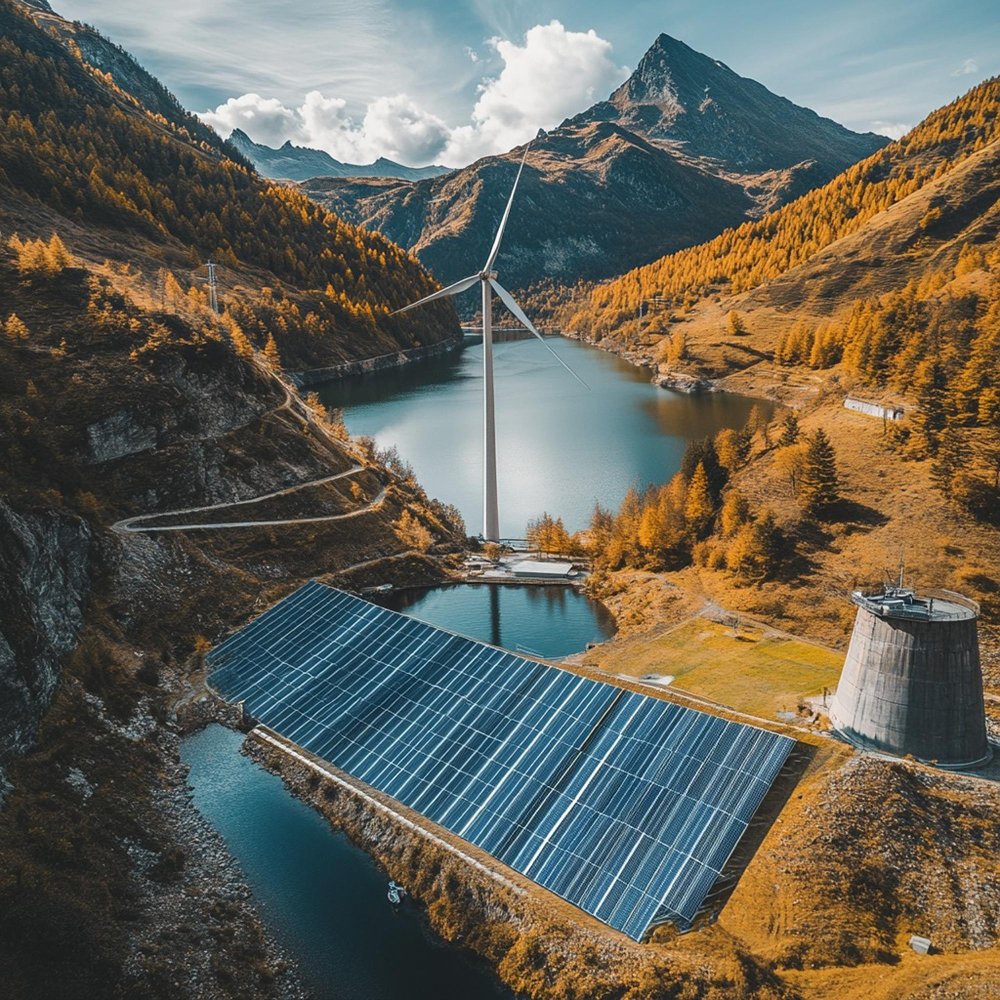
Pakistan is ramping up domestic power production to counter the biting effects of Asian LNG shortages. Read More: https://theboardroompk.com/israel-claims-killing-irans-security-chief-ali-larijani/ The shortages stem from war-related disruptions in the Middle East.Shipments through the Strait of Hormuz have nearly halted. Qatar, a major exporter, has stopped LNG deliveries. This has caused spot LNG prices in Asia to double to three-year highs. It marks the second major supply shock in four years.The first came after Russia’s 2022 invasion of Ukraine. Pakistan aims to avoid repeating past outages from LNG volatility.Power Minister Awais Leghari emphasized this shift.He noted that domestic sources now cushion the risks. Domestic Shift Gains Momentum About 74% of Pakistan’s electricity comes from local resources. These include solar, wind, nuclear, coal, and hydropower. The goal is to reach even higher self-reliance.Solar additions have played a key role. They helped prevent widespread blackouts in recent crises.Local coal plants will ramp up during off-peak hours. This replaces reduced LNG-based generation. LNG now forms only about 10% of the power mix.It mainly handles peak evening demand and grid stability. Regional Impacts and Lessons Asia faces demand destruction from high prices. Many countries are switching back to coal. Bangladesh, Philippines, and Vietnam are increasing coal use. South Korea lifted coal output limits. Japan maintains high coal utilization. Poorer nations struggle to pass on costs. This threatens economic backbones. South Asia risks $107 billion in delayed LNG projects. Pakistan has canceled cargoes for 2026-2027. This reflects lower demand and more domestic supply. Experts see renewables gaining from these shocks. High import costs refute reliance on foreign fossil fuels. Pakistan’s strategy focuses on indigenous growth. It includes boosting local coal mining. Solar expansion continues rapidly. This builds resilience against global volatility. The country avoids heavy exposure to LNG price spikes.Future plans prioritize domestic over imports.This approach stabilizes supply and costs. It supports long-term energy security.

Israel Claims Killing Iran's Security Chief Ali Larijani
World

Israel Claims Killing Iran’s Security Chief Ali Larijani

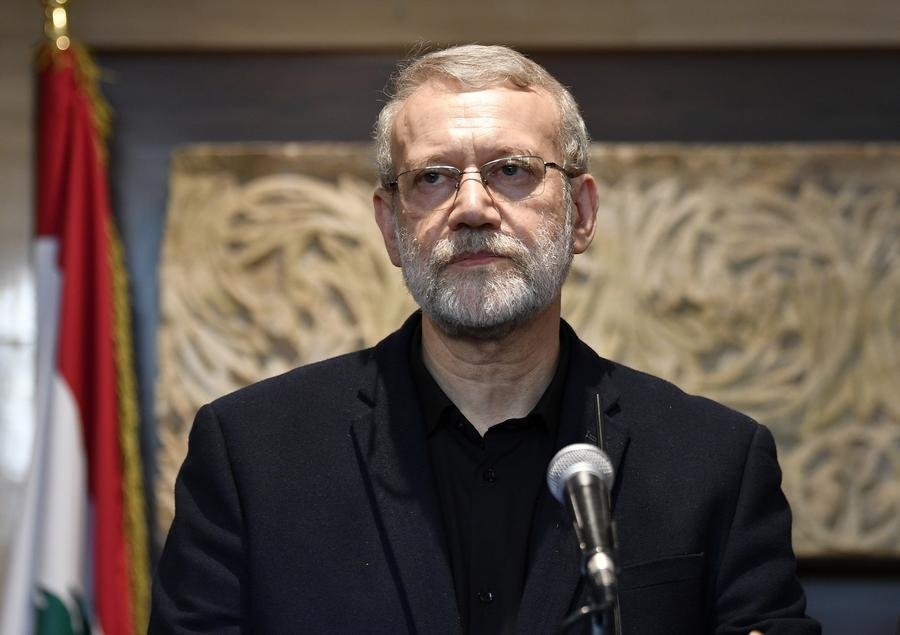
The US-Israeli campaign against Iran has reached its third week, with at least 2,000 deaths reported and no resolution in sight. Read More: https://theboardroompk.com/oil-prices-rebound-sharp-2-7-on-supply-fears/ Iran and Israel continue trading airstrikes, as Tehran targets Gulf oil facilities and US assets. Israel Claims Key Iranian Killings Israel’s Defence Minister Israel Katz announced overnight strikes killed Iran’s security chief Ali Larijani. The strikes also eliminated Gholamreza Soleimani, commander of the Basij militia under the IRGC. Prime Minister Netanyahu’s office confirmed orders to eliminate senior Iranian regime officials. These assassinations mark the most significant since Supreme Leader Khamenei’s death on February 28. Trump Blasts Allies on Hormuz Closure President Donald Trump criticized Western allies for rejecting his calls to help reopen the Strait of Hormuz. The vital chokepoint, carrying 20% of global oil and LNG, remains largely closed due to the conflict. Trump accused some nations of ingratitude despite US efforts in the region. Allies’ refusal has worsened soaring energy prices worldwide. Iran maintains long-range strike capabilities, launching missiles at Israel overnight. Gulf neighbors face renewed attacks on transport and oil infrastructure. The war shows no signs of de-escalation, with experts predicting several more weeks of fighting. Global markets brace for prolonged disruption to energy supplies.

Oil Prices Rebound Sharp 2.7% on Supply Fears
World

Oil Prices Rebound Sharp 2.7% on Supply Fears

The UAE, OPEC’s third-largest producer, has shut in more than half its output. This is due to the effective closure of the export route. Read More: https://theboardroompk.com/current-account-surplus-pakistan-reaches-427-million-in-february-raising-hopes-for-economic-stability/ A drone attack sparked a fire in the Fujairah Oil Industry Zone. No injuries were reported, but it added to market nerves. Brent futures rose $2.74, or 2.7%, to $102.95 per barrel. WTI crude gained $2.45, or 2.6%, to $95.95. Experts warn risks remain high. One missile or mine could reignite full chaos, says IG analyst Tony Sycamore. Markets focus on the conflict’s duration. Damage to Gulf oil infrastructure could prolong high prices.The IEA suggests releasing more strategic reserves. This follows an earlier agreement to draw 400 million barrels. Inflation concerns rise with higher energy costs. Global economies face pressure from sustained disruptions. Traders eye Middle East crude benchmarks at all-time highs. Reduced delivery availability pushes prices even higher. The war shows no quick end in sight. Israel plans more strikes, while allies debate escorting ships. This rebound reverses prior drops when some vessels passed through. But ongoing halt keeps upward pressure intact.

Pakistan Stock Exchange Decline Sparks Market Jitters as KSE-100 Slides Sharply
Business

Pakistan Stock Exchange Decline Sparks Market Jitters as KSE-100 Slides Sharply

The Pakistan Stock Exchange decline dominated market headlines on Monday as intense selling pressure swept across major sectors, sending the benchmark Pakistan Stock Exchange into a steep downturn. Investors were left grappling with uncertainty as geopolitical tensions and fluctuating global energy prices rattled confidence, pushing equities into negative territory. Read More: https://theboardroompk.com/current-account-surplus-pakistan-reaches-427-million-in-february-raising-hopes-for-economic-stability/ By the end of the trading session, the benchmark KSE-100 Index closed at 149,178.66, down 4,687.50 points or 3.05%. The dramatic slide underscored mounting fears about economic stability and rising inflationary risks tied to global developments. Volatile Trading Reflects Pakistan Stock Exchange Decline Market activity throughout the day remained highly volatile. The index recorded an intraday high of 153,943.69 before plunging to a low of 148,747.72, highlighting a massive trading range of over 5,000 points. This sharp fluctuation mirrored investor nervousness and aggressive profit-taking. Total trading volume for the KSE-100 Index reached 153.18 million shares, indicating that despite bearish sentiment, market participation remained robust. However, overall market breadth painted a gloomy picture. Only 10 companies managed gains, while 85 declined, signaling broad-based weakness across sectors. A handful of stocks remained unchanged or untraded, reflecting limited optimism among traders. Key Sector Losses Drive Pakistan Stock Exchange Decline The Pakistan Stock Exchange decline was largely driven by heavy losses in critical economic sectors. Commercial banks led the downturn, dragging the index significantly lower. Fertilizer companies, oil and gas exploration firms, cement producers, and power generation companies also contributed to the steep fall. These sectors hold substantial weight in the benchmark index, meaning their collective weakness amplified the market’s downward momentum. In contrast, only minor support emerged from real estate investment trusts, technology and communication stocks, and select textile spinning companies far from enough to offset the widespread losses. Major Gainers and Losers Shape Market Sentiment Among the worst-performing stocks were leading names in cement, banking, and industrial segments, each registering losses exceeding 5%. Conversely, a few defensive and technology-linked stocks provided limited relief by posting modest gains. Despite these isolated pockets of strength, the overall sentiment remained fragile. Investors continued to shift toward safer positions, reflecting growing caution in the face of macroeconomic uncertainty. Broader Market Performance Amid Pakistan Stock Exchange Decline The downturn was not confined to blue-chip stocks. The broader All-Share Index also fell sharply, closing at 89,754.00, down 2,568.40 points or 2.78%. Total market volume across all listed companies stood at nearly 298 million shares, slightly lower than the previous session. However, the traded value increased to Rs20.19 billion, suggesting larger institutional trades and strategic repositioning by investors. Across 474 listed companies, only 90 recorded gains, while a staggering 324 closed lower, reinforcing the bearish tone. Geopolitical Tensions and Oil Price Volatility Weigh on PSX A key factor behind the Pakistan Stock Exchange decline was escalating geopolitical tension in the Middle East. Concerns over potential disruptions in global oil supply pushed energy prices into volatile territory. For an import-dependent economy like Pakistan, rising oil prices translate into higher inflation risks and increased fiscal pressure. As a result, investors fear tighter monetary conditions and slower economic growth factors that typically dampen equity market performance. Fiscal Year Gains vs Calendar Year Losses Interestingly, despite the recent downturn, the KSE-100 Index has still delivered a gain of over 23,500 points (18.75%) during the ongoing fiscal year. However, the calendar year tells a different story, with the market declining by nearly 24,900 points (14.29%) so far. This divergence reflects the complex interplay of domestic economic reforms, global uncertainties, and investor expectations. Outlook: Will the Pakistan Stock Exchange Decline Continue? Market analysts believe the near-term outlook remains uncertain. Much will depend on geopolitical developments, oil price trends, and upcoming economic policy signals. If external pressures ease and macroeconomic indicators stabilize, investor confidence could return potentially paving the way for a rebound. Until then, volatility is likely to remain a defining feature of the market.

Scroll to Top