
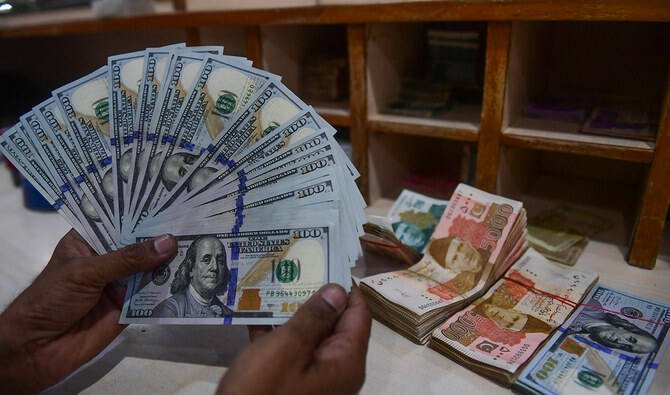
The Current Account Surplus Pakistan story took an unexpected turn in February, as the country recorded a surplus of $427 million, according to fresh figures released by the State Bank of Pakistan.
This development has sparked renewed debate among economists and investors about whether Pakistan’s external sector is finally stabilising or if the improvement is just a temporary breather in a volatile fiscal year.
Just a month earlier, the surplus stood at a modest $68 million, while February last year had seen a deficit of $85 million. The dramatic swing is now being closely watched by market participants and policymakers alike.
Why the Current Account Surplus Pakistan Matters for Economic Stability
The current account is widely considered a key indicator of a country’s economic health. A surplus typically signals that foreign inflows from exports, remittances, or investments are exceeding outflows.
In Pakistan’s case, the February surplus suggests some relief for the external financing position. However, the broader picture remains complex.
During the first eight months of fiscal year 2026, the country recorded a current account deficit of $700 million, compared with a surplus of $479 million in the same period last year. This sharp year-on-year deterioration highlights lingering structural challenges in the economy.
Exports and Imports: Mixed Signals Behind the Current Account Surplus Pakistan
Trade performance played a significant role in shaping February’s balance.
Exports slipped slightly by 0.3% year-on-year to $3.29 billion, reflecting subdued global demand and domestic production constraints. On a monthly basis, exports declined more sharply by 9.1%, indicating persistent volatility in the external trade environment.
Imports, on the other hand, rose 1.0% year-on-year to $6.06 billion, although they fell 6.7% compared with January.
This dynamic resulted in a trade deficit of $2.77 billion for February wider on a yearly basis but narrower month-to-month.
Over the eight-month period, the trade deficit expanded significantly to $23.22 billion, marking a 25% increase compared with the previous fiscal year. Imports surged 9.7% to $50.43 billion, while exports edged down 0.7% to $27.21 billion, underscoring Pakistan’s ongoing reliance on foreign goods and energy supplies.
Remittances: The Hidden Engine Supporting the Current Account Surplus Pakistan
One of the most encouraging trends in the external account remains workers’ remittances.
In February, overseas Pakistanis sent home $3.29 billion, representing a 5.1% increase year-on-year. Although inflows declined from January’s $3.46 billion, the overall trajectory continues to provide vital support to the country’s balance of payments.
Cumulatively, remittances during the first eight months of FY26 reached $26.49 billion, reflecting a robust 10.5% growth compared with the same period last year.
This steady rise highlights the resilience of Pakistan’s diaspora contribution often acting as a financial cushion during periods of trade imbalance and currency pressure.
Outlook: Is the Current Account Surplus Pakistan Sustainable?
While February’s surplus offers a welcome confidence boost, analysts caution against over-optimism. The widening trade gap and declining exports point to deeper structural issues that could resurface in coming months.
For policymakers in Pakistan, the challenge now lies in sustaining external sector stability through export diversification, energy cost management, and continued engagement with overseas workers.
If remittances remain strong and imports are contained, Pakistan could gradually narrow its current account pressures. However, global economic uncertainty and domestic reforms will ultimately determine whether the recent surplus becomes a trend or just a fleeting moment of relief.