
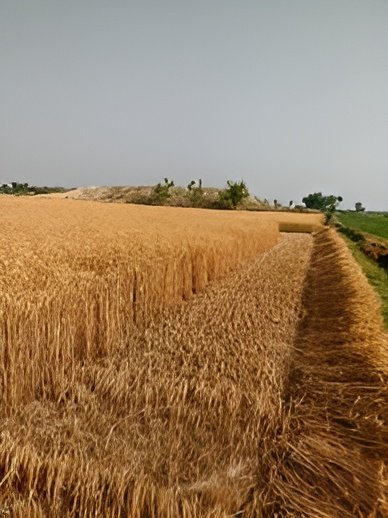
Kharif Crop Production Pakistan is now at the center of a major agricultural reform push, as the government sets an ambitious goal to increase production by 25 percent. The move aims to transform the agriculture sector, enhance food security, and reduce dependency on costly imports.
The initiative focuses on adopting modern farming technologies, improving seed quality, promoting mechanization, and aligning crop planning with market demand. Officials believe these steps will help farmers increase productivity while stabilizing food supply across the country.
High-Level Meeting Charts Roadmap for Agricultural Growth
The direction for boosting Kharif Crop Production Pakistan was outlined during a high-level meeting chaired by Rana Tanveer Hussain, Federal Minister for National Food Security and Research. Punjab’s Agriculture Minister Syed Muhammad Ashiq Hussain Shah Kirmani, along with senior officials, agriculture experts, and scientists, also attended.
Participants reviewed current agricultural challenges and discussed coordinated strategies between federal and provincial governments. The emphasis remained on improving crop yields, strengthening supply chains, and implementing policy reforms.
Wheat Yield Increase and Cotton Revival in Focus
Beyond Kharif Crop Production Pakistan, the government also plans to boost wheat yields by up to 40 percent. Officials believe improved seed varieties, better irrigation practices, and scientific crop planning can help achieve this target.
The meeting also highlighted the urgent need to revive the cotton sector. Cotton production has declined in recent years, impacting textile exports and forcing imports. Revitalizing cotton farming through modern biotechnology and better seed programs is seen as essential for economic stability.
In addition, expanding domestic oilseed production is another priority. Increasing local production of oilseeds could significantly reduce Pakistan’s edible oil import bill and improve the agricultural trade balance.
Agriculture Supports 60% of Population but Faces Challenges
Agriculture remains a backbone of Pakistan’s economy, supporting nearly 60 percent of the population. However, productivity has remained stagnant compared to regional countries.
Key challenges identified during the meeting include fertilizer shortages, climate-related risks, weak marketing systems, and limited export routes. These issues have hindered farmers’ ability to maximize yields and earn competitive returns.
Officials stressed that addressing these structural challenges is crucial for achieving the Kharif Crop Production Pakistan growth target.
National Programs Proposed to Boost Productivity
To support Kharif Crop Production Pakistan, several national-level initiatives were discussed. These include a National Wheat Productivity Plan and a National Cotton Seed Program incorporating modern biotechnology.
The government also emphasized promoting high-value crops such as oilseeds and olives. These crops not only offer better income potential for farmers but also help reduce import dependency.
Scientific crop zoning was another key recommendation. This approach involves growing crops best suited to specific regions based on soil, climate, and water availability. Improved supply chains and market access were also highlighted as essential components of the reform strategy.
Federal Support for Provinces to Implement Reforms
Ministers stressed the importance of aligning farmers’ incentives with national priorities. Provinces have been directed to submit actionable recommendations to improve agricultural productivity.
The federal government has pledged full financial and technical support to ensure the success of these initiatives. Officials believe coordinated efforts between federal and provincial governments will help achieve sustainable agricultural growth and strengthen food security.
Outlook: Transforming Agriculture Through Kharif Crop Production Pakistan
The Kharif Crop Production Pakistan target represents a significant step toward modernizing the agriculture sector. With improved seeds, mechanization, and scientific planning, the government aims to increase yields, stabilize food supply, and reduce imports.
If implemented effectively, these reforms could boost farmer incomes, strengthen exports, and support long-term economic growth.