
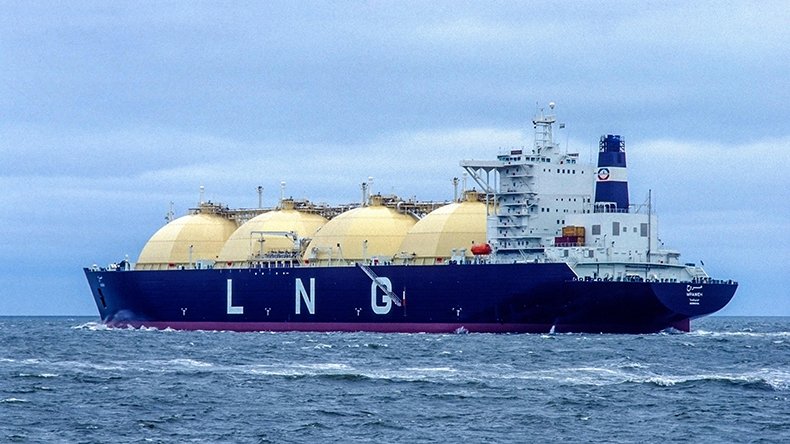
Pakistan LNG Spot Market Becomes the Only Immediate Option
Pakistan LNG Spot Market purchases have once again exposed the country’s vulnerability to global geopolitical shocks after Islamabad was forced to buy an expensive liquefied natural gas (LNG) cargo following renewed security concerns in the Strait of Hormuz.
The emergency procurement highlights how international conflicts can rapidly increase Pakistan’s energy costs while placing additional pressure on electricity generation and foreign exchange reserves. With regular LNG supplies from Qatar still disrupted, Pakistan has little choice but to depend on the volatile international spot market to keep its power plants operating.
State-owned Pakistan LNG Limited (PLL) issued an emergency tender earlier this week to secure one LNG cargo for delivery at Port Qasim, Karachi.
According to the tender results, BP Singapore Pte Limited emerged as the only bidder, offering to supply approximately 140,000 million cubic feet of LNG at $16.7372 per MMBtu on a Delivered Ex-Ship (DES) basis.
The cargo is scheduled to arrive between June 30 and July 4, ensuring uninterrupted fuel supplies for five gas-fired power plants that are expected to face shortages in the coming weeks.
The fact that only one company participated in the tender reflects the uncertainty surrounding regional energy supplies and shipping risks in the Gulf.
Why Pakistan Had to Buy Expensive LNG
Officials from Pakistan’s Energy Ministry say the latest purchase was driven by renewed tensions involving the United States and Iran, which revived concerns over the security of the Strait of Hormuz, one of the world’s busiest energy shipping routes.
Although diplomatic efforts earlier this month helped reduce tensions, energy markets remain cautious. Even the possibility of disruption in the Strait immediately affects LNG availability and pricing, forcing import-dependent countries such as Pakistan to pay higher premiums.
For Pakistan, delaying procurement was not an option. Without fresh LNG supplies, several electricity generation plants risked reducing output at a time when electricity demand remains high.
QatarEnergy Force Majeure Continues to Hurt Pakistan
The biggest challenge facing Pakistan is the continued suspension of LNG supplies from Qatar.
Energy Ministry officials confirmed that QatarEnergy’s force majeure declaration, issued in March after Iranian attacks damaged two major facilities, remains effective until at least mid-July.
As a result, Pakistan cannot currently receive contracted LNG cargoes from one of its most affordable long-term suppliers.
This disruption has forced Pakistan LNG Limited to rely on the significantly more expensive international spot market until normal contractual deliveries resume.
Pakistan LNG Spot Market Prices Are Much Higher
The financial impact of buying LNG through the spot market is substantial.
Normally, Pakistan imports LNG under long-term agreements with Qatar at considerably lower prices. However, emergency purchases on the spot market come with significant premiums.
Regular contracted LNG generally costs between $10 and $12 per MMBtu, while the latest spot cargo was secured for $16.7372 per MMBtu.
In practical terms, Pakistan is paying roughly 40 to 60 percent more for emergency LNG than it typically pays under long-term contracts. Every additional dollar spent on imported LNG increases pressure on Pakistan’s import bill, foreign exchange reserves and electricity generation costs.
Power Plants Depend on Immediate LNG Supplies
The latest shipment is intended to keep five power plants operational during the coming weeks.
Gas-fired power stations remain an important part of Pakistan’s electricity generation mix. Any interruption in LNG availability could reduce electricity production, increase dependence on more expensive fuels, or even contribute to power shortages during periods of peak demand.
For policymakers, securing the cargo was therefore viewed as essential despite its higher price.
Pakistan’s LNG Supplier Network Faces New Pressure
Pakistan normally sources LNG from a diverse group of international suppliers, including BP Singapore, TotalEnergies Gas & Power, Vitol Bahrain, OQ Trading, SOCAR Trading and PetroChina International Singapore.
However, ongoing regional instability has complicated procurement decisions. In recent months, Pakistan has repeatedly issued and cancelled LNG spot tenders depending on shipping conditions and access through the Strait of Hormuz.
This unpredictable procurement strategy demonstrates how external geopolitical events continue to influence Pakistan’s energy planning.
What This Means for Pakistan’s Economy
The latest Pakistan LNG Spot Market purchase serves as another reminder of the country’s heavy dependence on imported energy.
Higher LNG prices ultimately increase electricity generation costs, widen the import bill and place additional strain on government finances. If geopolitical uncertainty continues or Qatar’s supply disruptions last longer than expected, Pakistan could face further expensive spot purchases during the coming months.
The episode also reinforces the need for Pakistan to diversify its energy mix, strengthen domestic production and reduce dependence on imported fuels that remain vulnerable to international conflicts.
As global energy markets remain volatile, Pakistan’s ability to secure affordable LNG will continue to play a critical role in maintaining energy security, controlling inflation and supporting economic stability.