
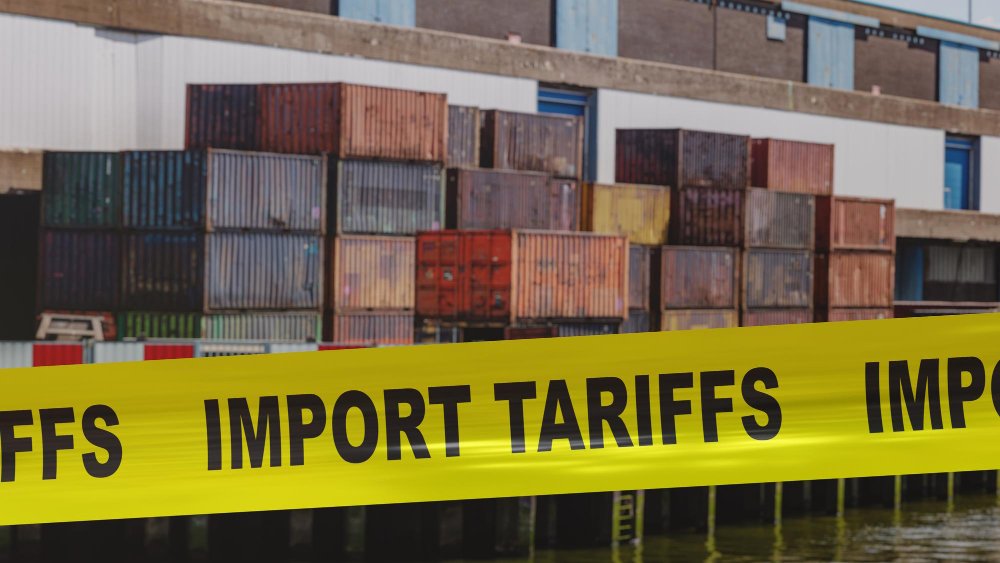
The federal government has significantly reduced regulatory duties (RDs) on the import of a wide range of goods from July 1, 2026, as part of its ongoing tariff reform agenda under the National Tariff Policy (NTP) 2025-30.
The Federal Board of Revenue (FBR) issued SRO 1064(I)/2026 on Tuesday, replacing Notification No. SRO 1152(I)/2025, to implement the revised regulatory duty structure.
The move is aimed at simplifying Pakistan’s tariff regime, lowering import barriers, and improving the competitiveness of businesses by gradually phasing out regulatory duties over the next several years.
Maximum Regulatory Duty Capped at 20%
Under the revised notification, the government has reduced the maximum regulatory duty from 50% to 20%.
For goods currently subject to regulatory duties of 20% or less, the government has introduced a standard 20% reduction in the existing RD rates.
However, the reduction does not apply to certain tariff lines carrying regulatory duties of 5%, 2%, and 1%, particularly those linked to export-oriented industries or domestic production, where the existing rates have been retained.
The revised structure took effect from July 1, 2026.
Part of National Tariff Policy Reforms
The latest reductions form part of the second-year tariff rationalisation plan under the National Tariff Policy (NTP) 2025-30.
The policy seeks to gradually eliminate regulatory duties by 2030, creating a more transparent and predictable tariff system that supports trade, investment, and industrial growth.
As part of the second phase of implementation, the government has also adjusted regulatory duty slabs of 1%, 2%, and 2.5% in line with the broader tariff reform strategy.
Objective Is to Reduce Import Barriers
According to the government, the tariff reforms are designed to simplify the overall customs duty structure, reduce unnecessary import restrictions, and enhance the competitiveness of Pakistan’s economy.
Lower regulatory duties are expected to reduce the cost of importing raw materials, industrial inputs, and other products, helping businesses improve productivity while supporting exports and economic growth.
The government believes that a gradual reduction in import duties will also align Pakistan’s trade policies with international best practices and encourage greater integration into global supply chains.
The latest notification marks another step in the implementation of the National Tariff Policy, under which regulatory duties will continue to decline in phases until they are completely phased out by 2030.