Author name: Web Desk

PM Promises Live TV Coverage for PIA Privatization Bids on December 23
Pakistan

PM Promises Live TV Coverage for PIA Privatization Bids on December 23

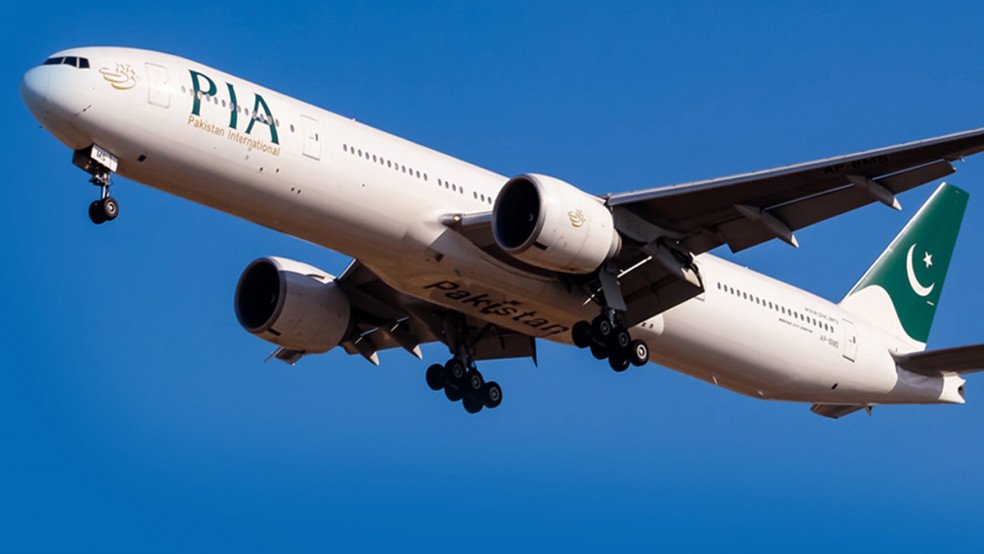
Islamabad: Prime Minister Shehbaz Sharif pledged full transparency and merit in the privatization of Pakistan International Airlines (PIA), announcing that the bidding process on December 23 will be aired live on national television. Addressing a meeting at the Prime Minister House with business leaders and representatives from all bidding entities, Sharif emphasized the government’s commitment to reviving the national flag carrier’s tarnished image and aligning it with global aviation standards. “The privatization is advancing smoothly to make PIA competitive again,” Sharif stated, expressing optimism that the new management would restore its iconic slogan, ‘Great People to Fly With.’ He highlighted that resuming international flights would benefit overseas Pakistanis and boost the country’s tourism sector. The gathering, attended by key federal ministers including Muhammad Ishaq Dar, Ahsan Iqbal, and Muhammad Aurangzeb, along with advisers and officials, saw participants commend the government’s professional approach. Sharif reiterated that restoring PIA’s operations is vital for economic growth and national pride.

Pakistan PM Panel Pushes Rs975b Tax Cuts for Businesses and Salaried Class Amid IMF Talks
Pakistan

Pakistan PM Panel Pushes Rs975b Tax Cuts for Businesses and Salaried Class Amid IMF Talks

Islamabad: Prime Minister Shehbaz Sharif has directed officials to negotiate with the International Monetary Fund (IMF) on implementing a proposed Rs975 billion tax relief package, aimed at easing burdens on businesses and the salaried class. The recommendations, presented by a private-sector-led panel chaired by Shehzad Saleem, include a 25% reduction in taxes for salaried individuals, abolition of the 10% income surcharge on earnings over Rs10 million, and elimination of the wealth tax on foreign assets via capital value tax. The package’s immediate relief is estimated at over Rs600 billion, with key proposals prioritizing the scrapping of super tax (Rs190b relief), halving the minimum income tax rate before full elimination (Rs160b), ending the 15% corporate dividend tax (Rs80b), and reducing corporate income tax to 25% over two years (Rs170b). Additional measures involve abolishing provincial cesses like Sindh’s 1.9% and Punjab’s 0.9% infrastructure levies, advance income tax on exporters, workers’ welfare and participation funds (Rs50b combined), and withholding taxes on goods and services (Rs175b). Due to IMF program constraints, implementation hinges on lender approval. Sharif formed a committee under Finance Minister Muhammad Aurangzeb to develop an actionable roadmap. Sources highlight a growing consensus among government, military, and business leaders that such reforms are essential for economic growth, alongside lowering energy costs to regional levels. The PM emphasized that robust businesses are key to generating revenue and driving export-led expansion, amid criticisms of excessive taxation stifling industry.

Pakistani Cement Sector Faces November Slump Amid Export Challenges and Domestic Slowdown
Pakistan

Pakistani Cement Sector Faces November Slump Amid Export Challenges and Domestic Slowdown

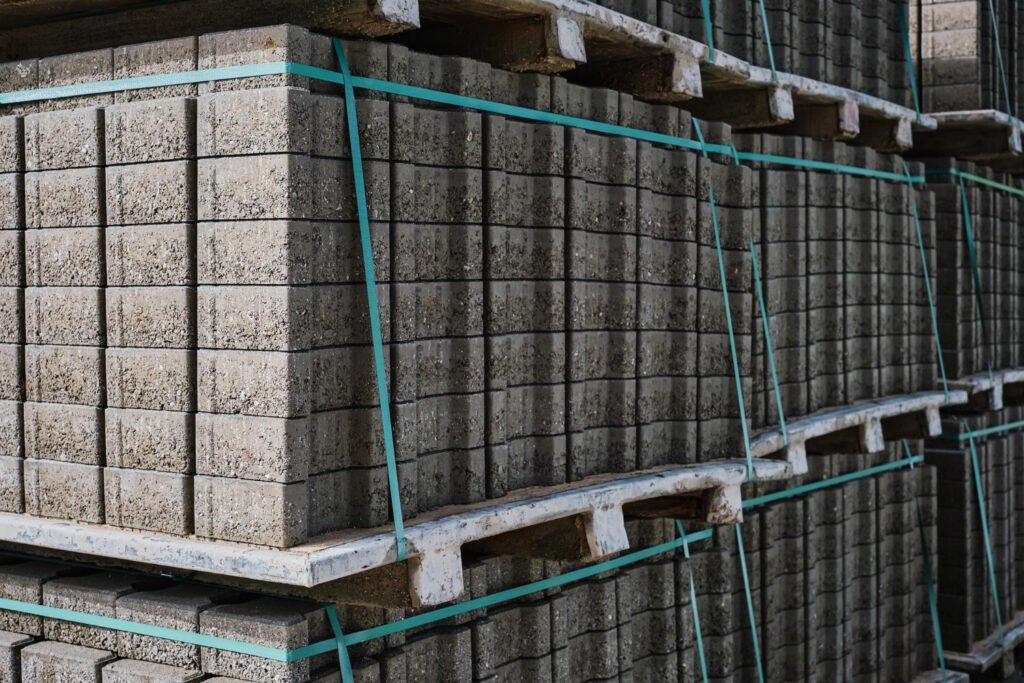
Islamabad, December 3, 2025 – Pakistan’s cement industry experienced a significant downturn in November 2025, with total dispatches falling 13% month-on-month (MoM) to 4.14 million tons, according to the latest sector update from Taurus Securities Limited. The decline was driven by a sharp drop in both domestic and export sales, highlighting ongoing pressures from rising costs, border closures, and international trade barriers.Domestic sales, which form the bulk of the industry’s output, decreased by 10% MoM to 3.55 million tons. Industry experts attribute this to subdued construction demand, exacerbated by higher material costs, duties, and taxes. Cement manufacturers have urged the government to introduce industry-friendly policies, including concessions on duties, to make cement more affordable and stimulate local construction activities.Exports fared even worse, plummeting 29% MoM to 0.59 million tons. The northern region, heavily reliant on trade with Afghanistan, saw exports virtually halt due to an indefinite border closure amid regional tensions. Southern exporters, meanwhile, faced headwinds from newly imposed U.S. tariffs on imports from several countries, including Pakistan. Manufacturers in the north are exploring alternative markets like Sri Lanka and Bangladesh via sea routes, but the outlook for FY26 remains subdued, with exports expected to stay under pressure. Read More:https://theboardroompk.com/cement-exports-increase-28-58-to-134-516-million-in-4-months/ On a year-on-year (YoY) basis, total dispatches dipped 3%, though domestic sales edged up 2% to 3.55 million tons, supported by improving macroeconomic indicators and increased construction in the north. Exports, however, tumbled 27% YoY, underscoring the impact of geopolitical issues and trade restrictions.Breaking it down regionally: North Region: Domestic dispatches fell 11% MoM to 3.02 million tons but rose 6% YoY, reflecting a revival in construction tied to positive FY26 budget measures. Exports were negligible, down from 0.15 million tons in October.South Region: Local sales dropped 3% MoM and 16% YoY to 0.53 million tons, amid weaker construction activity. Exports declined 13% MoM and 7% YoY to 0.59 million tons. For the first five months of FY26 (5MFY26), the picture is more optimistic on the domestic front. Total local dispatches surged 15% YoY to 17.44 million tons, fueled by lower inflation, interest rates, and stable material prices. North-based domestic sales grew 16% YoY, while the south saw a 9% increase. Exports remained flat YoY at 4.01 million tons, with northern declines offset by slight southern gains.Cement prices showed mixed trends. Average retail prices in the north stood at approximately PKR 1,374 per bag as of November 27, down 5% YoY. In the south, prices rose 4% YoY to PKR 1,440 per bag. International coal prices, a key input cost, provided some relief, falling 24% YoY to USD 85.10 per ton (around PKR 35,000 per ton in local currency terms).Looking ahead, analysts at Taurus Securities anticipate a rebound in domestic demand, driven by flood rehabilitation efforts expected to ramp up after Ramadan (March-April 2026). The FY26 budget includes PKR 10 billion in mark-up and housing subsidies to promote affordable housing, alongside tax credits on loans for homes up to 250 square yards or flats under 2,000 square feet. These measures, combined with broader economic stability, are poised to boost construction.However, exports face ongoing challenges from the Afghan border closure and U.S. tariffs, potentially limiting growth in FY26. Taurus highlights Lucky Cement (LUCK), Maple Leaf Cement Factory (MLCF), and Fauji Cement Company Limited (FCCL) as top investment picks in the sector. The report, sourced from the All Pakistan Cement Manufacturers Association (APCMA) and other data, underscores the industry’s resilience amid volatility. Industry stakeholders continue to call for policy support to navigate these hurdles and capitalize on domestic recovery opportunities.

Islamabad: President of the Kyrgyz Republic Sadyr Nurgozhoevich Zhaparov will undertake a two-day official visit to Pakistan beginning Wednesday at the invitation of Prime Minister Shehbaz Sharif, the Foreign Office announced on Tuesday. This will be the first presidential visit from Kyrgyzstan in two decades, the last having taken place in January 2005. The FO described the visit as a reflection of the brotherly relations between the two countries, based on shared history, faith, and common aspirations for peace and prosperity in Central and South Asia. President Zhaparov, accompanied by a high-level delegation including cabinet ministers, senior officials, and business leaders, will hold meetings with President Asif Ali Zardari and Prime Minister Shehbaz Sharif. Delegation-level talks will cover trade, energy, defence, education, people-to-people contacts, and regional connectivity. The Kyrgyz leader will also address the Pakistan-Kyrgyzstan Business Forum. A key highlight will be the signing of a Memorandum of Understanding (MoU) on energy cooperation between the two ministries of energy, already approved by Pakistan’s federal cabinet on November 29, 2025. The visit is expected to inject fresh momentum into bilateral ties and strengthen collaboration at regional and multilateral forums
World

Pakistan, Kyrgyzstan Set to Sign Energy Cooperation, Regional Connectivity MoUs During Presidential Visit

Islamabad: President of the Kyrgyz Republic Sadyr Nurgozhoevich Zhaparov will undertake a two-day official visit to Pakistan beginning Wednesday at the invitation of Prime Minister Shehbaz Sharif, the Foreign Office announced on Tuesday.This will be the first presidential visit from Kyrgyzstan in two decades, the last having taken place in January 2005.The FO described the visit as a reflection of the brotherly relations between the two countries, based on shared history, faith, and common aspirations for peace and prosperity in Central and South Asia.President Zhaparov, accompanied by a high-level delegation including cabinet ministers, senior officials, and business leaders, will hold meetings with President Asif Ali Zardari and Prime Minister Shehbaz Sharif. Delegation-level talks will cover trade, energy, defence, education, people-to-people contacts, and regional connectivity.The Kyrgyz leader will also address the Pakistan-Kyrgyzstan Business Forum.A key highlight will be the signing of a Memorandum of Understanding (MoU) on energy cooperation between the two ministries of energy, already approved by Pakistan’s federal cabinet on November 29, 2025.The visit is expected to inject fresh momentum into bilateral ties and strengthen collaboration at regional and multilateral forums

Pakistan Cotton Market Under pressure and heavily relying on Imports
Pakistan

Pakistan Cotton Market Under pressure and heavily relying on Imports

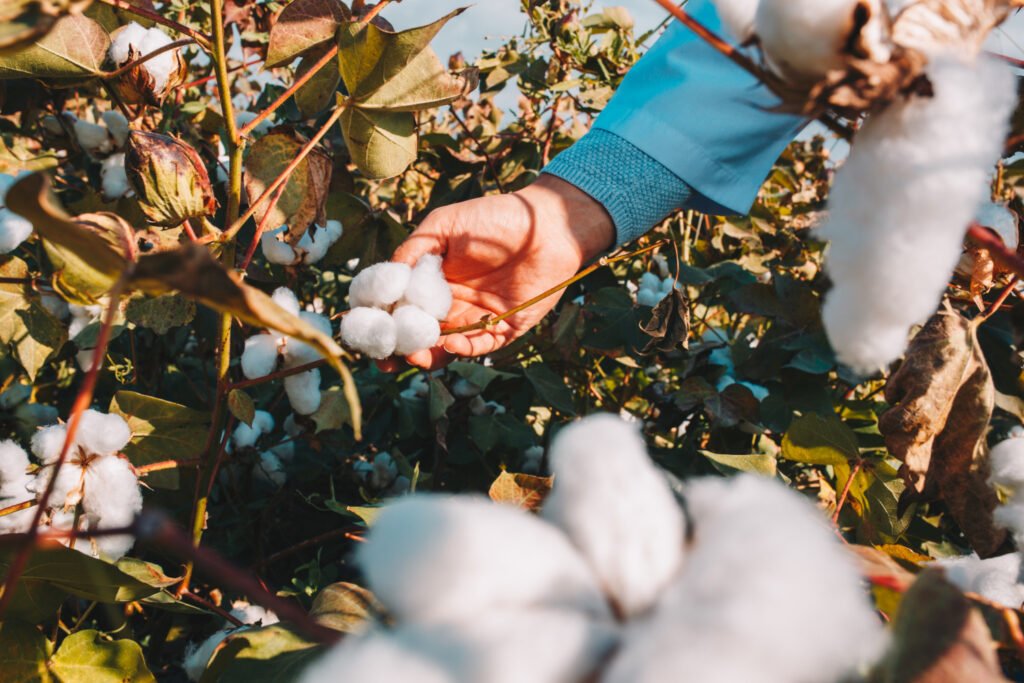
Karachi: Cotton remains the backbone of Pakistan’s economy, supporting millions of farmers and powering the country’s massive textile export industry. However, the cotton market on December 3, 2025 reflects a challenging phase marked by low international prices, heavy reliance on imports, and pressure on farmer incomes. While sowing progress for the current season has been encouraging, the economic impact of weak global demand and last year’s production shortfall is still being felt across the supply chain. This detailed cotton market update explains what is happening in Pakistan’s cotton sector today, how global trends are influencing local prices, and what it means for farmers, traders, and textile exporters. Global Cotton Prices Continue to Weigh on Pakistan: International cotton markets remain under pressure, limiting any meaningful recovery in domestic prices. The Cotlook A Index, which serves as the global benchmark, is hovering near 75 cents per pound, far below last year’s level of around 82 cents. This sharp year-on-year decline shows how weak global textile demand has become due to slow retail sales and economic uncertainty in major importing countries. Similarly, cotton futures on the New York exchange are trading in the mid-60 cent per pound range, reflecting cautious buying and the absence of strong speculative interest. Prices in China remain relatively high due to government reserve policies, while India’s Shankar-6 cotton has dropped sharply, making Indian exports more competitive in the global market. Brazilian cotton is also being offered at lower rates, adding to the pressure on Asian suppliers like Pakistan. For Pakistan, these global conditions mean that local cotton rates cannot rise significantly, even when domestic supply tightens. Karachi Cotton Market Under Pressure: In the domestic market, rates set by the Karachi Cotton Association show that lint cotton is trading around PKR 15,300 per maund, which is equivalent to nearly 61.5 cents per pound. On the same date last year, prices were close to 76 cents per pound, indicating a steep decline in farmer returns. While lower prices reduce costs for textile mills, they severely impact:• Farmer profitability• Ginners’ margins• Rural purchasing power This is one of the main reasons many farmers have been shifting away from cotton to alternative crops in recent years. Cotton Sowing Shows Improvement in 2025-26: Despite pricing pressures, the current cotton sowing season shows a relatively positive trend. Pakistan set a national target of 2.260 million hectares for the 2025-26 season. As of the latest estimates, about 89% of the total target has already been achieved.• Punjab has achieved around 90% of its target• Sindh stands close to 89%• Balochistan is near 76%• Khyber Pakhtunkhwa remains marginal in cotton cultivation This improved sowing performance reflects better early weather conditions and higher cost of alternative crops. However, final production will depend on:• Weather during picking• Pest control• Availability of quality water• Input costs such as fertilizer and diesel Last Season’s Cotton Production Shortfall Still Hurting the Economy: The negative economic impact of the 2024-25 cotton crop failure is still being felt. Against a national production target of nearly 11 million bales, Pakistan produced only about 7 million bales. This massive shortfall forced the country to import record quantities of cotton to keep textile mills running. Punjab and Sindh, Pakistan’s two main cotton-producing provinces were hit hard by:• Climate stress• Pest attacks• High farming costs• Water shortages As a result, Pakistan’s dependence on imported cotton sharply increased, directly affecting the trade balance. Seed Cotton Arrivals Remain Nearly Flat: As of mid-November 2025, total seed cotton arrivals across Pakistan are just under 4.9 million bales, almost unchanged compared to the same period last year. Most of the cotton is being bought by local textile mills, while exports of raw cotton remain negligible. Unsold stocks are still present in the market, showing that:• Mills are buying only as per immediate needs• Traders remain cautious due to uncertain price direction• Future demand is being driven strictly by export orders According to the Pakistan Cotton Ginners Association, the steady flow of arrivals suggests adequate short-term supply, which is also limiting any sharp rise in prices. Current Seed Cotton, Lint & By-Product Prices in Pakistan: Across major producing regions, seed cotton prices are moving in a wide band between PKR 6,400 and PKR 7,700 per 40 kg, depending on quality and location. Raw lint cotton is averaging around PKR 15,500 per maund nationwide. Cotton by-products are also holding steady:• Cotton seed: around PKR 3,100 to 3,200 per 40 kg• Cotton seed cake: roughly PKR 3,200 to 3,300 per 40 kg These by-products are crucial for Pakistan’s edible oil and livestock feed industries, and stable prices are helping keep inflation in check in these segments. Cotton Imports Surge, Exports Collapse: The most alarming indicator for Pakistan’s cotton economy is the sharp imbalance in trade. During the first four months of 2025-26, Pakistan imported nearly 300,000 metric tons of cotton, while exports of raw cotton were almost non-existent. For the full 2024-25 fiscal year, cotton imports crossed 680,000 metric tons, while exports dropped to only a few hundred tons. This dramatic shift has:• Increased the current account burden• Raised pressure on the Pakistani rupee• Exposed the textile sector to global price volatility Pakistan is now relying heavily on cotton from:• Brazil• The United States• Central AsiaThis import dependence is a major structural challenge for the economy. Impact on Pakistan’s Textile & Export Sector: Cotton prices directly determine the cost structure of Pakistan’s:• Spinning industry• Weaving and processing units• Garment export sector While lower cotton prices support mill profitability in the short term, they also signal weak global demand for textiles and apparel. If export orders remain slow, mills may reduce production, affecting:• Employment• Energy consumption• Tax revenues• Export earnings At the same time, low farm prices discourage cotton cultivation, creating long-term supply risks. Cotton Market Outlook for Pakistan: In the near term, Pakistan’s cotton market is expected to remain range-bound with a slightly bearish tone. Price recovery will depend on:• Improvement in global retail demand• Stability in the rupee–dollar exchange rate• Weather conditions

OMC Sales Dip 10% But PDL Collection Races Towards PKR 1.47 Trillion Target
Uncategorized

OMC Sales Dip 10% But Levy Collection Races Towards PKR 1.47 Trillion Target

OMC Sales Dip 10% But PDL Collection Races Towards PKR 1.47 Trillion TargetPakistan’s Oil Marketing Companies (OMCs) reported a significant speed bump in November 2025, with industry-wide sales volume for petroleum products falling by 10% year-on-year (YoY). The dip, however, is being viewed by analysts as a temporary correction against a strong sales base from the previous year, rather than a sign of a sharp economic contraction.The total sales for the month clocked in at 1.418 million metric tons (MT), a figure that still represents a modest 1% cumulative growth for the first five months of the fiscal year (5MFY26). Crucially, this slight volume increase is helping the government successfully meet its ambitious revenue targets through the Petroleum Development Levy (PDL).The November Downturn Explained:The most notable declines were seen in the core retail fuels:• High-Speed Diesel (HSD): Sales plummeted by 13% YoY to 683,000 MT. HSD, which fuels the transport and agricultural sectors, faced a high comparison base from November 2024, a month that had seen unusually high volumes.• Motor Spirit (MS/Petrol): Volumes dropped 9% YoY to 643,000 MT.• Furnace Oil (FO): Continuing a long-term structural trend, FO sales saw a drastic decline of 32% YoY as the power sector prioritizes cheaper alternatives like Regasified Liquefied Natural Gas (RLNG) and coal.“While the headline figure of a 10% decline looks startling, it’s a high base effect at play,” commented a lead analyst from a prominent brokerage firm. “The fact that sales excluding Furnace Oil ‘the true measure of economic activity’ are still up 4% in 5MFY26 shows the underlying demand remains resilient, supported by the ongoing crackdown on smuggled Iranian fuel.” PDL Collection- The Government’s Success Story:Despite the volumetric volatility, the government’s fiscal health remains robust, largely due to strong PDL collections.The federal government has set an ambitious PDL collection target of PKR 1.47 trillion for the full Fiscal Year 2026. Data indicates that an estimated PKR 621 billion, approximately 42% of the annual target has already been collected in the first five months of the fiscal year (5MFY26).This impressive collection rate is a direct result of consistently high PDL rates charged on petroleum products, which are crucial for the government to manage its fiscal deficit and secure external financing. The steady inflow of PDL revenue provides a stable, non-tax revenue stream necessary for macroeconomic stability.Market Dynamics: PSO’s Resilience and WAFI’s Rise:The sales report also highlighted shifting market share dynamics:• Pakistan State Oil (PSO): The market giant saw its sales drop by 19% YoY but managed to increase its overall market share to 45.36% (up from 42.95% in October), cementing its leadership position in the High-Speed Diesel segment.• Wafi Energy (WAFI): The company continued its aggressive growth trajectory, posting a strong 8% YoY sales increase, underscoring the fierce competition and the success of newer players in capturing volume.• Attock Petroleum (APL): APL recorded a significant 17% YoY drop in sales, mainly due to underperformance in the HSD category, leading to a slight contraction in its market share.Industry observers expect OMC sales to rebound, forecasting an annual sector growth in the range of 7-10% for the full FY26, underpinned by stabilizing domestic prices and continued efforts to formalize the fuel supply chain.

Post-Attack Freeze: Trump Halts Immigrant Applications from 19 'High-Risk' Countries
World

Post-Attack Freeze: Trump Halts Immigrant Applications from 19 ‘High-Risk’ Countries

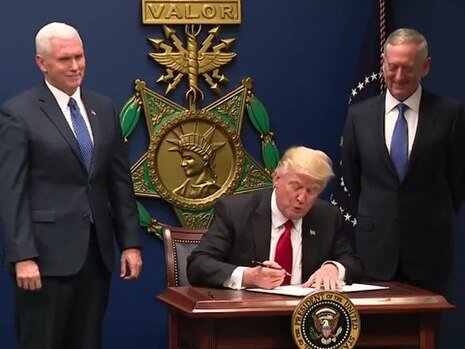
WASHINGTON: In a sweeping escalation of his hardline stance, the Trump administration announced Tuesday a temporary halt to all immigration applications, including green cards and U.S. citizenship processes, from 19 non-European countries flagged for national security risks. The move builds on June’s partial travel ban, imposing a “thorough re-review” on pending cases, potentially including mandatory interviews to probe public safety threats.The policy, detailed in an official memorandum, directly references last week’s deadly attack on U.S. National Guard members in Washington, where an Afghan suspect was arrested. One soldier was killed, another critically wounded in the shooting, fueling Trump’s recent inflammatory rhetoric against Somalis, whom he branded “garbage” unfit for America. Read More: https://theboardroompk.com/swiss-rolex-gift-to-trump-faces-corruption-scrutiny/ Targeted nations include severely restricted ones like Afghanistan, Iran, Somalia, and Yemen, alongside partially banned countries such as Cuba, Haiti, and Venezuela. Exceptions are narrow, focusing on verifiable low-risk entries.Immigration advocates decried the freeze. Sharvari Dalal-Dheini, senior director at the American Immigration Lawyers Association, reported widespread cancellations of oath ceremonies, naturalization interviews, and status adjustments for affected applicants, calling it a “devastating blow to families.”Since reclaiming the White House in January, Trump has ramped up deportations and border enforcements, but this shift spotlights legal pathways. Critics, including Democrats, blame the administration for scapegoating immigrants while overlooking Biden-era vetting lapses. Supporters hail it as vital protection. The pause’s duration remains unspecified, pending re-assessments

Pakistan Targets $2 Billion in Fruit and Vegetable Exports Within Three Years
Pakistan

Pakistan Targets $2 Billion in Fruit and Vegetable Exports Within Three Years

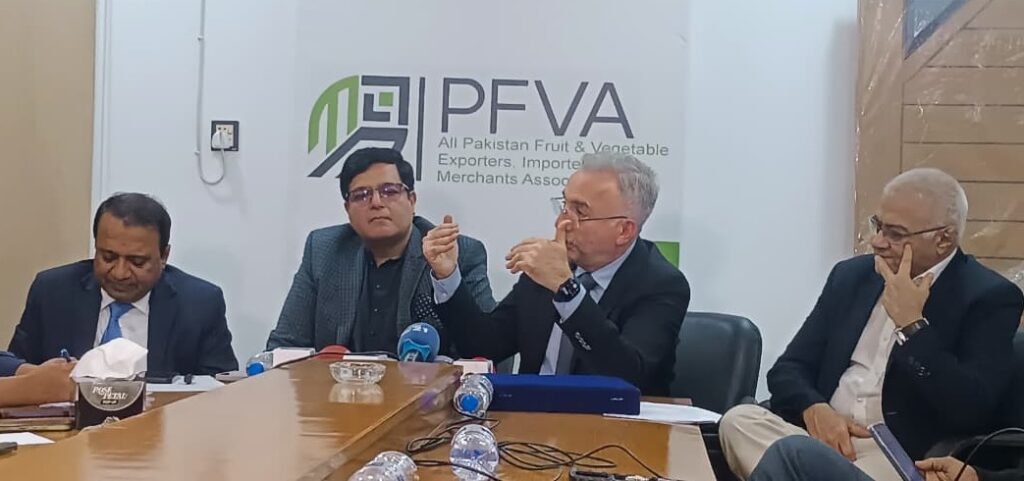
Karachi: Pakistan has set an ambitious target to increase its fruit, vegetable, and value-added agricultural exports from $700 million to $2 billion within the next three years, following the completion of a comprehensive export growth strategy. This was announced by Pakistan Fruit and Vegetable Exporters, Merchants Association (PFVA) Patron-in-Chief Waheed Ahmed during a press conference at the PFVA office, alongside Trade Development Authority of Pakistan (TDAP) Secretary Shehryar Taj. Waheed Ahmed said the new roadmap has been finalized with close coordination between Pakistan Horticulture Development Company (PHDC) and TDAP to strengthen Pakistan’s agricultural economy and aggressively pursue export targets. He added that all four provinces and Gilgit-Baltistan have been given representation in PHDC to ensure inclusive agricultural development. FoodAg Pakistan 2025 Delivers Strong Export Results: Highlighting the success of the recently held Food & Agriculture Exhibition, Waheed Ahmed revealed that the event generated $35 million in immediate export orders, with Pakistani exporters securing first-time shipments to the United Kingdom, Germany, and Oman. He said the exhibition played a vital role in showcasing Pakistan’s agricultural potential on the global stage. This year, 25 Pakistani fruit and vegetable exporting companies participated, while buyers from 35 countries showed strong interest in Pakistan’s fresh produce and value-added food products. Record Global Participation and Business Deals: Speaking at the same press conference, TDAP Secretary Shehryar Taj described FoodAg Pakistan 2025 as the most successful edition in the event’s history. “The exhibition not only highlighted the true global potential of Pakistan’s agro-food sector but also opened new doors for international cooperation, partnerships, and sustainable growth,” he said. According to TDAP:• Over 370 exhibitors from across Pakistan participated• More than 20 agro-food sub-sectors were represented, including fruits and vegetables, rice, agri-tech, seafood, meat and poultry, dairy, spices, processed foods, beverages, honey, dry fruits, oilseeds, and tobacco• 850+ international buyers and delegations from 80+ countries attended• A record 5,700+ B2B meetings were held• Total confirmed and expected business deals reached $730 million These figures establish Pakistan as a reliable and growing partner in the global agri-food supply chain, Taj added. Strengthening Pakistan’s Global Agri Export Position: TDAP officials said this success reflects the authority’s continued focus on innovation, sustainability, and export diversification within the agricultural sector. With consistent policy support and private sector collaboration, Pakistan is positioning itself as a competitive global exporter of high-quality horticulture and food products.

Pakistan Exempts Export Development Surcharge to Boost Exporter Confidence
Pakistan

Pakistan Exempts Export Development Surcharge to Boost Exporter Confidence

The State Bank of Pakistan (SBP) has officially implemented the exemption of the 0.25% Export Development Surcharge (EDS) on all exported goods, as per the Federal Government’s S.R.O 2335(I)/2025 dated December 1, 2025. This move withdraws previous SBP circulars immediately, providing significant relief to exporters by reducing business costs and enhancing global competitiveness. Khurram Schehzad, Advisor to the Finance Minister of Pakistan said the Federal Government has exempted all exported goods from Export Development Surcharge levied under sub section (1) of section 11 of the Finance Act 1991, with immediate effect, see the notification attached by the State Bank of Pakistan. Accordingly, the SBP’s Circular Letters stand withdrawn immediately. Decision taken by the Prime Minister in a few days of forming the focused Working Groups with the Private Sector in the lead, to revoke the Export Development Surcharge, amongst other key restructuring decision, including giving charge of hanging export development fund to the exporters, has now been implemented as well. The speed of decision and implementation has shown the will and committment of the Government of Pakistan to reduce cost of doing business while providing an enabling environment for investors and exporters.

Crypto Pioneer Bilal Bin Saqib Exits Government Role, Sparks Social Media Speculation
Pakistan

Crypto Pioneer Bilal Bin Saqib Exits Government Role, Sparks Social Media Speculation

Islamabad: Bilal Bin Saqib, Pakistan’s Minister of State for Crypto and Blockchain, has resigned from his position as Special Assistant to the Prime Minister (SAPM) owing to bureaucratic hurdles. The move stems from the Rules of Business 1973, which prohibit holding the SAPM role while chairing a statutory body like the Pakistan Virtual Assets Regulatory Authority (PVARA), of which Saqib remains chairman. Rumors of the crypto ministry’s shutdown spread rapidly on WhatsApp, but a staffer clarified that developments continue, with Saqib scheduled to speak at Binance Blockchain Week in Dubai on December 3. His profile was removed from the Cabinet Division website, igniting social media chatter. Journalist Shahzad Paracha posted on X: “Has Bilal Bin Saqib’s state minister position been revoked? Profile deleted from cabinet division website,” noting PVARA’s finalized crypto rules and impending notification. Appointed in May 2025, Saqib spearheaded Pakistan’s blockchain strategy, establishing PVARA and the Pakistan Crypto Council. With over 50 million crypto users and $300 billion in annual trading, Pakistan ranks top 5 globally in adoption, bolstered by its youthful demographic—70% under 30—and third-largest freelancer market. A Forbes Under 30 alum and MBE recipient from King Charles III for humanitarian work like One Million Meals during COVID-19, Saqib founded Tayaba to address water crises via the H2O Wheel. Reddit users speculated on his vested interests in crypto businesses, calling his tenure promotional amid unregulated markets. Analysts see this as a regulatory alignment, potentially speeding crypto legalization without performance concerns.

Scroll to Top