Author name: Web Desk

Centre for Aerospace and Security Studies Demands Overhaul Pakistan's Aviation to Rescue $5.6B GDP Lifeline
Pakistan

Centre for Aerospace and Security Studies Demands Overhaul Pakistan’s Aviation to Rescue $5.6B GDP Lifeline

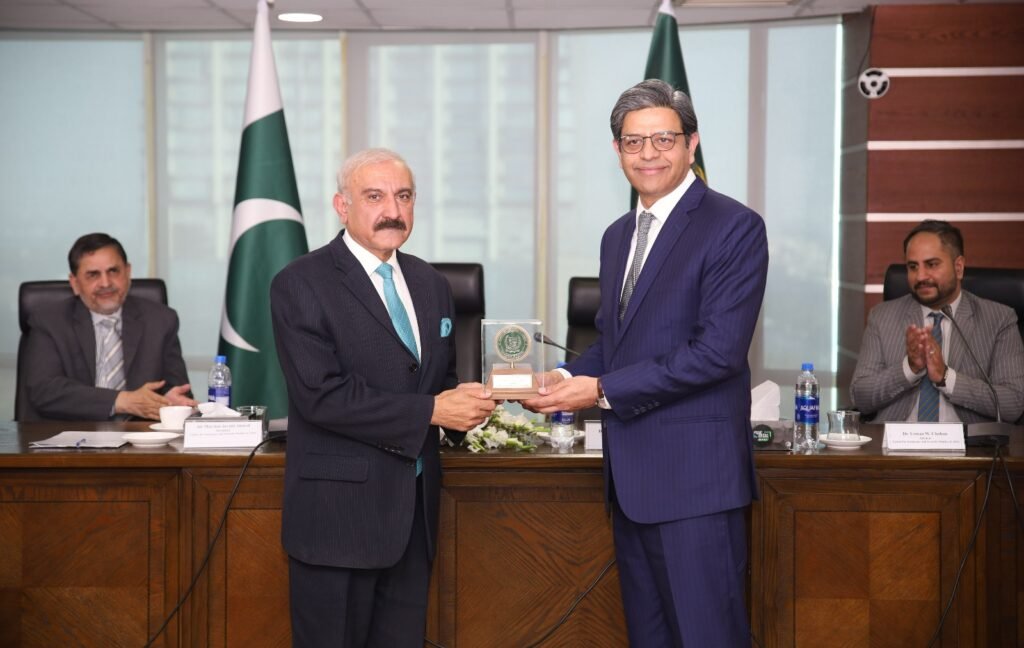
ISLAMABAD: As part of its ongoing Lecture Series on Competition Law, the Competition Commission of Pakistan (CCP) hosted a special session featuring Air Marshal Javaid Ahmed, HI (M) (Retd), President Centre for Aerospace and Security Studies (CASS), and Dr. Usman W. Chohan, Advisor CASS, on the theme “Role of Aviation Industry in Economic Affairs and National Development.” CASS is Pakistan’s premier centre for strategic research on aerospace, emerging technologies, security, and national policy. Welcoming the speakers, CCP Chairman Dr. Kabir Sidhu said that regulatory frameworks across major sectors in Pakistan remain outdated and require urgent modernization to meet the demands of rapidly evolving markets. He highlighted that CCP’s Centre of Excellence is conducting in-depth sectoral studies to identify regulatory gaps, market inefficiencies, and provide evidence-based recommendations for reforms. The Centre has completed studies in over fifteen key sectors, including LNG, Power, sugar, Insurance, Fertilizer, Road Infrastructure, and Gold. Read More: https://theboardroompk.com/pm-promises-live-tv-coverage-for-pia-privatization-bids-on-december-23/ Air Marshal Javaid Ahmed (Retd) delivered a comprehensive lecture on the dynamics of the global and domestic aviation industry. He cautioned that Pakistan’s aviation sector needs urgent modernization to unlock its potential in tourism, cargo movement, technology development, skilled employment, and national security, as highlighted under the Significance of Aviation Industry framework in his presentation. He outlined Pakistan’s aviation challenges, including high operational costs, weak governance structures, security constraints, sectoral inefficiencies, limited private sector participation, and shortage of skilled workforce. Highlighting opportunities, he expressed that Pakistan possesses strong aeronautical capabilities and will “soon be able to manufacture a passenger aircraft,” given its advanced fighter aircraft ecosystem. He also briefed the audience about the National Aerospace Science and Technology Park (NASTP), a multi-site initiative equipped with high-end laboratories in AI, avionics, cyber, robotics, composites, and satellite technologies. NASTP aims to build Pakistan’s first integrated aerospace ecosystem, expand dual-use technologies, and position the country as a regional innovation hub. Dr. Usman W. Chohan presented key economic indicators, noting that aviation contributes $5.6 billion to Pakistan’s GDP (1.7%), supports 684,000 jobs, and generated 22 million passengers in 2023, a figure expected to rise under the National Aviation Policy 2023. He underlined that Pakistan’s flight market revenue is projected to grow from $6.04B in 2025 to $8.17B by 2030, with users rising to 48.5 million. He emphasized aviation’s critical role in trade, connectivity, tourism, and broader economic competitiveness. The session concluded with an engaging question-and-answer discussion, attended by senior officials, researchers of the CCP, and industry stakeholders.
Automechanika Dubai 2025: Pakistan's Pavilion Exceeds Expectations with 'Impressive' Visitor Surge
Pakistan

Automechanika Dubai 2025: Pakistan’s Pavilion Exceeds Expectations with ‘Impressive’ Visitor Surge

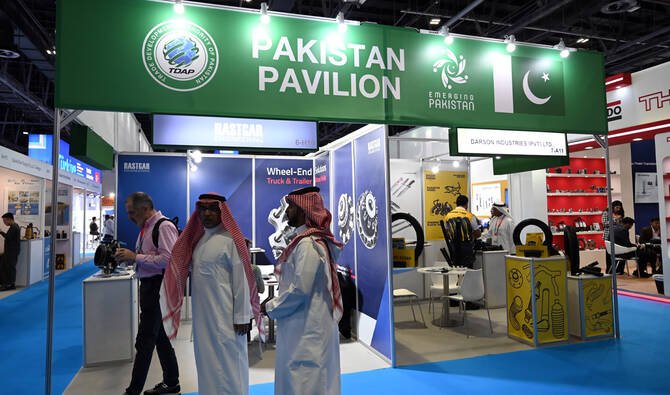
Karachi: Automechanika Dubai 2025 is in full swing at the Dubai World Trade Centre, and this year’s edition is shaping up to be one of the strongest so far. The event has brought together manufacturers, technology innovators and automotive experts from across the globe. More than 2,300 exhibitors from over 60 countries are participating, with 20 national pavilions representing Pakistan, Germany, India, Türkiye, China, Italy, South Korea, Taiwan and several others. These pavilions provide visitors with the opportunity to explore offerings from different countries and compare products, technologies and prices all under one roof. Read More: https://theboardroompk.com/imc-proposes-maintaining-40-tariff-difference-in-upcoming-auto-policy/ For the 2025 edition, Trade Development Authority of Pakistan (TDAP) is supporting 10 leading Pakistani companies at the Pakistan Pavilion, including Ghauri Tyres & Tubes, Multi Tech Engineering, Super Horn, Thermosole Industries, Rastgar Engineering, Sanpak Engineering, Darson Industries, United Auto Industries and Diamond Tyres. In addition, Panther Tyres Limited, Pakistan Accumulators Limited and Atlas Battery Limited are participating independently, further highlighting Pakistan’s strong presence at this year’s show. The connections being formed at Automechanika Dubai 2025 are expected to translate into long-term partnerships and new trade opportunities. For Pakistani businesses, the event is proving to be a valuable platform for identifying competitive suppliers and preparing for the future of mobility.

Pakistan–Tajikistan Unlock $50 Million Meat Export Deal: A New Era of Regional Trade and Food-Security Cooperation
Breaking News, Pakistan

Pakistan–Tajikistan Unlock $50 Million Meat Export Deal: A New Era of Regional Trade and Food-Security Cooperation

In a major boost to regional trade and food-security collaboration, Pakistan and Tajikistan are preparing to sign a landmark agreement that could reshape their bilateral economic relationship. Tajikistan has expressed a strong interest in importing 100,000 tons of meat from Pakistan, a deal valued at over $50 million, marking one of the most significant agricultural trade developments between the two countries in recent years. This breakthrough emerged during a high-level meeting in Islamabad between Federal Minister for National Food Security and Research Rana Tanveer Hussain and Ambassador of Tajikistan to Pakistan Yusuf Sharifzoda. A Strategic Partnership Built on Food Security and Economic Growth: During the meeting, Minister Rana Tanveer warmly welcomed Ambassador Yusuf and reaffirmed Pakistan’s long-term commitment to strengthening agricultural ties in Central Asia. Tajikistan, seeking reliable partners to secure its growing food needs, highlighted a strong interest in expanding agricultural imports from Pakistan, particularly meat and livestock products known for their quality and competitive pricing. The Minister assured full facilitation, emphasizing that Pakistan is ready to supply:• High-quality meat• Livestock products• Agro-commodities• Processed and value-added food items Pakistan’s growing agricultural capacity, combined with Tajikistan’s expanding market, makes this partnership timely and mutually beneficial. Beyond Trade: Culture, Diplomacy, and People-to-People Connectivity: In a gesture that reflects the vibrant relationship between the two nations, Ambassador Yusuf invited the Minister to attend Tajikistan’s Cultural Week beginning on 18 December. Minister Rana Tanveer appreciated the invitation and stressed the importance of deepening cooperation not only in trade but also across cultural, academic, and economic fronts. Agriculture: A Natural Bridge Between Pakistan and Tajikistan: Tajikistan, an agrarian economy known for cotton, wheat, and a wide range of fruits including apricots, apples, cherries, and pomegranates, offers numerous avenues for collaboration with Pakistan. Both sides identified potential partnerships in:• Horticulture• Crop improvement• Pest management• Agricultural research and innovation• Climate-resilient farming The two nations acknowledged that current trade volumes fall far short of potential. For example: • Pakistan produces 1.8 million tons of mangoes annually, but exported only 0.7 metric tons to Tajikistan in 2024.• Pakistan’s rice exports to Tajikistan were only 240 metric tons in 2022 despite being one of the world’s top rice producers. Pakistan’s primary import from Tajikistan remains ginned cotton, pointing to a trade relationship with room to grow. Removing Barriers for a Stronger Future: Both countries agreed to address technical and logistical constraints holding back trade expansion. Discussions focused on: • Establishing pest-free agricultural zones• Strengthening compliance with global food-safety standards• Enhancing laboratory testing and phytosanitary capacity• Improving cross-border logistics• Promoting scientific exchange between research institutions These steps align with the shared goal of building a modern, sustainable, and secure agricultural ecosystem. A Milestone in Pakistan–Tajikistan Relations: The upcoming agreement for large-scale meat exports marks more than a commercial milestone, it reflects a shared vision for robust economic, cultural, and agricultural integration between Pakistan and Central Asia. As the region looks to strengthen food security and foster strategic partnerships, the Pakistan–Tajikistan relationship is emerging as a powerful example of forward-focused cooperation. This deal has the potential to: • Boost Pakistan’s meat export industry• Enhance Tajikistan’s food security• Open doors for broader agricultural trade• Set the foundation for long-term regional collaboration With both governments aligned and momentum building, the next decade could see Pakistan and Tajikistan becoming key partners in the global agri-food landscape.

PSX Market Rally: KSE-100 Smashes Past 170,000 as IMF Approval Sparks Investor Confidence
Pakistan

PSX Market Rally: KSE-100 Smashes Past 170,000 as IMF Approval Sparks Investor Confidence

The Pakistan Stock Exchange opened Wednesday’s session on a strong note, delivering another milestone moment for investors. The benchmark KSE-100 Index crossed the 170,000 level in early trade, an achievement fueled by renewed market confidence following the IMF’s latest approval for Pakistan’s next loan disbursement. With greater clarity on the economic front and improved liquidity expectations, investors kicked off the morning with aggressive buying across multiple sectors. Early Session Momentum: Market Takes Off Strong: By 9:50 AM, the KSE-100 was trading at 170,164.63, up 708.25 points (0.42%).The index stayed firmly in the green throughout the early session, touching: • Intraday High: 170,241.72• Intraday Low: 169,806.32 Trading activity was robust, with volumes reaching 40.44 million shares on the KSE-100 alone. Among the 100 benchmark companies:• 75 stocks were trading higher• 15 were in the red• 6 remained unchanged• 4 had yet to trade Top Movers: ISL Hits Upper Circuit as Bulls Dominate: A number of stocks stole the spotlight: Top Gainers• ISL surged 10%, hitting its upper limit• INIL gained 5.84%• DHPL climbed 5.60%• JVDC rose 3.13%• PKGP advanced 3.02% Top Decliners• PSEL led the downside with a 1.88% drop• Minor pressure came from THALL, SRVI, PAEL, and PAKT Despite a few laggards, the overall sentiment remained firmly bullish. Index Support: Key Contributors Driving the Rally: Major positive contributors included:• FFC• ISL• HUBC• DHPL• LUCKOn the other hand, stocks like PSEL, SYS, THALL, DGKC and PAEL offered mild downward pressure, though not enough to offset the broader rally. Sector Snapshot: Banks, Fertilizer & Cement Lead the Charge: Strength in the market was led by:• Commercial Banks• Fertilizer• Investment Companies & Securities• Engineering• Cement Sectors showing mild weakness included:• Miscellaneous• Automobile Parts & Accessories• Cable & Electrical Goods• Tobacco• Sugar & Allied Industries However, their negative impact remained minimal. Broader Market: All-Share Index Also Rises: The optimism wasn’t limited to the benchmark index. The All-Share Index climbed to:• 102,892.33, up 413.76 points (0.40%) Total market volume soared to 139.25 million shares in early trade. Top Volume Leaders:• BML – 33.7M+ shares• KEL• BOP• TPLP• QUICE• ASL• BNL• HUMNL• TPL• PIAHCLA A Stellar Year for PSX: Double-Digit Gains Continue: The PSX has already delivered a remarkable performance this fiscal year:• FY-to-date gain: 44,537 points (35.45%)• Calendar-year gain: 55,038 points (47.81%) With improving macroeconomic indicators and the latest IMF confirmation, investor confidence appears to be gaining fresh momentum, setting the tone for what could be another strong trading day at the Pakistan Stock Exchange.

Pakistan’s IPO Market Heats Up: Why 2025 Is Shaping Into a Landmark Year for Capital Markets
Pakistan

Pakistan’s IPO Market Heats Up: Why 2025 Is Shaping Into a Landmark Year for Capital Markets

Pakistan’s stock market is enjoying a remarkable resurgence and the momentum is spilling over into what could become one of the busiest years for initial public offerings (IPOs) in over a decade. With investor confidence climbing and economic indicators showing signs of stability, several companies are now preparing to tap into the market to raise fresh capital and scale their operations. The renewed optimism across the Pakistan Stock Exchange is encouraging a diverse group of businesses from consumer goods and pharmaceuticals to automotive and commodity startups to plan public listings in the coming months. A New IPO Wave Begins: Companies Ready to Go Public: Market leaders, including Arif Habib, confirm that multiple companies have already initiated their IPO processes, hoping to ride the wave of strong market sentiment. Among the most anticipated listings is Service Long March Tyres Ltd., a high-profile joint venture between Servis Group and China’s Chaoyang Long March. The company is aiming to raise up to Rs6.5 billion ($23.2 million) by April to expand its tyre manufacturing capacity. Other promising entrants include: • Saraaf, a fast-growing commodity sourcing startup that attracted Rs1.5 billion ($5.4 million) in funding on Shark Tank Pakistan in 2024• Matco Foods Ltd., which is preparing to spin off its rapidly expanding Falak Foods unit through a separate IPO These listings reflect a clear trend: Pakistani companies are increasingly looking to public markets to scale operations, boost production, and diversify revenue streams. Investment Banks Gear Up for a Busy Season: Pakistan’s leading investment banks are deeply involved in this emerging IPO pipeline. • Arif Habib Ltd. and Ktrade Securities Ltd. together are managing up to 16 potential offerings expected to hit the market within the next seven months.• JS Global Capital Ltd. is also preparing to list as many as six companies during the same period. The scale of involvement from major financial institutions signals strong institutional confidence in the country’s economic direction. Why Market Conditions Are Favorable for IPOs Right Now: Shahid Ali Habib, CEO of Arif Habib, notes that current market valuations are highly attractive for equity raising. The combination of a more stable Pakistani rupee and a supportive interest-rate environment is creating ideal conditions for companies planning to go public. These macroeconomic factors are boosting investor sentiment, making it easier for businesses to raise the capital needed for expansion. A Turning Point for Pakistan’s Capital Markets: The surge in IPO activity is more than just a financial trend, it reflects a broader shift in economic confidence. Businesses, investors, and financial institutions are increasingly aligned in their belief that Pakistan’s economy is entering a new phase of recovery and opportunity. If current momentum continues, 2025 could become a defining year for Pakistan’s capital markets, with increased listings, higher retail participation, and renewed global investor interest. For investors and entrepreneurs alike, Pakistan’s IPO landscape is becoming one of the most exciting spaces to watch in the region.

US Commits $1.25 Billion to Transform Balochistan’s Economy, A New Era of Investment, Infrastructure and Opportunity
Pakistan

US Commits $1.25 Billion to Transform Balochistan’s Economy, A New Era of Investment, Infrastructure and Opportunity

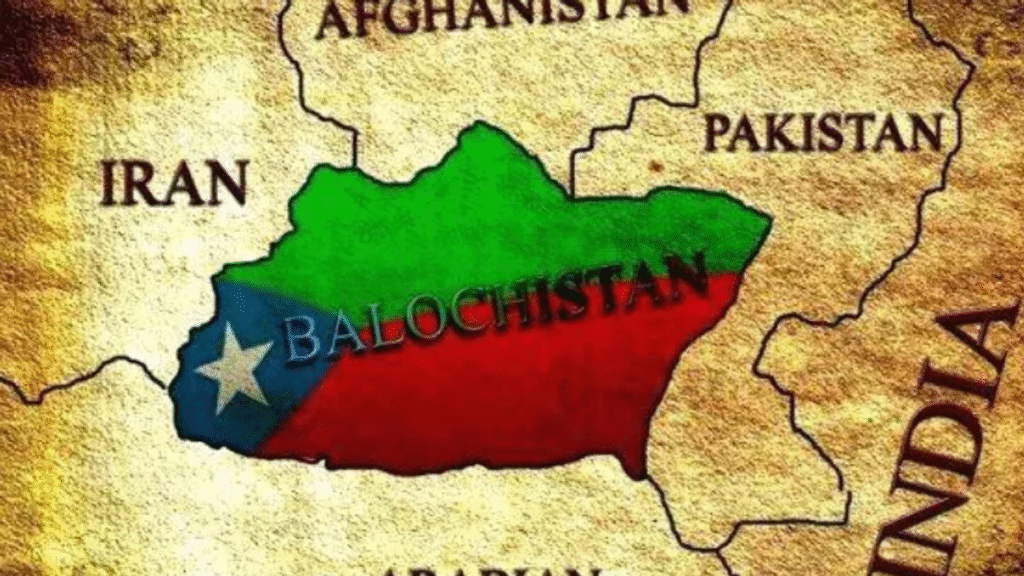
In a major boost to Pakistan’s economic landscape, the United States has announced a $1.25 billion financing commitment through its Export-Import (EXIM) Bank, a move set to reshape the future of Balochistan, one of Pakistan’s most underserved yet strategically critical provinces. The announcement came through a special video message from Natalie Baker, Chargé d’Affaires at the U.S. Embassy in Islamabad, who described the investment as nothing short of a “game-changer” for both American companies and local Pakistani communities. Why This Investment Matters for Balochistan: Despite its vast mineral wealth, deep-sea port access and geographic importance, Balochistan has long struggled to attract large-scale international investment. Today’s announcement marks one of the largest U.S. commercial commitments to the region in decades, signaling renewed global confidence in its economic potential. According to the U.S. Embassy, the EXIM Bank’s $1.25 billion financing facility will open the door for major American participation in infrastructure, energy and industrial development projects throughout the province. This means:• New roads, logistics networks and industrial zones• Enhanced energy access and regional power stability• Technology transfer and modern operational standards• A surge in job creation for local communities For a region where unemployment and limited connectivity have long slowed economic progress, the impact could be transformational. A Boost for Business, Partnerships and Regional Growth: Natalie Baker emphasized that this financing aligns with Washington’s long-term vision of strengthening bilateral economic cooperation with Pakistan. She noted that deeper U.S. private-sector involvement will bring: • Advanced technology• International engineering standards• Skilled workforce development• Stronger supply chains For local industries, this translates into new business opportunities, improved competitiveness and sustainable growth. Baker also highlighted that this initiative will unlock new avenues for public–private partnerships (PPPs), a model that has successfully accelerated development worldwide. Part of the U.S.–Pakistan Green Alliance: This investment is not just a financial injection; it fits into the broader U.S.–Pakistan Green Alliance framework, which focuses on: • Clean energy• Climate resilience• Sustainable development• Long-term environmental protection With global priorities shifting toward renewable energy and climate adaptation, Balochistan stands to gain from future-ready, sustainable infrastructure. A Long History of U.S.–Pakistan Cooperation: From education and agriculture to energy and public health, the U.S. has been one of Pakistan’s long-standing partners. Yet this initiative stands out as one of the most significant commercial engagements targeting underserved regions like Balochistan. The EXIM Bank framework will also enhance American exports to Pakistan, enabling U.S. companies to bring advanced machinery, engineering services and turnkey project expertise into the country, all while uplifting local communities. If implemented effectively, the EXIM financing could: • Create thousands of jobs• Improve regional connectivity• Strengthen energy security• Modernize key industries• Attract further foreign direct investment (FDI)• Support long-term economic stability For a region often overlooked in national development plans, this represents a rare moment where global capital and local opportunity align. The U.S. Embassy encourages the public to watch Natalie Baker’s complete message for insights into how this landmark financing aims to reshape opportunities for both nations.

US, China Chip Fight: Nvidia's New Tech Tracks AI Chips' Location to Curb Smuggling to China
World

US, China Chip Fight: Nvidia’s New Tech Tracks AI Chips’ Location to Curb Smuggling to China

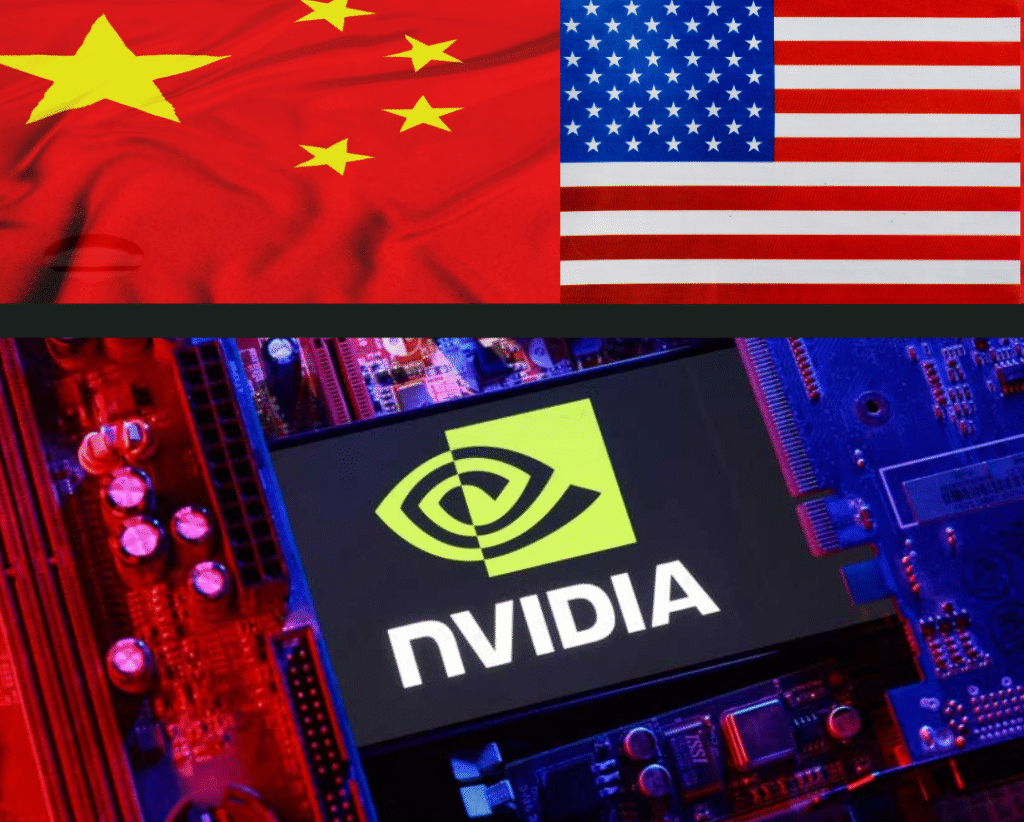
SAN FRANCISCO – Nvidia has developed an innovative location verification feature for its AI graphics processing units (GPUs) that could pinpoint a chip’s operating country, sources familiar with the matter told Reuters, offering a potent weapon against smuggling to nations like China under U.S. export restrictions.The unreleased software, demonstrated privately in recent months, would function as an optional update, leveraging the confidential computing capabilities built into Nvidia’s GPUs. It uses telemetry data—such as communication delays between the chip and Nvidia’s servers—to estimate location with accuracy comparable to internet-based geolocation services. This dual-purpose tool also enables data center operators to monitor fleet health, performance, and inventory in real time. Read More: https://theboardroompk.com/china-exports-smash-forecasts-despite-trumps-60-tariffs-non-us-shipments-surge-18-beijings-trade-rerouting-pays-off-in-november/ Debuting first on Nvidia’s cutting-edge Blackwell chips, which boast enhanced “attestation” security for verifying chip integrity, the feature surpasses protections in prior Hopper and Ampere generations. Nvidia is exploring retrofits for older models, according to company officials.The move directly responds to bipartisan U.S. pressure: The White House and lawmakers have urged chipmakers to implement such safeguards amid escalating geopolitical tensions. The Department of Justice has prosecuted China-linked rings attempting to smuggle over $160 million in Nvidia hardware, highlighting enforcement gaps in Biden-era export controls aimed at curbing Beijing’s AI ambitions.Nvidia confirmed: “We’re implementing a new software service that empowers data center operators to monitor the health and inventory of their entire AI GPU fleet.” While experts affirm it can operate without compromising security—via secure enclaves—China’s cybersecurity watchdog has summoned Nvidia over fears of U.S. “backdoors,” which the firm vehemently denies.If adopted widely, the technology could set a new standard for AI hardware compliance, potentially reshaping global trade dynamics. However, mandatory rollout remains uncertain, balancing U.S. national security with Nvidia’s vast international market. Shares in NVDA.O rose 1.2% in after-hours trading on the news.

Venture Global Slams Shell's Fraud Allegations as Baseless in Fiery LNG Arbitration Response
World

Venture Global Slams Shell’s Fraud Allegations as Baseless in Fiery LNG Arbitration Response

LONDON – In a sharp escalation of the multibillion-dollar LNG contract feud, U.S. producer Venture Global on Tuesday fired back at Shell’s allegations of fraud, dismissing them as unsubstantiated while counter-accusing the oil major of violating arbitration confidentiality rules.The response, filed late in New York Supreme Court, comes amid Shell’s November challenge to its August arbitration loss against Venture Global. Shell, which sought damages for undelivered liquefied natural gas cargoes, claimed Venture Global withheld critical documents about delaying the commercial launch of its Calcasieu Pass plant in Louisiana. Citing a redacted third-party witness, Shell alleged misleading statements by Venture Global’s counsel prevented fair disclosure.Venture Global rejected the claims outright, stating Shell provided “no evidence” of fraud. The filing emphasized that the third party “did not testify to written communications” with Venture Global, and no misleading conduct occurred. Instead, it accused Shell of breaching International Chamber of Commerce confidentiality by sharing arbitration details with other counterparties, including BP and Edison, to coordinate challenges.The dispute traces to 2022, when Russia’s Ukraine invasion spiked global LNG prices. Venture Global, accused by Shell, BP, Edison, Galp, and others of selling over 400 spot-market cargoes—netting more than $20 billion—while withholding contracted supplies, faces combined claims exceeding $5.5 billion. Venture Global maintains Calcasieu Pass was in commissioning mode until April 2025 due to technical issues, exempting it from long-term obligations.Shell’s loss contrasted with BP’s October victory, awarding over $1 billion. Legal experts note Shell’s email to Venture Global sought a commercial settlement, citing BP’s outcome as grounds for concern, but prioritized overturning the ruling on procedural grounds.Venture Global, buoyant after its Shell win and a Unipec settlement, affirmed sufficient cash reserves to weather ongoing arbitrations. The saga underscores tensions in the LNG market, where spot windfalls clash with long-term contracts. A court decision could reshape industry norms.

Musk Regrets Govt Jobs Cutting Program DOGE Role: 'Somewhat Successful' But Wouldn't Lead Again
World

Musk Regrets Govt Jobs Cutting Program DOGE Role: ‘Somewhat Successful’ But Wouldn’t Lead Again

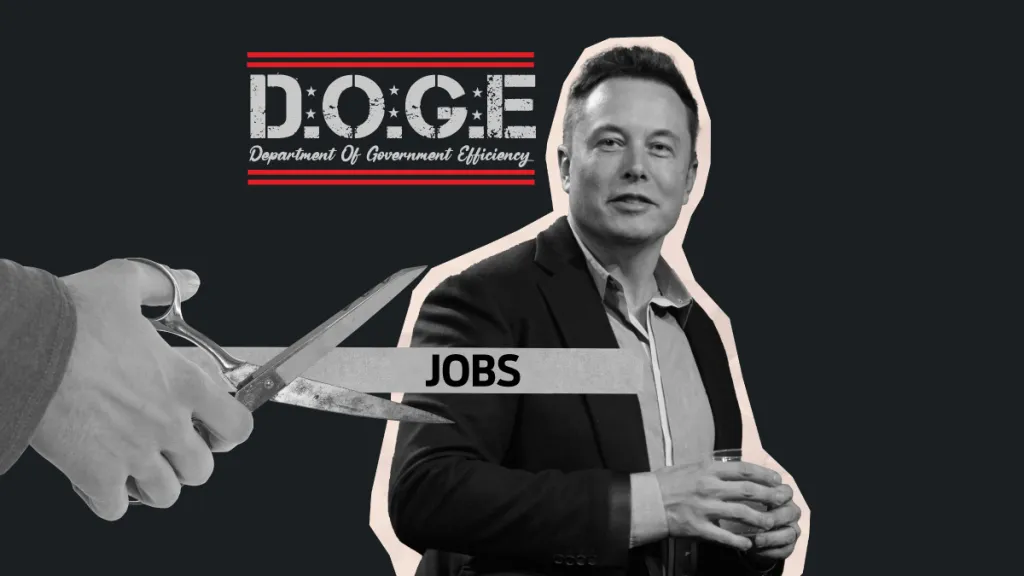
SAN FRANCISCO – Tesla CEO Elon Musk, once a key architect of President Donald Trump’s aggressive cost-cutting agenda, delivered a sobering assessment of the Department of Government Efficiency (DOGE) on Tuesday, calling it only “a little bit successful” and vowing he wouldn’t lead such an effort again.In a candid interview on “The Katie Miller Podcast” – hosted by the former Trump administration official who briefly served as a DOGE advisor – Musk reflected on his five-month tenure leading the initiative. Launched in early 2025 as part of Trump’s second-term promise to slash federal bureaucracy, DOGE aimed to trim billions from the budget, reduce the workforce, and dismantle “wasteful” regulations through AI-driven reforms. Read More: https://theboardroompk.com/tesla-chair-warns-musk-may-exit-if-1-trillion-pay-package-rejected/ “We were somewhat successful. We stopped a lot of funding that really just made no sense, that was entirely wasteful,” Musk said, crediting the team with halting dubious expenditures. However, he lamented the personal and professional toll, including widespread vandalism of Tesla vehicles and a public rift with Trump over a controversial tax and spending bill that prompted Musk’s abrupt resignation in May.“I think instead of doing DOGE, I would have basically worked on my companies. And they wouldn’t have been burning the cars,” Musk quipped, alluding to the backlash that saw Tesla showrooms targeted and sales dip amid investor worries over his divided attention.Musk’s involvement stemmed from his massive financial backing of Trump’s 2024 campaign, where he emerged as a close confidant. Yet, the DOGE experiment – quietly shuttered last month, eight months shy of its 18-month charter – drew scrutiny for opaque accounting and unverified savings claims.The remarks, aired just days after a U.S. Government Accountability Office report exposed fraud in Obamacare applications – a issue Musk tied to DOGE’s mission – underscore the billionaire’s pivot back to SpaceX and Tesla amid ongoing political turbulence. As Trump eyes midterm adjustments, Musk’s exit signals fractures in their once-unshakable alliance.

Pakistan, Indonesia agree to revamp $4bn trade pact to correct imbalance
Pakistan

Pakistan, Indonesia agree to revamp $4bn trade pact to correct imbalance

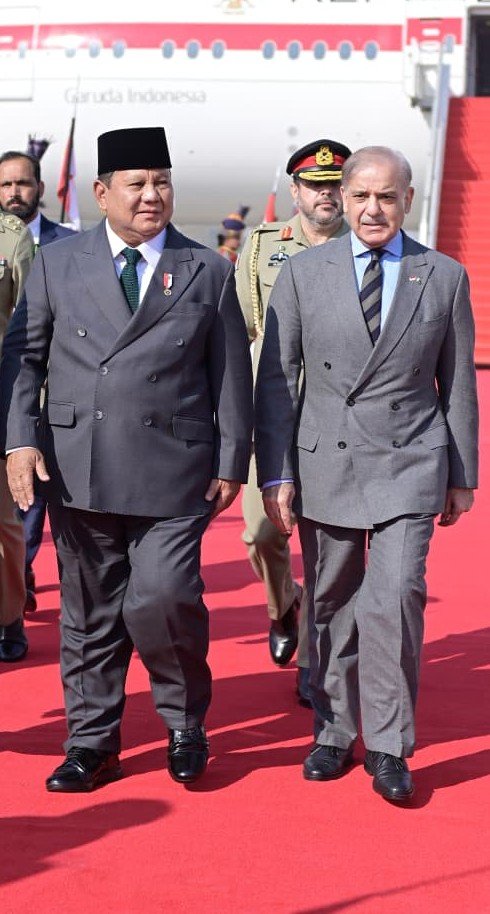
ISLAMABAD: Prime Minister Shehbaz Sharif and Indonesian President Joko Widodo on Tuesday agreed to comprehensively review and expand the Indonesia-Pakistan Preferential Trade Agreement (IP-PTA), a $4 billion framework in force since 2012, to eliminate the existing trade imbalance that currently favours Jakarta and unlock fresh bilateral trade potential.The leaders directed their commerce ministries to immediately begin negotiations to broaden product coverage, adjust tariff concessions, and incorporate emerging sectors, particularly halal-certified food, pharmaceuticals, cosmetics, agriculture, and information technology. Both countries, home to two of the world’s largest Muslim populations, see the halal industry as a multi-billion-dollar opportunity. Read More: https://theboardroompk.com/pakistan-indonesia-mark-75-years-of-diplomacy-with-prabowos-historic-visit/ During wide-ranging talks at the Prime Minister’s Office marking 75 years of diplomatic ties, the two sides also committed to deepen investment cooperation. President Widodo offered collaboration between Indonesia’s new sovereign wealth fund Danantara and Pakistan’s Special Investment Facilitation Council (SIFC), with priority sectors including health, education, vocational training, and infrastructure.Defence and security cooperation, people-to-people contacts, and academic exchanges were also high on the agenda, with both leaders pledging to elevate the relationship to a strategic level.On regional issues, Prime Minister Sharif and President Widodo reiterated unwavering support for the Palestinian cause and a just resolution of the Jammu & Kashmir dispute in line with UN Security Council resolutions. Sharif appreciated Indonesia’s proactive diplomacy and humanitarian assistance in Gaza.Trade between Pakistan and Indonesia has grown steadily under the IP-PTA, but Pakistan’s exports remain significantly lower. Officials said the revised agreement is expected to provide greater market access for Pakistani textiles, rice, fruits, sports goods, and surgical instruments, while Indonesia seeks easier entry for palm oil derivatives, paper products, and machinery.A joint statement issued after the meeting described the visit as a “milestone” in transforming the historic fraternal ties into a robust economic partnership. President Widodo extended an invitation to Prime Minister Sharif to visit Indonesia next year.

Scroll to Top