Author name: Web Desk

Venezuelan Opposition Leader Machado Presents Nobel Medal to Trump in White House Show of Gratitude
World

Venezuelan Opposition Leader Machado Presents Nobel Medal to Trump in White House Show of Gratitude

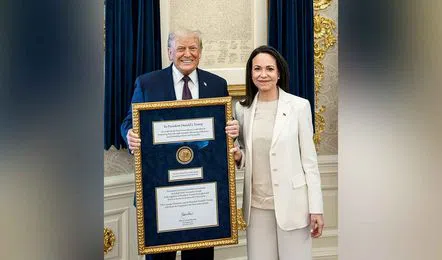
U.S. President Donald Trump met Venezuelan opposition leader María Corina Machado at the White House on January 15, 2026, in a private lunch that lasted over an hour. Machado, the 2025 Nobel Peace Prize winner, presented Trump with her Nobel medal as a gesture recognizing his “commitment to the freedom of the Venezuelan people.” Trump accepted the medal, posting on social media that it was a “wonderful gesture of mutual respect” for his work. The encounter marked their first in-person meeting and came amid competing influences on U.S. policy toward Venezuela following the U.S. capture of former President Nicolás Maduro and the interim leadership of Delcy Rodríguez, Maduro’s former vice president. Read More: https://theboardroompk.com/musks-starlink-faces-major-security-test-amid-irans-deadly-crackdown/ Symbolism of the Nobel Gesture Amid Policy Tensions Machado described the meeting as “excellent” and framed the medal presentation as appreciation for Trump’s role in toppling Maduro through a U.S. military operation earlier in January. The Nobel medal was inscribed with a message thanking Trump for “Extraordinary Leadership in Promoting Peace through Strength.” Trump has long coveted the Nobel Peace Prize, having campaigned for it openly. However, the Norwegian Nobel Committee clarified that the prize itself cannot be transferred or shared. The gesture highlighted Machado’s efforts to build rapport with Trump, who has questioned her short-term leadership viability despite her opposition credentials. Trump’s Focus on Oil and Interim Government Ties The meeting underscored Trump’s pragmatic approach to Venezuela, prioritizing access to its vast oil reserves and economic rebuilding over immediate democratic transitions. Trump has praised interim leader Delcy Rodríguez as a “terrific person” with whom the U.S. is “getting along very well,” following a recent phone call. White House officials emphasized Trump’s “realistic assessment” that Machado lacks sufficient support to lead soon. Meanwhile, Machado later met bipartisan U.S. senators on Capitol Hill, where she received more enthusiastic backing and raised concerns about ongoing repression under Rodríguez. The dynamics reflect broader U.S. policy debates on stabilizing Venezuela through engagement with its current leadership while sidelining opposition calls for swift elections.

Musk's Starlink Faces Major Security Test Amid Iran's Deadly Crackdown
World

Musk’s Starlink Faces Major Security Test Amid Iran’s Deadly Crackdown

Iran’s violent suppression of anti-government protests, which has reportedly claimed thousands of lives in recent days, is presenting one of the most significant challenges yet to Elon Musk’s Starlink satellite network. Amid near-total state-imposed internet blackouts since early January 2026, SpaceX made Starlink free for users in Iran this week to enable communications and allow protesters to share videos and images of the crackdown. Read More: https://theboardroompk.com/starlink-to-lower-all-satellites-in-2026-for-enhanced-space-safety-amid-crowded-skies/ However, Iranian authorities have countered aggressively with satellite jammers, GPS spoofing, and enforcement measures, turning the situation into a high-stakes test of Starlink’s resilience against a determined regime. Activists and analysts view this as a pivotal moment for space-based internet in repressive environments, with U.S. military and investors closely watching outcomes. Starlink as a Lifeline Amid Blackouts Protesters have relied on smuggled Starlink terminals—estimated in the tens of thousands—to bypass government shutdowns and document atrocities, including footage of killings and injuries verified by groups like Amnesty International. Researcher Raha Bahreini noted that nearly all such videos likely originated from Starlink users. SpaceX’s free access decision, following similar moves in past crises like Ukraine, has amplified its role as a tool for information flow. Nonprofits such as Holistic Resilience have assisted in delivering terminals and monitoring disruptions, highlighting Starlink’s low-Earth orbit constellation (around 10,000 satellites) as harder to fully disable than traditional systems. Iranian Countermeasures and Geopolitical Stakes Iran has deployed jammers to block signals and fake GPS transmissions to confuse terminals, severely slowing connections and limiting functionality to basic text while hindering video uploads, according to cyber investigators like Nariman Gharib. Authorities have banned Starlink post a June 2025 Iran-Israel conflict, imposed harsh penalties, conducted seizures, and appealed to the UN’s ITU to force blocks. Former Pentagon official John Plumb observed this as an early chapter in space communications history where regimes may lose the ability to fully silence dissent. For Musk and SpaceX—facing a potential 2026 IPO—the episode underscores Starlink’s geopolitical weight, investor appeal, and risks in conflict zones, while testing engineering countermeasures against electronic warfare tactics.

US and Taiwan Seal Semiconductor-Focused Trade Deal with $500 Billion Investment Push
World

US and Taiwan Seal Semiconductor-Focused Trade Deal with $500 Billion Investment Push

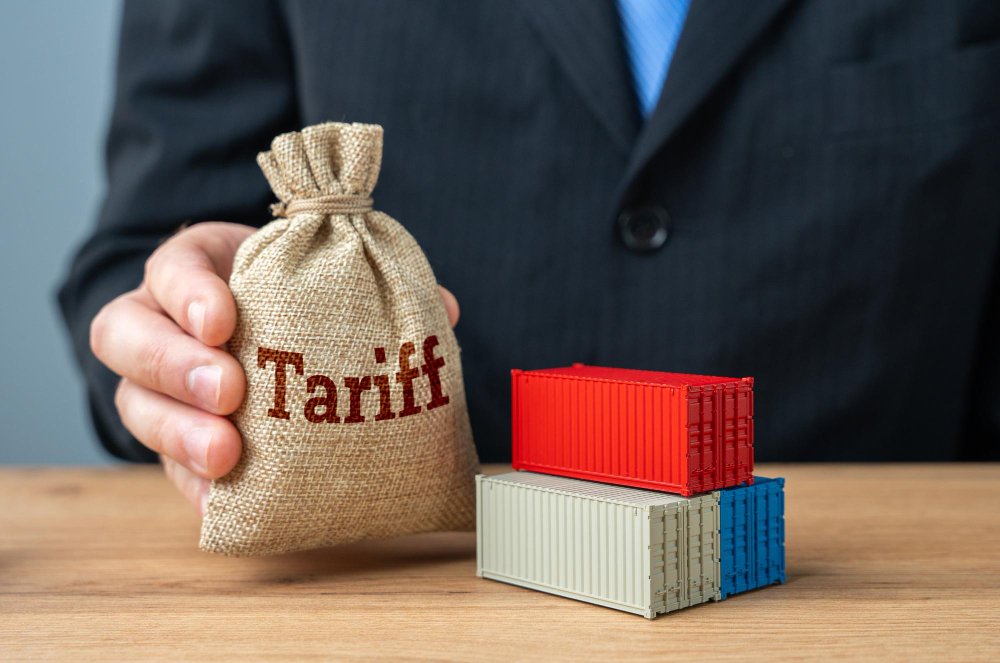
The United States and Taiwan have finalized a significant trade agreement announced on January 15, 2026, centered on semiconductors, aimed at bolstering U.S. domestic chip manufacturing while reducing tariffs on Taiwanese goods. Read More: https://theboardroompk.com/new-york-mandates-mental-health-warnings-on-addictive-social-media-features/ According to the U.S. Commerce Department, the deal directs at least $250 billion in new direct investments by Taiwanese semiconductor and technology firms into U.S. production of advanced chips, energy, and artificial intelligence, supplemented by $250 billion in Taiwanese government credit guarantees. In return, broad tariffs on most Taiwanese exports to the U.S. drop from 20% to 15%, with preferential treatment—including duty-free imports—for chipmakers expanding U.S. facilities. U.S. Commerce Secretary Howard Lutnick described the pact as a step to relocate up to 40% of Taiwan’s chip supply chain to America, emphasizing national security and economic resilience amid reliance on foreign semiconductors. Tariff Reductions and Investment Incentives The agreement offers targeted relief: Taiwanese chip producers like TSMC expanding in the U.S. (including ongoing Arizona projects) can import up to 2.5 times their new capacity duty-free during construction phases, with lower rates for excess. General tariffs fall to 15% across most goods, while generics pharmaceuticals, aircraft components, and certain natural resources face 0% duties. Auto parts, timber, and wood products are capped at 15%. These measures reward U.S. investments and provide predictability, with the U.S. committing not to treat Taiwan worse than other partners in future tariff scenarios. The deal, signed via the American Institute in Taiwan and Taipei Economic and Cultural Representative Office, requires Taiwanese parliamentary review. Strategic Implications for Supply Chains and Geopolitics The pact addresses U.S. concerns over vulnerability in advanced chip production, dominated by Taiwan’s TSMC, by incentivizing “reshoring” to create jobs and secure supply for AI, defense, and consumer tech. Lutnick stressed on CNBC that Taiwan must align with U.S. priorities for protection, given China’s claims over the island. Market reactions included gains for chip equipment firms like ASML, Lam Research, and Applied Materials (up 4-6%), while Nvidia rose over 2%. The deal risks heightening tensions with Beijing, which views deepening U.S.-Taiwan ties as provocative, but supports global supply chain diversification and U.S. technological leadership in an era of strategic competition.

UAE Businessman Gifts iPhone 17 Pro Max to Employees, Redefining Workplace Inspiration
World

UAE Businessman Gifts iPhone 17 Pro Max to Employees, Redefining Workplace Inspiration

In an era where employee burnout and disengagement dominate workplace conversations, one UAE-based leader has captured public attention with a bold, heartwarming move. A UAE businessman gifting iPhone 17 Pro Max to employees is not just a headline it’s a statement about leadership, gratitude, and the future of work. Read More: https://theboardroompk.com/asad-ayaz-disney-appointment-a-pakistan-born-executive-rewriting-global-brand-leadership/ At Universal Marble, a premium marble stone fabrication and installation company in the UAE, every employee received the latest Apple iPhone 17 Pro Max as a New Year gift. No performance tiers. No seniority filters. Just appreciation for everyone. This powerful gesture has quickly become a symbol of what modern, people-centric businesses can look like. Why a UAE businessman gifting iPhone 17 Pro Max to employees matters The announcement came during New Year celebrations at Universal Marble, led by Managing Director Mohammed Aslam Qureshi, who openly credited the company’s success to its workforce. Rather than focusing on numbers or milestones, Aslam focused on people their loyalty, effort, and commitment. His message was simple yet profound: a company grows only when its people grow with it. This wasn’t a marketing stunt. It was a deeply intentional move to reinforce a culture of respect, trust, and shared success. From a dream to a people-first enterprise Founded by Mohammed Aslam Qureshi, originally from Hyderabad, India, Universal Marble was built on three core values: quality, integrity, and craftsmanship. What began as a vision has evolved into one of the UAE’s trusted names in luxury marble and stone solutions. The company now delivers end-to-end stone fabrication and installation services for: • Luxury villas• Commercial buildings• Large-scale construction projects Yet, behind the marble surfaces and architectural elegance lies something even stronger — a motivated workforce that feels seen and valued. Employee appreciation in action, not words Instead of listing benefits or issuing generic thank-you notes, Universal Marble chose action. The company’s leadership believes appreciation should be felt, not just spoken. Think of it this way:Rather than bonuses tied to KPIs, the company invested in belonging.Rather than hierarchy, it chose equality.Rather than short-term motivation, it built long-term loyalty. This approach is increasingly rare and that’s exactly why it stands out. What industry leaders are saying Industry observers see the move as part of a larger shift across the UAE’s business landscape. Especially in labor-intensive sectors like construction and interiors, employee engagement is becoming a competitive advantage, not a soft skill. Forward-thinking entrepreneurs now understand that: • Motivated teams reduce turnover• Loyal employees protect brand reputation• Appreciated workers deliver higher productivity Universal Marble’s initiative reflects this transformation where leadership is measured not only by profits, but by purpose. A simple gift with a powerful message When a UAE businessman gifts iPhone 17 Pro Max to employees, the real value isn’t the device. It’s the message behind it: “You matter. You are seen. You are part of this success.” That message resonates far beyond one company. It inspires workers, challenges employers, and redefines what success looks like in today’s workplace. Inspiration for the future of work As businesses across the region compete for talent, stories like this remind us that human connection is the strongest currency. Technology may evolve, markets may fluctuate, but appreciation never goes out of style. Universal Marble’s story proves that when leaders invest in people, people invest back with loyalty, excellence, and pride. And sometimes, inspiration comes wrapped in a box that says iPhone — but what it truly delivers is respect.

Asad Ayaz Disney Appointment: A Pakistan-Born Executive Rewriting Global Brand Leadership
Pakistan

Asad Ayaz Disney Appointment: A Pakistan-Born Executive Rewriting Global Brand Leadership

Asad Ayaz Disney is not just another corporate announcement from Hollywood it is a moment of pride, possibility, and inspiration for Pakistan. In a world where leadership at global conglomerates often feels distant, a Pakistan-born executive has now stepped into one of the most influential roles at The Walt Disney Company, the world’s largest entertainment powerhouse. Read More: https://theboardroompk.com/youtube-rolls-out-new-tools-to-help-parents-limit-teens-shorts-time-and-manage-screen-habits/ Disney has announced the creation of a new enterprise-wide marketing and brand organisation and appointed Asad Ayaz as its first Chief Marketing and Brand Officer placing him among the most senior executives shaping the future of global entertainment. For Pakistanis at home and abroad, this is more than a promotion. It is proof that talent nurtured from Pakistani roots can influence brands that shape global culture. Asad Ayaz Disney: From Pakistan to the Heart of Global Entertainment Born in Pakistan in 1978, Asad Ayaz is the son of a senior Pakistan Air Force officer. His early life reflects the diverse journeys many Pakistani families know well moving across borders in service of diplomacy and duty. He spent part of his childhood in the Middle East, where his father served as Pakistan’s ambassador to Syria and Lebanon, before immigrating to the United States as a teenager. That transition from Pakistan to the West planted the seeds of a deep fascination with popular culture. Like many young immigrants, Ayaz found connection and belonging through movies, television, and storytelling. Years later, those early influences would become the foundation of a remarkable career. Why the Asad Ayaz Disney Appointment Matters for Pakistan Disney’s decision to elevate Ayaz is strategic and symbolic. The newly formed organisation aims to align marketing teams across studios, Disney+, theme parks, ESPN, and consumer products a massive global ecosystem touching billions of consumers. From a Pakistani lens, the importance of the Asad Ayaz Disney appointment lies in three key areas: First, representation at the highest corporate level. Ayaz will report directly to Disney CEO Bob Iger, placing a Pakistan-born leader at the centre of global decision-making. Second, brand trust and influence. Disney’s brand is not just commercial it shapes childhoods, identities, and cultural narratives worldwide. Third, inspiration for Pakistan’s youth. In a country where creative and corporate ambitions often feel constrained, Ayaz’s rise sends a powerful message: global leadership is within reach. Asad Ayaz Disney Leadership: What Sets Him Apart Over two decades at Disney, Ayaz has built a reputation for blending creativity with strategic discipline. Before this appointment, he served as: • President of Marketing for The Walt Disney Studios• Global Marketing Head for Disney+• Disney’s first-ever Chief Brand Officer (appointed in 2023) In simple terms, Ayaz has already been shaping how Disney speaks to the world. The new role expands that influence across every consumer touchpoint. Disney CEO Bob Iger described him as a leader who has “helped bring the magic of Disney to life for millions,” emphasising the need for consistent storytelling in an increasingly complex digital and physical ecosystem. From Posters on Bedroom Walls to Leading Disney’s Brand In interviews, Ayaz has shared that his teenage bedroom featured posters of Batman Returns, The Simpsons, and Thelma & Louise symbols of American pop culture that fascinated a young immigrant from Pakistan. After graduating from Bennington College, he worked in consulting before pursuing a master’s degree in economics at the University of Southern California, where his exposure to the entertainment industry deepened. This journey analytical, creative, and global is precisely what Disney now needs as competition intensifies across streaming, experiential entertainment, and digital platforms. A Broader Win for Pakistan’s Global Image The Asad Ayaz Disney milestone places him among a growing group of Pakistani-origin executives leading major US corporations. At a time when Pakistan often struggles for positive global narratives, stories like Ayaz’s quietly reshape perceptions. They show Pakistan not just as a market or a headline but as a source of leadership, creativity, and global competence. A Signal to Dream Bigger For young Pakistanis watching from Karachi, Lahore, Islamabad, or abroad, the rise of Asad Ayaz at Disney is a reminder that global boardrooms are not off-limits. Talent, perseverance, and vision can travel far even from places the world often underestimates.

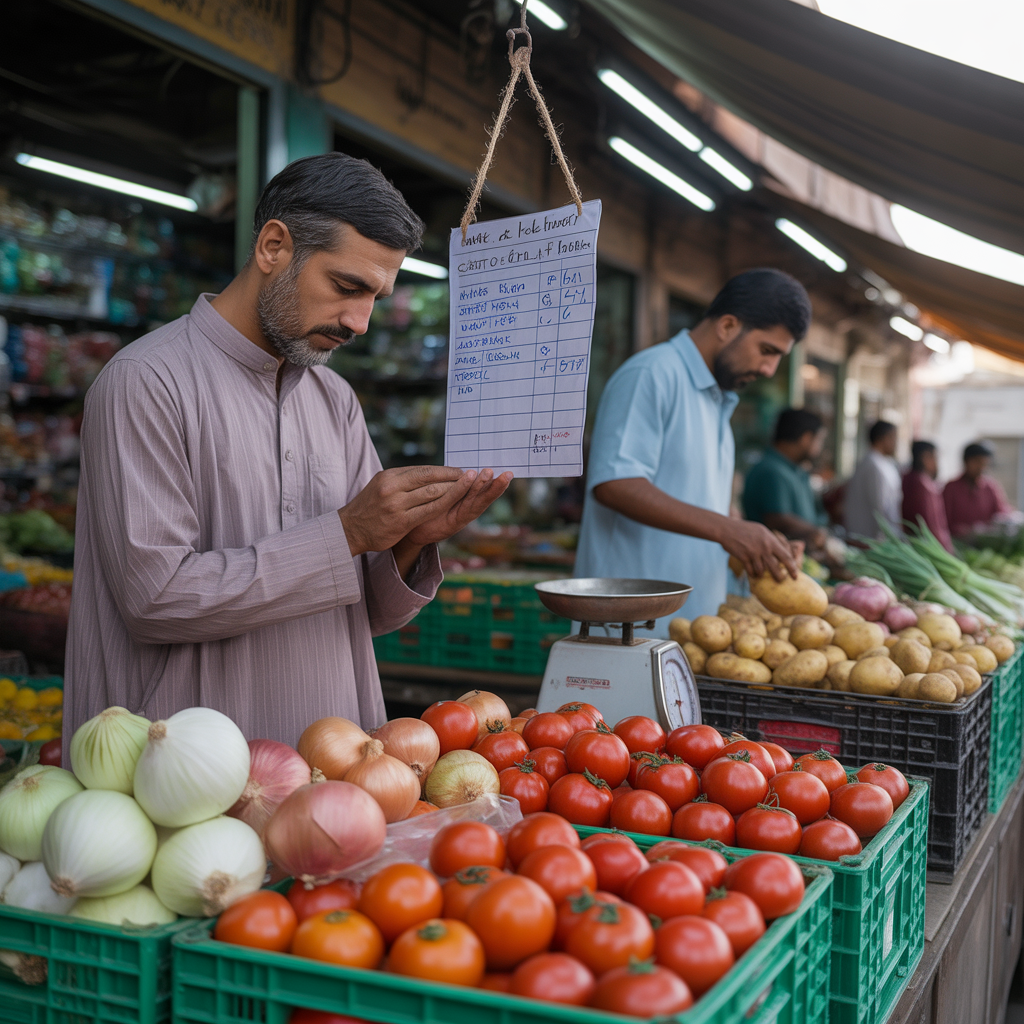
"action": "img_gen", "prompt": "A photorealistic, cinematic shot inside a bustling, open-air vegetable market in Lahore, Pakistan. In the foreground, a middle-aged shopper dressed in a traditional shalwar kameez is intently scrutinizing a handwritten price tag hanging above a crate of fresh tomatoes and onions. The shopper's expression shows a mix of calculation and mild concern. In the background, a shopkeeper is weighing potatoes on a mechanical scale, and other citizens are busy with their grocery shopping. The lighting is natural afternoon sunlight filtering through the market awning, creating high contrast and highlighting the vibrant colors of the produce. The scene captures the ground reality of the Weekly Sensitive Price Index (SPI), where even small price hikes are noticed by the common man. High-resolution, 8k quality, 4:5 aspect ratio.", "aspect_ratio": "4:5" }
Pakistan

Weekly SPI Inflation Pakistan: A Subtle Rise That’s Catching Everyone’s Attention

Weekly SPI Inflation Pakistan is back in the spotlight as fresh data from the Pakistan Bureau of Statistics (PBS) reveals a 0.25% week-on-week increase in short-term inflation. While the number may appear modest at first glance, the underlying price movements tell a much more compelling story one that households, businesses, and policymakers cannot afford to ignore. Read More: https://theboardroompk.com/relief-for-importers-exporters-pakistan-ends-inflated-dollar-based-shipping-fees/ As everyday essentials quietly become more expensive, this latest SPI reading signals shifting inflationary pressures that could shape consumer sentiment and economic decision-making in the months ahead. Understanding Weekly SPI Inflation Pakistan and Why It Matters The Sensitive Price Indicator (SPI) is Pakistan’s key short-term inflation gauge. Calculated weekly, it tracks the prices of 51 essential commodities across 50 markets in 17 cities, offering a near real-time snapshot of cost-of-living changes. This week’s SPI data shows that while some prices eased, others surged sharply—creating a mixed but meaningful inflation pattern that reflects supply disruptions, seasonal effects, and energy costs. Market Momentum and Investor Sentiment Alongside rising Weekly SPI Inflation Pakistan, equity markets displayed notable strength. Major stock indices, including the benchmark KSE-100, posted solid gains, reflecting cautious optimism among investors despite inflationary undercurrents. In simple terms, broader market indices moved higher as banking, oil, and Shariah-compliant sectors attracted buying interest. This divergence strong markets amid rising prices highlights the complex balance between inflation expectations and economic growth hopes. Which Prices Are Driving Weekly SPI Inflation Pakistan Higher? Out of the 51 essential items monitored, one-quarter recorded price increases, led by sharp spikes in food and energy-related commodities. The most striking weekly increase came from tomatoes, with prices jumping by over 27%, underscoring persistent supply-side volatility. Liquefied petroleum gas (LPG) followed with a strong rise, adding pressure to household fuel budgets. Wheat flour, eggs, bananas, and pulses also recorded noticeable gains, reinforcing food inflation concerns. These increases matter because food and fuel dominate household spending especially for lower- and middle-income families. Relief at the Vegetable Stall: Prices That Fell Not all news was inflationary. Some essential items provided temporary relief. Potatoes and onions, staples in Pakistani kitchens, recorded weekly price declines, while chicken, pulses, and cooking oil also edged lower. However, economists caution that such declines are often seasonal and may not offset broader inflation trends driven by energy and input costs. Year-on-Year View: The Bigger Inflation Picture On an annual basis, Weekly SPI Inflation Pakistan shows a 3.87% increase, painting a clearer picture of sustained cost pressures. Wheat flour emerged as the biggest annual gainer, rising nearly 35%, followed by gas charges, eggs, beef, and spices. These increases highlight structural challenges in food supply chains and energy pricing. Conversely, vegetables such as potatoes, onions, garlic, and tomatoes recorded sharp year-on-year declines suggesting that last year’s price spikes created a high comparison base. Fertilizer and Cement Prices: Signals Beyond the Kitchen Beyond groceries, SPI data also tracks input prices that influence construction and agriculture. This week, fertilizer prices edged slightly higher compared to last week but remained lower than last year, offering some relief to farmers. Cement prices, meanwhile, stayed relatively stable, reflecting subdued construction demand despite rising infrastructure ambitions. These trends matter because they influence future food production costs and housing inflation. What Weekly SPI Inflation Pakistan Means Going Forward The latest SPI reading confirms that inflation in Pakistan is not surging but it is far from dormant. Instead, it is evolving in pockets, driven by food supply shocks, energy pricing, and seasonal factors. For policymakers, the data reinforces the need for vigilant price monitoring. For businesses, it signals potential cost adjustments. And for households, it serves as a reminder that inflation can quietly erode purchasing power even when headline numbers appear calm. Weekly SPI Inflation Pakistan may have risen only slightly this week, but the story beneath the surface is anything but small. With food prices swinging sharply and energy costs creeping up, inflation remains a critical economic pulse to watch in 2026. As markets react and consumers adapt, one thing is clear: the weekly SPI is no longer just a statistic it’s a real-time mirror of everyday life in Pakistan.

ECP to Suspend 446 Lawmakers Tonight Over Wealth Statements
Pakistan

ECP to Suspend 446 Lawmakers Tonight Over Wealth Statements

The Election Commission of Pakistan (ECP) has issued a stern warning to lawmakers, stating that those who fail to submit their wealth statements by midnight on January 15, 2026, will face immediate suspension of their legislative memberships starting January 16, 2026. Read More: https://theboardroompk.com/pakistan-liquid-foreign-reserves-show-fresh-momentum-in-2026/ This enforcement comes under Section 137 of the Elections Act, 2017, which mandates parliamentarians and provincial assembly members to declare their assets and liabilities annually, including those of their spouses and dependent children, for the previous financial year (2024-25 in this case). The original deadline was December 31, 2025, but the ECP extended a final opportunity until midnight on January 15 after publishing a list of 446 defaulters on January 1, 2026. Non-compliance results in suspension until the statements are filed, aiming to promote transparency and accountability among elected representatives. High-Profile Defaulters and Scale of Non-Compliance Among the 446 lawmakers initially listed as defaulters were prominent figures, including nearly a dozen members of Prime Minister Shehbaz Sharif’s federal cabinet—six federal ministers: Awais Leghari, Musadik Malik, Atta Tarar, Khalid Maqbool Siddiqui, Amir Muqam, and Tariq Fazal Chaudhry. The breakdown included 125 from the National Assembly, 159 from the Punjab Assembly, 62 from the Sindh Assembly, 48 from the Khyber Pakhtunkhwa Assembly, and 26 each from the Senate and Balochistan Assembly. Provincial cabinet members such as Saeed Ghani and Sharjeel Memon (Sindh), Shafi Ullah Jan (KP), and Abdul Rehman Khetran (Balochistan) were also named. The ECP’s Political Finance Wing remained open until the midnight deadline to receive submissions, emphasizing that suspensions would be automatic under the law.Legal Framework and Implications for TransparencySection 137(1) requires submission by December 31 each year, while Section 137(2) obligates the ECP to publish defaulters’ names on January 1. Section 137(3) explicitly states that the Commission shall suspend memberships on January 16 for non-submission by January 15, with affected members ceasing to function until compliance. This annual process underscores Pakistan’s efforts to curb unexplained wealth and ensure public trust in elected officials. Past instances have seen suspensions, such as in previous years when dozens of lawmakers faced temporary debarment. The ECP’s firm stance reinforces accountability, though critics argue enforcement should extend beyond mere filing to scrutinizing the declarations themselves for accuracy and legitimacy. As of the announcement on January 15, 2026, lawmakers had one last chance to avoid disruption to legislative duties.

Pakistan Govt Holds Petrol, Diesel Prices Steady for Late January 2026
Pakistan

Pakistan Govt Holds Petrol, Diesel Prices Steady for Late January 2026

The federal government of Pakistan has decided to maintain the current prices of major petroleum products unchanged for the second fortnight of January 2026, effective from January 16, 2026. This announcement came via an official notification from the Ministry of Energy (Petroleum Division) and the Finance Division on January 15, 2026, dashing earlier expectations of a potential reduction of up to Rs5-6 per litre due to softening global crude oil prices. Read More: https://theboardroompk.com/pakistan-national-shipping-corporation-fleet-expansion-strengthens-maritime-capacity/ Motor Spirit (petrol) will continue to sell at Rs253.17 per litre, while High-Speed Diesel (HSD) remains at Rs257.08 per litre. The decision reflects a balance between global market volatility, rupee-dollar exchange rate stability, and the government’s ongoing efforts to curb inflationary pressures on the economy and consumers. Reasons Behind the Stability Decision The primary factors influencing this hold include fluctuating international crude oil rates, which hovered around USD 60 per barrel recently, and domestic considerations such as high petroleum levies (Rs82.12 per litre on petrol and Rs77.91 on HSD, including the Climate Support Levy). Although global trends had hinted at possible cuts following reductions in the first half of January (petrol down Rs10.28 and diesel down Rs8.57), the government opted for stability to avoid revenue shortfalls and provide predictability for transport, agriculture, and industry sectors heavily reliant on fuel. Implications for Consumers and Economy This price freeze offers short-term relief by preventing any immediate hike in transportation and commodity costs, especially as diesel influences food supply chains and public transport fares. However, with persistent high levies contributing significantly to pump prices, many consumers expressed disappointment over missed opportunities for further reductions amid lower global oil benchmarks. Analysts note that fortnightly reviews will continue, with potential adjustments in the next cycle depending on crude trends and exchange rates. The move underscores the government’s cautious approach to fiscal management while navigating external volatilities.

Pakistan Liquid Foreign Reserves Show Fresh Momentum in 2026
Pakistan

Pakistan Liquid Foreign Reserves Show Fresh Momentum in 2026

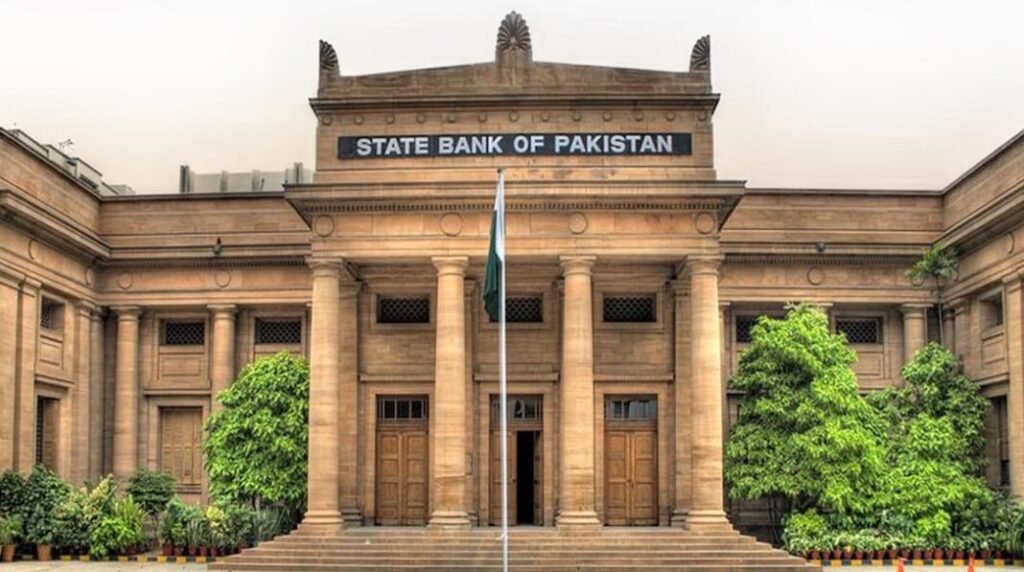
Pakistan Liquid Foreign Reserves have once again moved into the spotlight as new data released for January 2026 paints a cautiously optimistic picture of the country’s external financial position. At a time when global markets remain volatile and emerging economies face mounting pressure, even modest improvements in reserves are closely watched by investors, policymakers, and businesses alike. Read More: https://theboardroompk.com/volvo-recalls-413000-us-vehicles-for-faulty-rearview-cameras/ As of January 9, 2026, Pakistan’s total liquid foreign reserves stood at US$21.24 billion, signaling a stabilizing trend that could carry significant implications for the rupee, inflation outlook, and overall economic confidence. But what do these numbers really mean and why should businesses and the public care? Pakistan Liquid Foreign Reserves: Breaking Down the Numbers Pakistan’s foreign reserve position is composed of two key pillars: reserves held by the central bank and those maintained by commercial banks. Together, they form the country’s first line of defense against external shocks. At the start of January 2026, Pakistan Liquid Foreign Reserves were distributed as follows: The State Bank of Pakistan (SBP) held the lion’s share, with reserves amounting to US$16.07 billion. This central bank stockpile is critical for managing exchange rate volatility, meeting external debt obligations, and supporting imports during periods of stress. Meanwhile, commercial banks collectively held US$5.17 billion in net foreign reserves. These reserves facilitate trade financing, foreign payments, and cross-border transactions essential for day-to-day business activity. Combined, these figures pushed Pakistan Liquid Foreign Reserves to US$21.24 billion, reinforcing a sense of short-term external stability. A Modest Weekly Increase but a Strong Signal During the week ending January 9, 2026, the State Bank of Pakistan’s reserves increased by US$16 million. While the figure may appear small on the surface, analysts see it as symbolically important. Why This Matters Even incremental gains in Pakistan Liquid Foreign Reserves suggest: • Improved foreign inflows or controlled outflows• Better balance-of-payments management• Reduced immediate pressure on the Pakistani rupee In an environment where reserve depletion can trigger currency instability, every upward movement strengthens market sentiment. Why Pakistan Liquid Foreign Reserves Matter to the Economy Healthy Pakistan Liquid Foreign Reserves help the SBP intervene in currency markets when needed, reducing extreme fluctuations in the rupee and calming speculative pressures. Stable reserves support import financing especially for fuel, food, and raw materials helping prevent sudden price shocks that drive inflation higher. Foreign investors closely track Pakistan Liquid Foreign Reserves as a key risk indicator. Rising reserves improve Pakistan’s credibility in global capital markets. Stronger reserves give policymakers more breathing room when negotiating external financing or managing debt repayments. Is This the Start of a Sustainable Trend? While the latest data on Pakistan Liquid Foreign Reserves is encouraging, economists caution against over-optimism. Sustainable reserve growth depends on: • Continued export growth• Stable remittances• Controlled imports• Successful external financing arrangements Still, the January 2026 numbers suggest that Pakistan may be gradually moving away from crisis-management mode toward cautious consolidation. What Businesses Should Watch Next For businesses, especially those involved in imports, exports, and foreign payments, Pakistan Liquid Foreign Reserves are more than just statistics. They directly influence: • Exchange rate expectations• Cost of imported inputs• Interest rate decisions• Overall economic confidence If reserves continue to trend upward, it could signal a more predictable operating environment in the months ahead. Final Thoughts The latest update on Pakistan Liquid Foreign Reserves offers a measured but meaningful sign of economic stabilization. While challenges remain, the ability to maintain reserves above the US$21 billion mark and even post weekly gains reflects improving financial discipline and external management. For now, all eyes remain on whether Pakistan can convert these small wins into long-term resilience.

Relief for Importers & Exporters: Pakistan Ends Inflated Dollar-Based Shipping Fees
Pakistan

Relief for Importers & Exporters: Pakistan Ends Inflated Dollar-Based Shipping Fees

In a significant regulatory victory for Pakistan’s trade sector, Pakistan Customs has successfully enforced the use of official bank exchange rates for shipping charges. This move ends the longstanding practice of international shipping lines applying arbitrary and inflated rates, offering substantial relief to importers, exporters, and the broader business community. The enforcement aligns with State Bank of Pakistan (SBP) regulations and follows sustained efforts by a high-level committee. Read More: https://theboardroompk.com/pakistans-information-officers-70-set-for-grade-19-retirement-despite-30-years/ Industry-Wide Compliance Achieved Through Stakeholder Engagement The breakthrough came after the All-Pakistan Shipping Association (APSA) issued a formal communication on January 12, 2026, confirming that all member shipping lines must now base their fees on exchange rates from authorized commercial banks, per SBP guidelines. This development resulted from extensive consultations involving shipping agents, terminal operators, trade bodies, and major international lines. Maersk, which handles nearly 26% of Pakistan’s cargo, pioneered the shift by adopting official rates, setting a precedent. Written confirmations of compliance followed from key players including Hapag-Lloyd, Ocean Network Express (ONE), COSCO Shipping, CMA CGM, Mediterranean Shipping Company (MSC), OOCL, and United Marine Agencies, ensuring full industry adherence. Benefits for Trade and Economic Growth The directive addresses long-standing trader complaints about excessive dollar-based charges that exceeded SBP-notified rates, inflating costs, undermining export competitiveness, and fostering uncertainty. By mandating transparent, SBP-compliant rates, the measure reduces financial pressures, enhances predictability in logistics expenses, and boosts confidence among businesses. It supports the Federal Board of Revenue’s (FBR) goals of safeguarding legitimate trade, curbing potential over-invoicing risks, and promoting ease of doing business. This reform is seen as a key step in strengthening Pakistan’s export-led growth strategy through better regulatory oversight and collaboration with global shipping stakeholders.

Scroll to Top