Author name: Web Desk

NBP Appoints Cricket Legend Shahid Afridi as Sports Consultant
Pakistan

NBP Appoints Cricket Legend Shahid Afridi as Sports Consultant

Karachi 16th April 2026: National Bank of Pakistan has formally announced that legendary cricketer Shahid Afridi has joined NBP as a Sports Consultant. The appointment marks a significant step in strengthening the Bank’s long-standing commitment to the development of sports in Pakistan. Read More: https://theboardroompk.com/400-acre-small-industrial-estate-to-be-developed-at-port-qasim-with-ready-infrastructure/ Renowned for his remarkable achievements, Shahid Afridi held the record for the fastest One Day International (ODI) century for 17 years, a testament to his exceptional talent and impact on the game.On the occasion, Mr. Rehmat Ali Hasnie, President of NBP, along with senior executives, warmly welcomed Shahid Afridi to the organization. In his remarks, Mr. Rehmat Ali Hasnie said, “We are honored to have Shahid Afridi join NBP Sports. His unparalleled experience, leadership, and passion for the game will greatly contribute to our mission of promoting sports excellence and developing talent at both grassroots and professional levels.” Addressing a ceremony held at the NBP Head Office, Shahid Afridi stated that he has joined NBP Sports with the aim of elevating its sports programs to the highest level. He acknowledged the pivotal role played by NBP in promoting sports across the country and highlighted its legacy of producing renowned athletes. He further expressed his commitment to nurturing emerging talent and helping develop future sports stars through NBP’s platform. The addition of Shahid Afridi reinforces NBP’s vision of advancing sports in Pakistan and empowering the next generation of athletes.

Mobilink Bank ranks among Top 10 organizations at GDEIB Awards 2026, recognized across all 15 categories
Pakistan

Mobilink Bank ranks among Top 10 organizations at GDEIB Awards 2026, recognized across all 15 categories

Karachi – April 16, 2026: Pakistan’s leading digital microfinance bank, Mobilink Bank, has been named among the ‘Top 10 Inclusive Companies of the Year’ at the prestigious Global Diversity, Equity, and Inclusion Benchmarks (GDEIB) Awards 2026. The Bank secured recognition across all 15 award categories, reflecting its deep-rooted commitment to global DEI best practices and its continued efforts to drive inclusive growth in Pakistan. Read More: https://theboardroompk.com/400-acre-small-industrial-estate-to-be-developed-at-port-qasim-with-ready-infrastructure/ Mobilink Bank has embedded DEI across its organizational and leadership structures, earning recognition at the highest “Best Practice” level in multiple GDEIB categories, including leadership accountability, recruitment, advancement and retention, learning and development, and sustainability. The Bank also ranks among the top organizations in Pakistan based on its overall GDEIB scoring, further strengthening its position as a national benchmark for inclusive excellence. Mobilink Bank’s progress is further reflected in its leadership composition, where women represent 38% of the Executive Leadership Team (ELT) and 30% of the Future Leadership Team (FLT), demonstrating a sustained commitment to gender-balanced leadership and inclusive decision-making.Haaris Mahmood Chaudhary, President & CEO Mobilink Bank said, “Diversity and inclusion are central to how we grow and lead. We’ve moved from diversity as representation to inclusion as a real outcome. This recognition reinforces the impact we’re creating and our commitment to building a progressive, future-forward organization.” Aleena Tanvir, Chief People Officer, Mobilink Bank, stated: “At Mobilink Bank, DEI is embedded across the entire employee lifecycle, from how we hire and develop talent to how we lead and make decisions. Our focus is on creating equitable opportunities while fostering a culture where every individual feels valued, heard, and empowered to perform at their best. This recognition is a testament to the collective commitment of our people, who bring our core values to life every day.” This landmark achievement is driven by the Bank’s sustained investment in building an inclusive and equitable workplace. Mobilink Bank continues to advance key initiatives such as the Women Inspirational Network (WIN) – fostering gender diversity and leadership development; Humqadam – enabling an accessible and inclusive workforce for Persons with Disabilities; MobiCare – an Employee Assistance Program supporting holistic employee well-being; and MobilinkHER – a returnship program empowering women re-entering the workforce after career breaks. These initiatives collectively reinforce the Bank’s commitment to creating meaningful opportunities for all segments of society. The GDEIB Awards, conducted by HR Metrics, recognize organizations that embed diversity, equity, and inclusion as a strategic driver of innovation, stakeholder trust, and sustainable growth. Mobilink Bank’s continued success highlights its role in shaping a more inclusive, resilient, and future-ready financial ecosystem in Pakistan.

400-Acre Small Industrial Estate to Be Developed at Port Qasim with Ready Infrastructure
Pakistan

400-Acre Small Industrial Estate to Be Developed at Port Qasim with Ready Infrastructure

KARACHI: Federal Minister for Maritime Affairs Muhammad Junaid Anwar Chaudhry has announced the establishment of a modern small industrial estate at Port Qasim, spanning approximately 400 acres, aimed at promoting industrialization and enhancing investor confidence. Speaking during his visit to the Karachi Chamber of Commerce & Industry on Thursday, the Minister stated that the development strategy would prioritize infrastructure readiness before plot allocation. “Unlike conventional practices where investors are shown undeveloped land, this project will first deliver fully developed infrastructure, including main boulevards, landscaping, and essential utilities, ensuring a business-ready environment prior to allotment”, he said. Chairman Karachi Port Trust Rear Admiral Shahid Ahmed, Chairman Businessmen Group Zubair Motiwala, President KCCI Muhammad Rehan Hanif, Senior Vice President Muhammad Raza, Vice President Arif Lakhani, Chairman Maritime Affairs Subcommittee Nausherwan Haider, former presidents Abdullah Zaki, Shamim Firpo, Junaid Makda, Iftikhar Sheikh, KCCI Executive Committee members, and senior KPT officials were also present on the occasion. Referring to the recent surge in transshipment activity amid regional geopolitical developments, including disruptions linked to the Strait of Hormuz, he stated that Pakistan handled a record containerships within just 24 days. “While such extraordinary volumes were driven by external circumstances, the real achievement lies in demonstrating Pakistan’s operational capability to efficiently manage volumes within days that would typically take months under normal conditions”, he remarked, while commending KPT officials and workforce for their exceptional commitment. Highlighting measures to enhance Pakistan’s competitiveness in the global maritime sector, the Minister stated that port charges have been reduced by up to 60 percent to attract international shipping lines. He further noted that capacity enhancements, including expansion of off-dock and on-dock terminal areas, and clearance of decades-old abandoned cargo and containers, have significantly improved port efficiency. A high-level facilitation committee, comprising senior officials including Chief Collector Customs Wajid Ali and Member Customs Operations Shakeel Shah, was constituted to fast-track decision-making and resolve longstanding issues within hours instead of weeks. He also informed that initiatives are underway to introduce Roll-on/Roll-off (RoRo) shipping facilities to facilitate vehicle imports, supported by dedicated storage and parking infrastructure at port, which is expected to open new avenues for trade and logistics.Praising the performance of KPT, he stated that the institution, which once faced serious operational challenges, has now emerged as a high-performing entity contributing effectively to national economic growth. He further appreciated the role of Pakistan National Shipping Corporation, stating that its proactive deployment of fleet capacity at minimal margins during challenging times ensured uninterrupted fuel supply, thereby preventing shortages and supporting industrial continuity.Focusing on governance reforms at Port Qasim, the Minister stated that strict measures have been implemented to curb land misuse and speculative trading. Investors are now required to submit feasibility plans, establish industrial units, and ensure operationalization before any transfer of ownership is permitted. The sale of undeveloped plots has been disallowed, ensuring that land allocation is strictly tied to genuine industrial activity. A dedicated committee has also been established to resolve property-related issues within weeks, significantly reducing delays. He further announced that the Port Qasim Authority Board has approved a development budget of Rs35 billion for the Eastern Zone, where infrastructure development will commence shortly.Addressing concerns regarding inundated plots at Port Qasim, the Minister acknowledged that land reclamation would require prohibitively high investment. He stated that the government is formulating a policy to offer affected allottees refund or alternative developed plots, subject to submission of viable industrial plans. Chairman KPT Rear Admiral Shahid Ahmed pointed out that transshipment activities are contributing to national revenue through formal channels, while delays in container clearance are primarily linked to late filing of Goods Declarations (GD), requiring procedural improvements.He emphasized the strong potential of Pakistan’s growing bunkering industry, stating that Karachi Port has already serviced over 100 vessels and the sector is expected to generate business worth billions of rupees within the next two years, alongside supporting growth in the refinery sector. He added that the number of bunkering vessels will increase to three by next year and encouraged the business community to invest in this emerging segment. Chairman BMG Zubair Motiwala appreciated the Ministry of Maritime Affairs for introducing a range of reforms aimed at improving the efficiency and performance of the maritime sector. He also commended the leadership of the Prime Minister and the Field Marshal for enhancing Pakistan’s global standing and restoring national confidence.He further stressed that while the Karachi Chamber is regulated by the DGTO, there is a pressing need to establish an effective regulatory framework for shipping lines as well. Zubair Motiwala also drew attention to the persistent delays in plot allotment matters at Port Qasim and urged the authorities to resolve these issues on priority. While supporting reforms in the maritime sector, he cautioned that such initiatives must be practical and result-oriented, expressing reservations over approaches similar to the ‘Uraan Pakistan’ model. He acknowledged the recent surge in transshipment activity, terming the handling of thousands of vessels as a significant achievement, and appreciated the Ministry’s efforts in delivering tangible results. He further emphasized the importance of formulating long-term, sustainable policies that are grounded in realism and effectively support trade and industry. President KCCI Rehan Hanif, while welcoming the Maritime Minister, appreciated the continued engagement of the Ministry of Maritime Affairs, noting that the Minister’s second visit within a span of six months reflects the government’s commitment to addressing the concerns of the business community. He acknowledged the recovery of over 210 acres of valuable KPT land, terming it a significant achievement.He highlighted that recent geopolitical developments in the Middle East have led to increased transshipment activity towards Pakistan and emphasized the need to convert this temporary shift into a sustainable, long-term opportunity. He stressed that enhanced transshipment volumes must translate into tangible revenue generation for the government, alongside terminal operators. Drawing attention to structural challenges, he pointed out that Pakistan incurs an annual freight bill of approximately $5 to $6 billion, which places considerable pressure on foreign exchange reserves. He underscored the importance of strengthening Pakistan’s own container

Pakistan Completes Inaugural Issuance of GoP Hybrid Sukuk Worth Over Rs109 Billion
Business, Editor pick

Pakistan Completes Inaugural Issuance of GoP Hybrid Sukuk Worth Over Rs109 Billion

Karachi, April 16, 2026— The Debt Management Office (DMO) of the Ministry of Finance (MoF), in collaboration with the State Bank of Pakistan (SBP), the Securities and Exchange Commission of Pakistan (SECP), Joint Financial Advisors (JFAs) — Meezan Bank Limited (MEBL), Bank Alfalah Limited (BAFL), Dubai Islamic Bank (DIB), and BankIslami Pakistan Limited (BIPL) — together with the Capital Market Infrastructure Institutions (CMIIs) — Pakistan Stock Exchange Limited (PSX), National Clearing Company of Pakistan Limited (NCCPL), Central Depository Company of Pakistan Limited (CDCPL) and SCB Sadiq — has successfully completed the inaugural issuance of the Government of Pakistan Hybrid Sukuk on April 16, 2026. This landmark Hybrid Sukuk combines an Ijarah Sale & Lease Back (Ijarah SLB) and a Commodity Murabaha transaction, with 55% of proceeds allocated to Ijarah SLB and 45% to Commodity Murabaha. The innovative structure reflects Pakistan’s advancing sophistication in Islamic finance and sets a new benchmark for Shariah‑compliant instruments in the region. The issuance paves the way for greater investor participation and enhanced regional leadership in Islamic financial innovation. The inaugural issuance was through an auction process by CMIIs following the existing auction mechanism. The instruments offered for the inaugural issuance were 1 Year Fixed Rate Discounted GoP Hybrid Sukuk and 10 Year Variable Rental Rate (VRR) GoP Hybrid Sukuk. The overall issues were oversubscribed by 1.45 times, surpassing the total target amount of PKR 200 billion, with bids accepted totaling Rs 109.297 billion Realized Value, the cut-off rental rates were set at 11.8000% for 1 Year Discounted and 11.7185% for 10 Year VRR. Mr. Khaliq Uz Zaman, Director Domestic Debt, stated that the introduction of the hybrid structure is a critical milestone and a significant step towards the growth of Shariah-compliant debt markets in Pakistan. He added that it will diversify the investor base and deepen the domestic debt market, which will eventually reduce borrowing costs, a key objective of the DMO. On behalf of the Capital Market Infrastructure Institutions (CMIIs), the management of Pakistan Stock Exchange (PSX) congratulates all stakeholders on the successful inaugural issuance of the Government of Pakistan Hybrid Sukuk. For further information and details on Government Ijarah Sukuk, Hybrid Sukuk, the Auction Calendar and the latest Auction Results, please visit PSX website or click on the following link: https://www.psx.com.pk/psx/product-and-services/products/govt-debt-securities-auction

SBP Receives $2bn from Saudi Arabia to Boost Foreign Reserves
Business

SBP Receives $2bn from Saudi Arabia to Boost Foreign Reserves

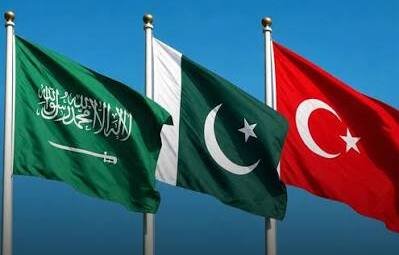
Pakistan’s central bank confirmed a major financial inflow on Thursday. The State Bank of Pakistan (SBP) announced that Pakistan has received $2 billion from Saudi Arabia. The development provides timely support to the country’s foreign exchange reserves. The central bank stated that the funds were received “in the value date of 15 April 2026.” Officials said the deposit has already been reflected in the SBP’s reserves. The inflow comes at a critical time for Pakistan’s economy. Foreign reserves receive immediate boost The SBP confirmed that the $2 billion deposit has strengthened its foreign reserves position. Analysts believe this will help ease pressure on the external account. The inflow is expected to support Pakistan’s ability to meet its international payment obligations. Pakistan has faced persistent challenges in maintaining adequate reserves. Rising import bills and debt repayments have strained financial resources. The latest deposit offers short-term relief and improves liquidity. Economic experts say such inflows play a key role. They help stabilize the financial system and reduce uncertainty in the market. The increase in reserves may also support confidence among investors. Saudi Arabia reaffirms financial support Saudi Arabia has once again extended financial assistance to Pakistan. The Kingdom has remained a consistent economic partner. It has provided deposits, oil facilities, and investments over the years. Officials said the latest $2 billion deposit reflects continued trust in Pakistan’s economy. It also highlights strong bilateral ties between the two countries. Saudi Arabia has frequently rolled over deposits to support Pakistan’s external financing needs. The financial backing comes as Pakistan works to stabilize its economy. Support from friendly countries remains essential during this period. Government welcomes the inflow Finance authorities welcomed the development. They described the deposit as a positive step toward economic stability. Officials said the inflow will strengthen Pakistan’s external position. Government representatives acknowledged Saudi Arabia’s continued support. They emphasized the importance of maintaining strong relations with key allies. The deposit may also support ongoing economic reforms and policy measures. The inflow is likely to assist Pakistan in managing its fiscal challenges. Authorities remain focused on improving economic indicators and ensuring stability. Impact on currency and financial markets Market analysts expect the deposit to have a stabilizing effect on the Pakistani rupee. Increased reserves often reduce pressure on the local currency. This can help limit volatility in exchange rates.The stock market may also respond positively. Improved reserves tend to boost investor confidence. This signals reduced risk and better financial management. However, experts caution that the impact may be temporary. Long-term stability depends on structural reforms and sustained economic growth. The government must continue efforts to strengthen fundamentals. Economic challenges Pakistan continues to face multiple economic challenges. Inflation, energy costs, and global uncertainties have affected growth. External financing remains critical to maintaining stability.The government has introduced reforms to address these issues. These include fiscal adjustments and efforts to increase revenue. Authorities are also working to attract foreign investment. The $2 billion deposit provides breathing space. It allows policymakers to focus on long-term solutions while managing immediate pressures. Strengthening bilateral ties The deposit underscores strong relations between Pakistan and Saudi Arabia. Both countries share deep economic and strategic ties. Cooperation spans trade, investment, and financial support. Leaders from both nations have consistently emphasized mutual collaboration. Saudi Arabia’s support reflects its commitment to Pakistan’s stability. The partnership continues to play a key role in regional economic dynamics. Experts say such relationships are vital. They help Pakistan navigate financial challenges and maintain economic balance. Continued cooperation may lead to further investment opportunities. The confirmation that SBP receives $2bn from Saudi Arabia offers immediate relief. It strengthens reserves and supports economic stability. However, challenges remain in achieving sustainable growth. Economists stress the need for long-term reforms. Pakistan must boost exports and reduce reliance on imports. Fiscal discipline and policy consistency will be crucial. The government continues to engage with international partners. Efforts to secure additional funding and investment are ongoing. Support from allies like Saudi Arabia will remain important. The announcement that SBP receives $2bn from Saudi Arabia marks a significant development for Pakistan’s economy. The deposit enhances foreign reserves and improves financial stability. It also highlights strong bilateral ties. While the inflow provides short-term relief, long-term solutions are essential. Pakistan must continue reforms and strengthen its economic framework. The support from Saudi Arabia offers a valuable opportunity to move forward.

Gold Prices in Pakistan Rise Again as Global Market Rally Continues
Business

Gold Prices in Pakistan Rise Again as Global Market Rally Continues

Gold prices in Pakistan extended their upward momentum on Thursday as international bullion rates strengthened amid shifting global economic sentiment and easing geopolitical fears. Investors also tracked developments linked to tensions in the Middle East, which continue to influence commodity markets worldwide. Read More: https://theboardroompk.com/after-21-years-iqrar-ul-hassan-leaves-a-private-channel-to-launch-political-career/ According to data shared by the All Pakistan Gems and Jewellers Association, gold prices recorded another increase in the local market, reflecting the trend seen in global trading sessions. Gold and Silver Prices Record Fresh Gains The price of per tola gold in Pakistan increased by Rs1,400, reaching Rs504,862 compared to the previous close of Rs503,462. Similarly, the price of 10 grams of gold rose by Rs1,200 to settle at Rs432,837. In the international market, gold also posted gains, rising by $14 to $4,825 per ounce. The increase highlights continued demand for safe-haven assets as investors respond to global uncertainty and inflation concerns. Silver prices followed the same upward trajectory. The per tola rate increased by Rs110 to Rs8,514, while 10 grams of silver climbed by Rs94 to Rs7,299. The consistent rise in precious metals reflects strong investor interest amid fluctuating global conditions. Global Factors Driving Market Movement Market analysts link the surge in gold prices in Pakistan to developments in international markets, particularly expectations surrounding potential de-escalation in geopolitical tensions involving the US and Iran. Although optimism about an eventual resolution has eased some pressure, uncertainty continues to keep investors focused on safe-haven assets like gold and silver. Inflation concerns and shifting interest rate expectations in major economies have also contributed to volatility in bullion prices. Pakistan Stock Exchange Opens Strong Alongside the bullion rally, the Pakistan Stock Exchange (PSX) also showed strong performance. The benchmark KSE-100 Index gained 1,617 points, or 0.96%, reaching 170,137.05 during early trading. The index recorded an intraday high of 170,899.16 and a low of 168,941.31. Trading volume stood at 235.88 million shares, indicating active investor participation in the market. The previous session had closed at 168,519.94 points, making the latest gains a continuation of positive momentum. Investor Confidence Shows Improvement Market observers say the rise in both equities and commodities reflects improving investor sentiment. Participants are closely monitoring regional developments as well as domestic economic indicators. The strength in the stock market, combined with rising gold prices in Pakistan, suggests that investors are balancing risk exposure while responding to global uncertainty. Analysts believe that sustained stability in external conditions could further support market confidence in the coming sessions. The continued increase in precious metal prices highlights the sensitivity of Pakistan’s markets to global economic and geopolitical shifts. While optimism around easing tensions offers some relief, uncertainty remains a key driver of investor behavior. As both gold and stock markets move upward, traders are expected to stay cautious while watching international developments closely.

After 21 Years, Iqrar-ul-Hassan Leaves a Private Channel to Launch Political Career
Politics

After 21 Years, Iqrar-ul-Hassan Leaves a Private Channel to Launch Political Career

Iqrar-ul-Hassan resigns from ARY News, ending a remarkable 21-year career with one of Pakistan’s leading media organizations. The senior investigative journalist confirmed his departure as he prepares to fully transition into politics through his newly launched platform. Read More: https://theboardroompk.com/gas-loadshedding-crisis-deepens-as-supply-shortfall-crosses-1000-mmcfd/ Iqrar-ul-Hassan remained one of the most prominent faces on ARY News, earning nationwide recognition for his bold reporting style and impactful investigations. From News Anchor to Investigative Icon Iqrar-ul-Hassan began his journey as a news caster when ARY News operated from the UAE. Over time, he built a strong reputation in the media industry. However, his real breakthrough came with his investigative program Sar-e-Aam, which became a household name across Pakistan. The show exposed corruption, malpractice, and systemic failures in both public and private sectors. Through undercover operations, Iqrar and his team highlighted issues ranging from food adulteration to bribery in institutions such as police stations and factories. His aggressive investigative approach drew both praise and criticism. Supporters admired his courage and commitment to accountability. Critics, however, questioned the methods used in some of his sting operations. Political Entry Shapes Career Shift The decision behind the headline Iqrar-ul-Hassan resigns from ARY News comes shortly after he launched the Awam Raj Party. His entry into politics marked a significant shift in his career path. In his official statement, Iqrar-ul-Hassan described the situation as a difficult choice. He had to decide between continuing his long-standing media career or dedicating himself fully to his political ambitions. Ultimately, he chose to pursue his political vision. This move reflects his intention to influence change beyond journalism and engage directly in the country’s political landscape. Controversial Moments in Career Iqrar-ul-Hassan’s career has not been without controversy. One of the most notable incidents occurred in 2016 when he and his Sar-e-Aam team were arrested following an operation inside the Sindh Assembly. The operation exposed serious security lapses. The team managed to bring an armed individual into the assembly premises using official media passes. Authorities took action after the incident gained widespread attention, raising concerns over institutional security. Despite the controversy, the incident reinforced Iqrar’s image as a journalist willing to take risks to expose systemic flaws. Legacy of Investigative Journalism Over two decades, Iqrar-ul-Hassan established himself as a pioneer of investigative journalism in Pakistan. His work consistently focused on public interest issues, often forcing authorities to respond to exposed irregularities. Programs like Sar-e-Aam influenced public discourse and highlighted governance challenges. His reporting style also inspired a new generation of journalists to pursue investigative storytelling. The development that Iqrar-ul-Hassan resigns from ARY News marks the end of an era for viewers who followed his work closely. Public and Industry Reaction The news of his resignation has sparked strong reactions across social media and the media industry. Many viewers expressed nostalgia and appreciation for his contributions to journalism. Media professionals acknowledged his role in shaping investigative reporting in Pakistan. At the same time, some analysts are closely watching his transition into politics and its potential impact. Personal Life in the Spotlight Apart from his professional achievements, Iqrar-ul-Hassan’s personal life has also attracted public attention. He has been married three times. His first marriage was to journalist Qurat-ul-Ain Hassan in 2005, followed by his second marriage to TV journalist Farah Yousuf in 2012. In 2023, he married former TV host Aroosa Khan. His personal decisions have often remained part of public discussions, reflecting his high-profile status in Pakistani media. A New Chapter Begins As Iqrar-ul-Hassan resigns from ARY News, he steps into a new phase of his life. His transition from journalism to politics represents a major shift, both for his career and for his supporters. The coming months will determine how effectively he translates his media influence into political impact. For now, his departure closes a significant chapter in Pakistan’s television journalism history.

YouTube Bans Viral Pro-Iran AI Channel Mocking Trump
World

YouTube Bans Viral Pro-Iran AI Channel Mocking Trump

YouTube has removed a channel linked to a pro-Iran group that produced viral Lego-style AI videos mocking Donald Trump, citing violations of its platform policies, the company confirmed on Wednesday. Read More: https://theboardroompk.com/gas-loadshedding-crisis-deepens-as-supply-shortfall-crosses-1000-mmcfd/ The sudden removal of the channel sparked immediate reactions across social media platforms, with critics accusing YouTube of limiting political expression. The platform, owned by Google, said it terminated the channel for violating its policies on spam, deceptive practices, and scams. However, the move has raised questions about whether the enforcement targeted political messaging during a sensitive geopolitical moment. Channel Terminated Over Policy Violations A YouTube spokesperson stated that the channel operated by “Explosive Media” was removed on March 27. The company did not provide detailed examples of policy violations but maintained that the action followed standard enforcement procedures. Explosive Media had built a significant online presence through animated AI-generated videos. These videos used Lego-style characters to depict political satire, often targeting Donald Trump and US foreign policy. Viral Content and Digital Influence The banned channel had gained millions of views during the ongoing tensions between the United States and Iran. Its content blended humor, satire, and geopolitical commentary, making it widely shareable across platforms. The animations caricatured Trump with exaggerated features and portrayed him in satirical scenarios. These videos often depicted fictional military events and political interactions, designed to resonate with global audiences. Despite the ban, the group’s content continues to circulate widely. Users have reposted clips, allowing the videos to maintain visibility even after the original channel’s removal. Presence Continues on Other Platforms Although YouTube removed the account, Explosive Media remains active on other platforms. The group continues to publish content on X, owned by Elon Musk, as well as on Telegram. Meanwhile, Meta Platforms reportedly removed the group’s account on Instagram. However, another account under a similar name remained active, highlighting the challenges of enforcing consistent moderation across platforms. Meta did not issue an official response regarding the reported takedown, further fueling speculation about coordinated actions by major tech companies. Creators Respond to Ban Explosive Media strongly criticized YouTube’s decision. In a post on X, the group questioned whether its Lego-style animations could genuinely be considered harmful or violent. The creators insisted their content was satirical and intended for entertainment. They rejected allegations of policy violations and described the ban as unfair. The group also denied claims of links to the Iranian government. While analysts and observers have raised suspicions about possible ties, Explosive Media maintains that it operates independently. Rise of “Legofication” in Information Warfare Experts have identified a growing trend known as the “Legofication” of conflict propaganda. This strategy uses cartoon-style visuals and simplified storytelling to communicate political narratives in an engaging way. The videos produced by Explosive Media fit this pattern. They combine humor with political messaging, making complex geopolitical issues more accessible to online audiences. Recent content has depicted fictional Iranian military victories and exaggerated portrayals of global leaders. Some videos even reimagined strategic locations like the Strait of Hormuz in cartoon form. Analysts believe such content can influence public perception, especially when shared widely on social media platforms. Questions Over Digital Censorship and Bias The YouTube bans pro-Iran AI channel controversy has reignited debates over digital censorship. Critics argue that tech platforms may apply policies inconsistently, particularly when content involves political satire or international conflicts. Supporters of the ban, however, emphasize the need to combat misinformation and coordinated propaganda campaigns. They argue that platforms must enforce rules to maintain credibility and user trust. The case highlights the complex balance between free expression and platform responsibility. It also underscores the growing role of AI-generated content in shaping online narratives. Global Reach Despite Restrictions Interestingly, the group’s English-language content appears targeted at audiences outside Iran. Platforms like X remain restricted within Iran, making domestic access limited without VPN services. At the same time, internet monitoring organization NetBlocks has reported an “internet blackout” affecting Iranian users. This has raised further questions about how the group continues to produce and distribute high-quality content. Despite these challenges, Explosive Media’s videos continue to reach global audiences. The ban on YouTube has done little to stop the spread of its content across the digital ecosystem. A New Front in Digital Conflict The YouTube bans pro-Iran AI channel case reflects a broader shift in how conflicts play out online. Social media platforms have become key battlegrounds for influence, narrative control, and public opinion. As AI tools make content creation easier and faster, such digital campaigns are likely to grow. This trend presents new challenges for regulators, tech companies, and users alike. The controversy surrounding Explosive Media serves as a reminder that the line between satire, propaganda, and misinformation remains increasingly blurred in the digital age.

Gas Loadshedding Crisis Deepens as Supply Shortfall Crosses 1,000 MMCFD
Breaking News, Pakistan

Gas Loadshedding Crisis Deepens as Supply Shortfall Crosses 1,000 MMCFD

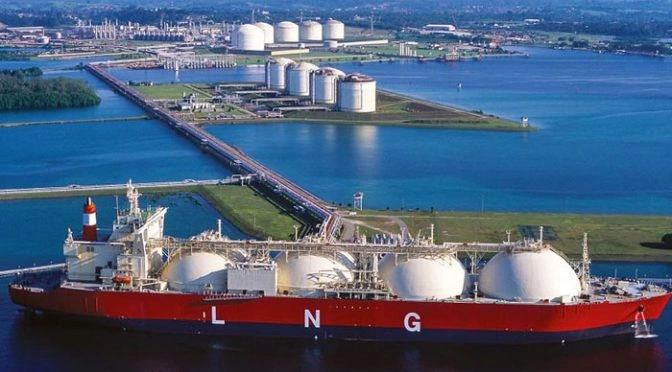
The gas loadshedding crisis in Pakistan has intensified sharply as consumers across multiple cities report prolonged outages and dangerously low pressure. Households struggle to cook meals, while daily routines face severe disruption due to inconsistent gas supply. Read More: https://theboardroompk.com/pakistan-navy-missile-test-stuns-region-with-precision-strike-capability/ Citizens expressed frustration over the worsening situation. Many described their daily life as unbearable due to repeated interruptions in gas availability. Complaints have surged in recent days, reflecting a growing public outcry against the ongoing energy crisis. Supply Shortfall Crosses Critical Level According to sources, the supply gap faced by Sui Northern Gas Pipelines Limited has now exceeded 1,000 million cubic feet per day (MMCFD). This significant shortfall has directly contributed to widespread gas loadshedding across major urban and semi-urban areas. Officials confirmed that the situation worsened after the suspension of liquefied natural gas imports. The disruption stems from escalating tensions and instability in the Middle East, which has affected global energy supply chains. The halt in LNG shipments has placed additional pressure on Pakistan’s already strained gas distribution system. As a result, authorities have struggled to maintain consistent supply levels. Major Cities Face Severe Disruptions The impact of the gas loadshedding crisis has been particularly severe in Lahore, where residents face extreme difficulties in meeting basic household needs. Cooking meals has become a daily challenge, especially during peak hours. Other cities have also reported worsening conditions. Areas such as Sheikhupura, Nankana Sahib, Sargodha, Okara, and Kasur continue to face prolonged gas outages. Residents in densely populated neighborhoods are experiencing the worst conditions. Low pressure during peak cooking hours has made it nearly impossible for families to prepare meals on time. Shiva Gas Field Closure Worsens Situation The crisis has further deepened due to the closure of the Shiva Gas Field. This field typically contributes around 70 MMCFD of gas to the national system. Its shutdown has removed a critical supply source at a time when demand remains high. Experts believe that even a temporary disruption in local production can significantly impact the overall gas balance in the country. Combined with the LNG supply halt, the closure has created a double blow to the energy sector. Authorities now face mounting pressure to restore both domestic production and import flows. Consumers Demand Immediate Action Frustrated consumers have urged the government and relevant departments to take urgent steps to resolve the gas loadshedding crisis. Many believe that poor planning and lack of contingency measures have contributed to the current situation. Citizens have called for transparent communication from authorities regarding supply schedules and expected improvements. They also demand long-term solutions to prevent recurring crises, especially during periods of high demand. Public anger continues to grow as the situation shows little sign of immediate improvement. The lack of reliable gas supply has affected not only households but also small businesses that depend on it for daily operations. Energy Crisis Linked to Global Tensions Experts point to the broader geopolitical situation as a key factor behind the worsening crisis. The conflict in the Middle East has disrupted energy markets and supply routes, affecting countries that rely on imported LNG. Pakistan’s dependence on external energy sources makes it vulnerable to such global shocks. The current gas loadshedding crisis highlights the need for diversification in energy resources and stronger domestic production capabilities. Urgent Need for Sustainable Solutions The ongoing crisis underscores the importance of long-term energy planning. Authorities must invest in alternative energy sources and improve infrastructure to ensure consistent supply. Short-term measures may provide temporary relief. However, experts stress that structural reforms are essential to prevent similar crises in the future. As winter demand patterns and global uncertainties continue to evolve, the government faces a critical challenge. Ensuring energy security remains vital for economic stability and public welfare.

Scroll to Top