Author name: Web Desk

Federal Govt and KE at Loggerheads on NEPRA's Revised Tariff Implementation
Pakistan

Federal Govt and KE at Loggerheads on NEPRA’s Revised Tariff Implementation

Islamabad, December 22, 2025 – A escalating conflict between Pakistan’s Ministry of Energy (Power Division) and K-Electric (KE), the private utility serving Karachi, has emerged over the processing of Tariff Differential Subsidy (TDS) payments. The disagreement centers on whether subsidies should be calculated based on KE’s original tariff determinations or the revised ones issued by the National Electric Power Regulatory Authority (NEPRA). Read More: https://theboardroompk.com/nepra-sets-rs22-98-kwh-flat-rate-to-boost-industrial-agri-electricity-use/ The TDS mechanism allows the federal government to bridge the gap between the higher actual cost of electricity generation and distribution charged to KE and the uniform national tariff applied to consumers, ensuring Karachi residents pay rates comparable to those in other parts of the country served by state-owned distribution companies (Discos). Historically, this has involved billions in annual subsidies, with past allocations reaching hundreds of billions of rupees to maintain equity and prevent tariff shocks.The current standoff stems from NEPRA’s review determinations issued on October 20, 2025, which revised KE’s multi-year tariff (MYT) for FY 2024-2030. These revisions, aimed at promoting regulatory consistency and reducing inefficiencies—such as excessive loss allowances and foreign currency-linked returns—effectively lowered KE’s allowable tariff by approximately Rs7.6 per unit in some components. The Power Division insists that TDS payments must align with these revised determinations to reflect the updated regulatory framework.However, KE has challenged the NEPRA revisions through constitutional petitions in the Sindh High Court (SHC). On November 4, 2025, the SHC issued interim orders prohibiting any coercive action to enforce the review tariffs, which KE interprets as a restraining order. In intense correspondence, KE’s CEO Moonis Alvi has argued that provisional TDS claims must be processed using the original (pre-review) tariffs, citing Clause 2.1 of the TDS Agreement. This clause mandates the use of preceding tariffs when a court restraining order is in place.Alvi emphasized in recent letters that by refusing to process claims based on original tariffs, the Power Division is indirectly enforcing the revised ones, violating SHC orders. He warned that such actions could amount to contempt of court, referencing legal precedents like Fakhurl Arfin v. FOP (2015) and Saifur Rehman v. Muhammad Ayub (1998). KE’s legal counsel, Dr. Farogh Naseem, echoed this, suggesting a Power Division letter dated December 8, 2025, risks contempt proceedings.Additionally, KE asserts that under Clause 2.6 of the agreement, only it can prepare TDS balance reports, and unilateral revisions by the Ministry are void. Even the agent bank, Habib Bank Limited, is bound by SHC orders, KE argues, stating: “What cannot be done directly, cannot be done indirectly.”The Power Division, through Deputy Secretary Abdul Mateen, has maintained its position on using revised tariffs, leading to stalled payments. While specific disputed amounts for the current period are not publicly detailed, the broader context involves significant sums—past TDS claims for KE have run into hundreds of billions, with delays impacting the utility’s liquidity and contributing to circular debt issues in the power sector.This dispute highlights ongoing tensions in Pakistan’s power sector reforms, where efforts to standardize tariffs and curb inefficiencies clash with legal challenges from privatized entities like KE. Prolonged delays in subsidy releases could strain KE’s operations, potentially affecting power supply reliability in Karachi, home to over 20 million people and a major economic hub. It also underscores the fiscal burden on the government, which allocates substantial budgetary resources for TDS to maintain uniform national tariffs.Analysts note that similar disputes have recurred, including mediation efforts in prior years over historic receivables and payables. Resolution may depend on SHC proceedings or renewed negotiations, but the impasse risks exacerbating circular debt and deterring investments in the sector.

Imran Khan and Bushra Bibi Sentenced to 17 Years in Toshakhana Case
Politics

Imran Khan and Bushra Bibi Sentenced to 17 Years in Toshakhana Case

A Pakistani accountability court on December 20, 2025, sentenced former Prime Minister Imran Khan and his wife Bushra Bibi to 17 years in prison each in a corruption case known as Toshakhana Case. The verdict, delivered inside Rawalpindi’s high-security Adiala Jail where Khan is detained, accuses the couple of illegally purchasing luxury state gifts—including watches from Saudi Crown Prince Mohammed bin Salman—at undervalued prices, causing financial loss to the state treasury. The sentences comprise 10 years of rigorous imprisonment for criminal breach of trust under Pakistan’s Penal Code and seven years under anti-corruption laws, to run concurrently, along with heavy fines. Lawyers for Khan criticized the ruling, stating the court pronounced the sentence without hearing the defense arguments. Read More: https://theboardroompk.com/imran-khans-sons-sound-alarm-irreversible-harm-feared-amid-total-silence-from-pakistan-jail/ Imran Khan, the cricketer-turned-politician who served as prime minister from 2018 to 2022, was ousted via a no-confidence vote and has been imprisoned since August 2023. He is currently serving a 14-year term in a separate land graft case and faces over 150 legal cases, ranging from corruption to state secrets leaks. Khan and his Pakistan Tehreek-e-Insaf (PTI) party denounce the charges as politically motivated to sideline him from politics. This case is distinct from an earlier Toshakhana conviction, where sentences were suspended on appeal. Bushra Bibi, Khan’s third wife and a faith healer, was also implicated. PTI announced protests in Punjab and plans to appeal the decision at the Islamabad High Court. The conviction further intensifies Pakistan’s polarized political landscape, with supporters viewing it as persecution amid Khan’s enduring popularity.

Boeing Pushes for Emissions Waiver to for 35 More 777F Cargo Jets
Uncategorized

Boeing Pushes for Emissions Waiver to for 35 More 777F Cargo Jets

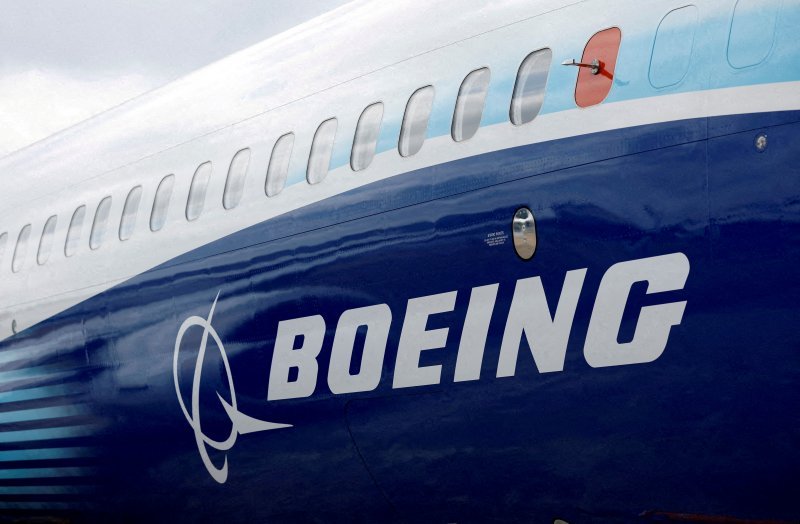
Boeing, a leading U.S. plane maker, has petitioned the the U.S. Federal Aviation Administration (FAA) for an exemption to continue producing and selling up to 35 additional 777F cargo freighters beyond the 2028 deadline.In February 2024, the U.S. Federal Aviation Administration (FAA) adopted these rules, aligning with global efforts under the International Civil Aviation Organization (ICAO) to curb pollution from commercial jets. These regulations target new aircraft types, exempting those already in service, and aim to push manufacturers toward more efficient designs as part of broader goals to achieve net-zero aviation emissions by 2050. Read More: https://theboardroompk.com/us-approves-686-million-f-16-upgrade-package-for-pakistan-air-force/ The 777F, a dedicated freight version of the popular 777 widebody jet, is currently the world’s most fuel-efficient large freighter and the only one of its kind in active production. However, it falls short of the upcoming emissions standards.The request, filed on December 19, 2025, cites robust global demand for air cargo capacity—driven by e-commerce and international trade—and delays in certifying Boeing’s next-generation 777-8 Freighter, which is designed to comply with the new rules. The 777-8F is not expected until around 2029, following the delayed 777-9 passenger variant targeted for 2027.Boeing emphasizes economic impacts: large widebody freighters handled over $260 billion in U.S. air exports in 2024, with each exported 777F contributing about $440 million to trade balance. Without the waiver, potential losses could exceed $15 billion. This follows a similar congressional exemption last year for Boeing’s 767 freighter. The company seeks FAA approval by May 1, 2026, to avoid disrupting supply chains.The aviation industry faces growing pressure to reduce carbon emissions, with new international standards set to limit greenhouse gases from large aircraft starting in 2028.

Google Advises Visa-Holding Employees to Avoid International Travel Amid Severe U.S. Embassy Delays
Uncategorized, World

Google Advises Visa-Holding Employees to Avoid International Travel Amid Severe U.S. Embassy Delays

Alphabet’s Google has issued a stark warning to employees on U.S. work visas, particularly H-1B holders, urging them to refrain from international travel due to unprecedented delays in visa stamping at U.S. embassies and consulates. An internal memo from the company’s immigration law firm, BAL, highlighted that some facilities are facing appointment backlogs of up to 12 months, risking employees being stranded abroad and unable to return to work. Read More: https://theboardroompk.com/google-to-shut-down-dark-web-monitoring-tool-in-early-2026/ The advisory, reported on December 20, 2025, stems from a new U.S. Department of State policy requiring enhanced vetting, including mandatory reviews of applicants’ public social media accounts. This protocol, effective from mid-December 2025, has led to widespread cancellations and rescheduling of visa interviews, pushing many appointments into 2026. Primarily affecting skilled workers from countries like India and China—who form a significant portion of tech industry’s H-1B visa holders—the delays exacerbate existing strains on the program.Google’s caution echoes broader concerns in the tech sector, where reliance on foreign talent is high. Under the current administration, the H-1B program has faced increased scrutiny, including higher fees and stricter screening. Employees needing a fresh visa stamp in their passport for re-entry are most vulnerable, as automatic visa revalidation does not apply to long absences or third-country travel.This development disrupts holiday plans and family visits for thousands, highlighting ongoing challenges in U.S. immigration processing. Google declined to comment officially, but the memo underscores the potential for prolonged separations from work and home.

Pakistan, Indonesia to Deepen Cooperation in Edible Oil and Palm Oil Sector, Chairman PVMA
Uncategorized

Pakistan, Indonesia to Deepen Cooperation in Edible Oil and Palm Oil Sector, Chairman PVMA

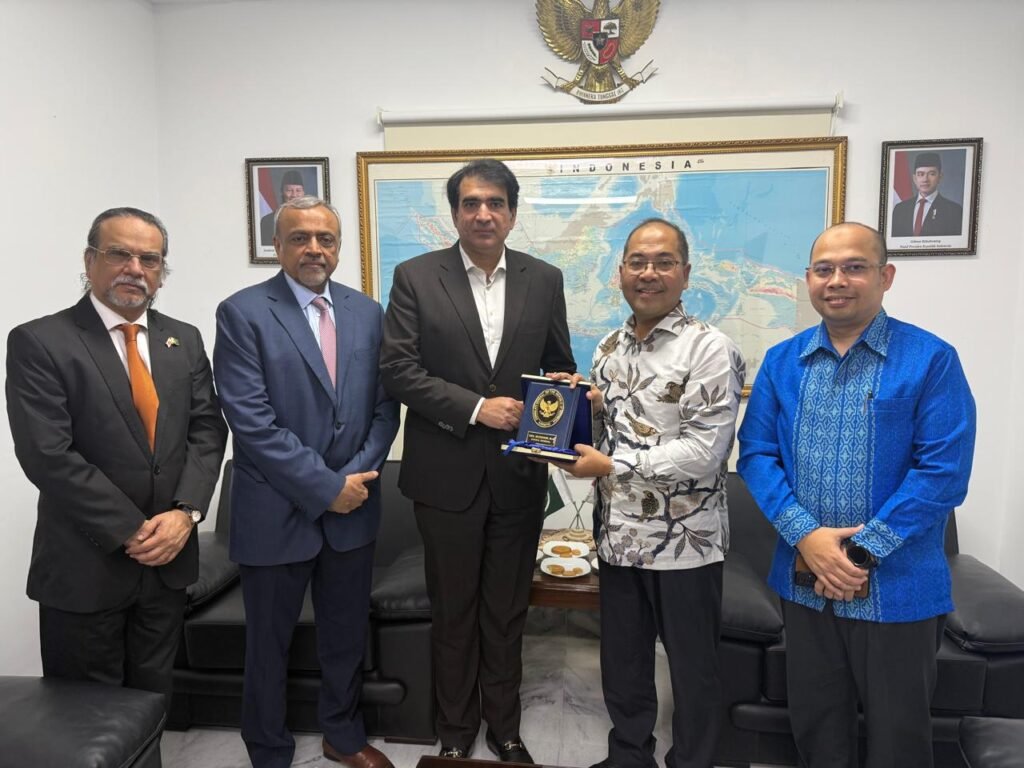
Pakistan and Indonesia need to significantly strengthen bilateral cooperation in the edible oil and palm oil sector to ensure sustainable economic growth, reduce trade bottlenecks, and create new investment opportunities, Indonesian Consul General in Karachi Madzaker M.A. said on Tuesday. The Consul General expressed these views during a meeting with Sheikh Umer Rehan, Chairman of the Pakistan Vanaspati Manufacturers Association (PVMA), held at the Indonesian Consulate in Karachi. The meeting was also attended by Rashid Jan Muhammad and Ahmed Ghulam Hussain, where both sides discussed ways to expand trade ties and remove existing barriers in the edible oil industry. Indonesia Offers Technical Support and Expertise in Palm Oil Highlighting Indonesia’s global leadership in palm oil production, Consul General Madzaker M.A. said Indonesia has extensive experience in palm oil cultivation, processing, and value addition, which Pakistan can benefit from through technology transfer, training programs, and technical cooperation. He noted that enhanced agricultural collaboration and the exchange of expertise would not only strengthen the edible oil supply chain but also deepen overall Pakistan–Indonesia economic relations, contributing to shared prosperity and long-term development. Pakistan Relies Heavily on Indonesian Palm Oil Imports Speaking on the occasion, PVMA Chairman Sheikh Umer Rehan emphasized that Pakistan is one of the largest importers of edible oil from Indonesia, making Indonesia a critical and reliable trading partner. “Nearly 90 percent of palm oil consumed in Pakistan is imported from Indonesia, which underlines the strategic importance of this bilateral relationship,” he said. He explained that Pakistan’s domestic edible oil production falls far short of national demand, making imports essential. As edible oil is a basic daily necessity for Pakistani households, maintaining stable and cost-effective supply lines with Indonesia is of vital economic importance. Trade Barriers Slowing Cooperation While acknowledging the decades-long trade relationship between the two countries, Sheikh Umer Rehan pointed out that tariff and non-tariff barriers, along with administrative and technical challenges, have slowed the pace of cooperation in recent years. He stressed that these issues could be effectively addressed through continuous bilateral dialogue, policy coordination, and private-sector engagement, enabling smoother trade flows and stronger partnerships. Investment Opportunities in Refining and Value Addition The PVMA Chairman further highlighted Pakistan’s potential to collaborate with Indonesia in value-added edible oil products, palm oil refining, and storage infrastructure. He noted that Indonesian investment in palm oil refining and value addition facilities in Pakistan could significantly reduce import costs, generate employment, and strengthen the local edible oil industry. He added that Indonesian palm oil meets international quality standards and is well-suited for Pakistan’s manufacturing sector. Commitment to Long-Term Collaboration Both sides held detailed discussions on mutual trade interests, industry challenges, and future collaboration opportunities, with participants emphasizing the need to broaden cooperation beyond trade into investment and industrial development. Reaffirming their commitment, both Pakistan and Indonesia agreed to maintain close coordination to further strengthen Pakistan’s edible oil sector, enhance food security, and unlock new avenues of economic cooperation in the coming years.

CCP Sounds Alarm: Fake Pesticides Widespread in Punjab and Sindh, Causing Massive Farmer Losses
Pakistan

CCP Sounds Alarm: Fake Pesticides Widespread in Punjab and Sindh, Causing Massive Farmer Losses

ISLAMABAD, Dec 20: The Competition Commission of Pakistan (CCP) has released its “Competition Assessment Study of the Pesticide Sector in Pakistan,” noting that counterfeit and adulterated pesticides are widespread in Punjab and Sindh, damaging crops, causing major financial losses to farmers, and distorting competition in the market.The report reviews the structure, regulatory framework, and overall performance of the pesticide sector, highlighting significant gaps that undermine fair competition and quality assurance. The report notes that despite a large and expanding agricultural market, Pakistan has no local pesticide manufacturing and relies entirely on imports. Weak enforcement, regulatory gaps, and complex approval procedures continue to create hurdles for genuine businesses and expose farmers to low-quality products. Read More: https://theboardroompk.com/billboard-cartel-busted-ccp-raids-industry-bodies-and-agency-in-lahore/ Key Issues Identified  Fake and adulterated pesticides remain common in Punjab and Sindh, harming crops and hurting farmers. Pakistan fully depends on imported pesticides; no local manufacturing exists. High investment costs and long testing periods discourage domestic production. A strict two-year shelf-life rule results in wastage, even when products remain effective longer. Weak enforcement allows counterfeit suppliers to evade penalties. Provincial laboratories lack capacity and trained staff for reliable testing. Inspectors in Sindh face weak legal support, slowing prosecution. Overlapping federal and Punjab roles after the 18th Amendment cause delays in registration. The Form-1 approval process is lengthy and complicated. Some imported products are unsuitable for Pakistan’s climate. Misuse of pesticides by farmers leads to health, environmental, and export-quality problems.CCP Recommendations Review and revise the two-year shelf-life limit. Harmonize federal and provincial regulatory frameworks. Simplify and speed up the Form-1 registration system. Promote climate-appropriate and locally tested pesticide formulations. Strengthen inspections and legal enforcement against counterfeit products. Upgrade provincial laboratories and improve technical staffing. Support local manufacturing to reduce import dependence. Help agriculture graduates become licensed distributors. Align pesticide regulations with Sustainable Development Goals on food security, health, and climate resilience. The report concludes that stronger enforcement, improved coordination, and better regulatory clarity will enhance competition in the pesticide market, reduce risks for farmers, and support Pakistan’s broader agricultural and environmental objectives. The full study is available on the CCP website.

Sindh CM Approves PKR 9.28 Billion for Karachi Industrial Infrastructure
Pakistan

Sindh CM Approves PKR 9.28 Billion for Karachi Industrial Infrastructure

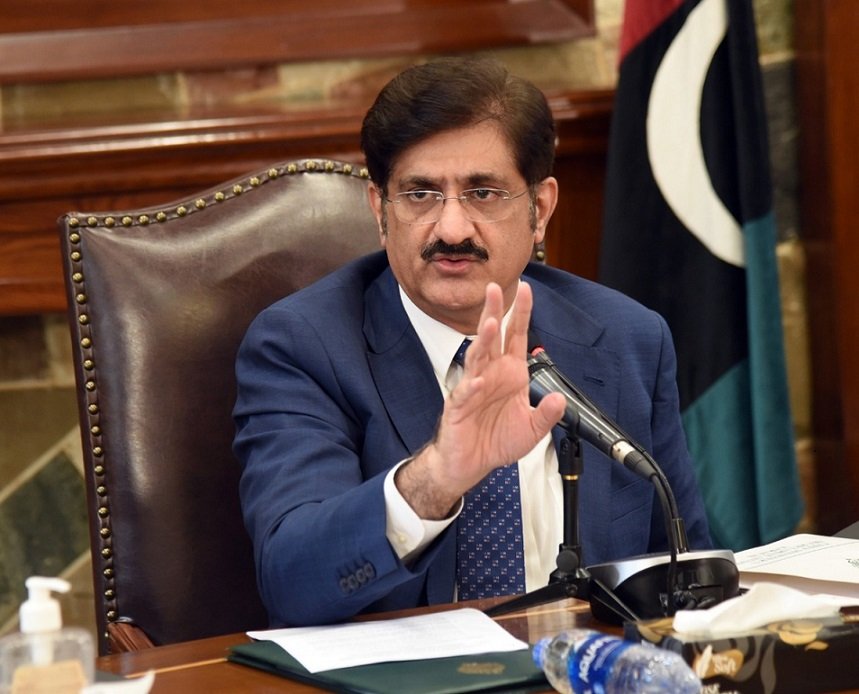
Karachi: The Sindh Chief Minister, Syed Murad Ali Shah, chaired a high-level meeting on the development and rehabilitation of infrastructure in Karachi’s industrial zones, approving a total funding of PKR 9.28 billion. The meeting saw participation from key industrial associations including KATI, SITE, BQATI, LATI/LITE, and other prominent organizations. Top Officials and Industry Representatives Attend The meeting was attended by Minister for Industry Jam Ikram Dharejo, Chief Secretary Asif Haider Shah, Karachi Mayor Murtaza Wahab, Principal Secretary to the Chief Minister Agha Wasif, Karachi Commissioner Hasan Naqvi, Additional Secretaries for Industry Tariq Qureshi and Zubair Motiwala, Chairman KITE Zahid Saeed, and presidents of major industrial associations. Read More: https://theboardroompk.com/pakistani-cement-sector-faces-november-slump-amid-export-challenges-and-domestic-slowdown/ Funding Allocation for Industrial Zones The Chief Minister approved the immediate allocation of funds for road and basic infrastructure repairs in industrial areas. The distribution, in consultation with the Mayor and Commissioner of Karachi, has been made based on need and fairness: SITE: PKR 2 billion Korangi: PKR 2 billion Landhi: PKR 2 billion North Karachi, FB Area, SITE Super Highway, and Bin Qasim: Remaining funds allocated with specific approvals: SITE Super Highway (Phase 1 & 2): PKR 700 million North Karachi & FB Area Associations: PKR 860.55 million Bin Qasim Association: PKR 1 billion The project will be fully financed through the Infrastructure Development Cess, and industrialists have been urged to ensure the release of funds through a Grant-in-Aid mechanism. The Chief Minister also instructed the Cabinet Finance Committee to finalize PC-1 approvals. Emphasis on Transparency and Economic Impact To ensure transparent implementation, the Chief Minister directed the establishment of an oversight committee. He emphasized that industrial development is crucial for employment generation, exports, and overall economic growth. Rehabilitation of industrial infrastructure is expected to reduce business costs and attract further investment, reinforcing Karachi’s status as an industrial hub.

May 9: Dr Yasmin Rashid Among 4 PTI Leaders Get Jail Sentences, Qureshi Walks Free
Pakistan

May 9: Dr Yasmin Rashid Among 4 PTI Leaders Get Jail Sentences, Qureshi Walks Free

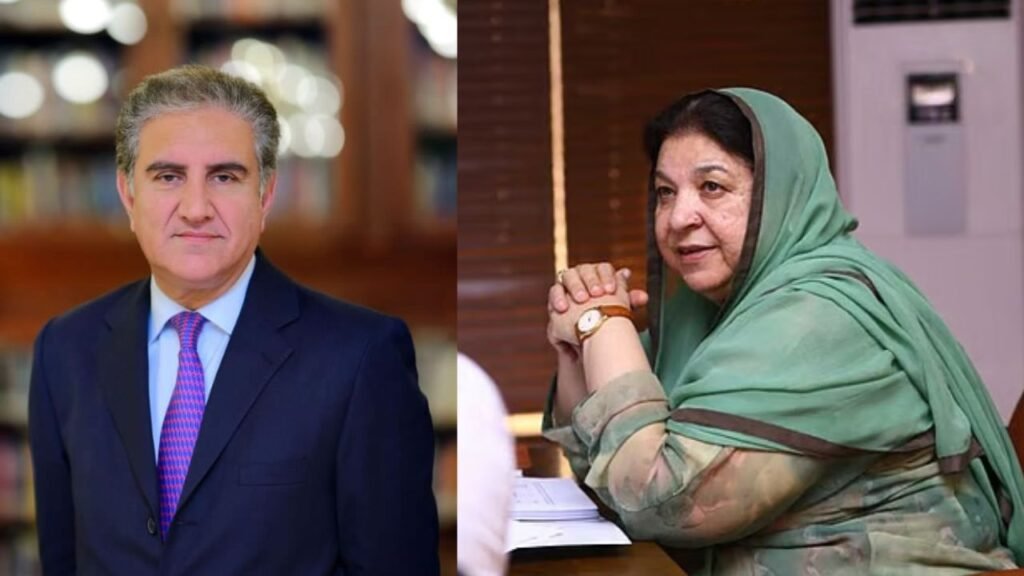
An Anti-Terrorism Court (ATC) in Lahore on December 19, 2025, sentenced senior Pakistan Tehreek-e-Insaf (PTI) leaders Dr Yasmin Rashid, Omer Sarfraz Cheema, Ejaz Chaudhry, and Mian Mehmoodur Rasheed to 10 years in prison each in a case linked to the May 9, 2023, riots. Meanwhile, former foreign minister Shah Mahmood Qureshi was acquitted of all charges. Case Details and Charges The case, registered at Race Course Police Station, involves allegations of vandalism at Club Chowk and GOR Gate, including damaging security cameras, breaking police equipment, and attacking officials during protests following PTI founder Imran Khan’s arrest. The unrest saw widespread attacks on public and military properties nationwide. Read More: https://theboardroompk.com/imran-khans-sons-sound-alarm-irreversible-harm-feared-amid-total-silence-from-pakistan-jail/ Verdict and Trial Proceedings Judge Manzer Ali Gill pronounced the verdict inside Kot Lakhpat Jail after a trial featuring testimony from 56 prosecution witnesses. The court convicted seven accused while acquitting Qureshi and 13 others due to insufficient evidence. It also ordered the arrest of four proclaimed offenders. This marks the fifth conviction for the sentenced leaders in separate May 9-related cases, highlighting ongoing legal challenges for PTI figures amid accusations of inciting violence. The split decision underscores varying evidence strength against individual accused in the high-profile riots that gripped Pakistan in 2023.

Automobiles Drive Pakistan's Industrial Growth with 65% YoY Surge
Uncategorized

Automobiles Drive Pakistan’s Industrial Growth with 65% YoY Surge

Pakistan’s Large Scale Manufacturing Index (LSMI) recorded robust growth in October 2025, rising 3.8% month-on-month and 8.3% year-on-year, according to data from the Pakistan Bureau of Statistics. For the first four months of FY26 (4MFY26), LSMI expanded by 5.0% YoY, signaling a positive trajectory amid falling inflation and lower interest rates. Read More: https://theboardroompk.com/pakistans-industries-challenge-govt-claims-manufacturing-contracts-amid-shutdowns-50-capacity-operations-and-high-costs/ Key Sector Performers and Decliners The automobile sector led with a 65% YoY increase, driven by stable tariffs, lower interest rates boosting auto finance, and recovering demand. Coke & Petroleum Products surged 49% YoY, while Other Manufacturing (including footballs) rose 36% YoY. Cement production climbed 16% MoM and 13% YoY, reflecting construction incentives. However, Pharmaceuticals fell 12% YoY, Chemicals 9% YoY, and Textiles dipped 3% MoM despite a modest 1% YoY gain. Positive Outlook Amid Challenges Analysts expect LSMI to continue upward, supported by aggregate demand growth, construction boosts from post-flood rehabilitation, mortgage credits, and housing subsidies. However, sluggish broad-based demand due to higher taxation and recent flood damages may temper gains. Sectors like Cement, Steel, and Chemicals are poised to benefit in coming quarters.

Engro Conducts Historic 100% Islamic Financing Deal of Rs133 Billion for Telecom Expansion
Pakistan

Engro Conducts Historic 100% Islamic Financing Deal of Rs133 Billion for Telecom Expansion

Karachi: Engro has marked a historic milestone in Pakistan’s landscape with the execution of a Rs 133 billion transaction entirely through 100% Islamic financing, to grow its telecom infrastructure vertical. This funding has enabled the addition of Deodar (and its 10,000+ telecom towers) to Engro’s portfolio. This underscores Engro’s commitment to driving digital transformation while supporting Pakistan’s determination to fully transition to an Islamic banking system. A celebratory event brought together all participants of the transaction, including the presidents of banks, legal and financial advisors, Engro’s teams, and the Governor of the State Bank of Pakistan, Mr. Jameel Ahmed. He commended the collaborative effort and reiterated the State Bank’s vision for digital finance, emphasising the critical role of telecom connectivity in enabling financial inclusion. At the event, he said, “My congratulations to the Dawood family and Engro, the Islamic bankers and conventional banks (through their Islamic windows) on being able to put together a deal of this size. This is a great achievement which has been supported by the banks – but is also owed to the conviction of Hussain Dawood and his family in getting it funded through Islamic banking.” Read More: https://theboardroompk.com/kse-100-ends-the-week-on-a-strong-note-as-momentum-builds-toward-new-highs/ Engro’s leaders highlighted how this transaction is a step towards digital sovereignty and better usage of economic resources. Shared telecom infrastructure, where a single tower serves multiple mobile network operators (MNOs), offers a cost-efficient model which is essential for Pakistan. With each tower costing approximately USD 50,000, shared usage prevents duplication and frees resources for broader development initiatives. Furthermore, by ensuring that critical infrastructure is locally owned, Pakistan strengthens its ability to own and shape its digital future. The deal also reflects the depth and potential of Islamic financing in Pakistan. The unwavering support of participating banks, particularly UBL and Meezan Bank, demonstrates the strength of their long-standing relationships with Engro and the collective resolve to advance Shariah-compliant financial solutions. Chairman of Engro, Mr. Hussain Dawood, said at the occasion, “These incredible achievements have been brought about by the blessings of the Creator. He is the one who helped us make our decisions and created the environment to succeed – and we were able to achieve this transaction by demonstrating character-driven leadership.” This milestone is a reflection of Engro’s commitment to national priorities and progress. We are grateful for the trust and collaboration of all partners who made this deal possible, and we are honoured to play our role in advancing Pakistan’s digital and financial transformation.

Scroll to Top