Author name: Web Desk

Breakthrough in US-China Tech Trade: Nvidia's Powerful H200 Chips Head to Chinese Buyers
World

Breakthrough in US-China Tech Trade: Nvidia’s Powerful H200 Chips Head to Chinese Buyers

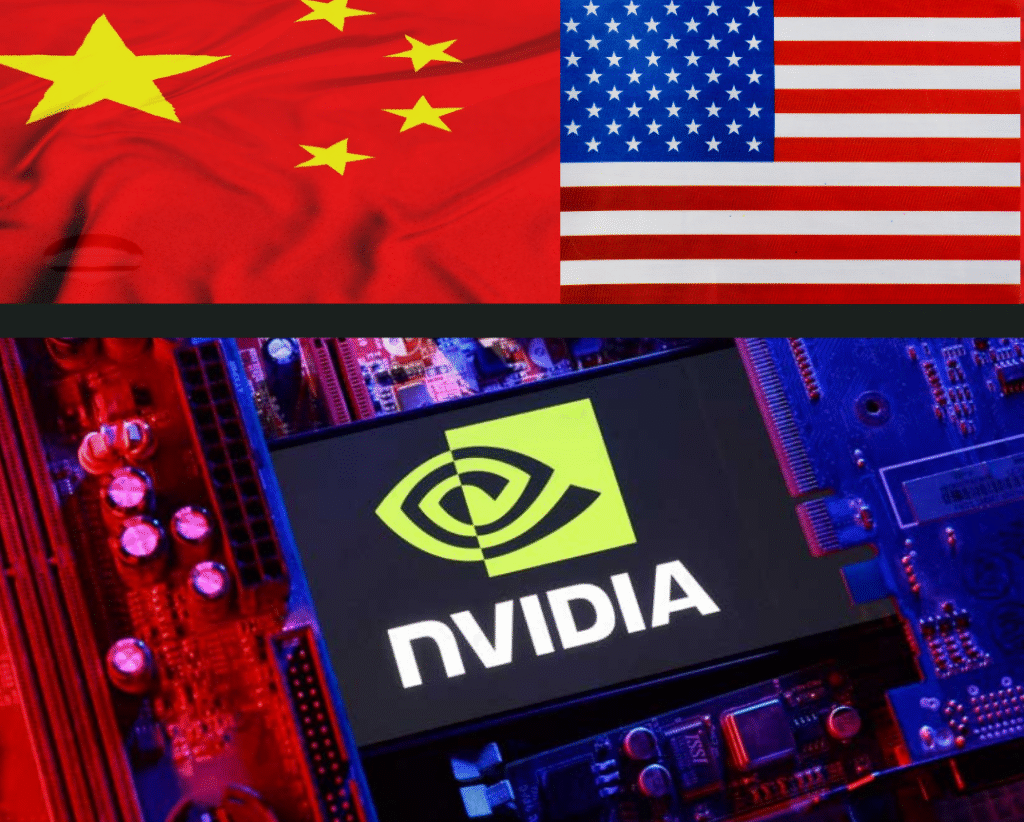
Beijing/San Francisco, December 22, 2025 – Nvidia is set to begin shipping its powerful H200 artificial intelligence chips to China by mid-February 2026, marking a significant easing of US export controls on advanced semiconductors. Sources familiar with the matter told Reuters that the company has notified Chinese clients of plans to deliver 5,000 to 10,000 chip modules—equivalent to 40,000 to 80,000 individual H200 chips—from existing stock ahead of the Lunar New Year. The H200, part of Nvidia’s previous-generation Hopper lineup, is approximately six times more capable than the downgraded H20 chip previously available to Chinese buyers. Major firms like Alibaba Group and ByteDance have shown strong interest, driven by demand for advanced AI training and inference capabilities. Read More: https://theboardroompk.com/reforms-unlock-chinas-dominance-in-energy-storage-battery-export-surge-75-to-65bn/ However, shipments remain contingent on approval from Chinese authorities, who have yet to greenlight purchases. Beijing is weighing options, including requiring bundling with domestic chips to bolster local manufacturers like Huawei. US-China Tech Tensions: A Primer for New Audiences The US and China have been locked in a technology rivalry since 2022, when the Biden administration imposed strict export controls on advanced AI chips and semiconductor equipment. Washington cited national security concerns, aiming to prevent China from using cutting-edge technology for military advancements or supercomputing. These restrictions forced Nvidia to develop compliant, less powerful versions like the H20 for the Chinese market. China responded by accelerating domestic chip development and occasionally restricting purchases of US products over security fears. Policy Shift Under Trump Administration The latest development reflects a reversal under President Donald Trump, who recently approved H200 sales with a 25% fee. This move prioritizes trade and US corporate interests while addressing concerns that strict bans were boosting Chinese competitors. Nvidia plans to ramp up production in 2026, potentially opening new orders in the second quarter.

Gold Price in Pakistan All-Time High as Bullish Trend Dominates Markets
Pakistan

Gold Price in Pakistan All-Time High as Bullish Trend Dominates Markets

Gold Price in Pakistan All-Time High has become the defining headline for bullion markets as both local and international gold prices surge to historic levels. Driven by strong global demand, currency dynamics, and year-end market positioning, gold continues to attract investors seeking safety amid economic uncertainty. As of Monday, December 22, 2025, gold is trading close to its global all-time high near $4,420, while domestic prices in Pakistan have also reached record-breaking levels, according to the All Pakistan Sarafa Gems and Jewellers Association (APSGJA). Gold Price in Pakistan All-Time High: Latest Local & International Rates The latest interbank-based gold and silver prices reflect strong bullish momentum across commodities. Pakistan Gold Rates (Interbank – APSGJA)• Gold Tola (24K): Rs. 462,362 (+Rs. 6,200)• Gold 10 Grams (24K): Rs. 396,400 (+Rs. 5,315)• Gold 10 Grams (22K): Rs. 363,379 (+Rs. 4,872) International Bullion Prices• Gold (USD): $4,400 (+ $62)• Silver (USD): $69.30 (+ $2.18) Silver Prices in Pakistan• Silver Tola (24K): Rs. 7,205 (+Rs. 218)• Silver 10 Grams: Rs. 6,177 (+Rs. 187) These prices are based on interbank exchange rates with 999 purity (24K) gold, confirming the strength of the ongoing uptrend. Why Gold Price in Pakistan Is at an All-Time High Several factors are contributing to the unprecedented rise in gold prices:• Strong global bullish trend in precious metals• Year-end 2025 closing activity by institutional investors• Currency volatility and USD dynamics• Safe-haven demand amid global economic uncertainty• Limited liquidity due to Christmas and banking holidays With large investors temporarily stepping back during December, even moderate buying pressure can result in sharp upward price movements. Gold Price in Pakistan All-Time High: Technical Outlook & Buy Zone Despite the strong bullish structure, analysts advise caution due to holiday-season volatility. Current Market Snapshot• Current International Price: ~$4,410• Trend: Strong Bullish• Market Context: Year-end closing & Christmas holidays Best Buy Zone (H1 Support)• $4,345 – $4,340 A deep pullback toward this support range could offer a safer buying opportunity for traders looking to enter with controlled risk. Risk Management During Year-End Gold Rally With December trading conditions in play, disciplined risk management is critical.• Small Lot Size: Reduced liquidity increases sudden price swings• Strict Stop Loss: Never trade without protection• Patience: Markets may move sideways or behave unpredictably In the final days of December, USD banks remain closed more frequently, increasing the risk of short-term manipulation. Protecting capital is the real success in volatile markets. Outlook: Gold Price in Pakistan All-Time High May Extend Further The broader trend suggests gold could remain strong into early 2026, especially if global uncertainty persists. However, short-term corrections should not be ruled out as liquidity normalizes after the holidays. For investors and businesses, gold’s record highs underscore its continued relevance as a store of value and a strategic hedge against inflation and currency risks.

Pakistan Cotton Market Report Shows Global Weakness and Mixed Domestic Signals
Uncategorized

Pakistan Cotton Market Report Shows Global Weakness and Mixed Domestic Signals

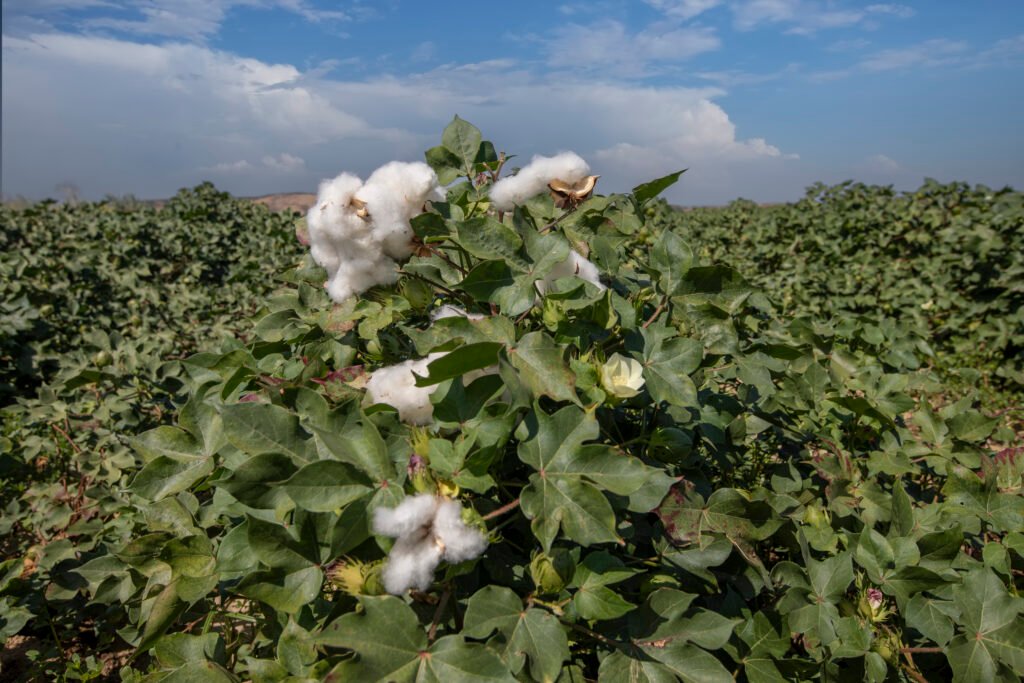
Pakistan Cotton Market Report for December 22, 2025, presents a comprehensive snapshot of global cotton price movements, domestic crop progress, and trade dynamics. The data reflects continued pressure on international cotton markets, while Pakistan’s local cotton sector shows stable arrivals but remains below historical production benchmarks. Pakistan Cotton Market Report: Global Cotton Price Trends According to the Pakistan Cotton Market Report, global cotton prices remain under pressure compared to last year. The Cotlook A Index stood at 73.30 cents per pound, down from 76.70 cents per pound on the same date last year, reflecting a decline of over 6 cents per pound . In the New York Cotton Market (Contract No. 2), March 2026 futures closed at 63.75 cents per pound, while May 2026 contracts settled at 64.84 cents per pound, both significantly lower than last year’s levels. Brazilian cotton prices also weakened to 62.60 cents per pound, highlighting global oversupply and subdued demand conditions . China, however, remained an outlier, with the China Cotton Index recorded at 97.54 cents per pound, supported by state policy interventions and controlled domestic supply. Domestic Cotton Prices in Pakistan The Pakistan Cotton Market Report shows that local lint prices remained relatively stable. The Karachi Cotton Association (Ex-gin price) was recorded at approximately Rs 15,500 per maund, translating to 67.23 cents per pound, lower than last year’s level of 75.55 cents per pound . Seed cotton prices across Punjab, Sindh, and Balochistan ranged between Rs 5,960 and Rs 7,492 per 40 kg, reflecting regional variations driven by quality, moisture content, and transportation costs. Pakistan Cotton Market Report: Crop Targets and Sowing Progress For the 2025-26 cotton season, Pakistan has set a total sowing target of 2.26 million hectares, with Punjab accounting for the largest share at 1.4 million hectares. As of the latest reporting period, approximately 2.00 million hectares or 89% of the target has been sown nationwide . Punjab and Sindh have achieved around 90% and 89% of their respective targets, while Balochistan lags slightly at 76%. Khyber Pakhtunkhwa continues to contribute a negligible share to cotton cultivation. Comparison with 2024-25 Cotton Production The Pakistan Cotton Market Report highlights that during the 2024-25 season, total cotton production reached 7.08 million bales, achieving only 65% of the national production target. Punjab recorded the sharpest shortfall, producing 3.84 million bales against a target of 6.5 million bales, while Sindh performed relatively better at 72% of its target . These figures underscore structural challenges such as climate variability, pest pressure, and declining farmer incentives. Seed Cotton Arrivals and Market Activity As of 15 December 2025, total seed cotton arrivals stood at 5.30 million bales, marginally lower than 5.37 million bales recorded during the same period last year. Textile mills remained the dominant buyers, accounting for over 4.49 million bales, while exporter participation remained limited . Unsold stocks were recorded at approximately 536,863 bales, suggesting balanced supply-demand conditions in the domestic market. Pakistan Cotton Trade: Export and Import Trends The Pakistan Cotton Market Report shows negligible raw cotton exports during July–November 2025, while imports declined by over 24% in quantity and 30% in value compared to last year. However, full-year data for 2024-25 reveals a sharp rise in cotton imports, increasing by more than 230% in volume, highlighting Pakistan’s continued reliance on imported cotton to meet textile sector demand . The Pakistan Cotton Market Report for December 2025 reflects a sector navigating global price weakness, moderate domestic sowing progress, and structural production gaps. While seed cotton arrivals remain steady, declining global prices and rising import dependence continue to pose challenges for farmers and policymakers alike. As the 2025-26 season unfolds, market participants will closely monitor weather conditions, government support measures, and international demand trends to assess the outlook for Pakistan’s cotton economy.

Blue-Ex Limited IPO Draws Strong Investor Response with 4.2 Million Shares Subscribed
Pakistan

Blue-Ex Limited IPO Draws Strong Investor Response with 4.2 Million Shares Subscribed

Blue-Ex Limited IPO has emerged as one of the most notable public offerings on the Pakistan Stock Exchange (PSX) in December 2025, attracting overwhelming investor interest and underscoring growing confidence in Pakistan’s logistics and courier services sector. According to official data released on December 22, 2025, the initial public offering of Blue-Ex Limited (PSX: GEMBLUEX) received applications for 4,232,500 ordinary shares, significantly exceeding the issue size of 1,000,000 shares. The subscription process was conducted on December 16 and 17, 2025, and was compiled by CDC Share Registrar Service Limited. Blue-Ex Limited IPO Subscription Highlights The Blue-Ex Limited IPO witnessed participation from a broad base of retail investors, reflecting strong market sentiment toward growth-oriented companies listed on the Growth Enterprise Market (GEM) board. A total of 3,156 applications were received during the public subscription period. The strongest demand was recorded in the “Above 2,000 Units” category, which accounted for 1,981,500 shares, making it the largest contributor to overall demand. IPO Subscription Breakdown by Category The IPO subscription attracted applications across multiple categories. In the 500-share category, 1,762 applications were received for a total of 881,000 shares, amounting to PKR 57.265 million. The 1,000-share category recorded 694 applications, with 694,000 shares applied for and an investment value of PKR 45.11 million. In the 1,500-share category, 160 applications were submitted for 240,000 shares, translating into PKR 15.6 million. The 2,000-share category saw 218 applications for 436,000 shares, with a total amount of PKR 28.34 million. Applications above 2,000 units accounted for 322 applications, covering 1,981,500 shares and an investment of PKR 128.798 million. Overall, the IPO received 3,156 applications for a total of 4,232,500 shares, with the cumulative subscription amount reaching PKR 275.113 million. Blue-Ex Limited IPO Allotment and Balloting Details Under the allotment framework announced for the Blue-Ex Limited IPO, investors applying for up to 500 shares will receive full allocation. Meanwhile, balloting for applications of 1,000 shares is scheduled to take place on December 23, 2025. Applicants who applied for more than 1,000 shares will receive full refunds, as the excess demand in higher categories surpassed the allocated quota. This allocation structure ensures fair participation while prioritizing smaller retail investors. Total Funds Raised Through Blue-Ex Limited IPO The IPO generated a total subscription amount of Rs 275.11 million, highlighting strong liquidity inflows into Pakistan’s capital markets. Market analysts view the successful subscription as a positive signal for upcoming IPOs, particularly within the technology-enabled logistics and e-commerce support sectors. Why the Blue-Ex Limited IPO Matters for Pakistan’s Capital Markets The strong response to the Blue-Ex Limited IPO reflects renewed optimism among retail investors amid stabilizing macroeconomic indicators and improving market sentiment. It also underscores increasing investor appetite for growth-stage companies listed on PSX’s GEM board. Blue-Ex Limited’s successful public debut positions it as a key player to watch in Pakistan’s evolving logistics ecosystem, particularly as e-commerce volumes continue to rise nationwide. The Blue-Ex Limited IPO stands out as a strong close to Pakistan’s IPO calendar for 2025. With demand exceeding supply by more than four times, the offering reinforces confidence in Pakistan’s equity markets and highlights the growing appeal of logistics-driven business models among investors. As balloting proceeds and listing approaches, market participants will be closely watching how GEMBLUEX performs post-listing on the Pakistan Stock Exchange.

PIA Privatization Reaches Final Bidding Stage as Three Contenders Remain
Pakistan

PIA Privatization Reaches Final Bidding Stage as Three Contenders Remain

PIA privatization has entered a decisive phase as the Privatisation Commission prepares to open bids for Pakistan International Airlines Corporation Limited (PIACL) on December 23, marking one of Pakistan’s most significant privatization initiatives in recent years. The process has narrowed to three qualified bidders following the exit of Fauji Fertiliser Company Limited, intensifying competition for control of the national flag carrier. The development is being closely watched by investors, policymakers, and the business community, as the outcome could reshape Pakistan’s aviation sector and contribute meaningfully to long-term economic growth. PIA Privatization Bidding Process and Transparency Measures According to the official programme issued by the Privatisation Commission, today sealed bids were submitted between 10:45am and 11:15am, while bid opening is scheduled for 3:30pm and will be broadcast live on television networks to ensure transparency. The Chairman of the Privatisation Commission and Adviser to the Prime Minister on Privatisation, Muhammad Ali, confirmed that Fauji Fertiliser Company voluntarily withdrew from the bidding process, leaving three strong contenders in the race. Remaining Bidders for PIA Privatization The shortlisted bidders include:• A consortium led by Lucky Cement Limited, along with Hub Power Holdings Limited, Kohat Cement Company Limited, and Metro Ventures (Private) Limited• A consortium comprising Arif Habib Corporation Limited, Fatima Fertiliser Company Limited, City Schools (Private) Limited, and Lake City Holdings (Private) Limited• Air Blue (Private) Limited Following bid submission, the Privatisation Commission Board will determine a reference price, which will then be approved by the Cabinet Committee on Privatisation (CCoP) before being announced at the time of bid opening. PIA Privatization Auction Mechanism Explained If bids exceed the reference price, an open auction will be conducted among the bidders. In the event bids fall below the benchmark, the highest bidder will receive priority. The federal cabinet is expected to approve the transaction within days, after which formal documentation will be signed. The Privatisation Commission will then have 90 days to complete procedural requirements, including the transfer of aircraft, properties, and liabilities. Transaction Structure of PIA Privatization Under the approved transaction framework:• 75% stake in PIA is being offered to private investors• 92.5% of the proceeds will go directly to PIA• 7.5% will be transferred to the national exchequer The government will retain 25% shareholding, which the successful bidder may acquire within 12 months at a 12% premium, or leave with the state. The final valuation of the remaining shares will be determined after completion of the initial transaction. Payment terms require the winning bidder to deposit two-thirds of the bid within 90 days, while the remaining amount must be paid within one year. Why PIA Privatization Matters for Pakistan’s Economy Mr. Ali emphasized that PIA privatization could significantly boost GDP growth, noting that Pakistan’s aviation sector contributes only 1.3% to GDP, compared to 18% in the UAE and 8.5% in Saudi Arabia. With proper investment and management, this contribution could increase substantially. Despite having a fleet of 34 aircraft, only 18 are currently operational, yet PIA holds air service agreements with 97 countries and landing rights in more than 170 destinations, underscoring its untapped potential. Financial Health, Employees, and Future Outlook PIA currently reports:• Net profit of Rs11 billion• Equity of Rs30 billion• Liabilities of Rs26 billion, to be paid by bidders over five years Employee protections remain a key feature of the deal. No employee can be laid off for one year, while pensions, perks, and medical benefits are fully safeguarded. The workforce has already been reduced from 11,500 employees in 2011 to 6,500 today, reflecting structural reforms. Private Sector Role in Reviving PIA According to the Privatisation Commission chairman, PIA is an asset that can either drain public resources or generate massive economic value if managed efficiently. With a population of 250 million, strong route access, and established landing slots, PIA requires capital investment, fleet expansion, and agile decision-making capabilities best delivered by the private sector. If executed successfully, PIA privatization could restore the airline to its former prominence, strengthen Pakistan’s aviation ecosystem, and unlock long-term economic benefits.

Ukraine's Nova Post Thrives in War, Delivering 480 Million Parcels in 2024
World

Ukraine’s Nova Post Thrives in War, Delivering 480 Million Parcels in 2024

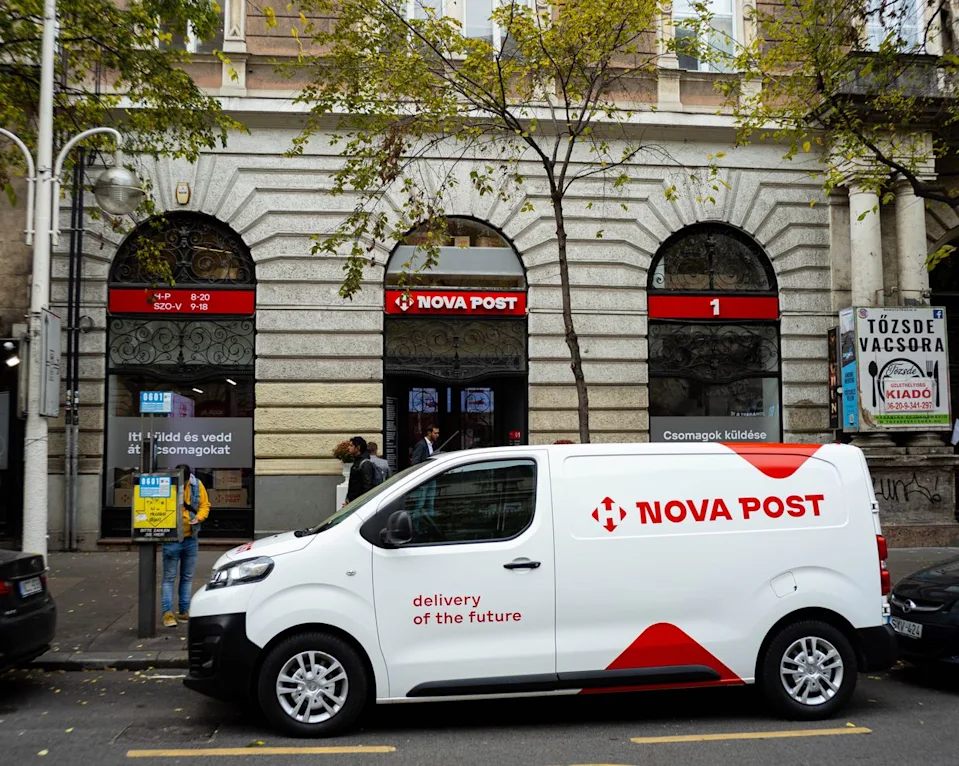
Kyiv/Chernihiv, December 22, 2025 – Amid Russia’s nearly four-year invasion, Ukrainian private postal giant Nova Post has transformed into a symbol of resilience and growth, delivering over 1.5 million parcels daily despite blackouts, missile strikes, and frontline dangers.Founded in 2001, Nova Post disrupted the state-dominated market with rapid one- to two-day deliveries. Co-founder Vyacheslav Klymov notes the war period rivals the company’s explosive 2010s growth. As Ukraine’s economy reels from displacement and destruction, Nova Post sustains vital links for small businesses, refugees, and families. Read More: https://theboardroompk.com/eu-eyes-indefinite-freeze-on-russian-assets-to-fund-ukraine-aid/ In cities like Chernihiv, 125 km north of Kyiv, branches operate through air raid sirens and drone attacks. Staff and customers shelter during alerts, then resume sorting parcels containing essentials like generators, books, and holiday gifts in festive Ukrainian-inspired packaging. Branches use generators and Starlink for uninterrupted service, even serving as community charging points.The human toll is heavy: 249 employees lost, including 227 soldiers killed in combat and 22 civilians from strikes. Damages exceed 1 billion hryvnias ($24 million), with 3 billion more for 138,000 destroyed parcels. Yet, the company persisted in frontline areas like Pokrovsk until February 2025 and continues in Kherson.Growth defies adversity. In 2024, Nova Post handled a record 480 million shipments, up 16%, with double-digit increases projected for 2025. Nine-month 2025 profits surged 35% to 2.88 billion hryvnias ($67 million). It employs 30,000, expanded branches to 15,000, and automated machines to nearly 33,000.Internationally, from operations in just Ukraine and Moldova at war’s start, Nova Post now spans 16 European countries, eyeing further 2026 expansion, including boosted U.S. and China links.Regional manager Hanna Honchar sums it up: “We are changing our processes, adapting to blackouts, to wartime.” Nova Post’s story highlights private sector vitality bolstering Ukraine’s war-torn economy.

Reforms Unlock China's Dominance in Energy Storage: Battery Export Surge 75% to $65bn
World

Reforms Unlock China’s Dominance in Energy Storage: Battery Export Surge 75% to $65bn

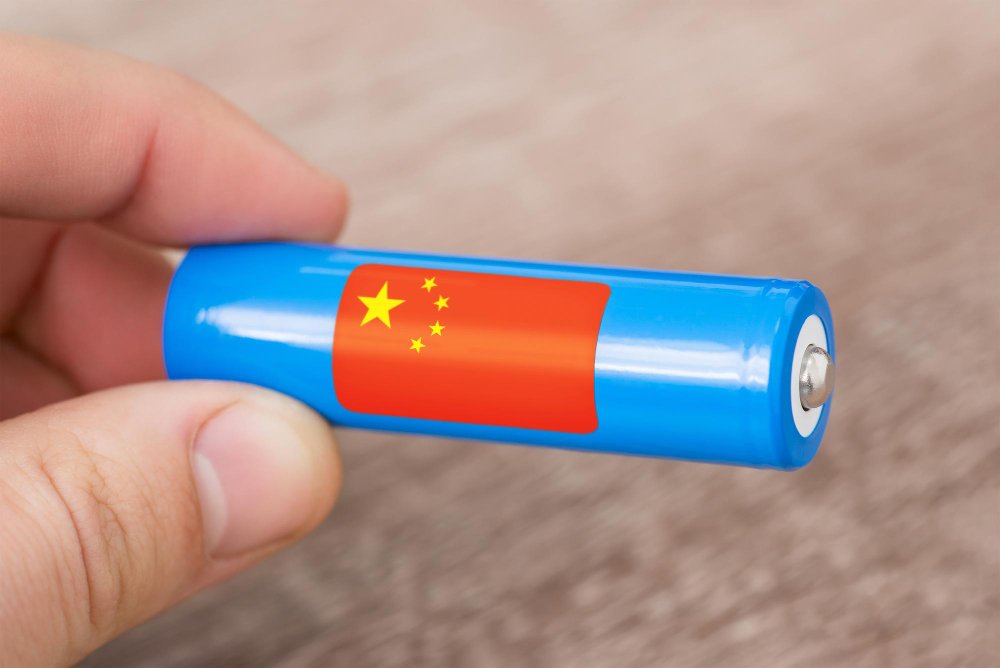
Beijing, December 22, 2025 – China’s recent electricity market reforms, combined with exploding global demand from AI-driven data centers, are igniting an unprecedented boom in battery energy storage, solidifying Chinese manufacturers’ dominance in the sector.June reforms mandated market-based auctions for new power projects, replacing fixed rates and enabling profitable price arbitrage: charging batteries when electricity is cheap and discharging during peak demand. This shift dramatically improved utilization, with energy storage plants averaging 3.08 hours of daily operation in Q3 2025—up 0.78 hours year-on-year—according to the China Electricity Council. Read More: https://theboardroompk.com/us-china-chip-fight-nvidias-new-tech-tracks-ai-chips-location-to-curb-smuggling-to-china/ Supported by a $35 billion government plan to nearly double storage capacity by 2027 and new provincial subsidies, including capacity payments in 10 provinces, the reforms have unlocked previously idle assets. China already holds 40% of global battery storage capacity, surpassing traditional pumped hydro this year.Simultaneously, surging international demand—particularly for backing AI data centers—is amplifying the boom. UBS analysts note that “pairing solar with storage has effectively become the only solution for meeting U.S. AI data-centre power needs,” amid limited growth in baseload sources like gas and nuclear. Additional drivers include Europe’s aging grid upgrades and Chinese renewable projects in the Middle East.Chinese firms, led by CATL, HiTHIUM, EVE Energy, BYD, CALB, and REPT BATTERO—all top global suppliers—are poised for a 75% surge in energy storage cell shipments this year. Exports of storage and EV batteries exceeded $65 billion in 2025, with non-automotive batteries growing 51.4% in the first 11 months.Analysts call this “one of the biggest surprises” in China’s energy sector, with full order books forcing double shifts at factories. Global investment in battery storage is projected to rise 16% to $66 billion this year, while installations could jump significantly by 2026.This convergence positions China to capture the lion’s share of a market critical for renewables integration and reliable AI infrastructure worldwide.

Exports Plunge 15%: Pakistan's Jul-Nov Trade Deficit Widens to $15.54 Billion
Breaking News, External Sector

Exports Plunge 15%: Pakistan’s Jul-Nov Trade Deficit Widens to $15.54 Billion

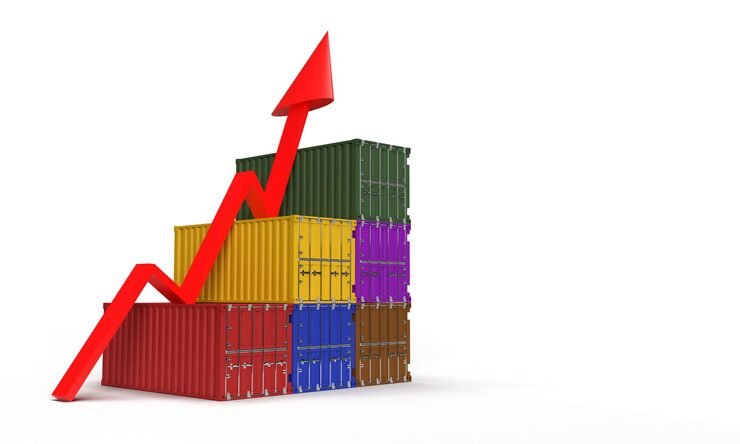
Islamabad, December 22, 2025 – Pakistan’s merchandise trade deficit widened sharply to $15.54 billion during the first five months of fiscal year 2025-26 (July-November), driven by a steep decline in exports and a robust increase in imports, according to data from the Pakistan Bureau of Statistics (PBS).Exports fell 14.54% year-on-year to $12.87 billion from $13.72 billion in the corresponding period last year. The downturn affected all major categories, with significant drops in food items—particularly rice—and textiles, traditional mainstays of Pakistan’s export basket. Read More: https://theboardroompk.com/chinese-firm-proposes-e2-billion-to-boost-shipbuilding-and-steel-work-at-port-qasim/ Meanwhile, imports surged 13.63% to $28.4 billion, up from $25 billion, reflecting higher demand for machinery, raw materials, petroleum products, and possibly consumer goods amid recovering domestic economic activity.The persistent export slump highlights structural challenges, including high energy costs, currency volatility, global competition, and supply chain disruptions. Textile exporters face stiff rivalry from regional peers like Bangladesh and Vietnam, while food exports suffer from climate impacts and quality issues.This widening deficit exacerbates pressure on Pakistan’s external account, potentially straining foreign exchange reserves and the Pakistani rupee. It could complicate compliance with International Monetary Fund (IMF) programme targets, which emphasize export diversification and import rationalization.Analysts warn that without urgent reforms—such as enhancing competitiveness through lower input costs, improving ease of doing business, and pursuing new trade agreements—the trade imbalance may persist, hindering sustainable growth.The government has introduced measures like the National Tariff Policy 2025-30 and export incentives, but their impact remains limited so far. Remittances and services exports provide some cushion, but goods trade remains a vulnerability.November alone saw exports at around $2.39 billion (down 15.4% YoY) and imports at $5.25 billion (up 5%), contributing to a monthly deficit of nearly $2.86 billion.Policymakers now face calls for targeted interventions to revive exports and curb non-essential imports to narrow the gap in the remaining fiscal year.

Finnish Giant Metso to Supply Advanced Flotation Tech for Reko Diq Copper-Gold Project
Pakistan

Finnish Giant Metso to Supply Advanced Flotation Tech for Reko Diq Copper-Gold Project

Quetta/Islamabad, December 22, 2025 – Finnish mining technology leader Metso has clinched contracts valued at approximately €70 million to supply cutting-edge beneficiation and dewatering equipment for the Reko Diq copper-gold mine in Balochistan, Pakistan. The orders, awarded by Reko Diq Mining Company (RDMC), follow a €200 million frame agreement signed in August 2024 and mark a key milestone in the development of one of the world’s largest undeveloped copper-gold deposits. Read More: https://theboardroompk.com/pibt-and-reko-diq-sign-landmark-agreement-to-enable-multi-billion-dollar-mineral-exports-from-pakistan/ The equipment package includes a complete flotation flowsheet featuring Metso’s TankCell mechanical flotation cells for rougher and cleaner scavenger stages, combined with innovative Concorde Cell units for ultrafine particle processing in cleaner scalper and recleaner duties. This hybrid technology aims to enhance metallurgical efficiency while lowering capital and operating costs, ideal for Reko Diq’s low-grade, high-throughput ore body.Additional supplies comprise four Larox PF60 series concentrate filters with auxiliaries, durable slurry pumps, five HRT High Rate Thickeners equipped with Reactorwell technology for optimized performance, and a advanced mill reline machine with safety-focused Auto-Grapple functionality to service the project’s large Premier ball mills. The Concorde Cell will integrate with previously ordered HIGmill regrinding mills from 2024.Antti Rinne, Vice President of Flotation at Metso, highlighted the strategic fit: “Metso’s large TankCell technology remains the baseline for the rougher circuit, while the cleaner circuit is optimised with Concorde Cell technology to bring increased metallurgical efficiency at reduced capital and operating costs.”Owned 50% by Canada’s Barrick Gold Corporation and 50% by the governments of Pakistan and Balochistan, Reko Diq is poised to transform Pakistan’s economy. After resolving a prolonged dispute in 2022, the project targets first production by late 2028, with an initial phase processing capacity leading to substantial copper and gold output over a 37-40 year mine life. Analysts project billions in revenues, job creation, and foreign exchange earnings, bolstering Pakistan’s mining sector amid global demand for critical minerals.The €40 million portion was booked in Metso’s Q3 2025 orders, with €30 million in Q4. This deal underscores international confidence in Reko Diq, following earlier equipment awards and financing commitments from institutions like the IFC and US EXIM Bank.

Fatima Fertilizer-Backed Globacore Partners with Mari Energies Subsidiary for Mining in Balochistan
Pakistan

Fatima Fertilizer-Backed Globacore Partners with Mari Energies Subsidiary for Mining in Balochistan

Islamabad, December 22, 2025 – Globacore Minerals Limited has entered into a significant joint venture agreement with Mari Minerals (Private) Limited, a wholly-owned subsidiary of Mari Energies Limited (formerly Mari Petroleum Company Limited), to explore minerals in Pakistan’s resource-rich Chagai district, Balochistan.Under the terms of the agreement, announced via a notice to the Pakistan Stock Exchange (PSX) by Fatima Fertilizer Company Limited – which holds a 32% equity stake in Globacore – Mari Minerals will transfer 49% of its working interest in two mineral exploration licenses, EL-322 and EL-323, to Globacore. These licenses, covering approximately 501 square kilometers, were originally granted to Mari Minerals (formerly Mari Mining Company) in 2024 by the Directorate General Mines and Minerals Balochistan.Mari Minerals will retain operatorship of the licenses and continue to lead exploration activities, ensuring operational continuity. The transfer is subject to necessary corporate, regulatory, and governmental approvals Read More: https://theboardroompk.com/world-bank-groups-ifc-provides-60m-yearly-liquidity-to-fatima-fertilizer-to-ensure-steady-fertilizer-supply-for-pakistani-farmers-amid-fx-challenges/ The Chagai district is known for its substantial potential in copper, gold, and other precious minerals, aligning with Pakistan’s push to develop its mining sector amid global demand for critical resources. Mari Energies has been actively diversifying beyond hydrocarbons into minerals, with previous acquisitions and partnerships in the same region, including stakes in other Chagai licenses and projects like the Siahdiq Copper Project.Fatima Fertilizer, a major player in Pakistan’s fertilizer industry with production plants in Multan, Sheikhupura, and Sadiqabad, views the development positively. “As a shareholder of Globacore, [we] view this development as a positive step in diversifying its portfolio and generating long-term value for its stakeholders,” the company stated.This joint venture underscores growing private sector interest in Balochistan’s untapped mineral wealth, potentially contributing to economic growth, job creation, and foreign exchange earnings. Analysts see it as part of broader efforts to attract investment in the mining sector, which has historically faced challenges related to security and infrastructure.No financial details of the transaction, such as investment commitments or valuations, have been disclosed. The partnership could pave the way for advanced exploration and eventual mining operations if commercially viable deposits are confirmed.

Scroll to Top