Author name: Web Desk

Gold Buying Wave Reshapes Global Reserve Strategy
Business

Gold Buying Wave Reshapes Global Reserve Strategy

The Gold Buying Wave that unfolded between 2020 and 2025 has quietly transformed the global financial landscape. As gold prices surged more than 230% during the period, central banks across the world embarked on one of the most aggressive bullion accumulation cycles in modern history. But this wasn’t just about chasing higher prices. For many governments, gold became a strategic weapon a hedge against geopolitical tensions, currency volatility, inflation shocks, and growing uncertainty surrounding the U.S. dollar’s dominance. While some nations stockpiled gold at record pace, others reduced holdings, revealing sharply contrasting monetary strategies. Gold Buying Wave: China and Eastern Europe Lead the Charge The Gold Buying Wave was dominated by China, Poland, and Türkiye, according to data from the World Gold Council. China emerged as the single largest buyer, increasing its gold reserves by more than 357 tonnes between 2020 and 2025. This move aligns with Beijing’s long-term strategy to diversify away from U.S. dollar-denominated assets and reduce reliance on Western financial systems. For China, gold serves as a politically neutral reserve anchor. Poland followed closely, adding approximately 315 tonnes. The Polish central bank has consistently emphasized monetary security and long-term financial resilience gold plays a critical role in that vision. Türkiye ranked third, accumulating nearly 252 tonnes. Facing persistent inflation pressures and currency volatility, Ankara strengthened its gold reserves to protect economic stability. India also made a significant move, adding roughly 245 tonnes. With inflation concerns and rupee fluctuations, gold provided a stabilizing cushion within its official reserves. In total, the top 15 gold-buying countries added nearly 2,000 net tonnes over five years a remarkable shift in global reserve management. Emerging Markets Accelerate the Gold Buying Wave Beyond the top three, several emerging economies joined the Gold Buying Wave aggressively. Brazil increased its reserves by more than 100 tonnes, signaling confidence in gold as a strategic buffer. Azerbaijan strengthened its position through its sovereign wealth fund, while Japan, Thailand, Hungary, Singapore, Iraq, Qatar, the Czech Republic, Russia, and the UAE also made notable additions. This broad participation highlights a key trend: gold is no longer just a defensive hedge it is once again becoming a central pillar of monetary sovereignty. For many emerging markets, diversification is no longer optional. With global financial systems facing fragmentation and geopolitical tensions rising, gold offers neutrality and liquidity unmatched by most reserve assets. Who Stepped Back from the Gold Buying Wave? Not every country joined the rally. The Philippines recorded the largest reduction in gold reserves, trimming more than 65 tonnes. Kazakhstan and Sri Lanka also posted significant declines, often linked to domestic liquidity pressures or active reserve rebalancing during economic stress. Several European economies, including Germany and Finland, reported modest reductions. Switzerland’s adjustment was minimal, reflecting its traditionally stable and conservative reserve management approach. These reductions underscore a crucial point: reserve strategies differ widely depending on economic conditions, fiscal needs, and policy priorities. Why the Gold Buying Wave Matters Now The Gold Buying Wave is more than a reaction to rising prices it signals a deeper shift in global monetary thinking. Central banks appear to be preparing for: • Increased geopolitical fragmentation• Currency volatility• Persistent inflation risks• A gradual diversification away from dollar dominance Gold’s appeal lies in its neutrality. Unlike foreign currency reserves, bullion carries no counterparty risk. It cannot be frozen or sanctioned in the same way financial assets can. As global uncertainty continues, the official sector’s renewed appetite for gold suggests that central banks are positioning themselves defensively for an unpredictable future. The Big Picture Between 2020 and 2025, gold reasserted itself as a cornerstone of global reserves. Nearly 2,000 tonnes were added by leading buyers, even as a handful of nations reduced exposure. The Gold Buying Wave reflects a world in transition one where monetary security, diversification, and resilience are becoming top priorities. If this trend continues, the role of gold in the international financial system may expand further, reshaping how nations protect their wealth in an increasingly uncertain era.

Gold Price in Pakistan Holds Steady at Rs528,562 – Why the Market Is Watching Closely
Business

Gold Price in Pakistan Holds Steady at Rs528,562 – Why the Market Is Watching Closely

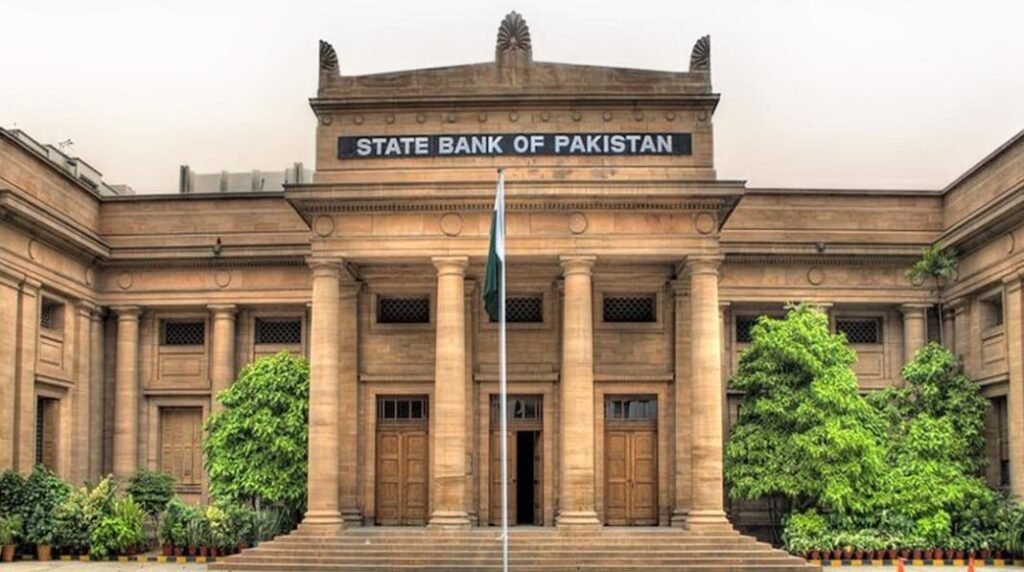
Gold Price in Pakistan remained unchanged on Thursday, February 12, 2026, offering temporary relief to investors and buyers after weeks of sharp volatility. According to the All-Pakistan Gems and Jewelers Sarafa Association (APGJSA), 24-karat gold was traded at Rs528,562 per tola, the same rate as the previous session. While stability may appear uneventful at first glance, market analysts believe the pause signals something bigger brewing beneath the surface especially as global bullion prices hover at record highs. Gold Price in Pakistan – Latest Market Rates The Gold Price in Pakistan across major purity categories remained flat in the domestic market: • 24-karat gold per tola: Rs528,562• 24-karat gold per 10 grams: Rs453,156• 22-karat gold per 10 grams: Rs415,408 This unchanged pricing comes after significant increases over recent months. Compared to one month ago, gold has surged by Rs46,700 per tola. Since the beginning of the fiscal year, prices have climbed by Rs178,362, while calendar year gains stand at Rs71,600 per tola. The steady pricing suggests local traders are cautiously aligning with international trends while waiting for stronger signals from global markets. Silver Outshines Gold with Fresh Gains While the Gold Price in Pakistan remained stable, silver surprised the market with an upward move. • 24-karat silver per tola: Rs8,825 (up Rs90)• 24-karat silver per 10 grams: Rs7,566 (up Rs78) Despite a slight decline of Rs250 over the past month, silver has posted impressive gains since the start of the fiscal year, rising by Rs5,043 per tola. Calendar year growth stands at Rs1,107. This divergence between gold stability and silver momentum indicates shifting investor interest, particularly among small-scale investors seeking more affordable precious metal exposure. Global Gold Prices: A Silent Influence Globally, spot gold traded near $5,059 per ounce, showing virtually no day-on-day change. International price consolidation often translates into temporary calm in Pakistan’s bullion markets. However, global uncertainty including geopolitical tensions, inflation concerns, and currency fluctuations continues to support gold at elevated levels. Investors worldwide still consider gold a hedge against economic instability, and Pakistan is no exception. What’s Driving the Gold Price in Pakistan? Several key factors influence the Gold Price in Pakistan: With gold maintaining record territory and silver gaining traction, the market appears to be in a consolidation phase rather than a reversal. Should Investors Expect Movement Ahead? Although today’s Gold Price in Pakistan shows no change, the broader trend remains upward. Analysts suggest that even a slight shift in global monetary policy or exchange rate volatility could trigger another rally. For long-term investors, gold continues to act as a hedge against economic uncertainty. For short-term traders, however, the current pause may signal a strategic wait-and-watch moment. Final Thoughts The Gold Price in Pakistan holding firm at Rs528,562 per tola may appear calm, but market fundamentals suggest underlying momentum remains intact. With silver climbing and global gold near historic highs, investors are closely monitoring upcoming economic signals. Will gold break new records soon or is a correction overdue? The coming weeks may provide the answer.

UK Economy Growth Slows to 0.1% Is a Bank of England Rate Cut Inevitable?
World

UK Economy Growth Slows to 0.1% Is a Bank of England Rate Cut Inevitable?

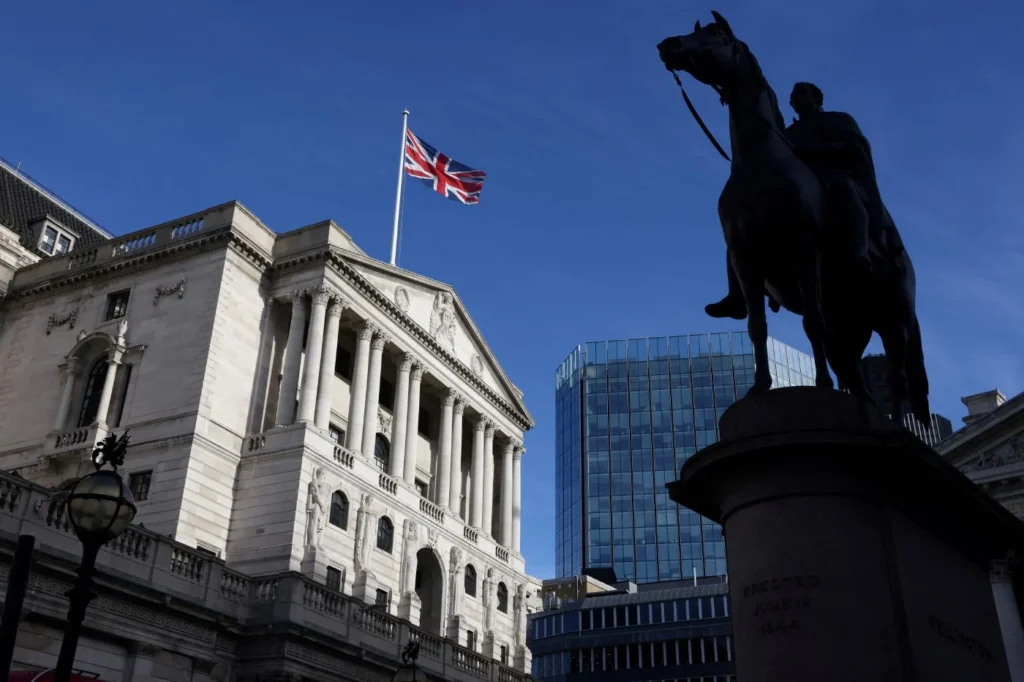
UK Economy Growth ended 2025 on a fragile note, expanding by just 0.1% in December, according to fresh data from the Office for National Statistics (ONS). While the economy avoided contraction, the slowdown has reignited debate over whether the Bank of England (BoE) will accelerate interest rate cuts in 2026. After a turbulent few years marked by inflation spikes, cyber disruptions, and tight monetary policy, Britain’s economic engine appears to be running but only just. December Data Signals Weak UK Economy Growth Momentum The latest figures show: • December 2025 GDP growth: 0.1%• November 2025 GDP growth: 0.2% (revised down from 0.3%)• Quarterly growth (Q4 2025): 0.1%• Full-year 2025 growth: 1.0%• Full-year 2024 growth: 1.1% In simple terms, the UK economy barely expanded during the final quarter of 2025. Growth remained flat compared to the previous quarter, confirming a pattern of sluggish momentum. Although 1.0% annual growth suggests stability, it remains weak by historical standards. For comparison, pre-pandemic UK growth often averaged closer to 2% annually. Manufacturing Drag Weighs on UK Economy Growth A major contributor to December’s slowdown was the manufacturing sector. Manufacturing output fell by 0.5% in December a sharp reversal from November’s 1.9% growth. That earlier boost was largely attributed to Jaguar Land Rover (JLR) resuming factory operations after recovering from a cyberattack that had disrupted production. As that temporary rebound faded, underlying industrial weakness resurfaced. The manufacturing data signals that Britain’s industrial base remains vulnerable to external shocks and structural pressures including higher borrowing costs and global demand uncertainty. Autumn Budget Less Damaging Than Feared There had been concerns that Finance Minister Rachel Reeves’ Autumn Budget tax measures could further dampen UK Economy Growth. However, analysts now suggest the fiscal tightening was milder than anticipated. Grant Slade, economist at Morningstar, noted that the budget has proven “less of a headwind” to near-term activity than initially expected. Still, he cautioned that economic growth is likely to soften in 2026 due to: • The Bank of England’s still restrictive policy stance• A gradually weakening labor market• Slower consumer demand In short, while fiscal policy may not be a major drag, monetary policy remains tight enough to limit expansion. Bank of England Under Pressure as Inflation Falls The spotlight now turns firmly to the Bank of England. Earlier this month, the BoE kept its benchmark interest rate unchanged but the decision was extremely close. Four of the nine Monetary Policy Committee (MPC) members voted for a rate cut. That split vote suggests growing momentum toward further easing. Governor Andrew Bailey highlighted that inflation has fallen significantly from its peak of over 10% three years ago. Even more notably, the BoE now expects inflation to return to its 2% target by spring 2026 sooner than previously projected. This shift in inflation expectations strengthens the case for additional rate reductions. Since August 2024, the Bank has already cut rates six times. Another cut in March 2026 now appears increasingly plausible. What UK Economy Growth Means for 2026 The big question for investors, businesses, and households is whether 2026 will bring renewed expansion or continued stagnation. Key signals to watch: • March 2026 interest rate decision• Labor market data trends• Consumer spending resilience• Manufacturing recovery momentum If borrowing costs decline further, the UK Economy Growth outlook could improve modestly. However, if the labor market deteriorates or global demand weakens, growth may remain subdued. Final Thoughts The UK economy avoided contraction at the end of 2025 but only narrowly. With GDP expanding by just 0.1% in December and quarterly growth flat, the pressure on policymakers is intensifying. As inflation cools and monetary policy shifts, 2026 may prove decisive in determining whether Britain enters a period of sustainable recovery or prolonged stagnation. One thing is certain: the trajectory of UK Economy Growth will remain at the center of economic and political debate in the months ahead.

Private Sector Financing in Pakistan Enters a New Growth Phase
Business

Private Sector Financing in Pakistan Enters a New Growth Phase

Private Sector Financing in Pakistan is emerging as a cornerstone of the country’s economic revival strategy. As Pakistan pushes forward with reform-driven growth, the government is intensifying efforts to protect and expand private sector exposure, reduce sovereign risk, and attract long-term investment through innovative local-currency financing mechanisms. Read More:https://theboardroompk.com/pakistan-banking-sector-announces-voluntary-3-interest-rate-reduction-for-export-sector/ A high-level meeting at the Finance Division signaled this renewed momentum. Federal Minister for Finance and Revenue, Senator Muhammad Aurangzeb, met with a powerful delegation of international investors, including representatives from the International Finance Corporation (IFC), British International Investment (BII), Asian Development Bank (ADB), and Baltoro Capital. The message was clear: Pakistan is positioning the private sector at the center of its economic transformation. Why Private Sector Financing in Pakistan Matters Now Over the past 18 months, Pakistan has worked to restore macroeconomic stability. According to the finance minister, significant progress has been made in stabilizing the currency and rebuilding foreign exchange reserves, which are projected to cover nearly three months of imports by year-end. But stability alone is not the goal. The broader objective of Private Sector Financing in Pakistan is to: • Reduce reliance on sovereign borrowing• Narrow the investment gap• Create a predictable economic environment• Encourage foreign and domestic capital participation By shifting focus toward private equity and local-currency investment structures, Pakistan aims to limit exposure to external shocks while creating sustainable growth pathways. Global Institutions Back Pakistan’s Reform Agenda The presence of IFC, ADB, BII, and Baltoro Capital underscores international confidence in Pakistan’s reform trajectory. These institutions have long supported Pakistan’s development initiatives, but discussions now center on scaling up private sector financing mechanisms. Key areas of collaboration include: • Mobilizing private equity investments• Strengthening trade liberalization efforts• Rationalizing tariffs to enhance competitiveness• Supporting energy sector reforms• Improving tax policy and administration The government is also exploring innovative international financing routes such as the inaugural Panda Bond and the Global Medium-Term Note framework, aimed at diversifying funding sources while maintaining fiscal discipline. Trade Liberalization and Competitive Growth Strategy A significant pillar of Private Sector Financing in Pakistan is enhancing export competitiveness. The government aims to replicate successful Southeast Asian growth models by dismantling protectionist barriers and rationalizing tariffs. Encouragingly, the services sector continues to show strong performance, with exports expected to maintain upward momentum. This shift toward services-led growth aligns with global investment trends and provides new opportunities for private capital deployment. Domestic Investor Confidence Sends Strong Signals Perhaps one of the most compelling developments is rising domestic investor confidence. Successful transactions, including the privatization of Pakistan International Airlines through a local consortium, have sent positive signals to global markets. These developments demonstrate: • Improved transparency in privatization• Strong local investor appetite• Enhanced governance frameworks• A more credible reform narrative For international investors, this represents a turning point. When domestic capital commits first, foreign investors often follow. Reducing Sovereign Risk Through Local-Currency Financing A major theme emerging from the discussions is reducing sovereign risk exposure. By promoting local-currency financing mechanisms, Pakistan aims to shield its economy from exchange-rate volatility and global financial turbulence. This approach strengthens financial resilience while allowing the private sector to play a larger role in infrastructure, energy, and industrial expansion. The Road Ahead for Private Sector Financing in Pakistan The renewed engagement between Pakistan and global development finance institutions signals more than routine diplomacy. It reflects a strategic pivot toward investment-led growth driven by private sector participation. If reforms continue, tax base expansion accelerates, and trade liberalization deepens, Private Sector Financing in Pakistan could become the engine that transforms macroeconomic stabilization into sustainable prosperity. The question now is not whether investors are watching it’s whether Pakistan can sustain reform momentum long enough to convert opportunity into long-term growth.

Pakistan Banking Sector Announces Voluntary 3% Interest Rate Reduction for Export Sector
Business

Pakistan Banking Sector Announces Voluntary 3% Interest Rate Reduction for Export Sector

Karachi: In a major move to support the country’s economic revival, Pakistan’s Banking Sector has yet again stepped up to voluntarily reduce markup rates on the Export Refinance Facility (ERF) by 3.0%. This collective initiative demonstrates the sector’s resolve to prioritise national interest, lowering the cost of doing business for exporters to catalyse foreign exchange earnings. Read More: https://theboardroompk.com/hope-on-four-wheels-pakistan-auto-industry-posts-strongest-gains-in-years-amid-economic-easing/ Effective immediately, this reduction brings the end-user rate for exporters under the ERF scheme down to 4.50% for all new loans and rollovers. The initiative is currently subject to the existing ERF limit of PKR 1,052 billion, though this capacity is designed to be flexible and may increase as and when the State Bank of Pakistan (SBP) or EXIM Bank increases the limit through June 2027. This measure represents a vital public interest intervention, aimed at materially promoting economic progress by lowering financing costs for exporters and strengthening foreign exchange inflows. Citing the latest industry data, the Pakistan Banks Association (PBA) highlighted that banks are actively deploying liquidity to support economic recovery. In FY25, private sector credit grew by Rs. 1.1 trillion, a massive increase compared to Rs 470 billion in FY24, reflecting a strong uptick in both working capital and fixed investment loans. This growth is inclusive, with the sector achieving a 57% surge in the SME borrower base, and the amount extended to SMEs doubling in two years. Simultaneously, the agriculture sector saw a historic rebound, with the borrower base growing from 2.7 million to nearly 3 million—reversing a sliding trend since 2019—and disbursements reaching a record PKR 2.58 trillion. Private Sector credit further expanded by Rs 654 billion (or 6.75%) in the first half of FY26 (Jul-Dec). This support for Priority Sector Lending persisted despite intense fiscal crowding out, as banks financed a massive Rs 1.95 trillion in government borrowing, proving that the sector remains the primary engine of economic support. This rate relief is the latest in a series of strategic interventions by the banking industry to stabilise the national economy, including playing critical roles in reducing circular debt and facilitating the privatisation of Pakistan International Airlines (PIA). Moving forward, the PBA vows to remain focused on value addition for the people of Pakistan. The overarching goal remains twofold: continuing to reward the small investors holding billions of shares in the sector, and expanding financial inclusion to ensure that economic benefits reach every corner of the nation. Mr Zafar Masud, Chairman PBA, stated: “This initiative is not just about numbers; it is about the Banking Sector answering the call of the nation. We recognise that export growth is critical for Pakistan’s economic stability. By providing capital at a highly competitive 4.50%, the sector is proving that it stands firmly behind the State and our exporters. The data speaks for itself: with a PKR 654 billion expansion in private-sector credit and historic highs in Agricultural disbursements, we are ensuring that the wheels of the economy keep turning. From supporting the PIA privatisation to managing circular debt, the banking industry remains fully committed to driving Pakistan’s prosperity.” The Pakistan Banks Association expresses its sincere gratitude to the State Bank of Pakistan and the Federal Government for their continued support and guidance in facilitating these voluntary relief measures. About Pakistan Banks Association Established in 1953, the Pakistan Banks Association (PBA) is the representative body of Pakistan’s banking sector, working to foster a conducive environment for banking operations and financial services in the country. PBA promotes the collective interest of its members and plays a pivotal role in policy advocacy, regulatory engagement, and industry collaboration. PBA represents a sector that continues to be the highest taxpaying in the country, underscoring its critical role in Pakistan’s economic stability and sustainable growth. The sector also leads in corporate social responsibility (CSR), contributing the highest among all industries toward education, healthcare, environmental sustainability, and disaster relief. PBA remains committed to advancing financial inclusion, digital transformation, and sustainable development through innovation and collaboration. Its continued efforts aim to strengthen Pakistan’s economic system, support national priorities, and contribute to the prosperity of the people of Pakistan.

Hope on Four Wheels: Pakistan Auto Industry Posts Strongest Gains in Years Amid Economic Easing
Opinion

Hope on Four Wheels: Pakistan Auto Industry Posts Strongest Gains in Years Amid Economic Easing

Pakistan’s auto industry is finally showing signs of life after enduring two grueling years of stagnation, high interest rates, inflation, and supply disruptions. The latest data from the Pakistan Automotive Manufacturers Association (PAMA) for the first seven months of FY26 (July 2025–January 2026) paints an encouraging picture: passenger car sales reached 84,512 units, up a solid 45% from 58,385 units in the same period last year. Overall car sales (including LCVs, vans, and jeeps) climbed to around 111,368 units, marking a 43% year-on-year increase. January 2026 alone delivered a 43-month high with 23,055 units sold, underscoring that this isn’t a fleeting blip but a sustained rebound. Auto sector expert Mashood Ali Khan aptly describes it as a “clear turnaround.” Lower interest rates from the State Bank of Pakistan have been the single biggest catalyst—reviving auto financing, which is indeed the lifeline of this industry. When borrowing costs ease, monthly installments become manageable, and middle-class buyers return to showrooms. Khan’s projection that single-digit rates could push annual volumes toward 250,000 units is ambitious but not unrealistic if macroeconomic stability holds. Allied industries benefiting from improved economic activity have also boosted purchasing power, creating a virtuous cycle. Segment-wise, the trends are telling. Suzuki continues to dominate the small-car space with affordable, reliable models that urban buyers trust as entry-level vehicles. The SUV segment has turned fiercely competitive, with Japanese, Korean, and increasingly Chinese brands vying aggressively—good news for consumers seeking variety and potentially better value. Motorcycles, especially Honda’s lineup, are on fire, catering to the masses and poised to break records, highlighting two-wheelers’ role as the backbone of affordable mobility in Pakistan. Yet, this recovery remains fragile and uneven. Trucks and buses show only slight improvement, capped by sluggish construction and infrastructure activity—without a major public-sector push, this segment won’t reach its 15,000–20,000 unit potential. Tractors face even tougher headwinds from inconsistent government policies; the sector could easily hit 50,000–60,000 units annually with stable, long-term agricultural support instead of stop-start schemes. Khan rightly cautions that full recovery won’t be declared until volumes cross the 200,000-unit mark again, echoing historical highs of over 230,000 in FY2017-18 and FY2021-22. The current FY26 projection of 180,000–190,000 units signals steady progress but falls short of those peaks. Sustainability depends on three pillars: continued low interest rates, fiscal policy restraint (avoiding sudden taxes or duties that spike costs), and exchange rate stability to prevent imported component inflation. The deeper lesson here is structural. Pakistan’s auto sector has repeatedly underperformed its potential due to policy inconsistency—tariff flip-flops, localization delays, and short-term incentives that distort rather than build the market. A coherent industrialization strategy focused on localization (to reduce import dependence), SME integration (for parts and components), and export orientation could transform the industry from assembly-heavy to a genuine manufacturing hub. This rebound is welcome and overdue, but it’s not victory. It’s a window of opportunity. If policymakers prioritize long-term clarity over quick fixes, the auto sector could drive broader economic growth, job creation, and even export earnings. If not, we’ll be back to boom-bust cycles before long. The numbers are positive—now the policies must match them. The writer is an expert on auto and SMEs and Director of The Mehran Commercial

Delegations Finalize Priority Agenda for Mohammed bin Salman's Pakistan Visit
World

Delegations Finalize Priority Agenda for Mohammed bin Salman’s Pakistan Visit

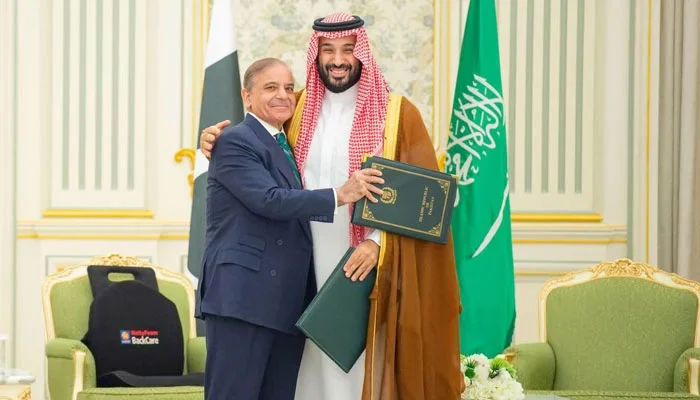
A high-level Saudi delegation has arrived in Pakistan to advance bilateral cooperation and prepare the ground for an anticipated visit by Saudi Crown Prince and Prime Minister Mohammed bin Salman. The move underscores strengthening economic ties between the two nations, focusing on investment, trade, and sectoral partnerships. Read More: https://theboardroompk.com/gen-z-election-bangladesh-votes-to-shape-future-after-hasina-ouster/ Preparations for Crown Prince’s Visit The delegation includes Ibrahim Al-Mubarak, Assistant Minister of Investment of Saudi Arabia, who is currently in Islamabad. A separate team from the office of Mohammad Al-Tuwaijri, Advisor at the Royal Court and Chair of the Pak–KSA Task Force, is also present. Their primary goal is to conduct a final review workshop of sectoral working groups to finalize the SP-ECF framework. A key joint sectoral session on finance, commerce, and energy is scheduled for February 13, 2026, in Islamabad. Senior Pakistani officials, including secretaries from the Finance, Petroleum, Power, and Commerce divisions, will present overviews, with Saudi counterparts sharing their inputs for deliberations. High-profile attendees include Pakistan’s Minister for Finance, Minister of State for Finance, Commerce Minister, Ministers for Petroleum and Power, Minister for Climate Change Dr. Musadik Malik, Minister for Economic Affairs Ahad Khan Cheema, and others such as the Chairman Federal Board of Revenue and Deputy Governor of the State Bank of Pakistan. Focus on Trade, Investment, and Key Sectors Recent discussions between Federal Minister for Commerce Jam Kamal Khan and Ibrahim Al-Mubarak highlighted an investment-led approach. Both sides emphasized leveraging Pakistan’s production capacity and Saudi Arabia’s capital, market access, and connectivity to explore regional markets in Central Asia, Africa, and ASEAN. Saudi interest was expressed in corporate farming for rice, with investments in mechanization, storage, and logistics for long-term exports. Broader agriculture talks covered fodder, meat, and agri-products, potentially supported by Saudi financing for export-linked projects with guaranteed off-take. Human resource development emerged as a priority, with Saudi shortages in nurses, caregivers, technicians, and hospitality staff. Proposals include train-to-deploy models linking Pakistani vocational training to employment opportunities. Other areas include building materials like limestone and marble, pharmaceuticals, sports goods, footwear, and light manufacturing through joint ventures and contract manufacturing. The talks aim to boost competitiveness, value chains, and employment via follow-up workshops and business engagements.

Gen Z Election: Bangladesh Votes to Shape Future After Hasina Ouster
Pakistan

Gen Z Election: Bangladesh Votes to Shape Future After Hasina Ouster

Millions of Bangladeshis lined up at polling booths on February 12, 2026, to participate in a groundbreaking general election and constitutional referendum, the first since the dramatic 2024 youth-led revolution that ended Sheikh Hasina’s long rule. Read More: Return to Democracy Post-Uprising The 2024 protests, spearheaded by Gen Z students, forced Hasina into exile in India amid widespread demands for change. The upheaval disrupted the economy but paved the way for an interim administration under Muhammad Yunus, who has overseen reforms to prevent authoritarian backsliding. Yunus, casting his vote early, called it the end of a “nightmare” and the start of a new dream for justice and inclusion. The concurrent referendum addresses core demands from the uprising, such as power-sharing mechanisms, parliamentary restructuring, and limits on prime ministerial terms to foster balanced governance. This marks Bangladesh’s most significant electoral exercise in decades, with international observers watching closely for fairness. Major Players and Voter Priorities With Hasina’s Awami League barred, the race centers on the BNP, fronted by Tarique Rahman, and a Jamaat-e-Islami-led alliance. The BNP appears favored in surveys, promising clean politics and anti-corruption measures. Voter turnout is expected to be high among the 128 million registered electors, despite economic woes like inflation dominating concerns. Heavy security deployments aim to ensure smooth proceedings across most constituencies. Experts view the outcome as crucial for stability, economic recovery, and redefining regional ties, including strained relations with India and potential shifts toward other powers. A decisive, accepted result could usher in a new chapter of democratic governance.

Historic PSL Auction: Saim Ayub and Naseem Shah Dominate Expensive List
Pakistan

Historic PSL Auction: Saim Ayub and Naseem Shah Dominate Expensive List

The inaugural PSL 2026 player auction delivered fireworks as franchises splashed big on talent, reshaping squads for the upcoming season. With the league introducing an auction over the old draft, excitement peaked in Lahore, where bids soared for elite cricketers. Read More: https://theboardroompk.com/pakistan-federal-debt-reaches-rs78-529trn-end-dec-2025-on-local-borrowing/ Highest Valued Players and Standout Deals Topping the charts was Saim Ayub’s retention by Hyderabad Houston Kingsmen for Rs126 million, making him the overall most expensive name. The auction proper saw Naseem Shah become the headline act, secured by Rawalpindi for Rs86.5 million as the costliest pacer. Faheem Ashraf drew Rs85 million from Islamabad United, underscoring the premium on all-rounders. Daryl Mitchell commanded Rs80.5 million to Rawalpindi, while Fakhar Zaman (Rs79.5 million to Lahore Qalandars) and David Warner (Rs79 million to Karachi Kings) rounded out the elite tier. Haris Rauf fetched Rs76 million for Lahore Qalandars, with Mark Chapman (Rs70 million, Islamabad United) and Khawaja Mohammad Nafay (Rs65 million, Quetta Gladiators) also featuring prominently. Franchise Strategies and Season Outlook Teams adopted varied approaches: Rawalpindi bolstered bowling with Naseem and Mitchell, Islamabad emphasized balance via Faheem and Chapman, and Lahore retained core locals for stability. New sides like Hyderabad invested heavily in retentions, while Karachi added global experience with Warner. This auction era raises the stakes for PSL Season 11, promising fiercer competition and higher entertainment from March 26 onward, as franchises aim to capitalize on their high-profile signings.

Scroll to Top