Author name: Web Desk

Trump Imposes 10% Global Tariff After Supreme Court Strikes Down Emergency Duties
Pakistan

Trump Imposes 10% Global Tariff After Supreme Court Strikes Down Emergency Duties

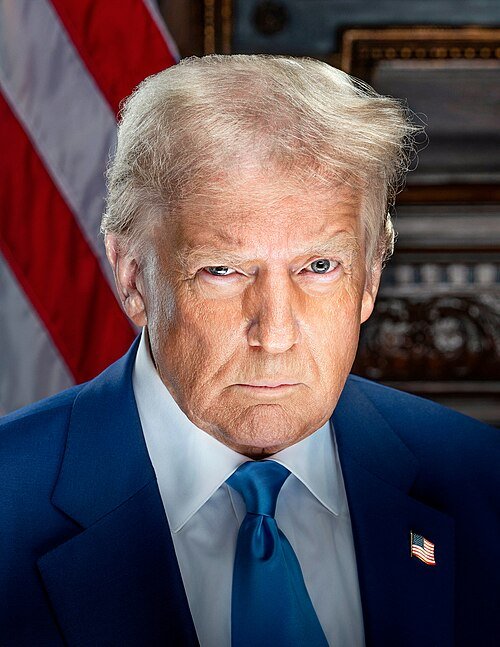
US President Donald Trump signed an executive order on February 20, 2026, imposing a temporary 10% import duty on goods from all trading partners, effective February 24, 2026. Read More: https://theboardroompk.com/jpmorgan-recruits-chips-and-defense-veterans-for-1-5-trillion-security-push/ This move comes hours after the US Supreme Court struck down his previous sweeping tariffs imposed under the 1977 International Emergency Economic Powers Act (IEEPA). The high court ruled 6-3 that the president exceeded his authority by using emergency powers for broad import taxes, invalidating duties ranging from 10% to 50% on various countries. New Tariff Under Alternative Trade Law The new 10% tariff is enacted under Section 122 of the Trade Act of 1974, which permits up to 15% duties for 150 days to address serious balance-of-payments deficits. Trump cited the US’s worsening trade imbalance as justification for the measure. Exemptions include aerospace products, passenger cars and light trucks, compliant goods from Mexico and Canada under the USMCA, pharmaceuticals, critical minerals, and certain agricultural items. The order also halts collection of the now-illegal IEEPA tariffs, with potential refunds for previously paid duties estimated at over $175 billion, though the process may face delays through litigation. Administration Plans Further Actions and Investigations Trump announced new probes under Section 301 for unfair trade practices and Section 232 for national security concerns, which could lead to higher, targeted tariffs after the 150-day period. Treasury Secretary Scott Bessent stated that these steps would maintain roughly the same tariff revenue levels in 2026, describing the approach as “less direct” but effective. Trump remarked that alternatives exist and could generate even more revenue, with rates potentially varying by country based on trade behavior. Officials emphasized that the shift introduces more procedural structure compared to the emergency-based duties. The decision injects short-term uncertainty into global trade but aims to preserve leverage in ongoing negotiations. Markets and trading partners are monitoring developments closely amid broader US trade policy shifts.
Pakistan Govt Proposes Linking Power, Gas Tariffs to Household Earnings Under IMF Reforms
Pakistan

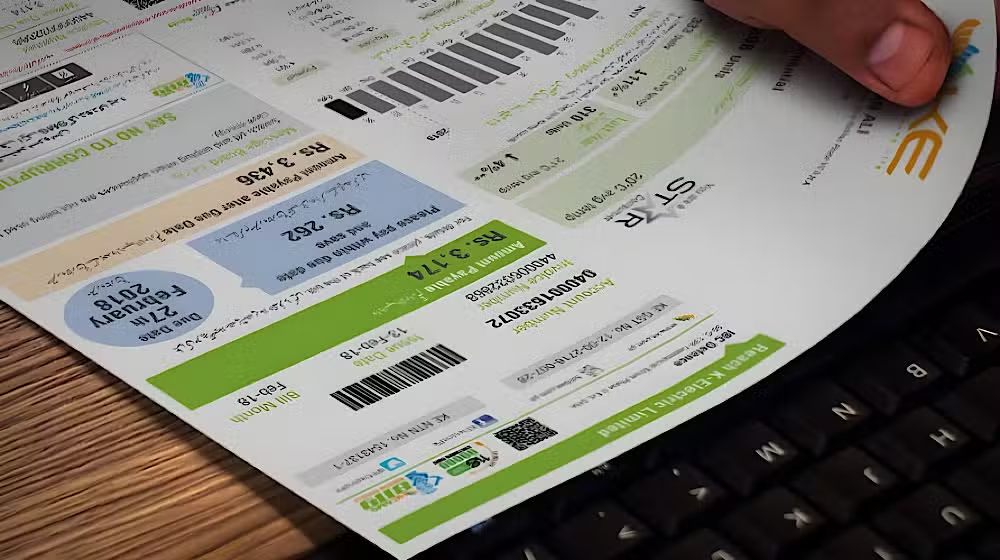
Pakistan Govt Proposes Linking Power, Gas Tariffs to Household Earnings Under IMF Reforms

The federal government of Pakistan is preparing a significant overhaul of electricity and gas pricing, shifting from the current consumption-based slab system to an income-linked model, as reported on February 20, 2026. Read More: https://theboardroompk.com/pakistan-has-the-talent-but-needs-the-will-to-win-the-ai-race-says-devsinc-ceo/ This change aims to make subsidies more targeted and efficient amid ongoing energy sector reforms. Shift from Usage to Income Criteria Under the existing system, tariffs depend on units consumed, with lower slabs receiving subsidies. The proposed model would base subsidies and pricing primarily on household income levels rather than consumption volume. Higher-income households would pay closer to actual energy costs, while lower-income groups continue receiving support. Officials indicate this targets aid more effectively to deserving consumers and reduces inefficiencies in the power and gas sectors. Tied to IMF Commitments and Broader Reforms The initiative aligns with Pakistan’s obligations under the IMF’s Extended Fund Facility (EFF), which requires structural improvements to address circular debt, cross-subsidies, and sector losses. The IMF has stressed that tariff adjustments should protect lower- and middle-income families from undue burden. Discussions involve integrating the new system with social protection databases or income verification mechanisms for accurate assessment. No exact implementation timeline or detailed slabs (e.g., income quantiles Q1-Q4) have been finalized publicly, but groundwork is underway. Public Reactions and Potential Challenges Online comments reflect skepticism and concern, with users questioning enforcement, potential incentives for income under-reporting, and calls to address root issues like mismanagement first. Some view it as shifting burdens to compliant taxpayers while benefiting those evading systems. The proposal follows recent tariff discussions, including fixed charges and industrial relief, highlighting ongoing efforts to balance fiscal sustainability with consumer protection in Pakistan’s energy pricing landscape.

PTA to Deploy Internet & Telecom Surveillance System
Politics

PTA to Deploy Internet & Telecom Surveillance System

The Pakistan Telecommunication Authority is preparing to introduce a nationwide system designed to oversee internet and telecom networks, with the goal of improving efficiency, security, and regulatory control. The plan includes creating a National Telecom Monitoring Solution that will establish a structured framework for Internet Exchange Points (IXPs), allowing better coordination across Pakistan’s digital infrastructure. Read More: https://theboardroompk.com/jpmorgan-recruits-chips-and-defense-veterans-for-1-5-trillion-security-push/ Under this initiative, the authority intends to develop both technical and regulatory standards to guide the establishment and interconnection of IXPs throughout the country. These exchange points are expected to streamline internet traffic management and reduce dependence on international routing channels. Officials say the new monitoring system will provide real-time insights into network performance, traffic flows, and possible security threats. This visibility would help improve service quality and enable faster responses to outages or cyber risks. The framework will also outline clear requirements for telecom operators, internet service providers, and related stakeholders to ensure uniform implementation. Authorities believe the move could lead to lower latency, stronger compliance with regulations, and more reliable digital services. It is also part of a broader strategy to localize internet traffic and enhance national data governance by reducing reliance on foreign networks. Before finalizing the framework, the regulator plans to consult industry stakeholders to align the system with global standards and local needs.

JPMorgan Recruits CHIPS and Defense Veterans for $1.5 Trillion Security Push
World

JPMorgan Recruits CHIPS and Defense Veterans for $1.5 Trillion Security Push

JPMorgan Chase has named several senior leaders with backgrounds from U.S. government programs to accelerate its ambitious Security & Resiliency Initiative (SRI), according to an internal memo reported by Reuters on February 20, 2026. Read More: https://theboardroompk.com/jazz-ceo-urges-global-investors-to-invest-now-at-austria-business-forum/ The 10-year, $1.5 trillion SRI, launched in October 2025, focuses on financing and investing in sectors vital to national security and economic resilience. Key Appointments Bring Government Expertise Kevin Quinn, formerly with the U.S. Department of Commerce’s CHIPS Program Office, now leads SRI efforts in frontier and strategic technologies, including semiconductors and AI. Trevor Burns heads defense and aerospace for the initiative. Sara O’Rourke oversees SRI Solutions, a cross-functional team tackling supply chain vulnerabilities in manufacturing and high-tech industries; she previously served as an investment director at the CHIPS Investment Office. Additional moves include Shannon Wu and Kelly Wolfe supporting SRI banking and operations, while Caroline Sambuco joins as vice president in SRI Solutions with prior CHIPS experience. These hires reflect JPMorgan’s strategy to leverage specialized knowledge from CHIPS Act-related roles and defense sectors. Broad Focus on Critical Industries The SRI aims to facilitate massive financing across semiconductors, defense, energy, artificial intelligence, critical infrastructure, and related areas amid rising geopolitical concerns. It includes an initial $10 billion in direct equity and venture capital investments in U.S.-based companies to boost growth, innovation, and strategic manufacturing. The bank positions the effort as a response to U.S. dependencies on foreign supply chains for essential materials and technologies. No new funding commitments were announced in the memo, but the appointments signal intensified execution of the long-term plan. This development highlights growing private-sector involvement in bolstering national security priorities, aligning with broader government pushes like the CHIPS Act.

Pakistan has the Talent but Needs the Will to Win the AI Race, says Devsinc CEO
Pakistan

Pakistan has the Talent but Needs the Will to Win the AI Race, says Devsinc CEO

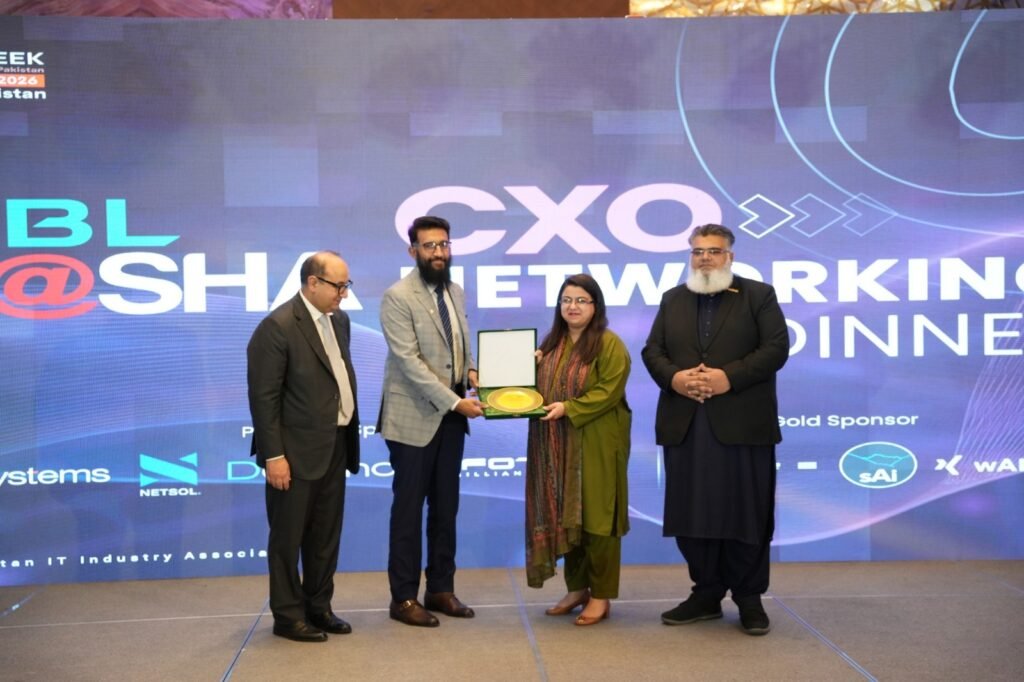
February 20, 2026 – Pakistan is well positioned to capture growth in the global IT market, particularly in the GCC and North American Regions. Usman Asif, Global CEO, Devsinc says that the worldwide IT market is projected to exceed USD 6 trillion in 2026, and AI alone expected to add USD 4.4 trillion to global corporate profits annually which Pakistan can tap into, through targeted institutional support. Read More: https://theboardroompk.com/fbr-cracks-down-on-textile-spinning-units-with-digital-eye-enforcement/ Usman Asif said that Pakistan, which graduates 300,000 IT professionals each year, has both the talent and the momentum to compete; however, the country must act decisively on a few fronts to hit its USD 15 billion export target by 2030. Speaking at the CXO dinner event at Indus AI Week in Islamabad recently, he stressed on increasing women’s participation in the IT industry, expanded fiber optic infrastructure, and increased investment in rural youth training and upskilling across the country. “These aren’t just social initiatives. They’re economic imperatives,” he said. “Women represent half our population but account for barely 20% of our IT workforce. This is economic malpractice.” He highlighted that Pakistan is currently witnessing eighteen consecutive months of growth in IT exports with USD 2.24 billion earned in the first half of FY2025-26 alone and we need to keep this momentum going. Usman Asif was among the many industry leaders at the Indus AI Week to address Pakistan’s technology trajectory and received a formal award from Federal IT Minister Shaza Khawaja in recognition of Devsinc’s contributions to the sector. He also acknowledged the Ministry of IT and Telecommunications, PSEB, PASHA, and SIFC for regulatory reforms and coordination that have supported the sector’s growth, including foreign currency retention policies and facilitation at international events. On Devsinc’s own ambitions, Usman Asif was equally direct: “Our aspiration is to help shape a Pakistani technology company recognized on the global stage; valued not only for efficiency, but for innovation, reliability, and quality.” Devsinc’s delegation at the event included Chief Business Officer, Atta Ur Rehman; SVP Ecommerce, Umar Farooq Rana; SVP Sales Engineering, Rehmat Qadir; and Head of Global Marketing Moiz S. Varind.

FBR Cracks Down on Textile Spinning Units with “Digital Eye” Enforcement
Pakistan

FBR Cracks Down on Textile Spinning Units with “Digital Eye” Enforcement

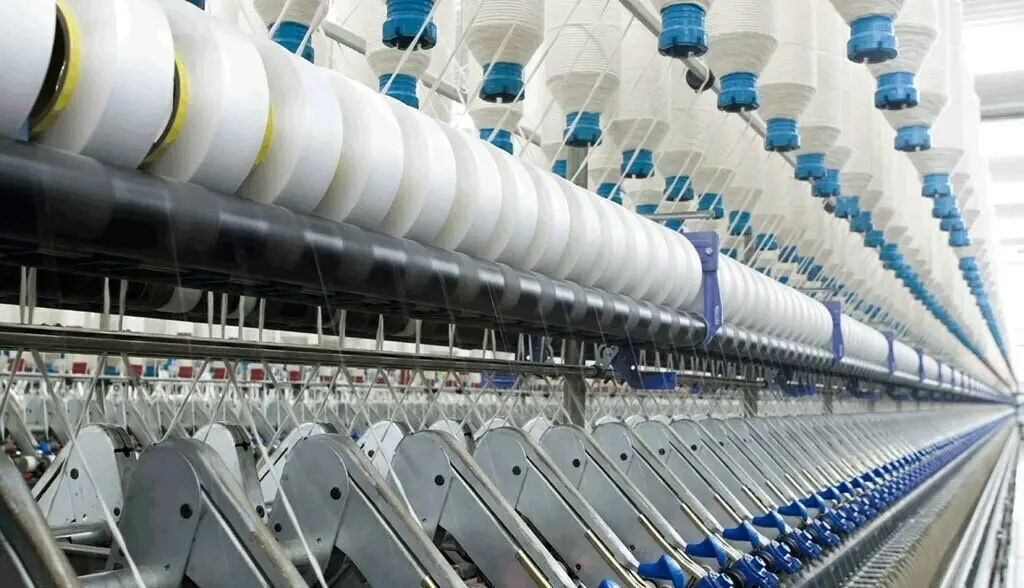
The Federal Board of Revenue (FBR) is taking decisive action against textile spinning units that have delayed or refused to install its advanced digital eye monitoring system, aiming to bring unprecedented transparency to Pakistan’s textile industry. This move is part of the FBR’s broader strategy to combat tax evasion and monitor the movement of cotton bales across production facilities. Read More: https://theboardroompk.com/glenn-maxwell-psl-11-signing-australian-star-chooses-psl-over-ipl-in-surprise-move/ Strict Enforcement Ahead for Spinning Units Following repeated deadline extensions, the FBR has now instructed all field offices to initiate stringent enforcement against non-compliant spinning units. Officials confirmed that measures could include sealing of business premises, suspension of sales tax registration, financial penalties, import embargoes, blacklisting, and denial of clearance for goods from non-compliant facilities. Out of 421 registered spinning units in Pakistan, around 300 are operational, making these facilities a key target for the new monitoring system. By installing the digital eye, the FBR aims to track and record the flow of cotton, particularly the unreported or “Gol Maal” stock that escapes the tax net. Digital Eye: Targeting Undocumented Cotton Pakistan consumes approximately 13 million cotton bales annually, of which 5 to 6 million are locally produced. Currently, around 9 million bales are documented for taxation, while the rest are believed to circulate unofficially without payment of sales tax. The FBR sees the spinning stage as a critical choke point for curbing such practices. The digital eye textile monitoring system uses video analytics to capture and track the movement of cotton bales at spinning facilities. By doing so, the FBR aims to ensure all locally consumed cotton is documented, preventing misuse and plugging revenue gaps caused by unregistered production. Legal and Industry Challenges Implementation of the FBR digital eye textile monitoring system has not been without challenges. Some spinning units, supported by the All Pakistan Textile Mills Association (APTMA), resisted the installation. Legal action was also sought in the Lahore High Court, though the court declined to grant a stay on enforcement, clearing the path for immediate action. To encourage compliance, the FBR introduced a tax credit facility to offset the cost of installing the monitoring technology. Furthermore, a joint committee of FBR and APTMA representatives was formed to oversee smooth deployment. Despite these efforts, non-cooperation from certain units has prompted the FBR to signal that enforcement will proceed “at any cost.” Economic Implications for Pakistan’s Textile Sector The textile industry is a backbone of Pakistan’s economy, contributing significantly to exports and employment. By enforcing the digital eye textile monitoring system, the FBR not only aims to increase tax compliance but also strengthen accountability in the supply chain. Tracking undocumented cotton could lead to more accurate production records, increased government revenue, and a fairer playing field for compliant businesses. Industry analysts suggest that full implementation of the FBR digital eye could potentially recover revenues lost to unreported cotton consumption and discourage future evasion. Units that comply could benefit from smoother operations and greater credibility in both domestic and international markets, while non-compliant facilities risk severe disruption and financial loss. Looking Ahead With deadlines already expired and legal obstacles cleared, the FBR is determined to enforce its monitoring system nationwide. Spinning units that resist compliance now face immediate punitive measures, signaling a new era of digital surveillance and accountability in Pakistan’s textile sector. This development underscores the government’s focus on modernizing tax collection and ensuring transparency in one of the country’s most crucial industries. For textile entrepreneurs, adopting the digital eye system is no longer optional but essential for uninterrupted operations and compliance with national regulations.

Macron India Visit: Backs India's 114 Rafale Order with Strong Make in India Commitment
World

Macron India Visit: Backs India’s 114 Rafale Order with Strong Make in India Commitment

French President Emmanuel Macron announced on February 19, 2026, that France and India are entering a “new era” of defence cooperation, highlighted by plans to jointly produce Rafale fighter jets in India. Speaking at the end of a three-day visit to New Delhi, Macron emphasized expanding the Rafale program through co-production under India’s “Make in India” initiative. Read More: https://theboardroompk.com/glenn-maxwell-psl-11-signing-australian-star-chooses-psl-over-ipl-in-surprise-move/ This follows India’s Defence Acquisition Council granting initial clearance last week for procuring 114 additional Rafale jets for the air force. Macron described the move as a “new step forward” in bilateral ties. Co-Production and Indigenous Focus Macron stated that India had confirmed its intent to order 114 Rafales and co-produce them domestically. He committed to maximizing Indian components and critical manufacturing in India, aligning with demands for higher indigenous content—potentially up to 50% in phases. Details of the deal, including the joint venture partner and exact co-production terms, await technical and commercial negotiations. Reports estimate the package at around 3.25 trillion rupees ($35-40 billion), with most jets to be built locally. Macron defended the Rafale against critics, asserting it strengthens India’s military and creates jobs, dismissing questions about its performance in recent conflicts. Broader Defence and Strategic Ties Beyond Rafales, Macron expressed hope for similar cooperation on submarines, noting France’s offer of additional capacities. India already operates six French Scorpene-class submarines, with potential for more orders. The visit also saw announcements on helicopter assembly: a joint venture between Airbus and Tata Advanced Systems for H125 helicopters, plus co-production of HAMMER missiles by Safran and Bharat Electronics. Macron highlighted the “unique” global strategic partnership between France and India, extending to future needs in combat aviation through 2040-2050, AI, and emerging technologies. The developments underscore deepening Indo-French defence-industrial collaboration amid regional security dynamics.

Glenn Maxwell PSL 11 Signing: Australian Star Chooses PSL Over IPL in Surprise Move
Politics

Glenn Maxwell PSL 11 Signing: Australian Star Chooses PSL Over IPL in Surprise Move

The Glenn Maxwell PSL 11 signing has sent ripples across the cricketing world, as the explosive Australian all-rounder, Glenn Maxwell, has opted to feature in the upcoming season of the Pakistan Super League instead of participating in the Indian Premier League. This unexpected decision has ignited curiosity among fans and analysts alike, raising questions about shifting player preferences and the growing global appeal of the PSL. Why the Glenn Maxwell PSL 11 Signing Matters Maxwell’s move is more than just a player transfer it signals a subtle shift in the dynamics of franchise cricket. Known for his aggressive batting, innovative stroke play, and match-winning abilities, Maxwell brings instant star power to any league he joins. By choosing PSL 11, he adds significant international weight to the tournament, further strengthening its reputation as one of the most competitive T20 leagues in the world. For fans, the Glenn Maxwell PSL 11 signing promises thrilling performances, unpredictable innings, and high entertainment value elements that Maxwell consistently delivers on the field. Hyderabad Kingsmen Secure a Game-Changer The franchise Hyderabad Kingsmen officially confirmed Maxwell’s inclusion, marking a major milestone ahead of PSL 11. In their announcement, the Kingsmen expressed confidence that Maxwell will play a pivotal role in shaping the team’s campaign. His experience across global leagues, including the Big Bash and previous IPL seasons, makes him a strategic asset. Rather than simply adding another international name, the Kingsmen have secured a player capable of changing the course of matches single-handedly something every franchise seeks but few achieve. Glenn Maxwell PSL 11 Signing: A Strategic Shift? Maxwell’s decision to skip the IPL has sparked widespread debate. While the IPL has traditionally been the most lucrative and high-profile T20 competition, the Glenn Maxwell PSL 11 signing highlights a growing trend: players are increasingly exploring diverse leagues based on form, opportunity, and strategic fit. This move could also reflect scheduling considerations, workload management, or a desire for a fresh challenge in different playing conditions. Pakistan’s pitches, known for offering a mix of pace and spin challenges, present a unique test even for seasoned players like Maxwell. What This Means for PSL 11 The Glenn Maxwell PSL 11 signing elevates expectations for the tournament. With international stars choosing PSL over other leagues, the competition’s global standing continues to rise. Fans can expect: • Higher viewership and international attention• Increased competitiveness among franchises• More thrilling, high-scoring encounters Maxwell’s presence alone has the potential to draw neutral viewers, especially those who follow global T20 leagues closely. The Bigger Picture: PSL’s Growing Global Appeal Over the years, the Pakistan Super League has steadily built its brand as a premier cricketing event. The Glenn Maxwell PSL 11 signing reinforces the league’s upward trajectory. It demonstrates that PSL is no longer just a regional tournament it is becoming a global stage where top-tier talent chooses to perform. As more international players consider PSL a priority, the league could soon rival other major T20 competitions in both prestige and commercial value. Final Thoughts The Glenn Maxwell PSL 11 signing is not just a headline it’s a statement. It reflects changing priorities in modern cricket, highlights PSL’s growing influence, and promises fans a season filled with excitement and unpredictability. As PSL 11 approaches, all eyes will be on Maxwell and the Hyderabad Kingsmen to see whether this bold move translates into on-field success.

Karachi Waste Management Project SWEEP Accelerates for a Cleaner, Greener City
Pakistan

Karachi Waste Management Project SWEEP Accelerates for a Cleaner, Greener City

The Karachi Waste Management Project SWEEP is rapidly emerging as a transformative initiative set to redefine how Pakistan’s largest city handles its growing waste challenge. Approved for acceleration by the Sindh government, this ambitious project signals a major shift toward sustainable urban living in Karachi. Led by Syed Murad Ali Shah and implemented in collaboration with the World Bank, SWEEP is more than just a waste management upgrade it represents a long-term vision for environmental protection, public health, and climate resilience. Why Karachi Waste Management Project SWEEP Matters Karachi, a megacity generating thousands of tonnes of waste daily, has long struggled with outdated disposal systems and environmental hazards. The Karachi Waste Management Project SWEEP directly addresses these issues by introducing an integrated and modernized approach. The project focuses on: • Reducing the city’s carbon footprint• Ensuring compliance with environmental standards• Improving waste collection and disposal efficiency• Supporting informal waste workers and their livelihoods Murad Ali Shah emphasized that integrated solid waste management is essential not only for cleanliness but also for safeguarding public health and strengthening climate resilience. Infrastructure Driving the Karachi Waste Management Project SWEEP A key strength of the Karachi Waste Management Project SWEEP lies in its infrastructure development, which replaces outdated systems with modern, environmentally compliant facilities. Modern Garbage Transfer Stations (GTS) New Garbage Transfer Stations are being constructed at multiple strategic locations, including Sharafi Goth, Dinga Morr, Imtiaz, and Gutter Baghicha. These facilities are designed to: • Streamline waste collection and transfer• Enable efficient waste segregation• Reduce environmental and health risks As of early 2026, the Sharafi Goth station has crossed the halfway construction mark, while others are progressing steadily toward completion, expected by August 2026. Jam Chakro Landfill Site (LFS) The Jam Chakro landfill site is a cornerstone of the Karachi Waste Management Project SWEEP. Spread across 485 acres, this engineered landfill introduces: • Scientific waste disposal methods• Leachate management systems to prevent groundwater contamination• Gas wells to control emissions With a current progress level of over 40 percent, the site is being developed in phases and is designed to handle up to 7,000 tonnes of waste daily over a lifespan of approximately 6.5 years. Environmental and Economic Impact of Karachi Waste Management Project SWEEP Beyond infrastructure, the Karachi Waste Management Project SWEEP is expected to deliver wide-ranging environmental and socio-economic benefits. Environmentally, it will significantly reduce pollution levels and help Karachi align with global sustainability standards. Economically, it creates opportunities for improved livelihoods, particularly for waste pickers who are often part of the informal economy. The project also aligns with Pakistan Vision 2025, which prioritizes sustainable urban development, pollution control, and modernization of municipal services. Challenges and the Road Ahead Despite strong progress, the Karachi Waste Management Project SWEEP faces challenges, including delays and performance gaps. The Sindh government has directed authorities to maintain momentum, address bottlenecks, and ensure timely delivery of all project components. The urgency is clear: Karachi’s growing population and waste generation demand immediate, scalable solutions. A Cleaner Karachi on the Horizon The Karachi Waste Management Project SWEEP is not just a development project it is a critical step toward reshaping the future of urban living in Pakistan. By combining modern infrastructure, environmental responsibility, and social inclusion, the initiative promises to transform Karachi into a cleaner, greener, and more livable city. As implementation accelerates, all eyes are on how effectively this flagship project delivers on its promise and whether it can become a model for other cities facing similar urban challenges.

Oil and Gas Discovery Pakistan is once again in the spotlight as Oil and Gas Development Company Limited (OGDC) announces a promising new find at the Baragzai X-01 (Slant) well in the Nashpa Block. Situated in the resource-rich Kohat district of Khyber Pakhtunkhwa, this development signals a potential step forward in addressing the country’s persistent energy deficit. While not classified as a mega discovery, the find has generated considerable interest across the energy sector due to its commercial viability and strategic location. Details of the Oil and Gas Discovery Pakistan at Nashpa Block The Oil and Gas Discovery Pakistan story unfolds with encouraging production test results. OGDC confirmed that the well produced both crude oil and natural gas from the Lumshiwal formation during testing. Rather than raw figures alone, the results paint a clear picture of moderate yet commercially feasible output. The well is currently producing over two hundred barrels of oil per day alongside more than one million standard cubic feet of gas daily. The pressure and flow conditions suggest stable extraction potential, reinforcing confidence in the site’s productivity. The discovery is part of a joint venture where OGDC holds a dominant stake, working alongside Pakistan Petroleum Limited and Government Holdings (Private) Limited. This collaboration highlights the importance of public-sector partnerships in driving Pakistan’s upstream exploration efforts. Why This Oil and Gas Discovery Pakistan Matters This Oil and Gas Discovery Pakistan may not dramatically transform the energy landscape overnight, but it holds meaningful implications for the country’s long-term strategy. Pakistan has long struggled with a widening gap between energy demand and domestic supply. Discoveries like Nashpa contribute incremental volumes that reduce reliance on costly imports. Over time, even modest additions can significantly stabilize supply chains and improve economic resilience. The Nashpa Block itself has proven to be a consistent performer. The latest well adds another layer of confidence in the region’s hydrocarbon potential, signaling that further exploration could unlock additional reserves. Multi-Zone Potential Strengthens Oil and Gas Discovery Pakistan Outlook One of the most intriguing aspects of this Oil and Gas Discovery Pakistan is the multi-layered nature of the reservoir system. The Baragzai X-01 well was drilled deep over 5,000 meters intersecting several hydrocarbon-bearing formations. Earlier tests had already indicated the presence of oil and gas in deeper formations such as Kingriali, Datta, and Samana Suk. The addition of Lumshiwal and Hangu formations confirms a stacked petroleum system, meaning multiple productive layers exist within the same well. This significantly enhances the economic viability of the discovery. Instead of relying on a single producing zone, operators can tap into multiple layers, extending the life and output of the well. Exploration Momentum and Future Prospects Spudded at the end of 2024, the Baragzai X-01 well reflects OGDC’s continued commitment to expanding Pakistan’s domestic energy base. The company has been actively investing in exploration to counter declining reserves and rising demand. The success of this well is likely to encourage further drilling in the Nashpa Block and surrounding regions. With each discovery, the geological understanding of the basin improves, reducing exploration risk and attracting more investment into the sector. A Small Discovery with Big Implications In the broader narrative of Oil and Gas Discovery Pakistan, this find represents a steady, strategic gain rather than a dramatic breakthrough. Yet, such developments are crucial building blocks in achieving energy independence. By adding new reserves and confirming multi-zone productivity, OGDC has reinforced confidence in Pakistan’s untapped hydrocarbon potential. As exploration continues, similar discoveries could collectively reshape the country’s energy outlook.
Business

Oil and Gas Discovery Pakistan: OGDC Strikes New Reserves in Nashpa Block

Oil and Gas Discovery Pakistan is once again in the spotlight as Oil and Gas Development Company Limited (OGDC) announces a promising new find at the Baragzai X-01 (Slant) well in the Nashpa Block. Situated in the resource-rich Kohat district of Khyber Pakhtunkhwa, this development signals a potential step forward in addressing the country’s persistent energy deficit. While not classified as a mega discovery, the find has generated considerable interest across the energy sector due to its commercial viability and strategic location. Details of the Oil and Gas Discovery Pakistan at Nashpa Block The Oil and Gas Discovery Pakistan story unfolds with encouraging production test results. OGDC confirmed that the well produced both crude oil and natural gas from the Lumshiwal formation during testing. Rather than raw figures alone, the results paint a clear picture of moderate yet commercially feasible output. The well is currently producing over two hundred barrels of oil per day alongside more than one million standard cubic feet of gas daily. The pressure and flow conditions suggest stable extraction potential, reinforcing confidence in the site’s productivity. The discovery is part of a joint venture where OGDC holds a dominant stake, working alongside Pakistan Petroleum Limited and Government Holdings (Private) Limited. This collaboration highlights the importance of public-sector partnerships in driving Pakistan’s upstream exploration efforts. Why This Oil and Gas Discovery Pakistan Matters This Oil and Gas Discovery Pakistan may not dramatically transform the energy landscape overnight, but it holds meaningful implications for the country’s long-term strategy. Pakistan has long struggled with a widening gap between energy demand and domestic supply. Discoveries like Nashpa contribute incremental volumes that reduce reliance on costly imports. Over time, even modest additions can significantly stabilize supply chains and improve economic resilience. The Nashpa Block itself has proven to be a consistent performer. The latest well adds another layer of confidence in the region’s hydrocarbon potential, signaling that further exploration could unlock additional reserves. Multi-Zone Potential Strengthens Oil and Gas Discovery Pakistan Outlook One of the most intriguing aspects of this Oil and Gas Discovery Pakistan is the multi-layered nature of the reservoir system. The Baragzai X-01 well was drilled deep over 5,000 meters intersecting several hydrocarbon-bearing formations. Earlier tests had already indicated the presence of oil and gas in deeper formations such as Kingriali, Datta, and Samana Suk. The addition of Lumshiwal and Hangu formations confirms a stacked petroleum system, meaning multiple productive layers exist within the same well. This significantly enhances the economic viability of the discovery. Instead of relying on a single producing zone, operators can tap into multiple layers, extending the life and output of the well. Exploration Momentum and Future Prospects Spudded at the end of 2024, the Baragzai X-01 well reflects OGDC’s continued commitment to expanding Pakistan’s domestic energy base. The company has been actively investing in exploration to counter declining reserves and rising demand. The success of this well is likely to encourage further drilling in the Nashpa Block and surrounding regions. With each discovery, the geological understanding of the basin improves, reducing exploration risk and attracting more investment into the sector. A Small Discovery with Big Implications In the broader narrative of Oil and Gas Discovery Pakistan, this find represents a steady, strategic gain rather than a dramatic breakthrough. Yet, such developments are crucial building blocks in achieving energy independence. By adding new reserves and confirming multi-zone productivity, OGDC has reinforced confidence in Pakistan’s untapped hydrocarbon potential. As exploration continues, similar discoveries could collectively reshape the country’s energy outlook.

Scroll to Top