Author name: Web Desk

Pakistan's Bumper Crops of $2B Rot as Afghan Border Remains Shut
Pakistan

Pakistan’s Bumper Crops of $2B Rot as Afghan Border Remains Shut

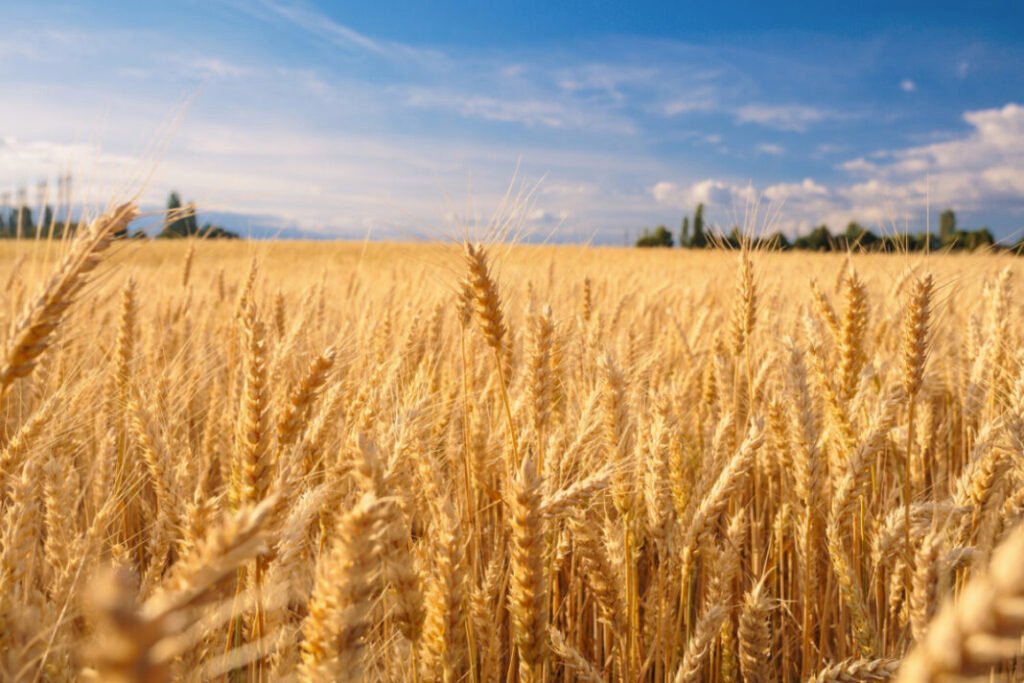
The prolonged closure of the Pakistan-Afghanistan border, now stretching beyond four months since October 2025, continues to devastate key export sectors. Exporters report massive losses from perishable goods unable to reach markets. Read More: https://theboardroompk.com/kse-100-index-rally-psx-surges-5702-points-in-a-powerful-comeback/ Trade Losses Mount to BillionsWaheed Ahmed, Patron-in-Chief of the All Pakistan Fruit & Vegetable Exporters Importers & Merchants Association, estimates losses nearing $2 billion for goods originally routed through Afghanistan to Central Asian Republics. Pakistan’s bumper harvests of potatoes and kinnow face spoilage amid blocked transit routes.Freight costs have skyrocketed from around $3,000 to $8,000 per shipment via alternative Iran paths, with delivery times doubling to 15-20 days. This delay proves fatal for fresh produce, leading to quality degradation and rejected consignments. Call for Decoupling Security and CommerceAhmed urges separating national security from commercial activities. He points to the China-Taiwan model, where deep economic ties persist despite political tensions. Maintaining open trade channels, he argues, protects livelihoods on both sides without undermining anti-terrorism measures. Business groups warn that prolonged disruption risks permanent market loss in Central Asia. Recent minor de-escalation steps, including Saudi-mediated releases of captured soldiers, offer hope but have yet to reopen crossings. Traders demand urgent diplomatic progress to salvage the season.

FrieslandCampina Engro Pakistan Posts 22% Profit Surge to Rs2.69 Billion in FY 2025 Despite Sales Dip
Business

FrieslandCampina Engro Pakistan Posts 22% Profit Surge to Rs2.69 Billion in FY 2025 Despite Sales Dip

Karachi: FrieslandCampina Engro Pakistan Limited (FCEPL) announced its financial results for the year ended December 31, 2025. The Company pursued disciplined cost management and efficiency initiatives across the value chain. Read More: https://theboardroompk.com/pakistans-mobile-phone-imports-jump-31-4-to-1-139bn-in-7-months-of-fy2026/ This included optimization of procurement, manufacturing, logistics and overheads, while maintaining quality, safety, and service standards. The combined impact of improved commercial execution and cost optimization resulted in an expansion in gross margin of 70 basis points and growth in operating profit of 16% vs 2024. The uneven playing field for packaged UHT milk created by the implementation of the sales tax in 2024 remains a big challenge for the dairy sector. Despite these external challenges, the Company maintained a strong focus on its commercial agenda by continuing to invest behind its brands and delivering customer-centric offerings. These actions led to an increase in market share and improvement in volume mix. The consumption of loose milk, remains outside tax net, the documented economy, and food safety frameworks. This taxation is misaligned with the government’s stated objectives of improving access to safe and nutritious food, strengthening documented supply chains, and supporting sustainable livelihoods for dairy farmers. Furthermore, the prevailing tax regime eliminates the ability of organized dairy companies to invest in category development, dairy development programs and long-term initiatives aimed at improving farmer livelihoods and productivity across the value chain. Financial Performance Overview: The financial performance of the company for the year ended December 31, 2025, is summarized below: Full Year endedDec 31, 2025Variation (Rs. in million)20252024 Net Sales104,452107,051-2.4% Operating Profit7,9366,83516% % of sales7.6%6.4%120 bps Profit / (Loss) after tax2,6912,20322% % of sales2.6%2.1%50 bps Earnings / (Loss) per share (Rs.)3.512.87 Future Outlook Whilst the implementation of the 18% sales tax on packaged milk continues to be a challenge for the industry, FrieslandCampina Engro Pakistan remains resilient and will continue to build on the strong foundations of its business by strengthening brands and reinforcing consumer trust in the safety and nutritional value of packaged dairy. Since there have been no major investments behind category development and broader dairy sector initiatives, limiting the pace at which the formal sector can expand its positive impact, a sustained focus on improving affordability, cost efficiency across supply chain and mix management will remain central to how the company operates. The company will continue to engage with government stakeholders and relevant authorities to advocate for a more balanced and equitable taxation regime for packaged dairy, aligned with practices adopted in many other parts of the world. Such an approach would support food safety, formalization of the economy, and sustainable growth of the dairy sector. At FCEPL, we remain committed to the highest standards of hygiene, food safety and sustainability, while providing safe, affordable, and nourishing dairy products to millions of Pakistanis, every day.

Ghandhara Automobiles Profit Surge 2025: A Record-Breaking Half-Year Performance
Auto

Ghandhara Automobiles Profit Surge 2025: A Record-Breaking Half-Year Performance

The Ghandhara Automobiles Profit Surge 2025 has sent a powerful signal across Pakistan’s automotive and capital markets. Ghandhara Automobiles Limited (PSX: GAL) reported an extraordinary 173% jump in net profit for the half-year ended December 31, 2025 a performance that not only exceeded expectations but redefined the company’s financial trajectory. With net profit soaring to Rs2.92 billion, compared to Rs1.07 billion in the same period last year, GAL has positioned itself as one of the standout performers on the Pakistan Stock Exchange in FY2025. Ghandhara Automobiles Profit Surge 2025 Driven by Explosive Revenue Growth The most striking element behind the Ghandhara Automobiles Profit Surge 2025 is its phenomenal top-line expansion. Revenue climbed from Rs7.69 billion to an impressive Rs21.19 billion, marking a 175.6% year-on-year increase. This dramatic rise signals: • Aggressive expansion in vehicle sales volumes• Strong consumer demand recovery• Improved pricing power• Better production efficiency Even though the cost of sales rose sharply in line with higher volumes, gross profit surged by 203%, reaching Rs4.26 billion. This indicates that GAL didn’t just sell more vehicles it sold them more efficiently and profitably. Operational Excellence Strengthens Bottom Line Beyond revenue growth, GAL demonstrated disciplined cost management. While distribution costs increased as operations scaled up, administrative expenses grew at a much slower pace compared to revenue. Operational profit more than tripled, rising 207% to Rs3.97 billion, showing that the company is leveraging economies of scale effectively. Other income also contributed positively, adding over Rs311 million a healthy boost to operating strength. Finance Cost Collapse: A Strategic Masterstroke One of the most powerful contributors to the Ghandhara Automobiles Profit Surge 2025 was the dramatic reduction in finance costs. Finance expenses plunged 81.3%, dropping from Rs143.5 million to just Rs26.8 million. This sharp decline reflects: • Aggressive deleveraging• Reduced reliance on short-term borrowing• Increased shift toward cash-based vehicle sales•In a high-interest-rate environment, this move significantly protected profit margins and strengthened financial stability. Associate Profit Contribution Amplifies Earnings GAL’s 17.91% stake in Ghandhara Industries Limited (GHNI) proved to be a major earnings catalyst. The share of profit from its associate surged 181%, contributing Rs578 million to pre-tax profit. This strategic investment enhanced overall profitability and diversified income streams a key factor behind the record-breaking performance. Tax Impact and Final Profit Picture With profitability expanding sharply, taxation expenses naturally increased to Rs1.53 billion. Despite this, the company still delivered a net profit of Rs2.92 billion up nearly 173% year-on-year. Earnings Per Share (EPS) climbed to Rs51.25, compared to Rs18.77 in the same period last year a dramatic 173% increase that investors are closely watching. What the Numbers Really Mean In simple terms: • Revenue nearly tripled.• Gross profit more than tripled.• Finance costs collapsed.• Associate earnings almost tripled.• EPS surged to historic levels. This is not just growth it is strategic transformation. Why the Ghandhara Automobiles Profit Surge 2025 Matters The Ghandhara Automobiles Profit Surge 2025 highlights three major trends: If this trajectory continues, GAL could further solidify its position as a leading automotive growth story on the PSX. Investors, analysts, and industry observers will now be watching closely: Is this a one-off spike or the beginning of a sustained high-growth phase? One thing is certain GAL has shifted gears.

Samba Bank Acquisition by Najd Gateway Holding Company Signals Major Saudi Investment
Business

Samba Bank Acquisition by Najd Gateway Holding Company Signals Major Saudi Investment

The Samba Bank Acquisition by Najd Gateway Holding Company is set to reshape Pakistan’s banking landscape, as a Saudi-based investment firm announces plans to take majority control of Samba Bank Limited. The proposed deal, disclosed to the Pakistan Stock Exchange (PSX), highlights growing financial ties between Pakistan and Saudi Arabia and could mark a turning point for cross-border banking collaboration. But what does this acquisition really mean for investors, regulators, and the broader financial sector? Let’s break it down. Samba Bank Acquisition by Najd Gateway Holding Company: Deal Structure Explained According to the public announcement made under the Securities Act, 2015, Najd Gateway Holding Company intends to acquire approximately 84.51% shareholding in Samba Bank through a share purchase agreement. The transaction includes: • Purchase of 852.04 million shares from the existing majority shareholder, The Saudi National Bank• A mandatory public offer for at least 78.1 million additional shares, representing roughly 1.15% of the bank’s equity In total, the acquirer seeks effective control of the bank, subject to regulatory approvals and completion of due diligence. The deal is being managed by Arif Habib Limited, which formally disclosed the transaction to the PSX. Who Is Behind the Acquisition? Najd Gateway Holding Company is a privately held investment and holding firm headquartered in Riyadh. The company is wholly owned by Prince Mansour bin Mohammed S. Al Saud, positioning the deal as a significant private Saudi investment into Pakistan’s regulated financial sector. This move aligns with broader economic cooperation trends between the two countries, particularly in banking, energy, and infrastructure. Why This Acquisition Matters for Pakistan’s Banking Sector The Najd Gateway Holding Company Samba Bank Acquisition is not just a corporate restructuring it is a strategic play. The acquiring firm has stated its intention to establish a strong platform within Pakistan’s regulated financial system. For Pakistan, this could mean: • Fresh foreign direct investment (FDI) inflows• Strengthened Saudi-Pak financial cooperation• Potential capital injection and operational restructuring• Increased investor confidence in the banking sector Given the regulatory oversight required from Pakistan’s financial authorities, the deal’s completion will depend heavily on compliance, approvals, and successful due diligence. Importantly, the acquirer has reserved the right to withdraw if regulatory approvals are not granted a standard but crucial clause in large-scale banking acquisitions. Market Reaction and Share Price Snapshot On February 16, 2026, shares of Samba Bank closed at Rs14.01. The 28-day volume-weighted average price stood at Rs14.61 per share. To understand the scale of the institution: • The bank has 1.01 billion issued shares• Each share carries a face value of Rs10• The bank has been listed on the Pakistan Stock Exchange since August 2003 For investors, the mandatory public offer will be closely monitored, as it may provide an exit opportunity depending on the offer price and final regulatory decisions. What Happens Next? The next phase of the Najd Gateway Holding Company Samba Bank Acquisition hinges on: If approved, the acquisition could redefine the bank’s governance, strategy, and regional positioning. Final Thoughts The Najd Gateway Holding Company Samba Bank Acquisition represents more than a change in ownership it reflects deepening Saudi-Pakistan financial integration and renewed foreign interest in Pakistan’s banking sector. As regulatory reviews unfold, investors and market observers will be watching closely. Will this deal catalyze broader Gulf investment in Pakistan’s financial industry? One thing is clear: the story is far from over.

Pakistan Auto Loans Hit Rs328bn on Strong Demand Surge
Auto

Pakistan Auto Loans Hit Rs328bn on Strong Demand Surge

Pakistan’s auto loans have grown steadily due to strong consumer demand. Outstanding auto loans hit Rs328 billion in January 2026, up from Rs319 billion in December 2025. This marks the 14th straight month of increase, showing recovery in the auto sector. Read More: https://theboardroompk.com/pakistans-mobile-phone-imports-jump-31-4-to-1-139bn-in-7-months-of-fy2026/ Experts highlight resilient demand despite economic hurdles. Consumers rely more on bank financing for vehicles. Surging Auto Financing Trend Outstanding loans reached Rs328 billion in January. Growth continued for 14 months in a row. December saw slower rise due to model year changes. January picked up with new registrations. This follows peaks like Rs368 billion in June 2022. Current levels remain below that high. Banks offer flexible terms like lower markups. Reduced down-payments help buyers. The Rs3 million SBP cap aids small-car buyers. Middle-income groups benefit most. Policy Push for Bigger Growth Expert Mashood Ali Khan notes strong demand exists. Supportive policies can speed recovery. He suggests raising the financing cap to Rs6-7 million. This would open sedans and mid-range vehicles. Lower interest rates continue to help. Easing rates boost financing activity. Imports of CKD/SKD kits jumped 137% in 7MFY26. This supports assemblers and sales. Annual sales could exceed 200,000 units again. Broader benefits include jobs and revenues.

Pakistan's Mobile Phone Imports Jump 31.4% to $1.139bn in 7 Months of FY2026
Business

Pakistan’s Mobile Phone Imports Jump 31.4% to $1.139bn in 7 Months of FY2026

Pakistan’s mobile phone imports have surged significantly in the early part of the fiscal year 2025-26. Official data shows a notable increase in the value of imported handsets during the first seven months. Read More: https://theboardroompk.com/historic-ogdc-snf-water-injection-project-promises-boost-to-pakistans-oil-and-gas-sector/ Surge in Import Value Imports reached $1.139 billion from July to January FY2025-26. This marks a 31.4% rise compared to $867.685 million in the same period last year. In Pakistani rupees, the figure stood at Rs 321.137 billion. It reflects a 33.07% growth over Rs 241.330 billion previously. January alone saw imports of $179.380 million. This was up 12.60% from December 2025 and 33.62% year-on-year. The trend reverses last year’s decline. In FY2024-25, mobile imports fell 21.31% to $1.494 billion overall. Factors and Context Local assembly remains strong despite the import rise. In 2025, Pakistan assembled 30.21 million handsets, far outpacing commercial imports of 2.37 million units. Smartphones dominate with 71% of devices. The rest are basic 2G phones. Government moves include a draft ‘Mobile and Electronics Policy 2026-33’. A ban on used mobile imports is also in place.Higher consumer demand likely drives the surge. Economic recovery and relaxed curbs may contribute to increased imports. This growth highlights Pakistan’s growing mobile market. It balances local production efforts with import needs.

Historic OGDC SNF Water Injection Project Promises Boost to Pakistan’s Oil and Gas Sector
Pakistan

Historic OGDC SNF Water Injection Project Promises Boost to Pakistan’s Oil and Gas Sector

Pakistan’s premier oil and gas exploration and production company, Oil & Gas Development Company Limited (OGDC), has taken a bold step towards energy sustainability. On February 17, 2026, OGDC signed a historic agreement with French specialty chemical leader SNF to implement advanced water injection systems at the Kunnar and Pasakhi oil fields in Hyderabad District, Sindh. This landmark collaboration underscores OGDC’s commitment to operational excellence, increased production, and long-term value creation in the country’s energy sector. The signing ceremony, held at OGDC headquarters in Islamabad, saw the participation of Federal Minister for Energy (Petroleum Division) Ali Parvez Malik, OGDC Managing Director & CEO Ahmed Hayat Lak, France’s Ambassador to Pakistan Nicolas Galey, and senior officials from both OGDC and SNF. What the OGDC SNF Water Injection Project Entails The OGDC SNF water injection project is designed to optimize oil recovery while promoting sustainable operations. Utilizing SNF’s global expertise in advanced water injection technology, the project aims to maintain reservoir pressure and enhance production efficiency. The project is planned in three key phases: The installed facilities are expected to operate efficiently for approximately 20 years, ensuring a long-term production boost. Projected Impact: Production, Revenue, and Efficiency The OGDC SNF water injection project is poised to deliver substantial economic and operational benefits: • Oil Production Increase: ~9 million barrels• Gas Production Increase: ~3 billion cubic feet• Recovery Factor Improvement: 8–10% increase, maximizing extraction from existing reserves• Expected Additional Revenue: ~$460 million over the fields’ lifecycle By improving the recovery factor the proportion of oil extracted from total reserves this project positions OGDC to significantly strengthen Pakistan’s energy portfolio while generating substantial economic returns. Environmental Sustainability at the Core Beyond financial and operational gains, the OGDC SNF water injection project aligns with global environmental standards. Used water will be treated and reinjected into underground reservoirs, minimizing ecological risks and supporting safe water disposal practices. This approach demonstrates OGDC’s commitment to sustainable operations while embracing cutting-edge technology. Why This Collaboration Matters This historic collaboration with SNF highlights OGDC’s strategy of partnering with world-class service providers to: • Introduce advanced technologies in Pakistan’s oil and gas sector• Enhance operational efficiency and reservoir management• Ensure long-term value creation while adhering to environmental standards The OGDC SNF water injection project is not just a technical upgrade it represents a transformative approach to energy production in Pakistan, fostering innovation, sustainability, and economic growth.

Pakistan $1 Billion Syndicated Financing Wins Global Islamic Finance Honors
Pakistan

Pakistan $1 Billion Syndicated Financing Wins Global Islamic Finance Honors

Pakistan $1 Billion Syndicated Financing has captured global attention after securing two prestigious international accolades at the IFN Deals of the Year Awards 2025 a remarkable milestone that signals renewed investor confidence in the country’s economic direction. In a year marked by global financial uncertainty, Pakistan’s landmark Shariah-compliant transaction stood out for its innovation, scale, and execution. The deal was awarded both the IFN Pakistan Deal of the Year 2025 and the IFN Syndicated Finance Deal of the Year 2025, reinforcing Pakistan’s growing footprint in international Islamic capital markets. These awards, presented by Islamic Finance News, recognize transactions that demonstrate exceptional structuring, market impact, and execution excellence. Why Pakistan $1 Billion Syndicated Financing Matters The Pakistan $1 Billion Syndicated Financing is more than just a headline figure. It represents a strategic shift in how Pakistan is diversifying its funding sources and strengthening its external buffers. In practical terms, this financing: • Expanded Pakistan’s access to international Islamic liquidity.• Reduced reliance on traditional borrowing channels.• Strengthened foreign exchange reserves amid volatile global conditions.• Enhanced credibility in Shariah-compliant financial markets. Rather than viewing the deal as a standalone borrowing exercise, policymakers see it as a calculated move within a broader macroeconomic stabilization strategy. A Signal of Restored Economic Credibility Federal Minister for Finance and Revenue, Muhammad Aurangzeb, described the recognition as a powerful endorsement of Pakistan’s economic management. According to the Ministry of Finance, the award reflects: • Improved fiscal discipline.• Structured macroeconomic reforms.• Transparent policy direction.• Effective coordination with global development partners. The minister emphasized that the Pakistan $1 Billion Syndicated Financing is not just a financial achievement it is a credibility milestone that signals renewed global trust in Pakistan’s economic governance. The Role of Strategic Partnerships The success of the transaction was made possible through collaboration with key financial stakeholders, including the Asian Development Bank and participating international banks. Their involvement helped enhance the structure, mitigate risk, and attract competitive participation from Islamic financial institutions. In essence, the deal combined: • Multilateral institutional backing• Strong syndication strategy• Innovative Shariah-compliant structuring• Robust execution amid tight global liquidity conditions This combination positioned Pakistan’s financing among the most notable Islamic syndicated transactions globally in 2025. Strengthening Pakistan’s Position in Islamic Capital Markets Recognition at the IFN Deals of the Year Awards places Pakistan firmly on the global Islamic finance map. The awards ceremony, scheduled for April 2026 at prestigious venues including the Palazzo Versace Dubai and EQ Kuala Lumpur, will bring together policymakers, bankers, and investors from across the Islamic finance ecosystem. This global spotlight matters. Islamic finance is one of the fastest-growing segments of international finance, with trillions of dollars in Shariah-compliant assets worldwide. By successfully executing the Pakistan $1 Billion Syndicated Financing, the country has demonstrated its ability to compete in this sophisticated and increasingly competitive space. What This Means for Pakistan’s Economic Future The dual awards reinforce several important trends: At a time when emerging markets face tightening liquidity and elevated borrowing costs, Pakistan’s ability to structure and close a billion-dollar syndicated Islamic financing deal sends a strong message: the country is positioning itself for sustainable, innovative economic management. The Pakistan $1 Billion Syndicated Financing is not merely a transaction it is a strategic statement about Pakistan’s evolving role in global financial markets. As global Islamic finance leaders gather in Dubai and Kuala Lumpur next year, Pakistan’s achievement will stand as a case study in resilience, reform, and renewed credibility.

Scroll to Top