
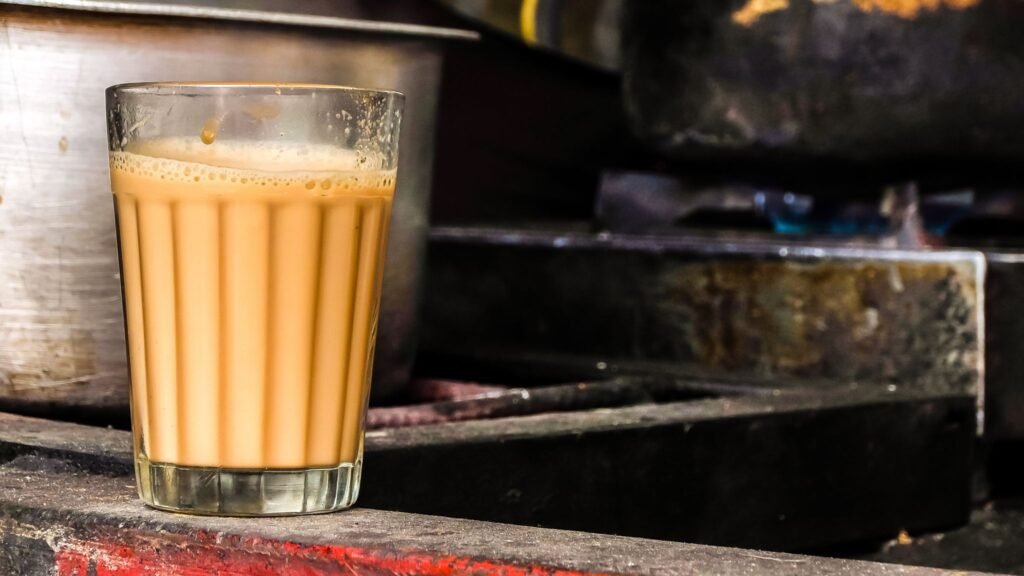
Pakistan Tea Spending has surged to an impressive Rs 106 billion in just the first seven months of the fiscal year, underscoring the country’s deep-rooted cultural and economic reliance on tea. From early morning cups to late-night conversations, tea continues to dominate daily life across urban and rural households alike.
This remarkable spending figure not only reflects consumer habits but also signals broader economic and import trends shaping Pakistan’s food consumption landscape.
Why Pakistan Tea Spending Continues to Rise
The steady rise in Pakistan Tea Spending is driven by a combination of cultural preference, population growth, and evolving lifestyle patterns. Tea is more than just a beverage in Pakistan it is a social ritual, a comfort drink, and an essential part of hospitality.
Unlike many other consumer goods, tea demand remains largely inelastic. Even during periods of inflation, households tend to maintain or only slightly adjust their consumption levels. This resilience keeps tea imports consistently high.
Additionally, with increasing urbanization and busy lifestyles, ready-to-make beverages like tea have become even more indispensable.
Pakistan Tea Spending and Import Trends
The Rs 106 billion spent on tea highlights Pakistan’s reliance on imports to meet domestic demand. Since tea is not produced locally in sufficient quantities, the country depends heavily on international suppliers.
Alongside tea, imports of dairy products, nuts, spices, and cooking oils have also witnessed a notable increase. This reflects a broader shift in consumer behavior where households are prioritizing convenience and variety in their food consumption.
Rather than viewing these figures as isolated, they indicate a growing demand for packaged and processed food items, signaling opportunities for both local businesses and international exporters.
Economic Impact of Pakistan Tea Spending
The scale of Pakistan Tea Spending carries significant implications for the national economy. High import volumes contribute to pressure on foreign exchange reserves, especially during times of currency volatility.
At the same time, this spending supports a vast domestic ecosystem ranging from importers and distributors to retailers and small tea vendors operating in every neighborhood.
The tea industry also fuels employment across logistics, retail, and hospitality sectors, making it an important contributor to economic activity beyond just consumption.
Changing Consumer Behavior in Pakistan
While tea remains dominant, the way Pakistanis consume it is gradually evolving. Premium tea blends, branded packaging, and specialty options are gaining popularity, particularly among urban middle-class consumers.
Moreover, cafes and modern tea chains are redefining the traditional tea experience, blending culture with contemporary lifestyles. Despite these changes, the core habit remains unchanged tea continues to be a daily necessity.
This dual trend of tradition and modernization is a key driver behind the sustained growth in Pakistan Tea Spending.
What This Means for Businesses
For businesses, the rise in Pakistan Tea Spending presents both opportunities and challenges:
• Importers can benefit from consistent demand and expanding market size.
• Local brands have an opportunity to innovate with blends, packaging, and branding.
• Retailers can capitalize on high turnover and repeat purchases.
However, fluctuating exchange rates and import costs remain critical risks that businesses must navigate carefully.
The Road Ahead for Pakistan Tea Spending
Looking ahead, Pakistan Tea Spending is expected to remain strong, driven by population growth and entrenched consumption habits. However, policymakers may increasingly explore ways to manage import dependency and encourage local alternatives where possible.
For now, one thing is certain: tea will continue to be at the heart of Pakistani households and the billions spent on it tell a story of culture, resilience, and enduring demand.