Author name: Web Desk

Middle East Conflict Credit Risk: A Stress Test for Gulf Economies
World

Middle East Conflict Credit Risk: A Stress Test for Gulf Economies

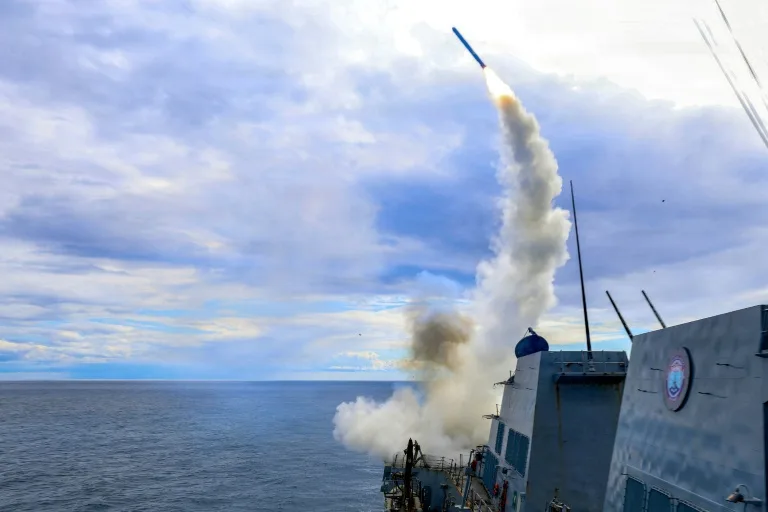
Middle East Conflict Credit Risk is once again in the spotlight as geopolitical tensions escalate following recent strikes involving Iran, Israel, and the United States. According to Fitch Ratings, Gulf economies may be resilient in the short term but a prolonged conflict could reshape the region’s financial stability in ways investors cannot ignore. Middle East Conflict Credit Risk and Short-Term Resilience Despite rising tensions, most Gulf sovereigns appear financially equipped to absorb immediate shocks. Strong fiscal buffers, accumulated oil revenues, and strategic reserves provide a cushion against temporary disruptions. Fitch’s baseline scenario suggests the conflict could last less than a month, largely due to Iran’s constrained military capacity and Washington’s reluctance to engage in a prolonged war. However, even a short conflict brings heightened uncertainty, particularly as retaliatory actions from Iran and allied groups may intensify. In the near term, the region’s economic machinery may slow but not stall. Energy Flows: The Core of Middle East Conflict Credit Risk The biggest threat lies at the heart of global energy supply: the Strait of Hormuz. This narrow passage handles more than 20 million barrels of oil, refined products, and LNG daily making it one of the most critical chokepoints in the global economy. Fitch warns that even without direct infrastructure destruction, the Strait could effectively become inaccessible due to security threats, insurance challenges, and logistical disruptions. While major producers like Saudi Arabia and the UAE have alternative export routes and overseas reserves, others remain vulnerable. Countries such as Bahrain, Kuwait, Qatar, and Iraq depend heavily on this route, exposing them to short-term export shocks. That said, rising oil prices could partially offset revenue losses, softening the immediate fiscal blow. Economic Ripple Effects Beyond Oil The Middle East Conflict Credit Risk extends beyond energy markets. Non-oil sectors often seen as the future of Gulf diversification are also at risk. Air travel disruptions, reduced tourism, declining consumer confidence, and potential expatriate outflows could temporarily weaken key industries like real estate and hospitality. For nations positioning themselves as global business hubs, even short-term instability can have lasting reputational consequences. Investor sentiment is fragile, and perception often matters as much as reality in global markets. Sovereign Credit Ratings Under Pressure Fitch highlights that geopolitical risks are already embedded in sovereign ratings across the region. However, escalation could trigger further downgrades. Countries with strong reserves and diversified revenue streams are better positioned to maintain stability. In contrast, nations with higher dependency on a single export route or sector face elevated risks. Meanwhile, Israel faces a different challenge. Sustained military mobilization, particularly involving reservists, could strain public finances and economic output. Fitch has already assigned a Negative Outlook, signaling potential rating pressure if the conflict drags on. The Uncertainty Factor: What Happens Next? At its core, Middle East Conflict Credit Risk is driven by uncertainty. While a short-lived conflict may leave only temporary scars, prolonged instability could have deeper consequences. Two critical factors will determine the region’s financial trajectory: • The duration and intensity of the conflict• The extent of disruption to energy exports and infrastructure Additionally, any shifts in Iran’s internal political stability could introduce new variables into an already volatile equation. Final Thoughts: Resilient-but Not Immune Gulf economies have proven their resilience time and again, supported by vast reserves and strategic foresight. However, resilience is not immunity. The current crisis serves as a reminder that even the strongest economies are interconnected with geopolitical realities. As markets watch closely, the balance between conflict containment and escalation will define not just regional stability but global economic sentiment.

Gold Price Globally Surge Amid Middle East Conflict
World

Gold Price Globally Surge Amid Middle East Conflict

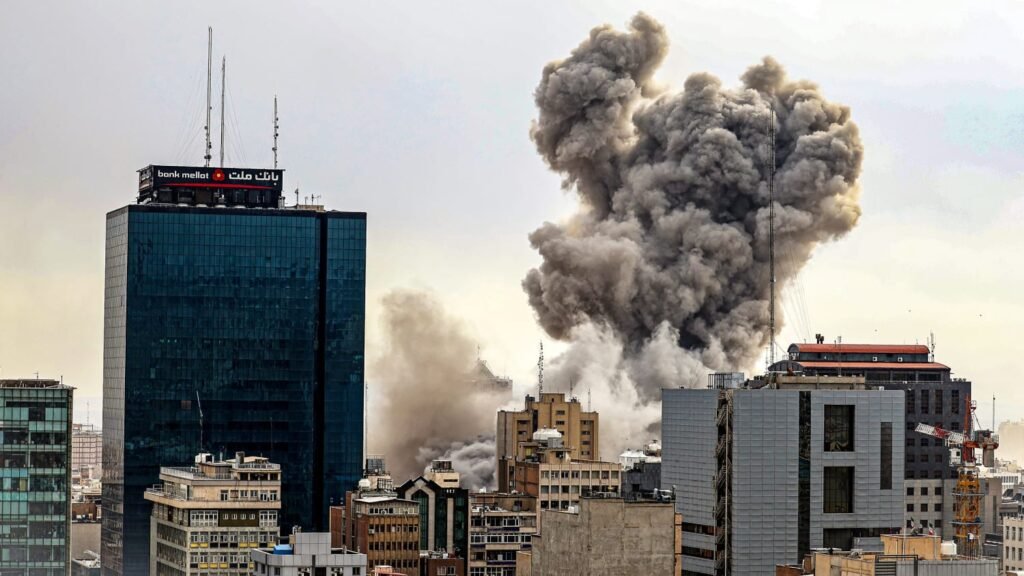
The gold price globally surge amid Middle East conflict is capturing global attention as investors rush toward safe-haven assets in response to escalating geopolitical tensions. With uncertainty gripping financial markets, gold has once again proven its enduring appeal as a store of value during times of crisis.Spot gold prices climbed sharply, rising by 1.52% to $5,356.34 per ounce as of mid-morning trading, reflecting heightened demand among investors seeking stability in volatile conditions. Read More: https://theboardroompk.com/qatarenergy-lng-production-halt-sends-shockwaves-through-global-energy-markets/ Rising Geopolitical Tensions Fuel Gold Price Surge The gold price globally surge am the id Middle East conflict is closely tied to intensifying military developments involving United States, Israel, and Iran. Reports of potential escalation into a prolonged regional conflict have rattled markets worldwide. Statements from Donald Trump reaffirming that military operations would continue “as long as necessary” have further deepened investor concerns. The conflict has expanded beyond borders, affecting multiple countries in the region, including Iran, Israel, and Lebanon, and raising fears of broader instability. As a result, investors are shifting capital into traditional safe-haven assets primarily gold triggering a sustained upward movement in prices. Strait of Hormuz Crisis Amplifies Safe-Haven Demand A critical factor behind the gold price globally surge amid Middle East conflict is the escalating threat to global energy supply chains. Iranian media reports suggest that the strategically vital Strait of Hormuz has been closed, with warnings issued to any vessels attempting to pass through. This development carries massive implications for global trade. The Strait of Hormuz is responsible for nearly 20% of the world’s oil shipments. Any disruption could send crude oil prices soaring, increase inflationary pressures, and further destabilize global markets. The uncertainty surrounding oil flows has intensified risk aversion among investors, reinforcing gold’s position as a hedge against geopolitical and economic shocks. Strong Dollar Fails to Deter Gold Rally Interestingly, the gold price globally surge amid Middle East conflict is unfolding despite strength in the U.S. dollar. Typically, a stronger dollar makes gold more expensive for international buyers, limiting demand. However, in times of extreme uncertainty, both gold and the dollar can rise simultaneously. Investors often treat both as safe-haven assets, leading to parallel demand spikes. The dollar recently hovered near a five-week high, yet gold continued its upward trajectory highlighting the severity of current market fears. Precious Metals Follow Gold’s Upward Trend The gold price globally surge amid Middle East conflict has also lifted other precious metals, signaling a broader shift toward defensive investment strategies. Silver rose by 1.4% to $90.67 per ounce, benefiting from both safe-haven demand and industrial use expectations. Platinum recorded a modest increase of 0.6% to $2,316.50, while palladium led gains among its peers, climbing 1.6% to $1,795.08. This synchronized movement across metals indicates that investors are diversifying within the precious metals space to hedge against prolonged instability. Market Outlook: Will the Gold Price Globally Surge Continue? The trajectory of the gold price globally surge amid Middle East conflict will largely depend on how the geopolitical situation evolves in the coming days and weeks. If tensions escalate further or the Strait of Hormuz remains closed, gold prices could continue to climb. On the other hand, any signs of de-escalation or diplomatic breakthroughs may ease market fears and lead to a pullback in gold prices. For now, uncertainty remains the dominant theme and in such an environment, gold continues to shine. The gold price globally surge amid Middle East conflict underscores a fundamental truth of global markets: during times of crisis, investors prioritize safety over risk. With geopolitical tensions intensifying and critical trade routes under threat, gold has reasserted itself as the ultimate safe-haven asset. As the situation unfolds, market participants will closely monitor developments in the Middle East, currency movements, and energy markets all of which will shape the next phase of gold’s rally.

Drone Strike Hits US Embassy in Riyadh Amid Escalating Tensions
World

Drone Strike Hits US Embassy in Riyadh Amid Escalating Tensions

Early Tuesday morning, two drones struck the US Embassy in Riyadh, causing a limited fire and minor material damage. The Saudi Defence Ministry confirmed the incident via a post on X, describing it as an initial assessment. Read More: https://theboardroompk.com/qatarenergy-lng-production-halt-sends-shockwaves-through-global-energy-markets/ A loud blast echoed through the area, with witnesses reporting flames and black smoke rising over the Diplomatic Quarter. The embassy compound houses foreign missions and was largely empty at the time of the attack. No injuries were reported, according to sources familiar with the matter. Regional Retaliation Context This drone attack follows US and Israeli strikes on Iran over the weekend. Iran has launched missile and drone retaliatory actions targeting Gulf states hosting US bases. The strikes appear part of a broader escalation in the ongoing conflict. Saudi air defenses later intercepted and destroyed eight additional drones near Riyadh and Al-Kharj. The incident highlights vulnerabilities in diplomatic security despite existing fortifications. US Response and Security Measures The US Embassy issued a “shelter in place” alert for American citizens in Riyadh, Jeddah, and Dhahran. It advised avoiding the embassy until further notice due to the ongoing threat. An embassy spokesperson did not immediately comment on the attack.The Saudi government media office also remained silent on additional details. This event raises concerns about the safety of US personnel and allies in the region.

QatarEnergy LNG Production Halt Sends Shockwaves Through Global Energy Markets
World

QatarEnergy LNG Production Halt Sends Shockwaves Through Global Energy Markets

QatarEnergy LNG production halt has abruptly shaken global energy markets, igniting fears of supply shortages and sending prices soaring. The sudden disruption comes after coordinated drone attacks targeted critical infrastructure in Qatar, escalating geopolitical tensions across the Gulf. Read More: https://theboardroompk.com/pakistan-inflation-february-2026-cpi-climbs-to-7-is-price-stability-slipping-again/ The state-owned giant QatarEnergy confirmed that its facilities in Ras Laffan Industrial City and Mesaieed Industrial City were struck, forcing a complete suspension of liquefied natural gas (LNG) production. QatarEnergy LNG Production Halt: What Happened? The QatarEnergy LNG production halt was triggered by two drone strikes, reportedly launched from Iran, according to Qatar Ministry of Defence. One drone hit a water tank at a power plant in Mesaieed, while the second targeted a major energy installation in Ras Laffan home to some of the world’s largest LNG export facilities. Despite the scale of the attack, authorities confirmed no casualties. However, the operational impact was immediate and severe, halting LNG output and related production lines. Global Markets React to QatarEnergy LNG Production Halt The QatarEnergy LNG production halt sent an immediate shock through international markets. European natural gas prices surged by nearly 50% within hours of the announcement, underscoring the world’s dependence on Qatar’s energy exports. As one of the largest LNG suppliers globally, Qatar plays a critical role in meeting demand across Europe and Asia. Any disruption especially sudden creates ripple effects across supply chains, energy pricing, and economic stability. Energy analysts warn that prolonged outages could: • Tighten global LNG supply• Increase energy costs for consumers• Intensify inflationary pressures worldwide Rising Gulf Tensions Add to Supply Fears The QatarEnergy LNG production halt is not an isolated incident. The broader region is witnessing a dangerous escalation in attacks on energy infrastructure. In neighboring Saudi Arabia, authorities reported attempted drone strikes on the Ras Tanura refinery one of the world’s largest oil processing facilities. While the drones were intercepted, a minor fire broke out, causing limited damage. Visuals verified by Al Jazeera showed smoke rising from the refinery, highlighting the vulnerability of critical energy assets in the region. Why the QatarEnergy LNG Production Halt Matters The significance of the QatarEnergy LNG production halt extends far beyond regional politics. It underscores a fragile global energy system heavily reliant on a few key exporters. Qatar’s LNG exports are particularly vital for: • Europe, which has diversified away from pipeline gas dependencies• Asian economies with high LNG import demand• Global energy markets balancing supply shortages A disruption at this scale raises urgent questions about energy security and resilience. What Comes Next? Authorities in Qatar have stated that damage assessments are underway, with further updates expected. The timeline for resuming operations remains uncertain, keeping markets on edge. If the QatarEnergy LNG production halt continues, analysts anticipate: • Sustained volatility in gas prices• Strategic reserve releases by importing nations• Increased geopolitical risk premiums in energy markets Final Thoughts The QatarEnergy LNG production halt marks a pivotal moment for global energy stability. As geopolitical tensions intensify, the incident serves as a stark reminder: energy security is no longer just an economic issue it is deeply intertwined with global security dynamics.

Global Oil Prices Surge Amid U.S.-Iran Tensions
World

Global Oil Prices Surge Amid U.S.-Iran Tensions

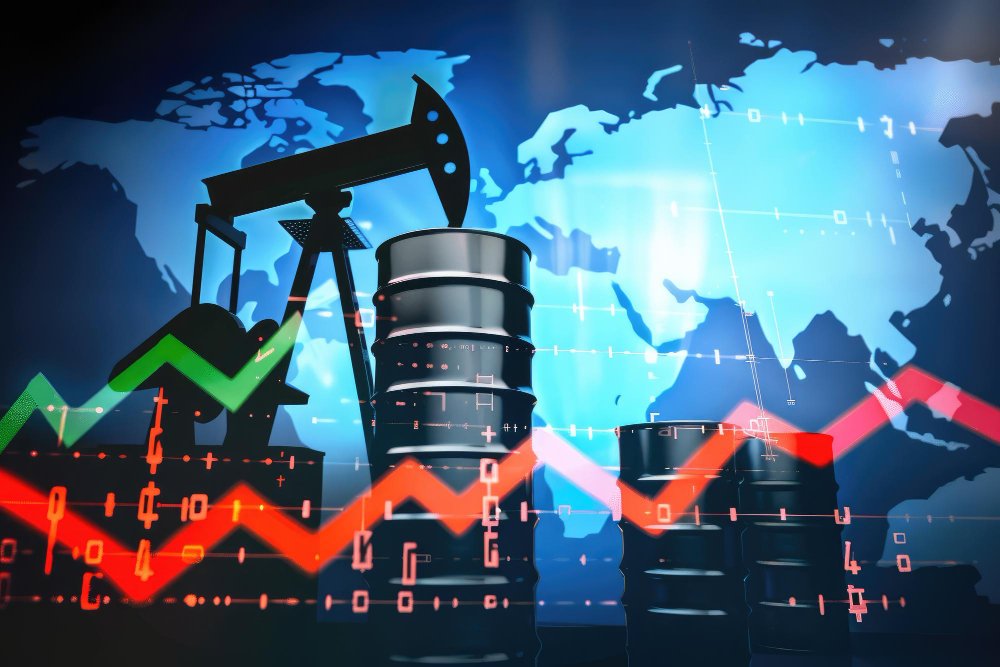
Global oil prices surged dramatically this week as escalating military tensions between the United States and Iran sent shockwaves through energy markets. The sharp rise highlights the fragile balance of global oil supply and raises concerns over potential disruptions in the Middle East. U.S. crude gained more than 8%, climbing $5.55 to settle at $72.57 per barrel, while global benchmark Brent Crude jumped nearly 9% to $79.41 per barrel, reflecting fears over the stability of global oil flows. By the morning of reporting, Brent crude futures edged up by $0.12 (0.17%) to $71.88 per barrel, while West Texas Intermediate (WTI) crude futures rose $3.98 (5.94%) to $71.00 per barrel, according to Mettis Global data. How U.S.-Iran Tensions Are Driving Global Oil Prices The surge in oil prices comes after a series of coordinated airstrikes reportedly carried out by the U.S. and Israel against Iranian targets. This development has intensified geopolitical uncertainty in the region and raised critical questions about Tehran’s leadership stability and potential impacts on Iran’s oil production the fourth-largest in OPEC. Analysts point out that energy markets are particularly sensitive to developments around the Strait of Hormuz, a vital chokepoint for global oil trade. This narrow waterway handles over 14 million barrels per day, roughly one-third of the world’s seaborne crude exports, with major shipments bound for Asia, including China, India, Japan, and South Korea. Supply Chain Concerns and Shipping Slowdowns Heightened security risks have prompted several international shipping lines to scale back or reroute operations in the Middle East. Vessels are reportedly hesitant to transit the Strait of Hormuz, creating a bottleneck that has intensified fears of a supply crunch. Energy consulting firms warn that any prolonged disruption in tanker traffic could tighten global supply dramatically. Combined with Iran’s domestic production of 3.3 million barrels per day, even a partial loss of output could push oil prices higher, especially as demand remains steady. Market Reactions Across Commodities and Equities The geopolitical shockwaves have rippled beyond oil markets: • Gold prices jumped 2.5% to $5,400 per ounce as safe-haven demand surged.• Asian equity markets fell, with Japanese stocks down 1.9% and South Korean shares declining 2%.• Crude oil recorded its largest single-day gain in four years, highlighting the severity of supply disruption fears. Investors are now watching closely to gauge whether tensions escalate further or if diplomatic channels can stabilize the situation. Global banks have already warned that crude prices could continue their upward trajectory if the conflict intensifies. What Comes Next for Global Oil Prices The near-term path of global oil prices will depend on two key factors: Any prolonged disruption could significantly tighten supply and create volatility for energy markets worldwide. For now, traders and investors remain highly sensitive to geopolitical news, with oil prices expected to fluctuate sharply until clarity emerges. In short, global oil prices have entered a highly volatile phase, underscoring the geopolitical risks embedded in energy markets. This is a critical moment for policymakers, traders, and consumers alike, as even small shifts in Middle East stability can ripple across the global economy.

Gold Price Globally Surge: Safe-Haven Demand Skyrockets Amid Middle East Crisis
Business

Gold Price Globally Surge: Safe-Haven Demand Skyrockets Amid Middle East Crisis

The Gold Price Surge 2026 has captured global attention as prices climbed sharply on Monday, fueled by escalating geopolitical tensions in the Middle East. Investors rushed toward gold, reinforcing its long-standing reputation as the ultimate safe-haven asset during times of crisis. The latest spike follows a dramatic escalation involving military strikes reportedly carried out by the United States and Israel on Iran, with reports indicating the death of Ayatollah Ali Khamenei. These developments have significantly heightened geopolitical risks, sending shockwaves through global financial markets. As of 9:18 AM PST, spot gold surged 1.57% to $5,358.69 per ounce, according to Reports. This sharp increase reflects a broader trend of investors seeking stability amid rising uncertainty. Why the Gold Price Surge 2026 Is Gaining Momentum Gold’s rally is not an isolated event it is the continuation of a powerful upward trend. In 2025 alone, gold prices surged an extraordinary 64%, driven by multiple reinforcing factors. Central banks around the world have been aggressively increasing their gold reserves, signaling strong institutional confidence. At the same time, exchange-traded funds (ETFs) have seen sustained inflows, indicating robust investor demand. Expectations around monetary policy have also played a key role. Analysts anticipate that the Federal Reserve may shift toward easing interest rates, a move that typically supports gold prices by reducing the opportunity cost of holding non-yielding assets. Financial media outlet CNBC reports that gold has already surged more than 2% recently, reaching its highest level in over four weeks further evidence of bullish momentum. Gold Price Surge 2026 Forecast: Can Prices Hit $6,000? Major global financial institutions remain highly optimistic about gold’s future trajectory. Analysts at J.P. Morgan and Bank of America have reiterated projections that gold could approach, or even exceed, the $6,000 mark. J.P. Morgan has gone a step further, forecasting that sustained demand from central banks and institutional investors could push prices to $6,300 per ounce by the end of 2026. This bullish outlook is grounded in a combination of structural demand and macroeconomic uncertainty. Rising geopolitical risks, inflation concerns, and shifting monetary policies all point toward continued strength in gold markets. Economic Signals Adding Fuel to the Gold Price Surge 2026 Recent economic data from the United States has added another layer of complexity to the global outlook. Producer prices rose more than expected in January, signaling that inflationary pressures may persist longer than anticipated. This has placed renewed focus on upcoming labor market data, including employment reports and nonfarm payroll figures. These indicators will be closely watched for clues about the direction of monetary policy and overall economic health. If inflation remains elevated while economic growth slows, gold could benefit further as investors hedge against stagflation risks. Performance of Other Precious Metals While gold shines, other precious metals have shown mixed performance, reflecting shifting investor sentiment. Silver experienced a slight pullback after a strong February, declining by 1.2% to $92.72 per ounce. Platinum also dipped nearly 1% to $2,343.50, while palladium managed a modest gain of 0.5%, reaching $1,795.11 per ounce. These movements highlight gold’s dominant position as the preferred safe-haven asset during periods of geopolitical and economic uncertainty. What the Gold Price Surge 2026 Means for Investors The Gold Price Surge 2026 underscores a critical shift in investor behavior. In times of heightened uncertainty, capital flows toward assets perceived as stable and reliable. For investors, this presents both opportunity and caution. While gold’s upward trajectory offers potential gains, its rapid rise also raises questions about sustainability and market corrections. The interplay between geopolitical developments, central bank policies, and economic data will ultimately determine whether gold continues its ascent or stabilizes in the months ahead.

Gulf Stock Market Shutdown: US–Iran Tensions Triggered an Unprecedented Trading Halt
World

Gulf Stock Market Shutdown: US–Iran Tensions Triggered an Unprecedented Trading Halt

The Gulf Stock Market Shutdown has sent shockwaves across global financial systems, marking one of the most dramatic market responses in recent Middle Eastern history. Following a sudden escalation in geopolitical tensions after a US military strike on Iran, key stock exchanges across the Gulf region have taken emergency action to halt trading. Read More: https://theboardroompk.com/pakistan-inflation-february-2026-cpi-climbs-to-7-is-price-stability-slipping-again/ In a rare move, Boursa Kuwait became the first to suspend trading on March 1, 2026, citing “exceptional circumstances” and the need to protect investors. The decision reflects growing uncertainty and heightened risk across regional markets. UAE Joins Gulf Stock Market Shutdown With Two-Day Closure The ripple effect of the Gulf Stock Market Shutdown quickly spread to the United Arab Emirates. Under directives from the UAE Capital Markets Authority, both the Abu Dhabi Securities Exchange and Dubai Financial Market were closed for March 2–3, 2026. This decision effectively froze billions of dollars in listed assets, as regulators moved swiftly to contain panic and maintain financial stability. Authorities emphasized that the closure was a precautionary measure amid escalating regional conflict and investor uncertainty. Why the Gulf Stock Market Shutdown Happened The Gulf Stock Market Shutdown was triggered by a chain reaction of geopolitical and economic risks: • Military escalation: US-led strikes on Iran prompted retaliatory attacks across the region• Investor panic: Sharp sell-offs and declining indices across Gulf markets• Oil supply fears: Concerns over disruptions in the Strait of Hormuz, a critical global energy chokepoint• Regional instability: Broader fears of conflict spreading across GCC economies Markets that remained open experienced steep losses, with major indices dropping between 3% and 5%. Oil Prices Surge Amid Gulf Stock Market Shutdown One of the most immediate consequences of the Gulf Stock Market Shutdown has been a sharp surge in oil prices. As tensions escalated, crude prices jumped significantly amid fears of supply disruptions through the Strait of Hormuz responsible for nearly 20% of global oil flows. Energy markets reacted instantly: • Oil prices surged by up to 13%• Shipping routes faced disruptions• Insurance costs for maritime trade spiked This volatility underscores the Gulf region’s critical role in global energy markets and highlights how geopolitical tensions can rapidly translate into economic shocks. What This Means for Investors and Global Markets The Gulf Stock Market Shutdown is more than a regional event it signals broader risks for global investors. The temporary closure of major exchanges reflects a defensive strategy aimed at preventing market crashes and preserving liquidity during periods of extreme uncertainty. For investors, this means: • Short-term uncertainty and delayed trading activity• Increased volatility in energy and commodity markets• Potential ripple effects across global equities Analysts warn that continued escalation could deepen market instability, while a diplomatic resolution may help restore confidence. The Bigger Picture: A Test for Financial Resilience The Gulf Stock Market Shutdown highlights how quickly geopolitical tensions can disrupt financial ecosystems. From halted exchanges to surging oil prices, the events unfolding in the Gulf underscore the fragile balance between politics and markets. As regulators monitor developments closely, the key question remains: how long can markets remain insulated from escalating conflict?

Engro Fertilizers Leadership Transition Signals a New Chapter
Pakistan

Engro Fertilizers Leadership Transition Signals a New Chapter

Engro Fertilizers Leadership Transition has taken center stage in Pakistan’s corporate landscape, as Engro Fertilizers Limited (PSX: EFERT) announced the resignation of its Chief Executive Officer, Ali Rathore. The development has sparked widespread interest among investors, analysts, and industry observers eager to understand what lies ahead for one of the country’s leading fertilizer manufacturers. Read More: https://theboardroompk.com/pakistan-inflation-february-2026-cpi-climbs-to-7-is-price-stability-slipping-again/ While leadership changes are not uncommon in large corporations, the timing and implications of this transition make it particularly noteworthy. Stability Amid Change: A Structured Transition Plan Despite the headline-grabbing announcement, the Engro Fertilizers Leadership Transition is being handled with a clear focus on stability and continuity. According to the company’s official statement, Mr. Rathore will continue serving as CEO during his notice period. This ensures that ongoing operations remain unaffected while the transition process unfolds. Such structured exits are a hallmark of mature corporate governance, especially for publicly listed firms on the Pakistan Stock Exchange. By maintaining leadership continuity, Engro Fertilizers is signaling confidence and operational resilience to stakeholders. During this interim phase, the Board of Directors will actively begin the search for a new CEO someone capable of steering the company through its next phase of growth and innovation. Engro Fertilizers Leadership Transition and Strategic Implications The Engro Fertilizers Leadership Transition raises important questions about the company’s future strategic direction. Leadership changes often coincide with shifts in priorities whether in operational efficiency, market expansion, or sustainability initiatives. Engro Fertilizers has long been a key player in Pakistan’s agricultural ecosystem, supporting farmers with essential crop nutrients. A new CEO could potentially bring fresh perspectives on: • Digital transformation in agriculture• Expansion into new fertilizer technologies• Strengthening supply chain resilience• Enhancing shareholder value Although the company has not yet disclosed details about its next leader, the transition presents an opportunity to redefine its competitive positioning in a rapidly evolving market. Recognizing Leadership: Ali Rathore’s Contributions As part of the Engro Fertilizers Leadership Transition, the company has formally acknowledged the contributions of Ali Rathore. During his tenure, he played a critical role in navigating industry challenges and maintaining the company’s performance. While specific achievements were not detailed in the announcement, such acknowledgments typically reflect leadership in areas like operational excellence, financial stability, and strategic execution. His continued presence during the notice period also underscores a commitment to a smooth and responsible transition something that investors and stakeholders often value highly. What This Means for Investors and the Market For shareholders and market watchers, the Engro Fertilizers Leadership Transition is more than just a management change it’s a moment of strategic recalibration. Historically, leadership transitions can influence investor sentiment in the short term. However, companies that manage these changes transparently and efficiently often emerge stronger. Engro Fertilizers’ proactive communication and structured approach suggest a focus on minimizing uncertainty. As the Board moves forward with its search, market participants will be closely watching for: • The profile and experience of the new CEO• Any shifts in corporate strategy• Future growth and expansion plans The Road Ahead for Engro Fertilizers The Engro Fertilizers Leadership Transition marks the beginning of a new chapter for the company. While leadership changes naturally bring a degree of uncertainty, they also open doors to innovation and renewed strategic focus. With a strong foundation and a clear transition plan in place, Engro Fertilizers appears well-positioned to navigate this change effectively. The coming months will be crucial in shaping the company’s next phase and defining how it continues to contribute to Pakistan’s agricultural and economic landscape.

Ras Tanura Refinery Attack: A Shockwave Through Global Energy Markets
Pakistan

Ras Tanura Refinery Attack: A Shockwave Through Global Energy Markets

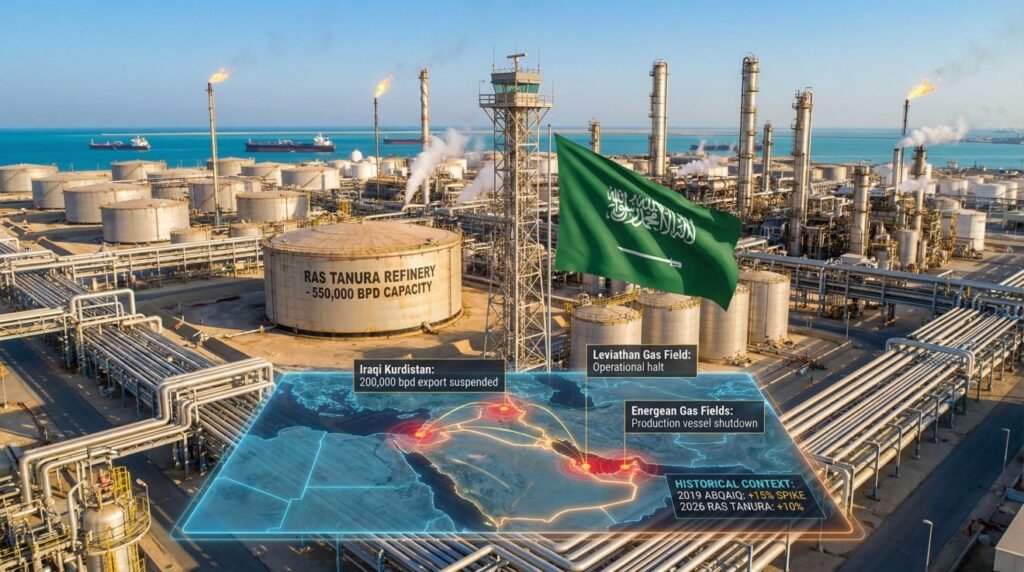
The Ras Tanura Refinery Attack has once again placed global oil markets on edge, raising urgent questions about supply stability and geopolitical risk. In a dramatic turn of events, Saudi Aramco temporarily shut down its flagship facility after a drone strike ignited a fire at the critical site. Read More: https://theboardroompk.com/pakistan-inflation-february-2026-cpi-climbs-to-7-is-price-stability-slipping-again/ Located along the Gulf coast, the Ras Tanura Refinery is not just any oil facility it is the largest refinery in the world, processing more than 550,000 barrels per day. Its strategic importance extends beyond refining, as it also serves as a major crude export hub, making it a cornerstone of global oil supply chains. Why the Ras Tanura Refinery Attack Matters The Ras Tanura Refinery Attack is more than a localized incident it’s a signal of vulnerability in one of the world’s most critical energy corridors. The attack, reportedly carried out by Houthi forces, comes amid escalating tensions involving Iran and Israel, further intensifying regional instability. This development has already triggered strong reactions in global markets. Brent Crude futures surged nearly 10%, reflecting fears of potential supply disruptions. Oil traders and analysts are closely monitoring the situation, as any prolonged shutdown could significantly tighten global supply. A Region Under Pressure The Ras Tanura Refinery Attack is part of a broader wave of coordinated strikes across the Gulf. Reports indicate that key commercial and energy hubs including Abu Dhabi, Dubai, Doha, Manama, and Duqm have also been targeted. This escalation has disrupted major shipping routes, creating ripple effects across global trade and energy logistics. Tanker movements in the Gulf have slowed, insurance premiums are rising, and supply chain uncertainties are growing. Lessons from the Past This is not the first time Saudi Arabia’s energy infrastructure has been under threat. In 2019, coordinated attacks on Abqaiq oil processing facility and Khurais oil field temporarily knocked out over half of the kingdom’s oil production. That incident caused immediate price spikes and exposed the fragility of even the most advanced oil infrastructure. Today’s Ras Tanura Refinery Attack echoes those concerns, reminding markets that geopolitical risk remains a powerful force shaping energy dynamics. What Happens Next? While initial reports suggest the situation is under control, uncertainty lingers. The temporary shutdown of such a vital facility highlights a critical reality: global energy security is deeply intertwined with regional stability in the Gulf. If tensions escalate further, the consequences could include: • Prolonged supply disruptions• Higher global oil prices• Increased volatility in financial markets• Strain on import-dependent economies For countries like Pakistan, which rely heavily on imported energy, the Ras Tanura Refinery Attack could translate into higher fuel costs and inflationary pressures. Final Thoughts The Ras Tanura Refinery Attack underscores a growing concern in global energy markets: even the most strategically protected oil hubs are not immune to geopolitical shocks. As tensions rise and markets react, the world is once again reminded that energy security is as much about politics as it is about production. Investors, policymakers, and businesses alike will be watching closely because what happens next in the Gulf could shape the global economy in the weeks to come.

Scroll to Top