Author name: Syed Shoaib

Kia Fuel Requirement Pakistan: Lucky Motor Clarifies Hi-Octane Not Required
Auto

Kia Fuel Requirement Pakistan: Lucky Motor Clarifies Hi-Octane Not Required

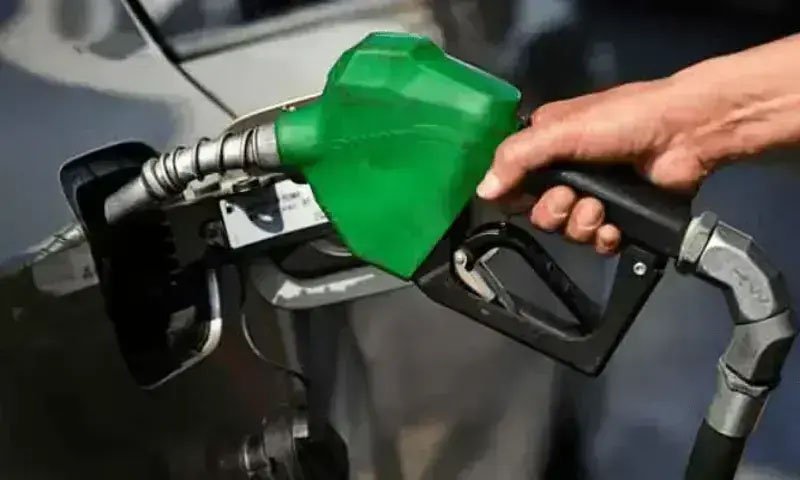
The Kia Fuel Requirement Pakistan debate has gained attention after recent increases in Hi-Octane fuel prices. Many car owners feared that owning a Kia vehicle could become more expensive due to fuel requirements. However, Lucky Motor Corporation has stepped forward to remove this confusion and provide clarity for customers across the country. In an official statement, the company confirmed that Kia vehicles sold in Pakistan are fully compatible with regular unleaded petrol and do not require mandatory use of high-octane fuel. This clarification is expected to bring relief to thousands of car owners dealing with rising fuel costs. Lucky Motor Corporation’s Official Clarification According to Lucky Motor Corporation, all Kia vehicles available in Pakistan are designed and tested to run efficiently on fuel with a minimum octane rating of RON 91 or above. This specification is clearly mentioned in each vehicle’s owner’s manual. The company further explained that consumers can confidently use RON 92 fuel, commonly sold in Pakistan as “Super” or “Premier,” without experiencing any drop in performance, engine efficiency, or reliability. This means drivers do not need to worry about switching to costly Hi-Octane fuel. This announcement directly addresses growing public concerns, especially as fuel price fluctuations continue to impact household budgets. Is Hi-Octane Fuel Necessary for Kia Cars? The Kia Fuel Requirement Pakistan clarification makes it clear that Hi-Octane fuel is not mandatory for Kia vehicles in the local market. The automaker emphasized that: • Regular unleaded fuel (RON 91 or RON 92) is sufficient• Mixing Hi-Octane with regular fuel is unnecessary• Vehicle performance remains optimal without premium fuel This statement is particularly important for drivers who believed that premium fuel was essential for maintaining engine health. The clarification ensures that Kia owners can continue using commonly available fuel without extra expenses. Fuel Quality Still Matters for Performance While the Kia Fuel Requirement Pakistan clarification removes concerns about octane levels, the company highlighted another critical factor fuel quality. Customers were advised to refuel only from reputable petrol stations. Poor-quality or adulterated fuel can negatively impact engine performance, fuel efficiency, and long-term reliability, regardless of the vehicle brand. Using trusted fuel stations helps prevent: • Engine knocking• Reduced fuel efficiency• Long-term engine damage• Performance issues This advice is especially relevant in Pakistan, where fuel quality can vary across different locations. Relief for Consumers Amid Rising Fuel Prices The clarification comes at a time when fuel pricing remains a major concern for Pakistani consumers. With inflationary pressures and volatility in global oil markets, many households are already struggling to manage transportation costs. The Kia Fuel Requirement Pakistan announcement provides reassurance that owning a Kia vehicle does not automatically translate into higher fuel expenses. Drivers can continue using affordable and widely available petrol options without compromising performance. This move also strengthens consumer confidence in Kia vehicles, especially among buyers considering purchasing new cars in a highly price-sensitive market. What This Means for Kia Owners in Pakistan For existing and potential buyers, the message is simple: • No need to use expensive Hi-Octane fuel• Regular petrol (RON 91 or 92) works perfectly• Performance and reliability remain unaffected• Focus on fuel quality rather than octane upgrades This clarity helps Kia owners make informed decisions and avoid unnecessary spending at fuel stations. The Kia Fuel Requirement Pakistan clarification by Lucky Motor Corporation has addressed widespread confusion among consumers. By confirming that Kia vehicles run efficiently on regular unleaded fuel, the company has eased financial concerns and reassured customers during a period of rising fuel costs. For Pakistani drivers, this means one less worry you can keep driving your Kia without switching to expensive Hi-Octane fuel, as long as you choose reliable petrol stations.

Colombian Military Plane Crash: Tragedy Kills 66 in Deadly C-130 Hercules Disaster
World

Colombian Military Plane Crash: Tragedy Kills 66 in Deadly C-130 Hercules Disaster

Colombian Military Plane Crash has gripped global attention after a devastating accident claimed at least 66 lives and left dozens injured in southern Colombia. The tragic incident highlights not only the dangers of military aviation but also the challenges faced in remote regions. What Happened in the Colombian Military Plane Crash? The Colombian Military Plane Crash occurred shortly after a military aircraft took off from Puerto Leguizamo, a remote municipality in the Amazon region. The aircraft, identified as a Lockheed Martin C-130 Hercules, was carrying around 125 people when it went down just 1.5 kilometers from the runway. The crash resulted in a massive explosion due to onboard ammunition, causing the plane to burst into flames and scatter debris across the jungle floor. Rising Death Toll and Emergency Response Efforts Authorities confirmed that at least 66 military personnel lost their lives in this tragic Colombian Military Plane Crash, while many others sustained serious injuries. Pedro Sanchez stated that there were no signs of sabotage or attack, easing concerns of militant involvement in the crash. Meanwhile, Hugo Alejandro Lopez Barreto revealed that several personnel remain missing, adding uncertainty to the final death toll. Local healthcare facilities struggled to cope with the sudden influx of injured victims. Small clinics in Puerto Leguizamo provided initial treatment before patients were airlifted to better-equipped hospitals in Bogota. Challenges of Rescue Operations in Remote Areas The Colombian Military Plane Crash also exposed logistical challenges in emergency response due to the region’s isolation. Puerto Leguizamo, located deep in the Amazon, lacks advanced medical infrastructure. Rescue teams had to act swiftly, deploying aircraft equipped with dozens of medical beds to evacuate the injured. Deputy Mayor Carlos Claros confirmed that local resources were overwhelmed, making external assistance critical. Understanding the Aircraft: C-130 Hercules The aircraft involved in the Colombian Military Plane Crash was a C-130 Hercules, a widely used military transport plane known for its durability and versatility. Colombia has operated these aircraft since the late 1960s, often upgrading older models with modern technology sourced from the United States. Despite its strong safety record globally, accidents involving such aircraft can be catastrophic due to their size and cargo capacity. A Pattern of Recent Military Aviation Incidents This tragic Colombian Military Plane Crash comes just weeks after another similar disaster in El Alto, where a Bolivian Air Force C-130 crashed, killing over 20 people. Such incidents raise broader concerns about aging fleets, maintenance standards, and operational risks in military aviation across Latin America. Why This Incident Matters Globally While the Colombian Military Plane Crash occurred far from Pakistan, it resonates worldwide due to the scale of loss and the implications for aviation safety. For countries like Pakistan, which also operate military transport aircraft, this tragedy serves as a reminder of the importance of: • Regular aircraft maintenance• Modernization of aging fleets• Emergency preparedness in remote areas A Tragedy That Raises Tough Questions The Colombian Military Plane Crash is not just a national tragedy it is a wake-up call for military aviation safety across the globe. As investigations continue, questions remain about what caused the crash and whether it could have been prevented. For now, the focus remains on rescue efforts, medical care for survivors, and honoring the lives lost in this devastating incident.

Global Climate Crisis 2025: Earth’s Climate Imbalance Reaches Dangerous Levels
Environment

Global Climate Crisis 2025: Earth’s Climate Imbalance Reaches Dangerous Levels

The Global Climate Crisis 2025 is no longer a distant threat it is unfolding in real time, reshaping economies, livelihoods, and daily life across the globe, including Pakistan. A new report by the World Meteorological Organization (WMO) paints a stark picture: Earth’s climate system is now more out of balance than at any point in recorded history. From rising temperatures to devastating floods and heatwaves, the signals are clear our planet is under stress, and the consequences are accelerating. Global Climate Crisis 2025: Hottest Years Ever Recorded One of the most striking findings of the Global Climate Crisis 2025 is that the period from 2015 to 2025 marks the 11 hottest years ever recorded. The year 2025 alone ranked among the top three warmest years, with global temperatures about 1.43°C above pre-industrial levels. According to António Guterres, this is no coincidence: repeated record-breaking heat is a clear signal that human activity is pushing Earth beyond safe limits. For countries like Pakistan, this translates into more frequent heatwaves, water stress, and agricultural uncertainty directly impacting economic stability. Earth’s Energy Imbalance: The Hidden Driver of Climate Change A key concept in the Global Climate Crisis 2025 is Earth’s energy imbalance the difference between energy entering the planet and energy leaving it. Due to rising greenhouse gases such as carbon dioxide and methane, this balance has been disrupted. The result? Excess heat is trapped within the Earth system, driving long-term climate change. Here’s where that excess heat is going: • Over 90% is absorbed by oceans• Around 5% heats land masses• Only 1% warms the atmosphere we feel This imbalance reached its highest level ever recorded in 2025, making it a critical indicator of worsening climate conditions. Oceans in Crisis: Silent Absorbers of Heat The oceans are playing a crucial yet dangerous role in the Global Climate Crisis 2025. They are absorbing heat equivalent to 18 times the total annual energy used by humans every year. While this slows surface warming temporarily, it creates long-term risks: • Marine ecosystems are deteriorating• Fisheries and food supplies are under threat• Stronger cyclones and storms are forming Ocean warming has also doubled in pace over the past two decades, highlighting how rapidly the crisis is escalating. Melting Ice and Rising Seas: A Long-Term Economic Threat Glaciers and polar ice are melting at alarming rates. Arctic sea ice is near record lows, while Antarctic ice continues to shrink. This contributes directly to rising sea levels, which are now 11 cm higher than in 1993. For coastal regions especially in developing countries this means: • Increased flooding• Damage to infrastructure• Salinization of groundwater• Loss of agricultural land In Pakistan, coastal areas like Karachi could face serious long-term risks if sea levels continue to rise. Extreme Weather: Billions Lost, Millions Affected The Global Climate Crisis 2025 is already impacting lives through extreme weather events: • Intense heatwaves• Heavy rainfall and floods• Droughts and wildfires• Tropical cyclones These events have caused billions of dollars in economic losses and affected millions of people worldwide. They also disrupt supply chains, increase food insecurity, and strain national economies. Climate Change and Health: A Growing Risk Climate change is no longer just an environmental issue it is a public health crisis. Rising temperatures and changing rainfall patterns are: • Increasing diseases like dengue• Causing heat stress among workers• Straining healthcare systems According to global estimates, over 1.2 billion workers face heat-related risks annually, especially in agriculture and construction sectors critical to Pakistan’s economy. A Call to Action: Observing Today to Protect Tomorrow The WMO released its findings on World Meteorological Day, emphasizing the importance of monitoring climate trends to safeguard the future. As Celeste Saulo highlighted, human activities are disrupting Earth’s natural balance in ways that will last hundreds if not thousands of years. The message is clear:Delaying action will only increase the cost economically, socially, and environmentally. Why Global Climate Crisis 2025 Matters for Pakistan For Pakistan, ranked among the most climate-vulnerable countries, the Global Climate Crisis 2025 is especially critical: • Increased floods like those seen in recent years• Rising temperatures affecting crops and water supply• Urban heat stress in cities like Karachi and Lahore Addressing climate change is no longer optional it is essential for economic resilience and national security.

Trump 250th Anniversary Coin Sparks Debate: A Bold Tribute or Controversial Move?
World

Trump 250th Anniversary Coin Sparks Debate: A Bold Tribute or Controversial Move?

The Trump 250th Anniversary Coin is already making headlines across the globe and not just for its design. Approved for the United States’ 250th Independence anniversary, this commemorative coin has sparked curiosity, admiration, and controversy in equal measure. At the heart of the discussion lies a simple question: Is this a proud celebration of history, or a bold political statement? A Bigger-Than-Usual Coin with a Bigger Message In a surprising move, the commission responsible for approving national commemorative designs gave the green light to a coin featuring former U.S. President Donald Trump. What makes the Trump 250th Anniversary Coin stand out is not just the personality featured but also its proposed size. Officials suggested making the coin as large as three inches in diameter, significantly bigger than typical commemorative coins. This unusual size reflects what some insiders described as a preference for “bigger and bolder” symbolism mirroring Trump’s well-known style. Inside the Design: Power, Patriotism, and Symbolism The design of the Trump 250th Anniversary Coin carries strong visual messaging: • Trump is depicted standing confidently with fists placed on his desk• The word “LIBERTY” is prominently inscribed• The years 1776–2026 mark America’s 250-year journey• A majestic eagle appears on the reverse side Interestingly, the image appears inspired by a portrait displayed at the Smithsonian National Portrait Gallery, giving the coin a semi-official artistic backing. Supporters argue that the design reflects strength and leadership during a milestone year. Critics, however, see it as overly personalized. Trump 250th Anniversary Coin Raises Legal and Ethical Questions While commemorative coins have more flexibility, the Trump 250th Anniversary Coin is stirring legal debate. Under U.S. law, living or sitting presidents are generally not allowed to appear on circulating currency. However, commemorative coins exist in a gray area. The last time a sitting president appeared on such a coin was Calvin Coolidge in 1926 making this decision historically rare. Adding fuel to the debate, lawmakers are now pushing new legislation to ban any living or sitting president from appearing on any U.S. currency in the future. Why Size and Symbolism Matter in the Trump 250th Anniversary Coin During discussions, commission members repeatedly emphasized one thing: size matters. Their reasoning goes beyond aesthetics. A larger coin: • Creates a stronger visual impact• Appeals to collectors• Symbolizes the magnitude of the 250th anniversary But critics argue that the emphasis on size and personality risks overshadowing the broader significance of America’s independence. Public Reaction: Pride, Politics, and Polarization The Trump 250th Anniversary Coin has triggered mixed reactions: Supporters say: • It honors leadership during a historic milestone• It represents strength and national pride• It could become a valuable collector’s item Critics argue: • It politicizes a national celebration• It breaks long-standing traditions• It may set a controversial precedent For many observers in countries like Pakistan, the debate highlights how deeply politics and national identity are intertwined even in something as symbolic as a coin. What Happens Next? While the commemorative coin has been approved, discussions are still ongoing about a separate proposal for a $1 coin featuring Trump something that could directly clash with U.S. legal frameworks. If approved, it could open the door to further controversy and possibly legal challenges. A Coin That Reflects More Than Currency The Trump 250th Anniversary Coin is more than just a piece of metal it’s a reflection of modern political culture, leadership identity, and national storytelling. As the United States prepares to celebrate 250 years of independence, this coin has already ensured that the conversation will be as big as the celebration itself.

PNSC Energy Supply Crisis Response, How Pakistan’s National Fleet Secured Fuel Lifelines
Pakistan

PNSC Energy Supply Crisis Response, How Pakistan’s National Fleet Secured Fuel Lifelines

At a time when global shipping routes faced uncertainty and fear, PNSC Energy Supply Crisis Response emerged as a crucial stabilizing force for Pakistan’s economy. As geopolitical tensions disrupted maritime operations across key oil corridors, Pakistan’s national carrier demonstrated resilience, responsibility, and strategic foresight to secure the country’s vital energy imports. In moments when supply chains falter, economies feel the shock immediately. Yet Pakistan’s maritime sector showed that preparedness and national capacity can make all the difference. Navigating Risky Waters to Protect Pakistan’s Energy Flow Recent tensions around the strategic shipping route of the Strait of Hormuz sent shockwaves through global energy markets. With heightened security concerns and operational challenges, several international shipping operators hesitated to sail through expanded High Risk Areas stretching toward the Red Sea, Fujairah and Sohar. Despite these hurdles, the Pakistan National Shipping Corporation (PNSC) continued operations. Its commitment ensured that Pakistan’s fuel supply chain remained intact during a period when uncertainty could have triggered shortages and economic disruption. This decisive response highlights the often-overlooked importance of maritime logistics in national security and economic continuity. PNSC Energy Supply Crisis Response in Numbers During the escalation period, PNSC successfully transported approximately 574,000 metric tonnes of crude oil, equivalent to 8–9 major cargo shipments, alongside 61,000 metric tonnes of gasoil. These deliveries were coordinated under supplier arrangements with Pakistan State Oil, Pakistan’s largest fuel marketing company. Remarkably, this achievement came at a time when international freight rates surged dramatically reportedly rising five to six times due to increased insurance costs and security risks. By maintaining operational continuity and stable freight structures, PNSC helped prevent further inflationary pressure on domestic fuel prices. For industries and households alike, this stability translated into smoother economic activity and reduced anxiety over potential fuel shortages. Why National Shipping Matters More Than Ever The PNSC Energy Supply Crisis Response underscores a powerful lesson: countries with strong national fleets can better manage supply disruptions during geopolitical crises. Pakistan-flagged vessels and trained national crew proved instrumental in sustaining essential imports when foreign carriers adopted a cautious approach. Beyond fuel transportation, a robust shipping capability strengthens trade competitiveness, reduces reliance on external operators, and enhances strategic autonomy. In times of uncertainty, such capabilities are not merely commercial assets they become pillars of national resilience. Strengthening Maritime Resilience for the Future PNSC’s performance during this crisis offers a roadmap for Pakistan’s broader maritime ambitions. Encouraging importers and exporters to utilize national-flag services can foster long-term resilience and support local expertise. By expanding fleet capacity, investing in maritime technology, and building strategic partnerships, Pakistan can position itself as a reliable regional shipping hub. The recent crisis serves as both a warning and an opportunity: global supply chains are fragile, but proactive planning can safeguard economic stability. A Story of Commitment and Confidence Ultimately, the PNSC Energy Supply Crisis Response is not just about cargo shipments or shipping routes. It is about confidence the assurance that even amid global turbulence, essential services will continue. For Pakistan’s business community and policymakers, this episode reinforces the value of investing in national infrastructure that keeps the wheels of the economy turning. As regional uncertainties persist, such preparedness will remain vital in shaping Pakistan’s economic future.

UAE Golden Visa Return: Emirates Steps Up to Bring Residents Home Safely
World

UAE Golden Visa Return: Emirates Steps Up to Bring Residents Home Safely

The UAE Golden Visa Return initiative has taken center stage as authorities in the United Arab Emirates continue efforts to bring stranded residents and nearly 500 Golden Visa holders back home. Amid the ongoing regional tensions linked to the conflict involving Iran, the Emirates has demonstrated swift crisis management and a strong commitment to public safety. On Sunday, March 15 marking the 16th day of escalating hostilities the Ministry of Foreign Affairs and the National Emergency Crisis and Disaster Management Authority confirmed that coordinated operations would continue to ensure safe and efficient returns for affected travelers. How the UAE Golden Visa Return Initiative Is Working The UAE Golden Visa Return plan is being executed through both air and land entry points, offering flexibility amid widespread airspace closures and disrupted flight schedules. This multi-channel approach reflects the government’s strategic preparedness and ability to adapt in rapidly evolving situations. Authorities revealed that approximately 6,000 citizens had already returned successfully by Saturday with logistical support from relevant agencies. The latest phase of the initiative focuses on Golden Visa holders and residents whose travel plans were interrupted by regional developments. By combining diplomatic coordination and emergency planning, the UAE is ensuring minimal disruption to the lives of its residents and business community a move that is likely to strengthen investor confidence and economic resilience. Strategic Crisis Response Behind the UAE Golden Visa Return Officials highlighted several key measures that have enabled the smooth implementation of the UAE Golden Visa Return operation: • Continuous coordination with diplomatic missions worldwide to identify and assist affected residents• Real-time monitoring of geopolitical developments and their impact on travel routes• Frequent updates to emergency response plans to match changing on-ground realities These proactive steps have not only facilitated safe returns but also reinforced the UAE’s global reputation as a reliable destination for professionals, entrepreneurs, and long-term investors. Economic and Public Confidence Implications The UAE Golden Visa Return initiative carries broader economic implications beyond humanitarian relief. By prioritizing the safe return of residents many of whom are business owners, skilled workers, and investors the Emirates is safeguarding economic continuity and maintaining confidence in its long-term residency programmes. Experts believe that such decisive actions during times of uncertainty can significantly enhance the country’s global standing. It sends a clear message: stability and safety remain central pillars of the UAE’s growth strategy. Safety Remains a Top Priority Both the Ministry of Foreign Affairs and the National Emergency Crisis and Disaster Management Authority reiterated that protecting citizens, residents, and visitors is among the government’s highest priorities. The continued implementation of the UAE Golden Visa Return initiative reflects a broader commitment to resilience, preparedness, and public trust. As regional uncertainties persist, the UAE’s swift response is being closely watched by international observers and business communities alike raising curiosity about how strategic crisis management can shape a nation’s global image. Conclusion: A Model for Crisis Preparedness The UAE Golden Visa Return effort underscores how effective governance and coordinated action can mitigate disruption during geopolitical crises. By ensuring the safe return of thousands, the Emirates is not only addressing immediate challenges but also reinforcing its position as a secure and forward-looking global hub. With ongoing monitoring and adaptive planning, the UAE appears determined to turn adversity into an opportunity to strengthen both public confidence and economic momentum.

Sindh EV Charging Network Project: Government Approves 300 Electric Vehicle Charging Stations
Auto

Sindh EV Charging Network Project: Government Approves 300 Electric Vehicle Charging Stations

The Sindh EV Charging Network Project has officially received approval from the Government of Sindh, marking a transformative moment for Pakistan’s journey toward sustainable transport and clean energy adoption. The ambitious initiative aims to establish a province-wide electric vehicle charging network that could reshape how mobility works in urban and highway corridors. Announced in Karachi, the project is being implemented under a public-private partnership (PPP) model involving international and local partners, including ADM Group and Malik Group of Companies. Officials believe the initiative could accelerate the transition to electric vehicles (EVs), reduce urban pollution, and strengthen Pakistan’s emerging green economy. Sindh EV Charging Network Project: A Multi-Million Dollar Investment The Sindh EV Charging Network Project combines government support with significant private investment to build a large-scale EV charging ecosystem. The Government of Sindh has allocated PKR 750 million to launch the first phase of the project. This initial phase will focus on installing 300 EV charging stations at key urban locations and transport routes. Meanwhile, ADM Group has committed a substantial USD 90 million investment to expand the charging network across Pakistan, with plans to build 3,000 charging stations nationwide. Rather than a simple infrastructure upgrade, policymakers see this investment as the foundation for a long-term electric mobility ecosystem that will support the growing adoption of EVs across the country. Why the Sindh EV Charging Network Project Matters for Sustainable Transport Provincial Minister Syed Nasir Hussain Shah described the Sindh EV Charging Network Project as a major step toward building a sustainable transport system. According to the provincial leadership, the project will help achieve several strategic goals: • Reduce carbon emissions from traditional fuel vehicles• Encourage the adoption of electric mobility• Strengthen clean energy infrastructure• Support Pakistan’s climate change commitments The minister emphasized that strong policy coordination and industry partnerships were critical in pushing the initiative forward. Strategic Locations for EV Charging Stations The Sindh government previously announced a broader plan to install over 691 EV charging stations across major cities and highways. Under the Sindh EV Charging Network Project, the first 300 stations will form the backbone of this network, ensuring that electric vehicle users can access charging points in convenient locations. The charging infrastructure will focus on: • Major urban centers• Commercial hubs• Highway rest areas• High-traffic transport corridors By creating reliable access to charging facilities, authorities hope to remove one of the biggest barriers to EV adoption: range anxiety. Industry Collaboration Driving the Project A key driving force behind the project’s progress has been collaboration between government institutions and private investors. Malik Khuda Baksh, chairman of Malik Group of Companies, highlighted the strategic importance of the initiative for Pakistan’s energy and transport sectors. He noted that the project will contribute to: • Development of modern infrastructure• Promotion of green technology• Reduction of carbon emissions• Expansion of electric mobility across Sindh In addition, specialized training and equipment will be provided to the workforce involved in operating and maintaining the EV charging network. Economic Impact and Job Creation Beyond environmental benefits, the Sindh EV Charging Network Project is expected to create new economic opportunities. The development of charging infrastructure can stimulate multiple industries including: • Electric vehicle manufacturing• Energy technology services• Smart mobility startups• Infrastructure development Officials also expect the project to generate employment opportunities for youth, particularly in technical roles related to EV infrastructure management and maintenance. Positioning Sindh as Pakistan’s EV Innovation Hub With global momentum rapidly shifting toward electric mobility, the Sindh EV Charging Network Project could position the province as a leader in Pakistan’s EV technology ecosystem. If successfully implemented, the project may attract further international investment, accelerate the adoption of clean transport solutions, and place Sindh at the center of Pakistan’s sustainable mobility transition.For commuters, businesses, and investors alike, the initiative signals that the future of transportation in Pakistan is moving decisively toward electric, efficient, and environmentally responsible mobility.

Made in Pakistan Electric Car: Hammad Ali Mansoor, CEO EDB Reveals Sub-Rs1 Million EV Plan for Pakistan
Auto

Made in Pakistan Electric Car: Hammad Ali Mansoor, CEO EDB Reveals Sub-Rs1 Million EV Plan for Pakistan

The idea of owning an affordable electric vehicle may soon become a reality for millions of Pakistanis. According to Hammad Ali Mansoor, Chief Executive Officer of the Engineering Development Board (EDB), Pakistan is preparing to launch its first Made in Pakistan Electric Car by June this year and the price target is turning heads across the auto industry. In a candid conversation during an industry gathering hosted by SME leader and former Pakistan Automotive Parts and Accessories Manufacturers Association (PAAPAM) Chairman Mashhood Ali Khan, Mansoor shared bold insights into the country’s evolving auto sector, government policy shifts, and the future of electric mobility in Pakistan. A Made in Pakistan Electric Car Under Rs1 Million? Speaking about the upcoming vehicle, Mansoor revealed that the government is working with industry players to introduce a Made in Pakistan Electric Car that could cost less than Rs1 million. If achieved, this would make it one of the most affordable electric cars in the region. He explained that the key to reducing prices lies in local manufacturing of auto parts. When vehicle components are produced domestically rather than imported, production costs decline significantly, allowing manufacturers to offer vehicles at far lower prices. Mansoor also noted that recent government initiatives are already breaking the long-standing dominance of a few large auto manufacturers in Pakistan. As competition increases, consumers are beginning to see the benefits through price reductions of up to Rs2.5 million on certain vehicle models in recent years. Tax Cuts Expected to Reshape Pakistan’s Auto Market Another major development could come through the upcoming federal budget, where the government has proposed significant tax reductions on vehicles, including hybrid, electric, and conventional fuel cars. Lower taxes could dramatically reshape Pakistan’s auto market by: • Making vehicles more affordable for middle-income consumers• Encouraging local manufacturing and assembly• Expanding EV adoption across the country Industry experts believe that these policy changes could create the most competitive auto market Pakistan has seen in decades. Lithium Battery Production Begins in Pakistan One of the most critical elements of the Made in Pakistan Electric Car strategy is domestic battery manufacturing. Mansoor revealed that Pakistan will soon begin local lithium battery production, a development that could transform the economics of electric vehicles. Instead of relying entirely on imports, Pakistan will manufacture most battery components locally. He explained the economic impact in simple terms: batteries currently imported at around $96 per unit could potentially be produced locally for approximately $72, significantly lowering EV manufacturing costs. Two lithium battery factories are already nearing completion: • The first plant will begin production in May• The second factory is expected to start operations in September Approximately 74 percent of battery components will be manufactured locally, strengthening Pakistan’s industrial ecosystem and reducing dependence on imports. Electric Vehicles with Long Driving Range Range anxiety one of the biggest concerns among EV buyers may also soon become a thing of the past. Mansoor stated that upcoming electric vehicles in Pakistan will be capable of traveling up to 180 kilometers on a single charge, which is more than enough for most urban commuters. He added that globally advanced EV models are already achieving ranges of up to 1,200 kilometers, suggesting that long-distance electric travel will eventually become feasible in Pakistan as well. “In the future, it may be possible to charge your vehicle in Islamabad and drive all the way to Karachi,” he said. Pakistan’s PAVE Program: Subsidies for Electric Bikes and Rickshaws The government has already taken a major step toward electrification through the Prime Minister’s Pakistan Accelerated Vehicle Electrification (PAVE) Program. The initiative aims to make electric mobility accessible to ordinary citizens through subsidies and financing options. Under the program: • 40,000 electric motorcycles and rickshaws have already been introduced in the first phase.• The next phase will add more than 70,000 electric bikes and three-wheelers.• By 2030, around 2.2 million electric motorcycles and rickshaws are expected to be deployed nationwide. A particularly notable feature is the government’s commitment to inclusion. Twenty-five percent of vehicles under the program are reserved for women, encouraging female mobility and economic participation. The subsidy structure is designed to make electric transport affordable: • Electric motorcycles receive subsidies of around Rs80,000.• Electric rickshaws receive subsidies of up to Rs400,000. Officials are also considering expanding the subsidy program to include electric cars in the future, which could further accelerate EV adoption. SMEs: The Backbone of Pakistan’s Auto Industry Industry leaders emphasize that the success of the Made in Pakistan Electric Car initiative depends heavily on small and medium enterprises. According to Mashhood Ali Khan, Pakistan’s SME sector plays a vital role in the country’s industrial ecosystem. Small and medium businesses supply components, engineering services, and manufacturing support to large industries particularly the auto sector. Their contribution to the economy is significant: • SMEs generate over 2.5 million jobs in Pakistan.• The sector contributes approximately $2.8 billion to national exports.• In the auto industry alone, nearly 70 percent of parts and components are produced by SMEs. Strengthening SMEs, Khan argues, is essential not only for industrial growth but also for increasing exports and achieving Pakistan’s broader economic targets. A New Chapter for Pakistan’s Auto Industry The combination of local EV manufacturing, tax reforms, battery production, and SME participation could mark the beginning of a new era for Pakistan’s automotive industry. If these initiatives succeed, the Made in Pakistan Electric Car may not only change how Pakistanis commute but also position the country as a competitive player in the global EV supply chain. For consumers, the promise is even more compelling: affordable electric mobility built at home, powered by local industry, and designed for Pakistan’s roads.

Pakistan Oil Discovery Sparks New Hope for Energy Security
Pakistan

Pakistan Oil Discovery Sparks New Hope for Energy Security

Pakistan Oil Discovery is once again making headlines as Oil and Gas Development Company Limited (OGDC) announces a significant breakthrough at the Nashpa Block in Khyber Pakhtunkhwa. The latest find at the Baragzai X-01 (Slant) well signals a promising step toward addressing Pakistan’s long-standing energy challenges. With the country grappling with rising fuel imports and energy shortages, this discovery not only strengthens OGDC’s exploration portfolio but also fuels optimism about greater self-reliance in the energy sector. Pakistan Oil Discovery at Nashpa Block: What We Know The Pakistan Oil Discovery at Nashpa Block comes from drilling operations in the Lockhart Limestone formation located in Kohat District. OGDC, which operates the block with a 65% working interest, confirmed strong hydrocarbon flows during testing. This project is backed by key industry stakeholders, including: • Pakistan Petroleum Limited (30% stake)• Government Holdings (Private) Limited (5% carried interest) Together, these entities are playing a critical role in unlocking Pakistan’s untapped energy reserves. Strong Test Results Highlight Multi-Zone Potential The most recent drill stem test (DST-05) revealed impressive production levels, reinforcing the significance of this Pakistan Oil Discovery. Instead of presenting raw figures alone, here’s what the results mean in practical terms: • The well is producing thousands of barrels of oil daily enough to make a meaningful contribution to local supply.• Gas output is substantial, adding to the country’s strained natural gas network.• High wellhead pressure indicates strong reservoir energy, suggesting sustainable production potential. What makes this discovery even more compelling is that it is not isolated. Earlier tests across multiple formations including Kingriali, Datta, Samana Suk, Shinawari, Hangu, and Lumshiwal also yielded positive results. This confirms the presence of a multi-zone hydrocarbon system, meaning the area could hold layered reserves across different geological formations. Drilling Depth and Exploration Strategy The Baragzai X-01 (Slant) well was spudded on December 30, 2024, and drilled to a depth of 5,170 meters. This deep drilling strategy allowed OGDC to evaluate multiple formations in a single well maximizing exploration efficiency and reducing operational costs. Such integrated exploration approaches are becoming increasingly vital as Pakistan seeks faster, more cost-effective ways to boost domestic production. Why This Pakistan Oil Discovery Matters This Pakistan Oil Discovery arrives at a crucial time for the country’s economy. Pakistan has been heavily reliant on imported fuel, which places pressure on foreign exchange reserves and contributes to trade deficits. The implications of this discovery go beyond just one well: • It strengthens OGDC’s reserve base, improving long-term production outlook.• It reduces dependence on costly energy imports.• It enhances investor confidence in Pakistan’s upstream energy sector.• It supports national energy security goals. In a broader sense, such discoveries can help stabilize energy prices domestically and provide a buffer against global oil market volatility. A Step Toward Energy Independence Pakistan’s energy landscape has long been defined by supply shortages and infrastructure constraints. However, consistent exploration success at Nashpa Block signals a shift toward a more sustainable future. If further development confirms commercial viability across multiple zones, this Pakistan Oil Discovery could evolve into one of the country’s most strategically important energy assets. Final Thoughts The latest breakthrough by OGDC is more than just another find it’s a reminder that Pakistan still holds significant untapped potential beneath its surface. With continued investment, advanced drilling techniques, and strong partnerships, discoveries like this could reshape the nation’s energy future.

Mera Ghar Mera Aashiana Scheme Loan Increase Brings New Hope for Homebuyers
Pakistan

Mera Ghar Mera Aashiana Scheme Loan Increase Brings New Hope for Homebuyers

The Mera Ghar Mera Aashiana Scheme Loan Increase has ignited fresh optimism in Pakistan’s housing and construction sectors, offering a renewed sense of possibility to thousands of aspiring homeowners. With the government raising the loan ceiling to PKR 10 million from previous cap of PKR 3 million, industry leaders are calling the move both timely and transformative. Chairman of Association of Builders and Developers (ABAD), Hassan Bakhshi, has welcomed the decision, describing it as a “people-friendly initiative” that directly addresses the growing housing challenges in the country. Why the Mera Ghar Mera Aashiana Scheme Loan Increase Matters Pakistan faces a staggering housing shortfall. According to industry estimates, the country currently lacks around 14 million housing units a gap that continues to widen due to rapid urbanization and population growth. The Mera Ghar Mera Aashiana Scheme Loan Increase is being seen as a strategic step to bridge this gap. By increasing the loan limit, the government is enabling middle- and lower-income households to access financing that was previously out of reach. This shift is more than just a policy tweak it’s a signal that housing affordability is finally being treated as a national priority. A Boost for Aspiring Homeowners For thousands of families across Pakistan, owning a home has long been a distant dream. Rising property prices, limited access to financing, and inflation have made it increasingly difficult to step onto the property ladder. Now, with the Mera Ghar Mera Aashiana Scheme Loan Increase, that dream feels closer than ever. The enhanced loan ceiling means: • Greater purchasing power for families• Access to better housing options• Reduced financial strain over time This initiative is expected to directly benefit thousands of households, turning aspirations into reality. Economic Ripple Effects of the Loan Increase The impact of the Mera Ghar Mera Aashiana Scheme Loan Increase goes far beyond individual homeowners. The construction sector often referred to as the backbone of economic activity stands to gain significantly. When housing finance expands, it triggers a chain reaction: • Increased demand for construction materials• Job creation across multiple industries• Growth in allied sectors such as cement, steel, and logistics In essence, this policy move could serve as a catalyst for broader economic recovery and growth. Hassan Bakhshi emphasized that such developments are “encouraging not just for the construction industry, but for the overall economy.” Industry Perspective: A Step in the Right Direction From a business standpoint, the Mera Ghar Mera Aashiana Scheme Loan Increase is being widely praised as a forward-thinking policy. Industry stakeholders believe that increasing the loan limit to PKR 10 million reflects a realistic understanding of current market conditions, where construction costs and property values have surged. Rather than relying on rigid financing caps, this flexible approach aligns more closely with real-world affordability challenges. What This Means for Pakistan’s Housing Future The Mera Ghar Mera Aashiana Scheme Loan Increase could mark a turning point in Pakistan’s housing landscape. If implemented effectively, it has the potential to: • Reduce the housing deficit over time• Encourage formal financing channels• Improve living standards for millions However, experts also stress the importance of complementary measures such as streamlined approval processes, affordable land availability, and regulatory support to maximize the scheme’s impact. Final Thoughts At a time when economic uncertainty continues to challenge households, the Mera Ghar Mera Aashiana Scheme Loan Increase offers a rare and powerful dose of hope. It’s not just about higher loan limits it’s about unlocking opportunities, empowering families, and building a more stable future. As Pakistan navigates its housing crisis, initiatives like this could redefine the path forward one home at a time.

Scroll to Top