
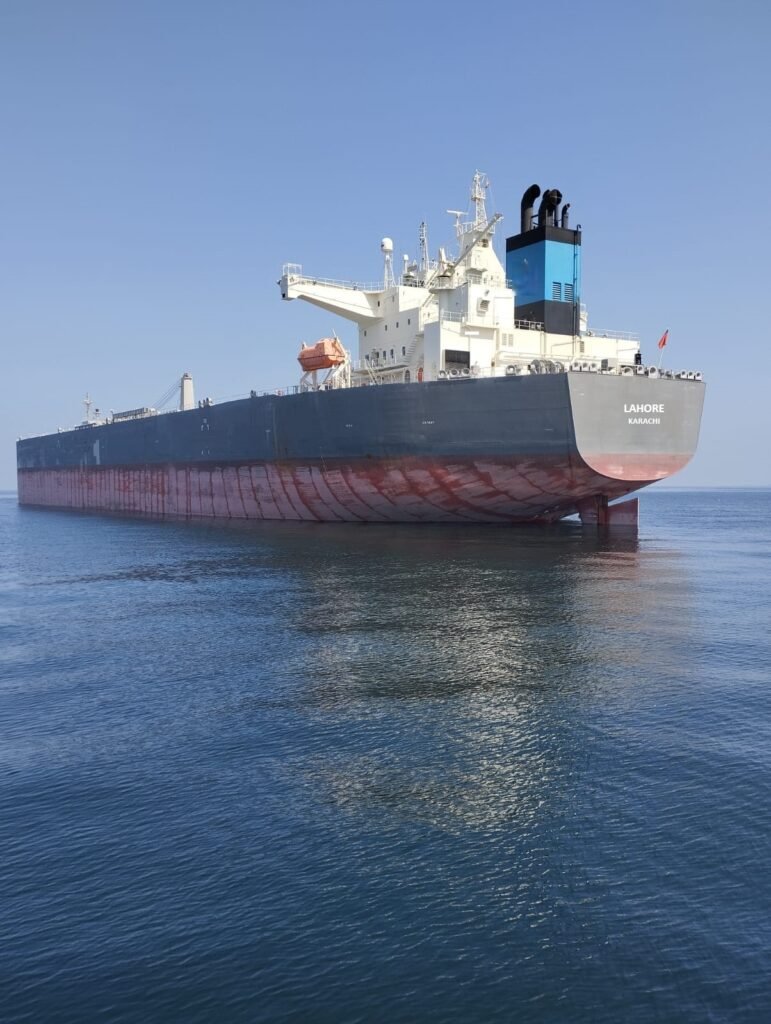
At a time when global shipping routes faced uncertainty and fear, PNSC Energy Supply Crisis Response emerged as a crucial stabilizing force for Pakistan’s economy. As geopolitical tensions disrupted maritime operations across key oil corridors, Pakistan’s national carrier demonstrated resilience, responsibility, and strategic foresight to secure the country’s vital energy imports.
In moments when supply chains falter, economies feel the shock immediately. Yet Pakistan’s maritime sector showed that preparedness and national capacity can make all the difference.
Navigating Risky Waters to Protect Pakistan’s Energy Flow
Recent tensions around the strategic shipping route of the Strait of Hormuz sent shockwaves through global energy markets. With heightened security concerns and operational challenges, several international shipping operators hesitated to sail through expanded High Risk Areas stretching toward the Red Sea, Fujairah and Sohar.
Despite these hurdles, the Pakistan National Shipping Corporation (PNSC) continued operations. Its commitment ensured that Pakistan’s fuel supply chain remained intact during a period when uncertainty could have triggered shortages and economic disruption.
This decisive response highlights the often-overlooked importance of maritime logistics in national security and economic continuity.
PNSC Energy Supply Crisis Response in Numbers
During the escalation period, PNSC successfully transported approximately 574,000 metric tonnes of crude oil, equivalent to 8–9 major cargo shipments, alongside 61,000 metric tonnes of gasoil. These deliveries were coordinated under supplier arrangements with Pakistan State Oil, Pakistan’s largest fuel marketing company.
Remarkably, this achievement came at a time when international freight rates surged dramatically reportedly rising five to six times due to increased insurance costs and security risks. By maintaining operational continuity and stable freight structures, PNSC helped prevent further inflationary pressure on domestic fuel prices.
For industries and households alike, this stability translated into smoother economic activity and reduced anxiety over potential fuel shortages.
Why National Shipping Matters More Than Ever
The PNSC Energy Supply Crisis Response underscores a powerful lesson: countries with strong national fleets can better manage supply disruptions during geopolitical crises. Pakistan-flagged vessels and trained national crew proved instrumental in sustaining essential imports when foreign carriers adopted a cautious approach.
Beyond fuel transportation, a robust shipping capability strengthens trade competitiveness, reduces reliance on external operators, and enhances strategic autonomy. In times of uncertainty, such capabilities are not merely commercial assets they become pillars of national resilience.
Strengthening Maritime Resilience for the Future
PNSC’s performance during this crisis offers a roadmap for Pakistan’s broader maritime ambitions. Encouraging importers and exporters to utilize national-flag services can foster long-term resilience and support local expertise.
By expanding fleet capacity, investing in maritime technology, and building strategic partnerships, Pakistan can position itself as a reliable regional shipping hub. The recent crisis serves as both a warning and an opportunity: global supply chains are fragile, but proactive planning can safeguard economic stability.
A Story of Commitment and Confidence
Ultimately, the PNSC Energy Supply Crisis Response is not just about cargo shipments or shipping routes. It is about confidence the assurance that even amid global turbulence, essential services will continue.
For Pakistan’s business community and policymakers, this episode reinforces the value of investing in national infrastructure that keeps the wheels of the economy turning. As regional uncertainties persist, such preparedness will remain vital in shaping Pakistan’s economic future.