Author name: Press Release

MCB Islamic Bank Appoints Hammad Khalid as President & CEO
Uncategorized

MCB Islamic Bank Appoints Hammad Khalid as President & CEO

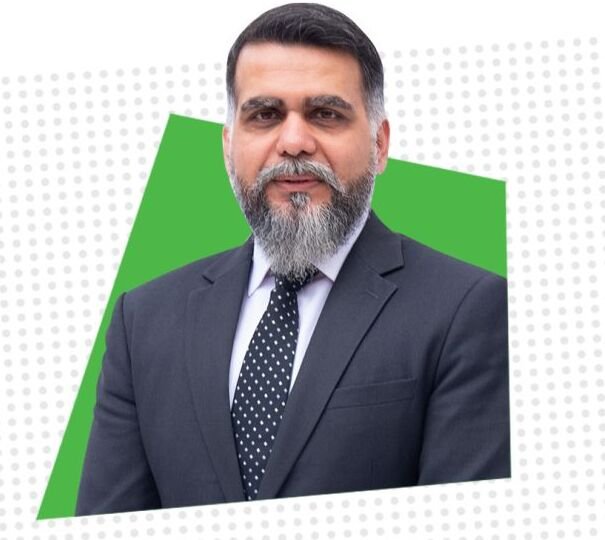
Lahore – MCB Islamic Bank Limited has appointed Mr. Hammad Khalid as its new President and Chief Executive Officer. The Board of Directors of MCB Islamic Bank has approved Mr. Khalid’s appointment in line with its strategic vision and governance framework. His appointment reflects the Bank’s commitment to strengthening leadership and driving sustainable growth in an evolving financial landscape. Mr. Khalid has been associated with MCB Islamic Bank as a Director on the Board since June 2022, during which time he contributed to the Bank’s strategic planning and governance oversight. Mr. Khalid is a member of the Institute of Chartered Accountants of Pakistan (ICAP) and brings over 16 years of experience with MCB Bank Limited. Most recently, he served as Chief Financial Officer, where he led strategic decision-making, capital management and regulatory compliance, while representing the Bank at national and international forums. His expertise in financial governance, risk management and banking operations has been instrumental in driving sustainable growth and institutional resilience. In addition to his executive experience, Mr. Khalid holds board positions at 1LINK (Pvt.) Limited, MCB NBCO Azerbaijan and MCB Exchange, reflecting his broad leadership experience across the financial services industry.

Solar Investment at Risk as ‘Unit-for-Unit’ System Ends, Says Business Community
Uncategorized

Solar Investment at Risk as ‘Unit-for-Unit’ System Ends, Says Business Community

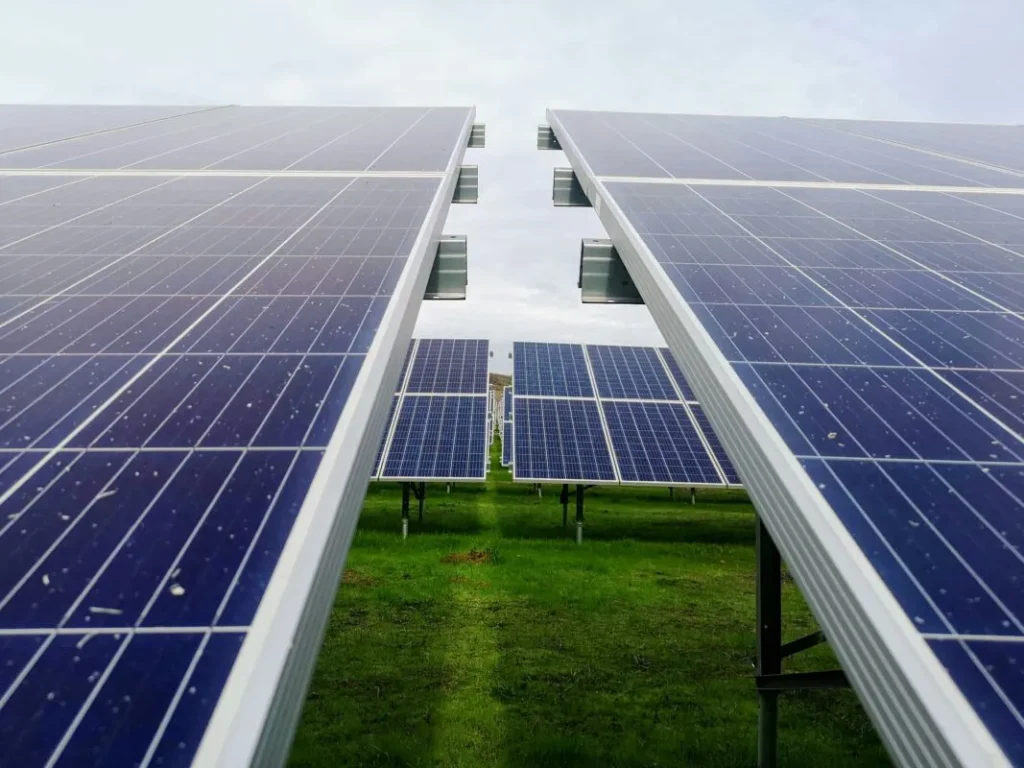
KARACHI: The business community has raised alarm over the proposed Net Metering Regulations 2026, warning that sweeping changes to Pakistan’s solar power framework could impose billions of rupees in additional costs on electricity consumers and undermine investment in renewable energy. Saquib Fayyaz Magoon, Chairman of the Businessmen Panel Progressive (BMPP) and Senior Vice President of the Federation of Pakistan Chambers of Commerce and Industry (FPCCI), expressed serious reservations over the National Electric Power Regulatory Authority’s (Nepra) plan to abolish the existing “unit-for-unit” net metering system and replace it with a net billing regime. Under the proposed rules, consumers will no longer be able to offset the electricity they supply to the national grid against the units they consume. Instead, excess electricity generated through rooftop solar systems will be purchased at approximately Rs11 per unit, while consumers will continue to buy electricity from the grid at rates of up to Rs50 per unit. Magoon said the sharp disparity between buying and selling rates would significantly extend the payback period for solar investments and result in financial losses for households and businesses that have already installed solar systems. “Previously, if a consumer supplied one unit of electricity to the grid, it was adjusted directly against one unit consumed. Now, the settlement will be on a monetary basis after 30 days, with a massive gap between purchase and sale prices,” he said. He noted that thousands of households had invested their savings or taken bank loans to install solar systems in a bid to escape soaring electricity tariffs. “This policy shift will hit them the hardest,” he warned. The commercial sector, he added, would face a double blow — paying high tariffs for grid electricity while selling surplus solar power at a fraction of the price. The resulting increase in operational costs would inevitably be passed on to consumers, fuelling further inflation in essential goods and services. Magoon cautioned that the industrial sector, which has invested billions of rupees in solar energy to remain competitive in export markets, would also suffer. Higher energy costs would raise production expenses, erode export competitiveness and potentially inflict billions in losses on the national economy. Although existing net metering consumers may receive temporary protection, he said the broader uncertainty surrounding the policy would damage investor confidence. He also expressed concern over Nepra’s proposed authority to revise purchase rates and conduct quarterly reviews, arguing that frequent changes would disrupt policy continuity and stall new investment in renewable energy. Calling for an immediate withdrawal of the proposed regulations, Magoon urged the government to consult all stakeholders, particularly representatives of industry and trade, to formulate a balanced policy that protects consumers while promoting sustainable economic growth.

Pakistan SADC Chamber Announces Central and Provincial Office-Bearers
Business

Pakistan SADC Chamber Announces Central and Provincial Office-Bearers

The Pakistan SADC Chamber Trade Federation has taken a decisive step toward reshaping Pakistan’s trade and investment relationship with Southern Africa by announcing its central and provincial office-bearers for the 2026–2027 term. The newly unveiled Pakistan Chapter leadership signals renewed ambition, sharper focus, and a clear intent to deepen economic cooperation between Pakistan and the Southern African Development Community (SADC) region. Announced from Johannesburg on February 3, the development has drawn attention across business and diplomatic circles, as the federation positions itself to play a more strategic role in regional trade facilitation, joint ventures, and cross-border investment flows. A Strategic Vision Backed by Leadership Founder Chairman of the Pakistan SADC Chamber Trade Federation, Mr. Muhammad Rafiq Memon, underscored the importance of the Pakistan Chapter in delivering the federation’s core mission. Congratulating the newly nominated team, he expressed confidence that the central and provincial leadership would actively contribute to expanding Pakistan’s trade footprint across African markets. According to Mr. Memon, the federation’s renewed structure is aligned with its long-term manifesto transforming Pakistan into a competitive and trusted trading partner for Southern Africa while unlocking opportunities for exporters, investors, and entrepreneurs on both sides. The Pakistan SADC Chamber Trade Federation has taken a decisive step toward reshaping Pakistan’s trade and investment relationship with Southern Africa by announcing its central and provincial office-bearers for the 2026–2027 term. The newly unveiled Pakistan Chapter leadership signals renewed ambition, sharper focus, and a clear intent to deepen economic cooperation between Pakistan and the Southern African Development Community (SADC) region. Read more: Pakistan SADC Trade Relations Gain Momentum at Elite Karachi Diplomatic Gathering Announced from Johannesburg on February 3, the development has drawn attention across business and diplomatic circles, as the federation positions itself to play a more strategic role in regional trade facilitation, joint ventures, and cross-border investment flows. A Strategic Vision Backed by Leadership Founder Chairman of the Pakistan SADC Chamber Trade Federation, Mr. Muhammad Rafiq Memon, underscored the importance of the Pakistan Chapter in delivering the federation’s core mission. Congratulating the newly nominated team, he expressed confidence that the central and provincial leadership would actively contribute to expanding Pakistan’s trade footprint across African markets. According to Mr. Memon, the federation’s renewed structure is aligned with its long-term manifesto transforming Pakistan into a competitive and trusted trading partner for Southern Africa while unlocking opportunities for exporters, investors, and entrepreneurs on both sides. Pakistan SADC Chamber Trade Federation Central Cabinet 2026–27 At the heart of the Pakistan Chapter is a central cabinet composed of seasoned professionals with diverse trade and organizational experience. Mumtaz Khan Yousafzai will lead the chapter as President, supported by Syed Moizuddin as Senior Vice President. The operational backbone will be handled by Ikramullah Jan as General Secretary, while Sheikh Muhammad Ejaz takes on the role of Vice President. Together, this leadership team is expected to steer policy advocacy, trade missions, and institutional partnerships aimed at accelerating bilateral and multilateral trade. Provincial Leadership: Strengthening Grassroots Trade Engagement The Pakistan SADC Chamber Trade Federation has also strengthened its provincial footprint to ensure nationwide participation in Pakistan–Africa trade initiatives. In Islamabad, Shehzada Khurram assumes the presidency, supported by General Secretary Asghar Khan. Punjab’s chapter will be led by Khawaja Faiq Kaleem, with Aleena Ejaz playing a dual role as General Secretary and Senior Vice President of the Women Wing. In Sindh, Muhammad Shoaib Qadri heads the chapter, supported by Sheikh Aqeel Ahmed, Muhammad Shafiq, and Sadiq Karim. Khyber Pakhtunkhwa sees Engineer Khalifa Khan as President, backed by a strong team including Muhammad Arshad Afridi and Muhammad Shakeel Afridi. Balochistan and Kashmir are represented by Noor Afshan Baloch and Raja Sher Afghan respectively, ensuring inclusivity across regions. This decentralized structure is designed to convert local business potential into international trade opportunities. Women Wing and Inclusive Economic Growth A notable highlight is the federation’s strong emphasis on women-led trade initiatives. The Women Wing of the Pakistan SADC Chamber Trade Federation will be led by Noor Afshan Baloch, with Aleena Ejaz, Neelum Gul, and Maria Raza in key leadership roles. This reflects the federation’s commitment to inclusive growth and empowering women entrepreneurs in cross-border commerce. Digital Trade Takes Center Stage In a move aligned with global trade trends, Syed Salman Shah has been appointed as Director of Technology and Digital Trade. His role will focus on leveraging e-commerce platforms, online business networks, and modern digital tools to strengthen trade linkages between Pakistan and Southern Africa. This appointment signals the federation’s intent to modernize trade facilitation and tap into the rapidly growing digital economy. Why This Matters for Pakistan’s Economy With prominent figures from trade, industry, and social sectors, the Pakistan SADC Chamber Trade Federation is positioning itself as a catalyst for export growth, foreign investment, and economic diplomacy. The 2026–27 leadership is expected to play a pivotal role in opening new markets, reducing trade barriers, and supporting national economic growth through Africa-focused engagement. At the heart of the Pakistan Chapter is a central cabinet composed of seasoned professionals with diverse trade and organizational experience. Mumtaz Khan Yousafzai will lead the chapter as President, supported by Syed Moizuddin as Senior Vice President. The operational backbone will be handled by Ikramullah Jan as General Secretary, while Sheikh Muhammad Ejaz takes on the role of Vice President. Together, this leadership team is expected to steer policy advocacy, trade missions, and institutional partnerships aimed at accelerating bilateral and multilateral trade. Provincial Leadership: Strengthening Grassroots Trade Engagement The Pakistan SADC Chamber Trade Federation has also strengthened its provincial footprint to ensure nationwide participation in Pakistan–Africa trade initiatives. In Islamabad, Shehzada Khurram assumes the presidency, supported by General Secretary Asghar Khan. Punjab’s chapter will be led by Khawaja Faiq Kaleem, with Aleena Ejaz playing a dual role as General Secretary and Senior Vice President of the Women Wing. In Sindh, Muhammad Shoaib Qadri heads the chapter, supported by Sheikh Aqeel Ahmed, Muhammad Shafiq, and Sadiq Karim. Khyber Pakhtunkhwa sees Engineer Khalifa Khan as President, backed by a strong team including Muhammad Arshad Afridi

Uncategorized

Daraz Pakistan Brings the Spirit of Ramadan to Life with Grand Ramadan Bazaar

As families across Pakistan begin preparing for Ramadan, a month rooted in reflection, generosity, and togetherness, Daraz Pakistan has announced the launch of its Grand Ramadan Bazaar, a nationwide shopping campaign designed to help customers get ready for the month with greater convenience and affordability. Running from 1 February (8:00 PM onwards) to 2 March, the campaign brings together significant savings across everyday essentials and household needs so customers can spend less time worrying about errands and more time focusing on what Ramadan truly represents. Through the Grand Ramadan Bazaar, customers will be able to access vouchers up to PKR 12,000 off, Free Delivery, and Flash Sale up to 80% off, along with a wide selection of Ramadan-relevant products across groceries and pantry staples, kitchen and home appliances, personal care, home and living, and other daily essentials. The campaign will feature offers across a strong lineup of participating brands, including Nestle, Olper’s, Reckitt, Haier, Abbott, Samsung, Zero Healthcare, Jenpharm, J., Meclay, Lipton, Levi’s, Ezviz Pakistan, Scents N Stories, and TCL, helping customers find trusted products for Suhoor, Iftar, Eid preparation, and the month’s day-to-day needs. There will also be dedicated brand days for Pakistanis to buy their favourite products at special discounts. “Ramadan is a deeply personal time for families across Pakistan. It is a month where small routines become more meaningful, where we gather more often around the table, and where giving takes on a special significance,” stated a Daraz Pakistan spokesperson “With the Grand Ramadan Bazaar, our aim is to make preparation easier and more affordable by bringing genuine savings on essentials, while ensuring a reliable shopping experience that customers can count on throughout the month. Just as importantly, Ramadan is a vital season for many of our local sellers and small businesses, and we want to help them benefit from the increased demand by connecting them with customers across the country. This year, we are also placing special emphasis on our refreshed Daraz Choice channel as the Everyday Low Price offering, because customers should not have to wait for a campaign day to access reliable value on the items they buy most often.” Daraz Pakistan noted that the campaign also shines a spotlight on the Daraz Choice channel, now refreshed with Everyday Low Price, ensuring that daily essentials remain consistently affordable all year round. Designed for frequently purchased items across categories such as Health & Beauty and Groceries, EDLP removes the need to wait for major sales by offering reliable value alongside fast 1 to 3 days delivery. Customers can also enjoy Buy 3 for Free Shipping offers and receive free gifts on purchases of four or more items, making it easier to stock up on essentials with added value. To make the shopping experience more engaging throughout the month, Daraz Pakistan said customers will also be able to access a mix of interactive and time-specific campaign mechanics, including Brand Rush Hour, Shop & Win, Coins Treasure Chest, Bachat Bazaar, Mega Deals, alongside Hot Deals, Flash Sale offers, and a range of vouchers, giving customers multiple ways to maximise savings based on their needs and shopping habits. Customers will be able to shop through the Daraz app and at www.daraz.pk, with campaign highlights and flash sales updated regularly during the campaign period. Daraz Pakistan will also work closely with its payment ecosystem to enable smoother checkouts and value-added payment offers with banking partners, including Al Baraka, Allied Bank, HBL, Soneri Bank, and MCB, with partner offers providing savings of up to 40% off*.

Daraz Pakistan Steps In to Support Sellers Affected by the Gul Plaza Tragedy
Pakistan

Daraz Pakistan Steps In to Support Sellers Affected by the Gul Plaza Tragedy

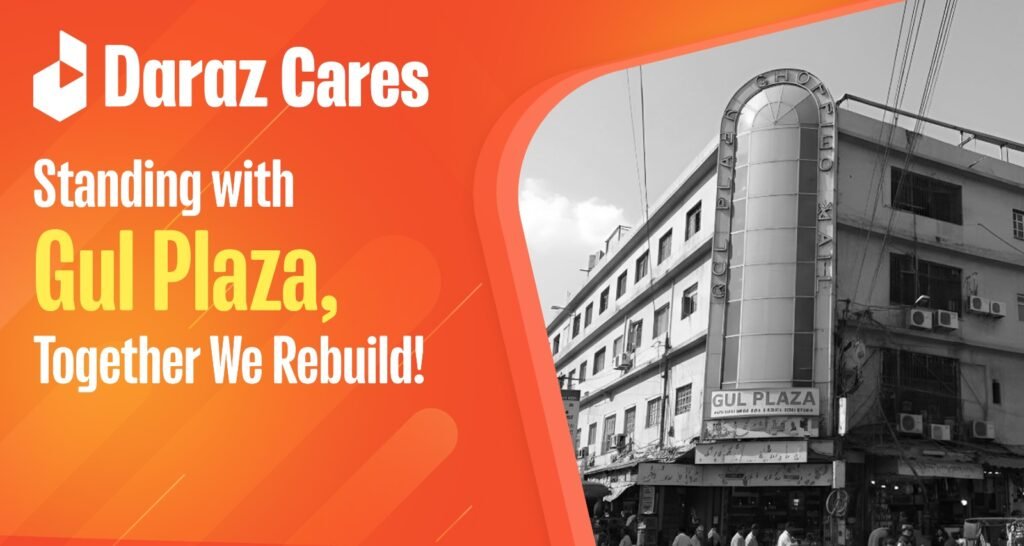
Daraz Pakistan is mobilising platform and ecosystem support for impacted sellers, including onboarding, storage solutions, marketing enablement, and dedicated incubation over the next three months. Daraz Pakistan, under its Daraz Cares arm, has announced a dedicated support initiative for sellers impacted by the recent fire at Gul Plaza in Karachi, aimed at helping affected businesses regain stability and continue serving customers across Pakistan. Through this initiative, Daraz Pakistan will launch a dedicated segment and page on its platform (app and desktop) for sellers impacted by the incident, helping customers discover and support their businesses as they rebuild. Daraz Pakistan will also facilitate onboarding for impacted sellers and provide targeted training to enable them to restart operations online with ease. To help address immediate operational challenges, Daraz Pakistan will make warehouse space available for those who require storage for existing or incoming inventory and offer subsidised delivery. In addition, Daraz Pakistan will extend free on-site and digital marketing support by leveraging its owned assets to help affected sellers gain reach and momentum. Read more: Daraz Pakistan kicks off 2026 with 1.1 “The #1 Sale” and five days of big savings A dedicated incubation and support track will also be introduced to provide hands-on guidance and continued assistance to impacted businesses as they stabilise over time. This support will remain in place over the next three months to help affected sellers recover and sustain their businesses through the Ramadan and Eid season. Daraz Cares is Daraz Pakistan’s social impact arm, focused on mobilising the company’s platform, resources, and partnerships to support communities in times of need. Commenting on the initiative, Ehsan Saya, Managing Director, Daraz Pakistan, said: “Gul Plaza has never been just a marketplace; it has been a place of livelihoods, relationships, and decades of hard work. Many of the sellers connected to it were among the earliest to bring their businesses onto Daraz and learn how to serve customers far beyond Karachi. What has happened is heartbreaking. Our focus now is to stand with these entrepreneurs in a way that is practical and compassionate, and to use the reach of Daraz and our wider ecosystem to help them rebuild and move forward.” Gul Plaza has long been a vital business hub in Karachi and has remained closely linked to the journeys of many entrepreneurs who power commerce in the country. Over the last decade of Daraz in Pakistan, the marketplace has also been an important part of Daraz Pakistan’s broader seller ecosystem, supporting a wide network of direct and indirect sellers, including home-based entrepreneurs who procure from there and deliver products to customers nationwide. For many families and small businesses, the incident has not only disrupted trade but also placed livelihoods and working routines under immense strain. Daraz Pakistan encourages sellers impacted by the incident to share their details so the company can connect them with the relevant support track. Impacted sellers can register through https://darazvoc.qualtrics.com/jfe/form/SV_8CEbdm4sGnFWa0e or reach out via their usual Daraz Seller Support channels. Daraz Pakistan’s thoughts remain with everyone affected by the tragedy, including families who have suffered loss and those awaiting news.

Global Procurement & Supply Chain Summit 2026
Pakistan

Supply Chain Leaders Gather in Karachi for Global Procurement and Supply Chain Summit 2026 Hosted by Horizon Summit Management

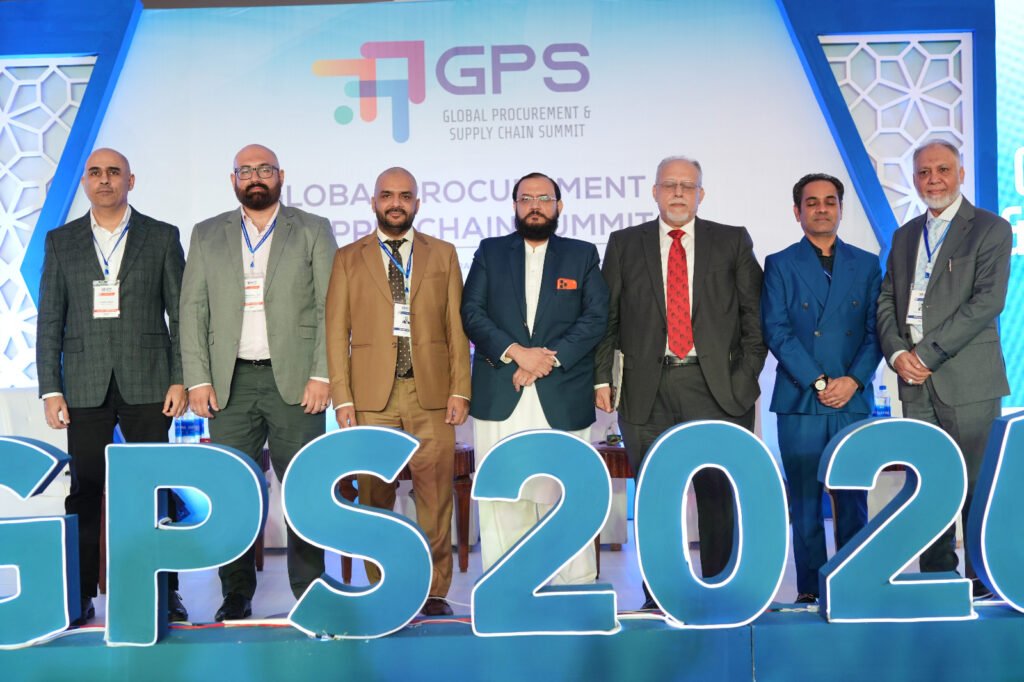
Karachi hosted the Global Procurement & Supply Chain Summit (GPS 2026) on 13 January 2026 at Mövenpick Hotel, with senior procurement professionals, supply chain leaders, policymakers, and technology specialists in attendance to discuss current developments affecting procurement and supply chain functions within Pakistan’s textile and manufacturing sectors. Organised by Horizon Summit Management (HSM), the summit focused on operational, technological, and regulatory considerations influencing supply chains, including sustainability requirements, vendor integration, procurement digitisation, and the growing role of data-driven decision-making. The summit opened with a welcome address by Syed Ishtiaq Ahmed, Chairman, Horizon Summit Management, followed by remarks from GPS Advisory Board members Imran Mushtaq and Altaf Gul Muhammad, who spoke on industry coordination, evolving procurement practices, and the need for practical alignment between corporate, regulatory, and technology stakeholders. Five panel discussions formed the core of the programme. These sessions addressed the development of sustainable and environmentally responsible supply chains, challenges and opportunities for local vendors in Pakistan, global and AI-enabled procurement practices within textile supply chains, leadership and technology considerations in procurement functions, and regulatory frameworks alongside international operating standards. At the occasion Mr. Mobeen Waqar – Vice President Textile Traders Association, Mr. Muhammad Raza – Senior Vice President KCCI and Mr. Arif Lakhani – Vice President KCCI will grace the summit as Guest of Honor. Participants included senior executives and specialists from organizations such as Yunus Textile Mills, Gul Ahmed Textile Mills, Liberty Textiles, Lucky Textile Mills, Alkaram Textile Mills, Artistic Milliners, Rajby Industries, Soorty Enterprises, and Qingdao Aige Jinyi Textile Co. Ltd, along with professionals from technology firms and academic institutions contributing perspectives on procurement systems, automation, and digital infrastructure. The programme concluded with an awards and memento distribution ceremony, an address by the Chief Guest President & CEO of Exim Bank of Pakistan Mr. Shahbaz H. Syed. Addressing the gathering, the Chief Guest said, “Pakistan’s supply chain and procurement functions are operating in an increasingly demanding environment, shaped by global standards, sustainability requirements, and rapid technological change. Forums such as the Global Procurement and Supply Chain Summit provide an important opportunity for industry, policymakers, and technology stakeholders to exchange practical insights and strengthen alignment. Continued dialogue of this nature will be essential to improving efficiency, competitiveness, and long-term resilience across key sectors of the economy.” Concluding remarks were delivered by Hafiz Kashif, followed by a vote of thanks from Syed Faisal Ali, Chief Executive Officer, Horizon Summit Management, and a networking dinner. Through GPS 2026, Horizon Summit Management delivered a structured forum centred on operational insight, peer exchange, and informed discussion, reflecting the evolving requirements of procurement and supply chain leadership within Pakistan’s textile and manufacturing economy.

Daraz Pakistan kicks off 2026 with 1.1 “The #1 Sale” and five days of big savings
Pakistan

Daraz Pakistan kicks off 2026 with 1.1 “The #1 Sale” and five days of big savings

As Pakistan counts down to the New Year, Daraz Pakistan has announced 1.1 ‘The #1 Sale’, a five-day shopping celebration designed to kick off 2026 with standout value across electronics, fashion, beauty, lifestyle and everyday essentials. The sale goes live at 8:00 PM on 31 December 2025 and runs till 5 January 2026, giving customers the chance to start the year by upgrading their homes, refreshing their wardrobes, stocking up on essentials, and ticking off long-awaited wish lists with exciting savings. To make the New Year shopping moment more festive and interactive, Daraz 1.1 will feature platform favourites including Shop & Win and Treasure Chest, alongside Brand Rush Hour, which unlocks time-limited offers from participating brands. Read more: Daraz Pakistan Extends 11.11 Excitement with Big Friday Sale from 21 to 30 November Built around the spirit of new beginnings, Daraz 1.1 brings together platform-wide vouchers, best-value pricing and a wide assortment from leading brands, including LG, TCL, Samsung, Xiaomi, Tecno and Haier Pakistan in electronics and home, alongside Abbott, L’Oreal, Ana & Batla, Saeed Ghani, Golden Pearl Cosmetics, Jenpharm and Philips across health, personal care and beauty. Customers can also shop household and pantry favourites from Nestle, Pepsico, Colgate Palmolive and Olper’s, while exploring fashion and accessories picks from Meclay London Official, J., and Calza during the sale. Daraz 1.1 is supported by payment partners Upaisa, MCB, Askari Bank and Soneri Bank, enabling customers to unlock additional value through partner-backed offers. The sale will also feature 100% authentic products and free delivery offers during the campaign period, supporting a smooth and trustworthy shopping experience as customers step into the New Year. “New Year’s is all about fresh starts, and we want 1.1 to feel like the first celebration of 2026 for our customers,” said a Daraz Pakistan spokesperson. “We have brought together exciting savings, a strong line-up of trusted brands, and a shopping experience that is simple and reliable, so customers can start the year by treating themselves, upgrading their homes, or stocking up on essentials, all with great value and 100% authentic products.” Daraz 1.1 “The #1 Sale” will be live nationwide via the Daraz app and website from 31 December 2025 to 5 January 2026.

BingX Celebrates Reaching 40M Users in 2025 with Beyond the Alpha Campaign
Uncategorized

BingX Celebrates Reaching 40M Users in 2025 with Beyond the Alpha Campaign

In 2025, BingX achieved 100% user growth, with a peak 24-hour trading volume surpassing $26 billion, underscoring strong global adoption and momentum. PANAMA CITY, December 15, 2025 – BingX, a leading cryptocurrency exchange and Web3 AI company, has reached a major milestone by surpassing 40 million global users. This achievement marks an extraordinary 100% year-over-year growth, cementing BingX’s position as one of the fastest-growing platforms in the industry. Pioneering Innovation in the Crypto Space BingX is at the forefront of innovation in the crypto space. The exchange launched a groundbreaking $300 million commitment to AI, making a strong push into an AI-native crypto exchange. This bold move has attracted over 3 million early users who are trading with BingX AI Bingo and BingX AI Master, which provide advanced insights and enhance decision-making. In addition, BingX has introduced a CeDeFi approach with the launch of BingX Chainspot, a centralized exchange system with decentralized transparency, marking a first in the industry. This unique hybrid model blends the strengths of centralized exchanges with the security and transparency of decentralized finance (DeFi), offering users enhanced flexibility and trust in their trading environment. Early Access to the Market and Offerings BingX has further enhanced its trading offerings with significant improvements across both spot and futures trading: Uncompromising Commitment to Security BingX has always prioritized user security and transparency. The platform has consistently provided publicly accessible, verifiable 100% Proof of Reserves since 2022, reinforcing its commitment to accountability. To further protect users, BingX launched a $150 million Shield Fund and has achieved ISO 27001 certification, meeting the highest security standards in the industry. In addition, BingX has attained PCI DSS v4.0.1 certification for its fiat business, ensuring robust safeguards for both user data and financial transactions. User-Centric Enhancements for the Community BingX’s dedication to its users is exemplified through a series of new community-driven initiatives designed to enhance the trading experience. Strategic Investments in the Future of Web3 BingX has shown continued dedication to the evolution of the Web3 space, with BingX Labs investing $16 million in promising Web3 projects. This commitment underscores BingX’s role as a driving force in the future of decentralized technologies. Additionally, BingX is nurturing the next generation of crypto leaders through its TalentX program, empowering young talent to explore career opportunities within the digital asset industry. Beyond innovation and trading, BingX has maintained its corporate social responsibility efforts, making impactful donations globally, including a donation of $200,000 USD to the “One Light, Thousands of Hearts” initiative in Vietnam, and a donation of HKD $5 million to the Support Fund for Wang Fuk Court in Tai Po, Hong Kong, following a tragic fire disaster. “Reaching 40 million users is more than just a number,” said Vivien Lin, Chief Product Officer of BingX. “It represents the recognition we have received from our users, partners, and the broader crypto community. Every milestone reflects our unwavering commitment to innovation, security, and putting our users first, and it motivates us to continue doing more for our users. We always take a step further, and that is the spirit we hope to demonstrate in our Beyond the Alpha campaign. “ To celebrate this significant achievement, BingX is launching its “Beyond the Alpha” campaign, a celebration of its commitment to engaging with users in innovative and meaningful ways. Running from December 15 to December 26, 2025, the campaign invites users to participate in a lucky draw for a chance to win guaranteed prizes, including a limited-edition BingX Field Barista Kit, trading vouchers, and more. Users can earn additional entries by completing daily tasks such as trading, depositing, and referring to new users. As part of this vibrant campaign, BingX will also release a first-ever branded music video, showcasing the key achievements and reinforcing its dedication to delivering secure, user-friendly, and responsive products and services.

Pakistan's Central Bank Surprises Markets with 50 bps Rate Cut to 10.5%
Uncategorized

Pakistan’s Central Bank Surprises Markets with 50 bps Rate Cut to 10.5%

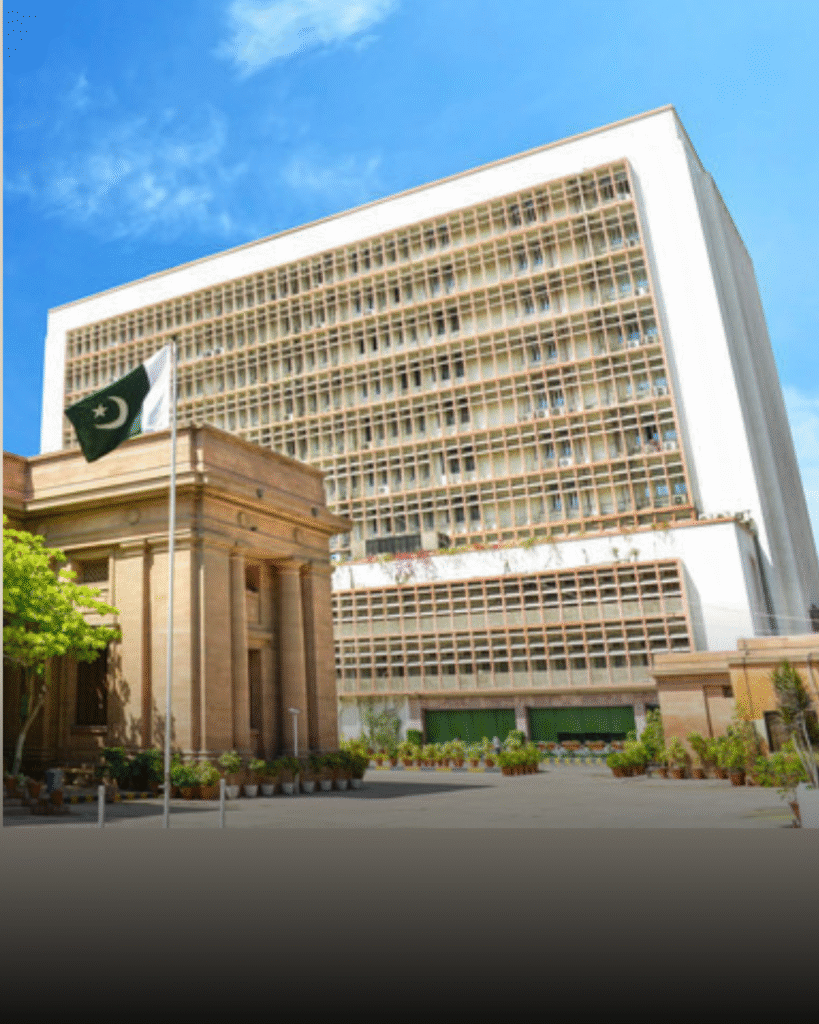
The State Bank of Pakistan (SBP) has announced a 50 basis points (bps) cut in the policy rate, effective December 16, 2025, marking the first change in interest rates after a prolonged pause of seven months. The decision was taken during the Monetary Policy Committee (MPC) meeting held on December 15, 2025, as outlined in the latest Monetary Policy Statement. The policy rate had remained unchanged at 11 percent since May 2025, when the central bank last reduced it from 12 percent to 11 percent. With the latest decision, the SBP aims to strike a balance between maintaining price stability and supporting sustainable economic growth. Read More: https://theboardroompk.com/sbp-expected-to-maintain-11-policy-rate-amid-inflation-caution/ Why the State Bank of Pakistan Cut the Policy Rate According to the MPC, inflation during July–November FY26 averaged within the SBP’s medium-term target range of 5–7 percent, providing room for cautious monetary easing. While core inflation remains relatively sticky, the overall inflation outlook is broadly unchanged due to:• Benign global commodity prices• Anchored inflation expectations• A prudent monetary policy stance The MPC noted that economic activity is gaining traction, supported by strong improvement in high-frequency indicators, including a better-than-expected recovery in large-scale manufacturing (LSM) during the first quarter of FY26. Despite these positive indicators, the Committee highlighted that the global economic environment remains challenging, particularly for exports, which could pose risks to Pakistan’s macroeconomic outlook. Against this backdrop, the MPC concluded that there was sufficient space to modestly reduce the policy rate while safeguarding price stability. Economic Developments Since the Last MPC Meeting The Monetary Policy Committee reviewed several key domestic and external developments that influenced its decision: Labor Market TrendsThe Labor Force Survey 2024–25 indicates an increase in the unemployment rate compared to 2020–21, despite faster employment growth. This reflects structural challenges in the labor market and underscores the need for sustained economic expansion to generate jobs. Foreign Exchange Reserves and IMF SupportDespite ongoing external debt repayments, SBP’s foreign exchange reserves increased to over $15.8 billion, supported by a $1.2 billion inflow from the IMF following the successful completion of EFF and RSF reviews. The reserves level has already surpassed the December 2025 target of $15.5 billion. Business and Consumer ConfidenceLatest SBP-IBA surveys show an improvement in consumer confidence, while business confidence, though still positive, has moderated slightly amid global uncertainties. Fiscal PerformancePakistan recorded overall and primary fiscal surpluses in Q1-FY26, largely due to a sizeable profit transfer from the SBP. However, slower tax collection growth raises concerns about meeting full-year fiscal targets. Real Sector Performance: Industrial and Agricultural Outlook Industrial Growth Gains MomentumThe real sector continues to demonstrate robust momentum. Large-scale manufacturing (LSM) posted 4.1 percent year-on-year growth in Q1-FY26, with most industrial sectors showing increased output. Additional indicators such as:• Automobile sales• Fertilizer and cement demand• Imports of machinery and intermediate goodsall point to a positive outlook for industrial activity. Agriculture Sector OutlookIncoming data on major crops, particularly wheat, suggests favorable production prospects. Improved input conditions and government-backed incentive schemes indicate that wheat output may exceed targets, providing support to food security and rural incomes.Collectively, these developments are expected to support the services sector, with real GDP growth for FY26 projected in the upper half of the 3.25–4.25 percent range. External Sector: Current Account and Trade Challenges The current account deficit stood at $0.7 billion during July–October FY26, aligning with MPC expectations. While imports grew alongside economic recovery and workers’ remittances remained resilient, exports faced pressure due to a sharp decline in food exports, particularly rice. Looking ahead:• Global trade dynamics and tariff-related developments may constrain exports• Lower global oil prices could help contain import growth Overall, the current account deficit is projected to remain within 0–1 percent of GDP in FY26, while SBP’s foreign exchange reserves are expected to rise to $17.8 billion by June 2026, assuming planned inflows materialize. Fiscal Sector: Progress and Structural Challenges Although fiscal balances showed improvement in Q1-FY26, FBR tax collection growth slowed to 10.2 percent year-on-year during July–November FY26, requiring significant acceleration to meet budget targets. Lower-than-budgeted interest payments may help contain the fiscal deficit, but achieving the targeted primary surplus remains challenging. The MPC reiterated the importance of:• Broadening the tax base• Privatizing loss-making state-owned enterprises (SOEs)• Implementing long-overdue structural reforms to strengthen fiscal buffers and create space for public investment. Money, Credit, and Inflation Trends Credit Expansion Broad money (M2) growth accelerated to 14.9 percent by late November, driven largely by increased government borrowing. Private sector credit expanded by Rs187 billion during July–November, with strong demand from textiles, wholesale and retail trade, and chemicals. Consumer financing, particularly auto loans, remained robust due to easing financial conditions and improved sentiment. Inflation Outlook Headline inflation has remained within the target range for three consecutive months, with food, energy, and core inflation converging as expected. However, the MPC cautioned that inflation may temporarily rise above the target toward the end of FY26 due to base effects before stabilizing again in FY27. Key inflation risks include:• Volatile global commodity prices• Energy price adjustments• Fiscal slippages• Uncertainty around wheat and food prices What the Policy Rate Cut Means for Businesses The 50 bps policy rate cut signals a cautiously supportive monetary stance, aimed at encouraging investment and credit expansion while preserving macroeconomic stability. However, many business stakeholders believe that further reductions may be necessary to fully unlock industrial growth, enhance export competitiveness, and support SMEs. With the policy rate having remained unchanged for seven months prior to this move, the decision represents a critical turning point in Pakistan’s monetary policy cycle.

PIBT and Reko Diq Sign Landmark Agreement to Enable Multi-Billion Dollar Mineral Exports from Pakistan
Pakistan

PIBT and Reko Diq Sign Landmark Agreement to Enable Multi-Billion Dollar Mineral Exports from Pakistan

KARACHI, December 15, 2025Pakistan International Bulk Terminal Limited (PIBT) has signed a landmark Agreement with Reko Diq Mining Company (RDMC) for the handling and export of its copper-gold concentrates. The signing follows PIBT’s execution of a Supplemental Implementation Agreement with the Port Qasim Authority (PQA), enabling PIBT to handle, store, and export copper-gold commodities, including minerals, metals, and other natural earth resources. Reko Diq is one of the world’s largest copper-gold mining projects, expected to significantly boost Pakistan’s long-term mineral exports and economic growth. Under this agreement, PIBT will serve as the primary logistics and export gateway for Reko Diq’s mineral output, reinforcing Pakistan’s position as a regional mineral hub. The project is scheduled to commence operations from 2028 onwards. Read More: https://theboardroompk.com/pakistan-expands-outreach-for-mining-and-minerals-investment-courting-german-partnership-after-us-and-france/ This partnership marks a significant step toward unlocking Pakistan’s mineral potential and strengthening its position in the global commodity markets. Commenting on the occasion, Mr. Sharique Azim Siddiqui, CEO of PIBT, expressed his sincere appreciation to the Government of Pakistan, the Special Investment Facilitation Council, the Ministry of Maritime Affairs, and the Port Qasim Authority for their pivotal role in bringing this landmark project to fruition. He emphasized that this agreement is a historic milestone for PIBT and Pakistan, enabling exports from one of the world’s most significant mining projects and serving as a cornerstone for national economic growth. Mark Hill, Barrick Mining Corporation’s Group Chief Operating Officer and Interim President and Chief Executive Officer added: “We’re delighted to have signed this important agreement with PIBT which marks another step forward in ensuring that Reko Diq delivers lasting value to all our stakeholders but particularly the people of Balochistan and Pakistan.” PIBT, located at Port Qasim, is Pakistan’s dedicated, fully mechanized multipurpose bulk handling terminal. Developed with a USD 305 million investment in partnership with the International Finance Corporation (IFC), PIBT plays a critical role in supporting the country’s industrial, energy, and trade infrastructure. PIBT operates in compliance with the World Bank Group’s Environmental, Health, and Safety (EHS) Guidelines, reinforcing its commitment to safety, sustainability, and best international practices. The terminal has a handling capacity of 12 million tonnes of imports and 4 million tonnes of exports per annum, with an additional investment planned to upgrade its export system.

Scroll to Top