WTI Crude

Brent Oil Prices Stay Above $100 as Middle East Tensions Heighten Global Supply Concerns
Editor pick

Brent Oil Prices Stay Above $100 as Middle East Tensions Heighten Global Supply Concerns

Brent Oil Prices Extend Rally Above $100 Per Barrel Brent oil prices remained above the $100-per-barrel mark on Friday, extending a four-week rally as escalating geopolitical tensions in the Middle East continued to fuel concerns over global crude oil supplies. Investors closely monitored developments in the Red Sea, the Strait of Hormuz, and the wider Gulf region, where rising military tensions have increased fears of prolonged disruptions to some of the world’s most critical energy shipping routes. Brent crude futures rose 37 cents (0.37%) to $101.06 per barrel after surging 7% in the previous trading session. The benchmark climbed above the $100 level for the first time since May and was on track for a 14.6% weekly gain, its strongest weekly performance in months. Meanwhile, West Texas Intermediate (WTI) crude traded at $91.20 per barrel, remaining largely unchanged during Friday’s session while heading for an 11.8% weekly gain. Middle East Tensions Continue to Support Brent Oil Prices The latest rise in Brent oil prices followed reports that Yemen’s Iran-backed Houthi movement attacked two Saudi oil tankers in the Red Sea. The incident intensified concerns about the security of global energy shipments through one of the world’s busiest maritime trade routes, raising fears that further escalation could significantly disrupt crude oil exports. Market analysts believe the risks to global supply are now greater than at any point since the regional conflict intensified. According to analysts at ING, simultaneous threats to oil flows through both the Strait of Hormuz and the Red Sea have created an unusually high level of uncertainty for global energy markets. Strait of Hormuz Traffic Falls Sharply The Strait of Hormuz, through which a substantial share of global crude exports passes each day, remains at the center of market attention. Ship-tracking data from Kpler showed that only one oil tanker crossed the strategic waterway on Thursday—the lowest daily traffic recorded since May 7. The sharp decline highlights the growing impact of regional instability on maritime trade and reinforces concerns over tighter global oil supplies. Red Sea Shipping Risks Increase Attention has also shifted to the Bab el-Mandeb Strait, another critical shipping route connecting the Red Sea with the Indian Ocean. As the world’s second-most important oil transit corridor after the Strait of Hormuz, any prolonged disruption to traffic through Bab el-Mandeb could further tighten crude supplies and place additional upward pressure on oil prices. Earlier this week, the Houthis announced a naval blockade targeting Saudi Arabia, stating that vessels linked to Saudi oil exports could face attacks. Saudi Arabia has already begun rerouting part of its crude exports through pipeline networks to reduce dependence on the Strait of Hormuz following earlier restrictions on shipping through the waterway. US-Iran Tensions Add to Market Uncertainty Reports suggest Iran has encouraged Houthi forces to block access to the Bab el-Mandeb Strait if the United States continues military operations targeting Iranian infrastructure. The latest escalation follows the collapse of a temporary truce between Washington and Tehran approximately two weeks ago, increasing concerns that the conflict could spread across the wider region. US President Donald Trump warned that Washington would hold Iran responsible for any future attacks carried out by groups aligned with Tehran, adding another layer of geopolitical uncertainty to energy markets. Kazakhstan Supply Disruptions Add Further Pressure Beyond the Middle East, oil markets are also facing supply concerns from Central Asia. Kazakhstan’s Energy Ministry confirmed that several oil producers temporarily reduced output after suspected Ukrainian drone attacks forced the closure of the country’s primary Black Sea oil export terminal. The Caspian Pipeline Consortium (CPC), which transports approximately 2% of global daily crude production, suspended oil loadings after attacks on tankers operating near the terminal. Industry sources reported that crude deliveries through the pipeline were temporarily halted, while production at Kazakhstan’s largest oil field was reduced by more than half. These disruptions have added further pressure to an already tight global oil market. Outlook for Brent Oil Prices Energy analysts believe the combination of escalating military conflict, shipping disruptions, and production cuts is creating one of the most uncertain environments for global oil markets in recent years. If tensions continue to rise or critical shipping lanes remain disrupted, Brent oil prices could remain above $100 per barrel or move even higher as traders continue to price in increasing risks to global energy supplies.

Oil Prices Fall as Markets Watch US-Iran Ceasefire Efforts and Middle East Tensions
Business

Oil Prices Fall as Markets Watch US-Iran Ceasefire Efforts and Middle East Tensions

Oil prices today moved lower on Tuesday as investors weighed reports of renewed diplomatic efforts to secure a temporary ceasefire between the United States and Iran against continued military exchanges and fresh threats to energy supplies in the Middle East. Brent crude futures fell 96 cents, or 1.1%, to $88.26 per barrel, while US West Texas Intermediate (WTI) crude declined 73 cents, or 0.9%, to $82.50 per barrel. The more actively traded September WTI contract also slipped 57 cents, or 0.7%, to $81.91 per barrel as traders assessed geopolitical risks alongside expectations for US oil inventory data. Ceasefire Proposal Raises Hopes of De-escalation Market Sentiment Improves on Diplomatic Efforts Market sentiment improved after reports emerged that international mediators had proposed a 10-day ceasefire between the United States and Iran in an effort to revive diplomatic negotiations. According to Reuters, a senior Iranian official said Tehran had received the proposal, which aims to preserve the Memorandum of Understanding (MoU) signed on June 17 and create space for broader negotiations toward ending the conflict that began on February 28. Analysts at ING said hopes for de-escalation helped ease concerns over immediate supply disruptions. However, they cautioned that significant differences remain between Washington and Tehran, making a breakthrough uncertain. The analysts also noted that US President Donald Trump has warned of retaliation following the deaths of several US soldiers, highlighting the fragile nature of the diplomatic process. Military Operations Continue Despite Diplomacy Despite renewed diplomatic efforts, military activity continued across the region. The latest mediation initiative followed another night of US strikes targeting Iranian cities, while Iran’s Revolutionary Guards reportedly launched attacks on US military assets in the region. Later on Monday, US Central Command announced that it had initiated another round of military strikes against Iranian targets. The continuation of military operations has kept investors cautious, as any further escalation could threaten oil production, shipping routes, and regional stability. Tanker Attack Adds to Market Uncertainty Adding to market uncertainty, a commercial tanker transiting the Strait of Hormuz reported being struck by an unidentified projectile. According to the United Kingdom Maritime Trade Operations (UKMTO), the crew abandoned the vessel and evacuated to a lifeboat following the incident. The Strait of Hormuz remains one of the world’s most critical energy corridors, carrying a significant share of global crude oil exports. Reports also indicated that vessel traffic through the strategic waterway declined further as shipping companies exercised greater caution amid rising security risks. Any disruption in the Strait of Hormuz has the potential to affect global oil supplies and increase transportation costs. Supply Risks Continue to Influence Oil Markets Markets were also monitoring developments in Yemen after the Iran-aligned Houthi movement announced plans to impose a naval blockade on Saudi Arabia. The threat has raised concerns that the conflict could expand beyond the Gulf, potentially affecting another major oil-exporting nation. Tim Waterer, Chief Market Analyst at KCM Trade, said the Houthi announcement represents a significant development because it increases the risk of supply disruptions involving Saudi Arabia, one of the world’s largest crude oil exporters. An expansion of hostilities involving Saudi energy infrastructure or shipping routes could have broader implications for global energy markets. Crude Stockpile Report in Focus In addition to geopolitical developments, traders are closely watching upcoming US crude inventory data for further direction. A preliminary Reuters survey indicated that US crude oil inventories likely declined last week, gasoline stockpiles were also expected to fall, while distillate fuel inventories, including diesel and heating oil, were projected to increase. Lower crude inventories generally indicate stronger demand or reduced supply, while higher fuel inventories can signal weaker consumption in some sectors. The official inventory figures are expected to provide additional insight into supply-demand conditions in the world’s largest oil-consuming nation. Outlook for Global Oil Prices Although oil prices edged lower on Tuesday, market participants remain highly sensitive to developments in the Middle East. Investors continue to balance hopes for diplomatic progress with the ongoing risk of military escalation that could disrupt production, shipping, and global energy supplies. Analysts say any confirmed ceasefire agreement between the United States and Iran could ease upward pressure on crude prices. However, further attacks involving the Strait of Hormuz, Saudi Arabia, or other major energy infrastructure could quickly reverse the current decline and increase market volatility.

Oil Prices Surge Nearly 3% as US-Iran Escalation Sparks Strait of Hormuz Supply Fears
Editor pick

Oil Prices Surge Nearly 3% as US-Iran Escalation Sparks Strait of Hormuz Supply Fears

Oil Prices Climb to Four-Week High as Middle East Tensions Intensify Oil prices surged nearly 3% on Tuesday, climbing to their highest level in four weeks as renewed military tensions between the United States and Iran intensified concerns over global energy supplies and the security of shipping through the Strait of Hormuz. The rally came after the United States reinstated a naval blockade targeting Iranian shipping while military exchanges between Washington and Tehran continued for a third consecutive day, raising fears that one of the world’s most critical oil transit routes could face further disruption. International benchmark Brent crude rose $1.90, or 2.3%, to $85.20 per barrel by 0630 GMT, while US West Texas Intermediate (WTI) crude gained $1.91, or 2.4%, to $80.05 per barrel. Earlier in the session, both contracts had climbed by more than $2 a barrel before trimming some gains. The latest advance followed a sharp rally in the previous trading session, when Brent crude jumped 9.6%, marking its largest single-day percentage increase since May 2020. US-Iran Conflict Revives Supply Concerns The oil prices surge has pushed crude to its highest level since the United States and Iran signed a memorandum of understanding on June 17 aimed at ending hostilities. However, renewed military action has revived fears that the fragile agreement may no longer prevent broader regional instability. According to reports, the US military carried out a third consecutive night of strikes against Iranian targets on Monday. US President Donald Trump also reinstated a blockade of Iranian shipping and proposed imposing a 20% fee for vessels requiring protection while passing through the Strait of Hormuz, a strategic waterway through which roughly one-fifth of the world’s seaborne oil passes. The latest developments have significantly increased uncertainty in the global oil market. Tim Waterer, Chief Market Analyst at KCM Trade, said investors are once again pricing in a higher geopolitical risk premium. “The latest escalation, including the US reinstatement of the blockade and Iranian responses, has clearly injected fresh risk into the market,” he said. He noted that while the Strait of Hormuz has not been completely closed, the actions taken by both countries have made the outlook for global oil supplies increasingly uncertain. “The competing objectives of both sides have made the supply picture highly uncertain,” Waterer added. Strait of Hormuz Security Risks Deepen Market concerns intensified further after the United Arab Emirates Ministry of Defence confirmed that two UAE oil tankers were struck by two Iranian cruise missiles while sailing through the southern lane of the Strait of Hormuz in Omani territorial waters. The attack killed one Indian crew member and injured eight others, highlighting the growing risks facing commercial shipping in the region. Shipping data released on Monday also showed that tanker traffic through the Strait of Hormuz had declined to its lowest level in two months, adding to concerns that energy exports from the Gulf could face additional disruptions if military tensions continue. Analysts believe the movement of crude oil through the Strait will remain the most important factor influencing market direction in the coming days. Priyanka Sachdeva, an analyst at Phillip Nova, said traders are closely monitoring physical oil flows rather than political statements alone. She said any meaningful interruption in tanker movements, prolonged decline in vessel traffic or disruption to export volumes would likely trigger another sharp increase in oil prices. However, she noted that if oil exports continue despite the military escalation, some of the geopolitical premium currently built into crude prices could gradually ease. Houthi Attacks Add Fresh Pressure on Energy Markets The conflict also expanded beyond the Gulf, adding fresh uncertainty to regional energy markets. Yemen’s Houthi movement launched missile attacks toward Saudi Arabia after accusing the kingdom of carrying out airstrikes on an airport under Houthi control. The attacks have raised concerns that shipping routes in the Red Sea could also face greater security threats. Simon Wong, a portfolio manager at Gabelli Funds, said any expansion of Houthi attacks targeting Saudi oil facilities or petroleum shipments would create additional risks for global crude supplies. He noted that disruptions affecting Saudi energy exports through the Red Sea could place even greater pressure on international oil markets already dealing with uncertainty surrounding the Strait of Hormuz. US Inventory Data in Focus Apart from geopolitical developments, traders are also awaiting fresh supply data from the United States. A preliminary Reuters survey released on Monday indicated that US crude oil inventories are expected to have declined last week, reflecting healthy demand or lower production. At the same time, analysts expect gasoline and distillate fuel stocks to have increased, suggesting mixed conditions in the world’s largest oil-consuming nation. Official inventory figures due later this week are expected to provide additional direction for oil markets alongside ongoing geopolitical developments. Outlook: Oil Markets Remain Driven by Geopolitical Risks The latest oil prices surge underscores how quickly geopolitical events can reshape global energy markets. With military tensions escalating, tanker traffic slowing and uncertainty surrounding one of the world’s most important oil shipping routes, traders remain focused on the possibility of further supply disruptions.

Oil Prices Extend Losses as Strait of Hormuz Traffic Resumes
Breaking News

Oil Prices Extend Losses as Strait of Hormuz Traffic Resumes

Global oil prices fell by more than 1% on Wednesday, extending losses recorded earlier this week as signs emerged that oil shipments through the Strait of Hormuz are gradually recovering. The decline pushed both major crude benchmarks close to their lowest levels in four months. Brent and WTI Crude Continue to Decline Brent crude futures dropped 78 cents, or 1%, to $76.30 per barrel by 0350 GMT. Meanwhile, US West Texas Intermediate (WTI) crude fell 78 cents, or 1.1%, to $72.43 per barrel. Both benchmarks had already settled around 1% lower on Tuesday and touched their lowest levels since early March. The latest decline reflects growing confidence among traders that oil supplies from the Middle East will continue to flow despite recent regional tensions. Increased Strait of Hormuz Traffic Boosts Market Confidence Market analysts pointed to improving shipping activity in the Strait of Hormuz as a major factor behind the fall in prices. Commodity strategists at ING noted that positive developments in the Persian Gulf have increased optimism about oil transportation through the strategic waterway. According to analysts, vessel crossings have risen in recent days, although traffic remains below levels seen before the recent conflict. The Strait of Hormuz is one of the world’s most important energy corridors, carrying a significant portion of global oil exports. Any disruption to shipping in the area often leads to sharp increases in energy prices. US-Iran Diplomatic Progress Weighs on Crude Markets Oil prices also came under pressure after Washington granted Tehran a 60-day sanctions waiver following initial peace talks. The waiver allows Iran to continue selling oil while negotiations continue. Analysts believe the development has eased concerns about potential supply disruptions and could increase crude availability in international markets. Tomomichi Akuta, Senior Economist at Mitsubishi UFJ Research and Consulting, said hopes for easing tensions between the United States and Iran, along with the recovery of oil shipments through the Strait of Hormuz, have weighed heavily on crude prices. He added that further progress in nuclear negotiations could push oil prices back to levels seen before the recent regional conflict. Oman and Iran Continue Navigation Talks Diplomatic discussions regarding the future administration of navigation in the Strait of Hormuz also continued this week. According to reports, Oman and Iran agreed to continue consultations on managing navigation through the strategic waterway. At the same time, US Secretary of State Marco Rubio stated that any Iranian attempt to impose transit fees on ships passing through the strait would violate international law. Despite these developments, uncertainty remains over the long-term stability of the agreement and the future of regional security arrangements. Conflicting Statements on Nuclear Inspections Questions also remain regarding the progress of nuclear negotiations between Washington and Tehran. US President Donald Trump said on Tuesday that Iran had agreed to nuclear inspections “into infinity.” However, Iranian officials denied making such a commitment during ongoing talks. The conflicting statements have created uncertainty among investors, who continue to monitor diplomatic developments closely. Stranded Tankers Begin Moving Through Strait Shipping activity showed further signs of improvement as several vessels successfully passed through the Strait of Hormuz. An Iranian military source told local media that a limited number of ships are being allowed to transit the waterway each day under coordination with Iran’s Revolutionary Guards Navy. Ship-tracking data indicated that three stranded supertankers successfully crossed the strait on Tuesday. Meanwhile, the United Nations shipping agency confirmed that an evacuation plan is underway to help hundreds of vessels and approximately 11,000 seafarers stranded in the Gulf resume their journeys following the US-Iran ceasefire agreement. The gradual restoration of maritime traffic has eased fears of a prolonged disruption to global energy supplies. Investors Watch Supply Recovery Market participants are now focused on how quickly Middle Eastern oil producers can restore exports to normal levels and whether more vessels will return to the region. A faster recovery in shipments could increase global supply and place additional downward pressure on crude prices in the coming weeks. US Crude Inventories Show Modest Decline Meanwhile, inventory data offered mixed signals for the oil market. According to market sources citing figures from the American Petroleum Institute (API), US crude oil inventories fell by 765,000 barrels during the week ending June 19. The decline was smaller than expected. Analysts surveyed by Reuters had forecast an average drawdown of approximately 4.5 million barrels. The lower-than-expected inventory reduction suggests that supply conditions remain relatively comfortable despite recent geopolitical disruptions. Outlook for Oil Markets Oil markets remain highly sensitive to developments in the Middle East. While improving shipping conditions and diplomatic progress have eased immediate concerns, traders continue to monitor the durability of the US-Iran ceasefire and ongoing nuclear negotiations. For now, increased vessel movement through the Strait of Hormuz and expectations of higher oil supplies are keeping downward pressure on prices. However, any setback in negotiations or disruption to shipping routes could quickly reverse the trend and reignite volatility in global energy markets.

US-Iran Talks in Switzerland Push Oil Prices Lower as Supply Fears Ease
World

US-Iran Talks in Switzerland Push Oil Prices Lower as Supply Fears Ease

lined sharply on Monday after US-Iran talks in Switzerland concluded with Tehran announcing it had secured waivers for oil and petrochemical exports, easing fears of a global supply shortage. Brent crude fell $1.68, or 2.09%, to $78.89 a barrel by 0633 GMT, reversing early gains that had pushed prices as high as $82.30 at the open. US West Texas Intermediate crude futures settled at $76 a barrel, down 60 cents, ahead of the contract’s expiry later on Monday. The more active August contract fell 69 cents to $75.16 a barrel. There was no US market settlement on Friday due to a public holiday. Diplomatic Breakthrough Drives Selloff The decline was driven by improving prospects for a diplomatic resolution between Washington and Tehran. High-ranking US and Iranian officials wrapped up their first round of talks in Switzerland on Monday, according to mediators, under the terms of a memorandum of understanding reached last week. The agreement extended a tenuous ceasefire from April for at least another 60 days. Iranian Foreign Minister Abbas Araqchi said Tehran had secured waivers for oil and petrochemical exports, the release of some frozen assets and the launch of a reconstruction and development plan for Iran. “The decline has been driven primarily by improving prospects for a diplomatic breakthrough between the United States and Iran, reviving hopes that sanctions on Iran could eventually be eased,” said Sugandha Sachdeva, founder of SS WealthStreet, a New Delhi-based research firm. Sachdeva added that such a development could allow nearly 1.5 million barrels per day of Iranian crude to return to international markets, significantly improving global supply availability at a time when demand growth remains moderate. Strait of Hormuz Closure Had Rattled Markets Trading had opened on a volatile note before the US-Iran talks in Switzerland concluded. Iran had announced it closed the Strait of Hormuz again, citing Israeli and US violations of the interim peace deal. Shipping data showed the number of vessels passing through the strait fell sharply on Sunday following the announcement. The closure threat, combined with US President Donald Trump’s warnings of military action against Iran and threats to take control of its energy infrastructure, had initially sent Brent crude surging to $82.30 at the open. Israeli strikes in Lebanon killed at least 20 people on Saturday, Lebanon’s state news agency NNA reported, one day after a ceasefire with Hezbollah took effect. The violence added to early market jitters before diplomatic progress calmed sentiment. Supply Picture Improving Across the Region Beyond the Iran deal, broader supply conditions have improved considerably. Oil prices had already fallen more than 8% last week on hopes of more supply from the release of cargoes stranded in the Gulf and the potential lifting of US sanctions on Iranian oil. Over 25 million barrels of Iranian oil have passed through the virtual blockade line since Monday, the head of the National Iranian Oil Company, Hamid Bovard, told state TV on Sunday. Other regional producers have also moved to increase supply. The United Arab Emirates, Kuwait and Iraq all offered more oil to customers in the past week. Iraq plans to restore crude production gradually to between 4.2 million and 4.3 million barrels per day, according to the country’s deputy oil minister for upstream affairs. Risks Remain Despite Ceasefire Despite Monday’s price decline, analysts cautioned that the path toward a permanent deal remains uncertain. “Recent developments show that moving towards a more permanent deal will be challenging, with very real risks of a flare-up in hostilities during the 60-day ceasefire,” ING analysts said in a note. The fragility of the ceasefire, ongoing Israeli military activity in Lebanon and the broader regional tensions mean that oil markets could face renewed volatility if diplomatic progress stalls or hostilities escalate.

Oil Futures Sink Over 1% as US-Iran Ceasefire Reports Drive Steepest Weekly Drop Since April
World

Oil Futures Sink Over 1% as US-Iran Ceasefire Reports Drive Steepest Weekly Drop Since April

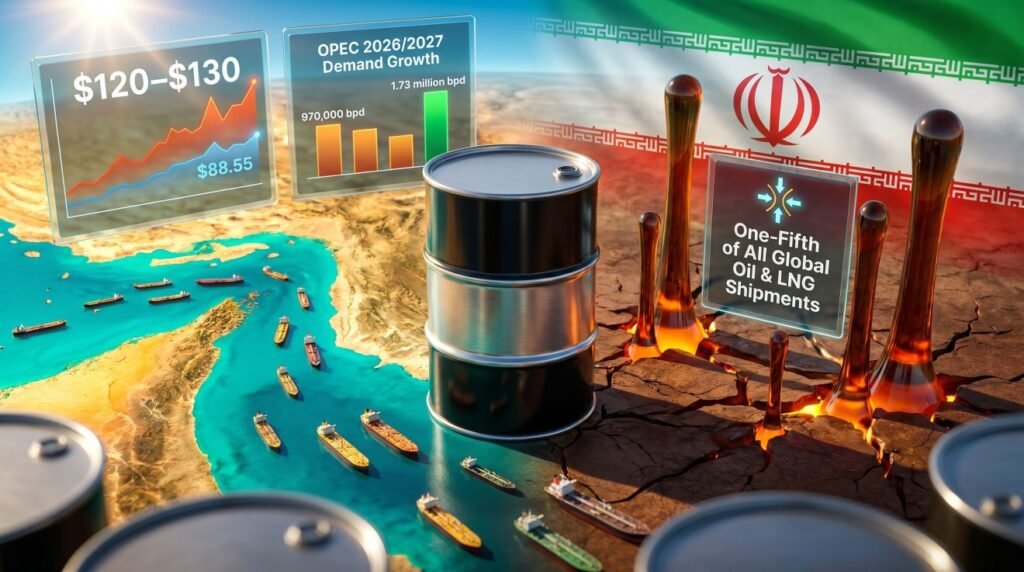
Oil futures fell more than 1% on Friday and moved toward their steepest weekly decline since early April. Reports that the United States and Iran had agreed to extend a ceasefire pushed crude prices lower. Investors reacted quickly even though the deal had not yet been finalised. The selloff hit both major benchmarks hard across the full trading week. Brent and WTI Record Heavy Session Losses Brent crude futures for July fell 1.1% or $1.04 to reach $92.67 a barrel by 0330 GMT. US oil futures dropped $1.26 or 1.4% to settle at $87.64 a barrel. Both benchmarks extended losses from earlier in the week. Traders continued to sell crude as ceasefire optimism built through Friday morning.Weekly Declines Hit Levels Not Seen Since AprilBrent crude plunged 10.5% across the week. That marked the steepest weekly decline since the week that ended on April 6. West Texas Intermediate fell 9.2% over the same period. That represented the biggest weekly loss for WTI since the week that ended on April 13. The scale of the weekly selloff reflected a dramatic shift in market sentiment. US-Iran Ceasefire Deal Still Awaits Final Approval The United States and Iran reached a preliminary agreement on Thursday. The deal covers a ceasefire extension and the lifting of restrictions on shipping through the Strait of Hormuz. Sources provided this information to Reuters directly. However, US President Donald Trump had not yet approved the agreement as of Friday morning. Iranian state media also confirmed the deal had not been finalised. That uncertainty kept traders cautious even as prices continued to fall. Analyst Points to Further Downside If Narrative Holds IG analyst Tony Sycamore shared a clear view on where oil futures are heading. He said consensus among traders is that the conflict is over and a deal is coming. Sycamore added that as long as this narrative holds, crude oil has room to extend its decline. He pointed to trendline support in the low $80s as the next likely target. His comments reinforced growing market confidence that a formal resolution is near. Strait of Hormuz Closure Squeezed Global Oil Supply The Strait of Hormuz sits at the heart of the global oil supply story. The waterway carries roughly a fifth of the world’s oil and liquefied natural gas supplies. Traffic through the chokepoint remained a small fraction of pre-war levels throughout the conflict. The three-month US-Israeli war on Iran disrupted flows significantly and kept supply tight. Traders priced in a risk premium for months while the strait stayed restricted. Prices Swung Wildly on Conflicting War Signals Oil futures had been highly volatile in the sessions leading up to Friday. Both Brent and WTI swung by as much as $6 per barrel on conflicting signals. Hormuz Reopening Would Help but Full Recovery Takes Time Analysts at ING said a reopening of the Strait of Hormuz would offer some immediate relief to the oil market. However they warned that a full recovery remains far from certain. ING noted that upstream oil production has fallen significantly since the war began. Producers shut in output to manage storage constraints as export routes stayed closed. The path back to normal production levels will be gradual rather than immediate. Refinery Damage Slows the Road to Normal Supply ING analysts flagged another major obstacle to a swift market recovery. Refineries across the region need to ramp up output before supply can return to normal. Some refinery infrastructure suffered direct damage during attacks earlier in the conflict. Bringing those facilities back online requires repairs and careful restarts. The process will take time and adds another layer of uncertainty to the supply outlook. Oil Futures Watch Washington and Tehran for the Next Move Oil futures on Friday delivered a clear verdict from the market. Traders sold crude aggressively on the expectation that the Strait of Hormuz would reopen and supply would recover. The weekly losses told the story of how fast sentiment turned once ceasefire talks gained traction. But the market still needs a signed and confirmed deal before the full picture becomes clear. Until Trump approves and Iran confirms, oil futures remain sensitive to every headline out of both capitals.

Brent Oil Prices Surge 7% as US-Iran Tensions Threaten Global Supply
World

Brent Oil Prices Surge 7% as US-Iran Tensions Threaten Global Supply

Brent oil prices surged sharply on Thursday, rising as much as 7 percent amid escalating geopolitical tensions between the United States and Iran. The rally follows reports that Donald Trump is considering potential military action to break the deadlock in negotiations, raising fears of further disruptions to already strained Middle East oil supplies. Oil Markets Rally on War Fears In early trading, Brent oil prices for June delivery jumped by $6.81, or 5.8 percent, reaching $124.84 per barrel. This marked the ninth consecutive session of gains for the expiring contract. Meanwhile, the more actively traded July contract climbed to $113.78, gaining 3 percent after a strong rise in the previous session. At the same time, US benchmark West Texas Intermediate (WTI) also recorded gains. June futures rose by $2.76, or 2.6 percent, to $109.64 per barrel. The contract has now increased in eight of the last nine sessions, reflecting sustained bullish momentum across global oil markets. Geopolitical Tensions Drive Supply Concerns The sharp rise in Brent oil prices comes amid deepening conflict in the Middle East. According to reports, the United States is weighing military options to pressure Iran into negotiations over its nuclear programme. The conflict escalated after joint US-Israel air strikes began earlier this year, prompting Iran to retaliate by restricting shipping through the critical Strait of Hormuz. This narrow passage is one of the world’s most important energy chokepoints. A disruption here can significantly impact global oil flows. Analysts warn that prolonged closure or restricted access could tighten supply further, pushing prices even higher. Energy Markets Face Historic Disruption The ongoing conflict has already triggered what experts describe as one of the largest energy disruptions in modern history. Thousands have died, and regional infrastructure has suffered severe damage. Despite a temporary ceasefire, tensions remain high, with the US maintaining pressure through sanctions and a blockade on Iranian ports. Market analysts believe that the prospects for a near-term resolution remain slim. Continued uncertainty surrounding the reopening of the Strait of Hormuz is keeping traders on edge, driving speculative buying in oil markets. OPEC+ and UAE Exit Add to Market Uncertainty Beyond geopolitical risks, structural shifts within OPEC+ are also influencing Brent oil prices. The recent decision by the United Arab Emirates to exit the alliance, effective May 1, has raised concerns about the group’s ability to manage global oil supply. OPEC+ is expected to discuss a modest production increase of around 188,000 barrels per day in its upcoming meeting. However, analysts believe this adjustment will have limited impact given the scale of supply disruptions caused by the conflict. Demand Destruction Emerges as Key Risk With supply tightening and prices rising rapidly, analysts are now focusing on demand destruction as a possible balancing mechanism. Experts estimate that high prices could reduce global oil demand by approximately 1.6 million barrels per day as consumers cut back on fuel usage. However, this reduction may not be sufficient to offset the current supply shortfall. As a result, Brent oil prices could remain elevated in the near term, especially if geopolitical tensions continue to escalate. Both Brent and WTI benchmarks are now on track for their fourth consecutive monthly gains. Since the start of the year, Brent crude has more than doubled, reaching its highest level since March 2022. WTI has also surged by over 90 percent during the same period.

Oil Prices Surge as Hormuz Crisis Deepens, Could Global Markets Face a $190 Shock?
Editor pick, World

Oil Prices Surge as Hormuz Crisis Deepens, Could Global Markets Face a $190 Shock?

Global oil markets witnessed renewed volatility on Friday as prices climbed amid escalating concerns over supply disruptions linked to Saudi Arabia and severely restricted tanker traffic through the strategic Strait of Hormuz. Read More: https://theboardroompk.com/pakistan-oil-gas-sector-reports-three-discoveries-in-march-2026-amid-isreal-us-war-on-iran/ Despite the upward movement, both major oil benchmarks remained on track for a weekly loss. Market sentiment stayed mixed as traders weighed supply fears against cautious optimism surrounding a fragile ceasefire between the United States and Iran. Oil Prices Edge Higher Amid Supply Anxiety Brent crude futures rose by 58 cents, or 0.60%, reaching $96.50 per barrel in early trading hours. Meanwhile, West Texas Intermediate (WTI) crude gained 49 cents, or 0.50%, to trade at $98.36 per barrel. However, both benchmarks have recorded an 11% decline so far this week. This marks the steepest weekly drop since June 2025. Analysts attribute the decline to temporary easing of geopolitical tensions following a two-week ceasefire announcement. Still, uncertainty remains high. Market participants continue to monitor developments closely, especially disruptions affecting oil supply chains. Saudi Oil Infrastructure Hit by Attacks Fresh concerns emerged after reports confirmed attacks on Saudi energy infrastructure. According to official sources cited by the Saudi state news agency, the strikes have significantly impacted production capacity. The attacks reduced Saudi Arabia’s oil output by approximately 600,000 barrels per day. In addition, throughput on the East-West Pipeline dropped by around 700,000 barrels per day. These disruptions have intensified fears of a prolonged supply crunch. Analysts at ANZ noted that initial market relief has faded quickly as underlying risks resurface. Energy markets remain sensitive to any further escalation. Even minor disruptions could trigger sharp price swings in the coming days. Hormuz Traffic Remains Critically Low Shipping activity through the Strait of Hormuz remains severely restricted. Tanker traffic has fallen to less than 10% of normal levels despite the ceasefire agreement. Iran has maintained tight control over the waterway. Authorities have warned vessels to remain within designated territorial routes, further limiting movement. The Strait of Hormuz serves as a vital corridor for global oil and gas flows. Any disruption here has immediate global consequences. Market analysts are closely tracking tanker movements. According to IG analyst Tony Sycamore, traders are waiting for signs of increased activity as a signal of easing tensions. However, current conditions suggest otherwise. The continued slowdown in shipping has kept supply concerns alive. Ceasefire Fails to Calm Market Fears Although Iran and the United States agreed to a two-week ceasefire earlier this week, fighting has reportedly continued in some areas. This has raised doubts about the durability of the truce. The conflict, which began on February 28 following airstrikes involving the United States and Israel, has already caused widespread damage. Around 50 infrastructure sites across the Gulf region have been hit by drone and missile attacks. Additionally, nearly 2.4 million barrels per day of refining capacity remain offline, according to industry estimates. These factors continue to weigh heavily on market sentiment. Traders remain cautious, unwilling to fully trust the ceasefire. Pakistan Talks in Focus as Diplomatic Efforts Intensify Attention is now shifting to Pakistan, where high-level talks between Iran and the United States are taking place. Islamabad is hosting negotiations aimed at transforming the fragile ceasefire into a lasting peace agreement. Analysts believe Pakistan will push for de-escalation. However, some question whether it holds enough leverage to secure reopening of the Strait of Hormuz. Iran has reportedly proposed charging transit fees for ships passing through the strait under any future agreement. This idea has faced resistance from Western leaders and international organisations. The outcome of these talks could play a decisive role in shaping oil market trends. A breakthrough may restore shipping flows and stabilise prices. Oil Could Hit $190 if Crisis Persists Experts warn that oil prices could surge dramatically if disruptions continue. John Paisie, president of Stratas Advisors, stated that Brent crude could reach as high as $190 per barrel under current conditions. Such a spike would have severe global consequences. Higher energy costs could drive inflation, slow economic growth, and strain economies already facing challenges. On the other hand, any improvement in shipping flows could moderate prices. Even then, analysts expect oil to remain above pre-war levels for the foreseeable future. Global Markets Brace for Uncertainty The ongoing crisis has placed global markets on edge. Investors are closely watching geopolitical developments, particularly in the Middle East. Energy security has once again become a top concern. Governments and industries are evaluating contingency plans to manage potential shortages. While diplomatic efforts offer hope, risks remain significant. The coming days will be crucial in determining whether tensions ease or escalate further. For now, oil markets remain caught between fragile peace and persistent uncertainty.

Global Oil Prices Surge Amid U.S.-Iran Tensions
World

Global Oil Prices Surge Amid U.S.-Iran Tensions

Global oil prices surged dramatically this week as escalating military tensions between the United States and Iran sent shockwaves through energy markets. The sharp rise highlights the fragile balance of global oil supply and raises concerns over potential disruptions in the Middle East. U.S. crude gained more than 8%, climbing $5.55 to settle at $72.57 per barrel, while global benchmark Brent Crude jumped nearly 9% to $79.41 per barrel, reflecting fears over the stability of global oil flows. By the morning of reporting, Brent crude futures edged up by $0.12 (0.17%) to $71.88 per barrel, while West Texas Intermediate (WTI) crude futures rose $3.98 (5.94%) to $71.00 per barrel, according to Mettis Global data. How U.S.-Iran Tensions Are Driving Global Oil Prices The surge in oil prices comes after a series of coordinated airstrikes reportedly carried out by the U.S. and Israel against Iranian targets. This development has intensified geopolitical uncertainty in the region and raised critical questions about Tehran’s leadership stability and potential impacts on Iran’s oil production the fourth-largest in OPEC. Analysts point out that energy markets are particularly sensitive to developments around the Strait of Hormuz, a vital chokepoint for global oil trade. This narrow waterway handles over 14 million barrels per day, roughly one-third of the world’s seaborne crude exports, with major shipments bound for Asia, including China, India, Japan, and South Korea. Supply Chain Concerns and Shipping Slowdowns Heightened security risks have prompted several international shipping lines to scale back or reroute operations in the Middle East. Vessels are reportedly hesitant to transit the Strait of Hormuz, creating a bottleneck that has intensified fears of a supply crunch. Energy consulting firms warn that any prolonged disruption in tanker traffic could tighten global supply dramatically. Combined with Iran’s domestic production of 3.3 million barrels per day, even a partial loss of output could push oil prices higher, especially as demand remains steady. Market Reactions Across Commodities and Equities The geopolitical shockwaves have rippled beyond oil markets: • Gold prices jumped 2.5% to $5,400 per ounce as safe-haven demand surged.• Asian equity markets fell, with Japanese stocks down 1.9% and South Korean shares declining 2%.• Crude oil recorded its largest single-day gain in four years, highlighting the severity of supply disruption fears. Investors are now watching closely to gauge whether tensions escalate further or if diplomatic channels can stabilize the situation. Global banks have already warned that crude prices could continue their upward trajectory if the conflict intensifies. What Comes Next for Global Oil Prices The near-term path of global oil prices will depend on two key factors: Any prolonged disruption could significantly tighten supply and create volatility for energy markets worldwide. For now, traders and investors remain highly sensitive to geopolitical news, with oil prices expected to fluctuate sharply until clarity emerges. In short, global oil prices have entered a highly volatile phase, underscoring the geopolitical risks embedded in energy markets. This is a critical moment for policymakers, traders, and consumers alike, as even small shifts in Middle East stability can ripple across the global economy.

Scroll to Top