WTI crude oil

Oil Prices Climb 1% Amid Growing Strait of Hormuz Supply Concerns
Editor pick

Oil Prices Climb 1% Amid Growing Strait of Hormuz Supply Concerns

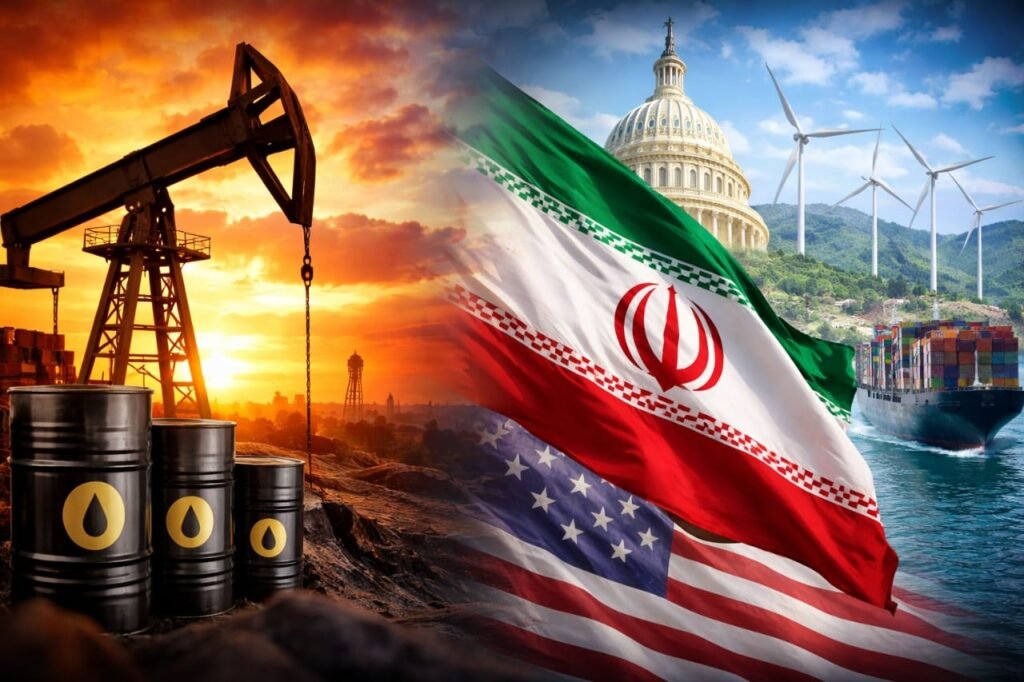
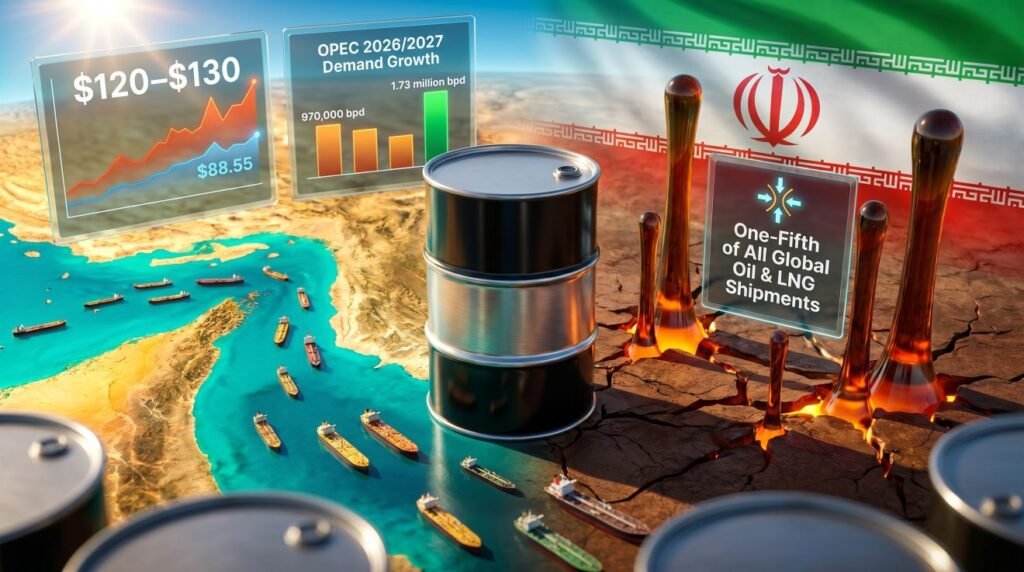
Oil Prices Climb 1% on Tuesday as investors reassessed geopolitical risks in the Middle East following a sharp decline in the previous trading session. Concerns over potential disruptions to global energy supplies and uncertainty surrounding negotiations between the United States and Iran continued to support the market. Oil Prices Recover After Sharp Decline Traders remained cautious despite comments from US President Donald Trump, who indicated that Washington was delaying further military action against Iran while diplomatic efforts continued. Brent crude futures for the front month rose by $1.12, or 1.3%, to $84.89 per barrel by 0355 GMT. The benchmark had fallen about 7% during the previous session, reaching its lowest level in three weeks. Meanwhile, US West Texas Intermediate (WTI) crude futures climbed by 77 cents, or nearly 1%, to $81.11 per barrel after recording losses of more than 5% a day earlier. The earlier decline in prices followed remarks by President Trump, who said the United States was temporarily postponing further attacks on Iran while discussions aimed at ending the conflict continued. However, sentiment shifted once again after Iranian officials denied that any negotiations with Washington were underway. Iranian Foreign Ministry spokesman Esmail Baghaei dismissed claims that talks were taking place, saying no meetings between the two sides had been scheduled. His remarks reinforced fears that regional tensions could intensify and disrupt global oil supplies. Strait Of Hormuz Remains A Key Risk The Strait of Hormuz remains at the centre of the dispute. The strategic waterway is one of the world’s most important energy routes, connecting oil-producing countries in the Gulf region with international markets. Before the conflict escalated, nearly 20% of the world’s crude oil and liquefied natural gas shipments passed through the narrow passage, highlighting its significance to the global economy. Analysts at ING said the market reaction may have been excessive, given the continued uncertainty surrounding the conflict. “The scale of the sell-off seems fairly overdone, given that there’s still considerable uncertainty,” the analysts said in a research note. They also pointed to Iran’s denial of negotiations and warnings from Washington that additional action could be taken if no agreement is reached. Another point of contention involves the future status of the Strait of Hormuz. US officials have argued that an agreement reached in June required Iran to ensure unrestricted access to the shipping route, while Tehran insists that the deal preserved its authority over the waterway. Analysts at Barclays reported that exports of crude oil and refined petroleum products passing through the strait averaged 4.2 million barrels per day during the week ending July 31, compared with 3.2 million barrels per day a week earlier. Shipping Companies Adapt To Heightened Risks Shipping companies are also adapting to the heightened risks in the region. Recent shipping data showed that six Saudi-flagged supertankers altered their routes in the Gulf of Aden and chose longer journeys around southern Africa. At the same time, two tankers carrying Saudi crude oil successfully passed through the Bab el-Mandeb Strait. Although vessel traffic through the Strait of Hormuz and the Bab el-Mandeb Strait remained relatively stable at the beginning of the week, risks to shipping operations persist. Security concerns increased after the United Kingdom Maritime Trade Operations agency reported an incident involving a cargo vessel near Oman’s Al Khasab region. According to the report, the vessel informed authorities that it had been struck by an unidentified projectile. Market Analysts See Continued Volatility Market analysts believe that geopolitical developments will continue to influence oil prices in the coming weeks. Tim Waterer, chief market analyst at KCM Trade, said ongoing regional tensions have increased insurance costs, extended shipping times and forced some vessels to adopt alternative routes. He added that the security risks associated with the Strait of Hormuz and the Bab el-Mandeb Strait continue to support market prices by raising concerns about the stability of future energy supplies. As uncertainty continues to dominate the market, investors are expected to closely monitor diplomatic developments and shipping activity across some of the world’s most strategically important waterways.
Oil Prices Hit Two-Week Low as US-Iran Peace Deal Hopes Ease Supply Fears
Breaking News

Oil Prices Hit Two-Week Low as US-Iran Peace Deal Hopes Ease Supply Fears

Global oil prices dropped sharply on Monday and touched their lowest level in two weeks after signs emerged that the United States and Iran were moving closer to a possible peace agreement. The development raised hopes that the vital Strait of Hormuz could reopen fully and ease pressure on global energy supplies. United States President Donald Trump said over the weekend that Washington and Tehran had “largely negotiated” a memorandum of understanding aimed at reducing tensions in the Gulf region and restoring oil shipments through the Strait of Hormuz. Brent and WTI Crude Prices Fall Sharply Brent crude futures fell by $4.71, or 4.55%, to settle at $98.83 per barrel by 2234 GMT. Meanwhile, US West Texas Intermediate (WTI) crude declined by $4.57, or 4.73%, to $92.03 per barrel. Both major oil benchmarks earlier touched their lowest levels since May 7 as traders reacted to expectations that tensions in the Gulf could eventually ease. The market decline came despite continued uncertainty surrounding the conflict and disruptions in the Strait of Hormuz, a key shipping route that previously handled nearly one-fifth of global oil and liquefied natural gas exports. Strait of Hormuz Remains Critical Strait of Hormuz remains one of the world’s most strategically important energy corridors. The ongoing blockades and military tensions in the region have severely disrupted oil supplies from the Middle East in recent weeks. Although optimism around diplomacy pushed prices lower, analysts warned that the situation remains fragile. Several oil and gas facilities in the region have suffered damage during the conflict, while shipping routes continue to face restrictions. US Secretary of State Marco Rubio said the Gulf conflict was expected to last “weeks not months” and stressed that Washington would not require ground troops in the region. Trump Signals Progress but Warns Against Rushing Speaking on Saturday, Trump said the US and Iran had made significant progress toward a peace arrangement. However, he later cautioned that negotiations should not be rushed. On Sunday, Trump stated that he had instructed American representatives to take their time before finalising any agreement with Iran, indicating that several major issues still remain unresolved. Diplomatic sources say disagreements continue over security guarantees, sanctions relief, and the future management of shipping activity in the Gulf. Analysts See Temporary Relief for Oil Markets Energy analysts believe the possibility of a peace deal has reduced immediate fears of a prolonged supply crisis. However, they also warned that normal oil flows may not resume quickly. MST Marquee analyst Saul Kavonic said there was now “some light at the end of the tunnel” despite ongoing risks surrounding the negotiations and the Strait of Hormuz situation. According to analysts, it could take several months for damaged infrastructure to be repaired and for oil exports through the Strait to fully recover. Insurance costs for tankers operating in the region also remain elevated, adding further uncertainty to energy markets. Global Markets Closely Watching Gulf Developments The Gulf conflict has remained one of the biggest drivers of global oil prices this year. Countries heavily dependent on Middle Eastern oil supplies continue to monitor the situation closely as higher fuel prices have already increased inflationary pressure worldwide. Any successful agreement between the US and Iran could stabilise energy markets and reduce fears of further supply disruptions. However, traders remain cautious due to the complex political and military challenges still facing the negotiations

Oil Prices Surge as Middle East Conflict Pushes Markets Into Panic Mode
World

Oil Prices Surge as Middle East Conflict Pushes Markets Into Panic Mode

Oil prices surge became the biggest global market story on Monday after fears of a wider Middle East conflict intensified dramatically. Investors rushed into oil markets as diplomatic efforts to end the Iran war appeared to collapse, while fresh attacks on Gulf energy infrastructure triggered fears of a major supply disruption. Global benchmark Brent crude crossed the critical $111 per barrel mark, while US West Texas Intermediate crude climbed above $107, sending shockwaves through financial markets and raising concerns over inflation, fuel costs, and economic stability worldwide. The sudden rise comes at a time when global economies are already struggling with slowing growth, rising interest rates, and geopolitical instability. Oil Prices Surge After UAE Nuclear Plant Attack The biggest trigger behind the latest oil rally was the reported drone attack near the Barakah nuclear power plant in the United Arab Emirates. Emirati officials confirmed an investigation was underway and warned that the country reserved the right to respond firmly to what it described as a terrorist attack. The attack immediately intensified fears that the Iran conflict is expanding beyond direct military confrontations and now threatens critical Gulf energy infrastructure. At the same time, Saudi Arabia revealed that it intercepted three drones entering its airspace from Iraq. Saudi authorities warned they would take all necessary operational measures to defend national sovereignty and energy security. These developments sparked panic among traders who fear the region could move toward a wider regional war involving multiple Gulf states. Strait of Hormuz Fears Shake Global Oil Markets The Strait of Hormuz remains the center of global energy fears. Nearly one-fifth of the world’s oil supply passes through this narrow waterway every day. Last week, hopes for a peace breakthrough weakened after talks between US President Donald Trump and Chinese President Xi Jinping failed to produce any clear diplomatic solution regarding the Iran conflict. Markets are increasingly worried that renewed military action could lead to attacks on oil tankers, shipping routes, and export facilities across the Gulf region. Analysts believe even a temporary disruption in Hormuz shipping could send crude oil prices soaring far beyond current levels. Analysts Warn of More Proxy Attacks Market experts say the latest drone strikes could be only the beginning. According to IG market analyst Tony Sycamore, the attacks send a clear signal that further US or Israeli strikes on Iran may trigger retaliation through regional proxy groups targeting Gulf energy infrastructure. Energy traders now fear that oil facilities, ports, pipelines, and shipping lanes could become vulnerable if the conflict escalates further. The possibility of prolonged instability is forcing investors to price in a higher geopolitical risk premium across global energy markets. Trump’s Iran Military Discussions Add Fuel to Oil Rally Oil prices surge further accelerated after reports emerged that Donald Trump is expected to meet senior national security advisers to discuss military options regarding Iran. The possibility of direct US military involvement has significantly increased uncertainty across global markets. Investors fear that any major military escalation involving the United States could destabilize the entire Middle East energy corridor. The White House has not officially confirmed any decision, but speculation alone has been enough to trigger aggressive buying in oil futures markets. Russia Sanctions Add More Pressure on Oil Supply In another major development, the Trump administration allowed a sanctions waiver on Russian seaborne oil purchases to expire. The waiver had temporarily allowed countries including India to continue importing Russian oil under limited conditions. Its expiration now threatens to tighten global oil supplies even further. Energy market analyst Vandana Hari stated that fears of renewed strikes on Iran, combined with tougher Russian oil restrictions, are creating a dangerous supply shock scenario for global markets. This dual pressure from Iran tensions and Russian sanctions is now pushing traders to prepare for a potentially prolonged energy crisis. Global Consumers May Soon Feel the Impact If oil prices continue climbing, consumers around the world could soon face higher petrol prices, rising transportation costs, and expensive electricity bills. Economists warn that another major oil shock could fuel inflation globally and complicate recovery efforts for vulnerable economies already struggling with debt and currency pressures. Developing countries that rely heavily on imported fuel may face the harshest consequences if Gulf tensions continue escalating in the coming weeks. Oil prices surge has become more than just a market headline. It now reflects growing fears of a wider Middle East conflict with global economic consequences. As drone attacks target Gulf infrastructure, diplomatic talks stall, and military tensions rise between the United States and Iran, energy markets remain on edge. The coming days could prove critical for the future direction of oil prices and global economic stability.

Oil Prices Surge Above $110 Amid Strait of Hormuz Tensions
Pakistan

Oil Prices Surge Above $110 Amid Strait of Hormuz Tensions

Oil prices surged sharply on Tuesday as geopolitical tensions in the Middle East continued to disrupt global energy markets. Prices climbed above $110 per barrel amid a lack of progress in reopening the Strait of Hormuz, a critical route for global oil shipments. Read More: https://theboardroompk.com/electricity-generation-improves-amid-local-gas-supply-reports-power-division/ Investors reacted cautiously as uncertainty deepened. Markets showed concern over prolonged disruptions in oil supply. At the same time, global equities, especially technology stocks, faced pressure as investors shifted focus to corporate earnings and interest rate outlooks. Brent and WTI Prices Record Strong Gains Benchmark oil prices recorded significant gains during the trading session. Brent crude for June delivery rose 2.7 percent to $111.19 per barrel. Meanwhile, West Texas Intermediate crude climbed 3.4 percent to $99.68 per barrel. Analysts said the price rally reflects growing fears of supply constraints. The ongoing blockade of the Strait of Hormuz has disrupted one of the world’s busiest energy corridors. A large portion of global oil and gas shipments passes through this route, making it vital for energy security. Conflict Stalemate Fuels Market Uncertainty Efforts to end the ongoing conflict in the Middle East remain stalled. The United States is currently reviewing a proposal from Iran to reopen the strait. However, tensions between the two sides continue to rise. Iran has maintained its blockade of the waterway since the start of the US-Israeli offensive two months ago. This move has sent shockwaves through global markets and raised fears of prolonged supply disruptions. Iranian officials stated that Washington can no longer dictate terms. This stance has further complicated negotiations and reduced hopes for a quick resolution. Trump Signals Tough Stance on Iran Proposal Reports suggest that Donald Trump is unlikely to accept Iran’s latest proposal to restore traffic in the Strait of Hormuz. This development has dampened market optimism. Earlier, hopes for a diplomatic breakthrough had increased. However, those expectations weakened after Trump scrapped a planned diplomatic trip. His envoys, Steve Witkoff and Jared Kushner, were scheduled to visit Islamabad to advance discussions. The cancellation signaled a hardening of the US position. Analysts believe this move has contributed to rising uncertainty in global energy markets. Risk of Prolonged Conflict Raises Concerns Qatar has warned that the situation could turn into a “frozen conflict” if no agreement is reached. Such a scenario could prolong disruptions and keep oil prices elevated for an extended period. Market experts say investors are closely monitoring developments. The lack of progress in negotiations has reduced confidence in a near-term resolution. Kathleen Brooks, research director at XTB, said the market remains pessimistic about reopening the strait. She noted that Iran’s demand to delay discussions on nuclear disarmament has complicated talks. Global Economic Impact Intensifies The surge in oil prices is adding pressure to the global economy. Higher energy costs could fuel inflation and slow economic growth in many countries. Investors are also keeping a close eye on central bank policies. Rising oil prices often influence interest rate decisions, particularly in major economies. Technology stocks have already taken a hit as market sentiment shifts. Investors are reallocating funds toward safer assets amid growing uncertainty. The outlook for oil markets remains highly uncertain. Much depends on diplomatic developments and the potential reopening of the Strait of Hormuz. Until then, analysts expect continued volatility in oil prices. Any escalation in tensions could push prices even higher. For now, global markets remain on edge as the Middle East conflict continues without a clear resolution.

Oil Prices Today Ease as U.S.–Iran Tensions and Global Economic Data Keep Markets Guessing
World

Oil Prices Today Ease as U.S.–Iran Tensions and Global Economic Data Keep Markets Guessing

Oil prices today opened Tuesday on a cautious note, slipping slightly in Asian trading as global markets weighed rising geopolitical risks against critical economic signals from the world’s biggest oil consumers. While crude prices had surged more than 1% in the previous session, traders appeared unwilling to extend gains amid lingering uncertainty surrounding U.S.–Iran relations and upcoming inflation and employment data from the U.S. and China. The oil market, already sensitive to political flashpoints and monetary policy shifts, is now navigating a perfect storm of diplomacy, data, and demand expectations keeping investors glued to every headline. Oil Prices Today: Market Snapshot at a Glance In early Asian hours, Brent crude futures for April edged down 0.1% to $68.99 per barrel, while West Texas Intermediate (WTI) slipped 0.2% to $64.06 per barrel. The modest pullback followed a strong rally a day earlier, when prices jumped after reports suggested Washington was adopting a more cautious stance toward Iran. Instead of listing figures in a table, it’s worth noting that Brent remains just below the psychologically important $70 mark, while WTI continues to trade comfortably above $64, reflecting resilience despite short-term volatility. A softer U.S. dollar earlier in the week also provided some relief to commodity markets, although the greenback recovered slightly on Tuesday, limiting upside momentum for oil prices today. U.S.–Iran Tensions Add a New Risk Premium to Oil Prices Today One of the biggest drivers behind recent price swings is escalating concern over Middle East security. On Monday, the U.S. Department of Transportation’s Maritime Administration issued a stark advisory urging U.S.-flagged vessels to stay as far away from Iranian waters as possible while transiting the Strait of Hormuz and the Gulf of Oman. The advisory specifically recommended ships remain close to Omani territorial waters, citing heightened risks of Iranian forces boarding vessels. This warning reignited fears of supply disruptions in one of the world’s most critical oil transit routes, through which nearly one-fifth of global oil flows. Although recent weekend talks between Washington and Tehran showed signs of diplomatic progress, tensions remain unresolved. Iran’s rejection of calls to halt nuclear enrichment a core U.S. demand has kept geopolitical risk firmly embedded in oil prices today. Economic Data Takes Center Stage for Oil Prices Today Beyond geopolitics, markets are bracing for a wave of economic indicators that could redefine demand expectations. U.S. Data and Interest Rate Outlook In the United States, January nonfarm payrolls are due midweek, followed by consumer price index (CPI) inflation data on Friday. These readings will heavily influence expectations around U.S. interest rates, particularly as speculation grows over an upcoming leadership change at the Federal Reserve. Stronger labor and inflation data could dampen oil demand optimism by reinforcing a higher-for-longer rate environment, while weaker numbers may revive hopes of monetary easing potentially supporting oil prices today. China’s CPI and Lunar New Year Effect In China, the world’s largest oil importer, CPI data is also scheduled for release on Friday, just ahead of the week-long Lunar New Year holiday. Historically, this period sees a spike in travel, fuel consumption, and industrial activity. Analysts expect Chinese travel and fuel demand to rebound sharply, offering a potential cushion for oil prices today if economic data signals stabilization in the world’s second-largest economy. What This Means for Oil Prices Today and Beyond The oil market is currently balancing on a tightrope. On one side are geopolitical risks and maritime security threats, which tend to push prices higher. On the other are macroeconomic uncertainties, including inflation, interest rates, and global growth concerns. For now, oil prices today reflect a wait-and-watch mood where every diplomatic signal and data release has the power to swing sentiment. As tensions simmer in the Middle East and economic indicators roll in from Washington and Beijing, volatility is likely to remain the defining feature of the oil market in the days ahead.

Scroll to Top