US Iran tensions

Petrol Prices in Pakistan Expected to Decline Amid Global Oil Market Shift
Pakistan

Petrol Prices in Pakistan Expected to Decline Amid Global Oil Market Shift

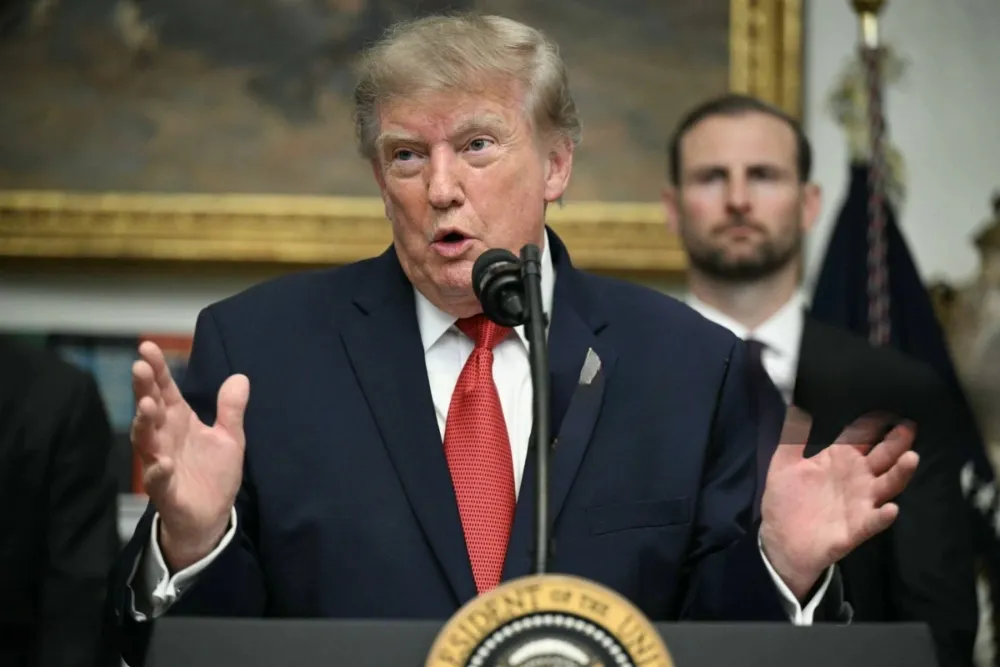
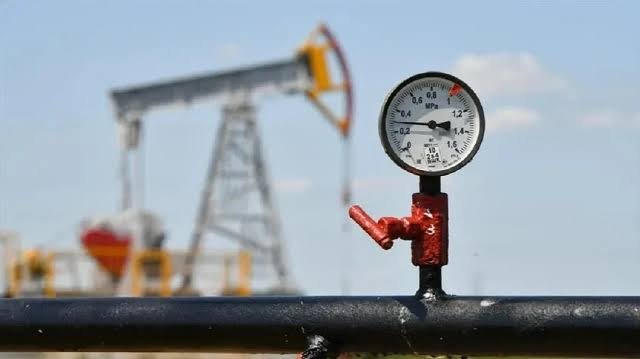
Petrol prices in Pakistan are expected to decrease in the upcoming fortnightly review following a decline in international oil prices linked to growing expectations of a possible peace agreement between the United States and Iran. Sources said preliminary calculations for the revision in petroleum prices have already been completed, while the Oil and Gas Regulatory Authority is finalising its recommendations for the government. According to official sources, the Oil and Gas Regulatory Authority will forward its pricing summary to the Petroleum Division after completing the initial working process. However, the final decision regarding revised petrol and diesel prices will only be announced after approval from Prime Minister Shehbaz Sharif. Petrol and Diesel Prices May Fall Sources stated that if the current calculations are approved, petrol prices may decrease by Re1 per litre, while diesel prices are likely to fall by Rs2 per litre. The expected reduction comes after fluctuations in global crude oil prices during recent weeks. International oil markets have remained sensitive to geopolitical developments, particularly tensions involving the United States and Iran. Officials said lower global oil prices created room for a possible reduction in domestic fuel prices. However, they also warned that the final outcome depends on government decisions regarding taxes and petroleum levies. Petroleum Levy Could Change Final Prices Sources added that fuel prices could instead increase if the government decides to revise the petroleum levy upward. According to officials familiar with the matter, an increase in the levy could push petrol prices higher by up to Rs15 per litre, while diesel prices may rise by as much as Rs16 per litre. Currently, the government charges a petroleum levy of Rs103.50 per litre on petrol and Rs28.69 per litre on diesel. Economic experts believe that any major increase in the levy could offset the benefit of lower international oil prices for consumers. The government has frequently used petroleum levies as a tool to support revenue collection targets amid ongoing fiscal challenges and commitments linked to economic reforms. Finance Minister Comments on Fuel Price Review Federal Finance Minister Muhammad Aurangzeb said that the Ministry of Petroleum holds the final authority for announcing changes in petroleum product prices. He stated that the government is reviewing various measures aimed at providing relief to the public while also managing economic stability. Aurangzeb said officials are closely assessing the impact of global oil price movements on Pakistan’s domestic market. He added that the government continues efforts to improve the country’s economic situation and maintain financial discipline. The finance minister’s remarks came as consumers across Pakistan closely monitor fuel prices due to their direct impact on transportation costs, inflation, and household expenses. International Oil Prices Remain Volatile In the international market, oil prices moved higher on Friday after renewed tensions emerged between the United States and Iran. Reports indicated that the fragile ceasefire situation between the two countries faced fresh uncertainty, reducing hopes for immediate progress toward reopening the Strait of Hormuz. The Strait of Hormuz remains one of the world’s most critical energy routes, handling a large share of global oil and liquefied natural gas shipments. Analysts warned that any disruption in the region could trigger fresh volatility in global energy markets and directly influence fuel prices in importing countries like Pakistan. Despite the recent increase in oil prices, market observers said broader expectations of diplomatic engagement between Washington and Tehran had earlier contributed to a downward trend in crude prices. Public Awaits Official Announcement Consumers and businesses across Pakistan are now waiting for the government’s official announcement regarding revised fuel prices. Any reduction in petrol and diesel prices is expected to provide limited relief to transporters, industries, and households already dealing with inflationary pressures. Petrol prices play a major role in determining transportation fares and the cost of essential goods across the country. The government usually revises petroleum product prices twice every month based on changes in international oil markets, exchange rates, and tax adjustments. Officials said the final pricing decision will become clear once the prime minister reviews OGRA’s recommendations and approves the summary sent by the Petroleum Division.

Pakistan to Hand Over 22 Iranian Crew Members in Diplomatic Move
Pakistan

Pakistan to Hand Over 22 Iranian Crew Members in Diplomatic Move

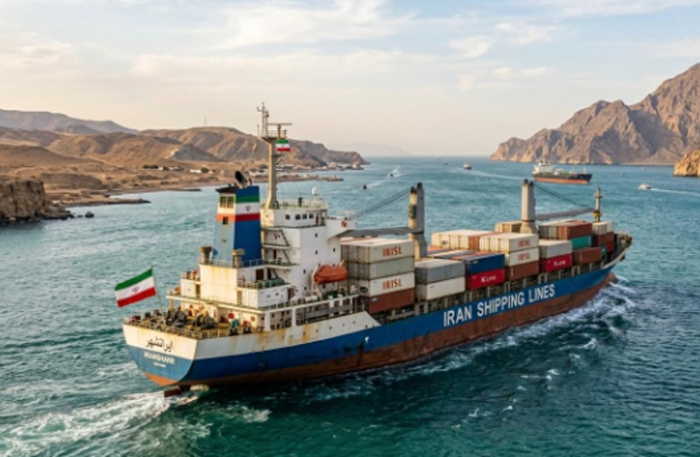
Iranian crew members transferred to Pakistan became a key diplomatic development on Monday as the Foreign Office confirmed the arrival of 22 Iranian nationals evacuated from a seized vessel by the United States. Officials said the crew will be handed over to Iran as part of a “confidence-building measure” aimed at easing tensions between Washington and Tehran. Foreign Office spokesperson Tahir Andrabi stated that the crew members were flown into Pakistan overnight. He confirmed that authorities would complete their repatriation to Iran later in the day in coordination with both countries. Crew Evacuated After US Seizure of Vessel The development follows last month’s seizure of the Iranian container ship MV Touska by US forces in the Gulf of Oman. According to a spokesperson for United States Central Command, the vessel was intercepted after it attempted to breach a naval blockade. Officials said the crew failed to respond to repeated warnings over a six-hour period. As a result, US forces boarded and seized the ship near Iran’s Chabahar port. The incident triggered a diplomatic response from Tehran, which strongly condemned the action. Iran described the seizure as unlawful and a violation of international law. It demanded the immediate release of the vessel, its crew, and accompanying family members. Pakistan Facilitates Repatriation Process The Foreign Office confirmed that Pakistan is playing a central role in facilitating the return of the crew. Tahir Andrabi said the transfer reflects ongoing diplomatic coordination between the United States and Iran. He added that six family members of the crew had already been relocated to another country in the region prior to this development. Meanwhile, the remaining 22 crew members arrived safely in Pakistan and are set to return home. Andrabi also confirmed that the vessel itself will be returned after necessary repairs. He stated that the ship will be moved into Pakistani territorial waters before being handed back to its original owners. Sanctioned Vessel at Center of Dispute The MV Touska is operated by the Islamic Republic of Iran Shipping Lines, a company that has been under US sanctions. This added complexity to the incident, as Washington has previously targeted Iranian shipping networks over alleged violations. The seizure of the vessel came amid heightened maritime tensions between the two countries. Both sides have accused each other of aggressive actions in international waters. Regional Tensions and Fragile Ceasefire The incident unfolded against the backdrop of ongoing tensions following the recent US-Iran conflict 2026, which began earlier this year. Although both sides declared a ceasefire four weeks ago, the situation remains fragile. Naval confrontations and vessel seizures have continued despite the ceasefire. These incidents highlight the volatility of the region and the challenges in maintaining stability. Pakistan’s Role as Mediator Strengthens Pakistan has emerged as a key diplomatic intermediary between the United States and Iran. Officials have facilitated dialogue aimed at reducing tensions and preventing further escalation. High-level talks between the two countries took place in Islamabad last month. However, a second round of discussions has yet to occur as negotiations face delays. Tahir Andrabi reiterated Pakistan’s commitment to peace efforts. He stated that the country will continue to support dialogue and mediation to promote regional stability. Diplomatic Signal Amid Ongoing Strain The transfer of Iranian crew members transferred to Pakistan signals a rare moment of cooperation between Washington and Tehran. Analysts view the move as a step toward rebuilding trust, even as broader tensions persist. The coordinated repatriation effort reflects cautious diplomacy in a highly sensitive environment. While challenges remain, such measures could help create space for renewed negotiations.

Strait of Hormuz Scam Alert, Fake Messages Target Ships as Blockade Disrupts Global Trade
Editor pick, World

Strait of Hormuz Scam Alert, Fake Messages Target Ships as Blockade Disrupts Global Trade

A serious Strait of Hormuz scam alert has emerged as fraudulent actors exploit rising tensions between the United States and Iran. Greek maritime risk management firm MARISKS has warned shipping companies about fake messages promising safe passage through the strategic waterway in exchange for cryptocurrency payments. Read More: https://theboardroompk.com/two-week-ceasefire-ends-us-and-iran-trade-threats-as-tensions-escalate/ Fake Messages Target Stranded Ships According to MARISKS, several shipping companies received suspicious messages while their vessels remained stranded west of the Strait of Hormuz. These messages claimed to offer secure transit through the blocked route but demanded payment in digital currencies such as Bitcoin and Tether. The firm clarified that these communications are fraudulent and have no connection to Iranian authorities. The scam attempts to take advantage of the ongoing crisis and the desperation of shipping operators facing delays and financial losses. How the Scam Operates The fraudulent messages follow a calculated pattern. They claim to represent Iranian security services and promise to assess a vessel’s eligibility for safe passage. Once approved, the sender demands a fee in cryptocurrency before granting clearance. One such message cited by MARISKS stated that after submitting documents and verification, a payment in Bitcoin or USDT would ensure uninterrupted transit at a pre-arranged time. However, experts have confirmed that this is a classic scam designed to exploit uncertainty in the region. Renewed Blockade Intensifies Crisis The Strait of Hormuz scam alert comes as Iran has once again imposed a blockade on the waterway. This move followed Washington’s decision not to lift restrictions on Iranian ports. The renewed standoff has escalated tensions and disrupted one of the world’s most critical maritime routes. The Strait of Hormuz carries nearly 20 percent of global oil and energy supplies. Any disruption in this narrow passage has immediate consequences for global trade and energy markets. Hundreds of Ships Stranded The ongoing blockade has left hundreds of vessels stranded in the Gulf. Reports suggest that nearly 20,000 seafarers are currently affected by the disruption. Shipping companies are facing mounting operational challenges, including delays, rising costs, and uncertainty over safe navigation routes. This situation has created an environment where fraudsters can easily target vulnerable operators. The promise of guaranteed transit has become a powerful lure, especially for companies under pressure to deliver cargo on time. No Official Response from Iran So far, Iranian authorities have not issued any official statement regarding the scam warning. However, MARISKS has emphasized that these messages are not linked to any legitimate government agency. Security experts advise shipping firms to ignore such communications and verify all transit-related instructions through official maritime channels. They also recommend heightened vigilance as cyber threats and financial scams often increase during geopolitical crises. Talks Expected in Pakistan Amid rising tensions, diplomatic efforts continue to prevent further escalation. Officials from the United States and Iran are expected to resume high-level talks in Pakistan. These discussions aim to find a path toward de-escalation and potentially ease restrictions affecting maritime trade. The outcome of these talks could play a critical role in determining the future of the blockade and the safety of global shipping routes. Global Impact and Growing Concerns The Strait of Hormuz scam alert highlights the broader risks associated with geopolitical instability. As tensions rise, not only do physical threats increase, but digital and financial risks also expand. Experts warn that if the blockade continues, global oil prices could surge further, while supply chains may face prolonged disruptions. At the same time, cybercriminals and rogue actors are likely to intensify their activities, targeting industries already under strain.

Dollar's seven-day losing streak deepens amid Iran tensions and diplomatic hopes
Business

Dollar’s seven-day losing streak deepens amid Iran tensions and diplomatic hopes

The dollar’s seven-day losing streak continued on Tuesday as global markets balanced geopolitical risks with cautious optimism over diplomacy. Investors closely watched developments involving the United States and Iran, particularly tensions around the Strait of Hormuz. At the same time, signals of possible negotiations offered limited relief to financial markets. Read More: https://theboardroompk.com/strategic-meeting-held-to-strengthen-collaboration-for-upcoming-conference-in-karachi/ The dollar index, which tracks the greenback against major currencies, remained steady but hovered near recent lows. It rose slightly by 0.05 percent to 98.39. However, it stayed close to its weakest level since early March. This marked a significant shift in momentum, as the dollar faced its first extended decline since December last year. Geopolitical tensions drive uncertainty The ongoing situation between the US and Iran remained the central driver of market sentiment. Donald Trump confirmed that US forces had begun a blockade targeting ships leaving Iranian ports. This move raised concerns about global oil supply disruptions, especially through the critical Strait of Hormuz. However, Trump also indicated that Iran had reached out and expressed willingness to negotiate. This statement introduced a mixed outlook. On one hand, the blockade heightened tensions. On the other, diplomatic engagement suggested a possible resolution. Meanwhile, JD Vance stated that the US expected progress from Iran regarding the reopening of the Strait of Hormuz. These comments reassured some investors, who viewed them as a signal that back-channel diplomacy remained active. Markets react to conflicting signals Currency markets reflected this uncertainty. While the dollar held steady on the day, it remained under pressure overall. Analysts said the dollar’s seven-day losing streak showed that traders were gradually shifting away from the greenback despite its safe-haven status. The euro edged up slightly to $1.1759. The British pound also gained marginally, reaching $1.3505. Meanwhile, the Japanese yen strengthened by 0.16 percent to 159.19 per dollar. Experts noted that geopolitical risks usually support the dollar. However, the possibility of a diplomatic breakthrough reduced demand for safe-haven assets. This shift weakened the dollar’s upward momentum.Keiichi Iguchi, a strategist at Resona Holdings, said recent statements from US officials had brought some relief to markets. He explained that renewed hopes for negotiations helped stabilize investor sentiment. Oil prices and supply concerns impact currencies Oil market movements also played a key role. US crude futures dropped by more than $2 in early Asian trading, settling near $96.99 per barrel. This decline came despite fears of supply disruptions due to the blockade. The US, as a major energy producer, remains better positioned to manage oil shocks compared to many other economies. This advantage initially supported the dollar. However, as oil prices showed signs of easing, the currency lost some of that support. Countries heavily dependent on oil imports, such as Japan, faced additional pressure. Rising oil prices can worsen trade balances and weaken local currencies. Japanese yen faces mixed pressures The Japanese yen presented a complex picture. While it gained slightly against the dollar, underlying risks remained. Analysts warned that sustained high oil prices could weaken Japan’s trade balance. At the same time, expectations regarding monetary policy also shifted. Investors reduced their bets on a near-term interest rate hike by the Bank of Japan. This change reflected growing uncertainty about the economic outlook. Interest rate swaps showed a 40 percent probability of a rate hike this month. This marked a sharp drop from 57 percent just days earlier. The decline highlighted how geopolitical tensions influenced central bank expectations. Kazuo Ueda emphasized caution in recent remarks. He warned about the economic fallout from the Iran conflict. His comments suggested that the central bank might delay tightening policies until conditions stabilize. Key currency thresholds under watch Market participants closely monitored the dollar-yen exchange rate. Analysts identified the 160 yen per dollar level as a critical threshold. A breach of this level could trigger intervention by Japanese authorities. Ray Attrill, a strategist at National Australia Bank, said the risk of the dollar rising beyond 160 yen remained significant. He noted that if the Bank of Japan paused its policy tightening, the yen could weaken further.This scenario would add another layer of volatility to currency markets. It would also complicate efforts by policymakers to maintain stability. Commodity currencies show weakness Elsewhere, commodity-linked currencies weakened against the dollar. The Australian dollar fell by 0.23 percent to $0.7078. The New Zealand dollar also declined by 0.15 percent to $0.5857. These currencies often react to shifts in global risk sentiment and commodity prices. The mixed signals from the US-Iran situation created uncertainty, leading to cautious trading behavior. Cryptocurrencies gain momentum In contrast, cryptocurrencies moved higher. Bitcoin rose by 1.66 percent to $74,409.95. Ethereum recorded a stronger gain of 5.17 percent, reaching $2,369.96. Investors increasingly viewed digital assets as alternative stores of value. This trend gained traction amid volatility in traditional markets. Analysts said geopolitical uncertainty often drives interest in decentralized assets. The dollar’s seven-day losing streak highlights the fragile balance in global markets. Investors continue to weigh geopolitical risks against diplomatic developments.While tensions in the Middle East create uncertainty, signs of negotiation offer hope. This dual narrative keeps markets volatile and directionless. Currency movements will likely depend on further developments in US-Iran relations. Any escalation could strengthen the dollar as a safe haven. Conversely, progress in diplomacy could extend its downward trend. At the same time, central bank policies will remain a key factor. Decisions by institutions like the Bank of Japan will influence currency dynamics in the coming weeks. The dollar’s seven-day losing streak reflects a complex global environment. Markets face competing forces of risk and optimism. Geopolitical tensions, oil price fluctuations, and policy expectations all shape the outlook. As investors monitor developments closely, volatility is expected to persist. The coming days will prove crucial in determining whether the dollar stabilizes or extends its decline.

Oil Tankers Reroute at Last Minute as US Moves to Block Iran Sea Routes
World

Oil Tankers Reroute at Last Minute as US Moves to Block Iran Sea Routes

The Strait of Hormuz crisis intensified on Monday as oil tankers began steering clear of one of the world’s most critical maritime routes. Shipping data confirmed a sharp shift in tanker movement ahead of a planned US naval blockade targeting Iranian oil exports. Read More: https://theboardroompk.com/pso-announces-appointment-of-jawwad-ahmed-cheema-as-ceo/ The Strait of Hormuz serves as a vital artery for global energy supplies. Any disruption in this narrow passage immediately impacts oil markets and shipping patterns worldwide. Following the announcement, tanker operators moved quickly to avoid the region. This reaction highlights growing fears of escalation after diplomatic efforts between Washington and Tehran collapsed over the weekend. US Blockade Announcement Raises Stakes US President Donald Trump confirmed that the US Navy would begin blockading maritime traffic linked to Iranian ports. His statement came after extended negotiations failed to produce a ceasefire agreement. The decision threatens to derail a fragile two-week truce. It also raises concerns about direct confrontation in one of the most sensitive geopolitical zones. The United States Central Command stated that enforcement would begin at 10 a.m. ET (1400 GMT). US forces will monitor and restrict vessels entering or leaving Iranian ports. Officials clarified that the blockade would apply to ships of all nations engaging with Iranian ports across the Arabian Gulf and Gulf of Oman. However, vessels transiting the Strait to non-Iranian destinations will not face interference. Iran Issues Strong Warning Amid Escalation Iran responded swiftly through the Islamic Revolutionary Guard Corps. Officials warned that any foreign military presence near the Strait would violate the ceasefire agreement. They stated that Iran would respond “harshly and decisively” to any such move. This warning has added another layer of uncertainty to an already volatile situation. The risk of miscalculation remains high. Even a minor confrontation could escalate into a broader conflict, further disrupting global oil flows. Pakistan-Flagged Tankers Continue Strategic Movements Despite rising tensions, some vessels continue operations in the region. Shipping data from LSEG and Kpler revealed that two Pakistan-flagged tankers entered the Gulf on Sunday. The Aframax tanker Shalamar is heading toward the United Arab Emirates to load Das crude. Meanwhile, the Panamax-sized Khairpur is en route to Kuwait to load refined petroleum products. The movement of these vessels indicates that not all operators have halted activity. However, the broader trend shows increasing caution among shipping companies. Pakistan National Shipping Corporation, which manages Shalamar, has not yet issued an official statement regarding the evolving situation. Global Tanker Routes Shift Amid Rising Risks The crisis has forced several vessels to reconsider their routes. The Liberia-flagged VLCC Mombasa B successfully transited the Strait and is now ballasting in the Gulf. In contrast, the Malta-flagged VLCC Agios Fanourios I aborted its journey. The vessel attempted to enter the Gulf to load Iraqi Basra crude for Vietnam but later turned back. It is now anchored near the Gulf of Oman and plans to redirect toward Iraq. This shift reflects the growing uncertainty and operational challenges facing global shipping companies. Managers of both vessels have not responded to media queries, further highlighting the cautious approach adopted by industry players. Supertankers Continue Limited Transit Despite Crisis Despite the heightened tensions, three fully loaded supertankers successfully passed through the Strait on Saturday. These vessels marked the first major outbound shipments since the ceasefire agreement last week. Their movement suggests that some operators still view the route as viable, at least temporarily. However, the number of such transits remains limited. Shipping companies continue to assess risks in real time. Many prefer to delay voyages or reroute shipments rather than face potential conflict zones. Global Energy Markets Face Growing Uncertainty The Strait of Hormuz crisis has once again exposed the vulnerability of global energy supply chains. Even the threat of disruption has forced immediate changes in tanker routes and logistics. Oil markets remain highly sensitive to developments in the region. Any escalation could push prices higher and strain global supply. At the same time, the situation places additional pressure on diplomatic channels. Without a breakthrough, tensions may continue to rise in the coming days. For now, tanker operators, energy companies, and governments are closely monitoring every development. The decisions made in the next 48 hours could shape the direction of global oil markets for weeks to come.

Pakistan Brokers US-Iran Ceasefire, Islamabad Talks Set for April 10
World

Pakistan Brokers US-Iran Ceasefire, Islamabad Talks Set for April 10

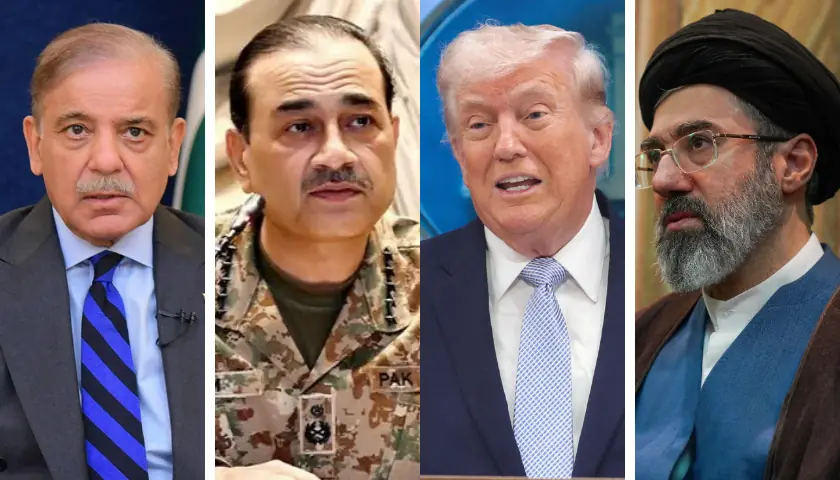
In a major diplomatic breakthrough, Pakistan has successfully facilitated an immediate ceasefire between the United States and Iran, easing tensions that had raised fears of a wider regional conflict. The development positions Islamabad at the center of global diplomacy, with high-stakes peace talks now scheduled to take place in the capital. Prime Minister Announces Historic Ceasefire Prime Minister Shehbaz Sharif confirmed the ceasefire through a statement on social media platform X. He described the agreement as immediate and comprehensive. He stated that both nations, along with their respective allies, had agreed to halt hostilities without delay. The ceasefire extends beyond bilateral tensions. It includes affected regions such as Lebanon and other conflict-hit areas. The prime minister emphasized that this step reflects a collective commitment to stability. He also highlighted Pakistan’s role in opening diplomatic channels at a critical moment. “With utmost humility, I share that Iran and the United States have agreed to an immediate ceasefire,” he said, calling it a turning point for regional peace. Islamabad to Host High-Level Peace Talks Building on the ceasefire, Shehbaz Sharif invited delegations from both countries to Islamabad for formal negotiations. He announced that the “Islamabad Talks” will take place on April 10, 2026. The talks aim to produce a long-term agreement that addresses all outstanding disputes between Washington and Tehran. Officials expect discussions to cover security concerns, regional influence, and economic issues. Diplomatic sources suggest that Pakistan will act as a neutral facilitator during the talks. The move strengthens Islamabad’s global image as a mediator in complex geopolitical conflicts. Analysts believe the success of these talks could reshape power dynamics in the Middle East and beyond. Trump Confirms Temporary Halt in Military Action Earlier, Donald Trump announced a temporary suspension of military action against Iran. He shared the update on his platform, Truth Social. Trump confirmed a two-week pause in planned strikes. He described the move as conditional and linked to diplomatic progress. According to his statement, the decision followed direct discussions with Prime Minister Shehbaz Sharif and Pakistan’s military leadership, including Asim Munir. He indicated that the pause serves as a confidence-building measure. It allows both sides to explore peaceful solutions instead of escalating conflict. Strait of Hormuz Agreement Eases Global Concerns A key component of the ceasefire involves the reopening of the Strait of Hormuz. Iran has agreed to ensure safe and uninterrupted passage through this critical route. The Strait of Hormuz plays a vital role in global energy supply. Any disruption can trigger oil price shocks and economic instability worldwide. Pakistan had proposed a two-week diplomatic window. During this period, both sides would prioritize dialogue over confrontation. The reopening of the strait is seen as a major confidence-building step. Global markets have reacted cautiously. However, experts say the agreement could stabilize oil prices if it holds. Pakistan Emerges as Key Diplomatic Mediator This development marks a significant milestone in Pakistan’s foreign policy. Islamabad has positioned itself as a credible mediator between two long-standing adversaries. Officials credit Pakistan’s balanced approach and strategic engagement for the breakthrough. The country maintained open communication channels with both Washington and Tehran during rising tensions. The prime minister praised the leadership of both nations for showing restraint. He noted that their willingness to engage reflects a shared desire for peace. “Their constructive engagement shows commitment to stability,” he said. Regional Stability Hinges on Successful Talks Despite the positive development, challenges remain. Experts warn that deep-rooted issues between the United States and Iran cannot be resolved overnight. The upcoming Islamabad Talks will play a critical role in determining the future of this ceasefire. Any failure could risk renewed tensions. However, the current momentum offers hope. The ceasefire has already reduced immediate fears of military escalation across the region. Diplomatic observers believe that Pakistan’s role could expand further if talks succeed. It may open doors for broader regional cooperation and conflict resolution.

KSE-100 Index Rebound: A Stunning Comeback That Caught Investors Off Guard
Business

KSE-100 Index Rebound: A Stunning Comeback That Caught Investors Off Guard

The KSE-100 Index Rebound unfolded dramatically on Friday, turning early market jitters into a powerful rally that reignited investor confidence at the Pakistan Stock Exchange (PSX). After days of turbulence, investors rushed in at market open to grab blue-chip stocks at what many saw as discounted valuations. The result? A rollercoaster trading session that kept traders glued to their screens. The benchmark index surged to an intraday high of 174,148 points before profit-taking pulled it down to 169,592 points. By closing bell, however, the market had staged a firm recovery, settling at 173,169 points up 999 points or 0.58 percent. Total trading volume reached 245 million shares, signaling renewed participation despite global uncertainty. What Triggered the KSE-100 Index Rebound? The KSE-100 Index Rebound wasn’t driven by domestic factors alone. Global developments added fuel to the market’s volatility. Oil prices jumped sharply amid escalating tensions between the United States and Iran. US President Donald Trump warned that Tehran had only 10 to 15 days to reach a nuclear deal, while Washington reportedly deployed its largest military buildup in the Middle East since 2003. Reports of a potential limited strike kept global investors on edge and energy-linked stocks highly active. For Pakistan’s market, higher oil prices often create a dual impact: boosting exploration companies while raising concerns over import costs. This push-and-pull dynamic was clearly visible during Friday’s session. Sector Winners and Losers in the KSE-100 Index Rebound The strength of the KSE-100 Index Rebound was uneven across sectors, reflecting selective investor optimism. The Oil & Gas Exploration sector provided the biggest boost, contributing over 333 index points. Cement followed closely, adding nearly 191 points as investors bet on infrastructure and construction momentum. Technology, Commercial Banks, and Pharmaceuticals also supported the rally. Major companies that lifted the index included OGDC, MLCF, PPL, SYS, and FFC — collectively adding significant upward momentum. However, not all sectors participated in the rebound. Automobile Assemblers, Insurance, Chemicals, and Leather stocks faced pressure, highlighting lingering caution in consumer and cyclical segments. Market Breadth: A Mixed Picture Beneath the Rally Out of 100 index companies, 58 closed in positive territory, 40 declined, and 2 remained unchanged. In the broader market, the All-Share Index gained 476 points to close above 103,952. Yet overall activity cooled compared to the previous session. Total market volume fell to 537 million shares from over 905 million earlier, while traded value declined to Rs23.79 billion a drop of nearly Rs24 billion. Among the most actively traded stocks were K-Electric (over 73 million shares traded), WorldCall Telecom, Bank of Punjab, and Pakistan Telecommunication Company Limited (PTC). The heavy volumes in power and telecom stocks suggest retail investors remain highly engaged. Fiscal Year Performance: A Bigger Picture The KSE-100 Index Rebound is not an isolated event. During the current fiscal year, the benchmark has surged by 47,542 points an impressive 37.84 percent gain. However, calendar year growth has been more modest at 1.42 percent so far. This divergence highlights how quickly sentiment can shift depending on macroeconomic developments, political signals, and global risk factors. What Should Investors Watch Next? The sustainability of this KSE-100 Index Rebound will largely depend on global oil trends, geopolitical developments, and domestic economic policy direction. If tensions ease and oil stabilizes, Pakistan’s equity market could see further upside. But if geopolitical risks intensify, volatility may return just as swiftly. For now, one thing is clear: Friday’s session proved that when opportunity knocks, investors at the Pakistan Stock Exchange respond fast and decisively.

Scroll to Top