US Iran talks

Oil Prices Extend Losses as Strait of Hormuz Traffic Resumes
Breaking News

Oil Prices Extend Losses as Strait of Hormuz Traffic Resumes

Global oil prices fell by more than 1% on Wednesday, extending losses recorded earlier this week as signs emerged that oil shipments through the Strait of Hormuz are gradually recovering. The decline pushed both major crude benchmarks close to their lowest levels in four months. Brent and WTI Crude Continue to Decline Brent crude futures dropped 78 cents, or 1%, to $76.30 per barrel by 0350 GMT. Meanwhile, US West Texas Intermediate (WTI) crude fell 78 cents, or 1.1%, to $72.43 per barrel. Both benchmarks had already settled around 1% lower on Tuesday and touched their lowest levels since early March. The latest decline reflects growing confidence among traders that oil supplies from the Middle East will continue to flow despite recent regional tensions. Increased Strait of Hormuz Traffic Boosts Market Confidence Market analysts pointed to improving shipping activity in the Strait of Hormuz as a major factor behind the fall in prices. Commodity strategists at ING noted that positive developments in the Persian Gulf have increased optimism about oil transportation through the strategic waterway. According to analysts, vessel crossings have risen in recent days, although traffic remains below levels seen before the recent conflict. The Strait of Hormuz is one of the world’s most important energy corridors, carrying a significant portion of global oil exports. Any disruption to shipping in the area often leads to sharp increases in energy prices. US-Iran Diplomatic Progress Weighs on Crude Markets Oil prices also came under pressure after Washington granted Tehran a 60-day sanctions waiver following initial peace talks. The waiver allows Iran to continue selling oil while negotiations continue. Analysts believe the development has eased concerns about potential supply disruptions and could increase crude availability in international markets. Tomomichi Akuta, Senior Economist at Mitsubishi UFJ Research and Consulting, said hopes for easing tensions between the United States and Iran, along with the recovery of oil shipments through the Strait of Hormuz, have weighed heavily on crude prices. He added that further progress in nuclear negotiations could push oil prices back to levels seen before the recent regional conflict. Oman and Iran Continue Navigation Talks Diplomatic discussions regarding the future administration of navigation in the Strait of Hormuz also continued this week. According to reports, Oman and Iran agreed to continue consultations on managing navigation through the strategic waterway. At the same time, US Secretary of State Marco Rubio stated that any Iranian attempt to impose transit fees on ships passing through the strait would violate international law. Despite these developments, uncertainty remains over the long-term stability of the agreement and the future of regional security arrangements. Conflicting Statements on Nuclear Inspections Questions also remain regarding the progress of nuclear negotiations between Washington and Tehran. US President Donald Trump said on Tuesday that Iran had agreed to nuclear inspections “into infinity.” However, Iranian officials denied making such a commitment during ongoing talks. The conflicting statements have created uncertainty among investors, who continue to monitor diplomatic developments closely. Stranded Tankers Begin Moving Through Strait Shipping activity showed further signs of improvement as several vessels successfully passed through the Strait of Hormuz. An Iranian military source told local media that a limited number of ships are being allowed to transit the waterway each day under coordination with Iran’s Revolutionary Guards Navy. Ship-tracking data indicated that three stranded supertankers successfully crossed the strait on Tuesday. Meanwhile, the United Nations shipping agency confirmed that an evacuation plan is underway to help hundreds of vessels and approximately 11,000 seafarers stranded in the Gulf resume their journeys following the US-Iran ceasefire agreement. The gradual restoration of maritime traffic has eased fears of a prolonged disruption to global energy supplies. Investors Watch Supply Recovery Market participants are now focused on how quickly Middle Eastern oil producers can restore exports to normal levels and whether more vessels will return to the region. A faster recovery in shipments could increase global supply and place additional downward pressure on crude prices in the coming weeks. US Crude Inventories Show Modest Decline Meanwhile, inventory data offered mixed signals for the oil market. According to market sources citing figures from the American Petroleum Institute (API), US crude oil inventories fell by 765,000 barrels during the week ending June 19. The decline was smaller than expected. Analysts surveyed by Reuters had forecast an average drawdown of approximately 4.5 million barrels. The lower-than-expected inventory reduction suggests that supply conditions remain relatively comfortable despite recent geopolitical disruptions. Outlook for Oil Markets Oil markets remain highly sensitive to developments in the Middle East. While improving shipping conditions and diplomatic progress have eased immediate concerns, traders continue to monitor the durability of the US-Iran ceasefire and ongoing nuclear negotiations. For now, increased vessel movement through the Strait of Hormuz and expectations of higher oil supplies are keeping downward pressure on prices. However, any setback in negotiations or disruption to shipping routes could quickly reverse the trend and reignite volatility in global energy markets.
Oil Prices Fall Sharply After Signs of Progress in US Iran Negotiations
World

Oil Prices Fall Sharply After Signs of Progress in US Iran Negotiations

Oil prices fall sharply on Wednesday after growing optimism surrounding a possible agreement between the United States and Iran reduced fears of supply disruptions in the Middle East. Global financial markets reacted positively as investors expected easing tensions around key shipping routes and energy supplies. US crude oil dropped by 5.89 dollars to settle at 98.26 dollars per barrel. Brent crude also declined by 6.26 dollars and reached 105.02 dollars per barrel as traders responded to signs of progress in negotiations between Washington and Tehran. The latest decline came after US President Donald Trump stated that discussions with Iran had entered the final stages. He warned that further strikes remained possible if no agreement was reached but added that Washington was willing to wait a few more days for what he described as the “right answer” from Tehran. Markets Respond to Easing Gulf Tensions The sharp decline in crude prices eased inflation concerns across global markets. Investors moved toward government bonds, causing US Treasury yields to fall significantly. The benchmark 10 year Treasury yield dropped by 9.4 basis points and reached 4.576 percent. Analysts said lower energy prices reduced fears of rising inflation and improved confidence among investors. There were also early signs of reduced pressure in the Gulf region. Shipping data showed two Chinese oil tankers leaving the Strait of Hormuz, one of the world’s most important energy shipping routes. The Strait of Hormuz remains critical for global oil transport because a large share of international crude exports passes through the narrow waterway. Any threat to shipping activity in the area often creates immediate volatility in oil markets. Wall Street Gains Ahead of Nvidia Earnings Global stock markets also moved higher as lower oil prices and falling bond yields boosted investor sentiment. Wall Street advanced during trading while European markets posted gains. Technology and semiconductor shares attracted strong buying interest ahead of earnings results from NVIDIA. Investors expect the chip giant to report a sharp rise in revenue due to continued demand for artificial intelligence chips. Chip stocks climbed before the earnings release and helped push broader semiconductor indexes higher. Analysts believe investor confidence in artificial intelligence related companies continues to support the technology sector despite global economic uncertainty. A broader global equities index also gained as investors increased risk appetite following signs of easing geopolitical tensions. Dollar Weakens While Gold Prices Rise In currency markets, the US dollar weakened after recently touching a six week high. The dollar index slipped while the euro and Japanese yen strengthened against the American currency. Analysts linked the softer dollar to falling Treasury yields and expectations that easing oil prices could reduce inflationary pressure in the United States. Gold prices rose by more than 1 percent during trading. The precious metal benefited from weaker bond yields and reduced demand for the dollar. Investors often move toward gold during periods of uncertainty, but lower yields also tend to support gold prices because the metal does not pay interest. Global Bond Markets Also Ease Bond markets in Europe and Japan also reflected the improving sentiment. Long term government bond yields declined after reaching recent highs. Germany’s 10 year bond yield slipped slightly from a 15 year high while Japanese yields also eased. Analysts said the movement mirrored the trend in US markets as investors responded to lower oil prices and reduced geopolitical concerns. Financial markets now remain focused on whether Washington and Tehran can finalise a deal that could stabilise the region and ease fears over global energy supplies.

US-Iran Talks in Doubt Amid Mixed Signals Ahead of Islamabad Meeting
Breaking News, Politics

US-Iran Talks in Doubt Amid Mixed Signals Ahead of Islamabad Meeting

Uncertainty deepened on Monday as mixed signals from Tehran cast doubt over whether the United States and Iran would proceed with a second round of direct negotiations. Despite preparations underway in Islamabad, officials on both sides continued to issue conflicting statements. These contradictions raised concerns about the future of diplomacy at a time of rising regional tension. Read More: https://theboardroompk.com/indrive-joins-world-economic-forums-unicorn-community/ Iran Sends Mixed Signals on Negotiations Iran’s foreign ministry spokesperson Esmaeil Baqaei confirmed that Tehran has not yet decided whether it will attend the next round of talks with the US. He made it clear that no final decision exists at this stage. His statement reflected the broader mixed signals emerging from Iran’s leadership. Baqaei addressed reporters in Tehran and said the government had no immediate plans for negotiations. He stressed that Iran remains cautious. He also accused Washington of failing to demonstrate genuine commitment to diplomacy. According to him, recent US actions contradict its stated willingness to engage in dialogue. At the same time, Iran’s parliament speaker Mohammad Bagher Ghalibaf offered a slightly different tone. He said Tehran continues negotiations with Washington. However, he warned that Iran stands ready to take necessary measures if tensions escalate. His remarks added to the growing sense of mixed signals surrounding Iran’s position. US Position Adds to Uncertainty On the American side, statements from Donald Trump further complicated the situation. Trump announced that a US delegation would travel to Islamabad for talks. However, he did not confirm whether negotiations would actually take place. This announcement followed reports that the US Navy targeted an Iranian vessel attempting to bypass a blockade in the Strait of Hormuz. Both Washington and Tehran presented conflicting accounts of the incident. This development intensified tensions and reinforced the prevailing mixed signals. The situation worsened after Iran closed the Strait of Hormuz again on Saturday. Tehran declared it would not reopen the vital trade route until the US lifted its blockade on Iranian ports. This move raised global concerns about oil supply disruptions and regional stability. Tehran Accuses US of Ceasefire Violations Baqaei strongly criticized US actions during his briefing. He argued that Washington’s behavior undermines any claim of pursuing diplomacy. He pointed to several incidents as evidence. These included the alleged attack on an Iranian cargo ship, the ongoing naval blockade, and delays in implementing a ceasefire in Lebanon. According to Iran, these actions violate a recently agreed two-week ceasefire. Baqaei said such measures show a lack of seriousness from the US. Iran’s leadership also expressed deep mistrust toward Washington. Ghalibaf reiterated that Iran does not trust its adversary. He warned that the US could escalate the conflict at any moment. He also referenced past experiences, including the brief but intense 12-day war in June 2025. He said Iran has learned from that conflict and remains prepared for future confrontations. Islamabad on High Alert for Possible Talks Meanwhile, Islamabad continued preparations for the expected negotiations. Authorities implemented extraordinary security measures across the capital and nearby Rawalpindi. Officials deployed more than 10,000 security personnel. These included commandos and snipers stationed at key locations. Authorities also sealed the high-security Red Zone and blocked major routes. Public transport services were suspended in several areas to ensure security. At Islamabad International Airport, special arrangements were put in place to handle the expected arrival of foreign delegations. Reports confirmed that advance US security teams had already reached the city to coordinate logistics. Authorities also vacated two luxury hotels to accommodate visiting officials. These measures highlighted Islamabad’s readiness to host high-stakes diplomatic engagement despite ongoing uncertainty. Confusion Over US Delegation Leadership Another layer of uncertainty emerged regarding the US delegation. During the first round of talks, JD Vance led the American team. However, officials have not confirmed whether he will attend the upcoming meeting. Trump initially suggested that Vance would not lead the delegation due to security concerns. He later praised his vice president but avoided giving a clear answer. The White House also issued conflicting statements, adding to the confusion. This lack of clarity contributed to the broader atmosphere of mixed signals. It raised questions about the seriousness and structure of the US approach to the negotiations. Strait of Hormuz Tensions Escalate Tensions in the Strait of Hormuz remained a critical issue. Iran’s First Vice President Mohammad Reza Aref issued a strong warning regarding the situation. He stated that the security of the vital shipping route cannot be guaranteed if Iran’s oil exports remain restricted. He emphasized that no country should expect free security while limiting Iran’s economic activity. Aref said the global community faces a clear choice. It must either allow a free oil market or accept significant economic consequences. He warned that continued pressure on Iran could destabilize global energy markets. His remarks underscored the high stakes involved. The Strait of Hormuz remains one of the world’s most important oil transit routes. Any disruption could have far-reaching economic impacts. Diplomatic Path Remains Uncertain The combination of military tension, political mistrust, and conflicting statements has created a fragile environment. Both sides appear open to dialogue, yet their actions suggest otherwise. These mixed signals continue to cloud the future of US-Iran relations. While Islamabad stands ready to host the talks, the absence of clear commitments from either side raises doubts. The coming days will prove critical. They will determine whether diplomacy can move forward or whether tensions will escalate further.

US Dollar Falls to Six-Week Lows Amid Hopes of US-Iran Talks
World

US Dollar Falls to Six-Week Lows Amid Hopes of US-Iran Talks

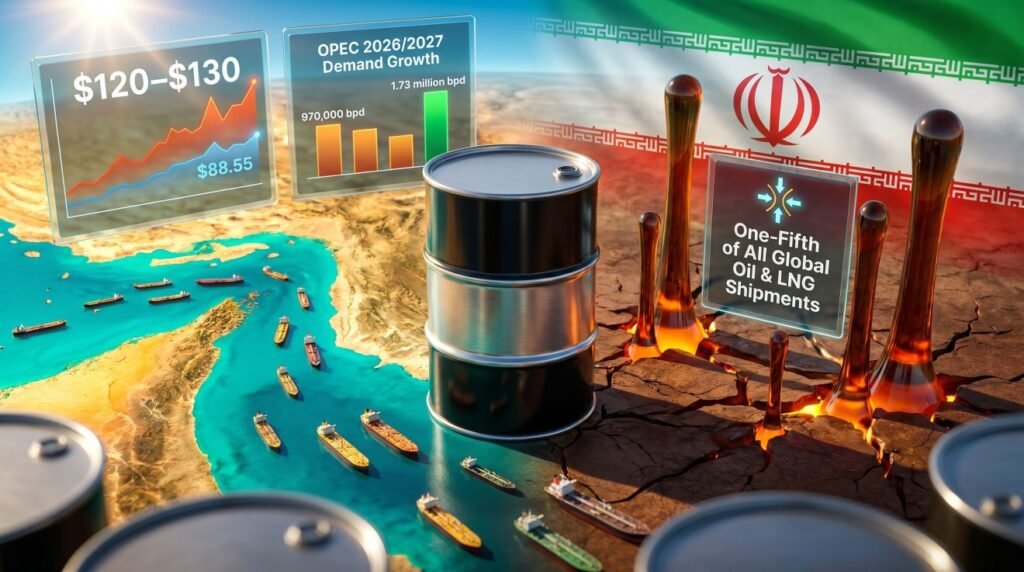
The US dollar hovered near six-week lows on Wednesday as global markets reacted to renewed hopes of diplomatic talks between the United States and Iran. The decline erased nearly all gains the currency had made since the outbreak of the Middle East conflict earlier this year. Read More: https://theboardroompk.com/pakistan-highlights-economic-reforms-at-imf-world-bank-meetings-2026/ The weakening trend in the dollar reflects improving investor sentiment, as traders shift toward riskier assets amid expectations that tensions between United States and Iran could ease in the coming days. Dollar Declines as Diplomacy Hopes Rise The US dollar index, which tracks the currency against a basket of major currencies, fell to 98.109. This level marks its lowest point in more than six weeks. Market optimism increased after Donald Trump signaled that negotiations to end the conflict could resume soon. He suggested that fresh talks may take place in Islamabad, raising hopes for a diplomatic breakthrough. Although previous discussions failed to produce a lasting agreement, investors appear willing to bet on renewed dialogue. Analysts say markets are reacting more to expectations than confirmed developments. Strait of Hormuz Crisis Fuels Market Volatility The conflict has significantly disrupted global energy markets. Iran has effectively shut down the Strait of Hormuz since the war began on February 28. This waterway handles nearly one-fifth of the world’s oil and gas shipments. Its closure triggered a sharp rise in energy prices and initially strengthened the US dollar as investors sought safe-haven assets. At the same time, the United States imposed a blockade on Iranian ports after negotiations collapsed. These actions increased geopolitical tensions and added uncertainty to global markets. However, the latest signals of diplomacy have helped reverse some of the earlier market reactions. Euro and Sterling Strengthen Against Dollar As the dollar weakened, major currencies gained ground. The euro rose to $1.1793, hovering near its highest level since early March. Meanwhile, the British pound, also known as sterling, traded at $1.3574. Currency markets reflected a broader shift toward risk-on sentiment. Investors moved away from defensive positions and increased exposure to higher-yielding assets. Analysts noted that expectations of a potential resolution to the conflict have played a key role in driving this trend. Oil Prices Retreat After Sharp Gains Energy markets also showed signs of stabilization. Brent crude futures slipped 0.28% to $94.52 per barrel after a steep decline in the previous session. Similarly, West Texas Intermediate crude fell 0.7% to $90.64, extending losses from Tuesday’s sharp drop. The earlier surge in oil prices had been driven by supply concerns linked to the Strait of Hormuz disruption. However, easing fears of prolonged conflict have reduced upward pressure on prices. Market participants now view the crisis as a temporary shock rather than a long-term disruption. Global Markets Shift to Risk-On Mode The easing of geopolitical fears triggered a rally across global asset classes. Stocks gained momentum, while risk-sensitive currencies such as the Australian dollar strengthened. The Australian dollar reached its highest level since mid-March, reflecting increased investor confidence. It later stabilized at $0.7124 in early trading. Experts say cross-asset movements indicate that markets are pricing in a potential resolution to the conflict. Investors appear to believe that diplomatic efforts could prevent further escalation. Tony Sycamore, a market analyst, stated that expectations are growing for a near-term resolution. He suggested that the US administration may seek to declare a strategic victory before shifting focus to domestic economic measures. Yen and Bitcoin Show Mixed Movements The Japanese yen, often considered a safe-haven currency, remained relatively stable. It traded at 158.88 per US dollar, showing limited reaction to the latest developments. Meanwhile, Bitcoin recorded modest gains. The cryptocurrency rose 0.6% to $74,612, staying close to a two-month high reached earlier in the week. Bitcoin’s performance reflects ongoing interest in alternative assets, even as traditional markets show signs of recovery. Uncertainty Remains Despite Optimism Despite improving sentiment, uncertainty continues to loom over global markets. The recent talks in Islamabad failed to produce a breakthrough, raising concerns about the durability of the current ceasefire. The two-week truce still has one week remaining, and any escalation could quickly reverse the current trend in financial markets. Analysts caution that while optimism is driving short-term movements, the underlying risks remain significant. The situation in the Middle East continues to evolve, and unexpected developments could impact investor confidence.

Scroll to Top