Pakistan fiscal reforms

Pakistan Debt Growth Drops to 7.7 Percent, Two Decade Low in FY26
Breaking News

Pakistan Debt Growth Drops to 7.7 Percent, Two Decade Low in FY26

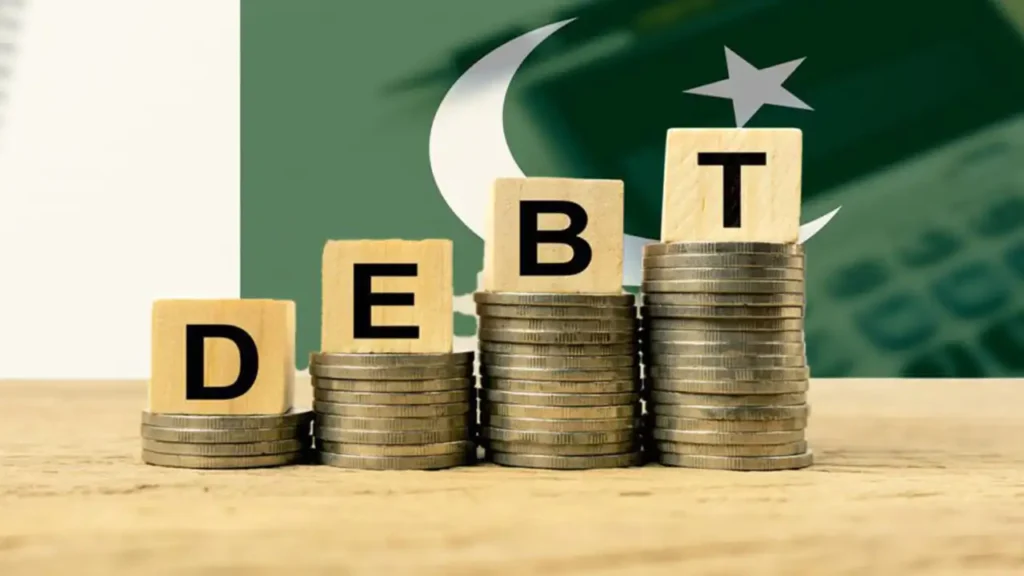
Pakistan debt growth has slowed to its lowest level in nearly two decades, according to financial analyst Khurram Schehzad, who highlighted a series of debt and fiscal indicators pointing toward an improving debt profile. According to the figures shared by Schehzad, Pakistan debt growth stood at 7.7 percent during FY26, significantly below the approximately 16 percent average recorded over the previous 20 years. The slowdown is important because rapid debt accumulation has remained one of Pakistan’s most persistent economic weaknesses, particularly when borrowing has increased faster than the country’s ability to generate revenues and foreign exchange. The debt to GDP ratio has also improved, falling to 68.3 percent in FY26 from 75 percent in FY23. It had reached exceptionally high levels of around 86 percent to 88 percent during FY19 to FY21. However, the improvement should not be interpreted as a complete victory over Pakistan’s debt problem. A lower debt ratio can reflect stronger nominal economic growth as well as slower borrowing, meaning the government still needs sustained fiscal discipline to prevent the trend from reversing. Pakistan External Debt Exposure Reaches Nine Year Low One of the more significant developments is the decline in external debt exposure. External debt as a percentage of GDP fell to 21.5 percent in FY26, its lowest level in nine years, compared with around 31 percent during FY19 to FY21. The shift reduces Pakistan’s vulnerability to sudden exchange rate movements because foreign currency debt becomes more expensive in rupee terms whenever the Pakistani currency depreciates. Foreign exchange reserves have also strengthened considerably. State Bank of Pakistan reserves reportedly increased more than six times from 2.9 billion dollars in mid FY23 to 18.4 billion dollars in FY26. Import coverage consequently improved from roughly 2.4 weeks to nearly three months. That improvement provides Pakistan with a stronger external buffer, although reserve adequacy remains critical because the country continues to face substantial external financing and import requirements. Pakistan Debt Growth Shifts Toward Domestic Borrowing The composition of public debt has changed as well. Foreign debt accounted for approximately 31 percent of total public debt in FY26, compared with 37 percent to 38 percent during FY19 to FY23. Pakistan’s domestic and foreign debt mix now stands at roughly 69 to 31, indicating a greater reliance on domestic financing and comparatively lower exposure to foreign currency risk. The government also reportedly retired Rs4.72 trillion in debt before maturity. At the same time, the average maturity of domestic debt increased from approximately 2.8 years to more than 3.8 years. Longer maturities can reduce refinancing pressure because the government does not need to roll over large amounts of debt as frequently. This is particularly important for Pakistan, where refinancing requirements have historically placed enormous pressure on public finances. Debt Servicing Costs Show Major Improvement Perhaps the most striking development is the reported reduction in interest expenses. Pakistan’s interest expense declined from approximately Rs8.9 trillion to Rs6.9 trillion, representing a reduction of nearly Rs2 trillion in one year. Interest payments as a share of combined federal and provincial revenues also fell sharply from 61 percent in FY24 to 35 percent in FY26. This improvement could provide the government with greater fiscal space for development spending and essential public services. However, the sustainability of this trend will depend heavily on interest rates, borrowing requirements and the government’s ability to maintain primary fiscal surpluses. Pakistan has reportedly recorded three consecutive primary surpluses, while tax revenues grew by 11 percent in FY26 compared with Pakistan debt growth of 7.7 percent. Market Access Returns but Risks Remain Pakistan has also returned to international capital markets after a four year gap through Eurobond and Panda Bond issuances. The Panda Bond reportedly attracted demand equal to around five times the amount offered, highlighting renewed investor interest in Pakistan’s credit story. S&P also upgraded Pakistan’s sovereign rating to B with a Stable outlook, described by Schehzad as the country’s strongest S&P sovereign rating in around nine years. These developments suggest that Pakistan’s financial position has improved from the severe stress witnessed during the country’s recent balance of payments crisis. Yet the biggest test is whether these gains can survive without repeated external assistance. Slower Pakistan debt growth, stronger reserves and lower debt servicing costs are encouraging, but they do not eliminate structural weaknesses such as a narrow tax base, high government borrowing needs and vulnerability to external shocks. The latest figures therefore represent an important improvement, but not the end of Pakistan’s debt crisis. The real measure of success will be whether the government can convert temporary stabilization into long term fiscal discipline, stronger exports and sustainable economic growth.

Pakistan Fiscal Deficit Falls to 0.7 Percent as Austerity and Revenue Surge Reshape Economy
Editor pick, Pakistan

Pakistan Fiscal Deficit Falls to 0.7 Percent as Austerity and Revenue Surge Reshape Economy

Pakistan fiscal deficit has witnessed a dramatic collapse, offering one of the strongest signs yet that the country’s painful economic reforms may finally be paying off. According to the Economic Survey of Pakistan 2025-26, the overall fiscal deficit narrowed sharply to just 0.7 percent of GDP during July 2025 to March 2026. During the same period a year earlier, the deficit stood at 2.6 percent of GDP. For a country long trapped in a cycle of debt accumulation, IMF negotiations, and budgetary crises, this turnaround represents a significant shift in Pakistan’s economic story. The improvement was driven by stronger revenue collection, aggressive austerity measures, lower interest payments, and tighter fiscal discipline at both federal and provincial levels. Pakistan Fiscal Deficit Improvement Signals a Major Shift The latest figures reveal that Pakistan generated a primary surplus of Rs4.09 trillion, equivalent to 3.2 percent of GDP. This exceeded the Rs3.47 trillion primary surplus recorded during the same period of FY2024-25. A primary surplus means the government earned enough revenue to cover all expenditures except debt servicing obligations. Economists often view this indicator as a critical measure of fiscal health. The achievement becomes even more remarkable considering Pakistan’s long-standing reputation for weak tax collection and persistent fiscal slippages. Revenue Boom Changed the Fiscal Equation The government’s success was underpinned by stronger revenue generation. Pakistan’s consolidated revenues climbed to Rs14.79 trillion during the first nine months of FY2025-26, representing a growth of 10.7 percent compared with the previous year. Tax revenues rose by 11.3 percent to Rs10.17 trillion, while non-tax revenues increased by 9.5 percent to Rs4.63 trillion. Federal Board of Revenue collections maintained double-digit growth and crossed the Rs10 trillion mark during the July-April period. However, despite the improvement, the FBR still fell Rs684.4 billion short of the ambitious targets agreed under IMF-supported fiscal reforms. Austerity Measures Delivered Breathing Space The biggest relief came from falling debt servicing costs. Total interest payments dropped by 23.2 percent to Rs4.95 trillion, compared with Rs6.44 trillion during the same period last year. The reduction reflected lower domestic interest rates and improved debt management practices. The federal government also imposed strict spending controls that included: • A ban on the purchase of luxury and non-essential government vehicles.• A freeze on creating new public sector positions.• The abolition of vacant government posts that remained unfilled for more than three years.• Restrictions on publicly funded foreign visits and overseas medical treatments. These decisions helped reduce consolidated expenditures by 4.2 percent despite continued inflationary pressures. Pakistan’s Tax System Undergoes a Structural Transformation Beyond short-term gains, Pakistan’s tax structure is beginning to evolve. Historically, the country relied heavily on indirect taxation, which disproportionately affected ordinary consumers. Now, direct taxes account for 49.3 percent of total FBR revenues, up significantly from 36.5 percent in FY2021. At the same time, indirect taxes declined to 50.7 percent of collections. The provinces also introduced synchronized Agriculture Income Tax legislation, bringing agricultural earnings closer to taxation standards applied to corporations and salaried individuals. This reform has long been considered politically difficult but economically necessary. Provinces Quietly Became Fiscal Heroes One of the less discussed aspects of Pakistan’s fiscal turnaround is the role played by provincial governments. Combined provincial surpluses surged from Rs518.2 billion in FY2024 to Rs921.5 billion in FY2025. Punjab generated the largest surplus at Rs348.5 billion. Sindh more than doubled its reserves to Rs283 billion. Khyber Pakhtunkhwa raised its surplus to Rs176.2 billion. Balochistan maintained stable fiscal discipline with a surplus of Rs113.8 billion. These surpluses strengthened the national balance sheet and supported federal consolidation efforts. Development Spending Was Not Sacrificed Critics often argue that austerity comes at the expense of growth. However, Pakistan attempted to avoid that trap. Development expenditures and net lending expanded by 18.7 percent to Rs1.83 trillion during July-March FY2025-26. Under the Public Sector Development Programme, more than 98 percent of allocations were directed toward completing ongoing projects rather than launching politically motivated initiatives. Infrastructure projects received the largest share of funding, followed by investments in health, education, Special Areas, and the merged districts of Khyber Pakhtunkhwa. Can Pakistan Sustain This Fiscal Discipline? The Pakistan fiscal deficit story is impressive, but the celebration may be premature. The Economic Survey warns that rising geopolitical tensions in the Middle East pose serious threats to these gains. Any sharp increase in oil prices, disruptions to global supply chains, or renewed inflationary pressures could rapidly reverse recent progress. Higher energy costs could force the government back into expensive subsidies, widen debt obligations, and place renewed stress on public finances. Pakistan has demonstrated that fiscal discipline is possible. The real challenge now is sustaining it in an increasingly uncertain global environment. The next few months will determine whether this historic turnaround marks the beginning of lasting economic stability or merely a temporary reprieve in Pakistan’s long struggle against fiscal vulnerability.

Friday Additional Weekly Holiday Pakistan: Government Announces New Austerity and Energy-Saving Plan
Politics

Friday Additional Weekly Holiday Pakistan: Government Announces New Austerity and Energy-Saving Plan

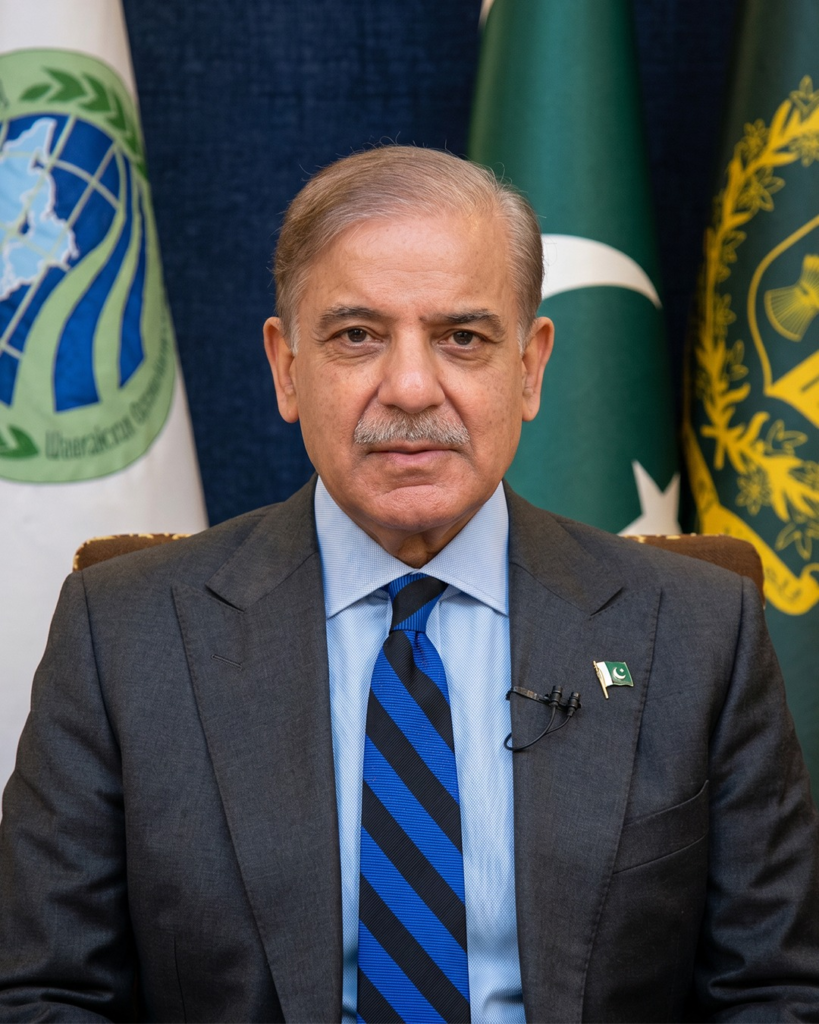
Friday Additional Weekly Holiday Pakistan has emerged as one of the latest policy decisions by the government as it attempts to balance economic stability with energy conservation. Prime Minister Shehbaz Sharif has approved declaring Friday as an additional weekly holiday for federal government offices, a move aimed at reducing operational costs, saving energy, and strengthening austerity measures across government institutions. Read More: https://theboardroompk.com/pakistan-workers-remittances-february-2026-uae-overtakes-saudi-arabia-as-top-source/ The decision was announced during a high-level review meeting held at the Prime Minister’s House, where officials discussed strategies to tackle ongoing economic pressures caused by global economic uncertainty and regional challenges. According to the prime minister, the government is pursuing every possible strategy to stabilize Pakistan’s economy while ensuring responsible public spending. Why the Friday Additional Weekly Holiday Pakistan Policy Matters The Friday Additional Weekly Holiday Pakistan policy is part of a broader national austerity strategy designed to cut costs and improve energy efficiency in government operations. Officials say the move could significantly reduce electricity consumption and operational expenses in federal offices. With energy prices rising globally, conservation measures have become increasingly important for countries facing economic constraints. To ensure strict implementation, the prime minister directed all federal ministries and divisions to fully comply with the policy and monitor the impact of these measures. He also emphasized that financial discipline within government departments is essential to maintain fiscal stability and public trust. Special Committee to Monitor Austerity Measures To oversee the implementation of the Friday Additional Weekly Holiday Pakistan policy and other austerity initiatives, the government has established a special committee headed by Deputy Prime Minister and Foreign Minister Ishaq Dar. The committee will: • Conduct daily reviews of austerity and energy-saving policies• Collect reports from ministries and divisions• Assess the effectiveness of the implemented measures• Recommend improvements where necessary The prime minister also ordered that all austerity measures be subject to third-party audits, ensuring transparency and measurable outcomes. Government Departments Directed to Show Compliance To ensure strict enforcement of the austerity policy, ministries have been instructed to provide detailed documentation of their actions. For example, departments must submit photographic evidence of government vehicles taken out of operation under the austerity program. These reports will be sent to the Cabinet Division to maintain accurate oversight. Additionally, ministries must submit updates to the Prime Minister’s Office outlining improvements in work-from-home arrangements, which are expected to further reduce operational costs. Officials confirmed that daily and weekly reports will be submitted to the monitoring committee covering: • Energy conservation measures• Workforce management strategies• Cost-saving initiatives across departments Technology to Boost Tax Collection In a separate meeting, Prime Minister Shehbaz Sharif also reviewed progress at the Federal Board of Revenue (FBR), focusing on improving tax collection through technology. The government is expanding automated monitoring systems across key sectors to reduce tax evasion and increase transparency. Currently, digital monitoring has already been implemented in industries such as sugar, cement, cigarettes, and fertiliser. These systems allow tax authorities to track production and sales in real time, leading to improved revenue collection. Officials also revealed that the technology will soon be introduced in several additional sectors, including: • Textile• Leather• Paper• Automobile• Beverages Once fully implemented, these digital systems are expected to generate billions of rupees in additional tax revenue for the national exchequer. Strengthening Economic Governance The prime minister praised the government’s economic team for strengthening institutions like Pakistan Revenue Automation Limited (PRAL) by appointing experienced professionals through merit-based recruitment. The goal is to transform PRAL into a modern, technology-driven tax administration platform capable of supporting Pakistan’s long-term fiscal reforms. Economic analysts say the combination of austerity policies, energy conservation measures, and digital tax monitoring could play a significant role in improving government efficiency and reducing fiscal pressure. The Bigger Picture The Friday Additional Weekly Holiday Pakistan policy reflects a broader strategy by the government to adapt to economic challenges through smarter resource management. While the move may initially affect administrative routines, policymakers believe the long-term benefits including reduced energy costs, improved efficiency, and stronger fiscal discipline could outweigh the short-term adjustments. As the government continues to implement these reforms, the success of the policy will largely depend on consistent enforcement, transparency, and technological innovation in public sector management.

IMF Pakistan Review 2026: A Defining Moment for Economic Stability
World

IMF Pakistan Review 2026: A Defining Moment for Economic Stability

IMF Pakistan Review 2026 has officially begun, marking a crucial phase in Pakistan’s economic journey as an International Monetary Fund (IMF) mission lands in Karachi to assess progress under the country’s multi-billion-dollar financial programmes. Led by Iva Petrova, the IMF delegation has initiated technical-level discussions with the State Bank of Pakistan (SBP). These talks are part of the third review of the $7 billion Extended Fund Facility (EFF) and the second review of the $1.1 billion Resilience and Sustainability Facility (RSF). Why IMF Pakistan Review 2026 Matters The IMF Pakistan Review 2026 is more than a routine checkpoint it’s a high-stakes evaluation that could unlock fresh inflows of over $1.2 billion. Successful completion would strengthen investor confidence and stabilize Pakistan’s fragile macroeconomic environment. The mission will transition from technical discussions in Karachi to policy-level negotiations with federal and provincial authorities, beginning with Finance Minister Muhammad Aurangzeb. Early signals from the government suggest optimism, particularly regarding tax collection performance by the Federal Board of Revenue (FBR). External Financing and UAE Deposit Confidence A key highlight of the IMF Pakistan Review 2026 is Pakistan’s reliance on external financial support. The country continues to depend on friendly nations for deposit rollovers, including China, Saudi Arabia, and the UAE. Deputy Prime Minister Ishaq Dar has reassured markets that the UAE’s $2 billion deposit currently on short-term rollover will be extended. This assurance is critical, as these deposits form a significant portion of Pakistan’s external financing framework under the IMF programme. IMF Pakistan Review 2026 and Fiscal Reforms A central pillar of the IMF Pakistan Review 2026 is fiscal discipline. Discussions will cover: • Revenue performance and tax reforms• Provincial finances, including agriculture income tax• Governance and accountability mechanisms• Structural reforms to reduce economic inefficiencies Although Pakistan has broadly met quantitative targets, it faces challenges in structural benchmarks particularly in governance and institutional performance. Authorities are hopeful that recent legal developments regarding the super tax will help bridge revenue gaps. Power Sector and Structural Challenges Energy sector reforms are expected to dominate the IMF Pakistan Review 2026 agenda. Despite keeping circular debt within target limits, inconsistent policymaking especially in industrial tariffs and residential charges remains a concern. The IMF is likely to push for: • Greater policy consistency• Improved governance in energy institutions• Long-term sustainability of tariff structures These reforms are essential to prevent recurring fiscal pressures and ensure economic resilience. Macroeconomic Indicators Under the Spotlight The review will also assess Pakistan’s macroeconomic health for the period ending December 2025. While most performance indicators are on track, some concerns remain: • Net international reserves are slightly below benchmarks• Revenue shortfalls persist despite corrective measures• Structural reform implementation needs acceleration However, the central bank’s domestic asset targets remain well within limits, indicating some level of monetary discipline. What Happens After IMF Pakistan Review 2026? If the IMF Pakistan Review 2026 concludes successfully, Pakistan will gain access to: • Approximately $1 billion under the EFF• Around $200 million under the RSF These inflows, expected by April, could provide much-needed breathing space for the economy and support foreign exchange reserves. Final Thoughts: A Turning Point or Temporary Relief? The IMF Pakistan Review 2026 represents a pivotal opportunity for Pakistan to reinforce economic stability and rebuild investor trust. While short-term indicators show progress, the real test lies in long-term structural reforms and governance improvements. The coming weeks will determine whether Pakistan can translate policy commitments into sustainable economic transformation or continue navigating a cycle of external support and internal challenges.

Scroll to Top