
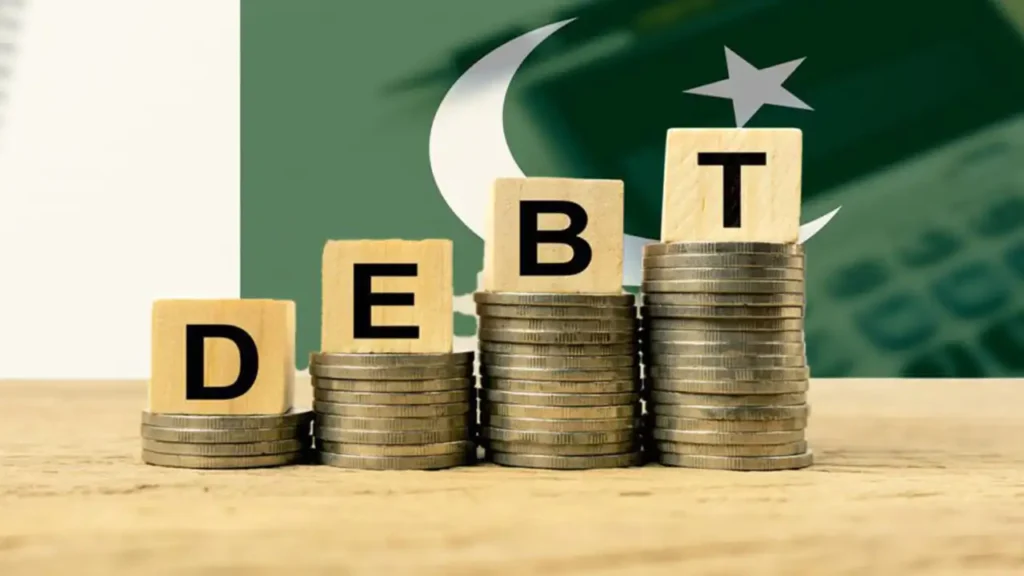
Pakistan debt growth has slowed to its lowest level in nearly two decades, according to financial analyst Khurram Schehzad, who highlighted a series of debt and fiscal indicators pointing toward an improving debt profile.
According to the figures shared by Schehzad, Pakistan debt growth stood at 7.7 percent during FY26, significantly below the approximately 16 percent average recorded over the previous 20 years. The slowdown is important because rapid debt accumulation has remained one of Pakistan’s most persistent economic weaknesses, particularly when borrowing has increased faster than the country’s ability to generate revenues and foreign exchange.
The debt to GDP ratio has also improved, falling to 68.3 percent in FY26 from 75 percent in FY23. It had reached exceptionally high levels of around 86 percent to 88 percent during FY19 to FY21.
However, the improvement should not be interpreted as a complete victory over Pakistan’s debt problem. A lower debt ratio can reflect stronger nominal economic growth as well as slower borrowing, meaning the government still needs sustained fiscal discipline to prevent the trend from reversing.
Pakistan External Debt Exposure Reaches Nine Year Low
One of the more significant developments is the decline in external debt exposure. External debt as a percentage of GDP fell to 21.5 percent in FY26, its lowest level in nine years, compared with around 31 percent during FY19 to FY21.
The shift reduces Pakistan’s vulnerability to sudden exchange rate movements because foreign currency debt becomes more expensive in rupee terms whenever the Pakistani currency depreciates.
Foreign exchange reserves have also strengthened considerably. State Bank of Pakistan reserves reportedly increased more than six times from 2.9 billion dollars in mid FY23 to 18.4 billion dollars in FY26. Import coverage consequently improved from roughly 2.4 weeks to nearly three months.
That improvement provides Pakistan with a stronger external buffer, although reserve adequacy remains critical because the country continues to face substantial external financing and import requirements.
Pakistan Debt Growth Shifts Toward Domestic Borrowing
The composition of public debt has changed as well. Foreign debt accounted for approximately 31 percent of total public debt in FY26, compared with 37 percent to 38 percent during FY19 to FY23.
Pakistan’s domestic and foreign debt mix now stands at roughly 69 to 31, indicating a greater reliance on domestic financing and comparatively lower exposure to foreign currency risk.
The government also reportedly retired Rs4.72 trillion in debt before maturity. At the same time, the average maturity of domestic debt increased from approximately 2.8 years to more than 3.8 years.
Longer maturities can reduce refinancing pressure because the government does not need to roll over large amounts of debt as frequently. This is particularly important for Pakistan, where refinancing requirements have historically placed enormous pressure on public finances.
Debt Servicing Costs Show Major Improvement
Perhaps the most striking development is the reported reduction in interest expenses. Pakistan’s interest expense declined from approximately Rs8.9 trillion to Rs6.9 trillion, representing a reduction of nearly Rs2 trillion in one year.
Interest payments as a share of combined federal and provincial revenues also fell sharply from 61 percent in FY24 to 35 percent in FY26.
This improvement could provide the government with greater fiscal space for development spending and essential public services. However, the sustainability of this trend will depend heavily on interest rates, borrowing requirements and the government’s ability to maintain primary fiscal surpluses.
Pakistan has reportedly recorded three consecutive primary surpluses, while tax revenues grew by 11 percent in FY26 compared with Pakistan debt growth of 7.7 percent.
Market Access Returns but Risks Remain
Pakistan has also returned to international capital markets after a four year gap through Eurobond and Panda Bond issuances. The Panda Bond reportedly attracted demand equal to around five times the amount offered, highlighting renewed investor interest in Pakistan’s credit story.
S&P also upgraded Pakistan’s sovereign rating to B with a Stable outlook, described by Schehzad as the country’s strongest S&P sovereign rating in around nine years.
These developments suggest that Pakistan’s financial position has improved from the severe stress witnessed during the country’s recent balance of payments crisis.
Yet the biggest test is whether these gains can survive without repeated external assistance. Slower Pakistan debt growth, stronger reserves and lower debt servicing costs are encouraging, but they do not eliminate structural weaknesses such as a narrow tax base, high government borrowing needs and vulnerability to external shocks.
The latest figures therefore represent an important improvement, but not the end of Pakistan’s debt crisis. The real measure of success will be whether the government can convert temporary stabilization into long term fiscal discipline, stronger exports and sustainable economic growth.