Uncategorized

PIA Handover to New Owners Set for April 2026 in Historic Privatization Deal
Uncategorized

PIA Handover to New Owners Set for April 2026 in Historic Privatization Deal

New owners of PIA are expected to take control from April 2026, following cabinet approvals, contract signing within weeks, and a 90-day financial close. Employees must be retained for 12 months with unchanged contracts. The deal prioritizes revival through fleet expansion, service improvements, and potential foreign partnerships, signaling broader reforms, reduced fiscal pressure, and enhanced investor confidence in Pakistan’s economy Read More: https://theboardroompk.com/arif-habib-consortium-wins-pia-privatisation-bid-at-rs135-billion/ Pakistan International Airlines (PIA), once a leading carrier in Asia, has faced decades of financial turmoil, mismanagement, overstaffing, and massive debts exceeding $2.8 billion. Political interference, a 2020 pilot licensing scandal leading to international flight bans, and persistent annual losses burdened taxpayers with subsidies. Previous privatization attempts—in the 1990s, 2013 (halted by protests), and 2024 (failed due to low bids)—did not succeed. Recent restructuring included government assumption of legacy debts, workforce reduction, and lifting of EU/UK bans, making the airline viable. This sale aligns with IMF conditions under a $7 billion bailout, marking Pakistan’s first major privatization in nearly two decades. Bidding Process and Winner On December 23, 2025, a transparent live-televised auction in Islamabad saw a consortium led by Arif Habib Corporation—comprising Fatima Fertilizer, City Schools, and Lake City Holdings—emerge victorious with a Rs135 billion ($482 million) bid for 75% stake, surpassing the Rs100 billion reserve and rivals like Lucky Cement. The government receives about Rs10 billion upfront, retaining 25%. Privatization adviser Muhammad Ali emphasized safeguards, including fresh capital injection to prevent collapse post-sale.

Gold Price in Pakistan Reaches Historic High Amid Strong Domestic Demand
Uncategorized

Gold Price in Pakistan Reaches Historic High Amid Strong Domestic Demand

Gold price in Pakistan climbed to an all-time high on Wednesday, reflecting sustained investor demand and continued volatility in global precious metals markets. According to the All-Pakistan Gems and Jewelers Sarafa Association (APGJSA), 24-karat gold was sold at Rs472,862 per tola, marking a day-on-day increase of Rs2,000 and setting a new domestic record. The surge in gold prices highlights the metal’s enduring role as a safe-haven asset for Pakistani investors, particularly amid currency pressures, inflation concerns, and global economic uncertainty. Gold Price in Pakistan: Latest 24-Karat and 22-Karat Rates The upward momentum was also evident in per-gram pricing. 24-karat gold per 10 grams rose by Rs1,714, settling at Rs405,402, while 22-karat gold was quoted at Rs371,632 per 10 grams. These price levels underscore a strong month-long rally in the local bullion market, driven by both investment demand and rising input costs. Gold Price in Pakistan Shows Strong Monthly and Year-to-Date Growth From a broader perspective, gold prices in Pakistan have shown remarkable growth: • Over the past month, gold prices have increased by Rs36,300 per tola, signaling persistent bullish sentiment.• On a fiscal year-to-date (FYTD) basis, prices are higher by Rs122,662 per tola.• On a calendar year-to-date (CYTD) basis, gold has surged by Rs200,262 per tola, making it one of the strongest-performing asset classes in Pakistan in 2025. This sustained appreciation reflects gold’s role as a hedge against inflation and PKR depreciation. Silver Prices in Pakistan Also Rise Sharply Alongside gold, silver prices in Pakistan recorded significant gains. 24-karat silver was sold at Rs7,705 per tola, up Rs500 from the previous session, while 10-gram silver increased by Rs428 to Rs6,605. Silver’s performance has mirrored gold’s momentum, supported by both investment demand and industrial usage expectations. On a comparative basis:• Silver prices have risen by Rs2,283 over the past month• FYTD gains stand at Rs3,923• CYTD increase amounts to Rs4,355 per tola Global Gold Prices and Their Impact on Pakistan Internationally, spot gold traded near $4,490 per ounce, slipping $12 or 0.27% from the previous session. Despite the slight global pullback, local gold prices in Pakistan continued to rise, primarily due to exchange-rate dynamics and strong domestic demand. This divergence highlights how currency movements and local market conditions can outweigh short-term global price fluctuations in determining the gold price in Pakistan. Outlook: Will Gold Price in Pakistan Continue to Rise? Market analysts expect gold prices to remain volatile in the near term. Any further weakening of the Pakistani rupee, coupled with geopolitical risks and global interest rate uncertainty, could push gold prices even higher domestically. For investors, gold continues to offer portfolio stability, while traders remain watchful of both international bullion trends and domestic macroeconomic signals.

OGDC Circular Debt Settlement Advances with Sixth TFC Interest Payment
Uncategorized

OGDC Circular Debt Settlement Advances with Sixth TFC Interest Payment

OGDC circular debt settlement continues to move forward as Oil & Gas Development Company Limited (PSX: OGDC) has successfully received the sixth monthly interest installment under the Term Finance Certificates (TFCs) issued by Power Holding (Private) Limited (PHL). The payment forms part of the government-approved circular debt settlement mechanism aimed at stabilizing Pakistan’s energy sector. The latest installment amounts to Rs 7.725 billion, reflecting steady progress in the structured repayment plan designed to ease liquidity pressures across state-owned energy entities. OGDC Circular Debt Settlement: Payment Details and Structure Under the approved framework, OGDC is entitled to twelve equal monthly interest payments, totaling Rs 92 billion in interest obligations. The repayment schedule commenced in July 2025 and will conclude in June 2026, subject to timely disbursements. Key Highlights of the Sixth Payment • Payment Amount: Rs 7.725 billion• Installment Number: Sixth of twelve• Instrument: Term Finance Certificates (TFCs)• Issuer: Power Holding (Private) Limited (PHL)• Framework: Government of Pakistan’s circular debt settlement plan The receipt of this installment reinforces the government’s commitment to honoring financial obligations under the circular debt resolution strategy. Why the OGDC Circular Debt Settlement Matters The OGDC circular debt settlement is a critical component of Pakistan’s broader effort to address long-standing inefficiencies in the energy sector. Circular debt has historically constrained cash flows, delayed payments to upstream exploration and production (E&P) companies, and discouraged fresh investment. For OGDC, Pakistan’s largest E&P company the timely receipt of TFC interest payments improves: • Cash flow visibility• Balance sheet strength• Dividend sustainability• Investor confidence Consistent inflows also allow OGDC to maintain capital expenditure on exploration, production enhancement, and energy security initiatives. Government-Approved Circular Debt Framework Explained The circular debt settlement mechanism was approved to convert outstanding payables into marketable debt instruments, primarily TFCs, issued through Power Holding (Private) Limited. This approach enables: • Predictable repayment schedules• Reduced pressure on government guarantees• Improved financial discipline across power sector entities Interest payments are spread over a 12-month horizon, ensuring manageable fiscal impact while restoring confidence among energy sector stakeholders. OGDC Circular Debt Settlement and Market Impact The steady progress in the OGDC circular debt settlement is likely to be viewed positively by: • Equity investors, who prioritize earnings stability• Credit rating agencies, assessing sovereign-linked exposure• Institutional funds, focused on dividend-yielding stocks On the Pakistan Stock Exchange (PSX), OGDC remains a blue-chip energy stock, and predictable cash inflows from TFCs strengthen its defensive investment profile amid macroeconomic uncertainty. What Lies Ahead for OGDC? With six out of twelve installments received, OGDC is now halfway through the interest repayment cycle. Continued adherence to the payment schedule will be crucial in: • Sustaining operational momentum• Supporting future exploration projects• Reinforcing trust in government-led financial reforms Market participants will closely monitor upcoming installments as a barometer of fiscal discipline and reform continuity in Pakistan’s energy ecosystem. The receipt of the sixth TFC interest payment marks another important milestone in the OGDC circular debt settlement process. As Pakistan works to resolve structural issues in its power and energy sectors, consistent execution of such frameworks remains vital for economic stability, investor sentiment, and long-term energy security.

Pakistan Energy Sector Reforms Reshape the Country’s Economic Future
Uncategorized

Pakistan Energy Sector Reforms Reshape the Country’s Economic Future

Pakistan Energy Sector Reforms are emerging as a central pillar of the country’s broader economic transformation, aimed at strengthening energy security, reducing external vulnerabilities, and attracting long-term foreign investment. With energy demand rising and fiscal pressures mounting, Pakistan is recalibrating its petroleum and renewable strategies to ensure affordability, sustainability, and resilience. These reforms were recently highlighted by Federal Minister for Petroleum Ali Pervaiz Malik in a special Pakistan report published by USA Today, which examined the sectors driving the country’s economic revival and investment appeal. Pakistan Energy Sector Reforms Focus on Availability, Affordability, and Security At the core of Pakistan Energy Sector Reforms is a three-pronged strategy focused on availability, affordability, and security. The petroleum sector, still a cornerstone of Pakistan’s energy mix is undergoing structural changes to ensure reliable supply while gradually reducing import dependence. Currently, nearly 80–90% of Pakistan’s petroleum needs are met through imports, exposing the economy to global price volatility and foreign exchange pressures. To address this imbalance, the government has introduced new exploration and production policies designed to unlock domestic hydrocarbon potential. These updated frameworks offer:• Stronger fiscal and contractual incentives• Longer lease tenures• Improved risk-sharing mechanisms• Enhanced regulatory clarity to attract global energy firms According to the minister, the goal is to bring international capital and advanced technology into Pakistan’s upstream sector while ensuring policy continuity. Investor Confidence Central to Pakistan Energy Sector Reforms A key pillar of Pakistan Energy Sector Reforms is restoring and protecting investor confidence. The government has reaffirmed its commitment to safeguarding investor rights, including full profit repatriation, even during periods of economic stress. Recent regulatory updates align Pakistan’s energy governance with global best practices, offering transparency, contract sanctity, and long-term stability. These measures are intended to position Pakistan as a competitive destination for energy investment at a time when capital is increasingly selective and risk-averse. Energy Infrastructure Investment Strengthens Supply Chains Beyond policy reform, Pakistan Energy Sector Reforms include large-scale infrastructure development to modernize supply chains and reduce systemic inefficiencies. Planned and ongoing initiatives include:• Expansion of national pipeline networks• Enhanced LNG import and regasification capacity• Modernization of oil refineries• Reduced reliance on road-based fuel transportation These investments aim to lower logistics costs, improve fuel quality, reduce emissions, and ensure a more efficient energy value chain across the country. Pakistan Energy Sector Reforms Accelerate the Clean Energy Transition Pakistan Energy Sector Reforms are also being shaped by consumer behavior and market realities. Rising electricity tariffs, frequent grid disruptions, and falling solar panel prices have accelerated the adoption of distributed solar solutions. Between 2022 and 2024, installed solar capacity surged sharply, positioning Pakistan as one of the fastest-growing solar markets in the region. In response, the government has aligned its energy strategy with international climate commitments, including mechanisms under the Paris Agreement. Cleaner fuel standards, regulatory reforms, and infrastructure upgrades are being implemented alongside renewable expansion to ensure a balanced and diversified energy mix. Economic and Regional Impact of Pakistan Energy Sector Reforms The broader economic implications of Pakistan Energy Sector Reforms are significant. Reduced fuel imports, increased upstream production, and improved infrastructure are expected to: • Ease pressure on the balance of payments• Create employment opportunities• Support industrial competitiveness• Strengthen macroeconomic stability Regionally, Pakistan aims to position itself as a transit and trade hub for energy flows, refined petroleum products, and emerging clean-energy solutions connecting South Asia, Central Asia, and the Middle East. Challenges Remain, but the Direction Is Clear Despite measurable progress, challenges persist. These include geopolitical risks, sanctions-related supply disruptions, financing constraints, and currency volatility. However, sustained policy consistency, regulatory discipline, and international engagement remain central to overcoming these hurdles. By balancing traditional energy sources with renewables, strengthening domestic capacity, and fostering investor confidence, Pakistan Energy Sector Reforms are laying the groundwork for long-term economic resilience and sustainable growth.

India Launches Heaviest Satellite to Boost its Global Space Role
Uncategorized

India Launches Heaviest Satellite to Boost its Global Space Role

India’s space program reached a new milestone on December 24, 2025, when the Indian Space Research Organisation (ISRO) successfully launched its heaviest payload ever from Indian soil. The LVM3-M6 rocket, often called the “Bahubali” for its heavy-lift capabilities, lifted off from the Satish Dhawan Space Centre in Sriharikota, Andhra Pradesh, carrying the 6,100 kg BlueBird Block-2 communications satellite built by US-based AST SpaceMobile. This next-generation satellite, featuring a massive 223 square meter phased-array antenna, was precisely injected into a low-Earth orbit around 520 km altitude. Prime Minister Narendra Modi hailed it as a “proud milestone,” emphasizing how it strengthens India’s heavy-lift capacity and position in the commercial launch market. Background on ISRO’s Space Journey ISRO, established in 1969, has transformed India into a major space power through cost-effective innovations. From humble beginnings with the Aryabhata satellite in 1975 to landmark missions like Chandrayaan-3’s Moon landing in 2023, ISRO has rivaled global agencies at a fraction of the cost. The organization has launched over 100 missions from Sriharikota, including commercial ventures for foreign clients. This launch marks the third dedicated commercial mission for the reliable LVM3 rocket, following previous deployments like OneWeb constellations. India’s space ambitions include an uncrewed orbital mission soon, human spaceflight by 2027, and a lunar astronaut by 2040.Significance for Global Connectivity Read More: https://theboardroompk.com/india-considers-mandating-constant-smartphone-location-surveillance-amid-backlash-from-apple-samsung-and-google/ The BlueBird Block-2 is part of AST SpaceMobile’s constellation aimed at providing direct-to-mobile broadband, enabling 4G/5G services on standard smartphones without ground infrastructure. This could bridge digital divides worldwide. For India, the successful deployment of this record-heavy foreign satellite underscores its growing role in the booming commercial space sector, competing with players like SpaceX. The mission, executed under a deal with NewSpace India Limited (NSIL), highlights international collaboration and ISRO’s 100% reliability in heavy launches this year.

Pakistan Set for 5G Boost as ECC Approves Largest-Ever Spectrum Release
Uncategorized

Pakistan Set for 5G Boost as ECC Approves Largest-Ever Spectrum Release

Islamabad, December 23, 2025 – The Economic Coordination Committee (ECC), chaired by Finance Minister Muhammad Aurangzeb, has approved recommendations for Pakistan’s largest-ever spectrum auction, offering nearly 600 MHz of additional spectrum to revolutionize mobile broadband and enable the country’s first commercial 5G rollout. Massive Spectrum Release to Address Congestion and Enable Currently, Pakistan’s 240 million population relies on just 274 MHz of spectrum, far below regional standards, leading to network congestion and subpar internet speeds. The auction will introduce new bands for the first time, excluding 1800 MHz and 2300 MHz, significantly enhancing 3G/4G quality while paving the way for 5G services. Winning bidders will face rollout obligations, requiring network deployment within four to six months. The government has abolished Right of Way charges to boost fibre infrastructure, as less than 5% of the country is currently fibreised. Read More: https://theboardroompk.com/pakistans-5g-push-hits-pricing-roadblock-govt-caught-in-revenue-vs-rollout-dilemma/ Timeline and Stakeholder Consultations Ahead The recommendations, developed by the Spectrum Advisory Committee after extensive stakeholder consultations and international benchmarks, will now go to the federal cabinet for final approval. The Pakistan Telecommunication Authority (PTA) will then issue an Information Memorandum, followed by negotiations with telecom operators. Officials aim to complete the auction by late January or early February 2026, with 5G services potentially launching six months later.Finance Minister Aurangzeb emphasized a “Pakistan-first” approach, balancing fiscal needs with sector investment capacity. IT Minister Shaza Fatima Khawaja highlighted alignment with the Digital Nation Pakistan Act and “Connect 2030” plan, targeting 100 Mbps average speeds in five years. This move supports broader digital transformation, reducing congestion and improving connectivity rankings.

SBP Announces Public Holiday on December 25, 2025 for Quaid-e-Azam Day and Christmas
Uncategorized

SBP Announces Public Holiday on December 25, 2025 for Quaid-e-Azam Day and Christmas

State Bank of Pakistan Public Holiday December 25, 2025 has been officially announced, confirming that the central bank will remain closed across the country on Thursday, December 25, 2025, in observance of Quaid-e-Azam Day and Christmas. The closure follows a public holiday notification issued by the Government of Pakistan. The announcement is particularly significant for banks, financial institutions, businesses, importers, exporters, and corporate entities, as all banking and regulatory operations under the State Bank of Pakistan (SBP) will remain suspended for the day. Why December 25 Is a State Bank of Pakistan Public Holiday December 25 holds national and religious importance in Pakistan. The date marks:• Quaid-e-Azam Muhammad Ali Jinnah’s birth anniversary, the founder of Pakistan• Christmas Day, celebrated by the Christian community nationwide In recognition of these occasions, the State Bank of Pakistan Public Holiday December 25, 2025 aligns with the federal government’s annual holiday calendar. Impact of State Bank of Pakistan Public Holiday on Banking Operations Due to the State Bank of Pakistan Public Holiday December 25, 2025, the following services will be affected:• SBP offices across Pakistan will remain closed• Interbank settlements will be suspended• Regulatory approvals and SBP counter services will not be available• Clearing and settlement systems may experience limited or no processing Commercial banks typically observe SBP-declared holidays, meaning most banking branches are also expected to remain closed, except for essential digital services. What Businesses Should Do Before December 25, 2025 To minimize operational disruptions during the State Bank of Pakistan Public Holiday December 25, 2025, businesses and financial professionals are advised to:• Complete urgent banking transactions in advance• Schedule payments, remittances, and settlements accordingly• Inform clients and vendors of potential delays• Rely on digital banking channels where available Advance planning is especially critical for corporate payments, trade finance activities, payroll processing, and tax-related banking tasks. Digital Banking During State Bank of Pakistan Public Holiday While physical branches and SBP offices will be closed, online and mobile banking services are expected to remain operational, subject to individual bank policies. Customers may still be able to:• Transfer funds digitally• Access account information• Pay utility bills online• Use ATMs for cash withdrawals However, transactions requiring manual processing or central bank clearance may be completed on the next working day. Next Working Day After State Bank of Pakistan Public Holiday All SBP offices and normal banking operations are expected to resume on Friday, December 26, 2025, unless otherwise notified by the authorities. Businesses are encouraged to monitor official announcements from the State Bank of Pakistan and their respective banks for any updates. The State Bank of Pakistan Public Holiday December 25, 2025 serves as an important reminder for businesses, financial institutions, and individuals to plan ahead. Observed nationwide for Quaid-e-Azam Day and Christmas, the holiday reflects Pakistan’s national heritage and religious harmony while temporarily pausing central banking operations. Staying informed about SBP holidays helps ensure smooth financial planning, uninterrupted business workflows, and compliance with regulatory timelines.

Pakistan Cotton Market Report Shows Global Weakness and Mixed Domestic Signals
Uncategorized

Pakistan Cotton Market Report Shows Global Weakness and Mixed Domestic Signals

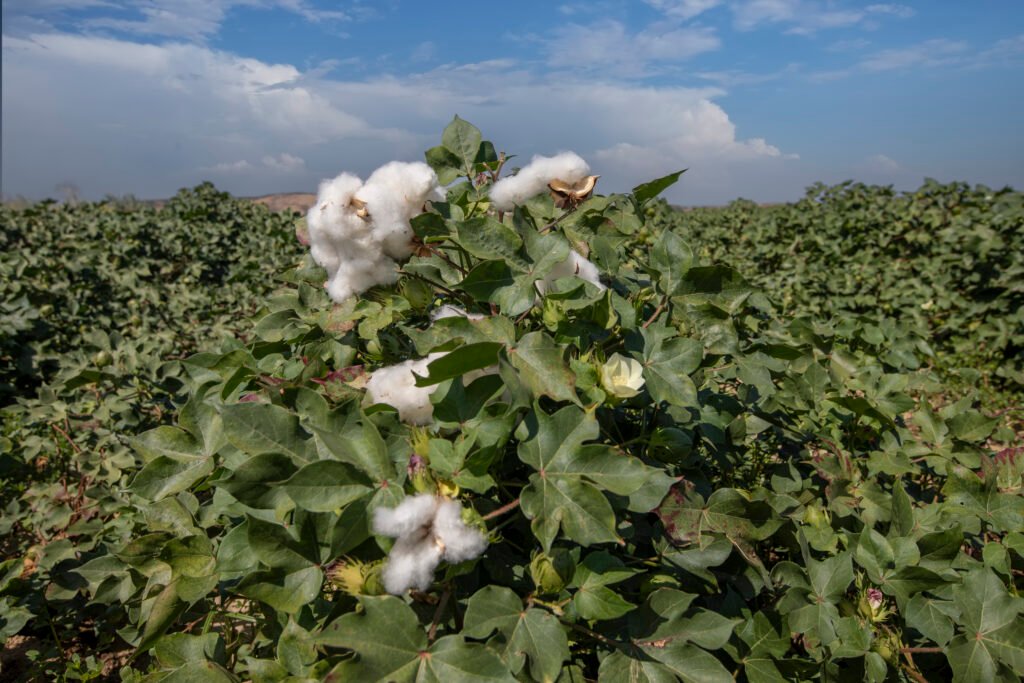
Pakistan Cotton Market Report for December 22, 2025, presents a comprehensive snapshot of global cotton price movements, domestic crop progress, and trade dynamics. The data reflects continued pressure on international cotton markets, while Pakistan’s local cotton sector shows stable arrivals but remains below historical production benchmarks. Pakistan Cotton Market Report: Global Cotton Price Trends According to the Pakistan Cotton Market Report, global cotton prices remain under pressure compared to last year. The Cotlook A Index stood at 73.30 cents per pound, down from 76.70 cents per pound on the same date last year, reflecting a decline of over 6 cents per pound . In the New York Cotton Market (Contract No. 2), March 2026 futures closed at 63.75 cents per pound, while May 2026 contracts settled at 64.84 cents per pound, both significantly lower than last year’s levels. Brazilian cotton prices also weakened to 62.60 cents per pound, highlighting global oversupply and subdued demand conditions . China, however, remained an outlier, with the China Cotton Index recorded at 97.54 cents per pound, supported by state policy interventions and controlled domestic supply. Domestic Cotton Prices in Pakistan The Pakistan Cotton Market Report shows that local lint prices remained relatively stable. The Karachi Cotton Association (Ex-gin price) was recorded at approximately Rs 15,500 per maund, translating to 67.23 cents per pound, lower than last year’s level of 75.55 cents per pound . Seed cotton prices across Punjab, Sindh, and Balochistan ranged between Rs 5,960 and Rs 7,492 per 40 kg, reflecting regional variations driven by quality, moisture content, and transportation costs. Pakistan Cotton Market Report: Crop Targets and Sowing Progress For the 2025-26 cotton season, Pakistan has set a total sowing target of 2.26 million hectares, with Punjab accounting for the largest share at 1.4 million hectares. As of the latest reporting period, approximately 2.00 million hectares or 89% of the target has been sown nationwide . Punjab and Sindh have achieved around 90% and 89% of their respective targets, while Balochistan lags slightly at 76%. Khyber Pakhtunkhwa continues to contribute a negligible share to cotton cultivation. Comparison with 2024-25 Cotton Production The Pakistan Cotton Market Report highlights that during the 2024-25 season, total cotton production reached 7.08 million bales, achieving only 65% of the national production target. Punjab recorded the sharpest shortfall, producing 3.84 million bales against a target of 6.5 million bales, while Sindh performed relatively better at 72% of its target . These figures underscore structural challenges such as climate variability, pest pressure, and declining farmer incentives. Seed Cotton Arrivals and Market Activity As of 15 December 2025, total seed cotton arrivals stood at 5.30 million bales, marginally lower than 5.37 million bales recorded during the same period last year. Textile mills remained the dominant buyers, accounting for over 4.49 million bales, while exporter participation remained limited . Unsold stocks were recorded at approximately 536,863 bales, suggesting balanced supply-demand conditions in the domestic market. Pakistan Cotton Trade: Export and Import Trends The Pakistan Cotton Market Report shows negligible raw cotton exports during July–November 2025, while imports declined by over 24% in quantity and 30% in value compared to last year. However, full-year data for 2024-25 reveals a sharp rise in cotton imports, increasing by more than 230% in volume, highlighting Pakistan’s continued reliance on imported cotton to meet textile sector demand . The Pakistan Cotton Market Report for December 2025 reflects a sector navigating global price weakness, moderate domestic sowing progress, and structural production gaps. While seed cotton arrivals remain steady, declining global prices and rising import dependence continue to pose challenges for farmers and policymakers alike. As the 2025-26 season unfolds, market participants will closely monitor weather conditions, government support measures, and international demand trends to assess the outlook for Pakistan’s cotton economy.

Boeing Pushes for Emissions Waiver to for 35 More 777F Cargo Jets
Uncategorized

Boeing Pushes for Emissions Waiver to for 35 More 777F Cargo Jets

Boeing, a leading U.S. plane maker, has petitioned the the U.S. Federal Aviation Administration (FAA) for an exemption to continue producing and selling up to 35 additional 777F cargo freighters beyond the 2028 deadline.In February 2024, the U.S. Federal Aviation Administration (FAA) adopted these rules, aligning with global efforts under the International Civil Aviation Organization (ICAO) to curb pollution from commercial jets. These regulations target new aircraft types, exempting those already in service, and aim to push manufacturers toward more efficient designs as part of broader goals to achieve net-zero aviation emissions by 2050. Read More: https://theboardroompk.com/us-approves-686-million-f-16-upgrade-package-for-pakistan-air-force/ The 777F, a dedicated freight version of the popular 777 widebody jet, is currently the world’s most fuel-efficient large freighter and the only one of its kind in active production. However, it falls short of the upcoming emissions standards.The request, filed on December 19, 2025, cites robust global demand for air cargo capacity—driven by e-commerce and international trade—and delays in certifying Boeing’s next-generation 777-8 Freighter, which is designed to comply with the new rules. The 777-8F is not expected until around 2029, following the delayed 777-9 passenger variant targeted for 2027.Boeing emphasizes economic impacts: large widebody freighters handled over $260 billion in U.S. air exports in 2024, with each exported 777F contributing about $440 million to trade balance. Without the waiver, potential losses could exceed $15 billion. This follows a similar congressional exemption last year for Boeing’s 767 freighter. The company seeks FAA approval by May 1, 2026, to avoid disrupting supply chains.The aviation industry faces growing pressure to reduce carbon emissions, with new international standards set to limit greenhouse gases from large aircraft starting in 2028.

Google Advises Visa-Holding Employees to Avoid International Travel Amid Severe U.S. Embassy Delays
Uncategorized, World

Google Advises Visa-Holding Employees to Avoid International Travel Amid Severe U.S. Embassy Delays

Alphabet’s Google has issued a stark warning to employees on U.S. work visas, particularly H-1B holders, urging them to refrain from international travel due to unprecedented delays in visa stamping at U.S. embassies and consulates. An internal memo from the company’s immigration law firm, BAL, highlighted that some facilities are facing appointment backlogs of up to 12 months, risking employees being stranded abroad and unable to return to work. Read More: https://theboardroompk.com/google-to-shut-down-dark-web-monitoring-tool-in-early-2026/ The advisory, reported on December 20, 2025, stems from a new U.S. Department of State policy requiring enhanced vetting, including mandatory reviews of applicants’ public social media accounts. This protocol, effective from mid-December 2025, has led to widespread cancellations and rescheduling of visa interviews, pushing many appointments into 2026. Primarily affecting skilled workers from countries like India and China—who form a significant portion of tech industry’s H-1B visa holders—the delays exacerbate existing strains on the program.Google’s caution echoes broader concerns in the tech sector, where reliance on foreign talent is high. Under the current administration, the H-1B program has faced increased scrutiny, including higher fees and stricter screening. Employees needing a fresh visa stamp in their passport for re-entry are most vulnerable, as automatic visa revalidation does not apply to long absences or third-country travel.This development disrupts holiday plans and family visits for thousands, highlighting ongoing challenges in U.S. immigration processing. Google declined to comment officially, but the memo underscores the potential for prolonged separations from work and home.

Scroll to Top