Pakistan

Methane Blast Kills 34 Miners Near Quetta as Rescue Teams Battle Toxic Gases
Pakistan

Methane Blast Kills 34 Miners Near Quetta as Rescue Teams Battle Toxic Gases

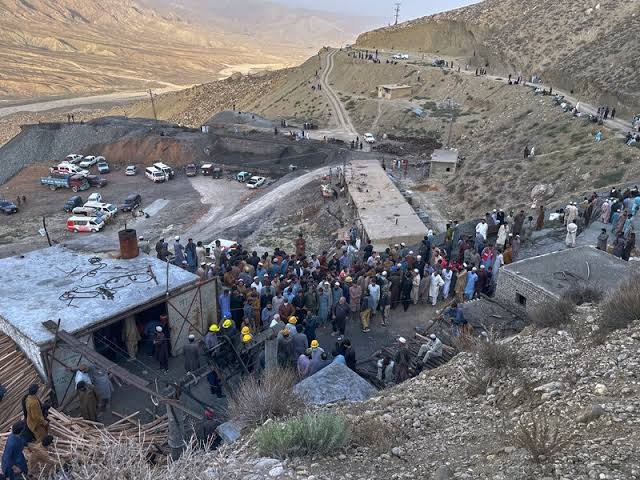
At least 34 miners were killed after a powerful methane gas explosion ripped through a coal mining complex in the Sorange area near Quetta on Thursday, highlighting once again the persistent safety challenges facing Pakistan’s coal mining industry. The explosion struck deep underground, trapping dozens of workers inside two adjoining mines. Rescue teams battled collapsed tunnels, toxic gases, and extreme depths throughout the night as hopes of finding survivors faded. Methane Explosion Triggers Deadly Coal Mine Disaster Near Quetta According to officials, the blast was caused by a dangerous accumulation of methane gas inside the mine. The explosion damaged one coal mine and severely affected a neighbouring shaft, trapping workers in both locations. Chief Inspector of Mines Muhammad Atif said between 36 and 42 miners were working inside the complex when the explosion occurred. Most of the workers were from Shangla district in Khyber Pakhtunkhwa, a region from which many labourers travel to Balochistan for employment in coal mines. The incident is among the deadliest mining accidents in Pakistan in recent years. Rescue Teams Face Dangerous Underground Conditions Emergency rescue operations were launched immediately by teams from the Provincial Disaster Management Authority (PDMA) and the Mines Department. Rescuers worked at depths of nearly 4,000 feet under extremely hazardous conditions. Collapsed tunnels, underground fires, and high concentrations of toxic gases significantly complicated recovery efforts. Officials said oxygen levels inside the mine dropped rapidly following the explosion, greatly reducing the likelihood of locating any survivors. By early Friday, authorities confirmed that all 34 recovered miners had died. Government Announces Compensation for Victims’ Families Balochistan Minister for Mines and Minerals Shoaib Nosherwani expressed condolences to the families of the victims and announced financial assistance for those affected. The provincial government approved compensation of Rs500,000 for the family of each deceased miner, while injured workers will receive Rs300,000. The minister said every available resource had been mobilised despite the difficult operating conditions underground. Inquiry Ordered Into Mine Safety Chief Minister Mir Sarfraz Bugti ordered an immediate investigation into the incident and directed authorities to review safety standards across coal mines operating in Balochistan. The inquiry will examine whether negligence, inadequate safety procedures, or regulatory failures contributed to the explosion. Labour unions have repeatedly raised concerns over poor ventilation systems, insufficient methane gas monitoring, outdated mining equipment, and weak enforcement of workplace safety regulations in privately operated coal mines across the province. Coal Mining Safety Remains a Major Challenge Fatal mining accidents continue to occur regularly in Balochistan, where thousands of miners work in hazardous underground conditions with limited safety protections. Methane gas remains one of the most dangerous risks in underground coal mining. Without effective ventilation and continuous gas monitoring, methane can accumulate rapidly and ignite, causing devastating explosions. Safety experts have long argued that stronger inspections, stricter enforcement of mining regulations, improved emergency response systems, and mandatory modern gas detection equipment are essential to reducing fatalities in Pakistan’s mining sector. Tragedy Renews Calls for Stronger Mine Safety Reforms The Sorange coal mine explosion is another painful reminder of the dangers faced by miners working in Pakistan’s coal industry. While rescue teams demonstrated extraordinary commitment under extremely hazardous conditions, preventing such disasters requires far greater investment in mine safety, regular inspections, modern equipment, and stricter regulatory enforcement. The outcome of the official inquiry will be closely watched to determine whether safety failures contributed to one of the country’s deadliest mining accidents.

Samba Bank Seeks PSX Delisting of Tier-II TFCs After Full Redemption
Pakistan

Samba Bank Seeks PSX Delisting of Tier-II TFCs After Full Redemption

Samba Bank Limited has formally requested the Pakistan Stock Exchange (PSX) to delist its Tier-II Term Finance Certificates (TFCs) following the successful redemption of the entire issue earlier this year. The move marks the final regulatory step after the bank settled all outstanding obligations to certificate holders. Call Option Exercised Under Issue Terms Earlier this year, Samba Bank informed the Pakistan Stock Exchange of its decision to exercise the call option on its Tier-II TFCs in accordance with the terms of the issue. Following the exercise of the call option, the bank redeemed the entire outstanding principal amount along with all accrued markup. Payments were credited to the accounts of certificate holders by March 3, 2026. The redemption effectively brought the debt instrument to maturity ahead of its scheduled timeline. All Obligations Fully Settled With the completion of the redemption process, Samba Bank confirmed that it has fully discharged all liabilities related to the TFC issue. The bank stated that there are no outstanding certificates remaining in the market, paving the way for the securities to be formally removed from trading. CDC Revokes Securities As part of the delisting process, Samba Bank also approached the Central Depository Company of Pakistan Limited (CDC) for the revocation of the securities. In a letter dated March 31, 2026, the bank confirmed that the TFCs, traded under the symbol SBL TFC, were free from any lien or encumbrance and requested their removal from the Central Depository System in accordance with applicable CDC regulations. An indemnity letter was also submitted confirming that the TFCs matured on March 2, 2026, and that all payments due to investors had been settled in full. PSX Delisting Request Submitted In its latest communication dated July 31, 2026, Company Secretary Syed Zia-ul-Husnain Shamsi formally requested the Pakistan Stock Exchange’s Delisting Department to remove the Tier-II TFCs from the Official List. The request has been submitted in accordance with the PSX Rule Book and other applicable regulatory requirements. The bank also informed the exchange that it is prepared to provide any additional documents or information required to complete the delisting process. Conclusion The proposed delisting marks the formal closure of Samba Bank’s Tier-II TFC programme following the successful exercise of its call option and the full redemption of the issue. With all investor obligations settled and the securities withdrawn from the Central Depository System, the delisting represents the final administrative step in concluding the debt instrument.

PM Shehbaz Orders Audit of Discos Billing Systems, Vows Power Sector Reforms
Pakistan

PM Shehbaz Orders Audit of Discos Billing Systems, Vows Power Sector Reforms

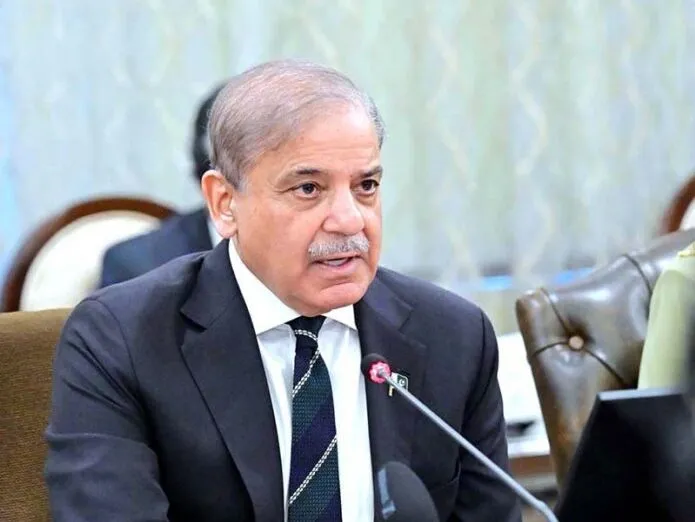
Prime Minister Shehbaz Sharif has ordered a comprehensive technical audit of the billing systems used by power distribution companies (Discos), reaffirming that reforming Pakistan’s power sector remains one of the government’s top priorities. The move is aimed at improving transparency, reducing losses and strengthening accountability across the electricity distribution network. Power Sector Reforms Remain Top Priority Chairing a review meeting on power division matters, the prime minister acknowledged that the performance of power distribution companies had improved significantly in recent months. However, he stressed that sustained efforts were still required to build on these gains and deliver reliable electricity services to consumers. According to a statement issued by the Prime Minister’s Office, the government remains committed to implementing structural reforms that improve operational efficiency while reducing financial losses in the power sector. Smart Meter Rollout Declared Essential The prime minister described the nationwide deployment of smart meters as an indispensable component of Pakistan’s power sector reforms. He directed authorities to ensure strict enforcement measures at every level of the electricity distribution system and reiterated that electricity theft must be eliminated completely. PM Shehbaz also instructed the Power Division to develop clear performance indicators for evaluating each Disco. He called for measurable targets with defined timelines to strengthen accountability and improve service delivery. Best-Performing Discos to Receive Recognition To encourage better performance, the prime minister announced that the best-performing power distribution company would be formally recognised and rewarded. He said the initiative would promote healthy competition among Discos and motivate management teams to improve operational efficiency, reduce losses and enhance customer service. Village Solarisation to Reduce Load-Shedding Addressing electricity shortages in rural areas, the prime minister directed officials to prepare village-level solarisation projects. He said decentralised solar energy solutions could help reduce pressure on the national grid while providing more reliable electricity to underserved communities. The initiative forms part of the government’s broader strategy to diversify Pakistan’s energy mix and promote renewable energy adoption. Distribution Losses Continue to Decline Officials informed the meeting that both technical and commercial losses across several Discos had continued to decline during the last fiscal year. The Islamabad Electric Supply Company (IESCO), Lahore Electric Supply Company (LESCO) and Gujranwala Electric Power Company (GEPCO) recorded the lowest transmission and distribution losses among all distribution companies. The briefing also revealed that IESCO, LESCO, GEPCO, Faisalabad Electric Supply Company (FESCO) and Multan Electric Power Company (MEPCO) achieved 100 percent recovery rates during FY2025-26. Anti-Theft Measures Expanded Officials said Disco Support Units have already been established in Hyderabad, Sukkur, Lahore, Multan and Hazara to strengthen recovery efforts, curb electricity theft and address operational issues more effectively. These specialised units form a key component of the government’s ongoing reforms aimed at improving financial sustainability across the power distribution network. Asset Monitoring and AMI Metering Planned The meeting was also briefed on progress under the Asset Performance Management System (APMS). Officials said the first phase of the project, involving transformer-level monitoring, is expected to be completed by September 30. The system is designed to improve asset management while helping reduce electricity theft and load-shedding. In addition, authorities presented a proposal to install 16.2 million single-phase Advanced Metering Infrastructure (AMI) meters across Multan, Lahore, Peshawar, Hazara and Quetta. If approved, the project would become one of Pakistan’s largest smart metering initiatives, improving billing accuracy and reducing distribution losses. Conclusion The government’s latest directives highlight its continued focus on transforming Pakistan’s power sector through greater transparency, technology adoption and stronger operational oversight. The planned audit of Discos’ billing systems, combined with smart meter deployment, anti-theft initiatives and rural solarisation projects, reflects a broader strategy to improve financial sustainability while delivering more reliable electricity services across the country.

APCO Stock Outlook: Can Kot Addu Power Company Deliver Pakistan's Next Big Value Opportunity?
Pakistan

APCO Stock Outlook: Can Kot Addu Power Company Deliver Pakistan’s Next Big Value Opportunity?

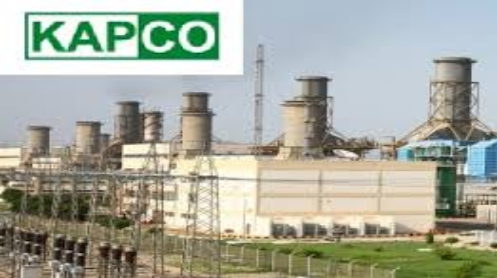
KAPCO’s Transformation Reshapes Investment Outlook Kot Addu Power Company Limited (KAPCO) is quietly undergoing one of the biggest corporate transformations seen in Pakistan’s power sector over the past decade. While many investors continue to view the company as a mature independent power producer with limited growth prospects, recent developments suggest the business is evolving into a diversified industrial investment company with multiple revenue streams. The KAPCO Stock Outlook has strengthened considerably after the reinstatement of its Power Purchase Agreement (PPA), the acquisition of a significant stake in Attock Cement Pakistan Limited (ACPL), expectations of improved dividend payouts, and a balance sheet carrying billions of rupees in cash. Yet despite these developments, the stock continues to trade well below its book value, raising an important question: is the market overlooking one of the Pakistan Stock Exchange’s most attractive value opportunities? New Hybrid Power Purchase Agreement Strengthens Earnings Visibility The company’s biggest achievement during the past year has been securing a new Tripartite Power Purchase Agreement with CPPA-G and the National Grid Company of Pakistan. Unlike the previous agreement, the new structure significantly reduces operational uncertainty by combining guaranteed capacity payments with performance-linked earnings. Under the hybrid arrangement, approximately one-quarter of the return on equity is protected through take-or-pay payments, while the remaining earnings depend on actual electricity dispatch. This model reduces downside risk compared with a purely dispatch-based arrangement and provides KAPCO with a stable revenue foundation even during periods of lower electricity demand. The inclusion of KAPCO in the draft Integrated Generation Capacity Expansion Plan (IGCEP) further strengthens the case that regulators still consider the plant strategically important due to its transmission connectivity and black-start capability. ACPL Acquisition Could Become A Major Earnings Driver Perhaps the most significant long-term catalyst is KAPCO’s planned acquisition of approximately 46% of Attock Cement Pakistan Limited (ACPL). This transaction changes the company’s investment profile from being solely dependent on electricity generation to becoming a diversified industrial investor. Rather than relying exclusively on capacity payments, KAPCO is expected to recognise its share of ACPL’s profits under the equity accounting method beginning from FY27. Research estimates indicate that ACPL could contribute nearly PKR 2 per share to KAPCO’s earnings during FY27, with additional dividend income flowing from the cement business. Considering ACPL’s strong operational turnaround and improving dispatch volumes, this investment has the potential to become one of KAPCO’s largest profit contributors over the next several years. Strong Cash Position Provides Financial Flexibility Few listed companies on the Pakistan Stock Exchange possess the financial flexibility currently enjoyed by KAPCO. Even after partially funding the ACPL acquisition, the company is expected to retain more than PKR 30 billion in cash and short-term investments. This sizeable liquidity allows management to continue generating investment income while maintaining financial stability. Rather than exhausting its cash reserves for the acquisition, management has opted to finance a significant portion through debt. Although leverage introduces financing costs, it also preserves cash that continues generating returns through investment portfolios. However, investors should closely monitor whether future interest costs remain comfortably covered by ACPL’s earnings contribution. The success of this financing structure ultimately depends on management’s ability to integrate the acquisition while maintaining healthy cash generation. Dividend Outlook Remains Attractive For Income Investors Dividend expectations remain one of the strongest factors supporting the KAPCO Stock Outlook. Market estimates suggest annual dividends could recover to between PKR 3 and PKR 5 per share as earnings normalise following the new PPA and ACPL contribution. At current market prices, such payouts imply dividend yields that substantially exceed those available across most listed power companies. Nevertheless, investors should avoid treating projected dividends as guaranteed outcomes. Future distributions will depend on profitability, financing obligations, regulatory developments and board decisions. While the outlook appears encouraging, dividend forecasts remain estimates rather than commitments. Valuation Looks Compelling Despite Remaining Risks At around PKR 28 per share, KAPCO trades at approximately 0.45 times book value and less than six times projected FY27 earnings based on market estimates. Such valuation multiples are uncommon for a company expected to benefit from multiple growth catalysts simultaneously, including: Despite these positives, investors should remain cautious. Several uncertainties remain unresolved, including the final determination of switchyard compensation, future electricity dispatch levels, cement sector cyclicality, tax implications and regulatory approvals. Furthermore, speculation regarding a possible Fauji Group consolidation remains exactly that—speculation. No official announcement has been made, and investors should avoid pricing in takeover premiums until concrete developments emerge. Long-Term Value Opportunity Depends On Execution KAPCO appears to be transitioning from a traditional independent power producer into a diversified investment company supported by stable utility earnings, cement exposure and substantial financial assets. Its valuation suggests that the market remains sceptical about the sustainability of these catalysts. That scepticism may create opportunity if management successfully executes its transformation strategy. However, investors should distinguish between confirmed developments such as the new PPA and ACPL acquisition and future expectations, including higher dividends, switchyard monetisation and any potential corporate consolidation. For long-term value investors, KAPCO represents a compelling case worthy of close monitoring, but the investment thesis ultimately depends on successful execution rather than optimism alone.

PPL Discovers New Gas And Condensate Reserves At Shah Bandar Block, But Commercial Success Still Uncertain
Pakistan

PPL Discovers New Gas And Condensate Reserves At Shah Bandar Block, But Commercial Success Still Uncertain

Fourth Consecutive Hydrocarbon Discovery Boosts Exploration Outlook Pakistan Petroleum Limited (PSX: PPL) has announced another significant hydrocarbon discovery at its exploratory well, Rahi X-1, located in the Shah Bandar Exploration License in District Sujawal, Sindh. The latest Pakistan Petroleum Limited Gas Discovery represents the fourth consecutive hydrocarbon find in the Shah Bandar Block, reinforcing confidence in the area’s geological potential and providing fresh optimism for Pakistan’s struggling energy sector. The discovery comes at a time when Pakistan continues to battle rising energy imports, widening trade deficits and growing pressure to improve domestic oil and gas production. Every successful exploration project is therefore viewed as an important step toward reducing dependence on expensive imported fuels. Discovery Achieved Using Indigenous Technical Expertise According to Pakistan Petroleum Limited’s disclosure to the Pakistan Stock Exchange (PSX), the Rahi X-1 exploratory well was drilled entirely using indigenous technical expertise, highlighting the growing capabilities of Pakistan’s petroleum exploration industry. The well was spudded on June 17, 2026, and drilled to a measured depth of 2,612 metres. Its primary objective was to evaluate the hydrocarbon potential of the Upper Sand interval within the Lower Goru Formation, one of Pakistan’s most productive gas-bearing geological formations. Interpretation of drilling data and wireline logs confirmed the presence of hydrocarbons, leading to a successful cased-hole Drill Stem Test (DST). During testing, the well produced natural gas at approximately 0.493 million standard cubic feet per day (MMscfd), while condensate production reached around 12 barrels per day. The wellhead flowing pressure was recorded at 133 psi using a 32/64-inch choke from the Lower Goru Upper Sands reservoir. The test results confirm the presence of hydrocarbons in the reservoir, although production volumes remain relatively modest compared with commercially established gas fields. Shah Bandar Block Continues To Deliver Exploration Success The latest discovery further strengthens the exploration track record of the Shah Bandar Block, where Pakistan Petroleum Limited serves as operator with a 63% working interest. The exploration partnership also includes Mari Energies Limited with a 32% stake, while Sindh Energy Holding Company Limited (SEHCL) and Government Holdings Private Limited (GHPL) each hold a 2.5% working interest. Four consecutive discoveries within the same exploration block significantly strengthen confidence in the basin’s hydrocarbon potential. Such consistent exploration success could encourage further investment in drilling campaigns across Sindh as Pakistan seeks to increase domestic energy supplies. Commercial Viability Yet To Be Established Despite the encouraging discovery, investors should avoid assuming that every hydrocarbon find automatically translates into commercially profitable production. Pakistan Petroleum Limited acknowledged that preliminary testing indicates the reservoir is relatively tight, meaning hydrocarbons may not flow efficiently without additional technical intervention or enhanced recovery methods. Tight reservoirs typically require higher development costs, longer evaluation periods and advanced production techniques before commercial extraction becomes economically viable. While the latest discovery is positive for exploration activity, its commercial viability has not yet been confirmed. The company will now undertake detailed geological, geophysical and engineering studies to determine whether the field can sustain economic production and justify future development investments. Until those assessments are completed, the discovery should be viewed as technically promising rather than commercially proven. Importance For Pakistan’s Energy Security Pakistan’s domestic gas reserves have been steadily declining while energy demand continues to rise. New discoveries such as Rahi X-1 demonstrate that untapped hydrocarbon potential still exists within the country. However, the long-term benefit will depend on whether exploration success can be converted into commercially productive gas fields. If future evaluations confirm economic viability, the Shah Bandar Block could contribute to strengthening Pakistan’s energy security, reducing reliance on imported liquefied natural gas (LNG) and supporting industrial growth. Policymakers and investors will therefore remain focused on the results of ongoing technical evaluations before the discovery progresses toward commercial development. Further Technical Assessment Will Determine Future Development The coming months will be crucial as Pakistan Petroleum Limited carries out additional technical studies to determine whether the latest discovery can evolve from an encouraging geological success into a commercially valuable energy asset. While the fourth consecutive discovery reinforces the exploration potential of the Shah Bandar Block, long-term success will ultimately depend on commercial production, sustainable output and economic feasibility.

Security Papers Profit Plunges 40% To Rs907 Million As Margins Compress
Pakistan

Security Papers Profit Plunges 40% To Rs907 Million As Margins Compress

Revenue Falls While Higher Costs Weigh On FY26 Earnings Security Papers Limited (SEPL) reported a 40.5% decline in profit for the financial year ended June 30, 2026, as lower revenue and shrinking gross margins weighed on the company’s performance. The company posted a profit of Rs907.16 million, down from Rs1.52 billion recorded in the previous year. Earnings per share (EPS) also dropped to Rs15.31 from Rs25.72. Despite the weaker financial results, the Board of Directors recommended a final cash dividend of Rs9 per share (90%), maintaining a strong shareholder payout. Revenue And Margins Under Pressure Revenue from contracts with customers declined by 7.2% to Rs7.31 billion compared with Rs7.87 billion a year earlier. Meanwhile, cost of sales increased slightly, resulting in a 28% decline in gross profit to Rs1.59 billion from Rs2.20 billion. Administrative expenses recorded a modest increase, while other income fell significantly to Rs688 million from Rs916 million. Finance costs also more than doubled during the year, although they remained relatively low in absolute terms. Major Capital Investment Strengthens Asset Base Security Papers significantly expanded its capital base during FY26 through heavy investment in fixed assets. Property, plant and equipment more than doubled to Rs4.47 billion from Rs2.00 billion, reflecting substantial capital expenditure during the year. Trade debts declined sharply to Rs542 million from Rs1.30 billion, while total assets increased to Rs12.11 billion. The company’s equity also strengthened to Rs9.38 billion from Rs9.00 billion, supported by transfers to general reserves. Dividend And Annual General Meeting Schedule The Board recommended a final cash dividend of Rs9 per share for shareholders whose names appear on the register by September 18, 2026. Share transfer books will remain closed from September 19 to September 25, 2026. The company’s Annual General Meeting (AGM) is scheduled for September 25, 2026, at 9:00am at its premises in Malir Halt, Karachi. The annual report will be transmitted separately through PUCARS. Company Secretary Steps Down Security Papers also announced that Mr Yasir Ali Quraishi, Company Secretary and Chief Legal Officer, has resigned from his position. His resignation will take effect from the close of business on August 12, 2026. Operating Cash Flow Remains Positive Despite Higher Capex Despite weaker profitability, operating cash flow remained healthy at Rs1.24 billion during FY26. However, heavy capital expenditure amounting to Rs2.76 billion on plant and equipment resulted in a net decline in cash and cash equivalents by the end of the financial year.

Pakistan External Financing Relief: Saudi Arabia Extends 5 Billion Dollar Loan Rollover as Debt Pressure Eases
Pakistan

Pakistan External Financing Relief: Saudi Arabia Extends 5 Billion Dollar Loan Rollover as Debt Pressure Eases

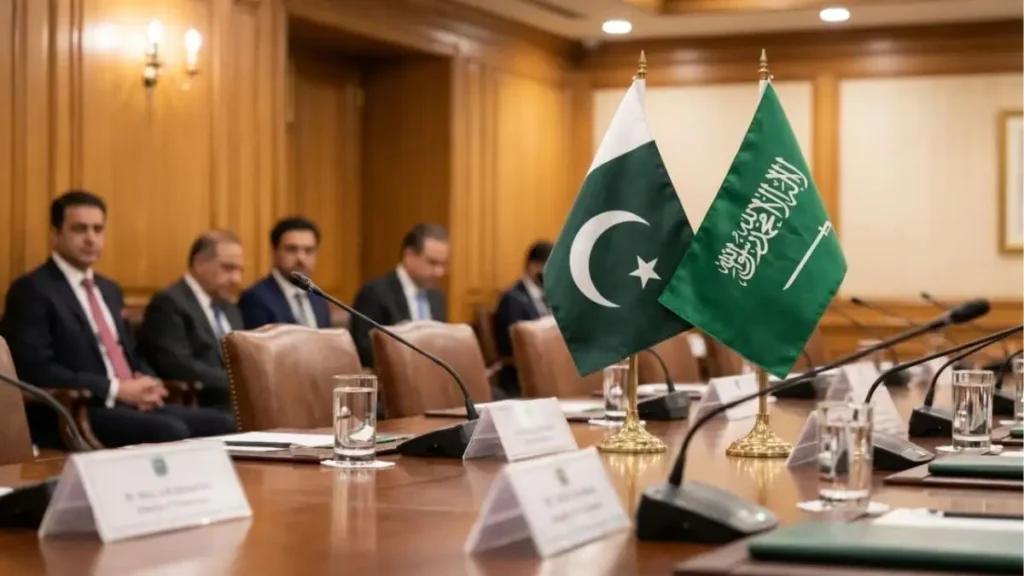
Pakistan has received another major financial lifeline after Saudi Arabia agreed to extend the repayment period of its 5 billion dollar loan by another three years. The development significantly reduces immediate pressure on the country’s external debt obligations and provides valuable breathing space for policymakers struggling to stabilise Pakistan’s fragile economy. According to media reports citing the State Bank of Pakistan, the extension of the facility has eased short-term repayment concerns and strengthened the country’s foreign exchange position at a critical time. While the decision offers immediate financial relief, it also raises an important question that policymakers can no longer ignore: Is Pakistan genuinely improving its economic fundamentals, or is it becoming increasingly dependent on friendly nations to postpone difficult financial decisions? Pakistan External Financing Relief Improves Foreign Exchange Stability Saudi Arabia remains one of Pakistan’s strongest financial partners. The Kingdom currently holds around 8 billion dollars in deposits with Pakistan, demonstrating its continued confidence in maintaining economic cooperation despite Pakistan’s ongoing fiscal challenges. The latest rollover of the 5 billion dollar deposit means Pakistan does not have to repay the amount immediately, allowing the government to focus on managing other external liabilities while preserving its foreign exchange reserves. This support follows Riyadh’s earlier commitment of an additional 3 billion dollars in deposits announced in April, further strengthening Pakistan’s external financing position during a period of global economic uncertainty. For investors and financial markets, such support reduces short-term default concerns and improves confidence in Pakistan’s ability to meet international payment obligations. External Financing Needs Continue to Decline Pakistan’s external financing requirements have fallen to approximately 21.5 billion dollars this year, reflecting a gradual improvement in the country’s financing outlook. At the same time, the interest burden on foreign loans has declined by nearly half a billion dollars, providing additional fiscal space for the government. Lower interest payments can ease pressure on public finances and potentially allow greater allocation of resources toward economic development and infrastructure. The country has also repaid approximately 2.2 billion dollars in external loans during July, demonstrating that Pakistan continues to meet its international debt commitments despite facing significant economic challenges. These developments suggest that debt management has become more disciplined compared with previous years, although structural vulnerabilities remain. Saudi Support Remains Critical for Pakistan External Financing Relief Saudi Arabia’s financial assistance has become an essential pillar of Pakistan’s external financing strategy. The Kingdom’s repeated rollovers and deposits have helped stabilise the country’s balance of payments during periods of economic stress. However, this dependence also exposes a deeper structural weakness within Pakistan’s economy. Repeated reliance on friendly countries for loan extensions cannot replace sustainable economic reforms. Long-term financial stability will ultimately depend on expanding exports, attracting productive foreign direct investment, increasing tax revenues, and reducing reliance on imported energy and consumer goods. While international partners continue to provide crucial support, economic resilience cannot be built solely through deferred repayments and external deposits. A Welcome Relief But Not a Permanent Solution The latest Saudi rollover undoubtedly provides Pakistan with valuable financial breathing space. It reduces immediate repayment pressure, strengthens investor confidence, and supports the country’s foreign exchange reserves during a sensitive economic period. Nevertheless, the extension should be viewed as an opportunity rather than a permanent solution. Without accelerating structural reforms, improving industrial competitiveness, broadening the tax base, and increasing export earnings, Pakistan could face similar financing challenges in the future. The government’s next challenge will be ensuring that this financial relief translates into sustainable economic growth rather than another temporary pause in an ongoing cycle of external borrowing. Saudi Arabia’s decision to extend the 5 billion dollar loan repayment period for another three years marks another significant milestone in bilateral economic cooperation. Combined with existing deposits of 8 billion dollars and previous financial commitments, the Kingdom continues to play a crucial role in supporting Pakistan’s economic stability. However, the true measure of success will not be the number of loan rollovers Pakistan secures, but whether this window of financial relief is used to implement reforms that reduce the country’s long-term dependence on external financial assistance.

Pakistan YouTube Creators Capture Global Audiences As 60% Watch Time Comes From Abroad
Pakistan

Pakistan YouTube Creators Capture Global Audiences As 60% Watch Time Comes From Abroad

Pakistani Creators Expand Global Reach Through YouTube Pakistan’s YouTube ecosystem is among the world’s most vibrant, driven by creators who are winning audiences far beyond national borders. More than 140,000 Pakistani channels have crossed 10,000 subscribers. Over 19,000 have passed 100,000, while more than 1,200 have reached one million. In the past year alone, these channels uploaded 20 million hours of content. The standout figure is reach: 60% of watch time for Pakistani content now comes from outside the country. Global Reach Fuels Digital Economy Viewers from South Asia, the Middle East, Europe and North America are tuning in at record rates. The numbers reflect quality, authenticity and universal appeal rather than local popularity alone. Farhan Qureshi, Cluster Director for Pakistan, Philippines, Thailand and Frontier Markets at Google, said creators are proving world-class storytelling knows no borders. Through YouTube, they share culture and innovation while building sustainable businesses and employment. He added that pairing YouTube’s global platform with Pakistani talent unlocks economic mobility and strengthens the wider digital economy. Popular Content Formats Continue To Grow Shahveer Jaffry, with nearly four million subscribers, turns everyday friendships into repeatable long-form reality series. Episodes often run 30 minutes or less and feature a regular cast, creating continuity that keeps audiences returning. WildLens by Abrar has more than 2.2 million subscribers. Aerospace engineer Abrar Hassan rode a motorbike from Germany to Pakistan during COVID and documented the journey. He has since visited more than 90 countries and now narrates travel stories in Urdu and Punjabi for South Asian audiences worldwide. Food Fusion, launched in 2016, became the first Pakistani food channel to cross one billion views and now has more than five million subscribers. Its short, tightly edited recipes continue to attract home cooks and food enthusiasts across the globe. Rana Hamza Saif, with more than 1.6 million subscribers, combines high-quality production with engaging formats such as city food tours and “Letting the Person in Front of Me Decide,” helping his content reach audiences well beyond Pakistan. Long-Form Content Gains International Viewers Minoqtopus, run by Minahil Temur, produces long-form video essays covering technical, social and cultural subjects with journalistic depth. By focusing on thoughtful storytelling instead of quick algorithm-driven formats, the channel continues to attract dedicated viewers. Something Haute, co-founded by journalists Aamna Haider Isani and Hassan Choudary, has helped popularise drama reviews on YouTube through celebrity interviews, entertainment analysis and industry discussions that resonate with audiences in Pakistan and among the overseas diaspora. Pakistan’s Creator Economy Continues To Expand The momentum shows no sign of slowing as new channels emerge and established creators continue raising storytelling standards. With a growing international audience and increasing creator success, Pakistan’s YouTube ecosystem is strengthening the country’s digital economy while showcasing local talent to viewers around the world.

K-Electric’s Thar Coal Initiative Paves The Way For Doubling Block-1 Mine Capacity And JPCL’s Full Conversion To Indigenous Coal By 2029
Pakistan

K-Electric’s Thar Coal Initiative Paves The Way For Doubling Block-1 Mine Capacity And JPCL’s Full Conversion To Indigenous Coal By 2029

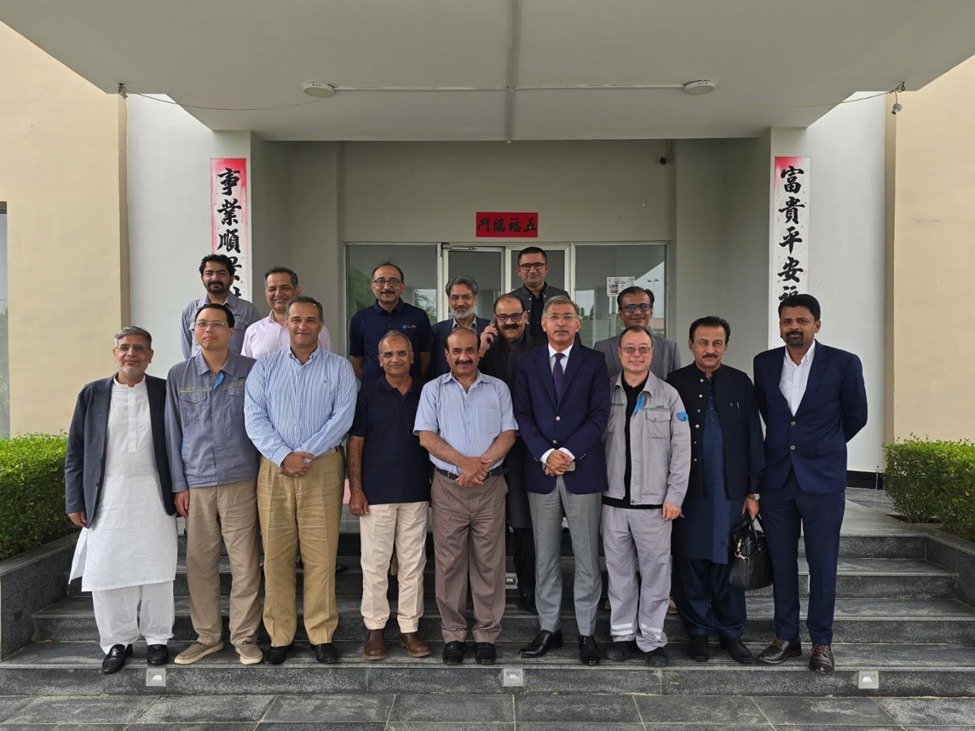
Stakeholders Advance Plan For Jamshoro Power Project’s Shift To Thar Coal Thar, July 29, 2026: A high-level stakeholder meeting was held at the Thar Block-1 mine site to advance discussions on the supply of indigenous Thar coal for the 660 MW Jamshoro Power Project. The meeting was attended by Chairman of K-Electric Limited (KE) Mr. Shaheryar Arshad Chishty, Managing Director of the Thar Coal Energy Board (TCEB) Mr. Tariq Ali Shah, Chief Executive Officer of Sino Sindh Resources Limited (SSRL) Mr. Li Jigen, Chief Executive Officer of Jamshoro Power Company Limited (JPCL) Mr. Muhammad Abdul Vakil, representatives of the Private Power and Infrastructure Board (PPIB), and other relevant stakeholders. Discussions focused on coal supply arrangements for the Jamshoro project during its interim blended-coal operations and following its proposed conversion to full utilisation of Thar coal. The initiative was also considered in the context of KE’s wider generation transformation programme, including opportunities to align suitable assets within its own portfolio with indigenous fuel sources. Independent Study Highlights $3.2 Billion Economic Benefit Recognising the wider importance of converting the Jamshoro project to Thar coal for Pakistan’s power sector, KE funded and commissioned an independent bankable feasibility study by German engineering consultant Dornier Power and Heat GmbH. The study established the technical and economic viability of the proposed conversion and estimated that it could generate economic benefits of approximately $3.2 billion over the project’s remaining life, based on the study’s underlying assumptions. The conversion could also significantly reduce imported coal requirements and conserve valuable foreign exchange. KE Chairman Mr. Shaheryar Arshad Chishty reaffirmed the company’s commitment to pursuing viable opportunities for lowering the underlying cost of electricity for Karachi’s consumers. He said greater utilisation of Pakistan’s indigenous energy resources could support affordable electricity, strengthen energy security and reduce pressure on the country’s foreign exchange reserves. He added that the Jamshoro conversion, together with KE’s efforts to optimise its own generation portfolio, forms part of the company’s broader operational and financial transformation. Block-1 Mine Capacity Set To Double KE highlighted that the combined off-take requirements of the Jamshoro project and its future generation portfolio would create the long-term demand needed to justify expanding the Block-1 mine from approximately 7.8 million tonnes per annum (MTPA) to around 15.6 MTPA. In response to this projected demand, SSRL confirmed its readiness to undertake the mine expansion ahead of JPCL’s planned transition from imported coal to indigenous Thar coal by 2029. The expansion is expected to ensure uninterrupted long-term coal supplies while improving the cost competitiveness of Thar coal. SSRL Plans Technology-Driven Expansion CEO of SSRL Mr. Li Jigen expressed confidence that the company could complete the proposed expansion using its own financial resources. He noted that the project would benefit from comparatively limited incremental overburden removal requirements and would incorporate modern mining technologies, including electric mining vehicles, greater use of grid-supplied electricity instead of diesel-powered equipment where feasible, and advanced Bucket Chain Excavator (BCE) systems. These measures are expected to improve mining efficiency, reduce operating costs, minimise the project’s environmental footprint and further lower the long-term cost of Thar coal. SSRL, JPCL and KE also agreed to conclude the required Coal Supply Agreement (CSA) at the earliest to enable timely procurement of critical mining equipment, particularly electric dump trucks and other long-lead mining assets. Stakeholders Back National Energy Transition Managing Director of TCEB Mr. Tariq Ali Shah reaffirmed the Board’s commitment to facilitating the proposed mine expansion and undertaking the necessary regulatory actions within its mandate to improve mining efficiencies and reduce coal tariffs for electricity consumers. JPCL and PPIB also expressed support for moving the initiative forward, while stakeholders agreed on coordinated follow-up actions covering the required technical, commercial, regulatory and supply arrangements. KE Reaffirms Commitment To Affordable And Sustainable Energy KE said its funding of the feasibility study and continued engagement with stakeholders reflect its commitment to supporting initiatives of national importance. The company stated that lowering generation costs and reducing dependence on imported fuels could help provide consumer relief, conserve foreign exchange and create a pathway towards gradually reducing the power sector’s reliance on Government of Pakistan-funded tariff support.

Wheat Shortage Forces Govt To Consider Import Of 1 Million Tonnes
Pakistan

Wheat Shortage Forces Govt To Consider Import Of 1 Million Tonnes

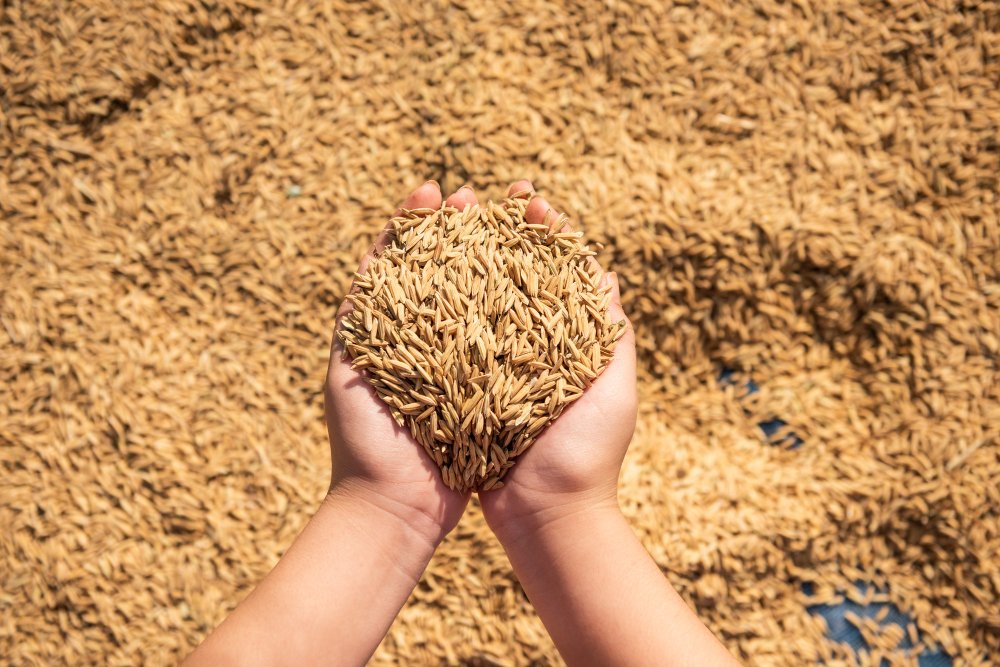
Government Reviews Wheat Supply Amid Declining Emergency Reserves Pakistan is considering the import of one million tonnes of wheat after a nationwide shortage of grain significantly reduced emergency reserves, prompting the federal government to take urgent steps to ensure uninterrupted food supplies. The Pakistan wheat import plan is aimed at bridging the gap between domestic demand and available stocks while preventing shortages and price volatility in the coming months. The decision was made during a high-level meeting of the Wheat Board chaired by National Food Security Minister Rana Tanveer Hussain, where officials reviewed the country’s wheat availability, provincial demand, and future supply strategy. Government officials concluded that existing wheat reserves are no longer sufficient to meet the combined requirements of the provinces, making imports a necessary option to maintain stable supplies across the country. Provincial Demand Exceeds Available Wheat Stocks During the meeting, officials conducted a comprehensive assessment of wheat availability across Pakistan and reviewed the stock position maintained by the Pakistan Agricultural Storage and Services Corporation (Passco). The review found that the combined wheat demand submitted by all provinces had exceeded the emergency reserves currently held by Passco. According to officials, the available government stocks are no longer adequate to meet provincial requirements, raising concerns over future supply if additional wheat is not arranged in time. The Wheat Board agreed that immediate planning is required to avoid shortages and ensure sufficient grain remains available throughout the country. Govt Explores Import Of One Million Tonnes Following the review, the federal government decided to begin exploring the import of approximately one million tonnes of wheat. Officials said the proposed import volume would be determined in consultation with provincial governments to ensure that procurement reflects actual regional demand. The meeting concluded that importing wheat would help strengthen national reserves, support uninterrupted distribution, and reduce the risk of supply disruptions in both urban and rural areas. Authorities stressed that the proposed imports are currently under consideration and will proceed after consultations with the provinces and completion of the necessary procurement process. Import Plan Aims To Stabilise Domestic Wheat Supply The government said the primary objective of the Pakistan wheat import plan is to prevent market instability and maintain a balanced supply of wheat across the country. Officials warned that without additional stocks, growing provincial demand could place further pressure on the domestic market, potentially affecting wheat availability and prices. By replenishing government reserves through imports, authorities hope to ensure that wheat remains accessible in all regions while protecting consumers from possible supply shortages. The strategy also seeks to provide provincial governments with adequate stocks to meet local distribution needs during the coming months. Food Security Remains Govt’s Priority National Food Security Minister Rana Tanveer Hussain emphasised the importance of maintaining sufficient wheat reserves to safeguard Pakistan’s food security. The meeting reviewed provincial requirements in detail and agreed that coordinated planning between the federal and provincial governments would be essential for managing wheat supplies efficiently. Officials noted that timely procurement decisions would help avoid disruptions in the grain market and ensure the smooth distribution of wheat across the country. The Wheat Board also reaffirmed its commitment to monitoring stock levels closely and responding quickly to changing supply and demand conditions. Govt Seeks To Prevent Market Disruptions The proposed wheat import operation forms part of the government’s broader strategy to maintain stable food supplies and avoid pressure on domestic markets. Officials said the collective demand from the provinces has now surpassed the emergency reserves available with Passco, making additional procurement increasingly important. If approved, the import of one million tonnes of wheat would replenish strategic reserves and provide greater flexibility in managing supplies nationwide. The federal government is expected to continue consultations with provincial authorities before finalising the procurement process, with the objective of ensuring sufficient wheat availability and protecting national food security.

Scroll to Top