Pakistan

Seven firms, including HerBBeck Nutraceuticals, Muslim Herbal and Nutraceuticals, fined for deceptively similar COLCOREX packaging
Pakistan

Seven Firms, Including Herbbeck Nutraceuticals, Muslim Herbal And Nutraceuticals, Fined For Deceptively Similar Colcorex Packaging

Competition Commission Cracks Down On Deceptive Veterinary Product Branding ISLAMABAD, July 28: The Competition Commission of Pakistan (CCP) has imposed total penalties of Rs5.5 million on seven veterinary medicine manufacturers for using brand names and packaging that were identical or deceptively similar to the registered trademark “COLCOREX”. The action was taken under Section 10 of the Competition Act, 2010, following a complaint by M/s Shahujee Herbal Pharma. The complainant said it had been marketing its veterinary herbal medicine under the COLCOREX brand since 1999 and had registered the trademark with the Intellectual Property Organization of Pakistan (IPO) in 2017. CCP Finds Multiple Copycat Brands According to the Commission, several manufacturers were selling similar veterinary products under names such as COLCOREX FORTE, TM-CALCOREX, CALCOREX-C, CALCOJEX, COLCOREX-M, CALCOREX-T, COLCOREX-V, GOLD COLCOREX, AR CALCOREX, SUPER COLCOREX, COLCORX LIQUID and HI-CALCOREX. The CCP found that the disputed brands either reproduced the registered trademark in full or introduced only minor spelling changes, prefixes or suffixes. In a number of cases, the respondents also adopted similar colour schemes, typography, taglines and packaging. This, the Commission held, was capable of misleading an ordinary purchaser into believing the products originated from or were associated with the complainant. Penalties Imposed On Seven Companies Rs1 million each: M/s Atzan Natural Products, M/s Muslim Herbal and Nutraceuticals, M/s S-Asia Oriental Pharma and M/s Izfaar Nutraceuticals Industries. Rs500,000 each: M/s HerBBeck Nutraceuticals, M/s Vital Mark Laboratories (Pvt.) Limited and M/s Hi-Vet Nutraceuticals Pharma. Proceedings against M/s Blessco International were dropped after the Commission found insufficient evidence linking the company to the manufacture or sale of the impugned product. Companies Ordered To End Trademark Misuse The CCP clarified that product enlistment by the Drug Regulatory Authority of Pakistan (DRAP) does not authorise the use of another undertaking’s registered trademark, nor does it oust the Commission’s jurisdiction. It noted that DRAP, IPO and CCP perform distinct statutory functions, and parallel proceedings before DRAP, the courts or the Intellectual Property Tribunal do not prevent the Commission from examining deceptive marketing practices under the Competition Act. Relying on Supreme Court jurisprudence, the Commission held that adding prefixes or suffixes, changing a single letter, or making minor packaging alterations does not create a distinct trademark when the overall commercial impression remains deceptively similar. Such conduct amounts to fraudulent use under Section 10(2)(d) of the Competition Act. Compliance Deadline And Daily Fine The respondents have been directed to stop using the impugned trademarks, modify all related promotional material across media platforms, and submit compliance reports within 30 days. Non-compliance will attract an additional penalty of Rs100,000 for each day of default.


Gold Price in Pakistan Falls Rs4,300 Per Tola as Global Bullion Weakens
Pakistan

Gold Price in Pakistan Falls Rs4,300 Per Tola as Global Bullion Weakens

The gold price in Pakistan recorded a significant decline on Tuesday, with the price of 24-karat gold falling by Rs4,300 per tola in line with weakness in global bullion markets. According to rates issued by the All Pakistan Gems and Jewellers Sarafa Association (APGJSA), 24-karat gold is now being sold at Rs427,436 per tola, compared with Rs431,736 per tola a day earlier. The decline follows softer global gold prices as a stronger US dollar reduced demand for the precious metal, while investors awaited the outcome of the US Federal Reserve’s latest monetary policy meeting. Gold Prices in Domestic Market The latest price revision also lowered the value of gold on a 10-gram basis. The new domestic gold rates are: The fall reflects changes in international bullion prices and fluctuations in the rupee-dollar exchange rate, both of which influence Pakistan’s local gold market. Silver Prices Also Decline Silver prices also moved lower in the domestic market. According to APGJSA, 24-karat silver is now trading at: The decline in silver prices mirrors the broader weakness seen across precious metals in international markets. Gold and Silver Price ComparisonPrecious Metal July 28, 2026 July 27, 2026 Daily ChangeGold (24K per tola) Rs427,436 Rs431,736 -Rs4,300Silver (24K per tola) Rs6,223 Rs6,397 -Rs174 Despite Tuesday’s decline, gold remains Rs2,600 higher than the beginning of the current fiscal year, although it is Rs29,526 lower compared with the start of the calendar year. International Gold Market In global markets, spot gold traded near $4,051 per ounce, declining by approximately $21, or 0.52 per cent, from the previous trading session. Market analysts attributed the decline to a stronger US dollar, which reduced the appeal of gold for investors holding other currencies. Traders are also closely monitoring the upcoming US Federal Reserve policy announcement, as expectations regarding interest rates often influence demand for non-yielding assets such as gold. Higher interest rates generally strengthen the US dollar and increase the opportunity cost of holding gold, while lower rates tend to support bullion prices. Market Outlook Analysts expect gold prices to remain volatile in the coming days as investors assess signals from the Federal Reserve regarding future monetary policy. In Pakistan, local gold prices will continue to be influenced by movements in international bullion markets, changes in the rupee-dollar exchange rate and domestic demand from jewellers and investors.

Khyber Pakhtunkhwa Timber Worth Rs3.8 Billion Left to Decay as Government Delays Sale for 16 Years
Pakistan

Khyber Pakhtunkhwa Timber Worth Rs3.8 Billion Left to Decay as Government Delays Sale for 16 Years

A staggering stockpile of Khyber Pakhtunkhwa timber valued at nearly Rs3.8 billion has remained abandoned for the past 16 years, raising serious questions about governance, public asset management, and missed economic opportunities. The timber, legally harvested under an approved provincial policy, now lies exposed to harsh weather conditions, floods, and natural decay while local communities continue to lose substantial income. The prolonged delay has transformed what was once a valuable natural resource into a symbol of administrative paralysis, highlighting how policy bottlenecks can inflict enormous financial losses on both the government and forest-dependent communities. Why Khyber Pakhtunkhwa Timber Worth Billions Remains Unsold According to officials and local residents, the timber was harvested under the Dry Wind Fall Policy, 2003, which permitted the extraction of naturally fallen dry trees rather than healthy forests. Between 2008 and 2010, authorities harvested approximately 4.5 million cubic feet (cft) of wind-fallen timber in Lower and Upper Kohistan. Most of the harvested timber was successfully auctioned during the policy period. However, around 0.55 million cft could not be sold before the policy expired. Since then, the remaining timber has been stranded due to the absence of fresh government approval for disposal. Instead of generating billions in revenue, the timber has been left scattered along the Karakoram Highway, roadside storage locations, forest areas, and water channels, where continuous exposure to rain, snow, and harsh weather has significantly reduced its commercial value. Khyber Pakhtunkhwa Timber Delay Hurts Local Communities the Most The consequences extend far beyond deteriorating wood. Under the provincial revenue-sharing mechanism, 80 percent of the proceeds from timber sales are paid to local forest owners, while the remaining 20 percent goes to the government for forest management and conservation. The prolonged delay has therefore deprived thousands of local residents of income that could have supported livelihoods, education, healthcare, and local economic activity. Communities that legally cooperated with the harvesting process continue to wait for payments that have been delayed for more than a decade. Forest experts argue that the government’s failure to dispose of legally harvested timber has created unnecessary financial hardship for people who depend on forest resources. Policy Bottlenecks Continue to Block Khyber Pakhtunkhwa Timber Sales Officials familiar with the matter explain that harvesting dry wind-fallen trees is a lengthy technical process involving detailed forest surveys, scientific marking of eligible trees, preparation of working plans, and independent third-party verification before cutting can begin. Because many forests are located in snow-covered mountainous regions, harvesting operations can only be carried out during limited weather windows each year. Experts believe that government policies should focus on disposing of already harvested timber instead of linking approvals to policy timelines that expire before the timber can be fully marketed. Once harvested, prolonged storage only increases deterioration and reduces the financial return. Social Media Fear Becomes an Unexpected Obstacle Senior officials have also pointed to an unusual challenge that has complicated the disposal process. According to officials, whenever trucks transport legally harvested timber, photographs shared on social media often trigger allegations of illegal logging or timber smuggling. The resulting public criticism has reportedly made successive provincial governments reluctant to approve timber auctions despite the wood being harvested legally under an authorised policy. Officials say a fresh summary has recently been submitted to higher authorities seeking provincial cabinet approval to dispose of the remaining timber before additional losses occur. Economic Cost of Delayed Decisions The continued deterioration of Khyber Pakhtunkhwa timber demonstrates how administrative delays can turn valuable public assets into economic liabilities. Every passing year reduces the market value of the timber while increasing the risk that floods, landslides, or prolonged exposure will destroy it entirely. Beyond the direct financial loss of Rs3.8 billion, the delay undermines investor confidence in natural resource management and highlights the need for transparent, timely, and science-based forestry policies. With billions of rupees at stake and local communities waiting for long-overdue revenue, experts believe that swift government action is essential to prevent further losses and restore confidence in the province’s forest management system. The case of the abandoned Khyber Pakhtunkhwa timber is more than a forestry issue it is a governance challenge with significant economic and social implications. Timely policy decisions, transparent disposal mechanisms, and effective public communication could unlock billions in revenue while protecting the interests of forest owners and ensuring that legally harvested resources are utilised before they lose their value.

Oraan Secures Investment from Epic Angels to Expand Gold Savings Platform
Pakistan

Oraan Secures Investment from Epic Angels to Expand Gold Savings Platform

Pakistan’s fintech startup Oraan has secured a fresh Oraan investment from Epic Angels, the world’s largest all-female investment collective, in a move that will support the company’s expansion of digital savings products, strengthen women’s financial inclusion, and accelerate its regional growth strategy. Oraan Investment to Drive Expansion of Digital Gold Savings The investment was announced in a press statement issued on Monday. While Epic Angels did not disclose the financial size of the funding round, it confirmed that existing investors WaveMaker and i2i Ventures also participated, reaffirming their confidence in Oraan’s business model and long-term growth potential. According to the company, the newly raised funds will primarily be used to expand Oraan’s digital gold savings product, increase its gold inventory, and support the fintech’s entry into new regional markets. Founded in 2018 by former investment banker Halima Iqbal, Oraan has built its business around improving access to savings, credit, and insurance services, particularly for women who remain underserved by Pakistan’s formal financial system. Digitising Traditional Savings for Women’s Financial Inclusion The company digitises traditional women-led savings groups, commonly known in Pakistan as committees or Rotating Savings and Credit Associations (ROSCAs). These informal savings circles have long enabled women to pool money regularly, with each participant receiving the accumulated amount in rotation without requiring access to banks or formal credit. According to Oraan, only around 2% of women in Pakistan have access to formal credit, despite an estimated 60 million women already participating in informal savings circles that collectively move billions of rupees each year outside the traditional banking system. By transforming these community-based savings practices into a secure digital platform, Oraan enables women to continue saving and borrowing through a familiar system while gaining access to modern financial services. Users contribute fixed monthly amounts into a shared savings pool, and each participant receives a lump-sum payment during an agreed cycle. This approach allows women to access significant funds without the need for a formal banking relationship or a conventional credit history. Digital Gold Savings Product Sees Rapid Growth In November 2025, Oraan expanded its services by launching a digital gold savings product that allows customers to purchase fractional gold through fixed monthly instalments with locked-in prices. According to the company, demand for the product has grown rapidly, increasing nearly 75-fold within its first seven months of operation. The latest Oraan investment will help the company further develop this product by expanding its gold inventory and improving access to secure long-term savings options for customers. Regional Expansion Strategy Gains Momentum Beyond Pakistan, Oraan is also extending its financial technology platform into international markets. The company has already signed an agreement to license its digital savings and credit platform to a regional bank, enabling millions of additional customers to access its technology in a new market. Commenting on the funding round, Oraan Founder and Chief Executive Officer Halima Iqbal said the company’s success reflects the strength of financial practices that Pakistani women have relied on for generations. “Women in Pakistan were never waiting for financial products; they were waiting for the financial system to catch up to how they already save.” She added that the company’s digital platform has successfully built on existing trust within communities rather than attempting to replace traditional practices. “Committees gave us their trust, gold gave them ownership, and now our technology is travelling to markets far beyond Pakistan. This round lets us do more of all three.” Epic Angels Backs Oraan’s Vision for Financial Inclusion Epic Angels said its continued support reflects confidence in Oraan’s approach to solving one of the biggest barriers to women’s financial inclusion. Maaike Doyer, Founding and Managing Partner at Epic Angels, said access to credit for women in Pakistan is fundamentally a matter of trust rather than technology. She noted that Oraan succeeded by digitising a savings model already trusted by millions of women instead of introducing an entirely new financial behaviour. Epic Angels first invested in Oraan in 2021 and has continued to support the fintech as it expands its range of financial services. Doyer said the global investor collective looks forward to helping Oraan scale further by leveraging its international network of investors and business leaders.

Monsoon Death Toll Crosses 100 as 10 More Perish in Punjab, KP
Pakistan

Monsoon Death Toll Crosses 100 as 10 More Perish in Punjab, KP

The nationwide death toll from this year’s monsoon rains has climbed above 100 after 10 more people lost their lives in Punjab and Khyber-Pakhtunkhwa over the past 24 hours, the National Disaster Management Authority said on Sunday. Latest Fatalities and Provincial Toll According to the NDMA’s daily report covering the period until 1pm, seven people died in Punjab and three in K-P, taking the nationwide total since June 26 to 107. Punjab recorded two deaths each in Gujrat and Okara, with one fatality each in Sargodha, Narowal and Sialkot. In K-P, two people died in Hangu and one in Shangla. The authority said the deaths resulted from house collapses, electrocution and drowning. The latest spell also left 50 people injured, including 47 in various Punjab districts and three in Hangu. Since the onset of the monsoon, K-P has recorded the highest death toll with 55 fatalities, followed by Punjab with 36. Azad Jammu and Kashmir has reported seven deaths, Balochistan six, Sindh two and Gilgit-Baltistan one. Damage, Rescues and Ongoing Risks The NDMA said the monsoon has so far injured 297 people, damaged 447 houses and killed 269 livestock nationwide. Rescue teams have conducted 130 operations, rescuing 3,841 people. Infrastructure has also suffered, with roads in parts of K-P and Gilgit-Baltistan disrupted by landslides and rising water levels. Punjab has borne a significant share of seasonal losses. Most fatalities in the province were linked to collapsing mud houses, lightning strikes and electrocution. Gilgit-Baltistan remains among the worst-affected regions, where flash floods, mudflows and landslides have damaged 184 houses, destroyed nine bridges and washed away nearly eight kilometres of roads. Relief operations continue across the mountainous region, with food packs, tents and emergency supplies being distributed. The National Highway Authority has intensified road clearance work on key routes. Authorities have urged residents in vulnerable areas to follow official weather advisories and avoid unnecessary travel as another spell of monsoon rains is expected later this week.

PSO Liquidity Crisis Deepens as Energy Sector Receivables Mount
Pakistan

PSO Liquidity Crisis Deepens as Energy Sector Receivables Mount

Pakistan State Oil (PSO), the country’s largest fuel marketing company, is facing a deepening PSO liquidity crisis as mounting unpaid receivables from Pakistan’s gas and power sectors continue to strain its financial position. Industry experts warn that the worsening cash flow situation could disrupt fuel procurement, delay payments to suppliers, and pose risks to the country’s overall energy security if immediate corrective measures are not taken. According to independent industry data, the largest share of overdue payments is owed by Sui Northern Gas Pipelines Limited (SNGPL). As of July 23, 2026, SNGPL’s outstanding liabilities to PSO had reached Rs536 billion, making it the single biggest contributor to the company’s growing receivables. Outstanding SNGPL Dues Continue to Strain PSO The outstanding amount includes Rs274 billion in principal dues and an additional Rs253 billion in late payment surcharge (LPS), reflecting years of delayed settlements. Industry sources said the accumulation of unpaid bills continues to place enormous financial pressure on PSO, which is responsible for importing liquefied natural gas (LNG) and ensuring uninterrupted fuel supplies across the country. Sources familiar with the matter said recoveries from SNGPL have failed to keep pace with the cost of ongoing imported LNG cargoes. While PSO continues to make timely payments to international LNG suppliers under contractual obligations, delayed recoveries from the gas utility have created a persistent cash flow mismatch. Power Sector Receivables Add to the Liquidity Crisis The PSO liquidity crisis has also been aggravated by rising receivables from Pakistan’s power sector. Industry figures show that outstanding payments from power companies have climbed to Rs168 billion, with a substantial portion of these dues remaining unpaid since the 2018-19 fiscal year. Analysts say the prolonged non-payment by entities across the energy sector has created a financial bottleneck affecting the entire fuel supply chain. The growing stockpile of receivables has reduced PSO’s financial flexibility and increased pressure on its working capital, making it more difficult for the company to fulfil its obligations to both domestic and international partners. Rising Borrowing Increases Financial Pressure The liquidity constraints are not limited to delayed recoveries alone. To maintain fuel imports and continue normal operations, PSO has increasingly relied on short-term borrowing from commercial banks. While these loans provide temporary financial relief, they also result in higher financing costs through increased debt servicing, placing an additional burden on the company’s balance sheet. Industry observers note that the company’s available banking limits are gradually shrinking as borrowing requirements continue to rise. This situation could eventually limit PSO’s ability to secure additional financing needed to support future fuel imports if outstanding receivables remain unresolved. Supply Chain Risks Extend Across the Energy Sector The financial pressure is also being felt across Pakistan’s downstream petroleum industry. Domestic oil refineries depend on timely payments from PSO to maintain crude oil purchases and refinery operations. Likewise, international fuel suppliers expect payments under agreed contractual timelines to ensure uninterrupted deliveries of crude oil, petroleum products, and LNG cargoes. Any prolonged delay in payments could have wider implications for Pakistan’s energy sector by affecting refinery operations, disrupting fuel procurement schedules, and weakening confidence among foreign suppliers. Energy experts caution that maintaining a stable fuel supply chain requires uninterrupted cash flows throughout the entire energy ecosystem. Circular Debt Remains the Core Challenge Analysts believe the PSO liquidity crisis reflects broader structural issues within Pakistan’s energy sector, particularly the longstanding problem of circular debt. Delayed payments between government entities, power producers, gas utilities, and fuel suppliers continue to create financial stress throughout the sector, limiting investment and increasing operational risks. Experts argue that resolving these challenges will require more than short-term financial support. They emphasise the need for a comprehensive government-led settlement mechanism to clear outstanding receivables, improve payment discipline across state-owned entities, and prevent further accumulation of unpaid dues. Without such measures, analysts warn that PSO’s financial position could deteriorate further, potentially affecting its ability to procure fuel, import LNG, and maintain stable supplies of petroleum products across the country. Given PSO’s central role in Pakistan’s energy supply chain, any disruption to its operations could have significant consequences for industries, electricity generation, transportation, and households. Key Takeaways Industry stakeholders have therefore urged the government to implement an immediate and structured settlement plan to restore liquidity across the energy sector. They argue that timely resolution of outstanding dues is essential not only for improving PSO’s financial health but also for safeguarding Pakistan’s long-term energy security and ensuring uninterrupted fuel availability in the months ahead.

Pakistan Mangrove Carbon Market Could Unlock $20–50 Million Annual Revenue and Transform the Blue Economy
Pakistan

Pakistan Mangrove Carbon Market Could Unlock $20–50 Million Annual Revenue and Transform the Blue Economy

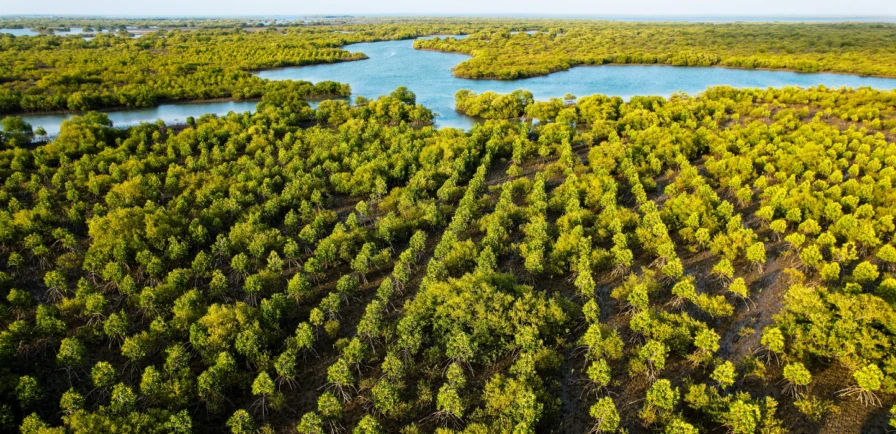
Pakistan’s coastal forests are no longer just an environmental asset. They are rapidly emerging as a powerful economic opportunity that could generate between $20 million and $50 million every year through international carbon markets. As the global demand for carbon credits continues to rise, Pakistan’s mangrove forests are attracting renewed attention for their ability to support climate action while creating long-term financial value. Pakistan Mangrove Carbon Market Offers a New Revenue Stream Speaking ahead of World Mangrove Day, Federal Minister for Maritime Affairs Muhammad Junaid Anwar Chaudhry highlighted the enormous commercial potential of Pakistan’s mangroves, describing them as a strategic national asset capable of driving sustainable economic growth while strengthening the country’s blue economy. The Pakistan Mangrove Carbon Market presents an opportunity to diversify national revenue beyond traditional industries. Carbon credits generated from healthy mangrove ecosystems can be traded in international carbon markets, providing governments and investors with a new source of income while rewarding environmental conservation. According to the minister, annual earnings could range from $20 million to $50 million, depending on global carbon credit prices and the volume of verified carbon credits produced. As businesses worldwide race to meet net-zero commitments, demand for high-quality nature-based carbon credits continues to expand, placing Pakistan in a favourable position. This opportunity is particularly significant because Pakistan possesses the world’s largest arid-climate mangrove forest, primarily located in the Indus Delta of Sindh, with additional mangrove ecosystems spread across coastal areas of Balochistan. Pakistan Could Rise Among the World’s Leading Mangrove Nations Pakistan currently ranks among the top countries globally in terms of mangrove forest coverage. Continued restoration and conservation programmes could elevate the country even further, potentially placing it among the world’s top five mangrove-rich nations. This improvement would not only strengthen Pakistan’s environmental standing but also increase its competitiveness in the rapidly growing international carbon credit market, where larger and healthier ecosystems translate into greater carbon sequestration potential and stronger investment prospects. Mangroves Are More Than Forests Mangrove forests provide economic value far beyond carbon trading. They serve as a natural defence system by protecting coastlines against erosion, flooding and storm surges, reducing infrastructure damage and safeguarding ports, coastal communities and marine ecosystems. Their ecological importance directly supports Pakistan’s fisheries sector. Mangroves function as breeding and nursery grounds for fish, shrimp, crabs and numerous marine species that sustain commercial fishing and the expanding aquaculture industry. The minister warned that continued degradation of these ecosystems could threaten food security, weaken coastal livelihoods and reduce future economic opportunities for thousands of fishing families who depend on healthy marine habitats. Balochistan’s Mangroves Add Strategic Value Although smaller in size, Balochistan’s approximately 4,058 hectares of mangrove forests also represent an important component of Pakistan’s climate strategy. These forests can contribute to national carbon credit programmes while supporting coastal resilience across the province. One of the most remarkable advantages of mangroves is their extraordinary carbon storage capacity. Scientific studies consistently show that mangrove ecosystems can capture and store significantly more carbon than most terrestrial forests, making them among the most valuable natural climate solutions available today. Restoration Efforts Are Showing Progress Years of encroachment, pollution and declining freshwater flows from the Indus River have damaged Pakistan’s mangrove ecosystems. However, restoration initiatives are beginning to reverse that trend. The Karachi Port Trust has reclaimed mangrove areas from illegal encroachments, launched extensive plantation campaigns along Mai Kolachi Road and surrounding coastal zones, and introduced regular coastal clean-up programmes to improve environmental conditions. The organisation has also partnered with environmental activist Almas Kasmani as its ambassador for coastal mangrove restoration. After successfully restoring approximately 4,000 mangrove plants, she has set an ambitious goal of planting another 100,000 trees to accelerate ecosystem recovery. Turning Environmental Protection into Economic Growth The success of the Pakistan Mangrove Carbon Market will depend on stronger environmental enforcement, wider public awareness and greater collaboration between government institutions and private investors. Expanding restoration projects, preventing illegal encroachments and developing internationally recognised carbon credit certification systems could transform Pakistan’s coastal forests into a sustainable source of foreign investment and climate finance. As global markets increasingly reward countries that preserve natural carbon sinks, Pakistan’s mangroves may become one of the nation’s most valuable green economic assets. Key Takeaways Pakistan’s mangrove forests are evolving from an overlooked environmental resource into a strategic economic opportunity. With the potential to generate up to $50 million annually through carbon markets while protecting coastlines, supporting fisheries and strengthening climate resilience, these forests could play a central role in the country’s future blue economy. Sustained restoration, effective governance and increased investment will determine whether Pakistan fully captures this emerging global opportunity.

MQM-P to Launch Street Movement Against 'Injustice' to Karachi, Announces Mustafa Kamal
Pakistan

MQM-P to Launch Street Movement Against ‘Injustice’ to Karachi, Announces Mustafa Kamal

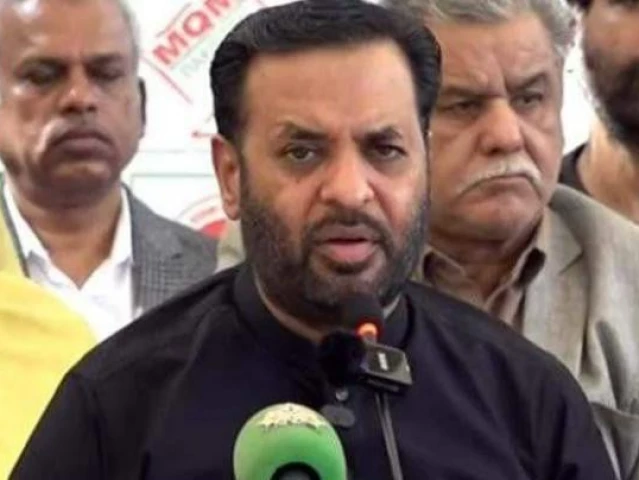
Muttahida Qaumi Movement-Pakistan (MQM-P) leader and Federal Health Minister Mustafa Kamal on Saturday announced that his party would launch a street movement against what it described as the continued injustice towards Karachi, saying all protests would remain within the framework of the Constitution and the law. Addressing a press conference in Karachi, Kamal said the MQM-P had exhausted constitutional and parliamentary avenues to raise the city’s issues and had now decided to take its campaign directly to the public. “MQM-P has decided that it will no longer stay quiet,” Kamal said. “We spoke in the assemblies, but they did not agree. We presented constitutional amendments, but they did not agree. Now we will come onto the streets with the people while remaining within the law and the Constitution.” He stressed that peaceful public protests were a constitutional right and said the party would exercise that right to highlight Karachi’s longstanding governance and development issues. According to Kamal, Pakistan had reached a stage where the existing governance structure could no longer effectively address public concerns. The MQM-P leader criticised what he called the failure to implement meaningful devolution of powers under the 18th Constitutional Amendment. He argued that although provinces receive substantial financial resources from the federation, those funds do not adequately reach local governments or district administrations. Referring to federal resource distribution, Kamal said the federation allocated around Rs8.4 trillion among the provinces, with Sindh receiving approximately Rs2.2 trillion. He alleged that the money remained concentrated at the provincial level instead of being distributed to cities and districts. “These funds are allocated in the name of the people, but they remain confined to the Chief Minister House instead of reaching Karachi, Hyderabad, Sukkur or Larkana,” he claimed. He further alleged that Sindh lacked an effective system for transferring financial resources to union councils, limiting the ability of local governments to provide essential public services. MQM-P Demands Greater Devolution of Powers Kamal reiterated the MQM-P’s longstanding demand for administrative reforms and greater decentralisation, including the creation of new administrative provinces. He said the party would support every constitutional measure aimed at devolving powers to local governments, arguing that the objectives of the 18th Amendment had not been fully implemented. “The 18th Amendment has not been enforced properly,” he said, adding that administrative restructuring was necessary to improve governance and public service delivery across Sindh. The MQM-P leader maintained that stronger local governments would allow cities to manage their own development priorities and respond more effectively to residents’ needs. Karachi Being Prevented From Playing Its Economic Role, Says Kamal During the press conference, Kamal described Karachi as Pakistan’s economic engine and questioned why the country’s largest city continued to face severe infrastructure and governance challenges. He alleged that the Sindh government was preventing Karachi from making its full contribution to Pakistan’s economic growth. “Who can pull Pakistan out of this economic quagmire? It is Karachi, but the current Sindh government is not allowing the city to contribute as it should,” he said. Kamal clarified that his criticism was not directed at the development of other cities but argued that Karachi should have received priority investment because of its central role in Pakistan’s economy. “We are happy for Lahore, but if development was to take place anywhere first, it should have happened in Karachi,” he remarked. According to Kamal, improved governance in Karachi could significantly strengthen Pakistan’s economic performance. Civic Problems Highlighted The federal minister also accused the provincial administration of failing to provide Karachi’s residents with basic municipal services. He claimed that many areas continued to suffer from shortages of clean drinking water, inadequate sewerage infrastructure and poor public education facilities. Kamal further alleged that several girls’ schools lacked basic sanitation facilities, including toilets, while the province continued to face high rates of child stunting and out-of-school children. He also raised concerns over recurring incidents involving uncovered manholes in Karachi, saying children had repeatedly lost their lives after falling into open drains. “Sindh is the only place where children are losing their lives after falling into manholes,” he alleged. The MQM-P leader also referred to the high number of reported dog-bite cases in the province, describing them as further evidence of weak municipal governance. Calls for Governance Reforms Calling Karachi Pakistan’s “economic capital,” Kamal said the city generated a significant share of national revenue and hosted the country’s major seaports but continued to struggle with poor infrastructure and public services. He criticised what he described as the absence of meaningful police reforms and shortcomings in managing primary and secondary education. Comparing Karachi with developments elsewhere, Kamal said that while other cities were discussing modern transport systems and advanced emergency medical services, Karachi was introducing bicycle ambulances. “I want to tell those running the country not to mistake our silence for weakness,” he said, adding that cities across Sindh deserved better governance and public services. Kamal said the MQM-P had previously introduced constitutional amendments intended to address governance issues but lacked sufficient parliamentary numbers to secure their passage. He concluded by accusing the current political arrangement of preventing meaningful reforms and said the party would now intensify its campaign through peaceful constitutional means, including public demonstrations.

UNOPS Water Infrastructure Worth $7.6m Handed Over To Sindh, KP
Pakistan

UNOPS Water Infrastructure Worth $7.6m Handed Over To Sindh, KP

The UNOPS water infrastructure project has officially been transferred to the Public Health Engineering Departments (PHEDs) of Sindh and Khyber-Pakhtunkhwa (KP), marking a significant step toward improving access to clean drinking water and sanitation in underserved communities. Valued at $7.6 million, the infrastructure includes solar-powered water supply systems designed to reduce long-term operating costs while expanding access to safe water for nearly 300,000 people. Funded by the United States Department of State, the project delivered critical water and sanitation facilities across Umerkot district in Sindh and Tank district in KP. Officials said the handover ensures provincial governments will now manage and maintain the infrastructure, helping deliver sustainable public services while lowering future maintenance expenses through renewable energy solutions. Solar-Powered Water Systems To Reduce Costs A key feature of the UNOPS water infrastructure project is the installation of more than half a megawatt of solar power capacity across the newly developed water supply schemes. The solar-powered systems allow the facilities to operate independently of Pakistan’s national electricity grid, significantly reducing recurring electricity and diesel costs that typically burden public water utilities. By relying on renewable energy, the project is expected to lower operational expenses for provincial governments while also reducing carbon emissions and supporting Pakistan’s broader climate resilience and clean energy objectives. Officials said the shift to solar energy will make the water supply systems more reliable, particularly in rural areas where electricity shortages and rising fuel prices often disrupt public services. Clean Water For Nearly 300,000 People Under the project, UNOPS completed six drinking water supply schemes, installed more than 40 kilometres of water distribution pipelines, and established over 1,300 water collection points across the two districts. The infrastructure now provides improved access to safe drinking water for almost 300,000 residents, many of whom previously faced limited or unreliable water supplies. In addition to expanding water access, UNOPS handed over a fully equipped water-testing laboratory that will support continuous water quality monitoring for approximately 164,000 people, helping ensure that drinking water remains safe and meets public health standards. The project also strengthened sanitation facilities by constructing six toilet blocks in schools, providing improved sanitation services to around 6,440 students. Economic Benefits For Rural Communities Officials highlighted that the project is expected to generate broader economic and social benefits beyond improving public health. With clean water now available closer to their homes, women in local communities are spending significantly less time collecting water, freeing up hours that can be devoted to productive economic activities. According to project officials, many women are now able to engage in handicrafts, kitchen gardening, small-scale agriculture, and other income-generating activities, creating new opportunities to supplement household earnings. The reduction in unpaid domestic labour is expected to improve livelihoods and strengthen the economic resilience of families living in some of Pakistan’s underserved rural districts. Provincial Departments To Manage Operations Following the handover, the Public Health Engineering Departments of Sindh and Khyber-Pakhtunkhwa will assume responsibility for operating and maintaining the water supply infrastructure. To support the transition, UNOPS has planned a series of capacity-building programmes aimed at strengthening institutional capabilities. The training will focus on key areas including operation and maintenance of water systems, water quality monitoring, and project management to ensure the infrastructure continues delivering reliable services over the long term. Officials said building technical capacity within provincial departments is essential for protecting the investment and ensuring sustainable service delivery for local communities. Sustainable Infrastructure For Long-Term Development The transfer reflects a broader development approach that combines international financial assistance with local ownership and institutional strengthening. By integrating solar-powered technology, provincial management, and technical training, the UNOPS water infrastructure project aims to reduce future operating costs while ensuring the facilities remain functional for years to come. Development experts say investments in clean water, sanitation, and renewable energy not only improve public health but also contribute to economic development by lowering government expenditures, increasing productivity, and creating more resilient rural communities. The project demonstrates how international partnerships can help expand access to essential public services while promoting environmental sustainability and long-term economic benefits for Pakistan’s rural population.

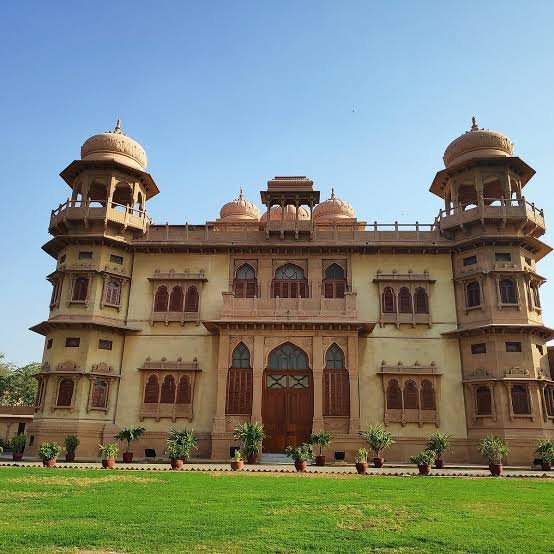
H1: Insurance Association Of Pakistan Presents Partner Awards At Mohatta Palace
Pakistan

Insurance Association Of Pakistan Presents Partner Awards At Mohatta Palace

Twenty-One Institutions Recognised For Strengthening Pakistan’s Insurance Sector KARACHI: The Insurance Association of Pakistan (IAP) honoured 21 leading public sector, private sector and development institutions at the IAP Partner Awards 2026, held at the historic Mohatta Palace. The awards celebrated organisations for their significant contributions to the growth and development of Pakistan’s insurance ecosystem. H3: Public And Private Sector Organisations Receive Recognition Among the award recipients were the Prime Minister’s National Health Program (Sehat Card), the Asian Development Bank (ADB), Sindh Police, Sindh Revenue Board, Central Depository Company (CDC), 1LINK, and several other institutions. They were recognised for their leadership in innovation, financial inclusion, digital transformation, public service, and advancing the insurance industry in Pakistan. Awards Presented By Government And IAP Leadership The awards were presented by Rana Ahsan Afzal Khan, Coordinator to the Prime Minister on Commerce, alongside Shoaib Javed Hussain, Chairman of the Insurance Association of Pakistan (IAP), during the ceremony at Mohatta Palace.

Scroll to Top