Pakistan

Pakistan Imports Jump 24% in FY26 as Petroleum Bill Surges 41% in June
Pakistan

Pakistan Imports Jump 24% in FY26 as Petroleum Bill Surges 41% in June

Pakistan’s Petroleum Import Bill rose sharply in June 2026, driven by higher international energy prices and increased crude oil purchases, while overall imports also recorded strong year-on-year growth, according to data released by the State Bank of Pakistan (SBP). The country’s petroleum group imports reached $1.55 billion during June 2026, registering a 41.25% increase compared with $1.10 billion recorded in the same month last year. However, on a monthly basis, petroleum imports declined 9.98% from $1.72 billion in May 2026, reflecting some easing in import volumes and prices toward the end of the fiscal year. Petroleum Import Bill Surges as Crude Oil Leads Energy Purchases The latest SBP figures show that crude oil remained the largest contributor within the petroleum category. Pakistan imported $812.03 million worth of petroleum crude during June, while imports of refined petroleum products stood at $506.86 million. Liquefied natural gas (LNG) imports accounted for another $221.47 million, highlighting the country’s continued reliance on imported energy to meet domestic demand. The sharp annual increase in the Petroleum Import Bill came despite the monthly decline and reflected the impact of elevated global oil prices during much of the fiscal year. Energy imports continue to represent one of the largest components of Pakistan’s overall import bill and remain a key factor influencing the country’s trade deficit and foreign exchange requirements. Overall Imports Rise 24% Year-on-Year Overall, Pakistan’s import payments processed through banks increased to $6.05 billion in June 2026 from $4.87 billion in June 2025, representing an annual increase of more than 24%. Freight charges during the month amounted to $196.54 million. Food Imports Decline Annually but Recover Month-on-Month While energy imports increased substantially, the food import bill moved in the opposite direction on an annual basis. Food imports declined 7.08% year-on-year to $642.91 million, compared with $691.92 million in June 2025. However, they increased 17.07% compared with $549.16 million recorded in May. Among food items, palm oil remained the largest imported commodity with purchases worth $214.54 million. Imports of pulses reached $63.58 million, while tea imports stood at $49.41 million during the month. Machinery Imports Reflect Continued Industrial Investment Imports of machinery continued to show healthy growth, indicating sustained investment in industrial equipment and technology. The machinery group recorded imports of $862.75 million, up 17.51% from $734.22 million a year earlier, although slightly lower than the $875.95 million imported in May. Electrical machinery and apparatus led the category with imports valued at $290.46 million, followed by other machinery at $244.27 million. Telecommunications equipment accounted for $149.85 million, reflecting continued investment in Pakistan’s communications infrastructure. Transport Imports Post Strongest Growth The transport sector posted the strongest growth among major import categories during June. Imports under the transport group surged 76.31% year-on-year to $435.05 million, compared with $246.78 million in the corresponding month of 2025. On a monthly basis, transport imports increased 19.15% from $365.11 million. Road motor vehicles dominated the category, accounting for $353.16 million of total transport imports. Meanwhile, imports of aircraft, ships and boats rose significantly to $60.41 million, compared with $16.73 million recorded during the same month last year. Textile Imports Continue Upward Trend The textile sector also registered notable growth during June. Textile-related imports increased 16.39% year-on-year to $538.90 million, while rising 23.68% compared with May’s $435.78 million. Raw cotton remained the largest imported item within the textile group, with imports valued at $216.41 million, reflecting continued demand from Pakistan’s export-oriented textile industry. Chemical and Agricultural Imports Increase Imports of agriculture and chemical products also moved higher during June. The agriculture and other chemicals group recorded imports worth $848.81 million, representing a 9.50% increase from $775.18 million a year earlier and an 8.11% rise compared with May. Plastic materials made the largest contribution to the category with imports totaling $245.77 million. The group also included fertilizer imports, although manufactured fertilizer imports remained below last year’s level despite ongoing demand in the agriculture sector. Metal Imports Jump on Construction Demand Metal imports recorded another strong performance during the month. The group’s import bill climbed 41.98% year-on-year to $541.74 million, compared with $381.63 million in June 2025. On a monthly basis, imports increased 34.99% from $401.36 million. Iron and steel remained the dominant segment within the metals category, accounting for imports worth $265.63 million, reflecting continued activity in construction, manufacturing and infrastructure projects. Miscellaneous Imports Also Move Higher Imports under the miscellaneous category rose 36.06% to $101.60 million, compared with $74.68 million in the same month last year, while increasing 5.26% from $96.53 million in May.
EU Introduces New Rules to Stop the Destruction of Unsold Clothes and Shoes
Pakistan

EU Introduces New Rules to Stop the Destruction of Unsold Clothes and Shoes

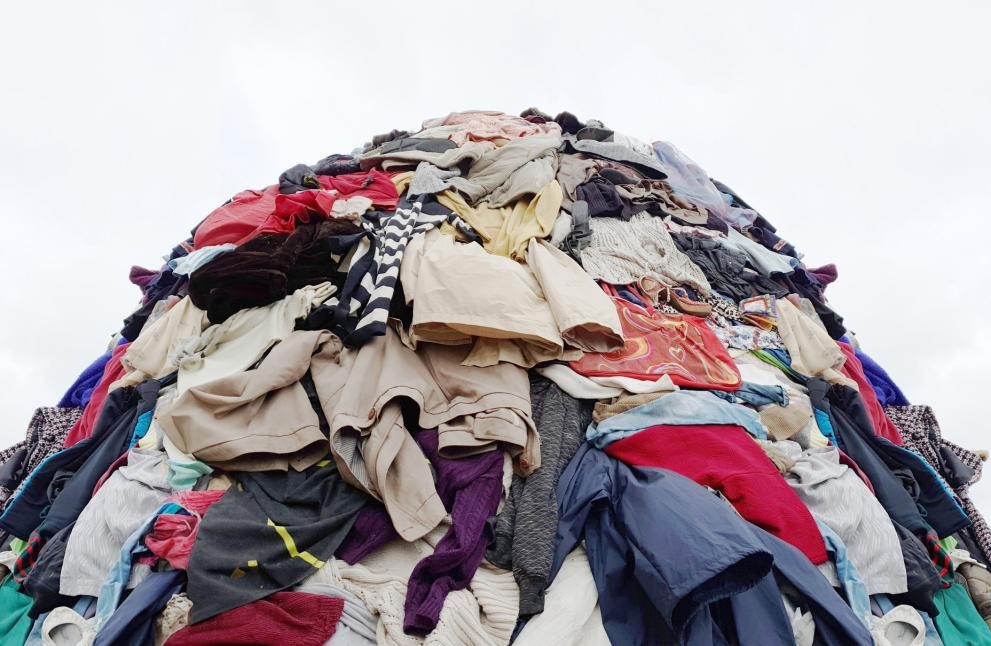
The European Union is set to implement new rules banning the destruction of unsold apparel, clothing accessories, and footwear as part of the Ecodesign for Sustainable Products Regulation (ESPR), marking a major step toward reducing textile waste and promoting a circular economy. The new regulations will come into effect on 19 July for large companies, while medium-sized businesses will be required to comply from July 2030. By encouraging reuse, recycling, and more sustainable resource management, the rules aim to reduce environmental damage, improve product circularity, and create a level playing field for businesses operating across the European Union. ESPR Targets Textile Waste and Fast Fashion According to the European Union, an estimated 4% to 9% of unsold textiles in Europe are destroyed every year before ever being worn. This practice generates approximately 5.6 million tonnes of carbon dioxide (CO₂) emissions annually. The Ecodesign for Sustainable Products Regulation (ESPR), which entered into force in July 2024, seeks to improve the sustainability of products sold in the EU by enhancing their durability, recyclability, energy performance, and overall circularity. The ban on destroying unsold textiles represents one of the first major measures introduced under the regulation and responds to growing consumer concerns about the environmental and social impacts of fast fashion. Companies Required to Prioritize Reuse Under the new rules, companies will be expected to keep products in circulation rather than dispose of them. Businesses will be required to prioritize selling unsold goods, donating them to charities or social enterprises, or preparing products for reuse before considering disposal. The regulation also requires companies to disclose information about unsold consumer products that are discarded as waste, improving transparency while minimizing additional administrative burdens. Limited Exceptions to the Ban The European Commission has clarified that the destruction of unsold clothing and footwear will only be permitted under specific circumstances. In February 2026, the Commission adopted implementing measures outlining the limited situations in which destruction may be allowed, including cases involving product safety concerns or items that have been damaged. Any disposal that is permitted must comply with the EU’s waste treatment hierarchy, ensuring that destruction remains a last resort. Circular Economy Push Gains Momentum The new ESPR requirements are expected to accelerate the transition toward a more sustainable and circular textile industry across Europe. By reducing unnecessary waste and encouraging reuse, recycling, and responsible product management, the regulation aims to lower greenhouse gas emissions, conserve resources, and promote more sustainable business practices throughout the textile and footwear sectors.

BYD Pakistan Receives Its Largest-Ever Shipment of NEVs at Karachi Port For Customer Deliveries
Pakistan

BYD Pakistan Receives Its Largest-Ever Shipment of NEVs at Karachi Port For Customer Deliveries

Karachi, July 17, 2026 — Mega Motor Company (MMC), the official partner of BYD in Pakistan, has announced the arrival of a Roll-on/Roll-off (RoRo) vessel carrying more than 2,000 BYD New Energy Vehicles (NEVs) at Karachi Port, marking the company’s largest shipment of vehicles to Pakistan to date. The milestone underscores the growing demand for electric mobility in Pakistan as consumers increasingly embrace New Energy Vehicles (NEVs) for their economic, environmental, and technological benefits. The large-scale shipment also reinforces BYD’s commitment to improving vehicle availability while supporting Pakistan’s transition toward cleaner and more sustainable transportation. BYD Expands Pakistan Presence with Record NEV Shipment The arrival of more than 2,000 BYD vehicles reflects the accelerating adoption of electric mobility in Pakistan and demonstrates the company’s confidence in the country’s growing EV market. As demand for NEVs continues to rise, larger shipments are expected to improve inventory availability and reduce delivery times for customers across Pakistan. Growing Consumer Confidence in Electric Mobility Speaking on the occasion, Danish Khaliq, Vice President – Sales & Strategy at BYD Pakistan – MMC, said the record shipment reflects the increasing confidence of Pakistani consumers in New Energy Vehicles and the country’s ongoing transition toward sustainable mobility. He noted that despite evolving global supply chain challenges and unprecedented international demand for BYD vehicles, the company worked closely with its global partner to strengthen supply planning and logistics. According to Khaliq, the shipment will enhance vehicle availability while ensuring customers receive their vehicles in a timely and reliable manner. He added that BYD Pakistan remains focused on delivering a premium ownership experience through world-class products, dependable aftersales support, and an expanding charging network that enables customers to adopt electric mobility with greater confidence. Pakistan Remains a Strategic Market for BYD Lei Jian, Country Head of BYD Pakistan, said the company’s global success has been built on continuous innovation, quality, and sustainable mobility. He described Pakistan as an important market in BYD’s international growth strategy and reaffirmed the company’s commitment to supporting the country’s transition toward cleaner transportation by introducing advanced New Energy Vehicles and strengthening its local presence. Lei Jian also thanked Pakistani customers for their trust and confidence in BYD products and said the company looks forward to supporting the next phase of electric mobility in Pakistan. RoRo Shipping Enhances Automotive Logistics The arrival of the shipment aboard a Roll-on/Roll-off (RoRo) vessel highlights the growing role of modern automotive logistics in Pakistan. Purpose-built to transport vehicles efficiently and safely, RoRo vessels allow automobiles to be driven directly on and off ships, reducing unloading times, minimizing handling risks, and improving supply chain efficiency. The use of RoRo shipping enables larger vehicle consignments to reach Pakistan more efficiently, strengthening logistics resilience while ensuring better availability of vehicles for customers.

US Strikes Target Key Iranian Infrastructure Amid Escalating Hormuz Conflict; Iran Says 38 Killed
Pakistan

US Strikes Target Key Iranian Infrastructure Amid Escalating Hormuz Conflict; Iran Says 38 Killed

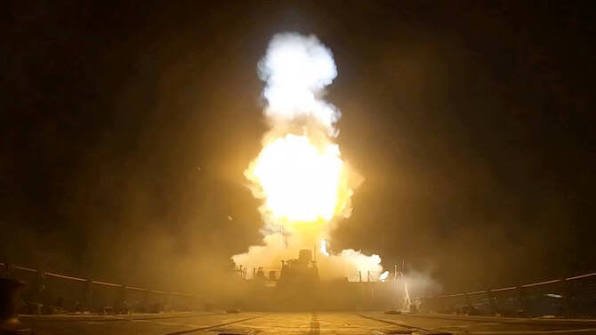
Deadly US strikes overnight hit an airport, a railway station, and bridges in Iran, killing at least three people and wounding several others, according to Iranian state media. The attacks come as tensions over the Strait of Hormuz intensify, with both sides exchanging fire despite earlier diplomatic efforts. Infrastructure Damage and Casualties Reported Across Iran A US strike on two bridges in Hormozgan province killed three people and wounded nine, state television reported. Explosions were also heard near Iranshahr Airport in southeastern Iran, with at least one projectile reportedly striking the facility. Bandar Abbas Railway Junction Station was also targeted, injuring two people, according to Mehr News Agency. Another strike wounded one person in the port city of Bushehr, while Chabahar’s maritime control tower was reportedly hit for the third time in a week. Iran Reports Rising Death Toll Iran’s Ministry of Health said that 38 people have been killed and more than 400 injured since US strikes resumed in late June. According to Iranian authorities, the casualties include women and minors, underscoring the humanitarian impact of the ongoing conflict. Iran Claims Retaliation as Strait of Hormuz Tensions Deepen Iran’s Revolutionary Guards claimed responsibility for a retaliatory strike on a US command centre in Syria. They also asserted that Iran continues to maintain control over the Strait of Hormuz, disrupting oil and gas exports during the conflict. The US Central Command (CENTCOM) confirmed carrying out a new wave of strikes targeting Iranian military assets, stating that the operations are intended to degrade Iran’s military capabilities and respond to attacks on commercial shipping. US officials said more than 50,000 American military personnel remain deployed across the region. US Cites Memorandum Violation The United States said the latest military action followed what it described as Iran’s violation of a Pakistan-mediated memorandum of understanding. President Donald Trump stated that the United States is “winning big in Iran,” while White House officials reiterated that the naval blockade targeting Iranian ports would continue. Global Energy Markets and Pakistan Face Growing Risks The escalating conflict has heightened concerns over global energy supplies passing through the Strait of Hormuz, one of the world’s most critical oil transit routes. For Pakistan, sustained disruptions could translate into higher crude oil prices, increased inflation, and additional pressure on the country’s current account through rising import costs. Analysts also warn that prolonged instability in the Middle East could affect remittance flows, regional trade routes, and investor confidence across emerging markets, including Pakistan. Diplomatic efforts involving regional stakeholders, including Pakistan, may gain renewed importance as the conflict continues.

Deputy Prime Minister Ishaq Dar Concludes China Visit, Signs WAICO Agreement
Pakistan

Deputy Prime Minister Ishaq Dar Concludes China Visit, Signs WAICO Agreement

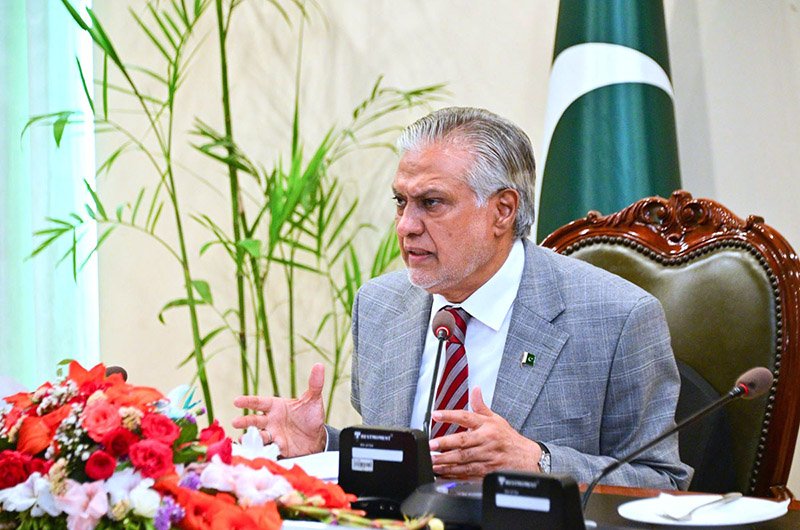
Deputy Prime Minister and Foreign Minister Senator Mohammad Ishaq Dar concluded his two-day visit to Shanghai, China, where he represented Pakistan at the World Artificial Intelligence Conference (WAIC) and signed the Agreement on the Establishment of the World Artificial Intelligence Cooperation Organization (WAICO). During the visit, the Deputy Prime Minister signed the WAICO Agreement on behalf of Pakistan. A total of 29 countries signed the agreement, with Pakistan participating as one of the founding members of the organization. WAICO aims to promote international cooperation in artificial intelligence, strengthen capacity building, and bridge the global digital divide. The signing ceremony was preceded by a banquet hosted by Chinese President Xi Jinping in honour of the visiting delegations. Pakistan Signs WAICO Agreement to Boost Global AI Cooperation The Deputy Prime Minister also attended the opening ceremony of the World Artificial Intelligence Conference, which was inaugurated by President Xi Jinping. Pakistan’s participation as a founding member of WAICO reflects its commitment to strengthening international cooperation in artificial intelligence, digital innovation, and emerging technologies while supporting inclusive technological development for developing countries. Ishaq Dar Holds Bilateral Meeting with China’s Wang Yi On the sidelines of the conference, Deputy Prime Minister and Foreign Minister Senator Mohammad Ishaq Dar held a bilateral meeting with Chinese Foreign Minister Wang Yi. The Deputy Prime Minister was accompanied by Minister for Information Technology and Telecommunications Shaza Fatima Khawaja; Adviser to the Chief Minister of Punjab on Artificial Intelligence and Special Initiatives Ali Mustafa Dar; Chairman of the Pakistan Virtual Assets Regulatory Authority (PVARA) Bilal Bin Saqib; Additional Secretary (Asia Pacific) Dr. Syed Asad Ali Gillani; and Pakistan’s Chargé d’Affaires in Beijing, Aizaz Khan. During the meeting, the two sides reviewed the broad spectrum of Pakistan-China bilateral relations and expressed satisfaction over the continued strength and steady growth of their partnership. They reaffirmed their commitment to further deepening the Pakistan-China All-Weather Strategic Cooperative Partnership. Focus on CPEC 2.0, AI and Digital Economy Both sides underscored the importance of advancing high-quality development under CPEC 2.0 and agreed to strengthen practical cooperation across multiple sectors. The discussions focused on expanding collaboration in trade, investment, science and technology, the digital economy, and artificial intelligence. Deputy Prime Minister Ishaq Dar emphasized the importance of ensuring equitable access to artificial intelligence and emerging technologies, stressing that technological advancement should support sustainable development and the socio-economic progress of developing countries. The two leaders also exchanged views on regional and global developments and reaffirmed their resolve to maintain close coordination and continue consultations on issues of mutual interest. They reiterated their commitment to enhancing cooperation at multilateral forums. Meetings With International Delegations During the conference, the Deputy Prime Minister also held meetings with foreign counterparts and other dignitaries to discuss bilateral and multilateral matters of mutual interest. These engagements focused on expanding international cooperation in emerging technologies, innovation, and digital transformation while strengthening Pakistan’s partnerships with countries participating in the World Artificial Intelligence Conference. Visit Strengthens Pakistan-China AI Partnership The visit is expected to further strengthen Pakistan-China cooperation in artificial intelligence, the digital economy, science and technology, and other emerging sectors. It also reinforces the shared commitment of both countries to innovation-driven development, high-quality implementation of CPEC 2.0, and enhanced collaboration through international platforms such as WAICO, supporting broader global cooperation in artificial intelligence and digital technologies.

First RoRo Vessel Brings More Than 2,000 Electric Vehicles to Pakistan
Pakistan

First RoRo Vessel Brings More Than 2,000 Electric Vehicles to Pakistan

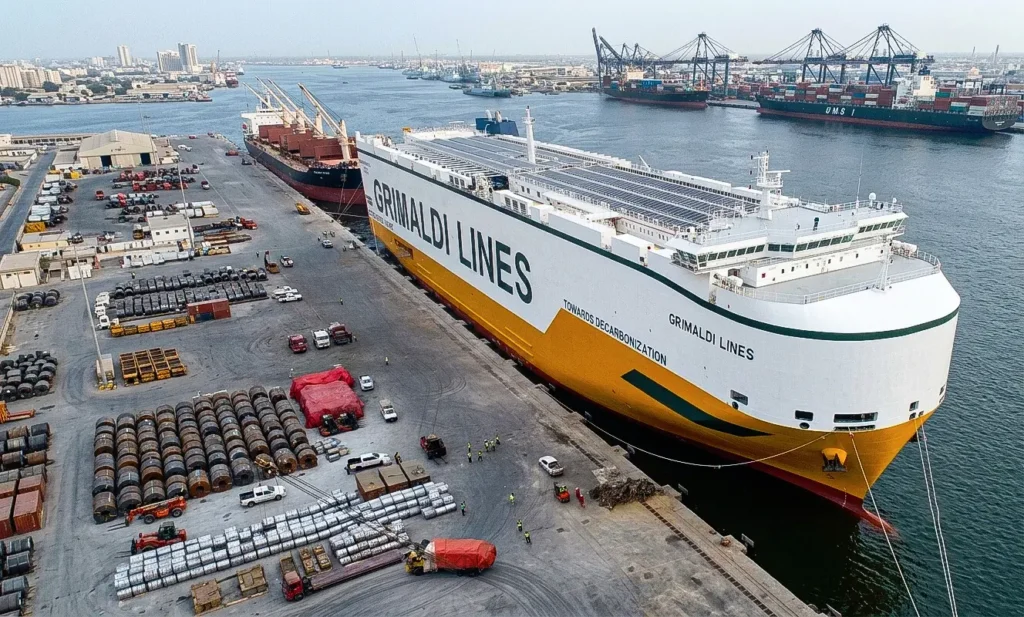
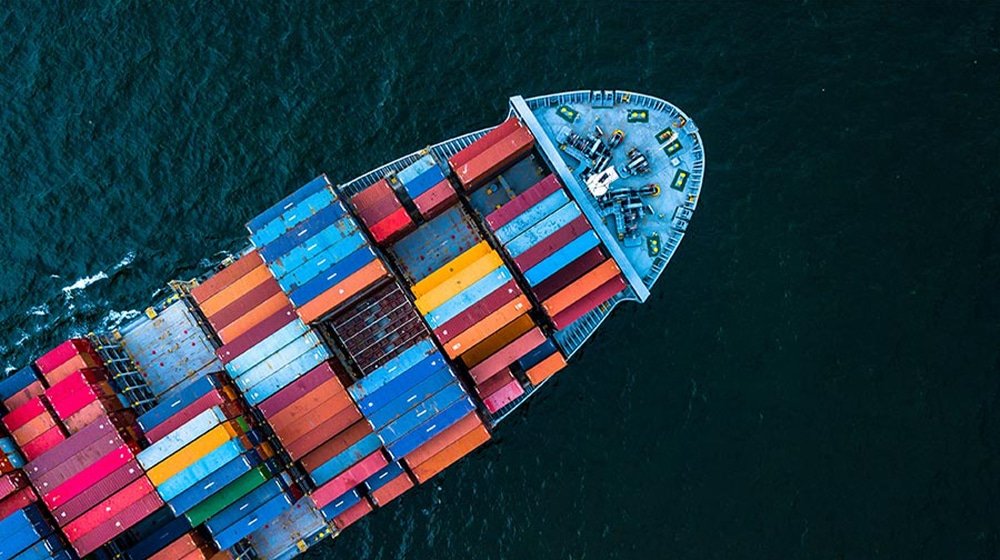
Pakistan has entered a new chapter in maritime logistics after the country received its First RoRo Vessel carrying more than 2,000 electric vehicles (EVs), marking the debut of the specialized roll-on/roll-off shipping service for automobile imports. The milestone was achieved with the arrival of M.V. Grande Shanghai at the Karachi Gateway Terminal Limited (KGTML), located at Karachi Port. Unlike conventional vehicle shipments transported in containers, the electric vehicles were driven directly off the vessel using built-in ramps, eliminating the need for cranes and significantly reducing unloading time. The First RoRo Vessel operation is being viewed as a major step toward modernizing the country’s maritime infrastructure and improving the efficiency of automobile imports. Federal Minister for Maritime Affairs Junaid Anwar Chaudhry described the arrival as a landmark achievement for Pakistan’s shipping industry and an important milestone in the government’s broader efforts to upgrade port operations. “This marks the beginning of a new era for Pakistan’s maritime sector,” the minister said, adding that the adoption of RoRo shipping demonstrates the country’s commitment to aligning its ports with international standards. What Is RoRo Shipping? Roll-on/roll-off (RoRo) shipping is a specialized method of transporting wheeled cargo, including passenger vehicles, trucks, buses, construction equipment, and heavy machinery. Instead of using cranes to lift cargo into containers, vehicles are simply driven onto and off the ship through built-in ramps. The system significantly reduces loading and unloading times while lowering handling costs and minimizing the risk of cargo damage. Globally, RoRo vessels are widely used by automobile manufacturers because they provide a faster and more efficient way to transport large numbers of vehicles across international markets. With the arrival of Pakistan’s First RoRo Vessel, Karachi Port has joined a network of international ports capable of handling this specialized shipping service. Karachi Port Moves Toward Global Standards According to the Maritime Affairs Ministry, introducing RoRo operations represents another important step in modernizing Pakistan’s port infrastructure. Minister Chaudhry said investments in modern cargo handling facilities will improve operational efficiency, reduce vessel turnaround times, and strengthen Pakistan’s competitiveness in regional trade. He added that adopting international shipping practices would support the country’s long-term trade ambitions while making Karachi Port more attractive to global shipping companies. “Karachi Port is moving toward world-class, modern shipping services,” the minister said. The ministry believes the new service will improve logistics performance while facilitating smoother imports of vehicles and heavy equipment in the future. Boost for Electric Vehicle Imports The arrival of more than 2,000 electric vehicles also reflects growing interest in Pakistan’s emerging EV market. As consumers increasingly shift toward cleaner transportation technologies, efficient shipping methods such as RoRo services are expected to support larger vehicle imports while reducing overall logistics costs. Industry observers say improved port handling capabilities could encourage additional international automakers to expand their presence in Pakistan. The ability to unload vehicles directly from ships also minimizes handling requirements, allowing importers to move inventory more quickly into the domestic market. Part of Broader Maritime Modernization The successful RoRo operation follows several other significant developments across Pakistan’s ports as authorities continue investing in maritime infrastructure and logistics capabilities. The government has identified port modernization as a key component of its strategy to improve trade facilitation, reduce shipping costs, and strengthen Pakistan’s position as a regional logistics hub. Officials believe modern cargo handling systems will improve supply chain efficiency while supporting future growth in imports and exports. Recent LNG Operation Highlighted Port Capabilities The RoRo milestone comes only days after Pakistan successfully completed another high-profile maritime operation at Port Qasim. Despite severe monsoon weather and hazardous sea conditions, authorities safely berthed a liquefied natural gas (LNG) carrier through Port Qasim’s 49-kilometre navigational channel, preventing potential disruptions to the country’s energy supplies. The Port Qasim Authority described the operation as a historic achievement that demonstrated Pakistan’s growing maritime capabilities under difficult operating conditions. The vessel transported approximately 171,951 cubic metres of LNG, making it the largest LNG cargo ever handled at the PGPCL terminal. With a beam of 47.8 metres, the ship also became the widest LNG carrier ever accommodated at Port Qasim during the monsoon season. The successful operation highlighted improvements in navigation, pilotage, and port management while reinforcing confidence in Pakistan’s ability to handle increasingly complex maritime operations. Strengthening Pakistan’s Logistics Network The introduction of RoRo shipping is expected to strengthen Pakistan’s logistics network by offering importers a faster, safer, and more cost-effective method of transporting vehicles and heavy machinery. Industry experts believe the service will reduce congestion, shorten cargo clearance times, and improve supply chain efficiency for automobile importers. The government also expects the development to attract additional shipping lines offering specialized maritime services, helping Pakistan integrate more closely with global trade routes.

Pakistan Defence Industry Eyes Export Boom as DIPRA Unites Govt, Industry and Investors
Pakistan

Pakistan Defence Industry Eyes Export Boom as DIPRA Unites Govt, Industry and Investors

The Pakistan Defence Industry took another step toward modernization and global competitiveness as the Defence Industrial Production Regulatory Authority (DIPRA) organized a high-level seminar at Pakistan Ordnance Factories (POF) Wah. The event brought together senior government officials, defence manufacturers, private sector representatives, academic institutions, researchers, and investors to discuss strategies for strengthening Pakistan’s defence production ecosystem through closer public-private collaboration. The seminar highlighted the government’s commitment to developing a technologically advanced and self-reliant Pakistan Defence Industry capable of meeting domestic security requirements while expanding its footprint in international defence markets. Participants agreed that stronger cooperation among stakeholders is essential to unlock the sector’s full economic and export potential. The event served as a platform for policymakers, industry leaders, and experts to exchange ideas on improving industrial capacity, encouraging investment, and promoting innovation in Pakistan’s defence manufacturing sector. The discussions also focused on creating an environment where local companies can play a greater role in producing advanced defence equipment and technologies. DIPRA Promotes Public-Private Collaboration for Pakistan Defence Industry Speaking at the seminar, the Chairman of DIPRA stressed that technological innovation and indigenous capability development are the foundations of a sustainable defence production sector. He said Pakistan possesses significant industrial and technical potential that can be transformed into globally competitive products through effective collaboration between government institutions and the private sector. He emphasized that building a competitive and self-sufficient Pakistan Defence Industry would not only strengthen national security but also contribute to economic growth by generating employment, attracting investment, and increasing exports. According to the chairman, closer partnerships between industry, academia, and research organizations can accelerate innovation and help local manufacturers meet international quality standards. The chairman noted that public-private partnerships have become a key driver of industrial development worldwide. He said Pakistan can benefit from this model by encouraging private companies to invest in research, development, manufacturing, and advanced engineering. Such collaboration would improve efficiency, reduce dependence on imported technologies, and strengthen the country’s defence industrial base. Indigenous Manufacturing at the Core of Long-Term Strategy A key focus of the seminar was the role of indigenous manufacturing in supporting Pakistan’s long-term strategic objectives. Participants discussed ways to increase local production of defence equipment and reduce reliance on foreign suppliers by investing in domestic technology, skilled human resources, and research institutions. Industry experts also highlighted the importance of expanding cooperation between universities and defence manufacturers. They said academic institutions can contribute significantly by conducting research, developing new technologies, and preparing a highly skilled workforce capable of supporting the evolving needs of the defence sector. Expanding Defence Export Opportunities Panel discussions explored emerging opportunities in the global defence market and examined how Pakistani manufacturers can improve their competitiveness. Speakers emphasized that international demand for cost-effective and high-quality defence products continues to grow, creating new export opportunities for countries with strong manufacturing capabilities. Participants discussed strategies to help Pakistani companies enter new international markets by improving product quality, obtaining global certifications, and strengthening partnerships with foreign defence firms. They also stressed the need to adopt advanced production techniques and digital technologies to remain competitive in an increasingly technology-driven global industry. Regulatory Reforms and Investment Climate Another important topic was the regulatory framework governing defence production. Participants exchanged views on simplifying regulatory procedures, improving transparency, and creating policies that encourage investment while maintaining strict quality and security standards. Investors attending the seminar emphasized that a predictable regulatory environment is essential for attracting long-term investment into the defence manufacturing sector. They noted that supportive government policies could encourage local and international investors to establish manufacturing facilities, research centers, and technology partnerships in Pakistan. Innovation and Technology to Drive Future Growth The seminar also underscored the growing importance of innovation in modern defence production. Experts said future growth will depend on continuous investment in research and development, automation, digital manufacturing, and advanced engineering solutions. They encouraged closer cooperation between scientists, engineers, manufacturers, and policymakers to accelerate technological progress. Participants agreed that strengthening local production capabilities would not only improve Pakistan’s strategic autonomy but also create broader economic benefits. Increased manufacturing activity could generate skilled employment, support small and medium-sized enterprises, promote technology transfer, and contribute to industrial development across multiple sectors. Stakeholders Reaffirm Commitment to Defence Industry Growth The event concluded with a renewed commitment to fostering stronger partnerships among government institutions, private companies, academic organizations, and investors. Stakeholders agreed that collaborative efforts are essential for transforming Pakistan into a regional hub for defence manufacturing and innovation. In his closing remarks, the Chairman of DIPRA thanked all participants for their valuable contributions and active engagement throughout the seminar. He expressed confidence that the discussions and recommendations would translate into practical initiatives aimed at strengthening the Pakistan Defence Industry, enhancing industrial cooperation, and expanding defence exports. He said that by embracing innovation, promoting indigenous manufacturing, encouraging investment, and deepening public-private partnerships, Pakistan can build a modern and globally competitive defence sector. Such progress, he added, will not only reinforce national security but also support sustainable economic growth by increasing exports, creating employment opportunities, and positioning Pakistan as a reliable supplier in the international defence market.

PMEX Launches Deliverable Yellow Maize Futures Contract to Modernise Commodity Trading
Pakistan

PMEX Launches Deliverable Yellow Maize Futures Contract to Modernise Commodity Trading

PMEX Launches Deliverable Yellow Maize Futures Contract to Enhance Price Discovery Karachi: Pakistan Mercantile Exchange Limited (PMEX), the country’s only licensed commodity futures exchange, has launched the PMEX Yellow Maize Futures Contract, introducing a regulated, exchange-based platform for trading, price discovery, and physical delivery of yellow maize. The initiative marks an important step in modernising Pakistan’s agricultural commodity markets by providing farmers, traders, processors, exporters, and other stakeholders with a transparent and standardized mechanism for buying and selling yellow maize. Regulated Platform for the Maize Value Chain The Deliverable Yellow Maize Futures Contract enables a wide range of market participants—including farmers, traders, commission agents, feed manufacturers, processors, exporters, and brokers—to trade yellow maize through standardized futures contracts. The contracts are backed by approved delivery centres and quality certification, ensuring transparency, consistency, and confidence throughout the trading and settlement process. PMEX said the exchange-based model is designed to improve market efficiency while reducing the risks associated with informal trading practices. Improving Price Discovery and Market Efficiency Yellow maize is one of Pakistan’s most important agricultural commodities, serving as a key input for the poultry, livestock, animal feed, starch, and food processing industries. Despite its economic significance, maize trading has traditionally relied on fragmented pricing information and informal market channels, exposing buyers and sellers to price volatility and limited transparency. The PMEX Yellow Maize Futures Contract addresses these challenges by offering transparent price discovery, standardized quality specifications, physical delivery through approved facilities, and efficient settlement under a regulated framework. Strong Initial Market Interest PMEX said the contract has received encouraging participation since trading commenced, indicating growing interest among market participants in exchange-traded agricultural commodities. The exchange believes the new contract will strengthen confidence across the maize value chain by providing an efficient platform for hedging price risks and improving market transparency. PMEX to Hold Roadshows Across Maize-Producing Regions To promote adoption of the new futures contract, PMEX will conduct targeted awareness roadshows across Pakistan’s major maize-producing and trading regions. The outreach campaign will begin in Pakpattan and will engage farmers, traders, processors, and other stakeholders to explain the trading process, delivery mechanism, and risk management benefits offered by the Deliverable Yellow Maize Futures Contract. The initiative aims to increase awareness of regulated commodity trading and encourage broader participation in Pakistan’s agricultural futures market. PMEX CEO Highlights Benefits Commenting on the launch, Khurram Zafar, Chief Executive Officer of PMEX, said the Deliverable Yellow Maize Futures Contract represents a significant milestone in the development of Pakistan’s agricultural markets. “The launch of Deliverable Yellow Maize Futures Contract is an important step towards building a modern agricultural market. It provides participants with a transparent mechanism for price discovery, risk management and delivery, while supporting greater confidence across the maize value chain.” Trading Available Through Licensed Brokers PMEX confirmed that the Deliverable Yellow Maize Futures Contract is now available for trading through PMEX-licensed brokerage houses. The exchange expects the contract to support greater transparency, improved market efficiency, and better risk management while contributing to the long-term development of Pakistan’s regulated commodity markets.

Karachi Wholesale Market Strike Disrupts Commodity Supply Across Pakistan
Pakistan

Karachi Wholesale Market Strike Disrupts Commodity Supply Across Pakistan

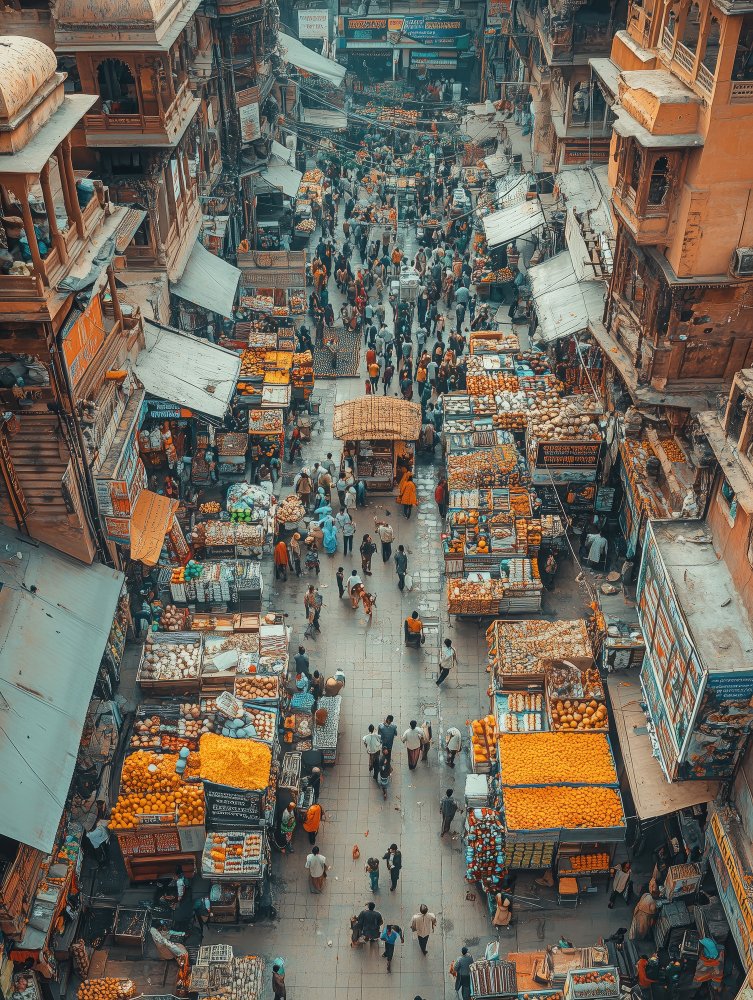
The Karachi wholesale market strike brought commercial activity to a standstill on Wednesday, disrupting the supply of essential commodities across Pakistan after traders shut down the city’s major wholesale markets in protest against what they described as unfair enforcement actions by the local administration. The strike, organized by the Karachi Wholesale Grocers Association, forced the closure of key wholesale trading hubs, suspending the movement of food grains and other essential goods from Karachi to various parts of the country and raising concerns over potential supply chain disruptions if the dispute continues. Major Wholesale Markets Remain Shut According to Karachi Wholesale Grocers Association Chairman Abdul Rauf Ibrahim, wholesale markets in Korangi, Landhi, and Liaquatabad joined the strike alongside Karachi’s central wholesale market. Major commercial centers, including Jodia Bazaar, Dandia Bazaar, and Lea Market, remained closed throughout the day, with traders locking shops and warehouses while displaying protest banners across the markets. Traders also established a protest camp to press their demands and draw attention to what they described as unjust treatment by the city administration. Traders Protest Fines and Shop Sealing Abdul Rauf Ibrahim alleged that authorities had imposed fines worth millions of rupees on wholesale traders and sealed dozens of businesses as part of what he termed arbitrary enforcement measures. According to him, these actions have created uncertainty among traders, disrupted normal business operations, and negatively affected commercial activity in Karachi’s wholesale sector. He urged the government to reconsider its approach and engage with trader representatives to resolve the dispute. Traders Question Action Against Wholesale Sector The association also questioned why flour mill owners were not facing similar enforcement despite allegations of selling flour at inflated prices. Ibrahim argued that if the government is serious about addressing the flour pricing and supply situation, it should take action against all stakeholders rather than focusing solely on wholesale traders. He maintained that the strike was a response to what traders believe is discriminatory treatment by the local administration. Commodity Transportation Comes to a Halt The strike also brought the transportation of essential commodities to a standstill. With wholesale markets closed, trucks carrying food grains and other goods were unable to depart from Karachi for destinations across Pakistan. The disruption has raised concerns about possible shortages and delays in supply if the standoff between traders and authorities continues beyond the planned protest period. Karachi serves as Pakistan’s largest commercial hub, making uninterrupted wholesale market operations critical for maintaining nationwide supply chains. Traders Seek Dialogue with Administration According to the traders’ association, repeated attempts to engage with the city administration have not produced meaningful results. Abdul Rauf Ibrahim claimed that the Commissioner Karachi had declined to meet representatives of the wholesale trade sector, further increasing tensions between traders and government authorities. The association called on the administration to initiate dialogue and address the concerns of wholesalers through consultation rather than punitive measures. Daily Wage Workers Also Affected The one-day shutdown also impacted hundreds of daily wage workers who depend on Karachi’s wholesale markets for employment. With trading activity suspended and goods transportation halted, many laborers were left without work and income for the day. Traders warned that while the current strike was planned as a one-day protest, further demonstrations could follow if the government fails to address their grievances. Government Response Awaited The protest underscores growing tensions between Karachi’s wholesale trading community and the local administration over market regulation, penalties, and enforcement practices. Market participants are now awaiting the government’s response, hoping for negotiations that can restore normal business operations and ensure the uninterrupted movement of essential commodities across Pakistan.

UNESCO Pakistan to Launch Regional Webinar Series on Science, Ethics and Innovation
Pakistan

UNESCO Pakistan to Launch Regional Webinar Series on Science, Ethics and Innovation

UNESCO Pakistan is set to launch a year-long regional webinar series on Science, Ethics and Innovation in collaboration with the Commission on Science and Technology for Sustainable Development in the South (COMSATS) and the ECO Science Foundation (ECOSF). The initiative forms part of the International Decade of Sciences for Sustainable Development (IDSSD) 2024–2033 and aims to strengthen regional cooperation in science, technology, and innovation while supporting the achievement of the United Nations Sustainable Development Goals (SDGs). The announcement coincides with the opening of the 2026 Global Conference of the International Decade of Sciences for Sustainable Development in Paris, where UNESCO unveiled its first Global Report on the Science Decade, highlighting both significant scientific progress and persistent global inequalities in research and innovation. UNESCO Launches First Global Science Decade Report The two-day conference has brought together more than 800 ministers, scientists, policymakers, and global leaders to assess the role of science in advancing the Sustainable Development Goals. During the event, UNESCO released the First Global Report of the International Decade of Sciences for Sustainable Development, which evaluates the progress made during the initiative’s first two years. According to the report, 397 UNESCO-endorsed scientific initiatives across 79 countries have collectively mobilized approximately $50 million in confirmed funding, supporting projects linked to all 17 Sustainable Development Goals. However, the report also highlights major disparities in global scientific participation. Although Africa accounts for 17.5% of the world’s population, the continent represents less than 10% of the endorsed initiatives. Additionally, nearly 40% of participating projects identified weak coordination—not funding—as their biggest obstacle, indicating that stronger governance and collaboration are essential for scientific progress. UNESCO Calls for Stronger Science Governance Speaking at the conference, UNESCO Director-General Dr. Khaled El-Enany emphasized that scientific knowledge alone is not enough to address today’s global challenges. He said governments must now translate scientific research into effective public policies, sustainable investments, and measurable outcomes that benefit both people and the planet. The report recommends five key reforms to strengthen global science systems and accelerate progress toward the SDGs: Progress on Open Science Remains Uneven UNESCO also released new findings on the implementation of its Recommendation on Open Science, adopted in 2021. The data shows that 81 countries have taken steps to implement the recommendation, with 60% of open science policies introduced during the past five years directly referencing UNESCO’s framework. Despite this progress, implementation remains inconsistent. While 79% of governments report having an open science policy framework, only 41% have developed implementation plans, and just one-third have established monitoring mechanisms to measure the effectiveness of these policies. UNESCO says stronger implementation is needed to ensure scientific knowledge becomes more accessible, transparent, and beneficial for society. UNESCO Pakistan to Promote Regional Science Cooperation Building on the momentum of the Global Conference, UNESCO Pakistan, together with COMSATS and ECOSF, plans to launch a regional webinar series focused on Science, Ethics and Innovation. The year-long programme will provide a platform for policymakers, researchers, academics, universities, and scientific institutions from across the region to exchange knowledge, strengthen science diplomacy, and encourage South-South cooperation. The initiative seeks to promote ethical, inclusive, and responsible approaches to science and technology while supporting evidence-based policymaking and regional collaboration. Eleven Webinars to Cover Emerging Scientific Fields The webinar series will feature 11 thematic sessions covering a broad range of emerging scientific and policy issues. Topics will include: According to UNESCO Pakistan, the programme will showcase the organization’s global normative frameworks and flagship initiatives while encouraging dialogue on responsible scientific innovation across the region. Supporting Sustainable Development Through Science The regional initiative aligns with UNESCO’s broader objective of ensuring science plays a central role in addressing global challenges, including climate change, inequality, technological governance, and sustainable development. By connecting experts, institutions, and policymakers across South Asia and neighbouring regions, the webinar series aims to strengthen scientific cooperation, improve knowledge sharing, and promote ethical innovation that contributes to the Sustainable Development Goals. The programme is expected to run throughout the year under the framework of the International Decade of Sciences for Sustainable Development (2024–2033), reinforcing UNESCO’s commitment to building stronger regional partnerships and advancing science for sustainable and inclusive development.

Scroll to Top